Artificial Intelligence

Part II - The Role of AI in Evolving Game Ecosystems and Player Dynamics

Part II - The Role of AI in Evolving Game Ecosystems and Player Dynamics

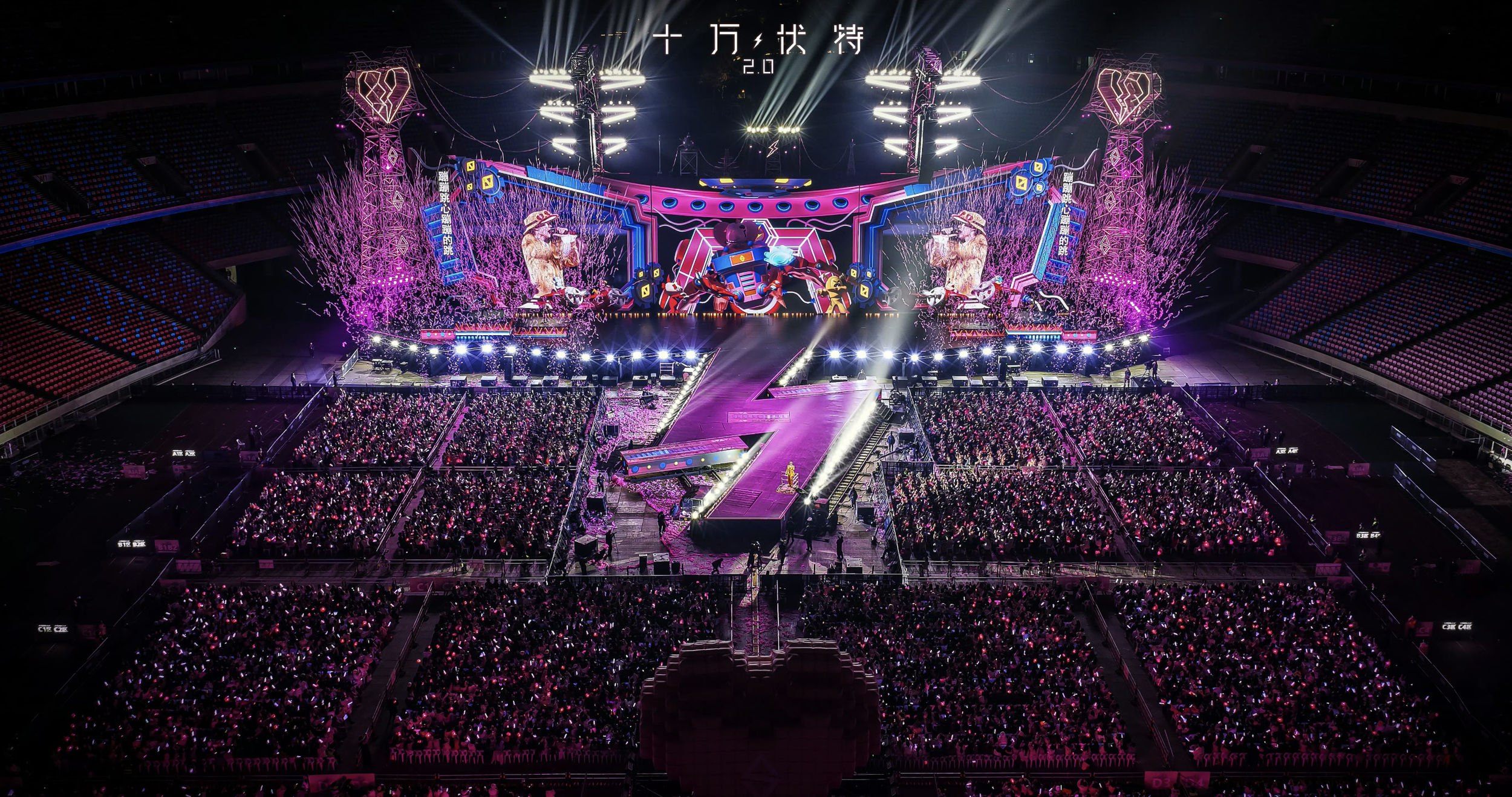
This study advances Part II by translating Scopely’s strategy into an execution plan across three tracks - NPC innovation, intelligent monetization, and ethical LiveOps - supported by new evidence from a 1,159-response consumer survey, nine expert interviews (developers, influencers, and experiential professionals), and secondary industry research. Part I established the market context for AI’s disruptive potential and identified three priorities: live operations evolution, commerce optimization, and advanced player analytics. The goal of this phase is to pinpoint the highest-leverage AI applications that deepen gameplay engagement, convert payment resistance through demonstrated value, and safeguard community trust. Accordingly, Part II outlines actionable playbooks (context-aware NPCs and adaptive narratives), platform tactics (purchase-aligned mobile personalization and cross-play integration), and operational models (behavior-based matchmaking and transparency protocols) designed to drive scalable, technology-led growth while preserving the integrity of shared human play.

Part I - Beyond the Screen: The Role of AI in Evolving Game Ecosystems and Player Dynamics

Part I - Beyond the Screen: The Role of AI in Evolving Game Ecosystems and Player Dynamics

This study provides a comprehensive analysis for Scopely to enhance its position as a leader in interactive and mobile gaming, focusing on AI integration in live operations, in-game commerce, and player analytics. The research reveals the urgent need for gaming companies to navigate accelerated AI adoption and evolving player expectations for personalized experiences. The goal is to identify the most impactful AI applications over the next three years and strategies that maximize engagement and monetization while maintaining player trust. Significant to this goal is balancing innovation with ethical considerations, including data privacy and transparency, while recognizing AI's potential to enhance storytelling and create immersive experiences. Employing a mixed-methods approach with industry interviews, a survey of over 1,000 U.S. gamers, and secondary research, Part I establishes the foundation for understanding AI's transformative impact - setting the stage for Part II's empirical findings and strategic recommendations.

Byte-Sized Culture: The Business of Art in the Digital Age

Byte-Sized Culture: The Business of Art in the Digital Age

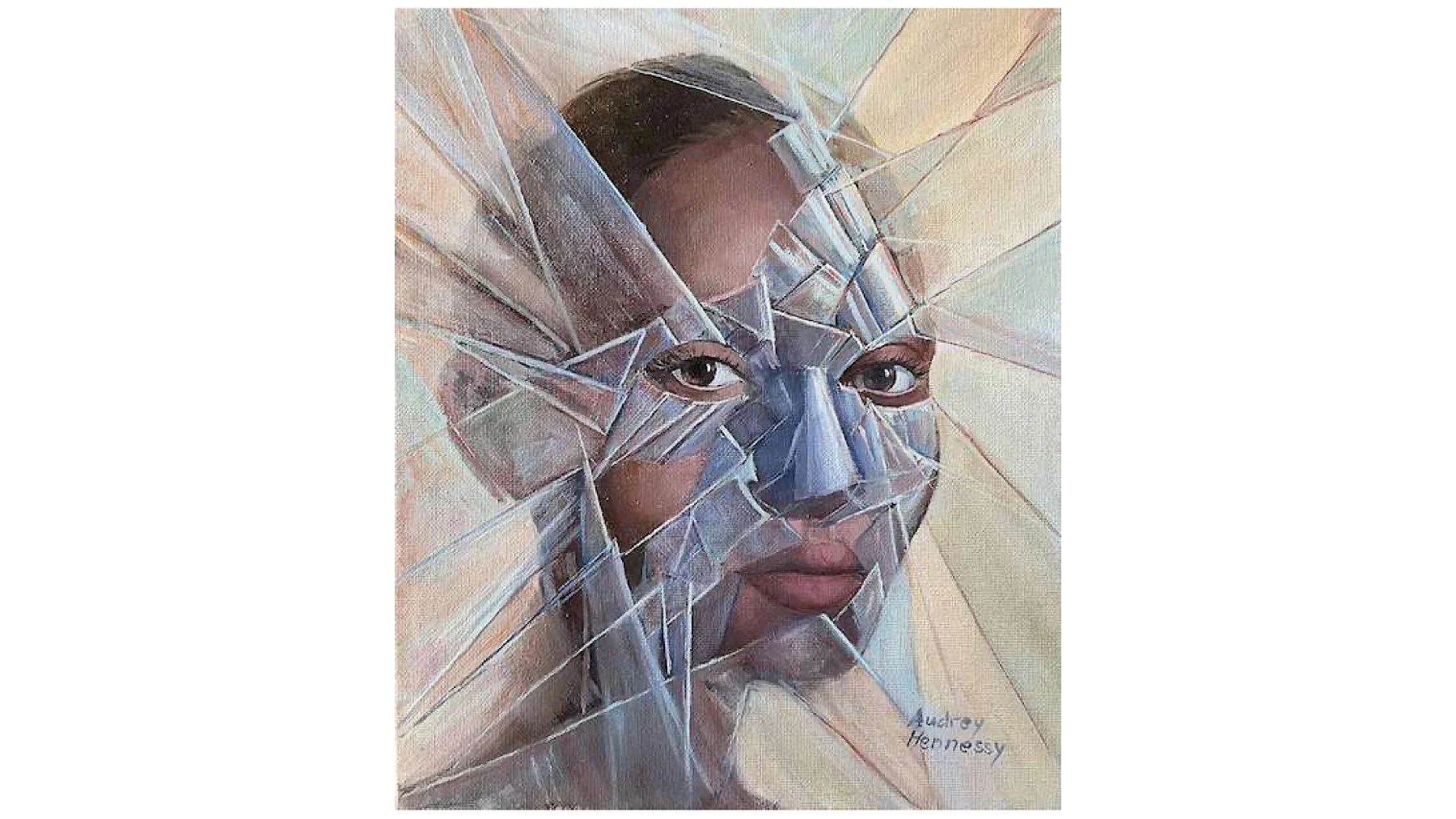
The digital art world is long past being just a new creative medium; it has evolved into a complex economic arena. What was once a niche field is now a battleground for artists, developers, and institutions grappling with new questions of ownership, value, and creative rights. This evolving landscape is driven by emerging technologies, including AI and blockchain, which are not only reshaping how art is made but also challenging the very foundations of traditional art markets and the way artists earn a living.

AI in Traditional Music Preservation: Lessons from the Konghou (Chinese Harp)

AI in Traditional Music Preservation: Lessons from the Konghou (Chinese Harp)

This article investigates how artificial intelligence aids in the preservation of traditional music, using the Chinese Harp (Konghou) as a key example. It explores the technology's opportunities and challenges through an examination of existing models like Folk RNN for Irish music and MusicMamba for Chinese traditional music

AI-Driven Dubbing: A New Frontier for Voices in the Audiovisual Industry

AI-Driven Dubbing: A New Frontier for Voices in the Audiovisual Industry

What is the world if not a collection of stories? And, what is a globalized world without the capacity to share those stories across cultures, borders, and languages? Dubbing has long served as a bridge between screens and diverse audiences. However, as with every technological shift, we now find ourselves entering a new era: artificial intelligence. What challenges does this emerging paradigm present to the entertainment industry with regards to dubbing?

Advertising Monopolies, AI Policy, and Pirating Issues

Advertising Monopolies, AI Policy, and Pirating Issues

This spring, we saw major movements in the legal landscape of digital advertising. Between Google being ruled as an advertising monopolist and Mark Zuckerberg’s war on creative materials, digital advertising is gearing up for change. Read on for more information, including pirating issues, new ambitions for VR movies, and increased access to AI image generation.

Disruption and Acquisition in the Entertainment Industry - March News

Disruption and Acquisition in the Entertainment Industry - March News

An eventful March unfolds in the arts, technology, and entertainment space. With the sale of TikTok still pending, well-known tech investors like Perplexity, Microsoft, and Oracle throw their hats in the ring. And, though ethical debates of AI-generated and AI-assisted work are ongoing, it is finding success in the auction houses and award ceremonies. Meanwhile, recent tech acquisitions may signal a shift in the music industry, and South by Southwest (SXSW) is making a strategic adjustment following this year’s festival. Read the highlights.

Music, Movies, & More - February News

Music, Movies, & More - February News

In the middle of awards season, major announcements in the media and entertainment industry defined February’s news. While Spotify prepares to ramp up its product offerings, new AI-powered tech is winning Grammys and helping make magic happen on the big screen. All this takes place in the shadow of some major policy announcements regarding copyright and AI.

Models for Guaranteed Income, Resource-Sharing, and Pension Programs: Saving the Starving Artist & Cultural Sector

Models for Guaranteed Income, Resource-Sharing, and Pension Programs:  Saving the Starving Artist & Cultural Sector

As technology reshapes employment, artists face particular financial challenges, earning 30% less than their peers while lacking traditional benefits. This article examines how cities and organizations are testing new solutions—from guaranteed income programs to innovative pension schemes—to provide artists with greater economic stability.

AI Integration and Barriers in Education

AI Integration and Barriers in Education

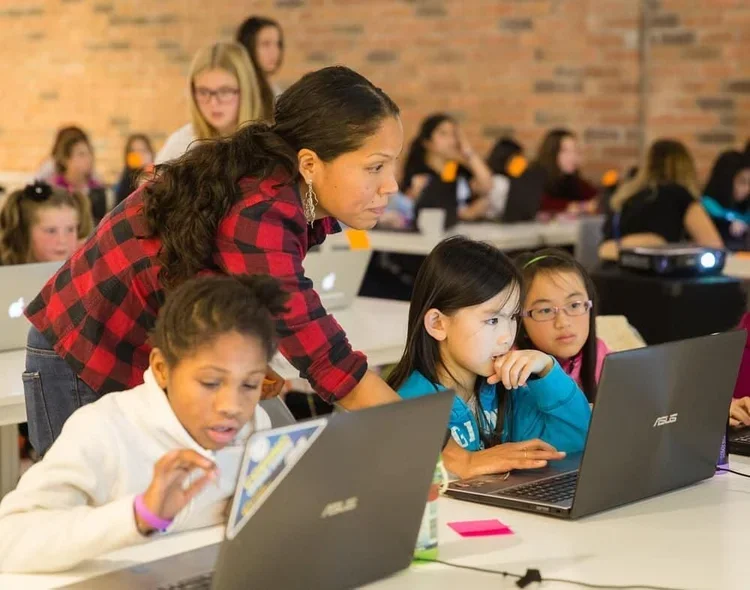
Educators are grappling with the challenge of integrating AI into classrooms, fearing that these systems might replace traditional learning methods rather than enhance them.  This brings us to the question: what barriers prevent educators from implementing artificial intelligence into their curriculum, and how can they be addressed? 

New Year, New Media - January News

New Year, New Media - January News

January ushered in a new year with sweeping disruptions in media, journalism, and public humanities. Technology-driven partnerships, staff cuts, and mergers have redefined the online media landscape kicking-off 2025, calling into question journalism’s position in an age of generative AI. Read the highlights below. 

All the World’s a Stage and the Technology Merely a Player

All the World’s a Stage and the Technology Merely a Player

More than 400 years after Shakespeare’s death, his works remain essential to theatre as we know it. Now, emerging technology is changing the way we interact it. From extended reality to artificial intelligence, audiences can now immerse themselves in performances and extract meaning from texts in ways never seen before.

Artificial Intelligence’s Involvement in the Human Creative Process

Artificial Intelligence’s Involvement in the Human Creative Process

As AI continues to integrate into our everyday lives, how does it impact our creativity? Many researchers and scholars agree that the technology may promote significant opportunities in this space. By introducing novel ideas and opportunities to users, it may be most effective as a tool to augment, rather than replace, human creativity.

November News: Tech Innovations in Arts and Culture Markets

November News: Tech Innovations in Arts and Culture Markets

Major breakthroughs in the markets for art, books, and fashion arrive perfectly timed for the holiday season. Tech innovations demonstrate their ability to reshape markets and incentivize commerce across digital economies. From fine art to rare fashion finds, tech is redefining how we navigate digital art and cultural commerce. Read on to learn how you might make your next purchase with the help of artificial intelligence or the blockchain. 

Future of Museums Summit 2024 Key Takeaways

Future of Museums Summit 2024 Key Takeaways

Sustainability and AI were at the forefront this year at the American Alliance of Museums (AAM) Future of Museums Summit. What role will museums play in creating climate-friendly communities? And how can AI be used to maximize efficiency, increase accessibility, and deepen engagement? Read key conference takeaways from Xueer Ho and Dr. Brett Ashley Crawford.

Envisioning the Future of Museum Accessibility Through Artificial Intelligence

Envisioning the Future of Museum Accessibility Through Artificial Intelligence

With AI’s ability to automatically produce content and process complicated datasets with high accuracy, museums worldwide are exploring ways in which this innovative technology can help them better achieve their missions and advance accessibility efforts. Through case studies, learn about three applications of this technology: content digitalization, language accessibility, and visual description.

October News: New Policies and Possibilities for AI

October News: New Policies and Possibilities for AI

October was filled with new debates on AI policies, a halt to one of the most significant AI safety bills in the United States, and a host of new AI developments in video, music, and even podcasts.

Part II: Stakeholder Interests in the Future of AI and Entertainment

Part II: Stakeholder Interests in the Future of AI and Entertainment

How will AI-generated content transform the entertainment industry? And what are the impacts on employment, content development, budgets, contracts, legislation, and privacy rights? Part II of this research by Heinz College Master of Entertainment Industry Management students provides an in-depth analysis of survey and interview data from entertainment lawyers, educators, and other industry professionals.

Part I: A New Era of AI in the Entertainment Industry

Part I: A New Era of AI in the Entertainment Industry

As exemplified by the Hollywood strikes of 2023, we find ourselves in a new era of Artificial  Intelligence in film and television. While studios are looking to cut costs, performers seek job security, and consumers seek quality content. Through research conducted in collaboration with facial motion capture technology provider Faceware Technologies Inc., Master of Entertainment Industry Management students at Carnegie Mellon sought to gain insight on how AI-generated content will transform existing industries, including how this technology could affect employment in the entertainment industry, content development,  budgets, contracts, legislation, and privacy rights.

September News: Next Gen AI to Social Media Courtroom Drama

September News: Next Gen AI to Social Media Courtroom Drama

September’s headlines saw a change in temperature to the arts and tech worlds. Brand new AI programs hit the scene, making strides in multimodal capabilities, problem solving, and even scheming. Court cases and government bans have spelled doom for some social media platforms while giving a significant boost to others. Meanwhile novel methods of engaging with arts in communities are being tested, from state-level prescriptions to turning entire neighborhoods into galleries.