This October, amidst the falling leaves and Halloween parties, come conversations about AI’s increasing presence in museums and search engine discovery patterns. Technology continues to evolve alongside the arts, from innovations in animatronic technology to changes in how organizations and artists connect with their audiences.
Online Artist Discovery in the AI Era
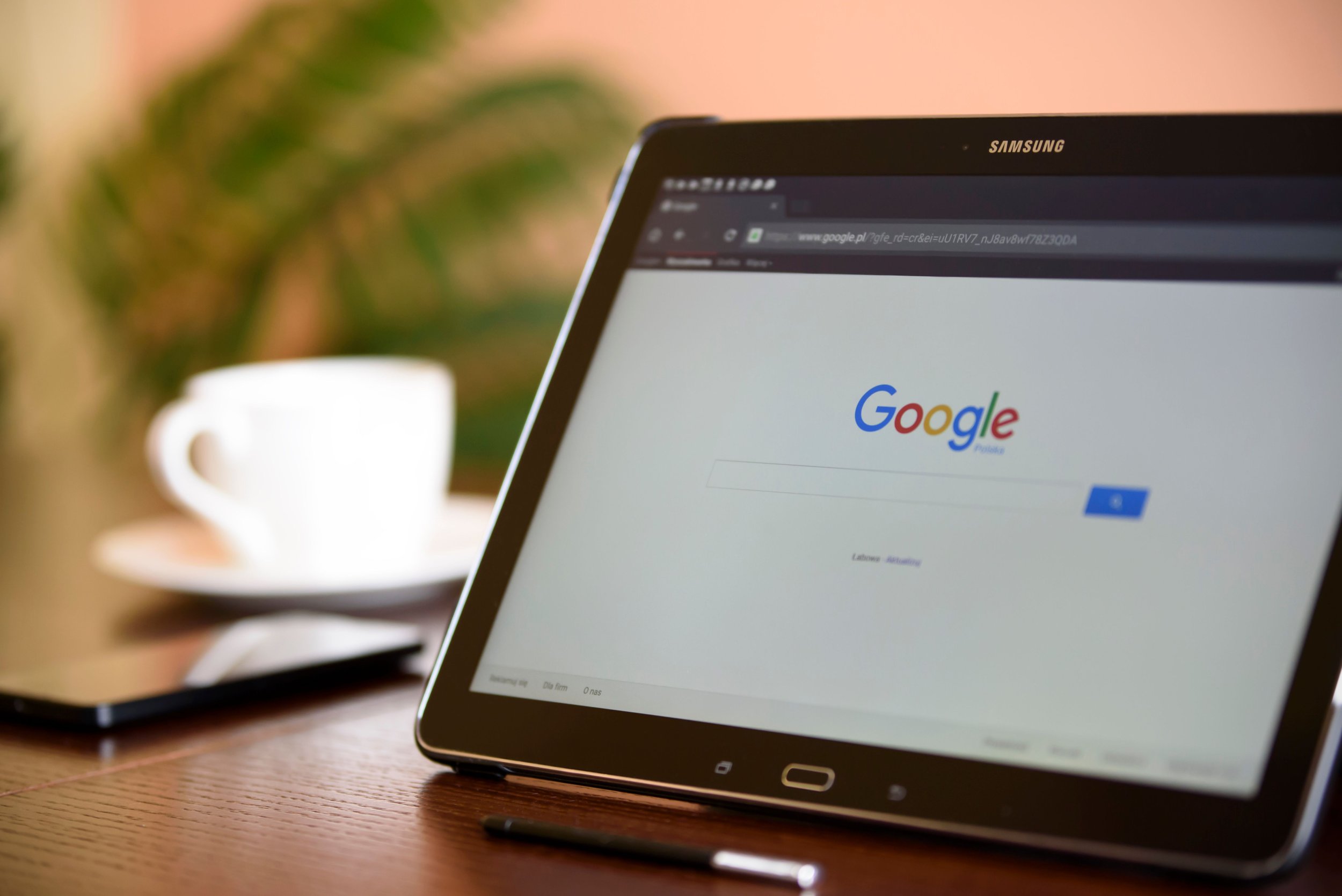
Photo by AS Photography Source: Pexels
From July 2025 to July 2026, Google search traffic to publisher sites dropped around 40%. Publishers specifically have had growing concerns about the effects of new search algorithms on discovery and the ability to gain new readers, however this new data provided by Chartbeat indicates just how much publishers must account for these changes.
Pulling from data collected from 2,500 publishers, including news outlets, nonprofits, sports publishers, and government domains, Chartbeat’s findings signal that loyalty from current readers remains strong and these dedicated viewers have actually increased engagement with publishers’ sites. However, limitations to pulling in new viewers signal significant risk in the long term. Differences in engagement style from new viewers versus loyal customers was noted, with new viewers often coming in with a purpose and spending prolonged time browsing and engaging with the site while familiar readers may not be as intent. Google claims that the AI search features are not impacting clicks and page views, however many publishers are currently suing or looking to opt out of the search features.
Whether it be through an automatic AI summary on a search engine or through a personal AI chatbot, 2026 research from Deloitte Digital found that of general online consumers, 63% have used AI-powered searches to find services or products in the past year while 1 in 5 begin their search with an AI-powered tool. Publishers are turning to boosting sharability through other means, beyond Google, chatbot, or other search engine discovery. Peer-to-peer sharing is encouraged through gift articles, with the goal of expanding trust outwards from the current loyal customer base. In contrast, other organizations and artists are taking the approach of leaning into AI discovery and adapting their online presence to work with these new discoverability channels.
From large publishers to individual artists, the impacts of AI on discoverability carries a throughline. Strategies for a large publisher may differ from the solo artist or an independent gallery, however consistency of an identity and thinking ahead of the curve can be applied to both. AGI Fine Art suggests that artists, who are hoping to keep their digital presence strong within AI search results, emphasize identity, create a traceable record of art and achievements, and ensure coherence across platforms. Shifts to AI, outside of company domains, also makes measurability of effectiveness more difficult for organizations. This challenge only further highlights the need for personalization to occur via transparency and consistency rather than individualization to the consumer.
It is important to note that many sources point towards traditional SEO performance as a significant aspect of discoverability, and can also contribute to AI results. In combination with other adapted methods of outreach and cohesion, these traditional methods can be built upon and may open doors to future potential and adaptability in the new reality of consumer discovery.
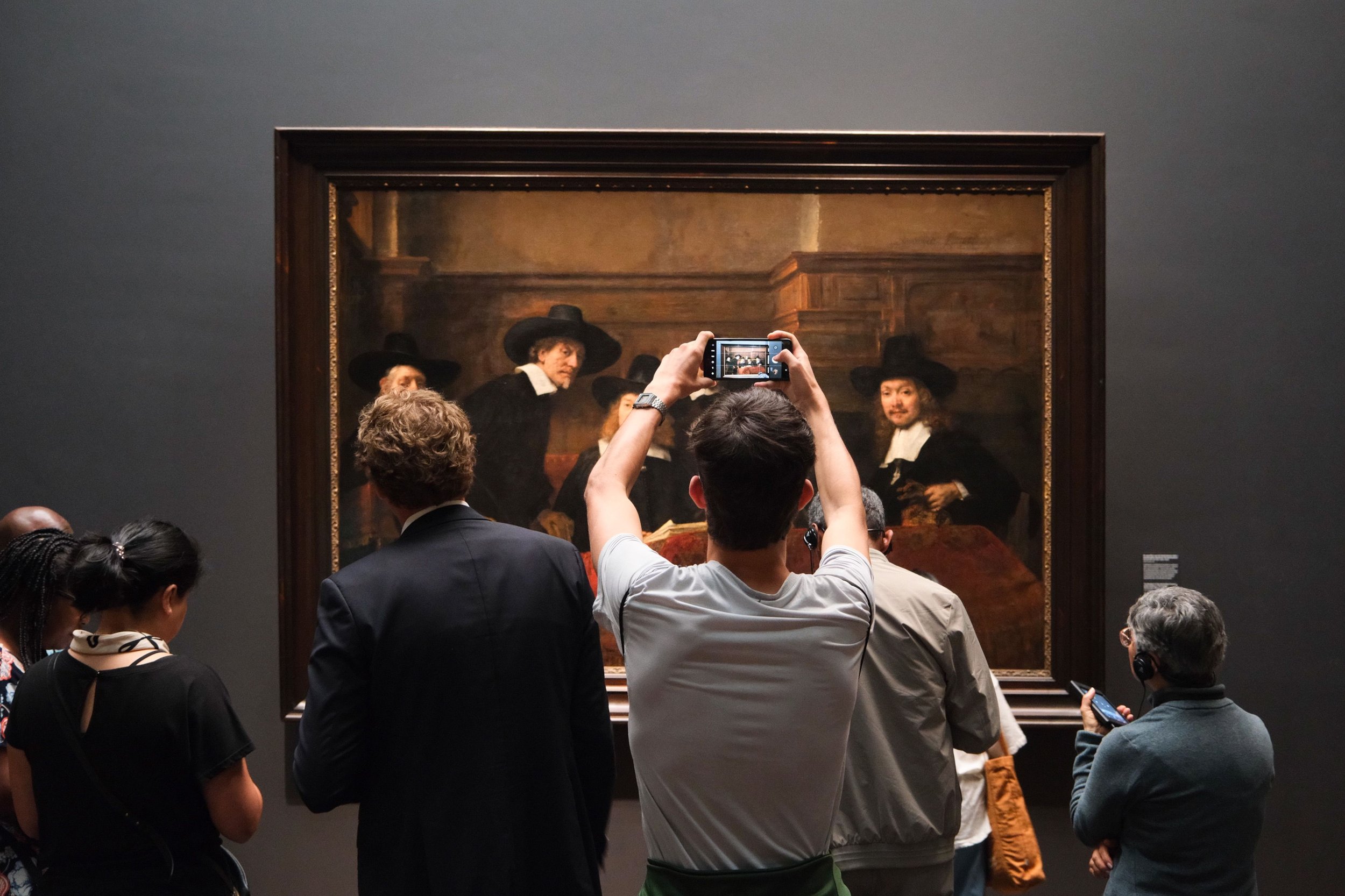
UNESCO Reports on Museums, AI, and Policy
Photo credit: ozge Source: Pexels
This past September, the United Nations Educational, Scientific and Cultural Organisation (UNESCO) and the International Council of Museums (ICOM) shared their findings from the Global Survey on the Use of Artificial Intelligence in Museums that they jointly conducted. These findings are some of the most up-to-date data regarding current approaches and acceptance rates of artificial intelligence (AI) within museums. Disparities in policy, financing, and infrastructure due to the continually changing landscape of AI’s use indicate a continued need for growth and industry-wide understanding.
Results of the survey include responses from over 400 museums across 90 countries and highlight use, or lack of use, of AI in any capacity within these museum environments. 57% of respondents are already utilizing AI in their museum, paralleling recent results from a study conducted by Museum Development England, who found an overall national increase in AI use in the sector. England’s Annual Museum Survey saw 30% of museums reporting use of AI tools, a 13% increase from the previous year.
Although the UNESCO and ICOM survey confirms that AI is becoming increasingly used and established within museums, it also makes note of the gap between AI use and responsible usage policy. According to the report, 83% of museums reported no incorporation of staff training on use of AI, while internal concerns regarding the risks of AI incorporation are wide-spread. This lack of internal support and structure indicates potential for future risks.
As institutions seek out potential solutions to the growing presence of AI in the museum world, Remuseum published a report in September outlining how AI may be used to bring audiences closer to art, instead of replacing it in the museum setting. Their suggestions emphasize artist residencies, donor relations, media communications, supporting instead of replacing staff, and personalization to the visitor as a means of creating infrastructure and systems within museums that can adapt to AI rather than letting it take over their values as institutions. The report delves into how each of the five solutions could be realistically implemented, presenting real industry examples. As the use of AI increases, potential solutions and approaches, such as those presented by Remuseum, can help to inspire museums and other arts organizations to find which strategies would work best for them in this evolving era.
Animatronics in Haunted Houses
October as a month tends to bring its fair share of haunts. This October, Pittsburgh’s Hundred Acres Manor welcomed CH1PP13, a creepy raccoon animatronic created by YouTubers Wicked Makers. Designed to be a roaming independent attraction, the raccoon represents how art and technology can overlap to be used in new interactive ways. Wicked Makers, Jaimie and Jay, are known for their work with horror-related animatronics, typically designing or upgrading them to inspire others to do so themselves.
Hundred Acres Manor is known in Pittsburgh and beyond for its multifaceted immersive haunted experiences. Haunted houses widely implement animatronic aspects into their scares, however these animatronics are typically stationary with a few repeated actions that people can engage with. CH1PP13 expands on what technology within the haunted house immersive art experience could look like, bringing the haunt outside the walls of the house and letting it roam around the attraction.
Wicked Makers shared a video on their YouTube channel outlining the creation process of modifying the animatronic to fit the haunted house’s needs, including custom part design, exterior patterning, and strategic problem solving. Their videos frequently involve an overlap between art and physical robotics and technology aspects, and with the incorporation of CH1PP13 in the live performance art of the Hundred Acres Manor, their creation was then able to bring further technological innovation to this alternate form of art.
Animatronics and technological scare tactics have long played a role in the art of Halloween, going all the way back to old theater techniques such as Pepper’s Ghost. For animatronics, many originally were structured around hydraulic mechanisms and designed for audience entertainment at the professional level for companies such as Disney. Theme parks, haunted houses, and other venues, who provide immersive entertainment experiences to attendees, now widely incorporate animatronic technology into their storytelling. Audiences, thanks to sellers such as Spirit Halloween, have also shown interest in bringing these animatronics into their own Halloween celebrations, with animatronic items continuing to grow in popularity during the 2026 season.
CH1PP13 points towards a future of expanding the potential for animatronics in immersive entertainment venues, and how these venues can continue to work with and support visual artists. Physical technology and the arts continue to develop together, even in today’s digitally-centered arts discussions.
-
Adams, Geraldine Kendall. “New research shows signs of resilience and growth – but mixed picture for visitor numbers and volunteering.” Museums Journal, October 15, 2026. https://www.museumsassociation.org/museums-journal/news/2026/10/englands-museums-positive-about-the-year-ahead-despite-rising-costs-survey-finds/.
Boyd, Peter. “SEO Isn't Dead: What AI Search Really Changes For Marketers.” Forbes, October 5, 2026. https://www.forbes.com/councils/forbesagencycouncil/2026/10/05/seo-isnt-dead-what-ai-search-really-changes-for-marketers/.
Bruell, Alexandra. “Google Was a Lifeline for Publishers. Now Some Are Thinking of Cutting It Off.” The Wall Street Journal, July 21, 2026. https://www.wsj.com/business/media/google-search-publishers-ai-content-0fb06e41.
“Classic Animatronics That Changed Entertainment Forever.” Animatronics Street. https://animatronicsstreet.com/classic-animatronics-that-changed-entertainment-forever/.
Danziger, Pamela. “With Halloween Spending To Hit A Record $13.5 Billion, Spirit Halloween Steps Into Its Biggest Season Yet.” Unity Marketing, October 5, 2026. https://unitymarketingonline.com/with-halloween-spending-to-hit-a-record-13-5-billion-spirit-halloween-steps-into-its-biggest-season-yet/
Deloitte Digital. “Your customers have already moved on. Has your personalization strategy?” Deloitte Digital, September 29, 2026. https://www.deloittedigital.com/us/en/insights/research/personalizing-growth.html.
“How AI and Search Engines Are Reshaping Artist Visibility.” AGI Fine Art, June 29, 2026. https://agifineart.com/advice/ai-search-engines-artist-visibility.
Maher, Bron. “Google Traffic Is Collapsing. So Why Aren’t Publishers’ Pageviews?” A Media Operator, September 28, 2026. https://www.amediaoperator.com/news/google-traffic-is-collapsing-so-why-arent-publishers-pageviews/.
MoMA. “Pepper’s Ghost.” https://www.moma.org/collection/terms/peppers-ghost.
“Pittsburgh Haunted House Unleashes First-of-Its-Kind Robotic Raccoon in Collaboration with YouTube Stars Wicked Makers.” PR Newswire, October 1, 2026. https://www.prnewswire.com/news-releases/pittsburgh-haunted-house-unleashes-first-of-its-kind-robotic-raccoon-in-collaboration-with-youtube-stars-wicked-makers-302896631.html.
Rahman, Mursal. “Mobile Haunted Animatronics.” Trend Hunter, October 4, 2026. https://www.trendhunter.com/trends/haunted-house-animatronics.
Rea, Naomi. “Museums are Embracing AI, But When Will Policy and Funding Catch Up?” Ocula, September 23, 2026. https://ocula.com/magazine/art-news/museums-ai-policy-funding-report-icom/.
Remuseum. “5 ways that AI can humanize museums.” September 2026. https://remuseum.org/5-ways-that-ai-can-humanize-museums/.
Titmuss, Dan. “Google’s AI Search Shift: What Arts & Culture Organizations Should Know.” Capacity, May 28, 2026.
UNESCO & International Council of Museums. “UNESCO- ICOM Global Survey finds museums embracing AI, but governance and capacity lag behind.” September 16, 2026.
Wicked Makers. “Making a NIGHTMARE Animatronic for a real Haunted House!” September 30, 2026. https://www.youtube.com/watch?v=BzSZk_5qCR8.