
By: Timothy Herring, Brady Nolin , Natasha Pawar, Alon Stein and Jahir Valencia
This study was completed as part of a Capstone Project for the Master of Entertainment Industry Management program at Carnegie Mellon University.
In Part I, our research team explored the current state of regional sports networks (RSNs) through FanDuel Sports Network (FDSN), a group of regional sports networks (RSNs) owned by Main Street Sports Group (MSSG) that broadcasts sports games across thirty states in the U.S. Because of cord-cutting, RSNs are shifting their traditional business model to focus on direct-to-consumer (DTC) streaming. To grow its subscriber base, FDSN has increasingly integrated FanDuel Sportsbook gambling elements into its live broadcasts. Despite negative consumer sentiment around sports betting, sports media companies have increasingly aligned themselves with gambling interests through naming rights, advertising, and content deals. The purpose of our study is to understand how audiences discover FDSN’s content and whether gambling elements influence viewer discovery and engagement. Our findings indicated that reactions to gambling integrations vary across demographics. Gamblers constitute a small share of the viewers overall, but react positively to the integration of betting elements. The majority of the viewing population does not bet and would prefer the option to minimize or opt out of betting-related content. These findings suggest FDSN should implement strategies that address these differences in order to appeal to a broader audience.
To help facilitate FDSN’s business and content strategies, the research team conducted a study to provide a robust contextual understanding of RSNs, the broader sports media landscape, and FDSN’s current position. The team also reviewed research and data from FDSN to inform our primary research, which included interviews with five executives across sports media and a quantitative survey of sports viewers aged 21 or older. The findings show that while FDSN benefits from relatively strong brand awareness, its association with gambling creates a recognition-conversion gap. Betting integrations appeal to a small group of active bettors, but are viewed negatively by the broader audience, who prefer a more customizable and less gambling-forward viewing experience.
Based on this duality of gambling perceptions among live sports viewers, the team proposed four actionable recommendations. First, FDSN should improve brand clarity through a coordinated digital and social campaign that distinguishes the network from FanDuel Sportsbook. Second, the network should offer customizable betting integrations, allowing interested bettors to engage more deeply without burdening non-betting viewers. Third, FDSN should prioritize Gen-Z and younger audiences by investing in streaming-first, interactive, and short-form experiences that better align with contemporary media habits. Fourth, the network should continue exploring bundling partnerships with major streaming distributors to improve accessibility and convert awareness into subscriptions.
Ultimately, our research concludes that FDSN’s greatest challenge is not a lack of visibility, but mispositioning. Live sports viewers are aware of FDSN, but lack a clear understanding of its content. Moreover, broadly, these viewers do not perceive the network as a premier sports destination. Betting integration may enhance engagement for a valuable niche pocket of the audience, but it does not appear to be a sufficient, mass-market acquisition strategy and, in many cases, may actively inhibit growth. Although FDSN’s parent company, Main Street Sports Group (MSSG), announced it would cease operations after the NBA and NHL seasons conclude in spring 2026, these findings remain highly relevant. Insights garnered from the findings illuminate broader lessons for RSN’s and local sports distributors navigating the transition from legacy cable models to a digital-first future, where success will depend on building trust, clarifying brand identity, and designing flexible viewing experiences that serve diverse audience needs.
To understand our recommendations, it is critical to understand the research. Context is provided in Part 1 while our core research questions and primary research data collection and analysis is provided below.

Photo by Idean Azad via Pexels
Research Questions
The following research questions guided our study to provide the most comprehensive analysis within the limitations of the project and the time frame our research team had to work in:
How does FDSN’s audience discover its content?
How does the integration of gambling elements into FDSN’s content impact audience engagement?
Does the integration of gambling into FDSN’s content contribute to consumers discovering FDSN?
Methodology
Our team conducted qualitative and quantitative research to address the study’s scope and questions. Three methodologies were employed: 1) a review of secondary research provided in Part 1, 2) interviews with industry experts, and 3) a quantitative survey among live sports viewers.
We reviewed published articles, industry analyses, and academic studies alongside data from FDSN’s proprietary resources, including audience psychological studies, league-by-league insights, and FDSN viewership analytics, to deepen our understanding of user behavior.
Expert interviews played a key role as a qualitative element. These interviews involved industry professionals across sports and sports media, including those with experience inside and outside of FDSN. The conversations offered valuable industry insight into how stakeholders across sports media view the strategic importance, risks, and operational issues related to gambling content in live sports broadcasts.
Our survey focused on US sports viewers aged 18 and above, and assessed awareness of FDSN, familiarity with gambling-related elements in live broadcasts, and attitudinal and behavioral patterns across viewer segments. To achieve a 95% confidence level, the target sample size was set at 250-385 qualified responses, based on Cochran’s equation for large populations (Cochran, 1977). Of the total responses collected (268), 208 qualified as 18+ years old who watch live sports on TV or streaming. While the qualified sample was moderate, it was large enough to provide meaningful directional insights with appropriate analysis (Ponto, 2015).
Collectively, these methods provided a comprehensive foundation for understanding how audiences find FDSN content, how gambling integrations shape engagement, and whether these gambling elements contribute to the discovery of FDSN.
Limitations of the Study
In conducting our research, it is important to acknowledge several limitations that may have influenced our study’s findings. Gambling is a personal, sensitive, and controversial topic, which may have influenced how honest or open participants were when answering the survey and interview questions (socially desirable response bias). To mitigate this bias, our research team delivered the survey anonymously and assured interviewees that any recorded statements could be quoted anonymously if desired.
Additionally, although the ethics, financial strain, and guilt associated with sports betting were outside of our scope, questions and options were included in our survey to recognize their relevance. Finally, the survey included only individuals legally permitted to gamble in FDSN regions, thereby excluding minors, who represent a key future audience segment for FDSN.
Definition of Terms
Given the specialized nature of RSNs and the sports betting industry, several key terms require explanation. This section provides precise definitions of these terms, citing industry sources and reputable academic literature.
Cord-Cutting: Switching from cable, satellite, or landline to a wireless connection to access television or phone service. (Dictionary.com, n.d.)
Direct-to-Consumer (DTC): A business strategy where businesses sell directly to consumers, without brokers. (O’Neal & Doshi, 2024)
Multichannel Video Programming Distributors (MVPD): A person or company, such as a cable provider, satellite service, or similar distributor, that sells multiple channels of video programming to subscribers or customers. (Legal Information Institute, n.d.).
Regional Sports Network (RSN): Sports-oriented TV channels dedicated to a local market or geographic area. The primary purpose of an RSN is to broadcast live sporting events involving teams within its coverage area. (Kujawa, 2022).
Sportsbook: A place, either a website or building, that accepts bets on sporting events (Webber, n.d.).
Photo by Eddie O. via Pexels
interviewing sports media expertys
Team members interviewed five experts in sports media who offered informed, decisive opinions on the state of the industry. From FDSN, the participants included two members of the Partnerships team and the company’s Chief Operations Officer. The questions emphasized the company’s operations, partnership strategy, and the implications of gambling integration to date. External interviewees included the Managing Director of a digital media consulting firm and the Director of Student Athlete Development at Stanford Women’s Basketball. Their questions focused on the intersection of sports media and gambling more broadly to gain informed perspectives on gambling integration from industry professionals outside FDSN. Each interview was conducted via Zoom, with one team member interviewing and one transcribing.
Perspectives from Within the sports media Industry
FDSN insiders convey a relatively upbeat view of the network’s position, while also enumerating multiple key challenges. Brenda O’Donovan, Director of Partner Strategy and Management, noted that among viewers who actively engage with betting content, "they're watching significantly more.” O’Donovan’s quote suggests that even a small cohort of engaged bettors meaningfully impacts viewership metrics. Michael Schneider, Chief Operating Officer and General Manager of Direct-to-Consumer content, echoed this optimism around the FanDuel partnership specifically, noting that "FanDuel is a brand that is used by a lot of sports fans, especially younger sports fans." Matthew Feeney, Director of Business Development and Partnerships at FDSN, similarly described the core of the partnership as delivering "a more engaging broadcast or stream." According to Feeney, this data rich content leads customers to "engage more and…stay subscribed for longer."
Interviewees identified audience growth and retention as a central challenge for FDSN. Specifically, Schneider and Feeney each stressed the need to attract new DTC subscribers without alienating existing linear audiences. Feeney noted that FDSN’s DTC business was not yet profitable, saying that linear viewers “basically subsidize and pay for the streaming business.” Finding the most effective balance between linear and DTC subscribers poses a contemporary challenge. As Feeney explained, FDSN as a company has been “so entrenched in a traditional viewing experience for decades, it takes a while to untangle.”
O’Donovan also emphasized that FDSN’s broader mission requires "making the game more accessible to more people in as many ways as possible." This includes not only launching a DTC platform but exploring non-traditional partners like FanDuel Sportsbook and pushing gambling integration. Continuing to innovate in this regard responsibly will therefore remain a necessity.
Our research team obtained valuable insights about how industry professionals inside and outside of FDSN view the opportunities and tensions surrounding betting integration in sports media.
O’Donovan predicted more partnerships like the collaboration between FDSN and FanDuel, while Schneider sees a future with a “more ubiquitous solution where you can watch and wager” across platforms. However, stakeholders raised ethical concerns. Malia Bates, Director of Student Athlete Development at Stanford Women’s Basketball, suggested that the fall of 2025 betting scandals involving NBA and MLB players may influence how companies partner with sportsbooks. She also pointed to broader concerns, including gambling addiction and the harassment of athletes by frustrated gamblers. Similarly, O’Donovan acknowledged the ethical complications of gambling partnerships, saying, “As a mother, part of me is thinking…is [this] content that I want my very young, susceptible children to be privy to? But at the same time, it's also business.” These responses from our interviews illustrate the complex trade-offs facing sports media organizations as they balance revenue opportunities with ethical considerations and audience trust. In addition, insights garnered from these industry experts informed the development of our quantitative survey and helped interpret some of its results
Survey Methodology
Our survey included forty questions along with an additional four demographic questions that examined three primary domains: sports-viewing behaviors and demographics, awareness of and engagement with FDSN, and attitudes toward betting integration in live sports broadcasts.
The survey was distributed through digital platforms (e.g., social media and online communities) to reach active sports audiences. This distribution strategy aligned with established online survey design practices, emphasizing accessibility and improved response efficiency in digital environments (Creswell & Creswell, 2018; Dillman et al., 2014). Data collection occurred between January 2, 2026, and March 18, 2026.
Respondents were U.S.-based, self-selected and screened for sports consumption. The survey yielded 268 total responses; 208 were over 18 years of age and reported engaging with live sports. Non-sports viewers were screened out to ensure that the findings reflect the audience most relevant to FDSN’s potential user base.
The sample skewed younger, with respondents aged 18-34 comprising approximately 75%. Respondents represented nearly all U.S. states, with the highest responses from California, Maine, and Massachusetts. Household income was higher than the national average, with approximately 23% reporting annual incomes of $200,000 or more. A plurality of respondents reported living in two-person households (35%).
This section analyzes survey findings, grouped in the same three domains identified previously. The results illustrate key audience motivations, barriers to engagement, and emerging tensions between betting-related content and viewer experience.
Understanding Viewer Dynamics
Among the respondents who watch live sports, television was the dominant viewing device (75%). National networks were the most frequently reported platform for watching live sports, accounting for 26% of all platform selections, with streaming services being a close second (25%), and cable networks ranking third (21%). When respondents were asked which among eight options (selecting all that applied) described them as a viewer of live sports on TV, four primary characterizations were identified: supporting a specific team, watching selective games regardless of team affiliation, participating in fantasy leagues, and watching every game. The most common fan identity was the “Team-Focused Fan” (32%), defined as a viewer who primarily follows a single team (see Figure 1 below).
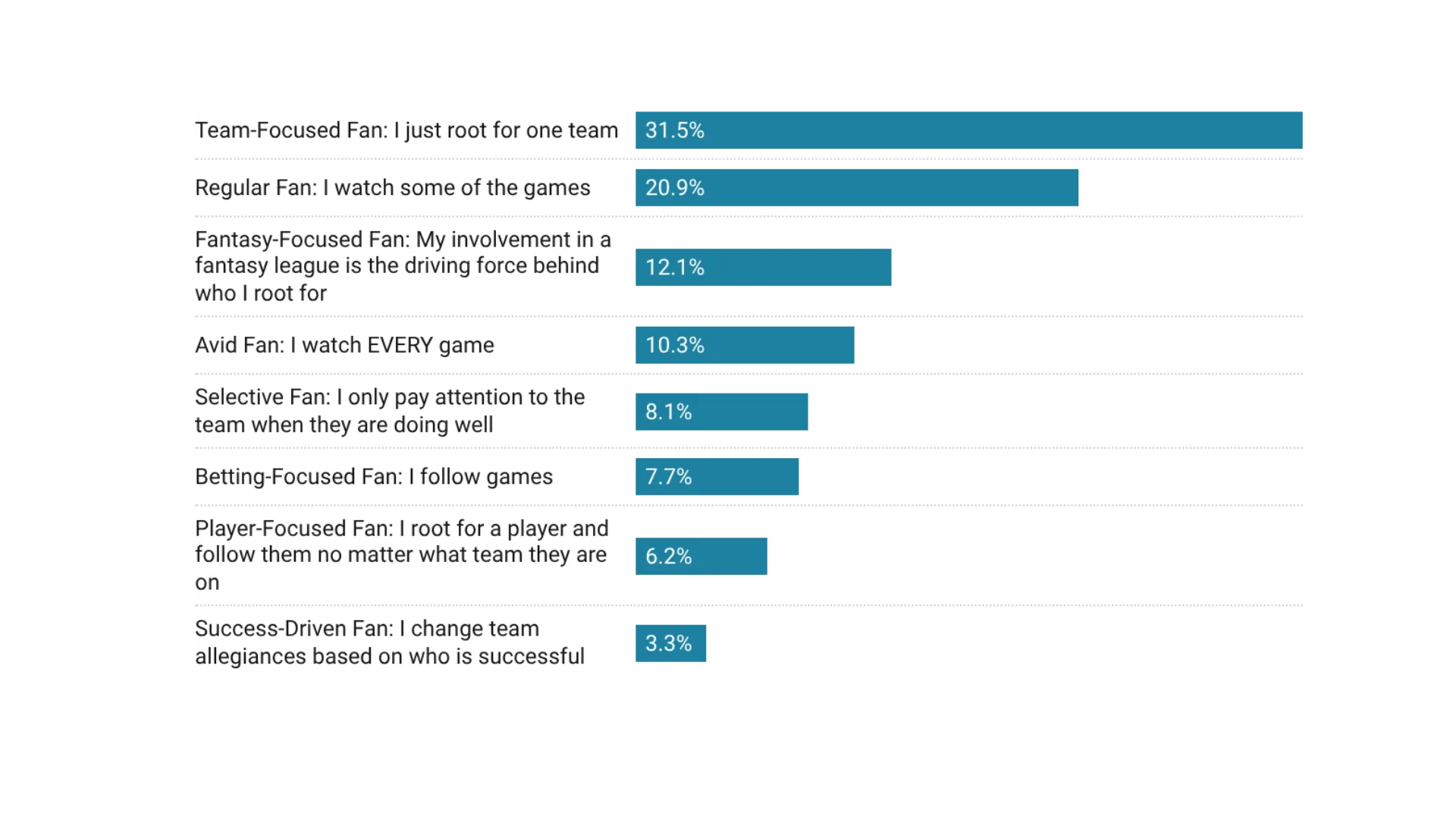
Figure 1: Respondent Self-Identification in Live Sports Viewing Behavior
Respondents reported that their primary motivations for viewing were entertainment (35%), team loyalty (32%), and social interaction (26%). Overall, these findings suggest that gambling-related activity is not a primary driver of sports viewership among respondents.
Awareness & Perception of FanDuel Sports Network
Nearly two-thirds (64%) of respondents reported prior awareness of FDSN. However, engagement data revealed a substantial gap between recognition and viewership, suggesting that brand awareness alone does not translate into audience adoption. The largest subgroup (35%) had heard of the network but never watched it, while an additional 28% recognized FanDuel Sportsbook but not FDSN specifically. Additionally, 21% of respondents associated the FanDuel brand exclusively with betting or fantasy sports. This data suggests FDSN may be facing a recognition-conversion challenge, in which brand familiarity exists but does not translate into consistent viewing behavior. The results also highlight the need to strengthen FDSN’s association with live sports content beyond its sponsorship branding, consistent with the themes identified in the earlier executive interviews.
For respondents who did not watch FDSN (35%) the most cited barrier was an aversion to gambling-focused sports content (28%). This was followed by a preference for other sports networks or creators and uncertainty about how to access the network (15% and 13% respectively) (see Figure 2 below).
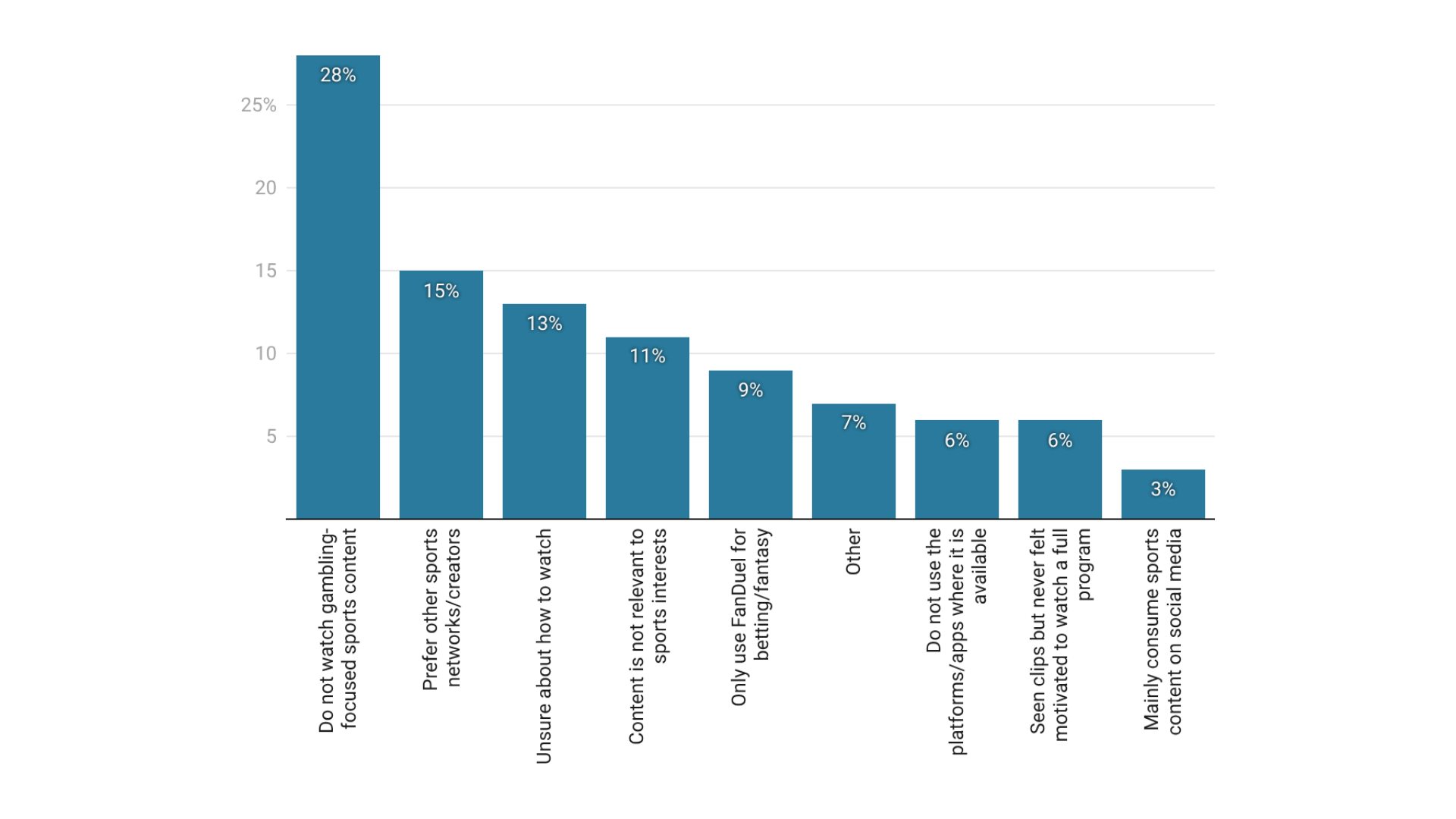
Figure 2: Reasons Why Respondents Do Not Watch FanDuel Sports Network
The predominance of attitudinal and content-based barriers over logistical ones suggests that increasing awareness alone is unlikely to substantially increase viewership without repositioning the network’s content identity. Additionally, marketing efforts appear to be a good investment. Among respondents who encountered the brand in the past six months, 29% reported exposure through social media channels, underscoring the role of digital platforms in maintaining brand visibility.
Attitudes Toward Betting Integrations
Exposure to betting-related content during live sports broadcasts was common at 44% (reported as seeing betting segments “always” and “often”). Despite the prevalence, attitudes were mostly negative. Over 3 out of 5 respondents (62%) agreed that betting segments can be informative (Strongly/Somewhat Agree). However, this perception coexisted with widespread concerns of those who found them intrusive. A solid majority (70%, Strongly/Somewhat Agree) reported that betting elements make broadcasts feel cluttered, gambling content does not improve one’s viewing experience (77%, Strongly/Somewhat Agree), and frequent elements feel overwhelming (77%, Strongly/Somewhat Agree). Considering these negative perceptions, engagement benefits were limited, with only 32% (Strongly/Somewhat Agree) reporting increased engagement, while 59% (Strongly/Somewhat Agree) felt betting elements reduce enjoyment of game commentary.
Integrity concerns were also widespread. A total of 90% of respondents (Strongly/Somewhat Agree) agreed that sports betting increases the potential for manipulation and game-fixing, making it the strongest sentiment recorded for this section of the study.
Correspondingly, 83% (Strongly/Somewhat Agree) preferred customizable controls to limit betting content. Overall, responses indicate that viewers perceive betting integrations more as a source of risk and clutter than as a meaningful enhancement to the viewing experience (see Figure 3 below).
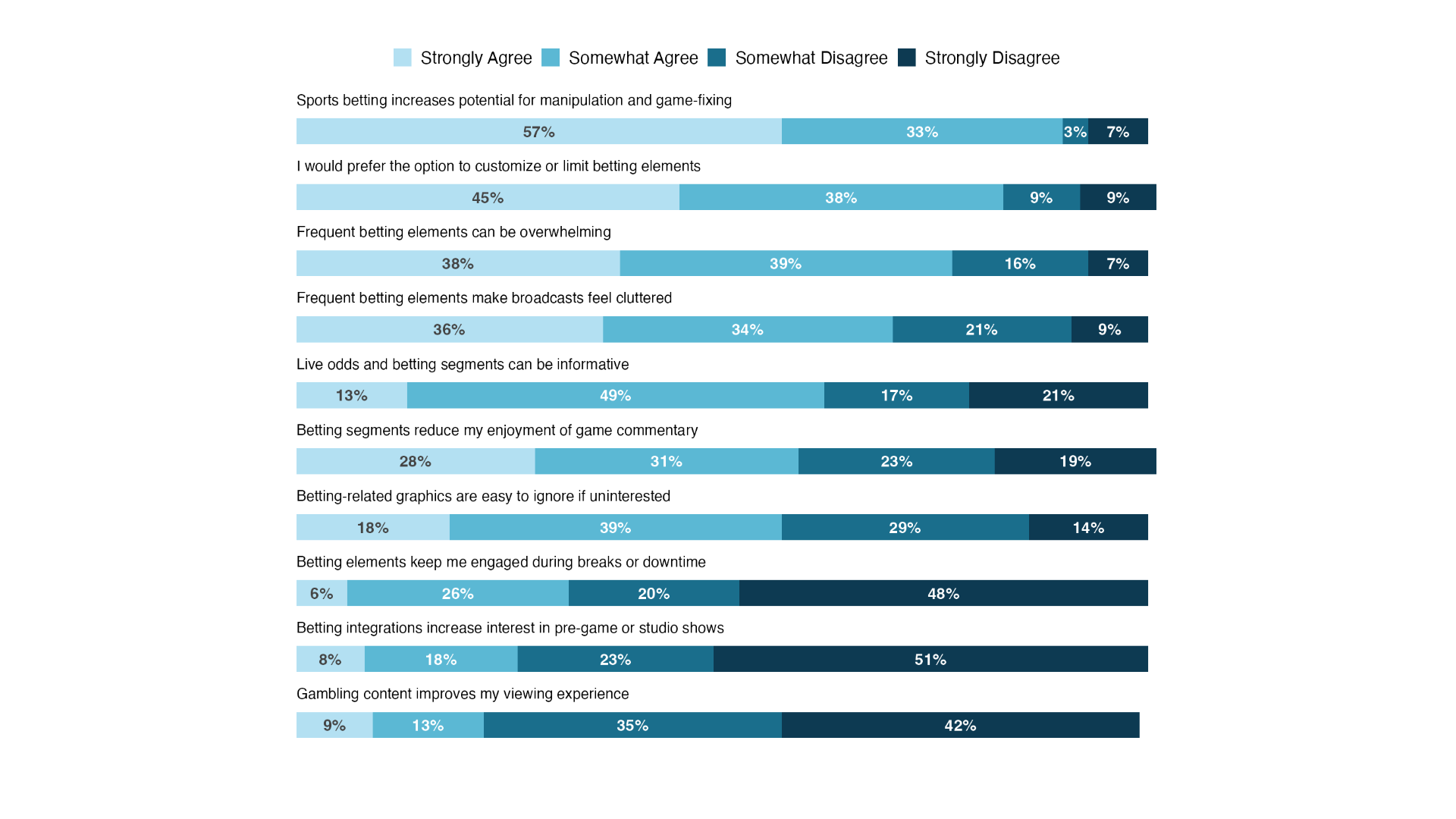
Figure 3: Overall Sentiment on Betting-Related Content During Live Sports Broadcast
Most respondents had not placed an online sports bet in the past three months (62%), and among bettors, participation was generally modest, with only 11% betting weekly or more.
Former online platform bettors most commonly cited saving money (30%), loss of interest (23%), or negative financial or emotional experiences (14%) as reasons for stopping. Future betting intent was similarly skewed negative, with 56% of respondents indicating they were unlikely to place a bet in the near future (Definitely/Probably Will Not), compared with 28% expressing positive intent (Probably/Definitely Will).
However, among the active bettors of our total sample (12%), betting was strongly associated with increased engagement (91%, Strongly/Somewhat Agree) and social connection (94%, Strongly/Somewhat Agree), suggesting these features can deepen the experience for those who already participate. At the same time, respondents also reported drawbacks. Many respondents reported taking steps to avoid gambling-related content during broadcasts. These behaviors included muting or lowering the volume during betting segments (30%) and temporarily switching channels (20%). In example, see Figure 4 below.
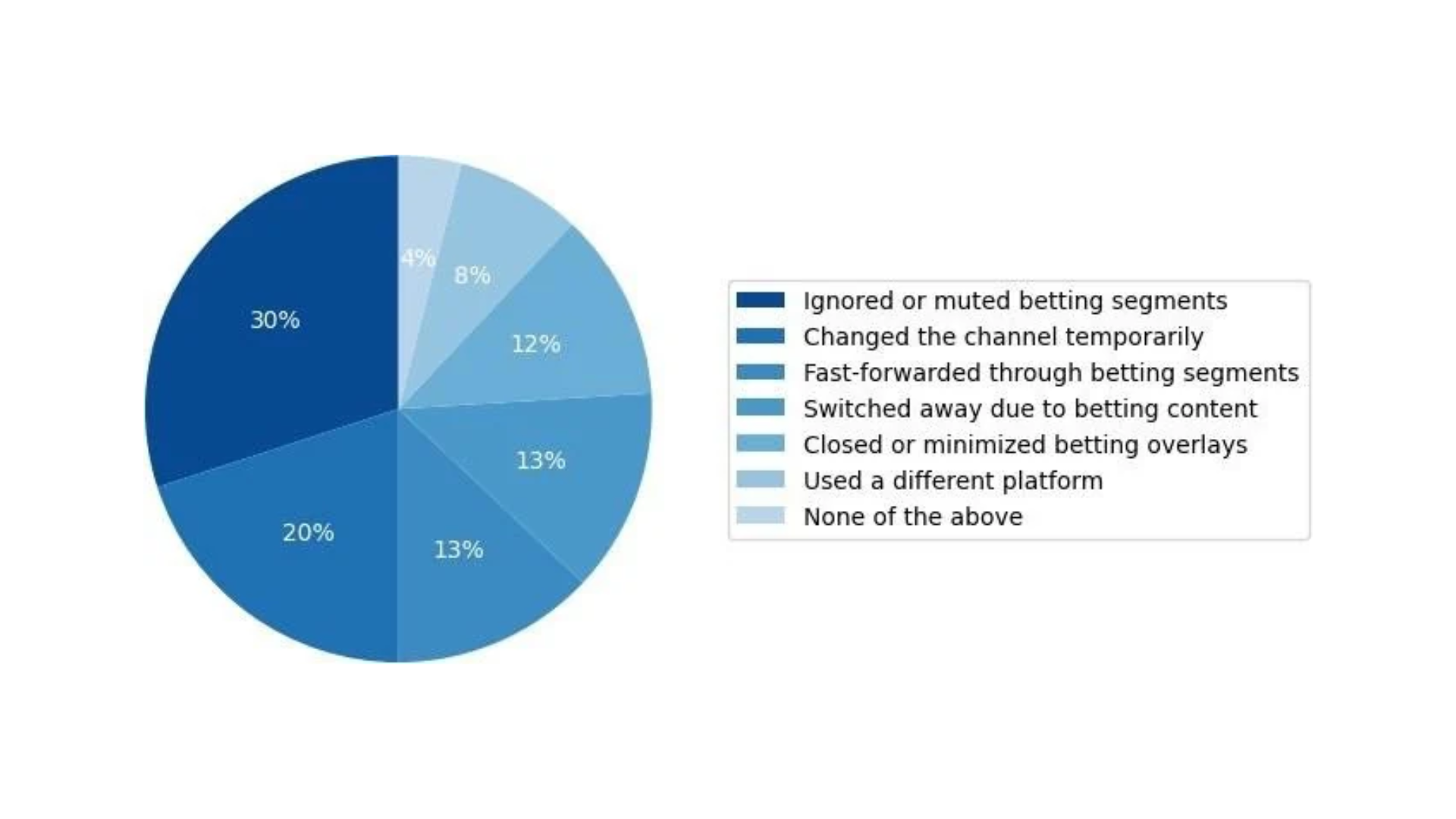
Figure 4: Viewer Avoidance Behaviors Related to Betting Elements in Sports Broadcasts
When further asked about their experiences with betting elements, most notably, 69% of respondents (Extremely, Very, Moderately) rated viewer controls as important, indicating a broad preference for customizable viewing experiences that allow audiences to engage with or avoid betting content based on personal preference. Together, these results suggest a central tension: betting integrations increase engagement among active bettors but generate perceived clutter, integrity concerns, and avoidance behaviors among the broader audience. Therefore, the primary opportunity lies not in expanding betting visibility but in designing flexible, opt-in experiences that allow betting content features to serve interested users without degrading the viewing experience for others. The option of having viewer controls is supported by the executive interviews outlined above as well.
survey Limitations & Potential Biases
Since the survey was primarily distributed online, the sample reflects a digitally engaged audience and skews toward younger, college-educated respondents. Voluntary participation introduces a potential self-selection bias, as individuals with stronger opinions about sports viewing or betting literacy may have been more likely to respond. Additionally, the subject matter of gambling can lead to socially desirable response bias. The sample also overrepresents respondents aged 18-34, potentially underrepresenting older, traditional TV sports viewers.
Familiarity with FanDuel or betting products in this population may also be higher than in the general population, which could influence attitudes toward betting integration. Thus, as a non-probability sample rather than a randomized panel, findings should be interpreted as directional rather than fully representative of all U.S. sports viewers.
what do audiences think of fdsn’s brand?
The findings from secondary literature, executive interviews, and the survey indicate a clear conclusion: stakeholders widely recognize FDSN, but the organization remains strategically mispositioned. A nearly two thirds majority of respondents (64%) in our survey reported awareness of FDSN. For a newly rebranded RSN operating in a crowded media landscape, that level of brand recognition is meaningful. However, as noted previously, additional data show that among those aware of FDSN, the largest subgroup had never watched the network (35%), and the second-largest group understood FDSN only in relation to FanDuel Sportsbook (28%), not as a distinct sports television entity. This pattern of widespread brand familiarity failing to translate into increased viewership signals a recognition-conversion gap. Research in media branding consistently distinguishes between aided recall and meaningful preference (Nielsen, 2023); FDSN has achieved the former but not yet earned the latter. Advancing this awareness among viewership will require repositioning the network as a credible destination for live sports, rather than just an extension of the betting ecosystem.
Additionally, when respondents who had not watched FDSN (35%) were asked to identify why, their responses revealed a clear hierarchy of barriers. The most frequently cited barrier was an aversion to gambling-focused sports content, which outweighed both a preference for other networks and uncertainty about success (see Figure 2). The response option “Other” allowed respondents to share their own reasons, with one notable comment saying, “I think sports betting has damaged the games and people, and FanDuel has been a big part of that, so no thank you.” These results suggest the main issue is perception. Any efforts to expand streaming access or increase marketing may have a limited impact if audiences already see FDSN as a betting channel rather than a place to watch sports without interruption. This challenge is increased because younger audiences discover sports mainly through streaming and digital media. As a result, these audiences often form opinions about brands before choosing what to watch. Therefore, FDSN’s brand identity may be constraining both conversion and the initial audience interest required to sustain future growth.
Finally, the network’s betting integration strategy reveals a tension. While betting segments could be perceived as informative, most respondents (92%) reported dissatisfaction when encountering them during live broadcasts, with many actively muting or switching away (30%). This dissatisfaction and the actions taken to mitigate their displeasure, suggests that viewers are not just being inconvenienced but are deciding that the on-screen content does not serve their viewing experience. However, the results vary among active bettors: 91% of surveyed bettors reported increased engagement, and 94% reported stronger social connection (Strongly/Somewhat Agree). The challenge is that these users appear to represent a minority of the total audience. This creates a balancing issue: how can FDSN continue serving passionate bettors without reducing the experience for non-bettors? Thus, any solution must consider both groups to ensure satisfaction across viewer segments.
Photo by Stephen Leonardi via Pexels
HOW FDSN can improve audience engagement
The findings above point to three core challenges: a conversion gap, limited discovery pathways that reach younger audiences and a viewing experience that appears more tailored to niche users than the broader fan community. The following recommendations are designed to address each of these issues.
Improving Brand Clarity
FDSN faces a dual challenge of low brand clarity and underlying trust concerns, both of which could be constraining audience growth. While overall awareness of the network is relatively high (64%), survey data shows a weak distinction between FanDuel Sportsbook and FDSN as a sports content destination. Specifically, 28% of respondents associate FDSN with FanDuel Sportsbook, while 21% associate it more with sports betting, fantasy sports, or daily picks than with sports viewing. Together, these findings signal a brand linkage issue. Notably, 89% of respondents agreed that gambling increases the potential for manipulation and game-fixing, reflecting broader skepticism that extends beyond content preferences to issues of credibility and integrity. Together, these findings suggest that increasing awareness alone is insufficient; rather, FDSN must actively reshape how it is perceived.
To address these issues of brand linkage, credibility and integrity, FDSN should move beyond standard co-branded promotion and launch a dedicated brand-positioning campaign that clearly defines what FDSN is and is not. Rather than simply advertising the network alongside FanDuel Sportsbook, the campaign should emphasize FDSN as a live sports destination first, while presenting betting content as an optional companion experience. Messaging across digital and social channels should distinguish clearly between the network and the sportsbook, emphasize uninterrupted game coverage, and reinforce commitments to transparency and responsible betting. By actively reshaping consumer perceptions rather than assuming audiences already understand the distinction, FDSN can broaden its appeal beyond bettors and build credibility with a wider fan base.
Customizing Betting Integrations
Our findings also indicated that FDSN would be best served by offering viewers a customizable experience for integrating gambling content into its broadcasts. Brenda O’Donovan of FDSN noted that engagement among a small cohort of active bettors had risen. Data from our survey supported this observation from O’Donovan; of the 38% of active bettors, 91% agreed that betting made viewing sports more engaging, and 94% agreed that betting made them want to watch more sports Strongly/Somewhat Agree).
Our survey also identified entertainment, loyalty to a team, and social interaction as respondents’ primary motivations for viewing sports, with only three percent (3%) of respondents naming betting as a driver of their viewership. Respondents also held broadly negative sentiment toward betting elements in sports broadcasts. Most notably, distaste for gambling-related content was the most cited reason for respondents having never viewed FDSN (28%). Still, as noted above, active bettors represent only a small share of our sample (12%).
Low incidence of practicing bettors further aligns with secondary data that indicates sports bettors represent fewer than a quarter of sports viewers in general (Gramlich, 2025).
The solution for these opposing sentiments was identified by respondents themselves. Over two-thirds (69%) of viewers in our sample expressed some desire for viewer control over gambling elements in live broadcasts (Moderately/Very/Extremely Important). By allowing viewers to control the appearance and frequency of gambling content, FDSN could capitalize on the highly active cohort of bettors without alienating non-gambling viewers, thereby increasing engagement across the board.
Prioritizing Gen-Z via Streaming
Despite broad brand recognition, FDSN faces a measurable engagement deficit among younger audiences. Survey findings indicate that 87% of respondents who reported awareness of FDSN do not watch the platform’s content. This gap is disproportionately concentrated among Gen Z consumers who lack entrenched habits of turning to linear sports broadcasts. The nature of this disconnect is well-documented. Younger fans prioritize the convenience and shareability of
short-form content over traditional linear viewing, and 65% of sports executives have acknowledged that live sports risk losing relevance if these consumption patterns go unaddressed (Horneland, 2025). This threat of losing relevance stems not from apathy toward sports in general, but from disinterest in older distribution models. A network that does not adapt its format to meet this audience will find that awareness will continue to outpace engagement.
Other RSNs have already developed replicable models to close this gap. New England Sports Network (NESN) now offers stat-rich alternate cast feeds that layer real-time analytics over live games to directly address the preferences of data-fluent younger viewers. Similarly, the Gotham Sports app, which broadcasts the MLB’s New York Yankees and NBA’s Brooklyn Nets, integrates real-time stats, polls, trivia, and gamification features into its streaming experience. This change led to a 38% increase in average unique streams per game, with each viewer spending 26% more time watching (Horneland, 2025). These outcomes reflect a consistent relationship between interactivity and retention among younger audiences.
FDSN should treat these findings as a strategic directive to incorporate into their earliest planning. Investment in second-screen integration, alternate-cast programming, and platform-native short-form content could directly address the gap identified in our survey. The marginal return on capturing new Gen Z viewers, who represent the long-term health of the network’s audience base, is substantial, and the broadcast infrastructure to support this shift exists with demonstrated results. This inference is supported by a YouGov study, which found that 74% of global consumers aged 18 to 24 follow sports regularly, suggesting that interest in sports remains strong even as viewing behaviors evolve (Horneland, 2025). FDSN needs to meet younger audiences where they are before their habits solidify around competing platforms.
Partnering with Streamers
As FDSN works to convert brand awareness into sustained viewership, strategic distribution partnerships may play a critical role. The network’s current agreement with Amazon could serve as an early indicator of subscriber growth potential. By making FDSN available on Prime Video as an add-on subscription, the partnership expanded the network’s presence on one of the nation’s largest streaming platforms. Matthew Feeney of FDSN emphasized that the company saw a meaningful increase in scale through distribution partners such as Amazon.
Other sports media companies that broadcast local professional sports have explored similar solutions to increase their subscriber counts. In late 2019, ESPN+ bundled with Disney+ and Hulu, leading to a doubling of its subscriber count from 3.5 million to 6.6 million in under two months (Dool, 2021). Fox One, Fox Sports’s DTC app, experienced success upon release through a similar partnership with Prime Video, which made the service available as an add-on subscription (Dixon, 2025).
FDSN should prioritize additional partnerships with large-scale streamers not only to increase brand awareness but, most importantly, to convert high-profile relationships into subscribers. Exploring bundling options with distributors who own complementary national broadcast rights could also drive subscriber growth for FDSN. A bundle with this framework would create a sustainable streaming ecosystem where subscribers could access their local and national broadcasts seamlessly, a substantial value add that could steer consumers to FDSN.
a Recommendation Playbook for fdsn
Together, these recommendations can help FDSN leverage its existing brand and better serve its customer base. The graphic below reframes FDSN’s four strategic recommendations through a basketball half-court model, using shot selection to illustrate the priority of implementation (see Figure 5 below). The model illustrates FDSN’s four strategic recommendations through a basketball half-court model, using shot selection to represent implementation priorities.
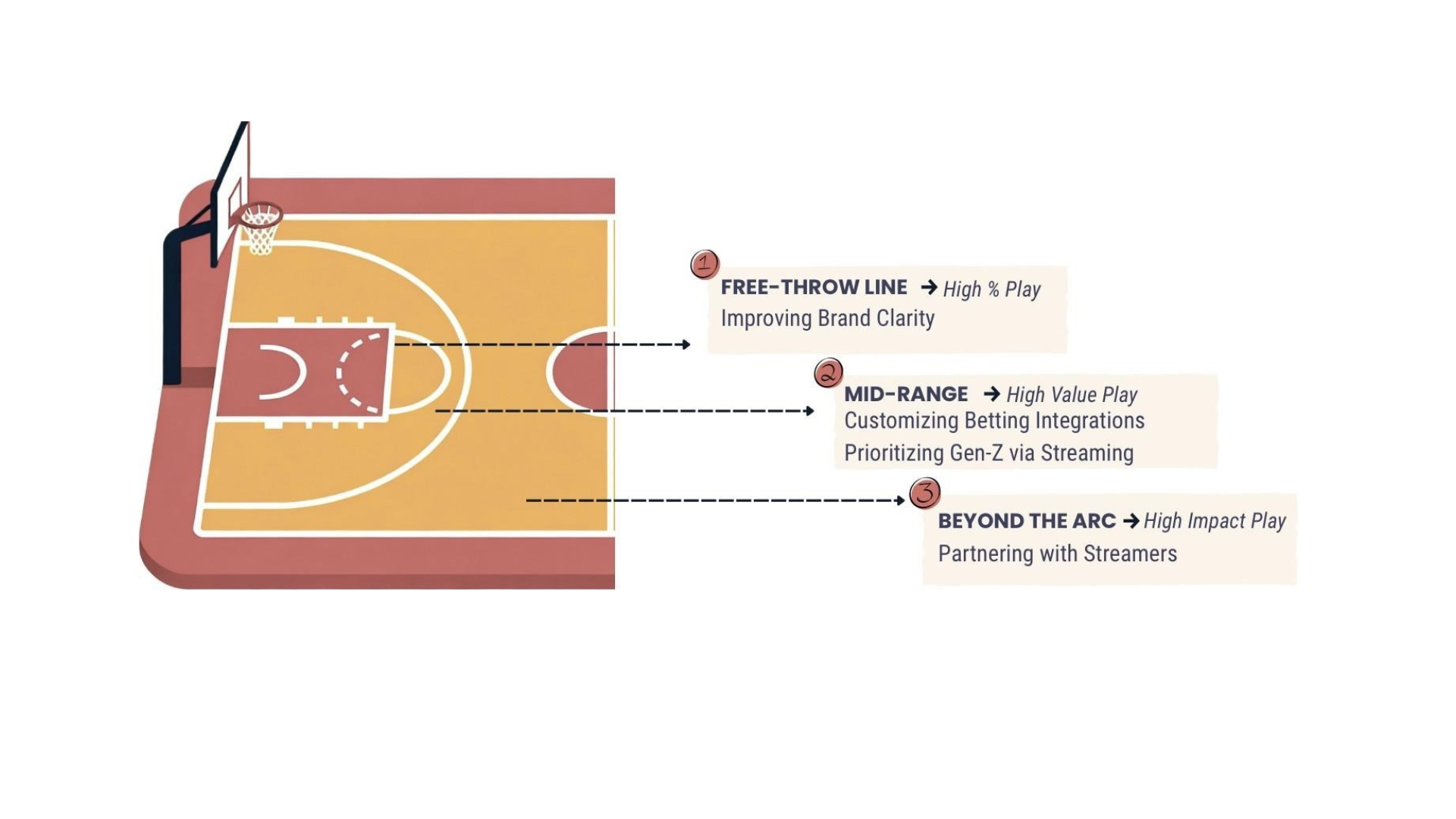
Figure 5: Recommendation Playbook
Original figure created by the authors. Court locations represent strategic priority, implementation complexity, and expected return.
Recommendation 1 appears as a free throw, representing the highest-percentage and most immediate opportunity: improving brand clarity through a coordinated marketing campaign that directly addresses FDSN’s recognition-conversion gap. Recommendations 2 and 3 fall inside the three-point line, reflecting initiatives that require greater investment and execution complexity but offer meaningful upside through enhanced viewer experience and stronger engagement with younger audiences. Recommendation 4 is positioned beyond the three-point line, representing a longer-term growth opportunity through streamer partnerships and bundling strategies. Although potentially valuable, its success depends on the stronger brand positioning and product improvements established through earlier priorities. Taken together, the framework suggests a sequenced strategy: build trust first, improve the viewing experience second, win the next generation of fans third, and scale distribution last.
conclusion
Our research examined FDSN’s brand awareness, public perception, and content strategy at a pivotal point in the evolution of RSNs. The findings converge on an overarching conclusion: FDSN has achieved significant brand recognition but has not translated that recognition into sustained subscribers or audience loyalty. Survey respondents reported high levels of awareness, yet the largest subgroup among those aware had never watched it, and a meaningful portion failed to associate FDSN as a distinct RSN separate from FanDuel Sportsbook.
Our research further establishes that the primary obstacle for FDSN to grow its audience and subscribers is its brand perception. Gambling content was commonly cited as a barrier by non-viewers. This finding carries weight given that younger audiences form brand impressions through digital and social discovery channels before making any active viewing decision. This dynamic is compounded by a tension at the core of FDSN's broadcast strategy. While bettors reported strong agreement that betting content enhanced their engagement, their cohort represented a small minority of the overall sample, and most respondents agreed that betting elements make broadcasts feel cluttered.
Four recommendations were developed from these findings: a coordinated brand repositioning campaign, a customizable betting integration framework, prioritization of streaming discovery for younger audiences, and expanded partnerships with large-scale streaming platforms. These suggestions address the recognition-conversion gap, audience discovery deficit, and the gambling-related tension identified throughout this study.
While acknowledging that Main Street Sports Group, FDSN’s parent company, has entered a period of severe financial distress and the network’s broadcasts are expected to cease with the conclusion of the NBA and NHL 2026 seasons, this development does not diminish the study's findings but rather emphasizes them. The RSN model has not become obsolete; however, financial pressures from cord-cutting, challenges in transitioning to broad-based streaming and direct-to-consumer offerings, and uncertain returns from gambling integration have tested its sustainability. The brands that will succeed in the next phase of local sports distribution will be those that prioritize audience loyalty by investing in digital engagement, developing content experiences grounded in subscriber preferences and trust, and remaining adaptable within an increasingly fragmented media landscape.
-
Armato, L. (2023, February 26). Cord cutting has crushed MLB, NBA and NFL regional sports networks. Forbes. https://www.forbes.com/sites/leonardarmato/2023/02/26/cord-cutting-has-crushed-mlb-nba-and-nfl-regional-sports-networks/
Bucholtz, Andrew. “DraftKings Network FAST Channel Launches with Dan Le Batard and More, Announces Two New Meadowlark Shows.” Awful Announcing, May 10, 2023. https://awfulannouncing.com/tech/draftkings-network-fast-channel-dan-le-batard-meadowlark.html.
Cahillane, M. (2026, January 30). MLB teams keep eyeing ways to replace media dollars, which sources peg at close to 25% of club revenue. Sports Business Journal. https://www.sportsbusinessjournal.com/Articles/2025/03/24/mlb-teams-keep-eyeing-ways-to-replace-media-dollars-which-sources-peg-at-close-to-25-of-club-revenue/
Cochran, W. G. (1977). Sampling techniques (3rd ed.). John Wiley & Sons.
Creswell, J. W., & Creswell, J. D. (2018). Research design: Qualitative, quantitative, and mixed methods approaches (5th ed.). SAGE Publications.
Diamond Sports Group & FanDuel. (2024, October 17). Diamond Sports Group and FanDuel announce broad commercial partnership. PR Newswire. https://www.prnewswire.com/news-releases/diamond-sports-group-and-fanduel-announce-broad-commercial-partnership-302280610.html
Dictionary.com. (n.d.). Cord cutter definition & meaning. https://www.dictionary.com/browse/cord-cutter
Dillman, D. A., Smyth, J. D., & Christian, L. M. (2014). Internet, phone, mail, and mixed-mode surveys: The tailored design method (4th ed.). John Wiley & Sons, Inc.
Dziemianko, K. (2025, October 23). Gambling and mental health - change mental health.
Change Mental Health. https://changemh.org/resources/gambling-and-mental-health/
Dixon, C. (2025, October 21). Bundles, Not Breakouts: How ESPN and Fox One found early streaming success. NScreenMedia. https://nscreenmedia.com/bundles-no-breakouts-espn-fox-one-success/Dool, G. (2021, February 16). Why ESPN decided to put some of its top writers behind the ESPN+ paywall. Digiday. https://digiday.com/media/espn-put-some-of-its-top-writers-behind-a-paywall/
Fisher, E. (2024, August 15). Trail Blazers join a growing list of teams to part ways with RSNs.
Front Office Sports. https://frontofficesports.com/trail-blazers-join-a-growing-list-of-nba-teams-to-part-ways-with-rsns/
Fisher, E. (2025, September 29). Mariners to end 37-year RSN run, join MLB’s media model.
Front Office Sports.https://frontofficesports.com/mariners-to-end-37-year-rsn-run-join-mlbs-in-house-media-model/
Fisher, E. (2026, January 8). MLB clubs drop Main Street Sports as RSN crisis deepens. Front Office Sports. https://frontofficesports.com/mlb-drop-main-street-sports-rsn-dazn-deal-bankruptcy/
Funt, D. (2026, January 22). How Bill Simmons went all in. Defector. https://defector.com/how-bill-simmons-went-all-in
Gonzalez, A. (2026, January 8). Sources: 9 MLB teams end deals with Main Street Sports Group. ESPN. https://www.espn.com/mlb/story/_/id/47552639/sources-9-mlb-teams-end-deals-main-street-sports-group
Gramlich, J. (2025, October 2). Americans increasingly see legal sports betting as a bad thing for society and sports. Pew Research Center. https://www.pewresearch.org/short-reads/2025/10/02/americans-increasingly-see-legal-sports-betting-as-a-bad-thing-for-society-and-sports/
Hanlon, T. (2026, March 12). The end of the RSN era has begun - but leagues don’t agree on what comes next. TVREV. https://www.tvrev.com/news/the-end-of-the-rsn-era-has-begun-but-leagues-dont-agree-on-what-comes-next
Horneland, K. (2025, December 4). The viewing challenge of Gen Z, and the opportunity ahead. Sports Business Journal. https://www.sportsbusinessjournal.com/Articles/2025/12/04/the-viewing-challenge-of-gen-z-and-the-opportunity-ahead/
Isidore, C. (2025, October 25). How sports gambling has become crucial to leagues’ bottom lines. CNN Business. https://www.cnn.com/2025/10/25/business/this-is-how-sports-gaming-has-become-crucial-to-leagues-bottom-lines
Kujawa, T. (2025, November 24). What is a regional sports network. CableTV. https://www.cabletv.com/blog/regional-sports-network
Legal Information Institute. (n.d.). 47 U.S. Code § 522 - Definitions. Cornell Law. https://www.law.cornell.edu/uscode/text/47/522#13
Lerner, D. (2026, January 28). Multiple FanDuel Sports Network teams reportedly contemplating Victory+ as “emergency” alternative. Awful Announcing.https://awfulannouncing.com/local-networks/fanduel-sports-network-teams-contemplating-victory-emergency-alternative.html
Moss, D. (2008). Regional sports networks, competition, and the consumer. Loyola Consumer Law Review, 21(1), 56–80. https://lawecommons.luc.edu/lclr/vol21/iss1/4
Mullin, B. (2021, April 27). DraftKings buys rights to podcast by former ESPN host Dan Le Batard. The Wall Street Journal. https://www.wsj.com/business/media/draftkings-buys-rights-to-podcast-by-former-espn-host-amid-media-push-11619539200
Nielsen. (2023, May 10). In emerging media, brand recall is the biggest driver of lift. Nielsen. https://www.nielsen.com/insights/2023/in-emerging-media-brand-recall-is-the-biggest-driver-of-lift/
O’Neal, M., & Doshi, S. (2024, October 21). Direct-to-consumer (D2C): What it means, challenges, and more.EcoEnclose. https://www.ecoenclose.com/blog/d2c-a-guide-to-direct-to-consumer-business-models/
Ourand, J. (2026, January 30). Exile From Main Street. Puck.https://puck.news/will-anyone-buy-main-street-sports/
Park, E. (2025, July 1). 83% of U.S. adults use streaming services, far fewer subscribe to cable or satellite TV. Pew Research Center. https://www.pewresearch.org/short-
reads/2025/07/01/83-of-us-adults-use-streaming-services-far-fewer-subscribe-to-cable-or-satellite/.
Passan, J. (2025, November 9). Guardians’ Clase, Ortiz indicted for pitch rigging. ESPN. https://www.espn.com/mlb/story/_/id/46906636/guardians-emmanuel-clase-luis-ortiz-indicted-pitch-rigging
Ponto, J. (2015). Understanding and evaluating survey research. Journal of the Advanced Practitioner in Oncology, 6(2), 168–171.
Purdum, D. (2018, November 2). How NBA sparked the American Sports Gambling Gold Rush.
ESPN. https://www.espn.com/chalk/story/_/id/25145786/why-nba-other-professional-leagues-jumping-sports-gambling
Purdum, D. (2025, October 23). Chauncey Billups, Terry Rozier arrested in gambling inquiries. ESPN. https://www.espn.com/nba/story/_/id/46695228/sources-terry-rozier-arrested-part-gambling-inquiry
Reddy, S. (2024, May). Navigating the shifting sports media landscape: Trends and recommendations. Georgetown Law Technology Review. https://georgetownlawtechreview.org/navigating-the-shifting-sports-media-landscape-trends-and-recommendations/GLTR-05-2024/
Reedy, J. (2023, May 30). MLB Relieves Bally Sports, Will Take Over Broadcasting of San Diego Padres Games. NBC 7 San Diego. https://www.nbcsandiego.com/news/local/mlb-relieves-bally-sports-will-take-over-broadcasting-of-san-diego-padres-games/3237158/
Rizzo, L. (2025, November 6). DraftKings takes over ESPN sports betting partnership from Penn Entertainment. CNBC. https://www.cnbc.com/2025/11/06/disneys-espn-penn-entertainment-to-wind-down-espn-bet.html
Vorkunov, M. (2025, April 25). MSG Networks reduces Knicks, Rangers media rights fees in debt-slashing renegotiations—The Athletic. The New York Times. https://web.archive.org/web/20250425130732/https://www.nytimes.com/athletic/6309031/2025/04/25/knicks-rangers-msg-networks-debt/
Vorkunov, M. (2025, June 22). What the NBA’s new TV deal means for viewership and national, local markets. The New York Times.https://www.nytimes.com/athletic/6299679/2025/06/18/nba-espn-tnt-deal-contract-viewership-ratings/
Webber, M. R. (n.d.). Sportsbook: What it is, history, and legality. Investopedia. https://www.investopedia.com/sportsbook-5217715