
Audience Engagement

The Price of Loyalty: Analyzing Consumer Behavior in Streaming TV, Part II

The Price of Loyalty: Analyzing Consumer Behavior in Streaming TV, Part II

In Part II, this research moves from market context and prior literature to empirical analysis and actionable strategy. While Part I established the streaming landscape, reviewed existing research on Gen Z and millennials’ consuming behavior, Part II presents findings from the online survey and interviews with industry experts. Synthesizing these primary insights with our secondary literature review, we identify what drives and what undermines the subscriber loyalty among 18–34 age group, and conclude with six recommendations for Roku across its SVOD, FAST, and AVOD platform ecosystem.

The Price of Loyalty: Analyzing Consumer Behavior in Streaming TV, Part I

The Price of Loyalty: Analyzing Consumer Behavior in Streaming TV, Part I

This study examines what drives loyalty among 18-34 age streaming consumers. The problem we looked to solve through our study is how Roku can better reach older Gen Z (18-24) and younger millennials (25-34) and retain them, beyond an initial one-time acquisition. This is especially relevant in an age where streamers are continually competing with each other and other media companies for the consumer's attention. Part I analyzes the conceptual groundwork for our research, tracing the evolution of the streaming market, reviewing prior literature on Gen Z and millennial viewing habits, and introducing our mixed-methods research approach. Part II of this research will present the empirical findings, industry interview insights, and final analysis and recommendations for Roku.

Toward a Polyphonic Ecosystem: Mapping Audience Engagement from the “Benito Bowl” to the Postdigital Museum

Toward a Polyphonic Ecosystem: Mapping Audience Engagement from the “Benito Bowl” to the Postdigital Museum

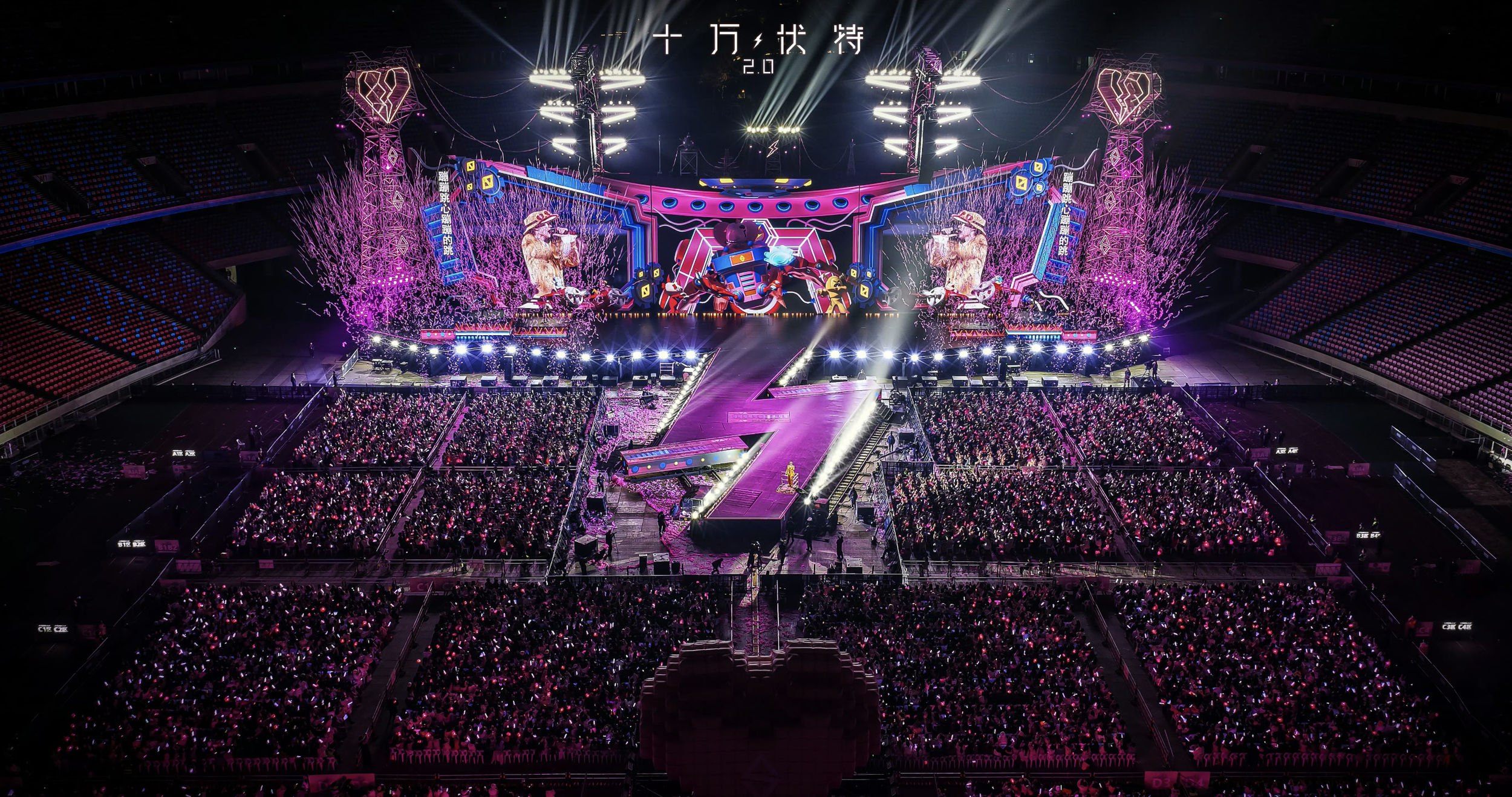
This article examines the shifting domain of audience engagement within the arts, tracing a trajectory from ephemeral street painting performances to the high-stakes spectacle of the Super Bowl halftime show and the emergent "postdigital" museum. By synthesizing the institutional critiques of Stephen E. Weil, the "Third Space" theories of Ray Oldenburg, and the "Experience Economy" framework by Pine and Gilmore, the future of cultural meaning lies in the transition from institutional authority to communal "polyphony." Through a series of case studies—including street painting festivals and the "Benito Bowl"—this paper explores how the quality of "presence" and the "Arc of Engagement" serve as the definitive mechanisms for meaning-making in an increasingly mediated, technosocial world.

Murals: A Right to Protest and Preserve

Murals: A Right to Protest and Preserve

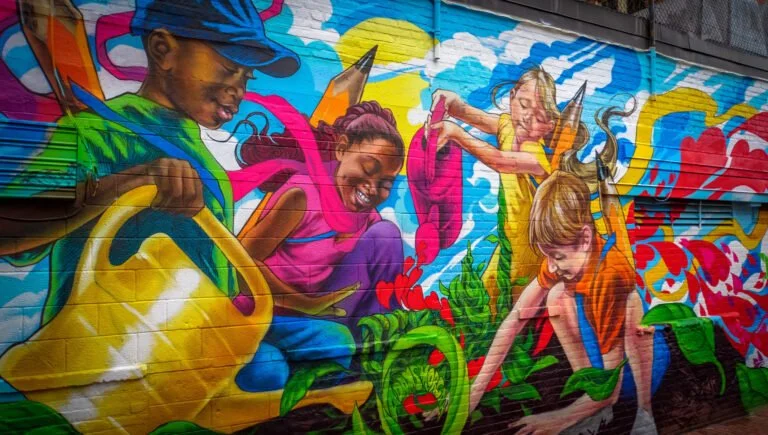
This article explores the evolution of murals from ancient cave paintings to modern digital advocacy, highlighting their role as a vital tool for social resistance and cultural preservation. Through this lens, the public wall is revealed as a primary battleground for community identity and the right to protest in the 21st century.

From Access to Ownership: NFT-Driven Transformation of Ticketing in the Arts

From Access to Ownership: NFT-Driven Transformation of Ticketing in the Arts

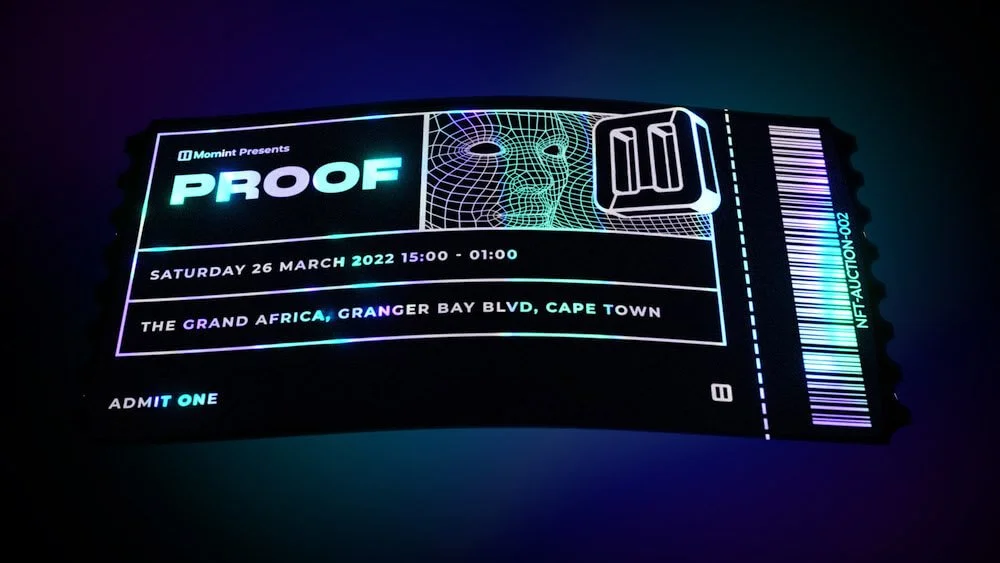
Traditional ticketing systems, plagued by monopolies, scalping, and fraud, hinder audience participation in the arts. NFT ticketing may offer a solution, enhancing transparency, security, and fairness by eliminating intermediaries, preventing fraud, and enabling artists to control resale terms. Read how two companies, Yellowheart and Open Ticketing Ecosystem, have effectively started to integrate the technology into ticketing systems. 

The Impact of Live Broadcast on Theatre Performance Practice and Audience Engagement

The Impact of Live Broadcast on Theatre Performance Practice and Audience Engagement

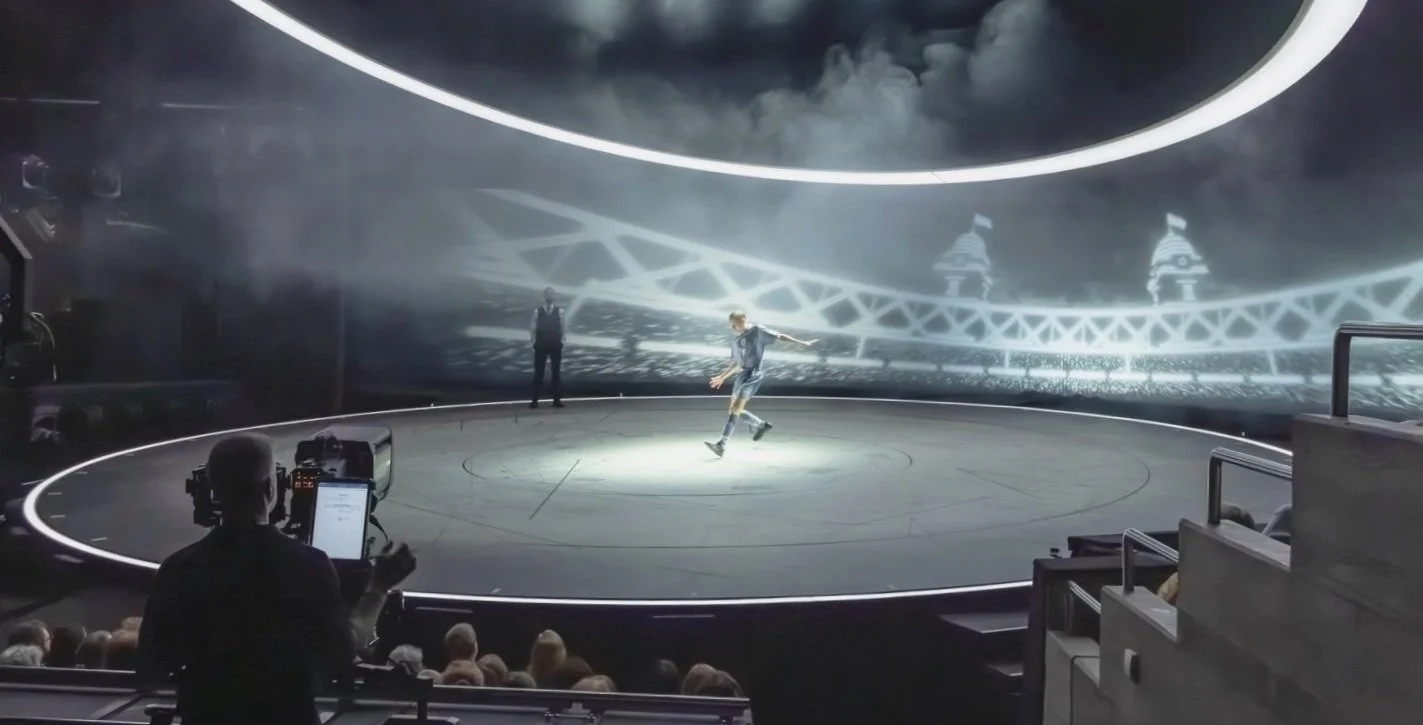
Theatre live broadcasting has existed across various media for nearly a century. In its early days, it was delivered through radio and television. In the 21st century, advancements in technology enabled broadcasts on large cinema screens. During and after the COVID-19 pandemic, however, lockdowns and shifts in audience behavior appeared to redirect attention back to small screens. This research explores the meaning of “liveness” and whether live theatre broadcasts, sometimes costing up to $3 million, are worth the investment. 

Exploring Integration of XR in Museums to Enhance Visitor Experience

Exploring Integration of XR in Museums to Enhance Visitor Experience

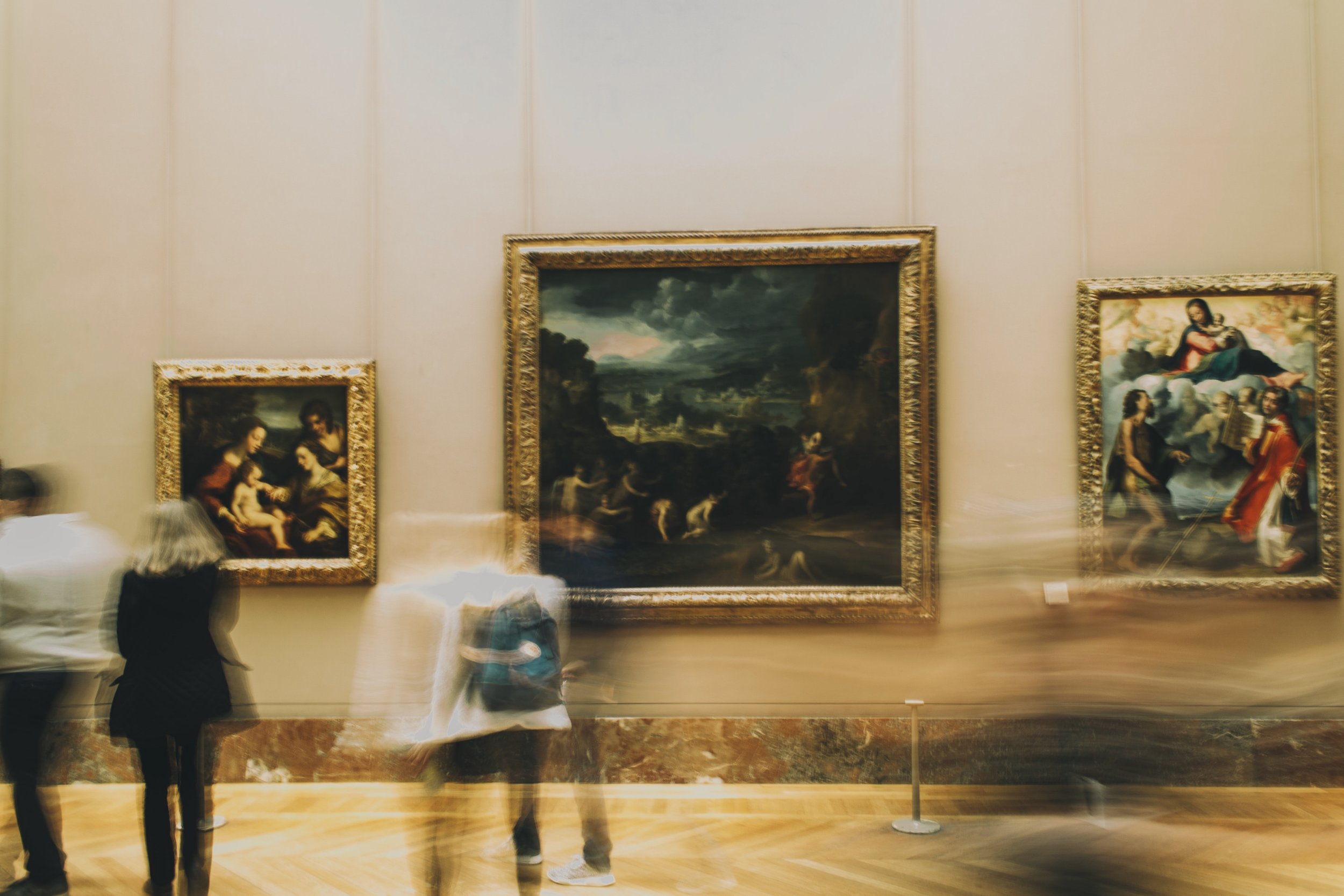
Many museums have gravitated towards utilizing XR (VR, AR, or other extended reality modes) in numerous ways to enhance visitor experience. While there are successful ways to support visitor experience, it is possible that XR can have negative impacts. This article explores case studies of two museums who have integrated XR into their exhibitions: the Cleveland Museum of Art and Illinois Holocaust Museum, discusses the positive and negative facets of these technologies on visitor experience, and analyzes implications for the arts field.

Can a Brand Be Your Friend? Examining Authenticity in Gen Z Social

Can a Brand Be Your Friend? Examining Authenticity in Gen Z Social

This research was conducted by a Master of Entertainment Industry Management team. The purpose of this study is to examine how Gen Z, born between 1998 and 2010, appraises social media and interprets authenticity in branded content. Recognizing the significance of Gen Z’s influence, Ayzenberg Group, an advertising agency based in Southern California with a number of high-profile gaming clients, is interested in the role of authenticity as it relates to Gen Z's social media behavior and preference. 

What are the Impacts of Digital-Based Immersive and Interactive Art on Audiences?

What are the Impacts of Digital-Based Immersive and Interactive Art on Audiences?

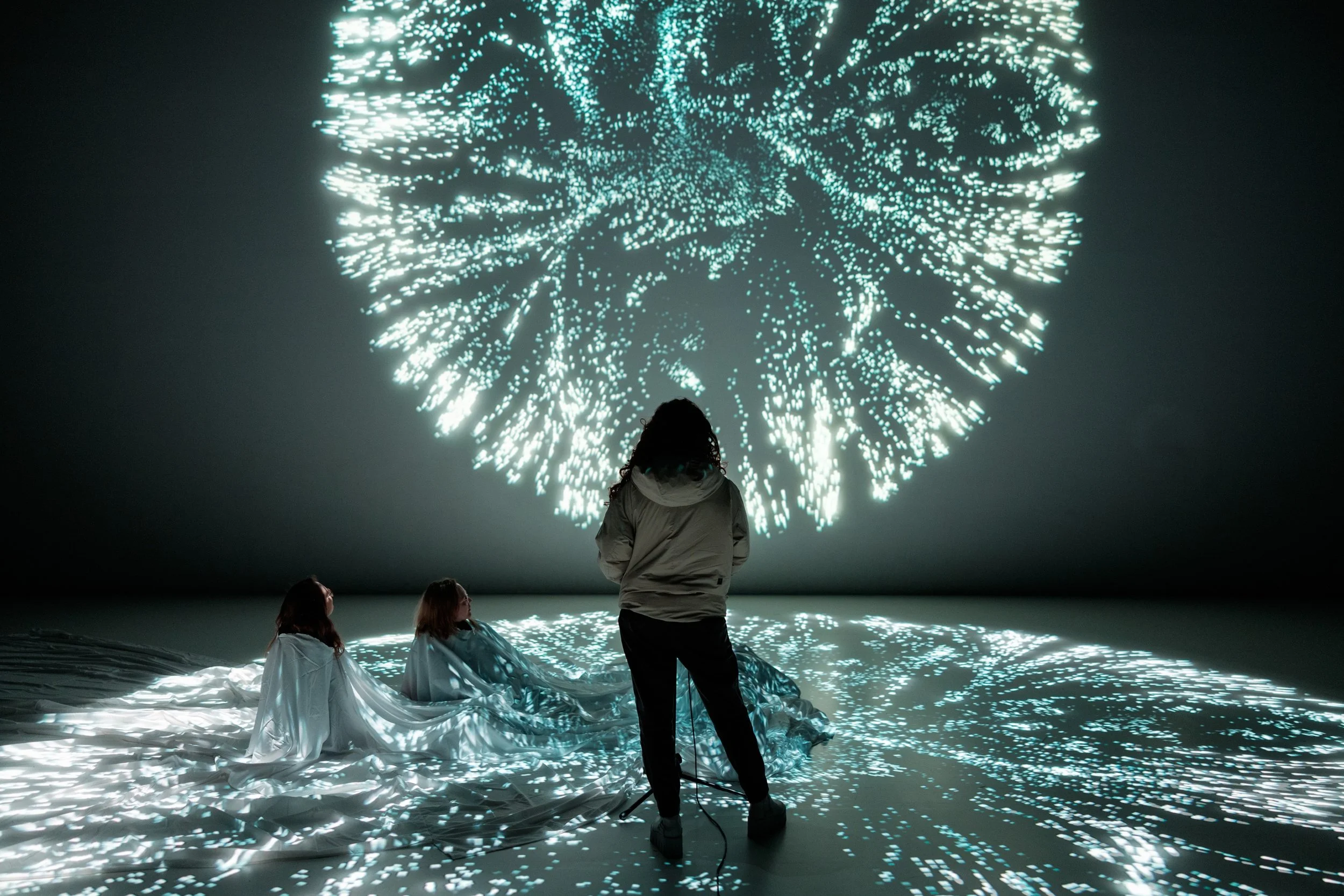
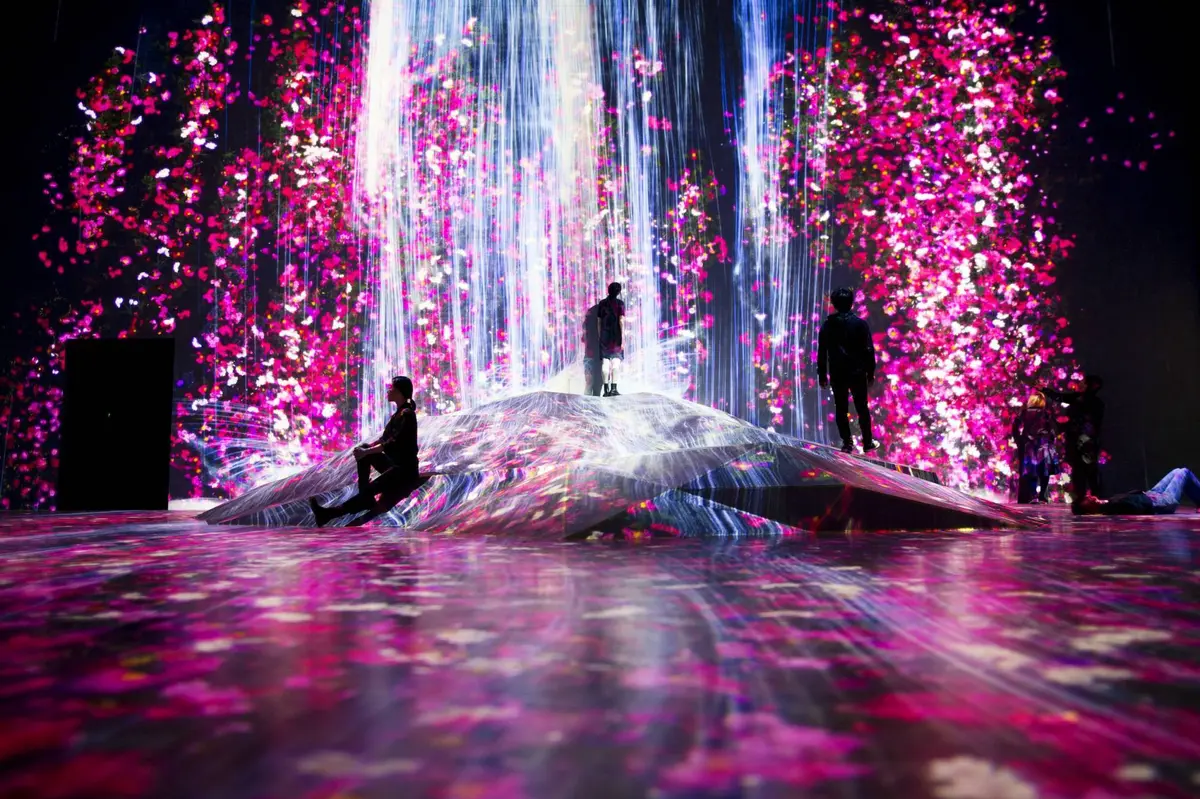
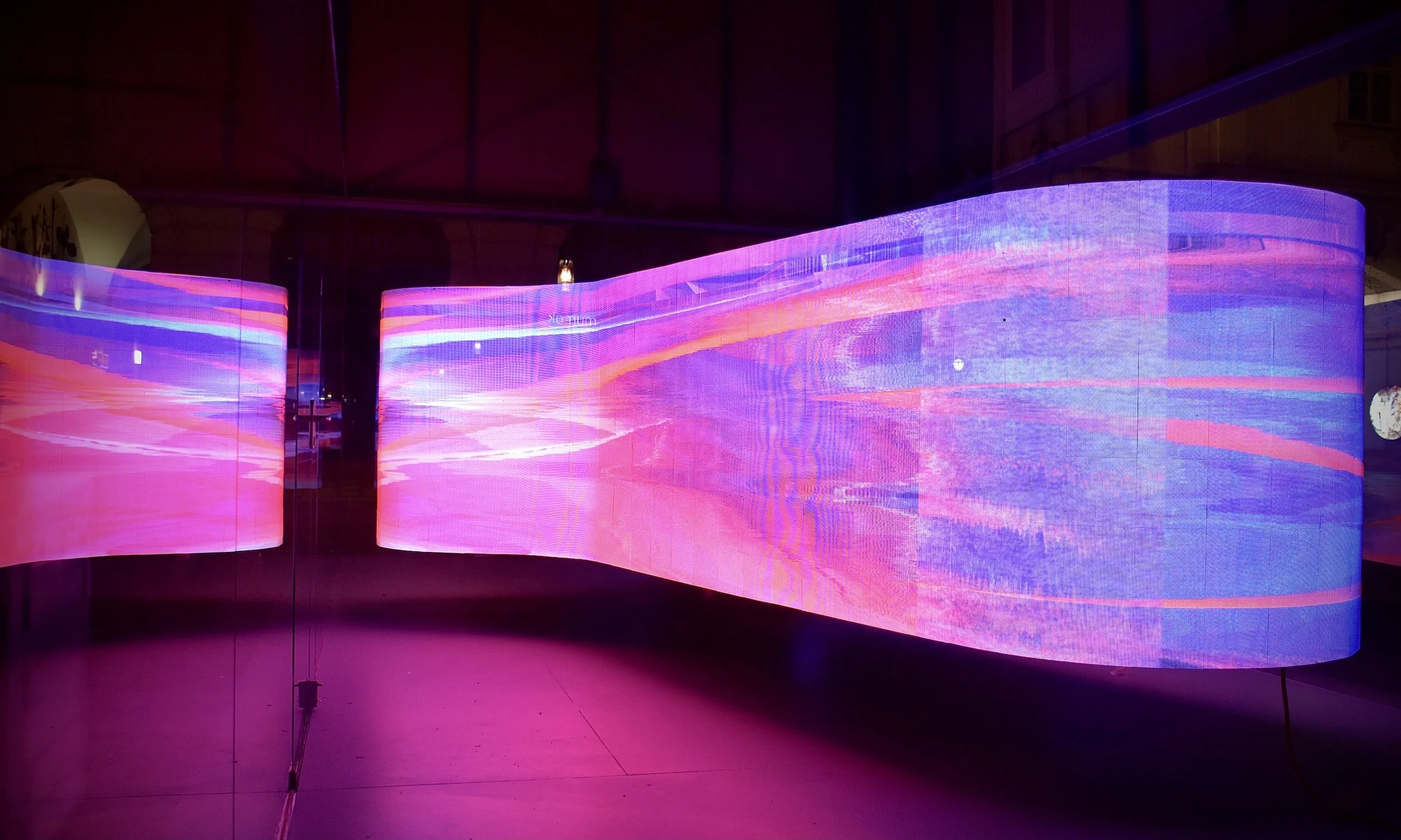
Over the past decade, digital-based immersive and interactive art experiences have emerged as a popular trend in the art world. In the digital age, rapid technological advancements and continuous updates in digital equipment have revolutionized the art experience. This shift towards non-traditional, digital immersive, and interactive art forms has undoubtedly narrowed the gap between the audience and the art itself, offering a more intimate experience.

Horizon 2028 Part 1: The Future of Global Content Licensing

Horizon 2028 Part 1: The Future of Global Content Licensing

This report considers content and distribution strategies that allow Paramount Global Content Distribution (PGCD) to maximize subscriber growth and external licensing revenue. Given the symbiotic nature of licensing deals among studios, the research team focused on how PGCD can remain competitive in the streaming landscape with a balanced mixture of internally and externally licensed properties.

Strategies in the Streaming Industry: Bally Sports as Case Study

Strategies in the Streaming Industry: Bally Sports as Case Study

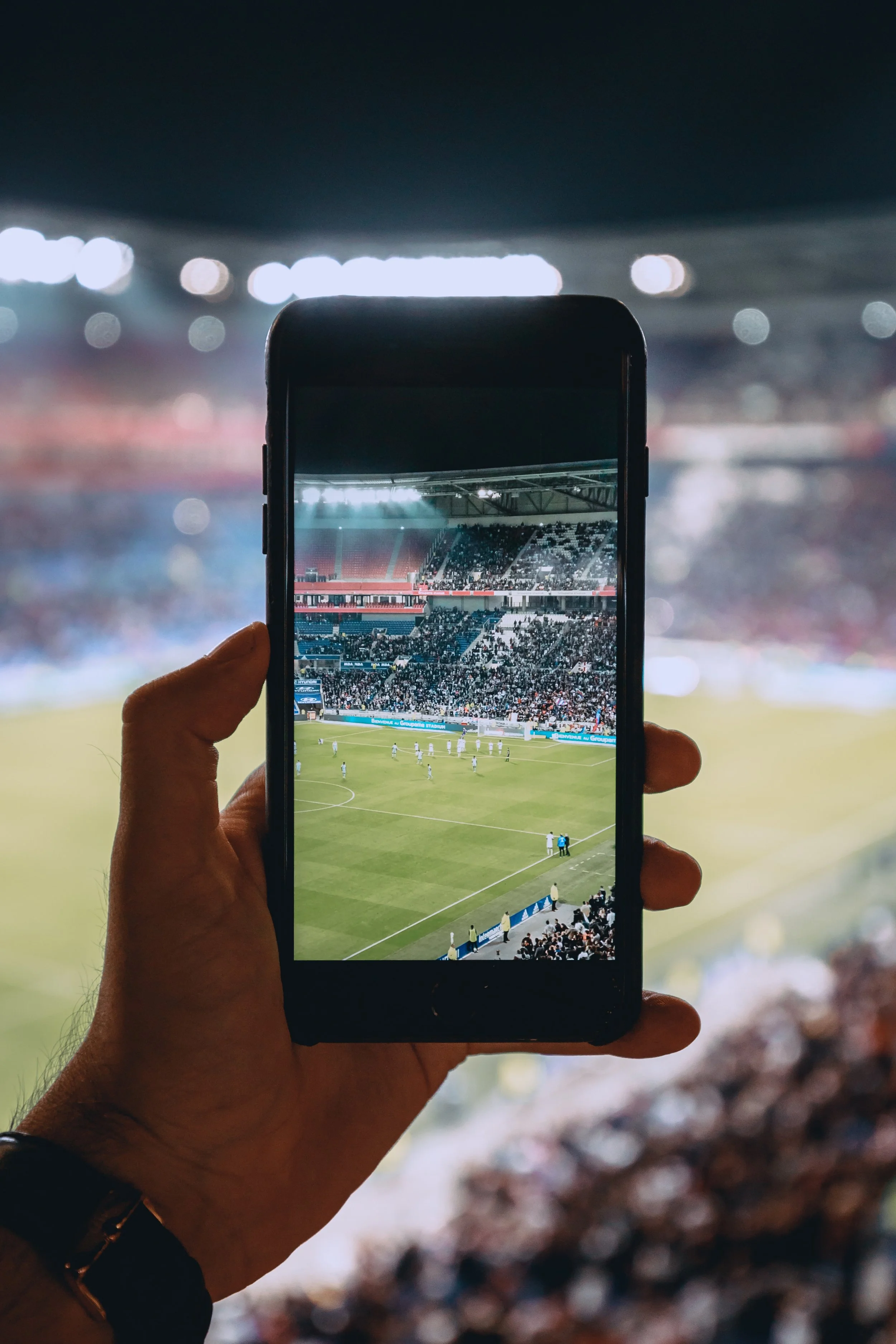
This case study for Bally Sports shows that sports fans’ top priority for streaming is accessible, reliable, and interesting content. As a result of these findings, the recommendations to maintain longevity in the streaming industry focus on the importance of brand awareness, user experience, representative content, and potential partnership integrations.

To Stream or Not To Stream: Is that the right question anymore?

To Stream or Not To Stream: Is that the right question anymore?

The current status of digital programming and investment varies widely across the arts and cultural sector. Some organizations have abandoned the streaming technology they experimented with, while others continue to incorporate digital programs and performances into their offerings.  The following research reveals U.S. streaming trends and audience behaviors.

Digital Inequity's Impact On Arts Participation Pt. II

Digital Inequity's Impact On Arts Participation Pt. II

This is the second installment of research relating to digital equity and arts communities. The research discusses the potential role of media and digital arts in the fight toward digital equity, compares barriers to digital participation with arts participation, and explores the role of libraries as critical players in combatting digital inequity.

Building a new Museum Ritual: Museum Digital Experiences

Building a new Museum Ritual: Museum Digital Experiences

This article examines 8 suggestions for museums to implement well-rounded digital projects for their audiences that are specific to the online context. These suggestions are drawn on the Rachel Broughton’s article Bridging the Gap Between Digital Native Modes of Learning and the Traditional Museum Ritual—find it here.

Museum Audience Engagement with GIS

Museum Audience Engagement with GIS

Geographic Information Systems (GIS) applications can connect museums with their communities in ways that make project management and decision-making informed and strategic. There are numerous ways that GIS maps can be used—they can provide a picture of who is visiting the museum and how they are interacting with the space once they are there. Additionally, they can aid visitors with their experience of museum collections.

Linguistic Diversity in Opera via Technology: A Case Study of Opera Australia

Linguistic Diversity in Opera via Technology: A Case Study of Opera Australia

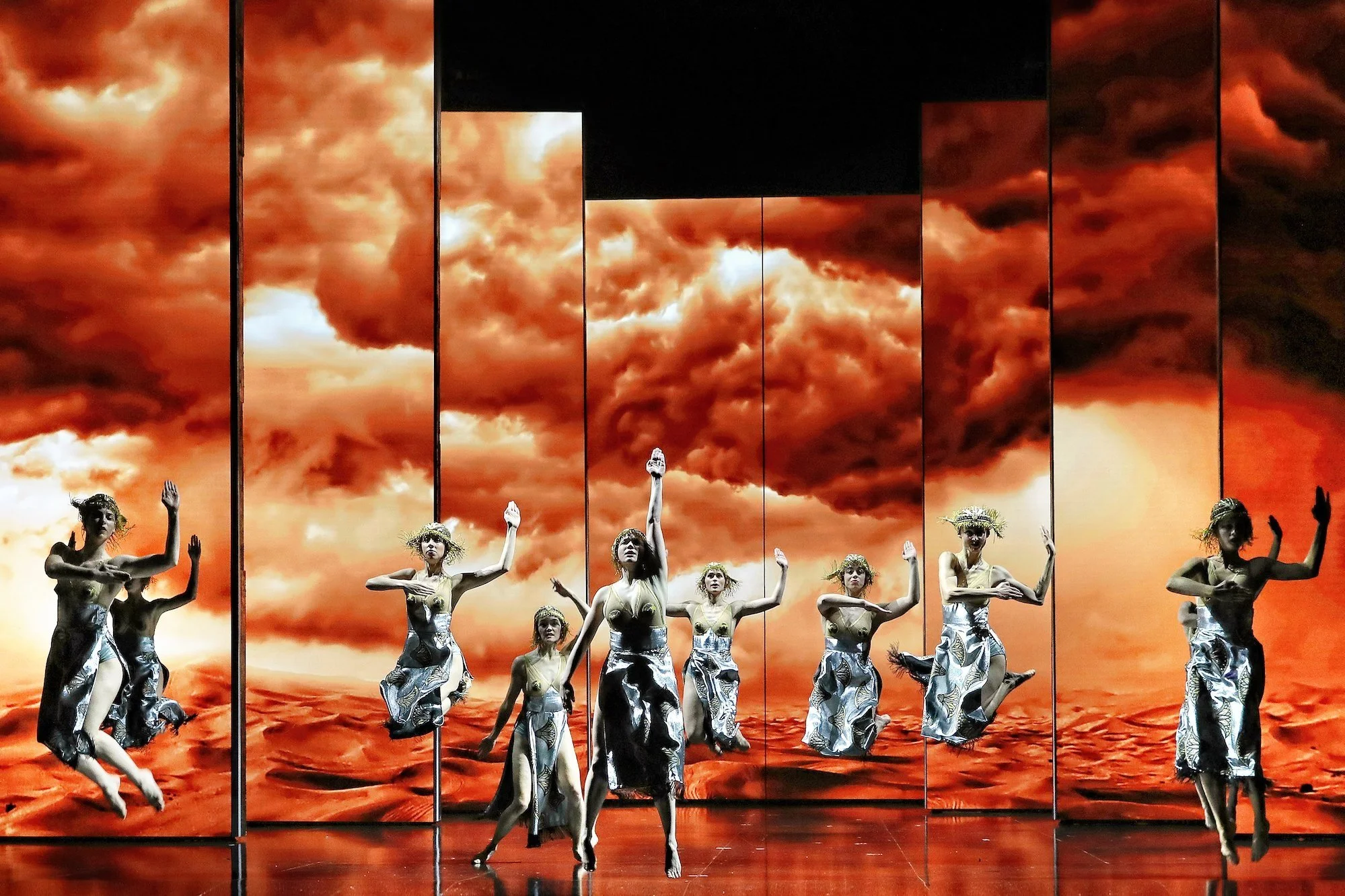
Opera Australia attempts to make opera “for all” while maintaining the linguistic diversity of presenting opera in their original languages. To enhance the connection of audiences to the work, Opera Australia uses digitization and other technologies to create a holistic storytelling mechanism. This case demonstrates that (1) language and linguistic identity can advance and strengthen artistic storytelling and (2) audiences want to see linguistically diverse and accessible stories. 

Equity Via Art and Technology: A Case Study of Deaf West’s “Spring Awakening”

Equity Via Art and Technology: A Case Study of Deaf West’s “Spring Awakening”

This case study examines Deaf West Theater. Through weaving “American Sign Language (ASL) with spoken English to create a seamless ballet of movement and voice.”, Deaf West teaches through practice that (1) Language and linguistic identity can indeed advance and strengthen storytelling and (2) Audiences want to see linguistically diverse and accessible stories.

Digital Stewardship is the Future for Contemporary Art Museums

Digital Stewardship is the Future for Contemporary Art Museums

While contemporary art museums often focus on re-creating the physical experience of the museum online, there is a wealth of unexplored opportunities for creative digital engagement with art that is largely unexamined.