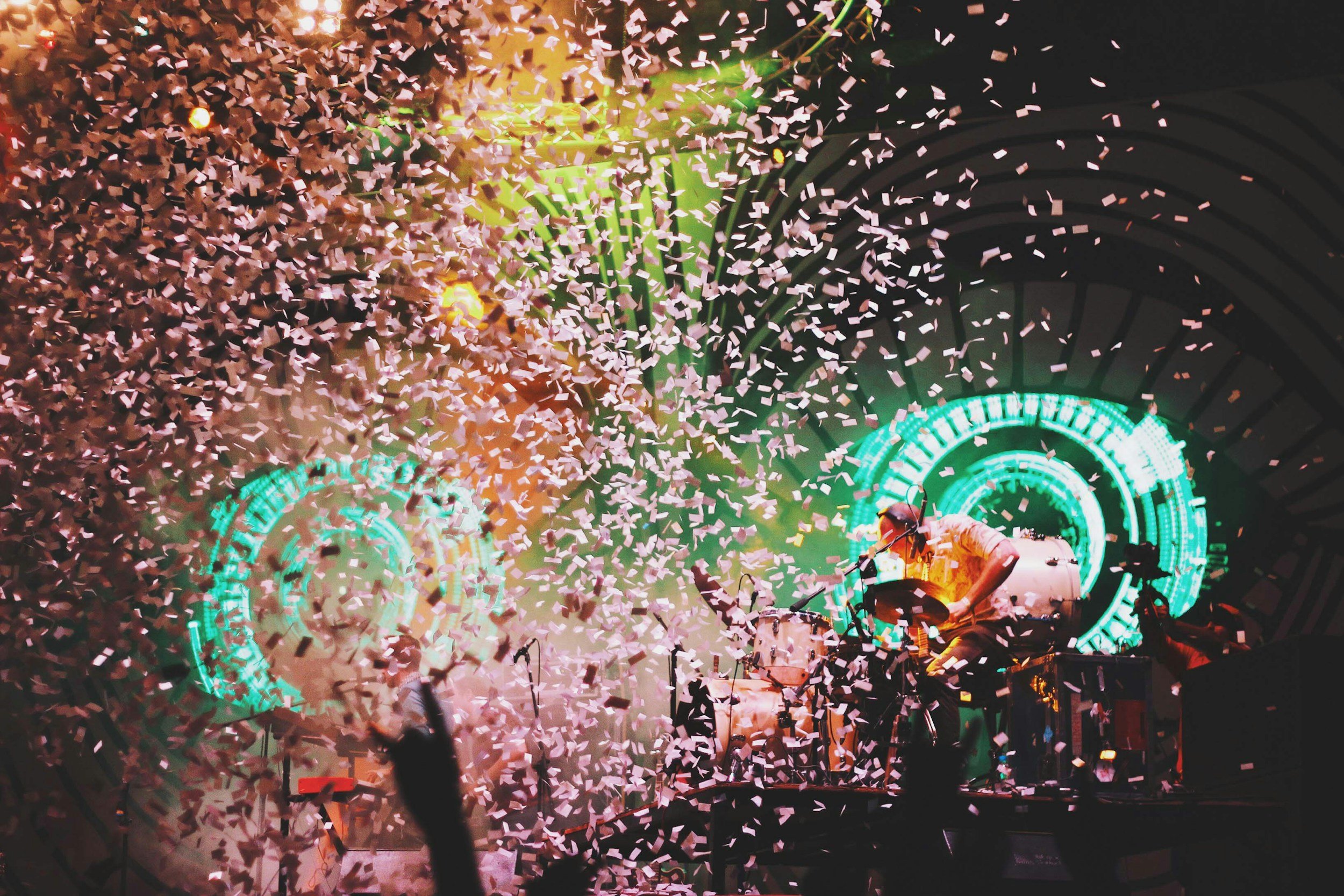
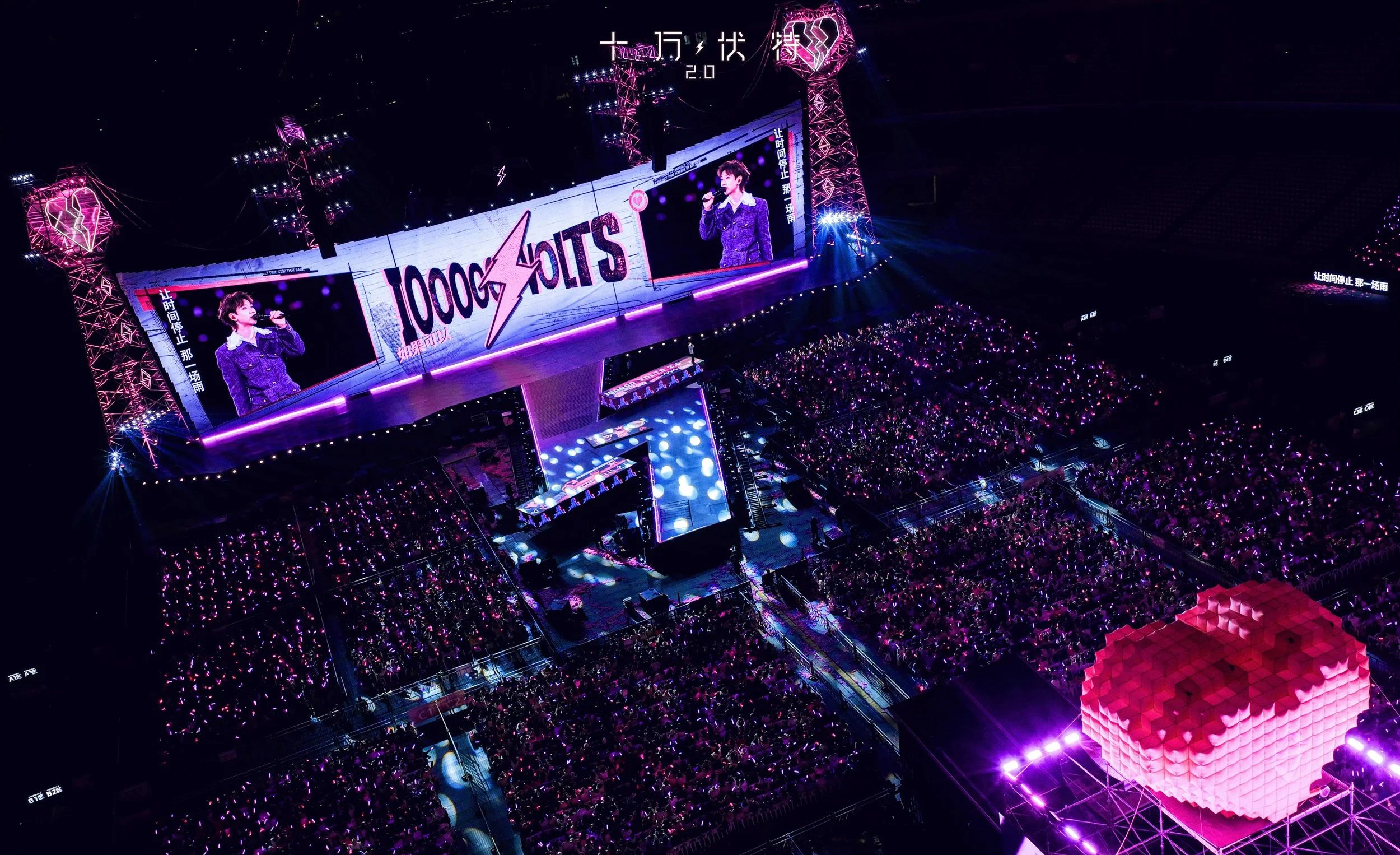

As immersive technologies redefine the live concert experience, artists and virtual idols alike are transforming how audiences engage with music. From Hatsune Miku’s “holographic” performances powered by projection and LED technologies to VR concerts by creators like BlackGryph0n and Gorillaz, extended reality (XR) is blurring the lines between physical and digital performance. This article explores the evolution of Vocaloid software, the artistry behind digital concerts, and the growing influence of augmented and virtual reality in live music. As AR and VR become more accessible, musicians and fans alike are discovering new ways to connect—reshaping what it means to perform, attend, and experience music in the digital age.
From Murals to Metadata: Digitizing Cultural Heritage in the Tech Age
Cultural heritage is a testament to millennia of civilization, but it is threatened by natural erosion, tourism, and time. Most traditional methods of conservation, though foundational, have difficulty responding to the scale and complexity of these emerging challenges. Digital technologies, such as artificial intelligence (AI), 3D scanning, virtual reality (VR), and blockchain, can offer new solutions. This article examines how digitization preserves and revitalizes cultural property using the Mogao Caves as a case study.
AI in Traditional Music Preservation: Lessons from the Konghou (Chinese Harp)
This article investigates how artificial intelligence aids in the preservation of traditional music, using the Chinese Harp (Konghou) as a key example. It explores the technology's opportunities and challenges through an examination of existing models like Folk RNN for Irish music and MusicMamba for Chinese traditional music
From Access to Ownership: NFT-Driven Transformation of Ticketing in the Arts
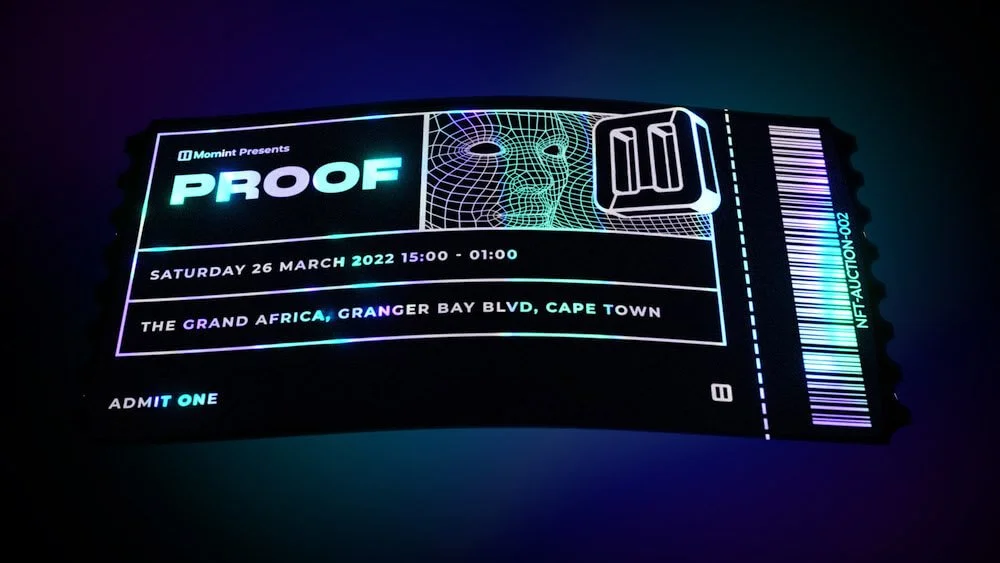
Traditional ticketing systems, plagued by monopolies, scalping, and fraud, hinder audience participation in the arts. NFT ticketing may offer a solution, enhancing transparency, security, and fairness by eliminating intermediaries, preventing fraud, and enabling artists to control resale terms. Read how two companies, Yellowheart and Open Ticketing Ecosystem, have effectively started to integrate the technology into ticketing systems.
The Impact of Live Broadcast on Theatre Performance Practice and Audience Engagement
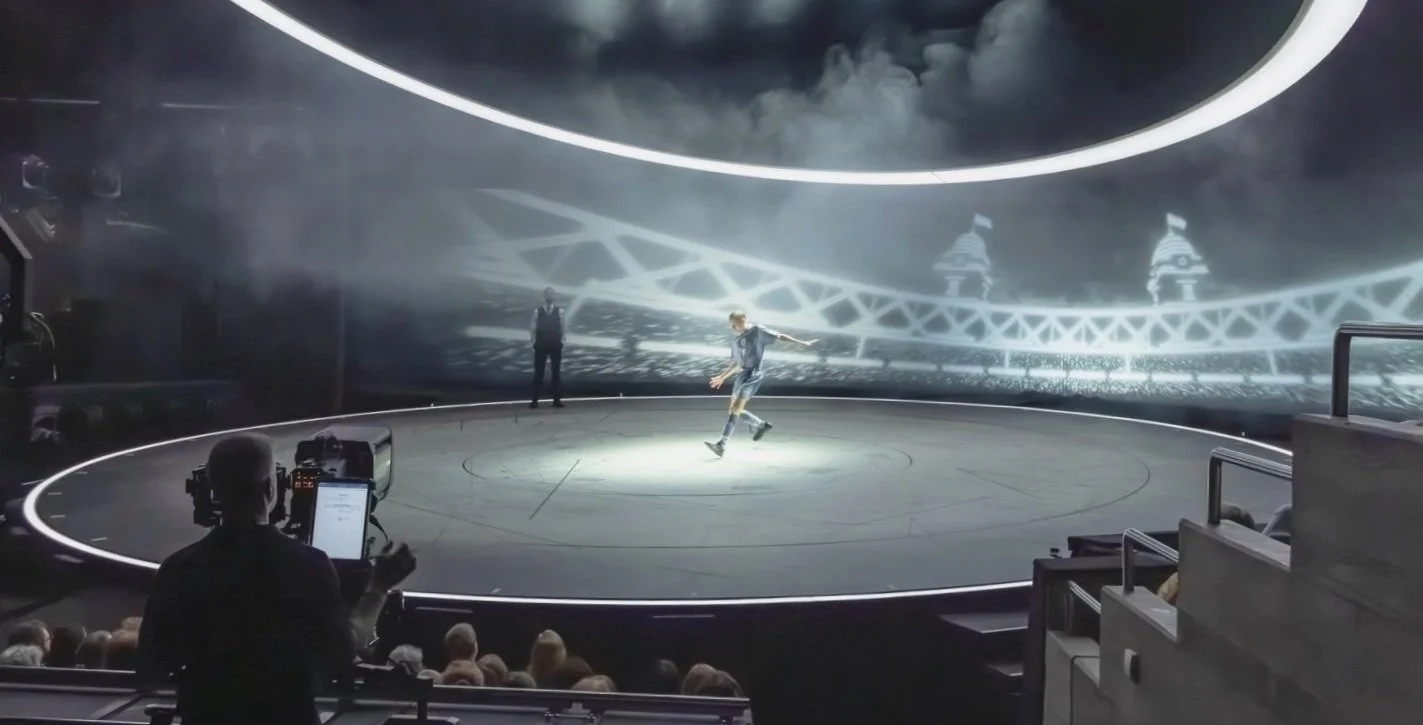
Theatre live broadcasting has existed across various media for nearly a century. In its early days, it was delivered through radio and television. In the 21st century, advancements in technology enabled broadcasts on large cinema screens. During and after the COVID-19 pandemic, however, lockdowns and shifts in audience behavior appeared to redirect attention back to small screens. This research explores the meaning of “liveness” and whether live theatre broadcasts, sometimes costing up to $3 million, are worth the investment.
Your 2024 Favorite Reads
Digital Colonialism in the Global Sphere
Colonialism has consistently been a force in the global purview, including the technological space. In recent years, the expansion of artificial intelligence has vastly increased corporations’ global influence. As the world’s technologies continue to advance and innovate, individuals must keep a watchful eye on the ways in which digital colonialism might repeat harmful practices from the past.
Consumer Habits and Wants in AR, VR and the Metaverse
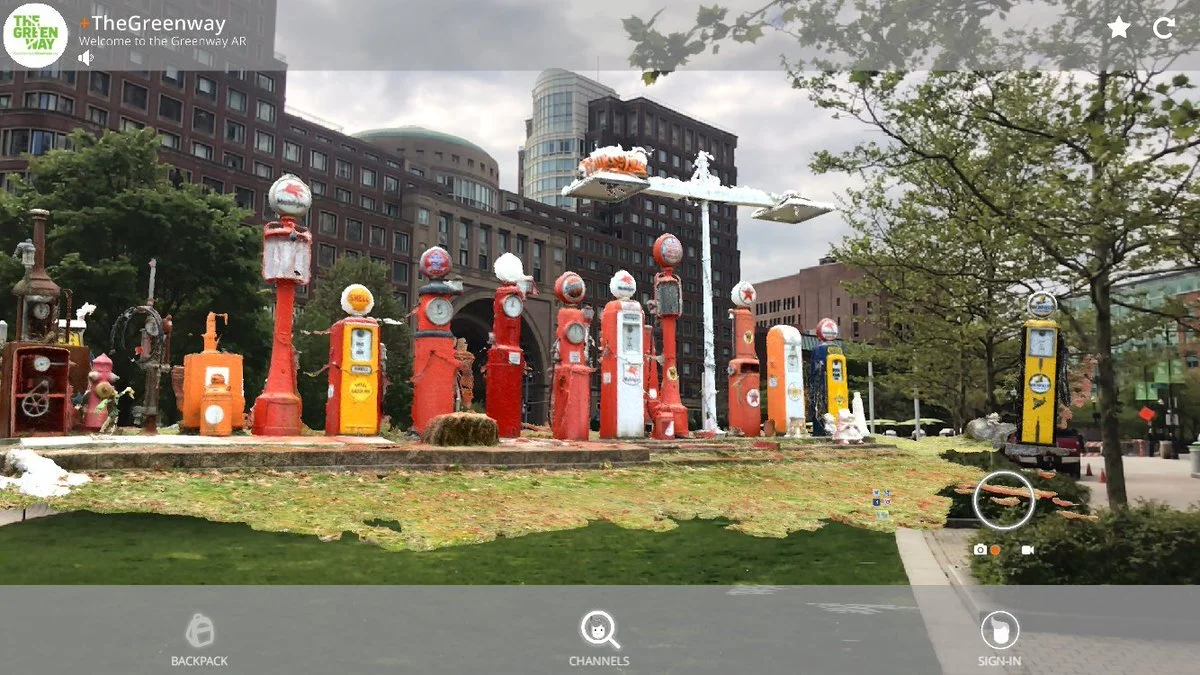
Researchers conducted surveys and industry expert interviews to understand current and future consumer demand for AR, VR and Metaverse entertainment options. The survey indicated that consumers were most interested in using AR and VR to enhance experiences in concerts, educational content, and gaming. Respondents also indicated that they were interested in joining the metaverse to participate in social experiences and to attend live music events. The research unveiled generational differences, emerging opportunities, and trends to follow to best meet consumer demands.
The Potential Market for AR, VR and the Metaverse
Even though VR, AR, and the metaverse are already a growing part of the consumer
marketplace, it is still important to define these relatively new technologies since they are not yet
mainstream. VR technology enables users to immerse themselves in and “interact with a
computer-generated environment, a simulation of the real world or an imaginary world” (Akbari
et al, 2022). In contrast, AR technology incorporates digital elements or objects into the real-
world environment in real-time (Akbari et al, 2022). The VR market is expected to generate a
global revenue of $20.8 billion, and the AR market is projected to grow to $31.3 billion by 2027
(Statista, 2022a). The market projections indicate the potential growth and opportunities in these
immersive technologies.
Digital Strategy: Not Optional Anymore
Digital strategy has become a buzzword after the explosion of AI in the last 18 months. Yet, it is not about AI. AI has been the tipping point for organizations and professionals to recognize that they must update or create a digital strategy for success. Digitally-forward arts organizations already have a digital component as part of their strategic plan. Read more to understand the need for technology to be a core component of strategic plans and operations.
Top 10 Articles of 2023
November News: The Changing Landscape for Digital Participation in the Arts
Exciting to many, distressing to some – digital media continues to hold the largest share of arts participation, and platforms are finding new ways to engage with online audiences. As new trends emerge, creators across disciplines are advocating and winning fair compensation and increased protection of their work. From SAG-AFTRA to regional theatre, contracts with creators are offering greater rewards for digital content and protections for current and future AI.
How President Biden's Executive Order Might Affect Artists and Arts Organizations
On Monday, the headlines were ablaze with President Biden’s executive order addressing safe, secure, and trustworthy Artificial Intelligence. At 111 pages, the order offers a breadth of policy frameworks and standards creation that affect government operations and industry reporting. However, several areas of note have a direct potential impact on the work of artists and arts organizations: Watermarks of content authenticity, Copyright, and Labor.
AI and Virtual Production: The Past Meets the Future
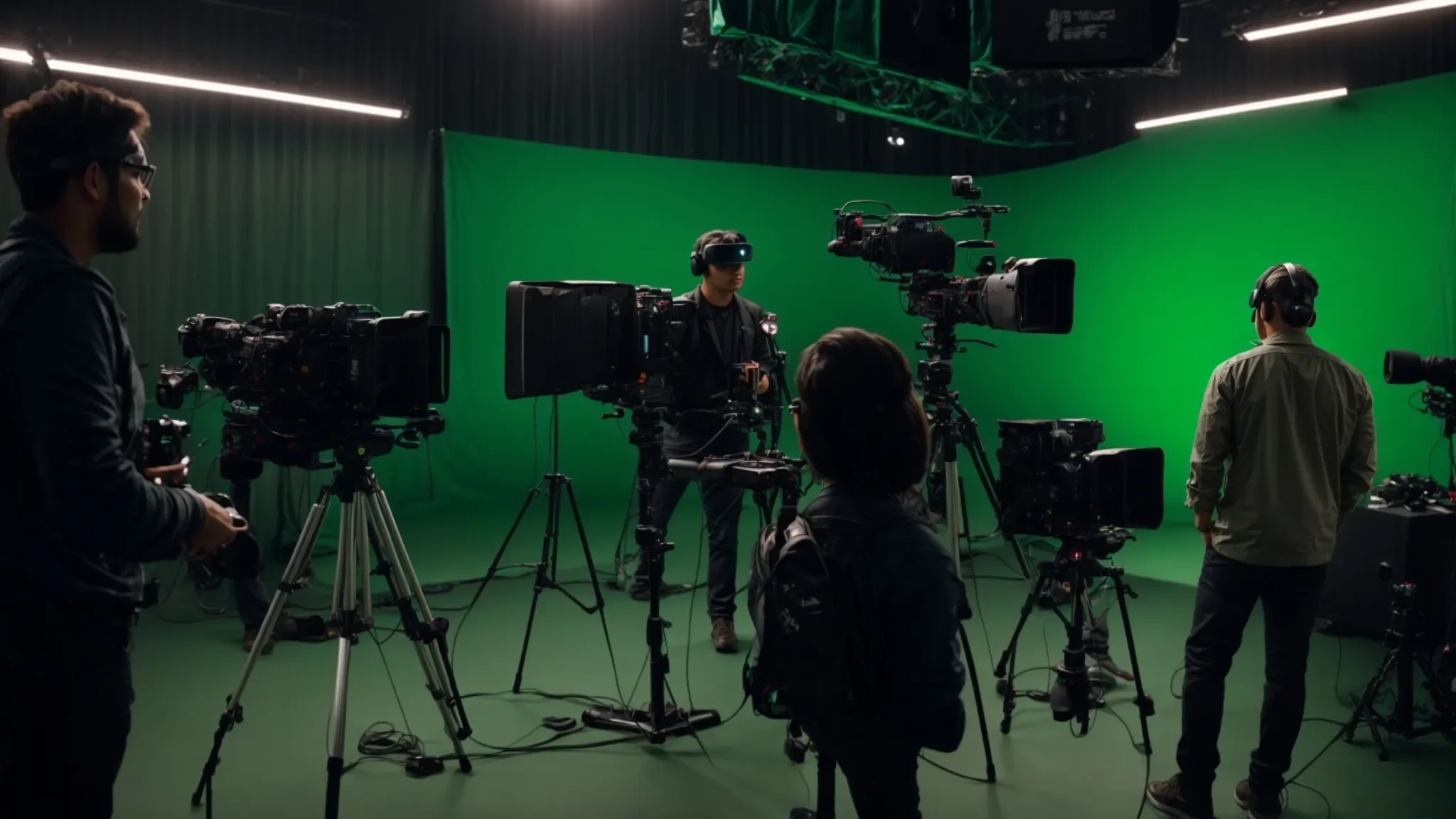
Technology has played a critical role in the film industry since its inception. Advances in the film industry are always closely related to technological advances in society, integrating them quickly into the filmmaking process. Almost every aspect of filmmaking, from pre-production to post-production, from digital cameras, editing software, sound and music, distribution, exhibition, and of course, special effects, has undergone major changes and has evolved over the last 190 years.
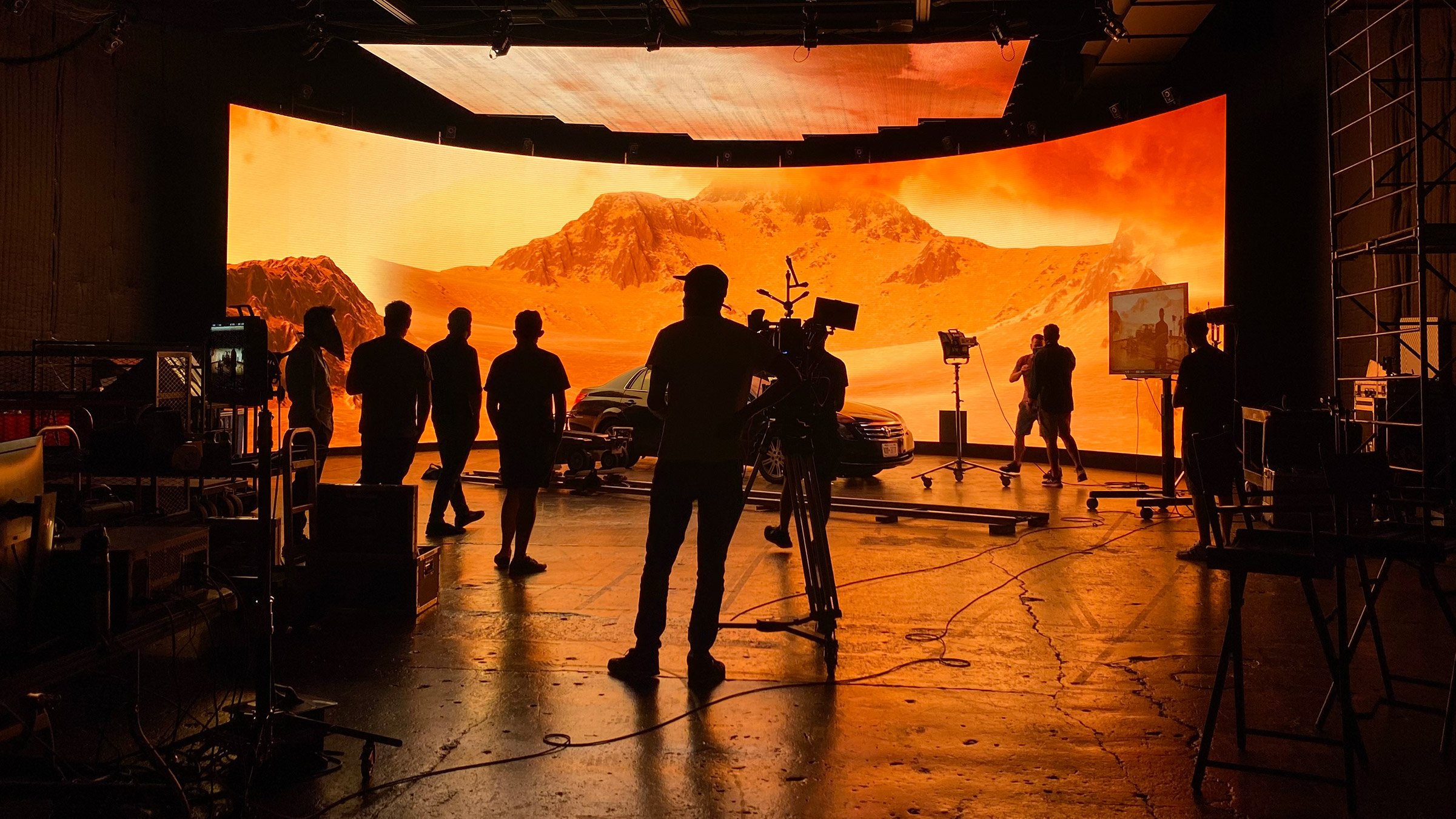
Contemporary, traditional film production involves building physical sets, scouting locations, and coordinating large crews and equipment, all of which can be time-consuming and expensive. To overcome some of these "problems" or “needs” was born what we know today as Virtual Production. Virtual production has and will be further enhanced by the opportunities afforded by artificial intelligence.
Digital Inequity's Impact On Arts Participation Pt. II
This is the second installment of research relating to digital equity and arts communities. The research discusses the potential role of media and digital arts in the fight toward digital equity, compares barriers to digital participation with arts participation, and explores the role of libraries as critical players in combatting digital inequity.
Digital Inequity's Impact on Arts Participation Pt. I
how does digital inequity impact the arts sector and how might the arts sector respond to the digital inequities in their communities? This research was compiled under the belief that the arts can have a role in combatting issues of equity and inclusion outside the field of arts and culture. The arts’ role in the broader public sphere can improve the lives of all members of a community. The hope for this research is to begin to understand how that can begin to take shape to address digital inequity.
2022 Top 10 Articles
Every year we review our analytics to highlight what you, our readers, have found the most compelling. In 12 short months, we have witnessed waves of new technology erupt onto the marketplace, like OpenAI’s Dall-e, and others tumble into chaos, most notably cryptocurrency. The top 10 show how YOU have followed the change.
Digital Stewardship is the Future for Contemporary Art Museums
The Need for Art in the Smart City
2022 UX Design in Museums: How Are “Innovative” Exhibits Driving Attendance?
User Experience Designers in today’s world must discover new ways to evolve their work alongside the external challenges that they encounter. Since the Covid pandemic began, many museums have adapted their exhibits to be accessible online, allowing for continued traffic and artist exposure— from the living room couch rather than in person. How have levels of digital readiness compared to user experiences?