



Public Policy

Frameworks for Understanding Cultural Policy: Lessons from the Irish Model

Frameworks for Understanding Cultural Policy:  Lessons from the Irish Model

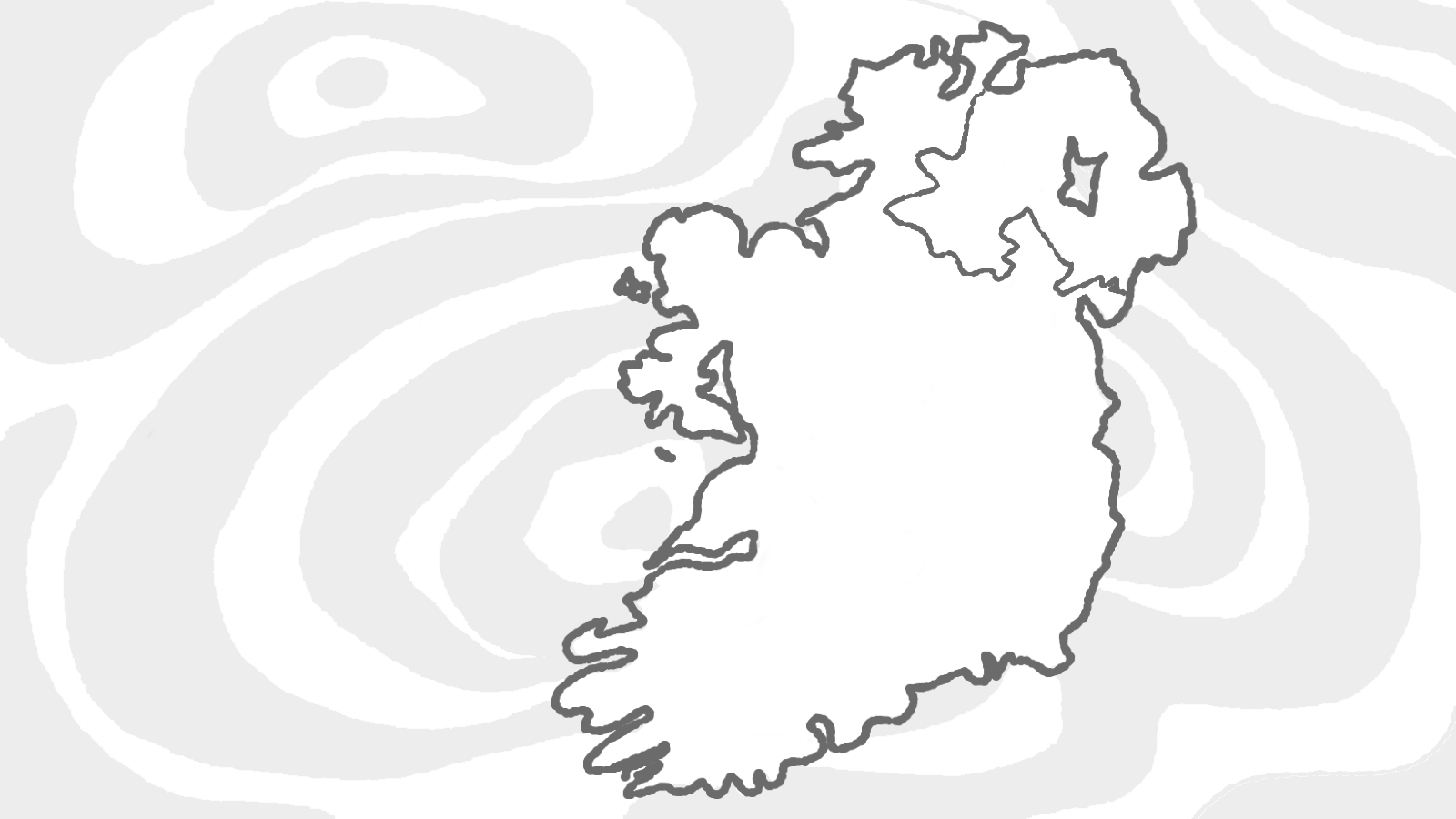
This article analyzes Ireland’s emerging position as a global cultural policy case study, focusing on the Basic Income for the Arts (BIA) program and its place within the national framework Culture 2025. While Ireland’s consensus-driven political system, strong arts advocacy networks, and history of support for artist income have enabled an ambitious, research-oriented basic income pilot, the article highlights deeper tensions within cultural policymaking. Drawing on Stephen Hadley’s concept of “cultural policy realism,” it argues that Ireland’s policies—despite their novelty—remain rooted in traditional, instrumentalist views of culture as an economic engine and national branding tool. By contrasting democratization of culture with cultural democracy, the piece situates Ireland’s model between innovation and reversion, emphasizing the need for sustained experimentation, critical evaluation, and more genuinely democratic approaches to cultural support.

The Politics of Portrayal: Motherhood Narratives on Television During Policy Transformation

The Politics of Portrayal: Motherhood Narratives on Television During Policy Transformation

Between 2017 and 2024, portrayals of motherhood on American television evolved alongside seismic shifts in reproductive rights policy. As streaming platforms expanded creative freedom, shows depicted increasingly diverse maternal experiences—grappling with infertility, childcare, abortion, and the pressures of “good motherhood.” At the same time, landmark legal changes, including the 2022 Dobbs v. Jackson decision, reshaped the national conversation about reproductive agency. This article explores how television both reflected and anticipated these political transformations, revealing the cultural narratives that influence—and are influenced by—the legal realities of parenting in America.

Philanthropic Paradigm Shifts: Final Report

Philanthropic Paradigm Shifts: Final Report

Deep research presents the complexities underneath a system. This article provides an overview of a recent report that comprehensively examines the evolving landscape of philanthropy, particularly its profound effects on arts justification and data cultures. It delves into how the arts, traditionally seen as outside classical economic theories, have progressively become integrated into the economic sphere due to the rise of industrial foundations and government arts councils in the 20th century.

The Dismantling of the Great Society and the Arts Ecosystem it Created

The Dismantling of the Great Society and the Arts Ecosystem it Created

Lyndon B. Johnson's "Great Society" established foundational federal support for American arts and culture, notably creating the National Endowment for the Arts (NEA) and the National Endowment for the Humanities (NEH). However, recent executive orders have significantly impacted these and related cultural agencies, leading to staff reductions, grant terminations, and legal challenges. This ongoing situation underscores a critical tension between current administrative priorities and the enduring legacy of federal commitment to the arts and humanities.

May News: Impacts of Federal Cuts to Arts & Media

May News: Impacts of Federal Cuts to Arts & Media

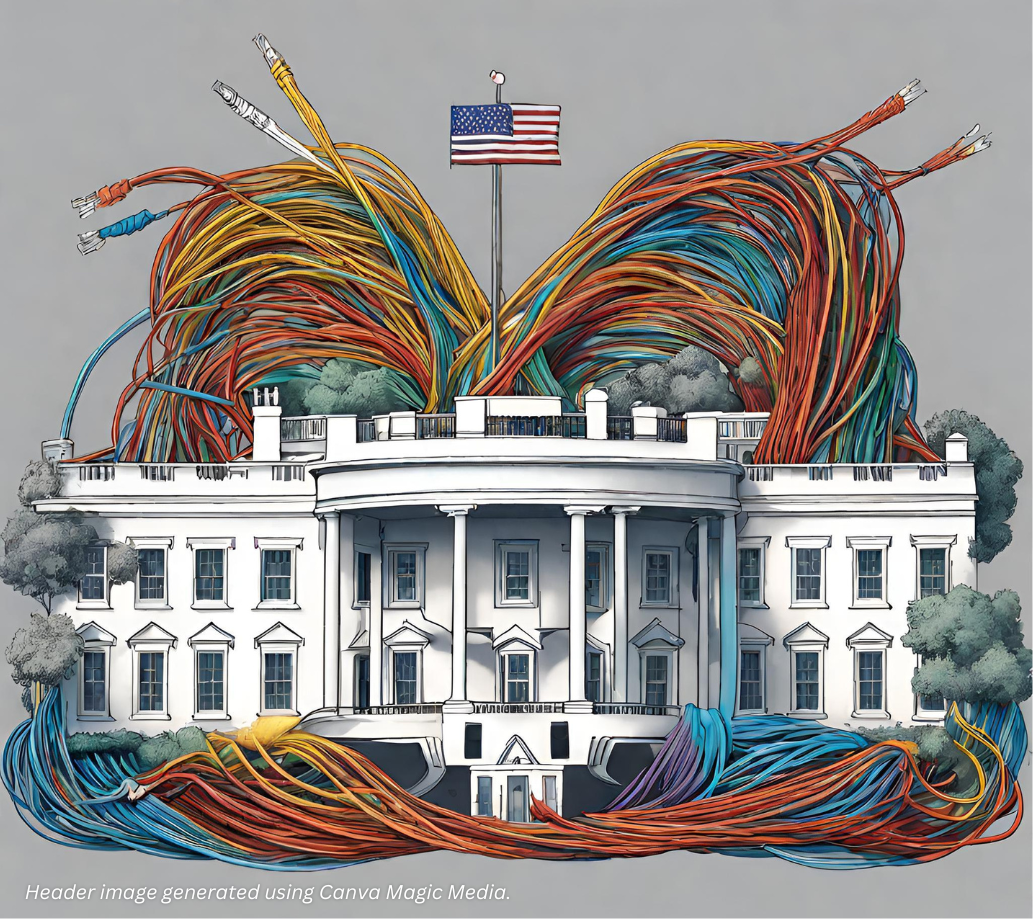
This May has been a somber month for arts and cultural organizations across the United States. Flurries of executive orders coming out of the Trump Administration have made good on day-one promises to gut government spending, nix entire funding agencies, and weaponize the state apparatus against public media, information, and culture. Learn more about five news paths you might have missed, from executive orders and funding cuts to the unbalanced, precarious funding landscape in which nonprofits currently stand. 

How Arts and Culture Can Survive Philanthropic Paradigm Shifts

How Arts and Culture Can Survive Philanthropic Paradigm Shifts

As philanthropic disciplines have evolved, so too have their preferred recipients, giving vehicles, and social values. Philanthropy often steps in to effectively “govern” arts and culture by financially shaping institutional priorities in response to the constantly evolving philosophies and priorities. As funder interest in “Effective Altruism” grows, cultural organizations feel mounting pressure from to make a case for the impact of their work, outside of “art for art’s sake.”

October News: New Policies and Possibilities for AI

October News: New Policies and Possibilities for AI

October was filled with new debates on AI policies, a halt to one of the most significant AI safety bills in the United States, and a host of new AI developments in video, music, and even podcasts.

Democracy on Display: The Dynamic Role of Art Museums in Elections

Democracy on Display: The Dynamic Role of Art Museums in Elections

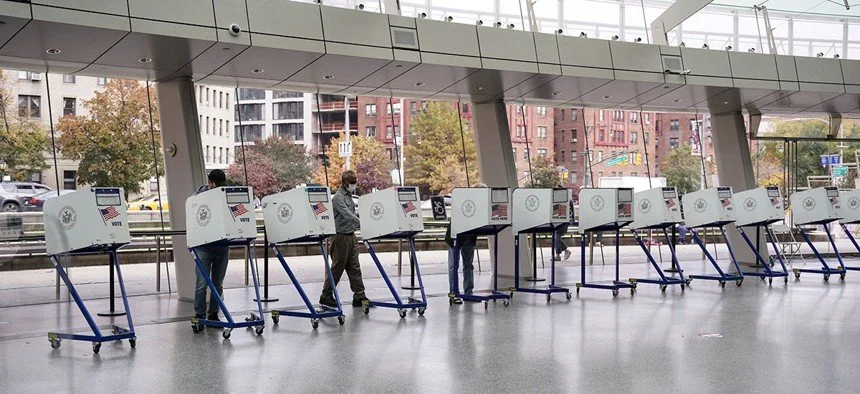
Museums have increasingly begun to volunteer their spaces as polling places, acting as a democratic vehicle for their communities and adding to the greater fabric of America’s election infrastructure. In doing so, they can support local democratic processes and prove to their communities that they are not unbreachable temples for the elite, but open platforms for the people.

Transportation as Community Space: the Case for Public Art at Bus Stops

Transportation as Community Space: the Case for Public Art at Bus Stops

When bus stops are transformed from sterile slabs of concrete to works of site-specific art, they become arteries for cultural expression. This success is critical to the growth and overall health of communities, not just in the United States, but around the world. By connecting residents to their own cities, both literally and creatively, transportation authorities can become active cultural contributors. Could this approach work for Pittsburgh's Wilkinsburg borough?

October's News: Regulation, Disinformation, and Leveraging the Metaverse

October's News: Regulation, Disinformation, and Leveraging the Metaverse

October offers some seizmic change in the technology regulation space concerning an executive A.I. order, ‘deepfake’ mimicking, and the use of A.I. and the metaverse to enact positive change.

In The News: Summer 2023 & Upcoming Summer Break

In The News: Summer 2023 & Upcoming Summer Break

This summer has been full of new developments and controversies from social media and big tech to the blockchain and the growing A.I realm. We’re going to take a look at what has occurred this summer, and then take a break for a few weeks. AMT Lab will resume publishing after Labor Day, but until then… happy reading!

In the News: August 2022

In the News: August 2022

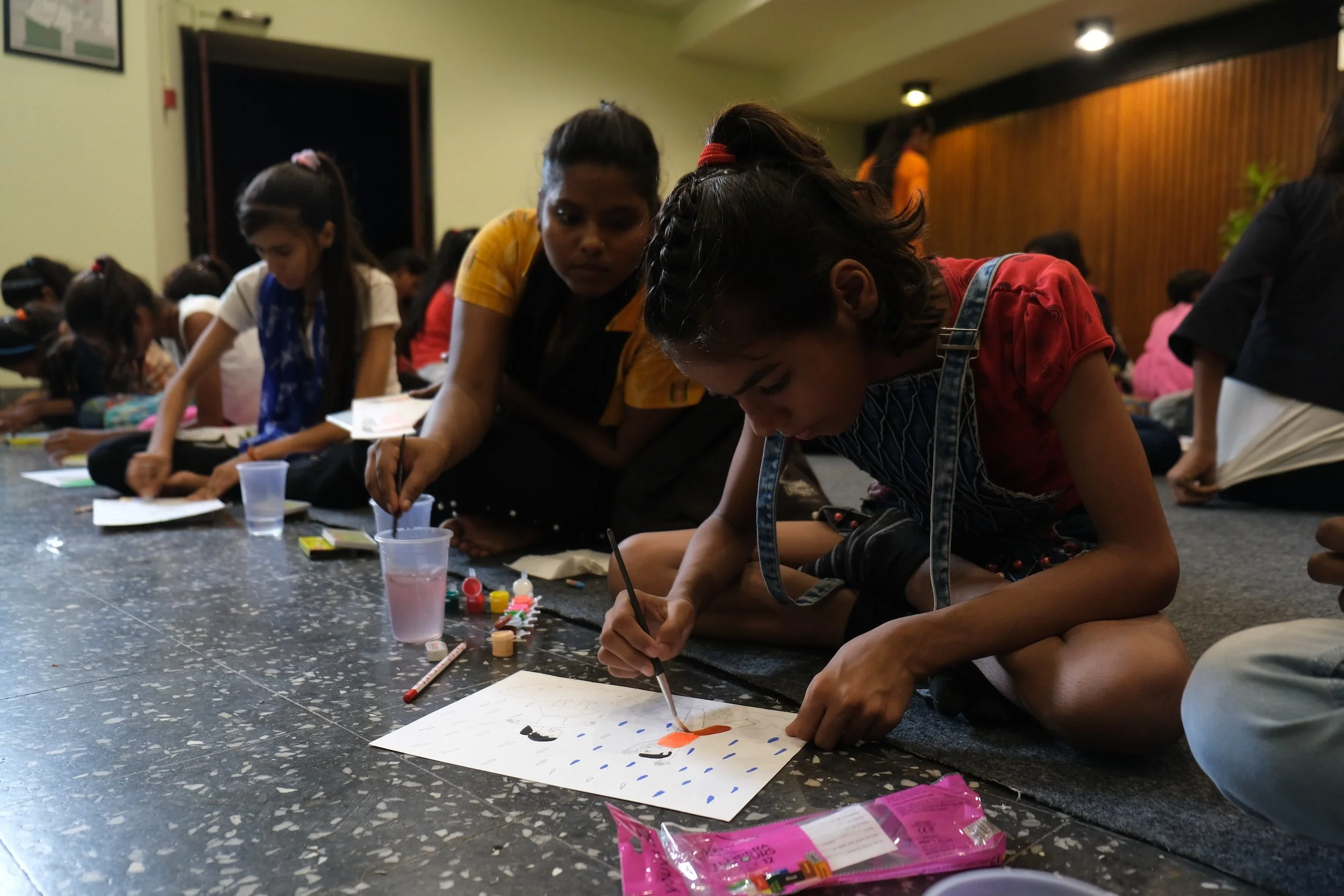
It is that time of the year – work is starting to pick up and school is back in session. To mark the beginning of a new academic year, this month’s round up of news focuses on current events regarding arts education.

Approaches to Data Privacy in Arts Organizations

Approaches to Data Privacy in Arts Organizations

In the current digital economy, privacy is elusive. In fact, much of the Internet as we know it is made up of services and practices that use data as a form of payment, without making that transaction clear. This article explores how individuals and organizations in arts enterprises can maintain better privacy and data protection for themselves and their clients using existing technology and techniques. It begins with a brief background on the state of digital privacy, and then provides into an overview of existing techniques and technologies that could be applied within the arts.

In the News: July 2022

In the News: July 2022

July has been a whirlwind of a month at the intersection of art and technology. From possible successful legislation on data privacy in the US, to the Italian government putting its foot down on NFT sales, or just an AI making uncanny valley art that is starting to get a little too real, a lot has happened in the world. The spread of articles below give a glimpse into a small portion of the interesting events that have occurred this month!

The Cryptocurrency Crash

The Cryptocurrency Crash

The cryptocurrency market is in turmoil, mirroring both the U.S. stock market and the emotional state of many of its citizens. Though some crypto investors have found astronomical financial success, skeptics have long voiced concerns about the volatility and inherent peril of pursuing such investments. These naysayers have ground to stand on given the instability of Spring 2022, as more than “$700 billion has been wiped out” from the crypto-economy, entire currencies have collapsed, and related companies and market exchanges are scrambling in response to the downturn.

The Importance of Nonprofits' Prioritization of Patron Privacy

The Importance of Nonprofits' Prioritization of Patron Privacy

In 2021, TikTok updated its privacy policy which allowed it to collect biometric data on its users, including faceprints and voiceprints. Rather than explicitly informing its users about this change, the app vaguely communicated that they were issuing a “privacy update.” Once people found out what the update entailed, concern rightfully grew. This type of data collection indicates a significant shift from companies collecting behavioral data on their consumers to something much more invasive and without true consent. Only 36% of Americans trust tech companies using facial recognition technology. In general, public trust in Big Tech has been steadily falling in the United States. Regardless, however, most people still click “accept” to the Terms & Conditions on any website without actually knowing what is being agreed to, indicating a disconnect between what US citizens expect from businesses and what is actually being conducted. With a lack of national protection, nonprofit organizations must assume responsibility in protecting personal consumer data and using it ethically.

How Technology Facilitates Culture Heritage Restoration and Preservation

How Technology Facilitates Culture Heritage Restoration and Preservation

This article presented projects and examples that have exemplified great progress in cultural heritage preservation. As these technologies continue to develop and experts in the field become more knowledgable and adept at using these technologies, there is a positive prospect that continually enhancing technologies will deliver further achievement in cultural heritage preservation and digitalization by human inventions and under human supervision.

What the Arts Need to Know about Big Tech

What the Arts Need to Know about Big Tech

Upon broaching the subject of Big Tech, the consideration of arts organizations is often forgotten, and the focus is solely placed on Silicon Valley and the lucrative world within. But with the increased attention into the world of Big Tech (specifically Apple, Amazon, Alphabet [Google], and Meta [Facebook]) as a result of continual antitrust lawsuits, privacy violations, and the global struggle in creating effective policies to limit these companies’ powers, it is becoming more evident that the activities of Big Tech span across a variety of industries, the arts and nonprofit sector included. This article will provide an overview of the Big Tech monopoly over data and privacy through its cross-market domination and explain its effects on the nonprofit world.