

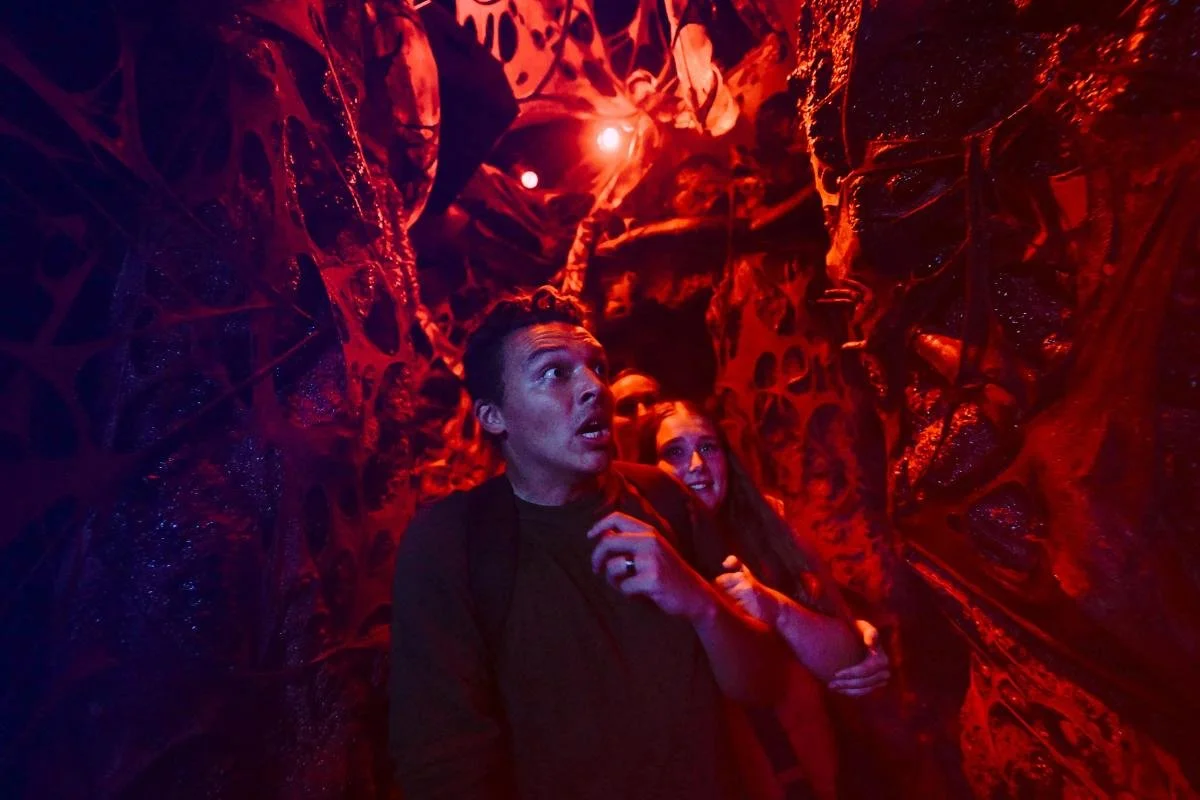
In Part 1, our research team examined the history immersive entertainment industry in the United States, and current challenges facing immersive experience creators. Part II dives into the results of our online survey and findings based on interviews with industry experts. To gain insights into the audience perspective, an online survey was launched on January 17, 2026, examining overall engagement with immersive entertainment. The survey revealed a thematic overlap between immersive audiences and traditional entertainment preferences. Ultimately, a “one-model-fits-all” approach to immersive entertainment would be limiting, and our research supports the need for a fourth model called the Immersive Plaza.
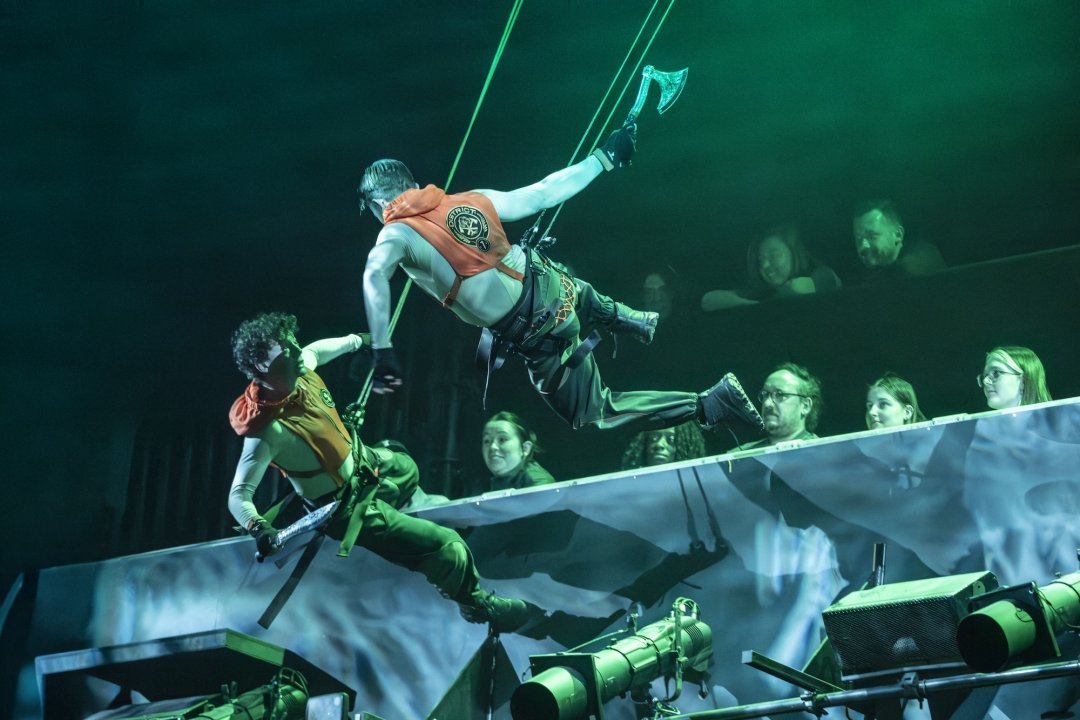
There has been a growing trend of large, spectacular straight play productions based on popular intellectual property. IP-based theatre is a way for corporations to super-serve fans in a way that keeps them coming back to the original material. IP-based theatre productions, like Harry Potter and the Cursed Child, Stranger Things: The First Shadow, and The Hunger Games: On Stage, use spectacle to encourage fans to buy tickets.
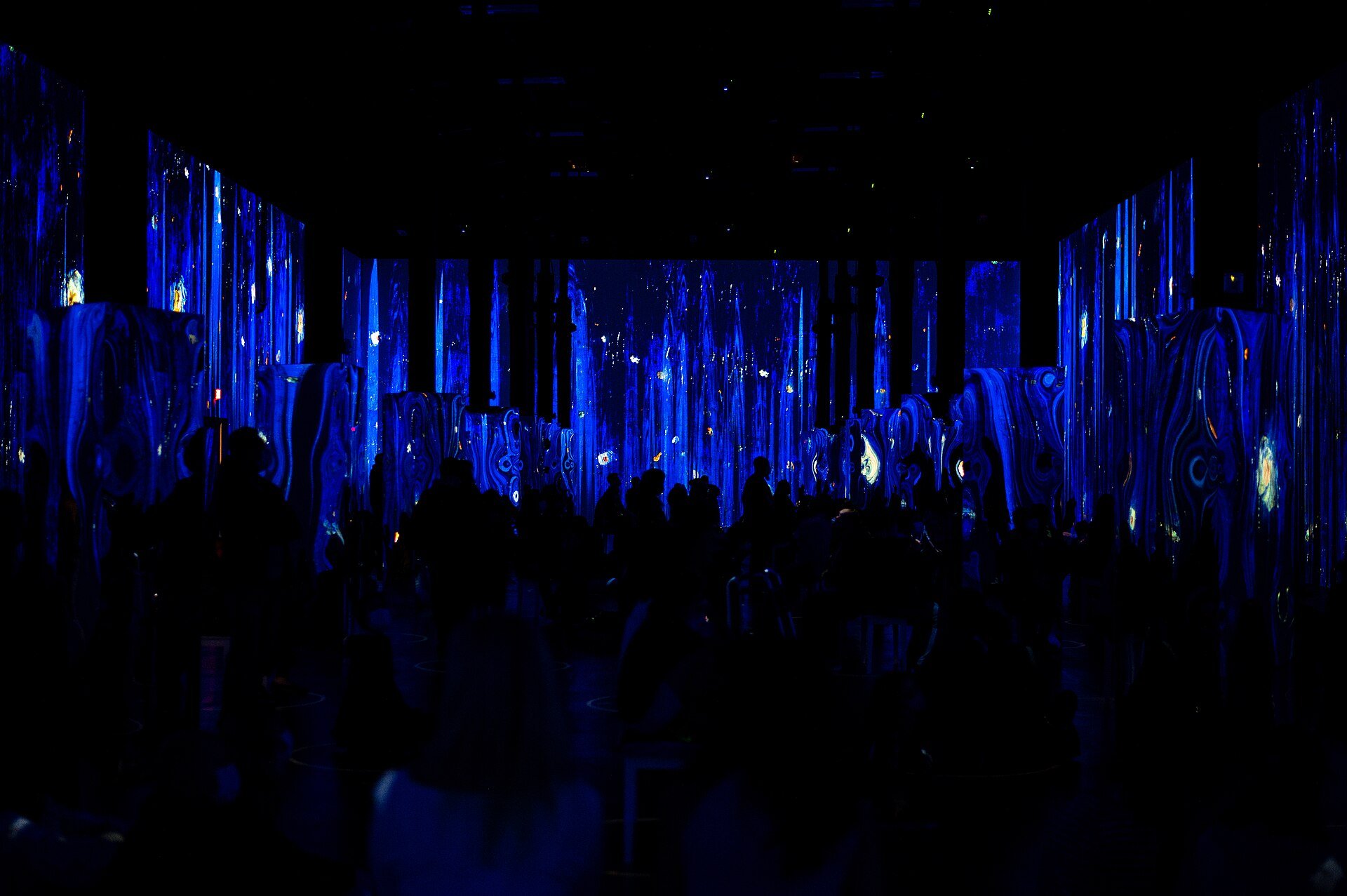
The immersive entertainment industry is rapidly expanding, with a projected market growth from $133.6 billion in 2024 to $473.9 billion by 2030. Through research conducted on behalf of Gensler, the largest global design and architecture firm, this study investigates the problems persisting in the immersive entertainment industry, namely the lack of consensus regarding model distinctions, undefined success metrics, and unclear pathways for scaling projects.
In this month’s Byte-Sized Culture, lead researcher Julia Srnec examines artificial intelligence (A.I.), and how it is gaining traction in the arts. Legislation, funding for arts and technology research, and ethical museum-centric practices pave a future for how artists and organizations will navigate these significant changes to the industry.
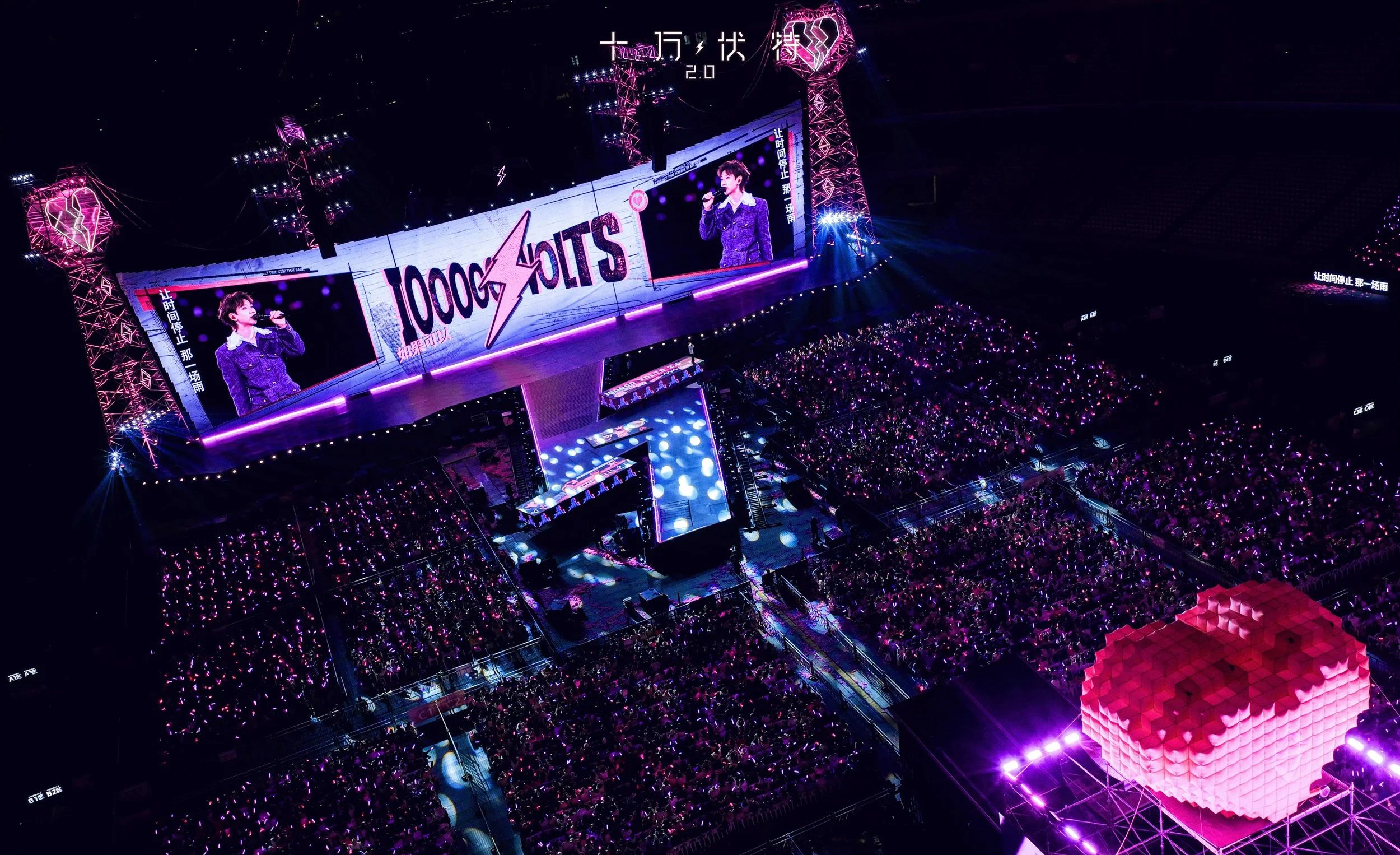
In an earlier article, we explored how live music concerts are evolving beyond mere performances into expansive, immersive storyworlds, using Silence Wang’s One Hundred Thousand Volts tour and its fictional setting of “Romance City” as a pioneering case study. By adapting world-building frameworks traditionally found in film, literature, and gaming—specifically the core principles of invention, completeness, and consistency—Wang transformed his stage into a dynamic socio-ecological system where the audience's emotional participation actively powered the narrative environment. Building upon this foundation of visual and spatial storytelling, this article will delve into the auditory and transmedia expansions of Romance City, examining the strategic role of sound and musical arrangement, the development of one of the world's first XR interactive concert films, and the unique integration of a "Concert Artbook" to deepen audience immersion and IP expansion.
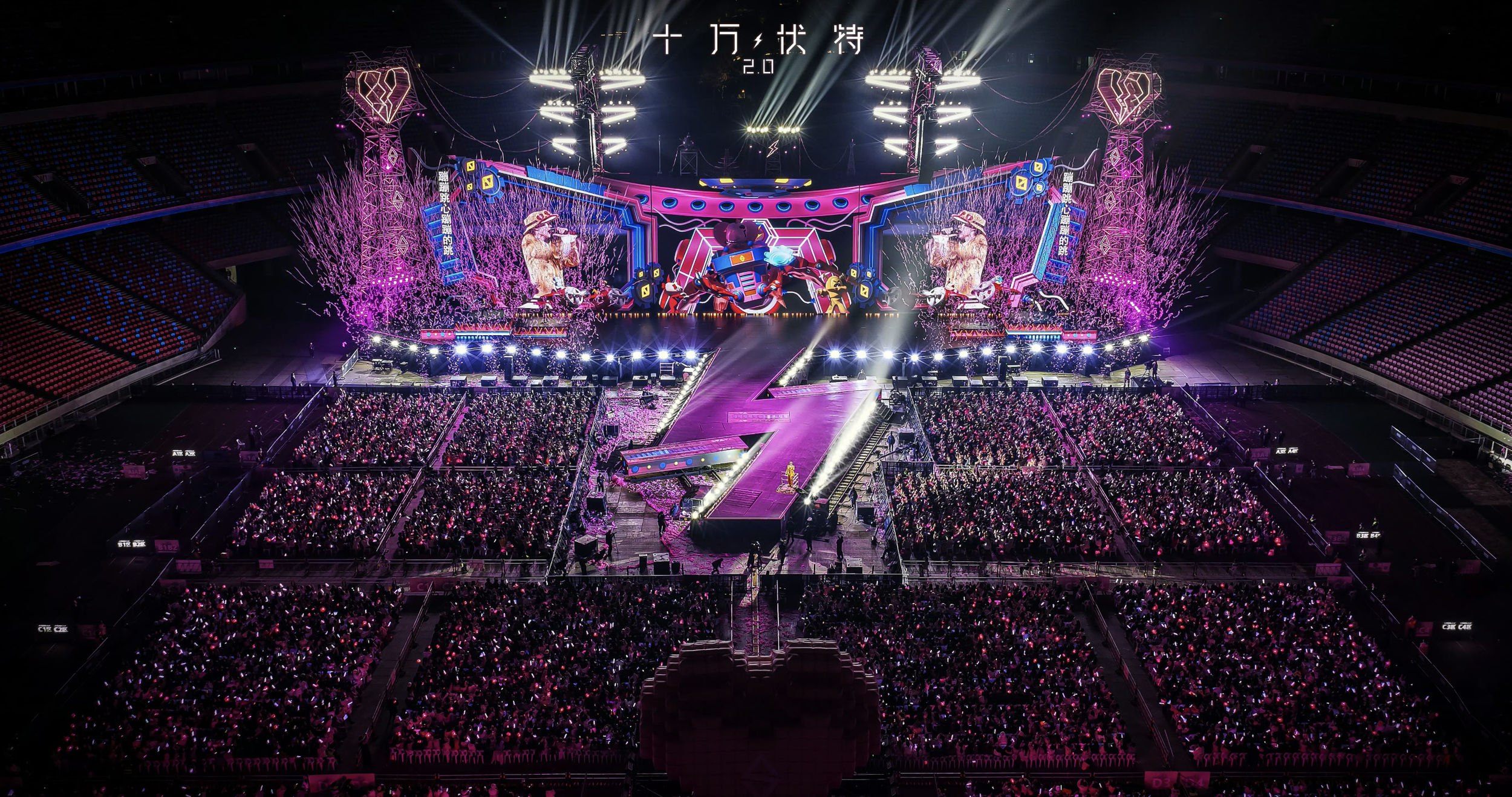
How do you create an audience experience that drives not a one time purchase but a fan for life? Live concerts need to consider creating immersive worlds that engage fans before, during, and after their 2 - 3 hours in the space. This article uses a case study to unpack exactly how to to expand IP and build a world that creates a career sustaining model.

Turn-based games often rely on scripted opponents that are predictable, exploitable, and strategically limited. Through case studies from Final Fantasy X and Pokémon Trading Card Game Live, this article examines how current game AI falls short of creating engaging tactical experiences and explores whether more intelligent, adaptive opponents could improve player enjoyment and game design.
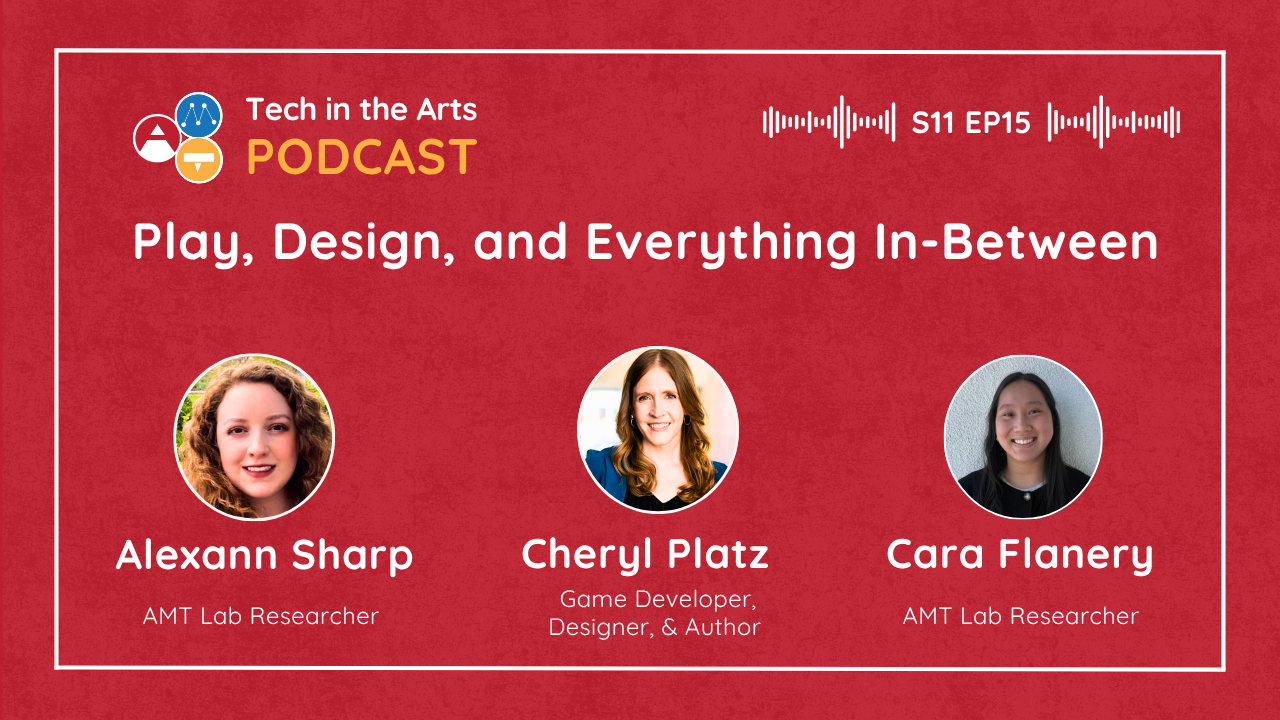
In this episode of the Arts Management and Technology Podcast: Tech in the Arts, Cara Flanery and Alexann Sharp speak with Cheryl Platz, game developer, designer, and author of The Game Development Strategy Guide: Crafting Modern Video Games That Thrive, about what makes games meaningful, the motivators that drive play, and the evolving distinction between UX and UI design in the games industry. Drawing from her career at companies including Electronic Arts, Griptonite Games, Amazon, and Riot Games, Cheryl discusses how self-expression became a central motivator of play, the collaborative challenges unique to game development, and the discipline instilled by working within the hardware constraints of early handheld consoles. She also reflects on her experience as a voice actor and performer, the importance of building community before a crisis hits, and the advice she offers students and aspiring developers navigating a volatile and fast-changing games industry.
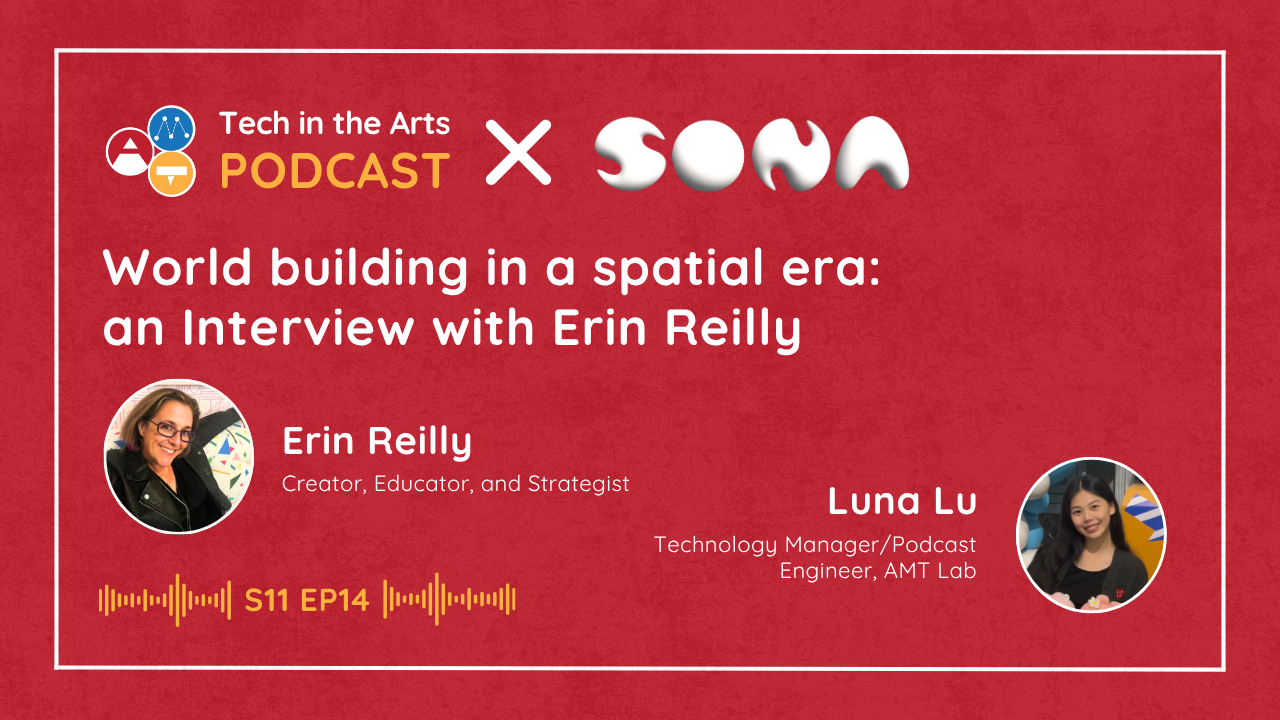
In this episode of the Arts Management and Technology Podcast: Tech in the Arts, Luna Lu speaks with Erin Reilly about the future of immersive storytelling, the transition from the mobile era to the spatial era, and the evolving relationship between AI, audience engagement, and world-building. Drawing from her work at the Texas Immersive Institute, Erin discusses how immersive media is reshaping communication, education, and entertainment through VR, AR, mixed reality, and multi-sensory experiences. She also reflects on ethical questions surrounding AI, participatory storytelling, and how emerging creators can design more inclusive and audience-centered immersive worlds.
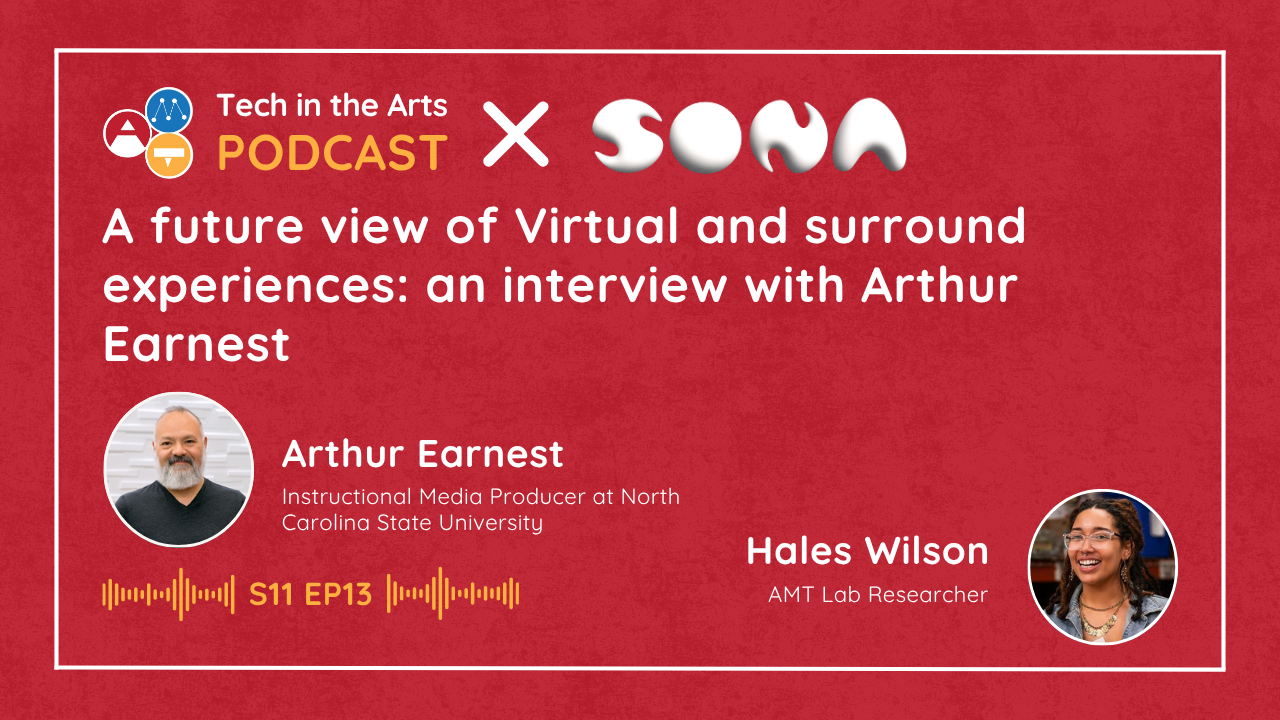
In this episode of the Arts Management and Technology Podcast: Tech in the Arts, Hales Wilson speaks with Arthur Earnest about immersive storytelling, community-centered filmmaking, and the evolving role of technology in creative practice. Drawing on his experience producing 360-degree documentaries and educational media at North Carolina State University, Arthur reflects on how immersive tools such as VR and 360 video can preserve spaces, deepen audience engagement, and amplify everyday stories. He also discusses the importance of accessibility in the arts, the realities of independent creative work, and his perspective on AI as a tool that should support — rather than replace — human creativity and storytelling.
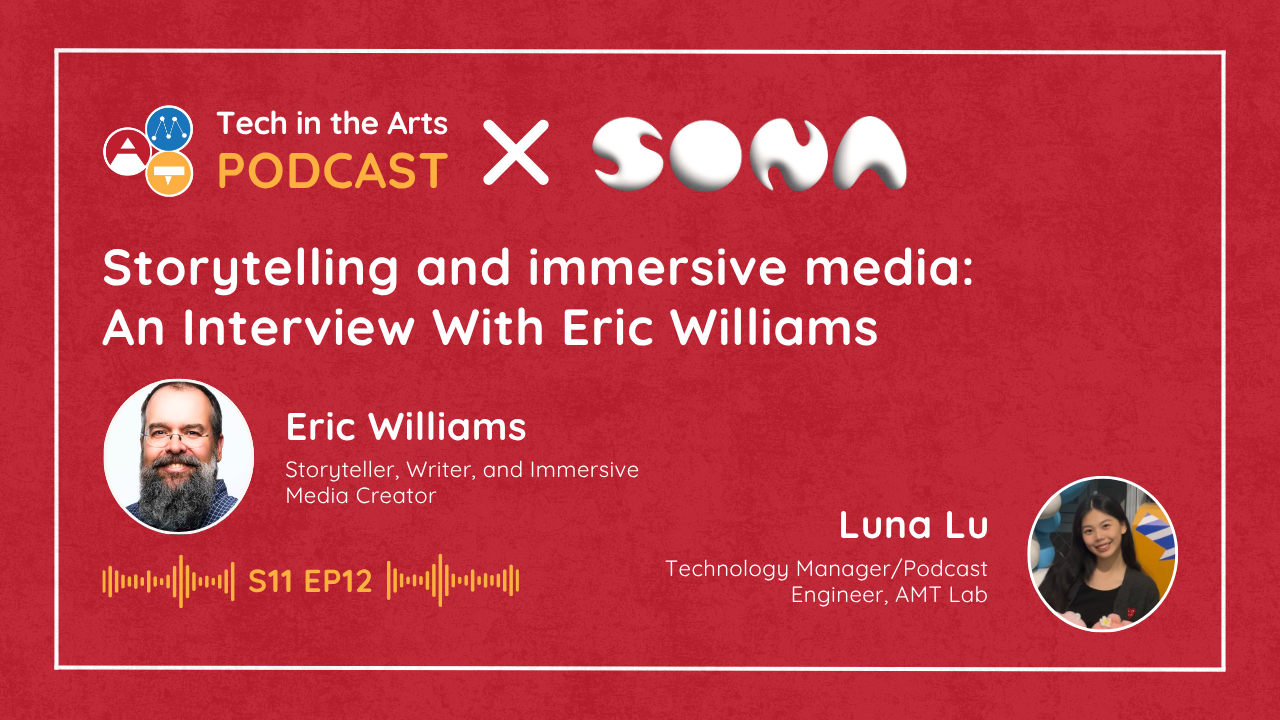
In this episode of the Arts Management and Technology Podcast: Tech in the Arts, Luna Lu speak with Eric Williams about the evolution of storytelling across emerging media, including VR, AR, and immersive experiences. Drawing on his work in cinematic virtual reality and the Cine-VR Lab, Eric explores how creators must adapt their narratives to different mediums, how immersive storytelling reshapes audience engagement and emotional connection, and how tools like AI are being integrated into creative workflows. He emphasizes the importance of choosing the right medium for each story and reflects on the future of storytelling as both a technological and deeply human practice.
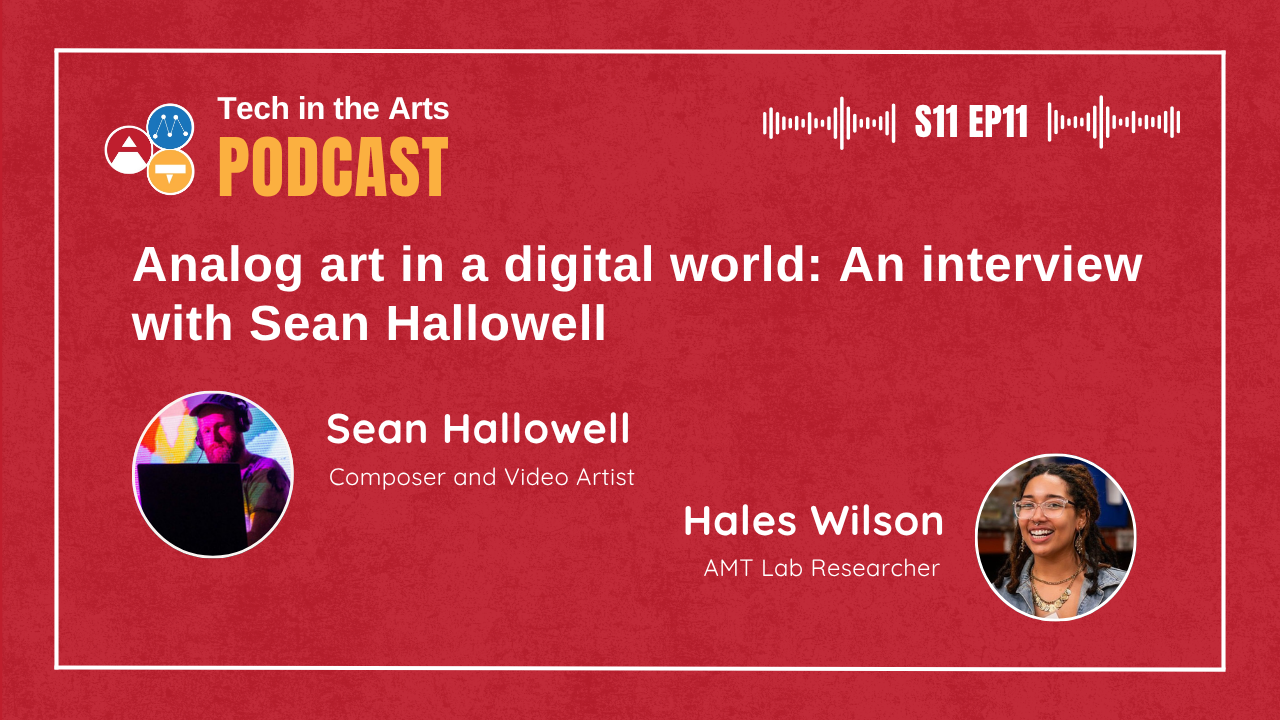
In this episode of the Arts Management and Technology Podcast: Tech in the Arts, Hales Wilson speaks with Sean Hallowell about building a hybrid analog–digital artistic practice, the creative potential of obsolete media technologies, and the evolving role of AI in music and visual art. Drawing on his background in music theory, handmade circuitry, and immersive audiovisual performance, Sean reflects on the value of constraints in artistic creation, the cultural significance of analog media, and the importance of preserving human expression in an increasingly automated creative landscape.
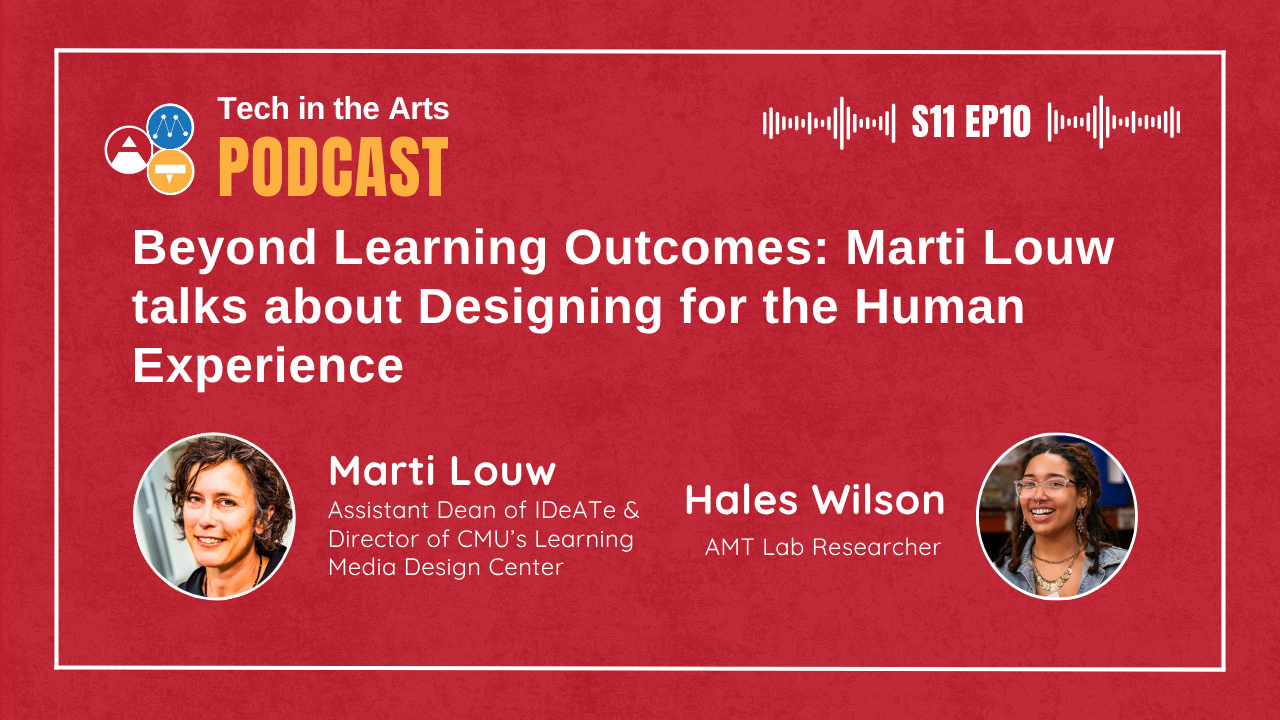
In this episode of the Arts Management and Technology Lab, Hales Wilson speaks with Marti Louw, design-based researcher and co-director of Learning Sciences for Innovators, about the intersection of learning sciences, educational technology, and human-centered design. Drawing on her background in media, museums, and interaction design, Marti discusses how interdisciplinary approaches shape learning experiences, the challenges of scaling EdTech globally, and the importance of cultural relevance in educational innovation. She also reflects on the emerging role of AI in education, emphasizing the need for careful, research-driven implementation to ensure equitable and meaningful learning outcomes.
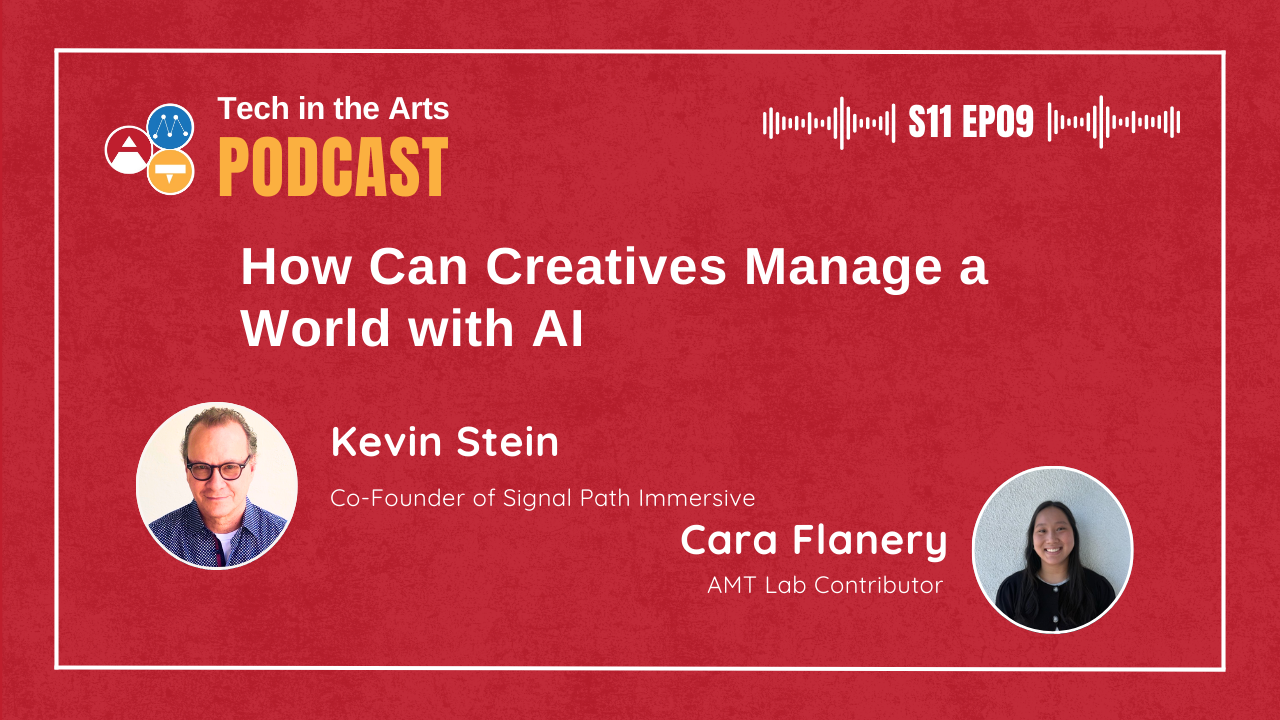
In this episode of the Arts Management and Technology Podcast: Tech in the Arts, Cara Flanery speaks with Kevin Stein, principal and co-founder of Signal Path Immersive, about how AI is transforming the entertainment industry, creative workflows, and authorship in the arts. Drawing on his experience across traditional media and emerging technology, Kevin reflects on AI as a collaborative tool rather than a replacement for human creativity, discusses the operational changes AI is bringing to Hollywood, and offers thoughtful advice for artists navigating an increasingly AI-driven creative landscape.
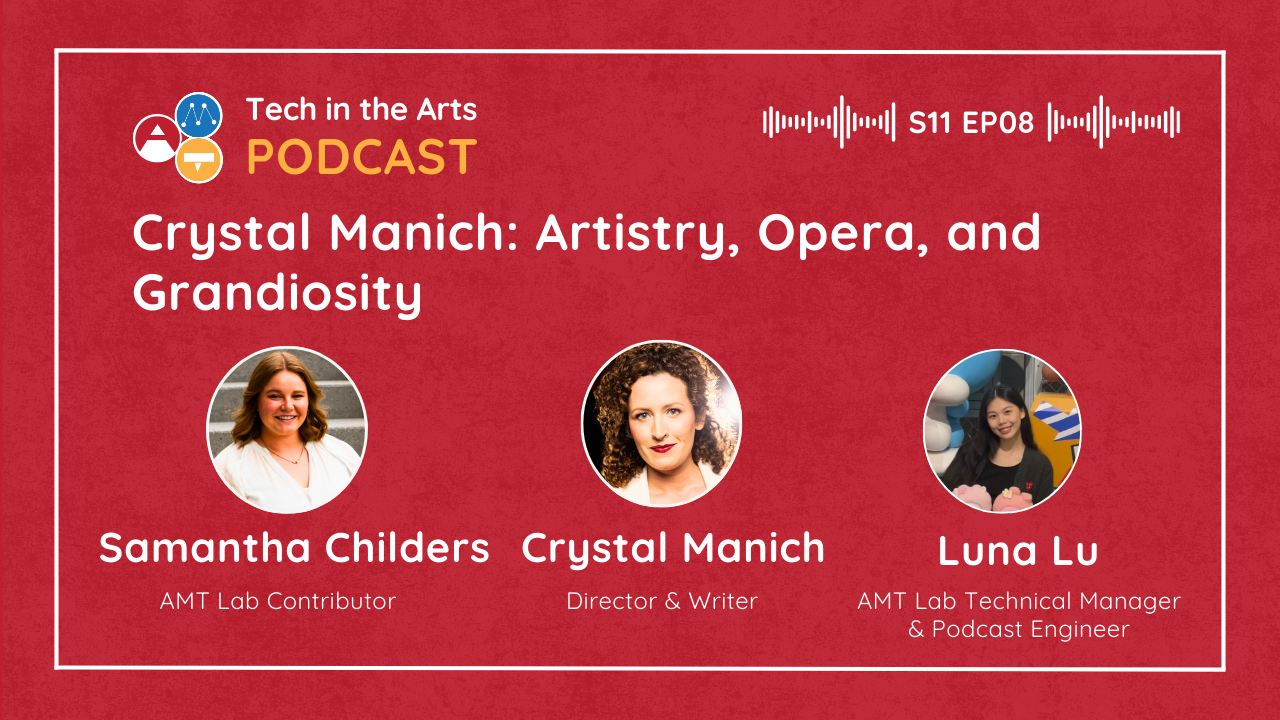
In this episode of the Arts Management and Technology Podcast: Tech in the Arts, Samantha Childers and Luna Lu speak with Emmy-nominated director and librettist Crystal Manich about her international career across opera, theater, and Cirque du Soleil, the development of her new opera Time to Act, and how emerging technologies like AI are reshaping creative work in the arts. Crystal reflects on storytelling in opera, directing large-scale productions around the world, and the importance of preserving human creativity while responsibly integrating AI as a tool for research, organization, and artistic production.
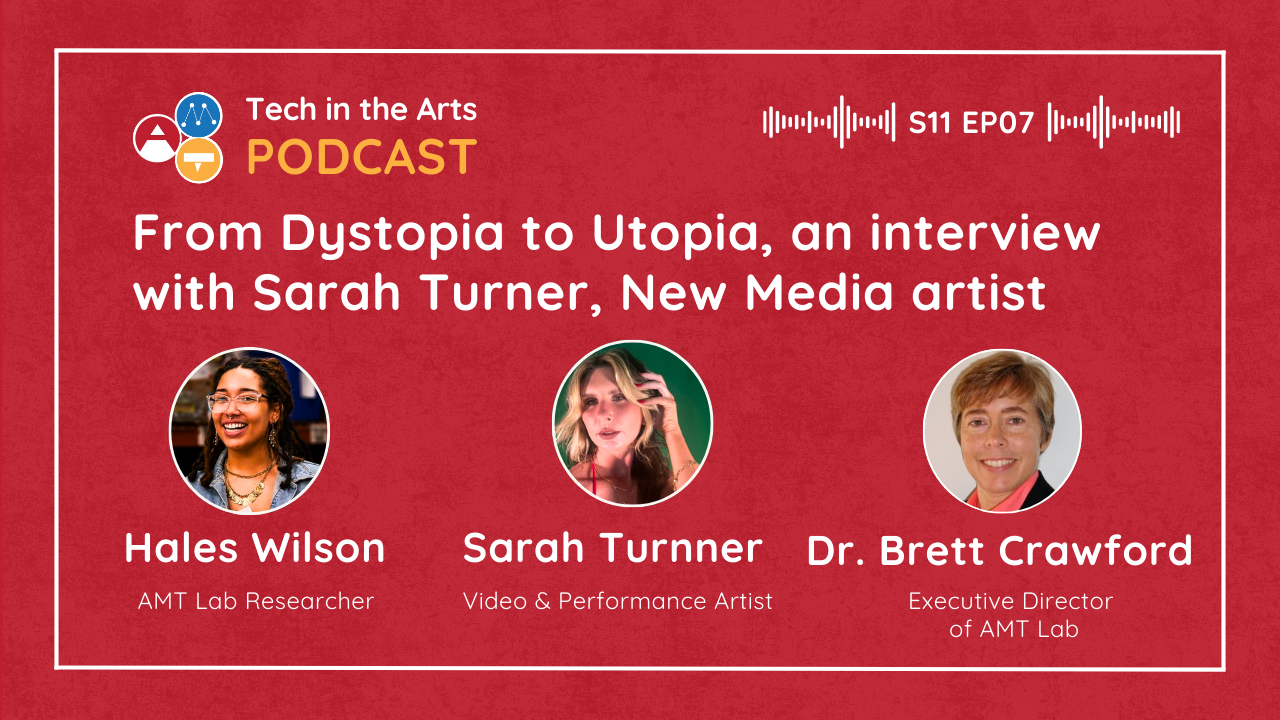
In this episode of the Arts Management and Technology Podcast: Tech in the Arts, Dr. Brett Ashley Crawford and Hales Wilson speak with media artist Sarah Turner about her interdisciplinary practice at the intersection of emerging technology, performance, digital culture, and arts administration. Turner reflects on how her background in history, arts management, and experimental video informs her work critiquing platforms such as Zoom, blockchain, and AI, as well as her long-term exploration of censorship, NSFW online spaces, and alternative distribution models. The conversation traces her experiences balancing administrative and artistic roles, building DIY communities through projects like mobile public projections, and navigating institutional boundaries around funding and content. Turner also discusses her recent AI-focused work—particularly her playful yet critical “Dolphins” series—as a way to interrogate utopian fantasies, oracle-like knowledge systems, and the absurdities of human–AI interaction. The episode closes with reflections on adapting to rapidly changing technologies and Turner’s advice to emerging digital artists: embrace experimentation, break tools intentionally, and treat media art as a space of play, critique, and collective making.
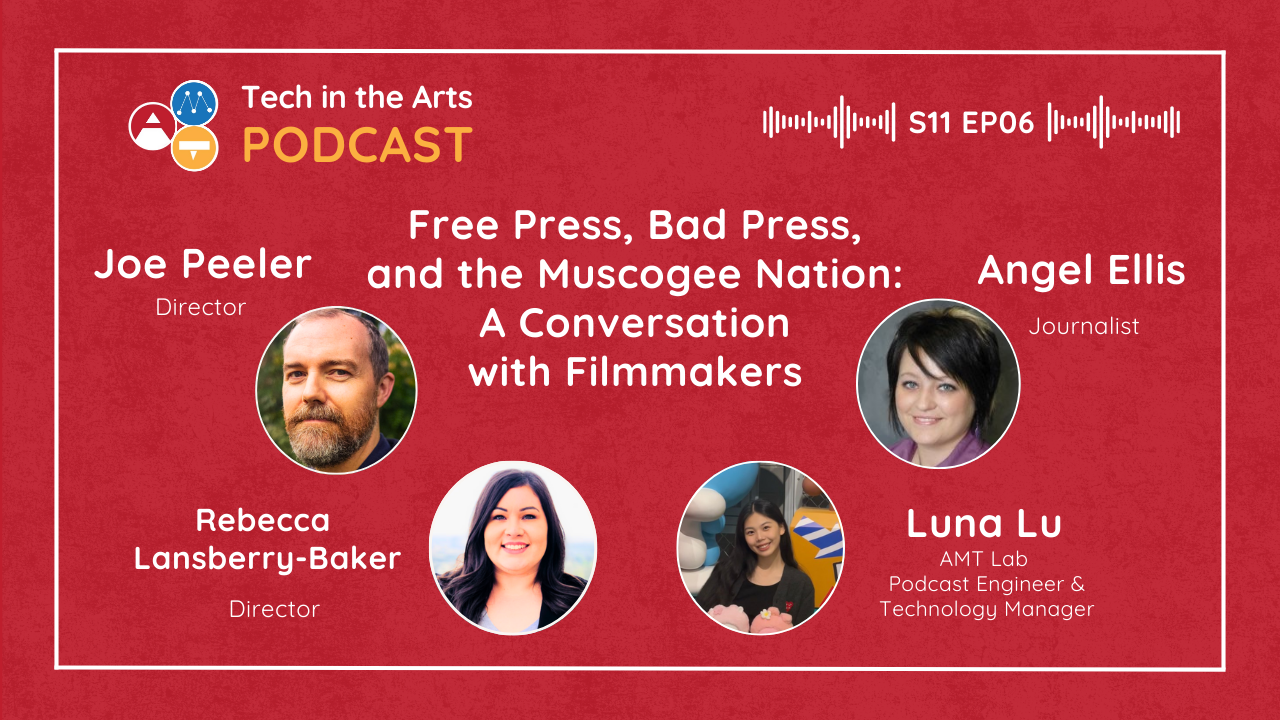
In this episode of the Arts Management and Technology Lab, host Luna Lu speaks with Bad Press co-directors Rebecca Lansberry-Baker and Joe Peeler, alongside journalist and film subject Angel Ellis, about the making of their Sundance 2023 award-winning documentary. The conversation explores how the team came together, the ethical and creative challenges of documenting press censorship within the Muscogee (Creek) Nation, and the tension between tribal sovereignty and press freedom. Through Angel Ellis’s experience as a journalist turned whistleblower, the episode highlights the vital role of independent Indigenous media, transparency, and civic participation, while also reflecting on trust, community-based storytelling, and the power of individuals to effect democratic change.
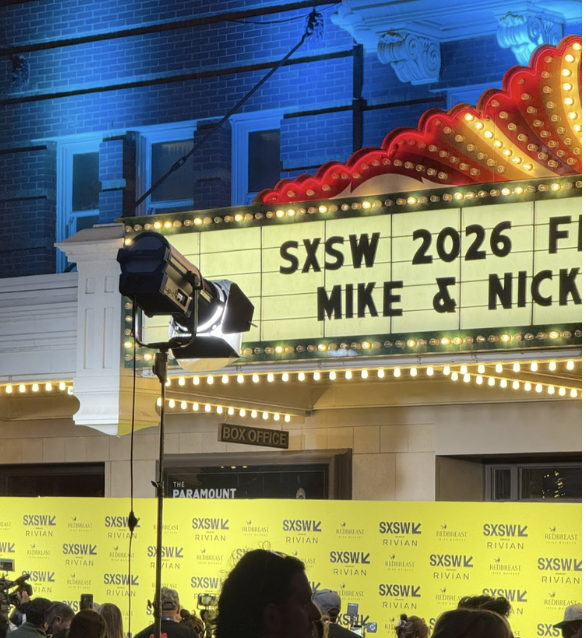
This article analyzes how SXSW 2026 reflects broader changes in the film festival circuit, particularly the transition from acquisition-driven markets to marketing-oriented platforms. It considers the implications of this shift for distribution strategies, industry access, and the sustainability of independent filmmaking.
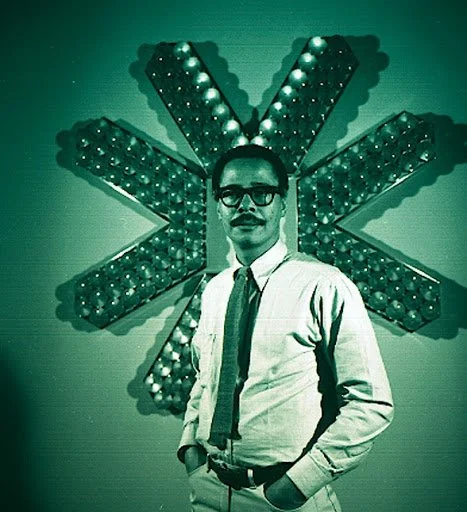
Tom Lloyd's light-based sculptures are now on view at the newly reopened Studio Museum in Harlem, marking the institution's return to 125th Street after years of renovation. This review examines how Lloyd built a practice around electric light and technology at a time when Black artists faced pressure to work in more representational forms, and why his work remains relevant today.

This article offers a philosophical analysis of Hamnet, focusing on how director Chloé Zhao constructs a cinematic language grounded in pre-linguistic perception, myth, and embodied affect. Centering on the character of Agnes, the essay argues that the film traces a movement from a holistic, pre-symbolic mode of being—rooted in nature, sensation, and maternal lineage—into the symbolic order shaped by rhetoric, narrative, and art. Drawing on mythology, psychoanalytic theory, and Western philosophical traditions, the analysis explores how grief resists linguistic assimilation and how artistic representation functions as a belated ethical container for loss. Rather than resolving trauma through narrative closure, Hamnet foregrounds ambiguity, sensory immersion, and emotional resonance as primary modes of meaning-making. The article ultimately positions Zhao’s film as a critique of interpretive dominance in Western thought, proposing cinema as a space where perception precedes language and where art enables a shared, collective encounter with otherwise inexpressible pain.
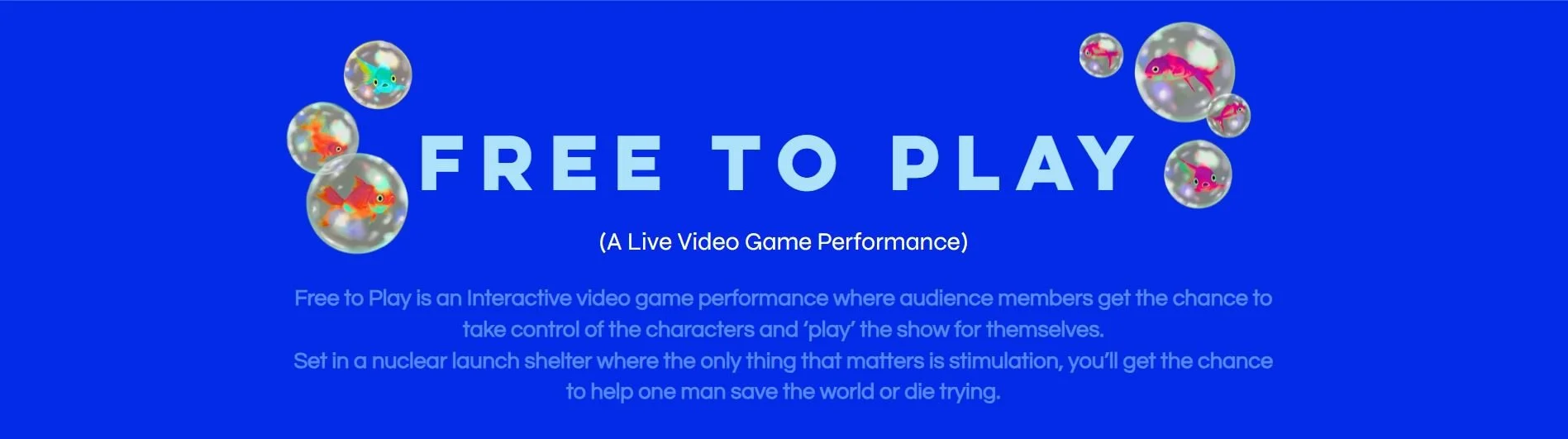
Free To Play: A Live Video Game Performance redefines interactive theatre by merging live performance with real-time gameplay. Supported by the Frank-Ratchye STUDIO for Creative Inquiry, the production explores how digital platforms, gamification, and audience participation reshape creative agency and engagement in contemporary performance.
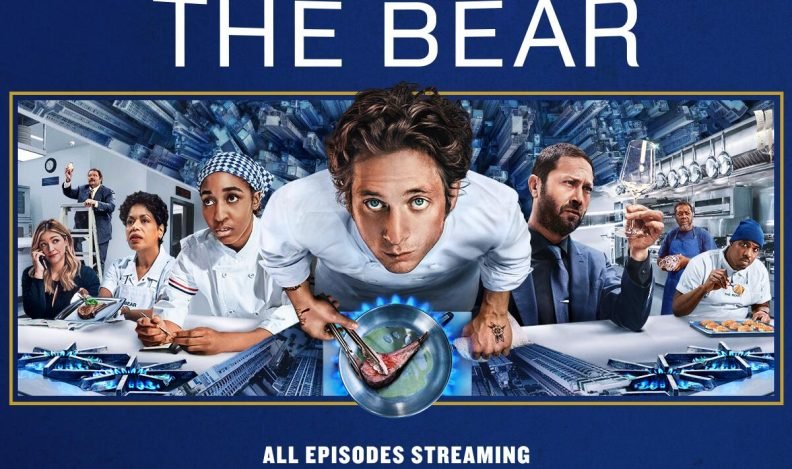
The Bear’s season 4 faces criticism for moving too slowly, but this review argues why the slow pacing is essential to the show’s exploration of trauma and the healing process. By analyzing key episodes, such as Sydney getting her hair done and the big fight at the end, this article explains how the show focuses on teamwork rather than individual genius. The analysis covers the season’s most impactful moments and states why patience in storytelling matters for representing what real recovery looks like.
AMT Lab has been using Descript and Otter.ai for many years. Both have matured and created unique value propositions for creators, artists, and arts organizations. The following offers a summary of the tools and uses from a podcasting point of view. However, they have other valuable business uses that are easy to see. Selecting the best tool for your use will be dependent on budget and intended projects.
As AI companies face widespread criticism for training models with unlicensed other content, Bria.ai reimagines generative AI with artists rights at the forefront. Learn more about how this startup is sourcing licensed content, tracking how specific images influence outputs, and compensating creators for their work.
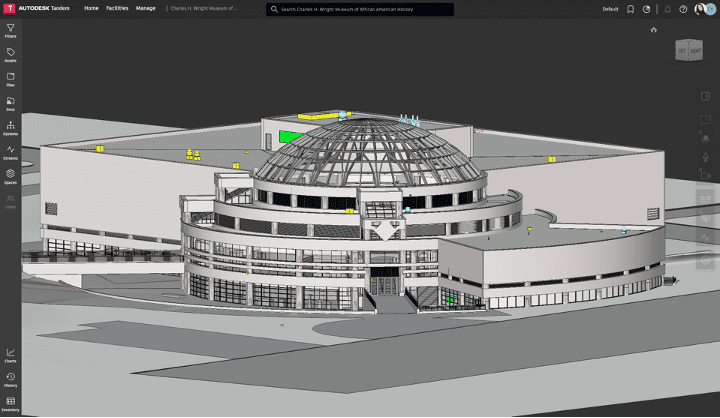
MuseumNext’s virtual Green Museums Summit took place on February 26 and 27, 2025, featuring speakers from institutions worldwide. Each shared their unique approach to addressing climate change, whether through their facility, day-to-day operations, or programming. Hannah Brainard, AMT Lab’s Chief Editor, shares key themes and takeaways from the conference.

Measure of Music is a one-of-a-kind virtual conference that gathers music industry and data analytics professionals from all over the world for one weekend in February. Attendees can join a number of workshops and panel discussions to learn from others in the field, as well as participate in a team “hackathon” to create a new data project. Hear from AMT Lab’s Social Media Manager, Sofia Akhmanaeva, about her experience and key takeaways.

As Suno and Udio emerge as the front-runners for AI-powered music generation, learn more about which tool is right for you. This comparative review explores the differentiating factors of the tools and how they are being utilized by professional musicians, while acknowledging the existing controversy surrounding their use.

current
The latest from our team of researchers on what’s happening at the intersection of arts and technology.

podcasts & interviews
Listen to cutting-edge conversations with leaders in the industry.
reviews
Get an inside look into the latest apps, products, and experiences in the arts management field.
Former AMT Lab Chief Editor of Research Ziqi Xiang explores how hallucination and understanding in the age of artificial intelligence (AI) impacts artistic creation and the value of art. He shares his preliminary modeling of this thought-provoking academic problem.