


When high schools treat arts as a core academic subject, SAT score averages are visibly higher compared to when the schools treat the arts as an optional subject.

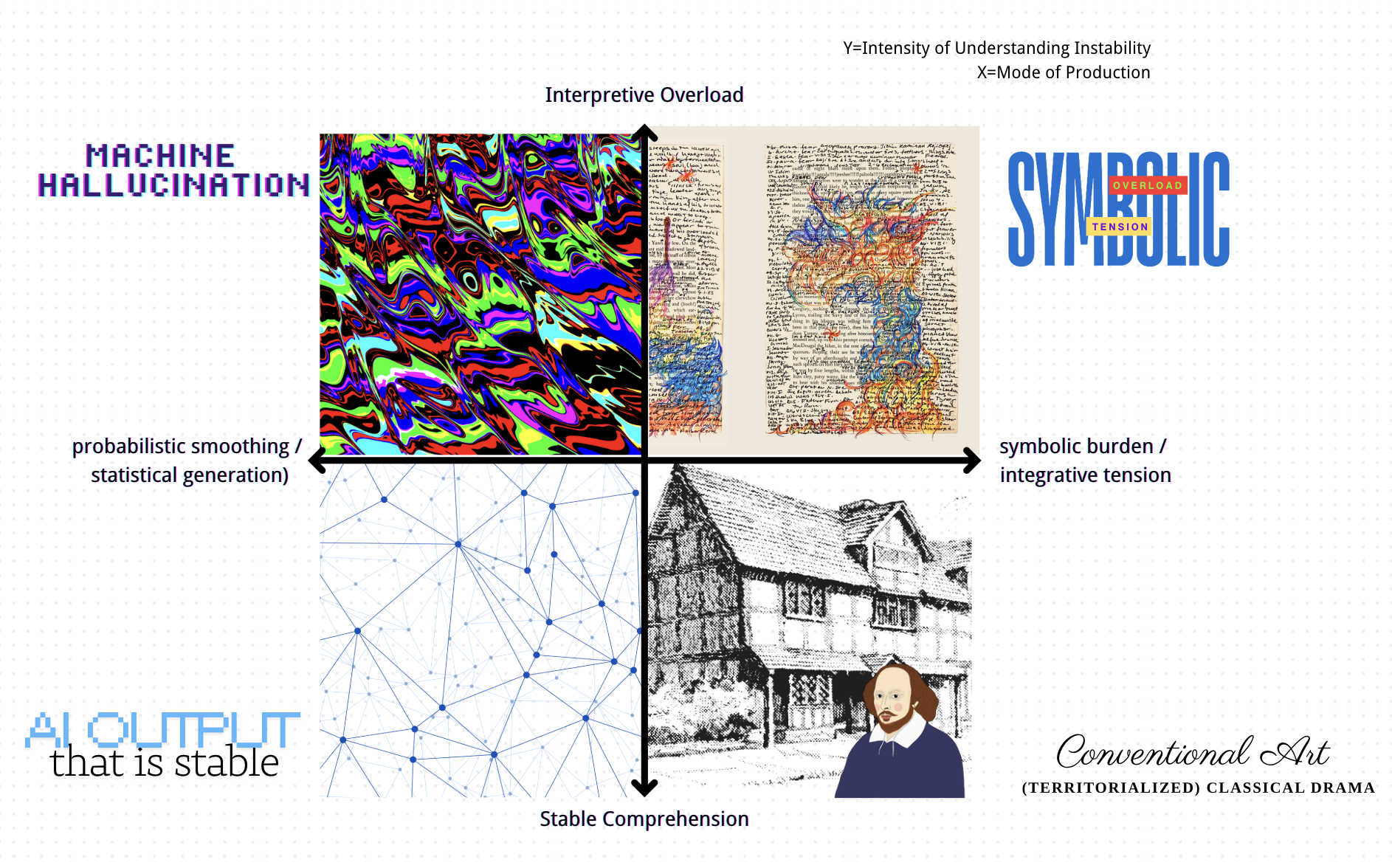
Former AMT Lab Chief Editor of Research Ziqi Xiang explores how hallucination and understanding in the age of artificial intelligence (AI) impacts artistic creation and the value of art. He shares his preliminary modeling of this thought-provoking academic problem.
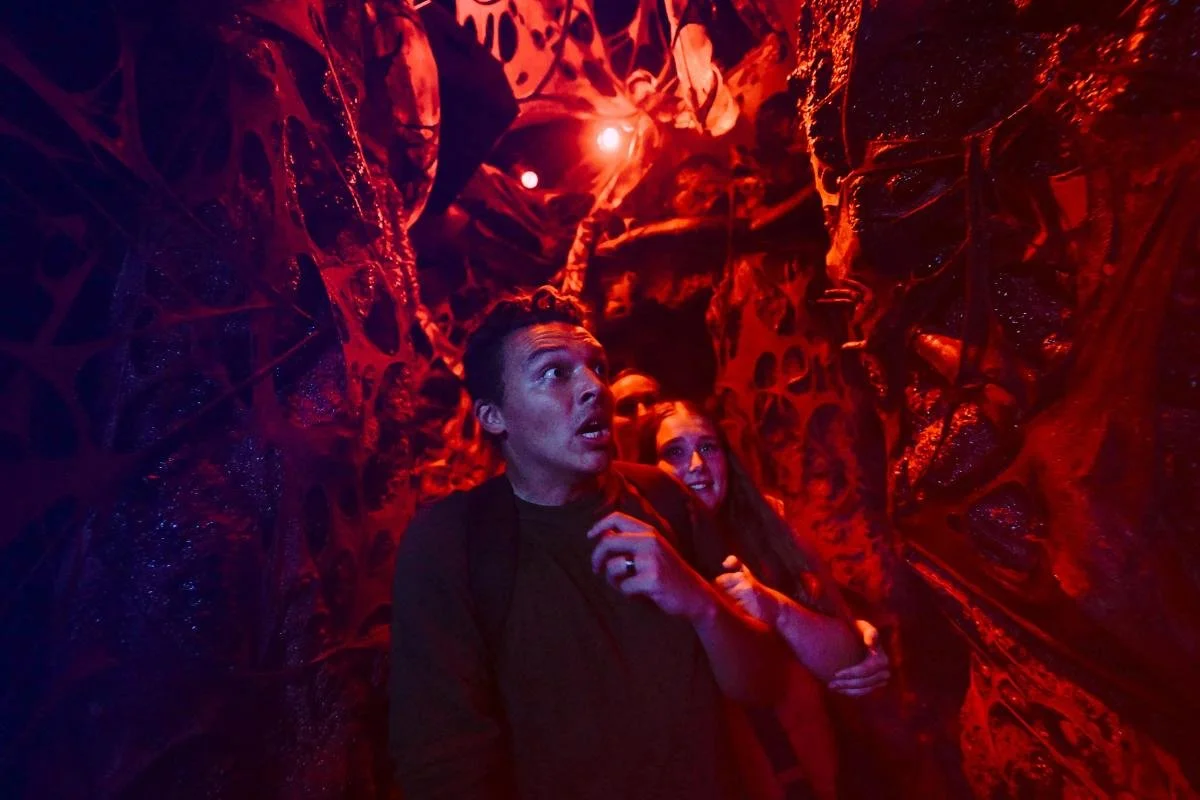
In Part 1, our research team examined the history immersive entertainment industry in the United States, and current challenges facing immersive experience creators. Part II dives into the results of our online survey and findings based on interviews with industry experts. To gain insights into the audience perspective, an online survey was launched on January 17, 2026, examining overall engagement with immersive entertainment. The survey revealed a thematic overlap between immersive audiences and traditional entertainment preferences. Ultimately, a “one-model-fits-all” approach to immersive entertainment would be limiting, and our research supports the need for a fourth model called the Immersive Plaza.
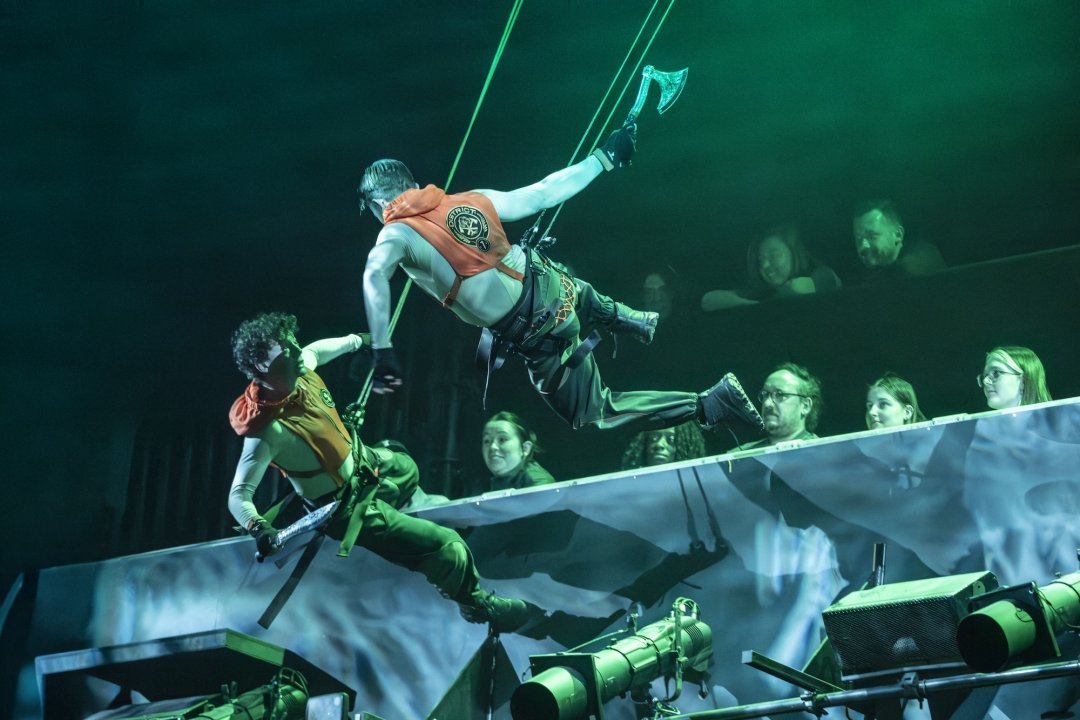
There has been a growing trend of large, spectacular straight play productions based on popular intellectual property. IP-based theatre is a way for corporations to super-serve fans in a way that keeps them coming back to the original material. IP-based theatre productions, like Harry Potter and the Cursed Child, Stranger Things: The First Shadow, and The Hunger Games: On Stage, use spectacle to encourage fans to buy tickets.
The immersive entertainment industry is rapidly expanding, with a projected market growth from $133.6 billion in 2024 to $473.9 billion by 2030. Through research conducted on behalf of Gensler, the largest global design and architecture firm, this study investigates the problems persisting in the immersive entertainment industry, namely the lack of consensus regarding model distinctions, undefined success metrics, and unclear pathways for scaling projects.
In this month’s Byte-Sized Culture, lead researcher Julia Srnec examines artificial intelligence (A.I.), and how it is gaining traction in the arts. Legislation, funding for arts and technology research, and ethical museum-centric practices pave a future for how artists and organizations will navigate these significant changes to the industry.