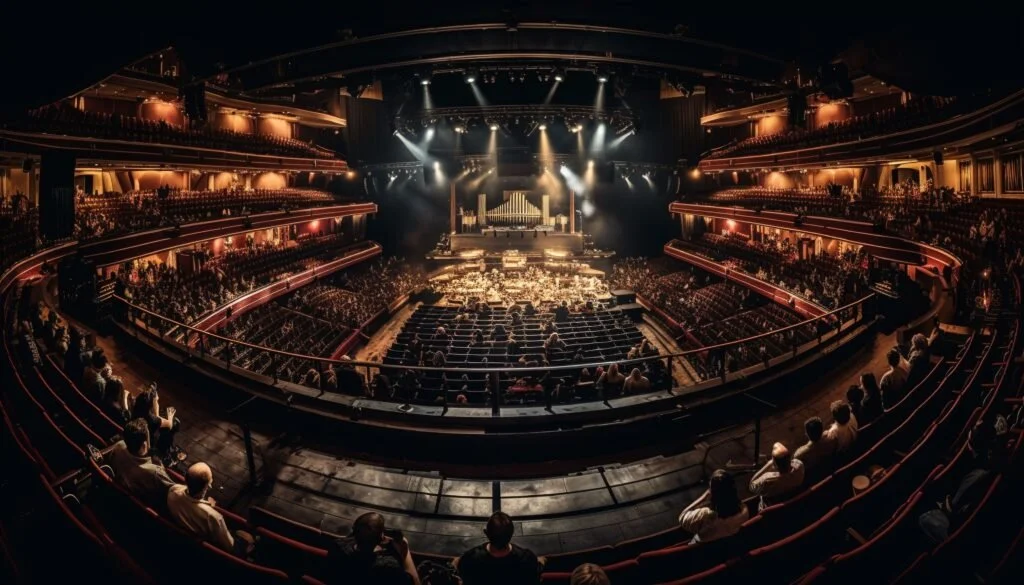
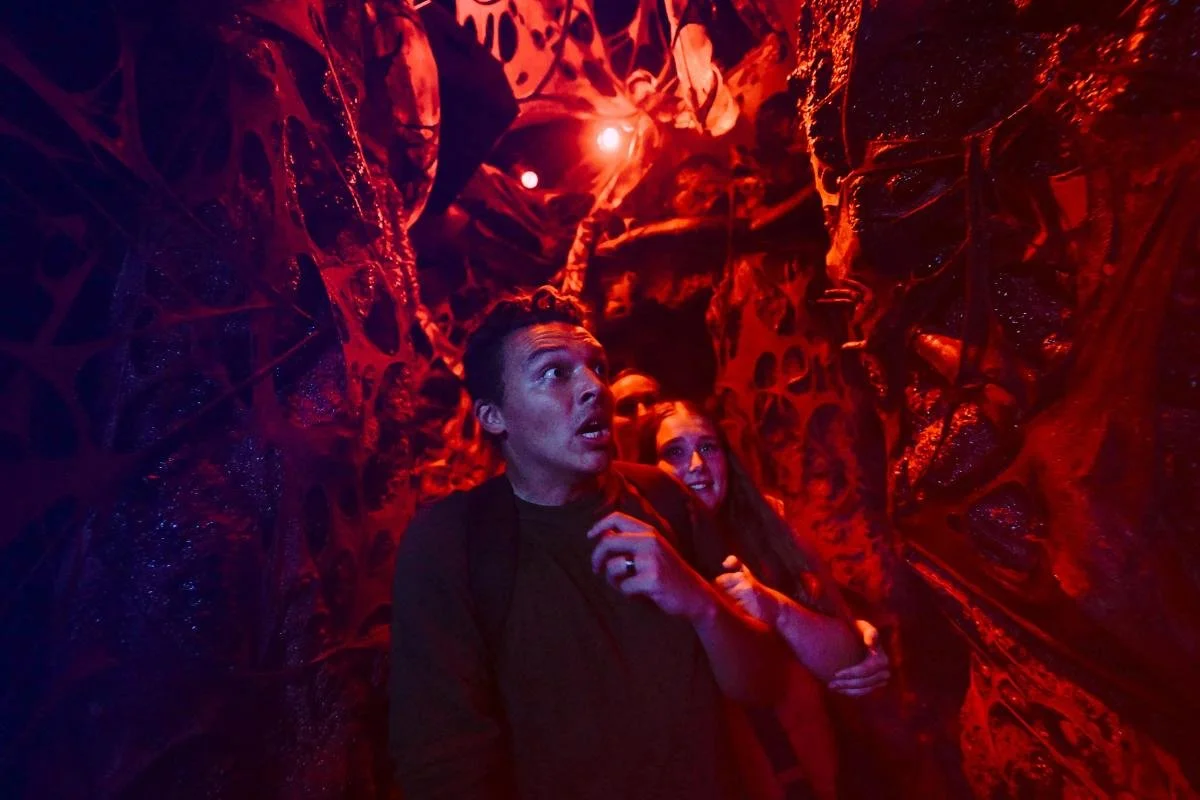
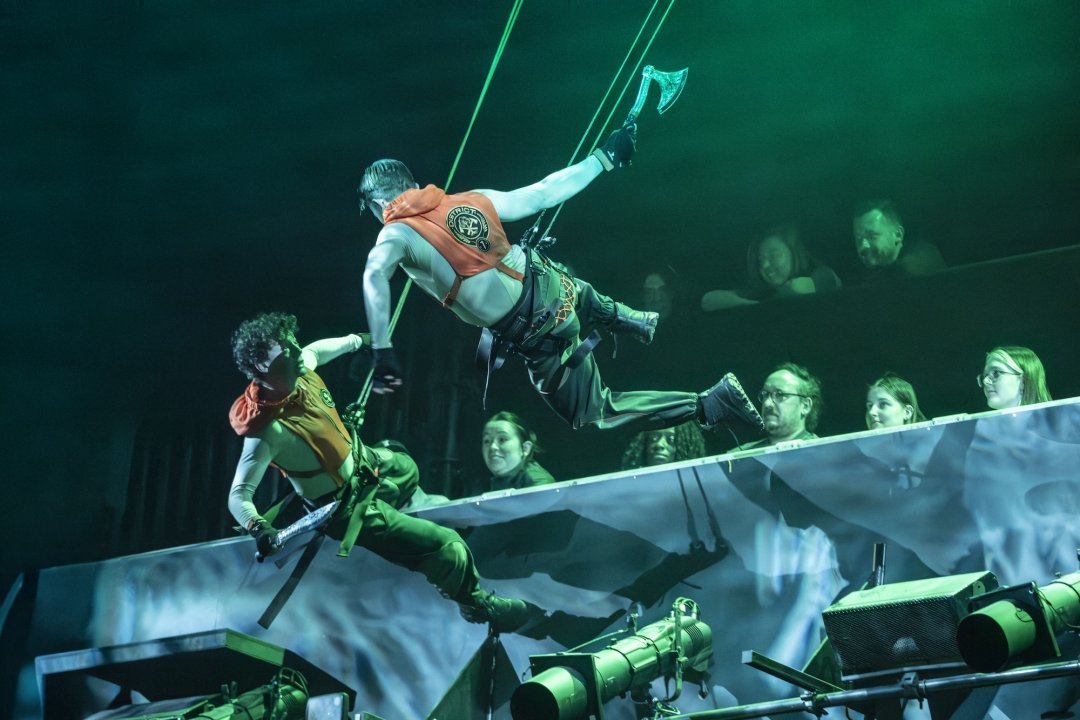
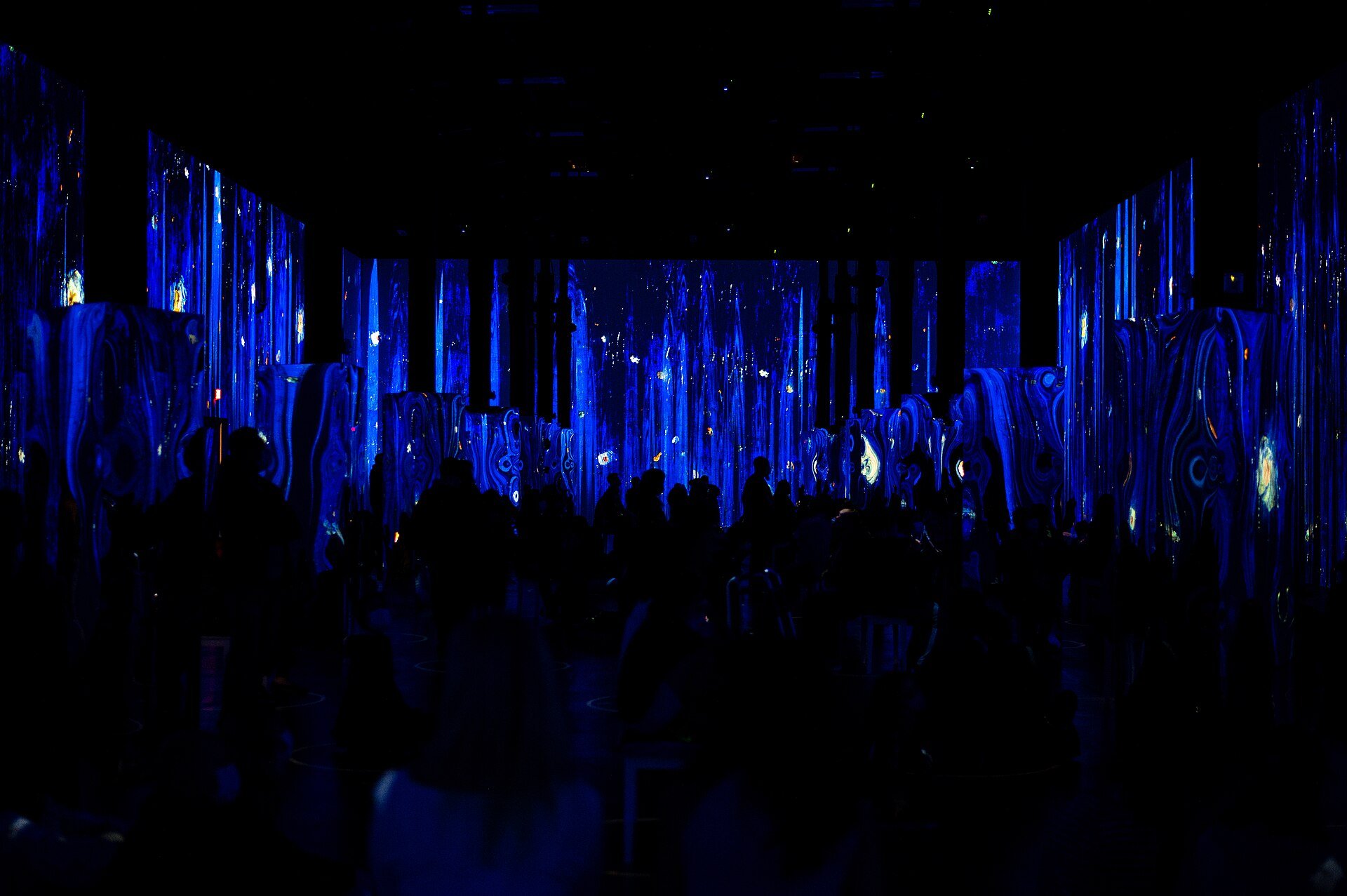

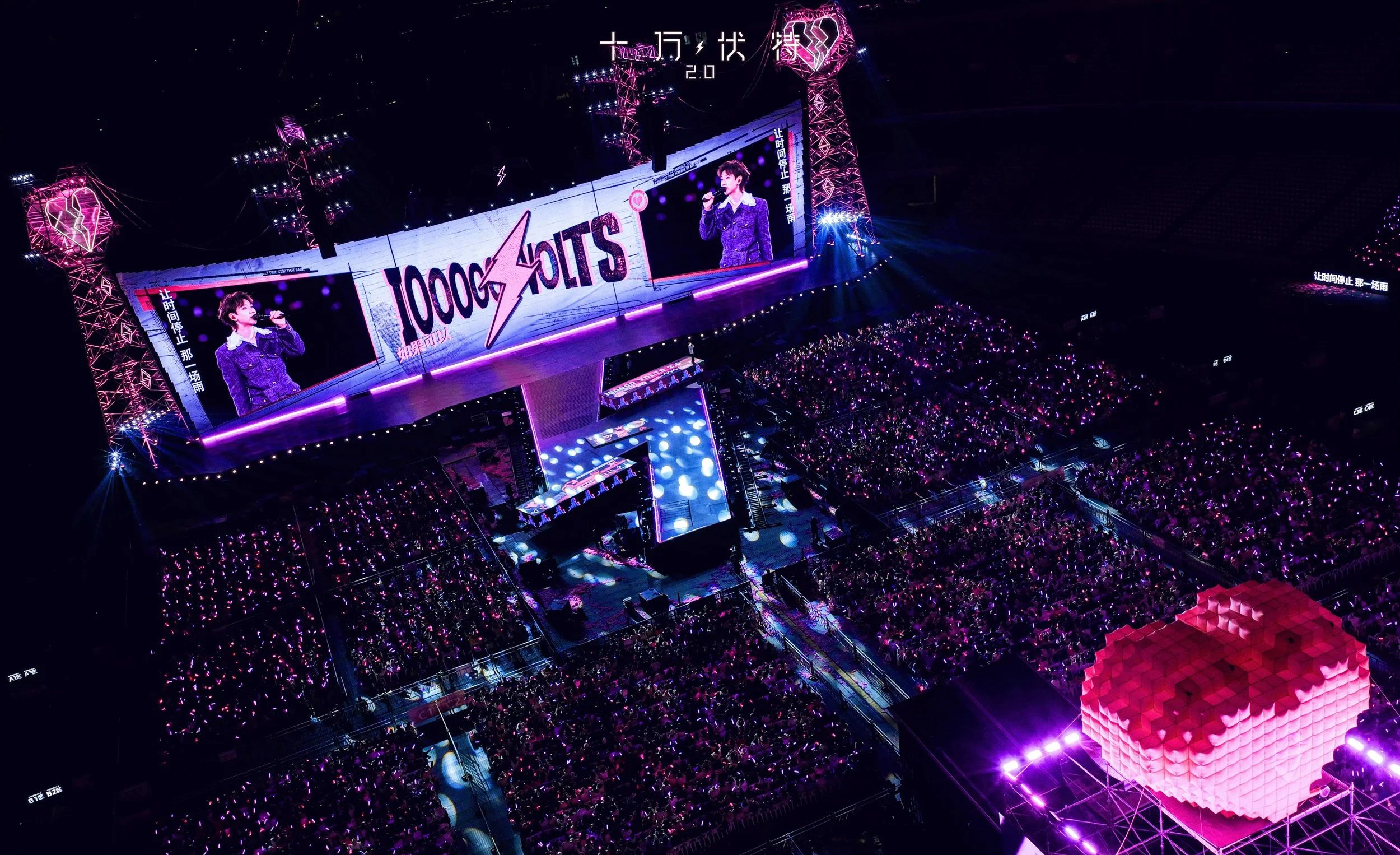
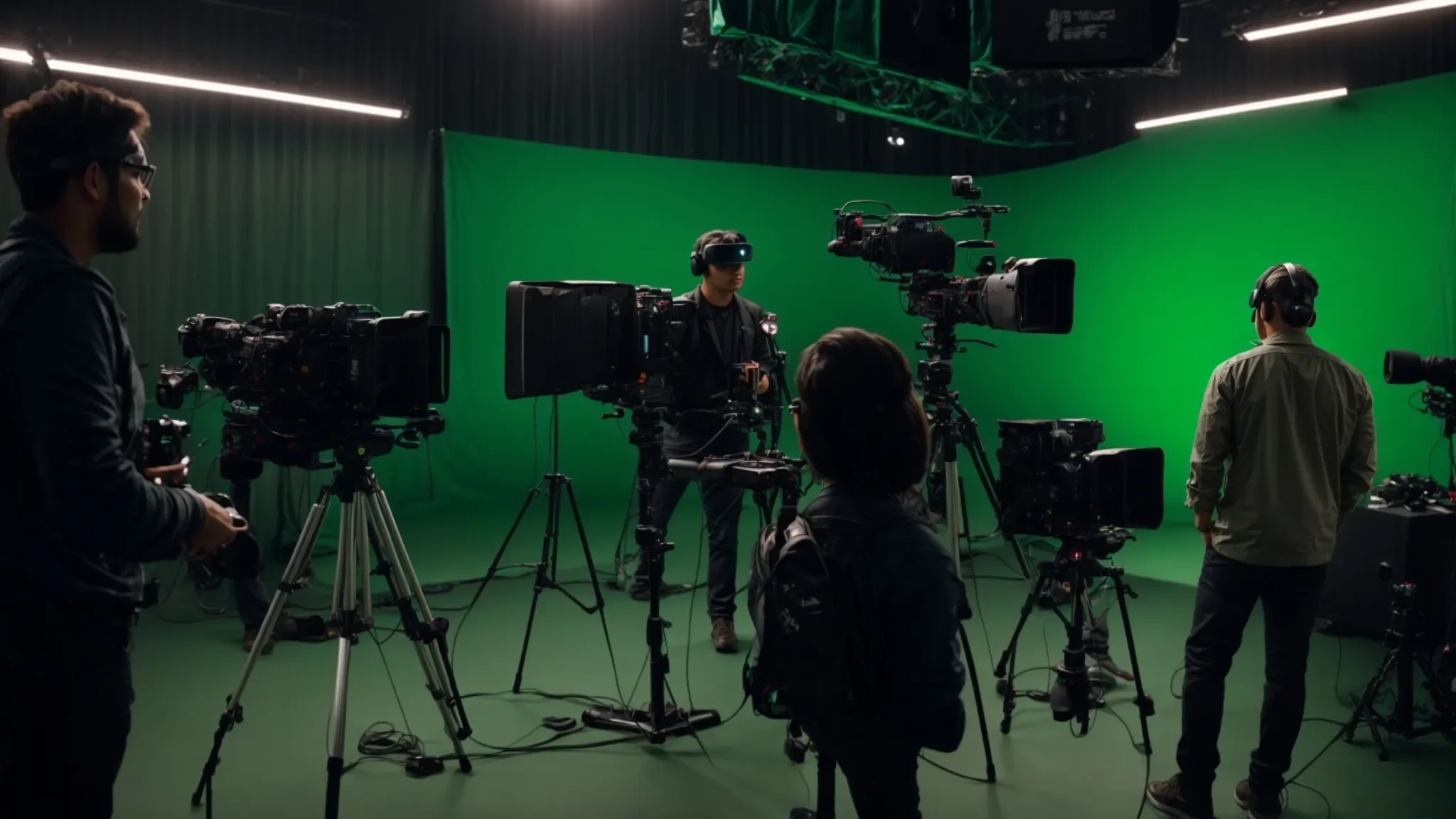
This article examines how extended reality (XR) technologies are expanding theatre’s reach beyond the physical venue. Building on proshots’ successes and shortcomings, it maps liveness through four components—temporality, exclusivity, spatiality, and interaction—and tests them across emerging formats: immersive dome screenings (Cosm), phone-based AR experiments (All Kinds of Limbo, The Tempest), and avatar-led VR productions (Tender Claws, Adventure Lab). XR’s promise is real—richer presence, audience participation, and radical portability—but so are the hurdles of motion capture quality, cost, technical literacy, and scale. Rather than replacing stagecraft, XR functions as a flexible toolkit that opens new creative and accessible pathways for live performance.
Exploring Integration of XR in Museums to Enhance Visitor Experience
Many museums have gravitated towards utilizing XR (VR, AR, or other extended reality modes) in numerous ways to enhance visitor experience. While there are successful ways to support visitor experience, it is possible that XR can have negative impacts. This article explores case studies of two museums who have integrated XR into their exhibitions: the Cleveland Museum of Art and Illinois Holocaust Museum, discusses the positive and negative facets of these technologies on visitor experience, and analyzes implications for the arts field.
Museum Computer Network 2023 Conference Takeaways
Staff Researcher, Venetia Liao, attended the 2023 Museum Computer Network Conference (MCN), and wrote about her four key takeaways: (1) Audience Engagement & Visitor Experience In Apps, Websites, Research, and Design, (2) AI, VR/XR/AR Usage & Concerns, (3) Data & Database Management For Collections Management & Marketing Strategy, and (4) Cybersecurity.