
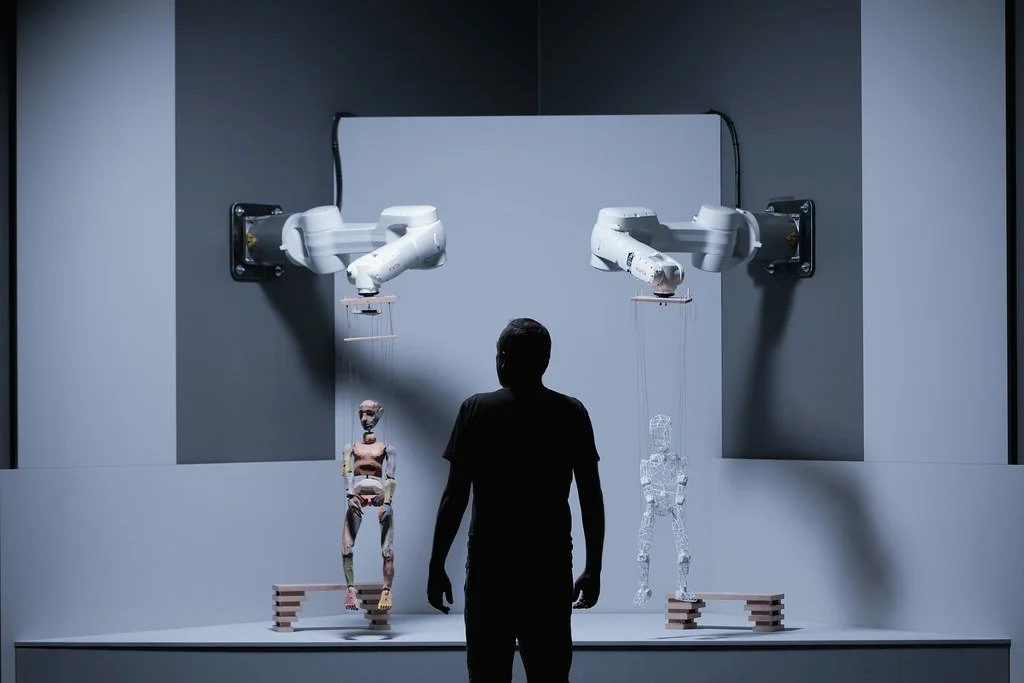
From algorithmic computation to human-machine collaboration, the Fourth Industrial Revolution is reshaping how society produces knowledge and imagines the future. AI-powered robots are now appearing not only in factories but also in art studios, galleries, and museums, signaling a crucial cultural shift, transforming technology from a tool of production to an active participant in artistic creation and curatorial practice.
This article explores the dual applications of AI-powered robots in contemporary art and museum settings, analyzing how they function as creative agents and cultural ambassadors in diverse global contexts. It argues that these intelligent systems challenge traditional concepts of creativity while redefining how cultural institutions think about the relationship between humans and machines in the new era.
Historical Origins: From Mechanical Performance to Creative Agency
The history of robots in art can be traced to post-war experiments that blurred boundaries between engineering and aesthetics. In 1948, British neurophysiologist William Grey Walter built Elmer and Elsie - two “mechanical tortoises.” They could move toward light and avoid obstacles using only a few simple circuits. Although they were not complex by modern standards, these early “mechanical tortoises” showed that even simple machines could behave in surprising and creative ways.
By the late 20th century, artists began using robots not merely as curiosities but as expressive tools. In 1999, Sony’s AIBO, the first consumer-grade robotic dog, entered both homes and galleries, inspiring discussions about empathy and artificial emotion.
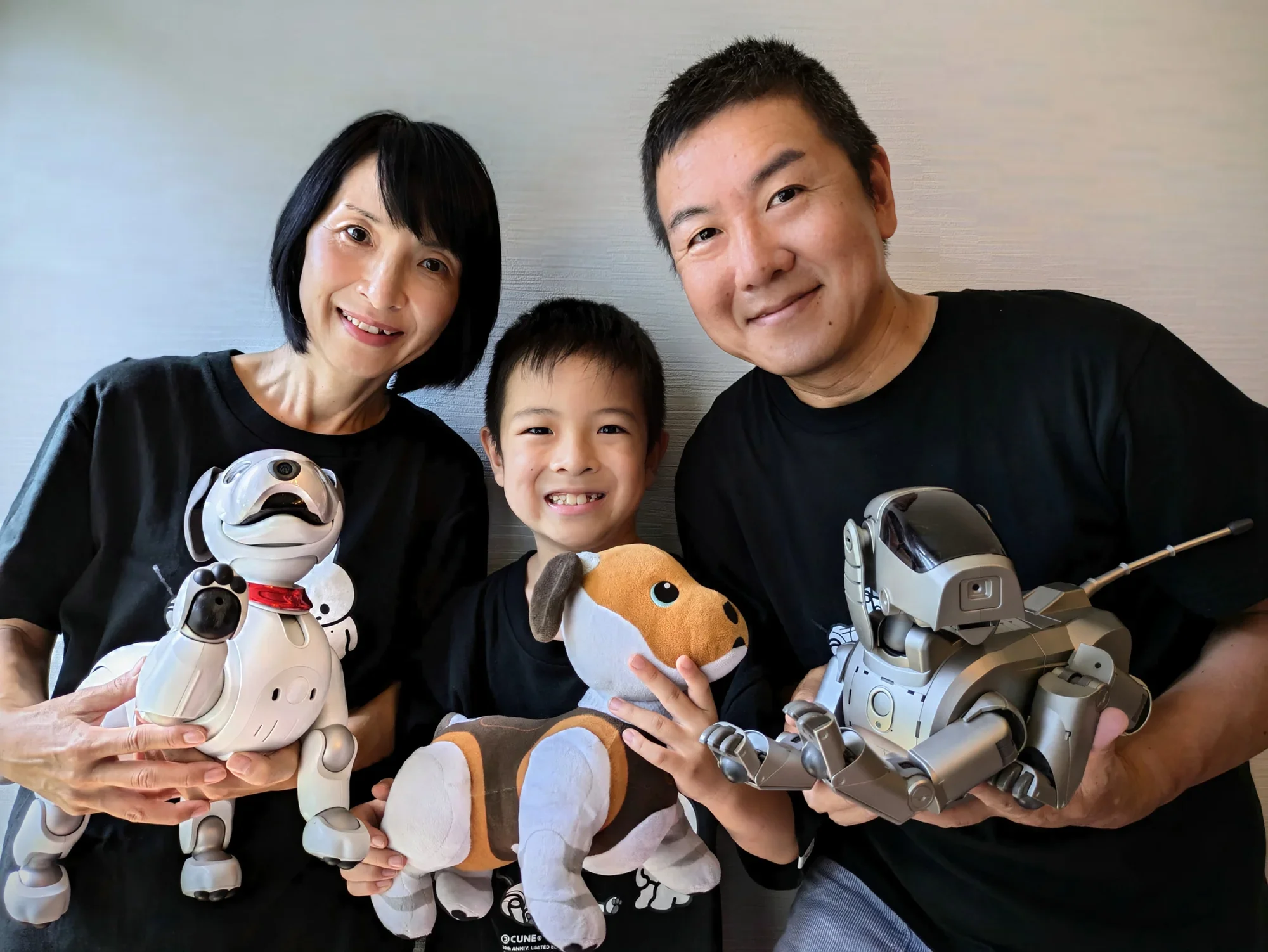
Figure 1: Sony AIBO and Human–Robot Affection. Source: Ieee Spectrum
In the 21st century, advances in artificial intelligence, computer vision, and multimodal perception have transformed robots from pre-programmed devices into learning entities capable of perception and adaptation. This evolution has paved the way for the emergence of AI-powered robots in studios and museums.
The Contemporary Landscape: Why Visual Arts Matter
AI-powered robots are emerging across virtually every sector of modern life. In healthcare, they assist surgeons with precision operations and provide companionship to elderly patients suffering from dementia. In manufacturing, “more than half a million industrial robots were installed in factories around the world in 2022”, assembling products with superhuman accuracy and efficiency. In hospitality, service robots deliver room service items, guide guests, and communicate in multiple languages across hotels globally. In the performing arts, robotic dancers share stages with human choreographers, while robotic musicians perform in orchestras, expanding the boundaries of live performance.
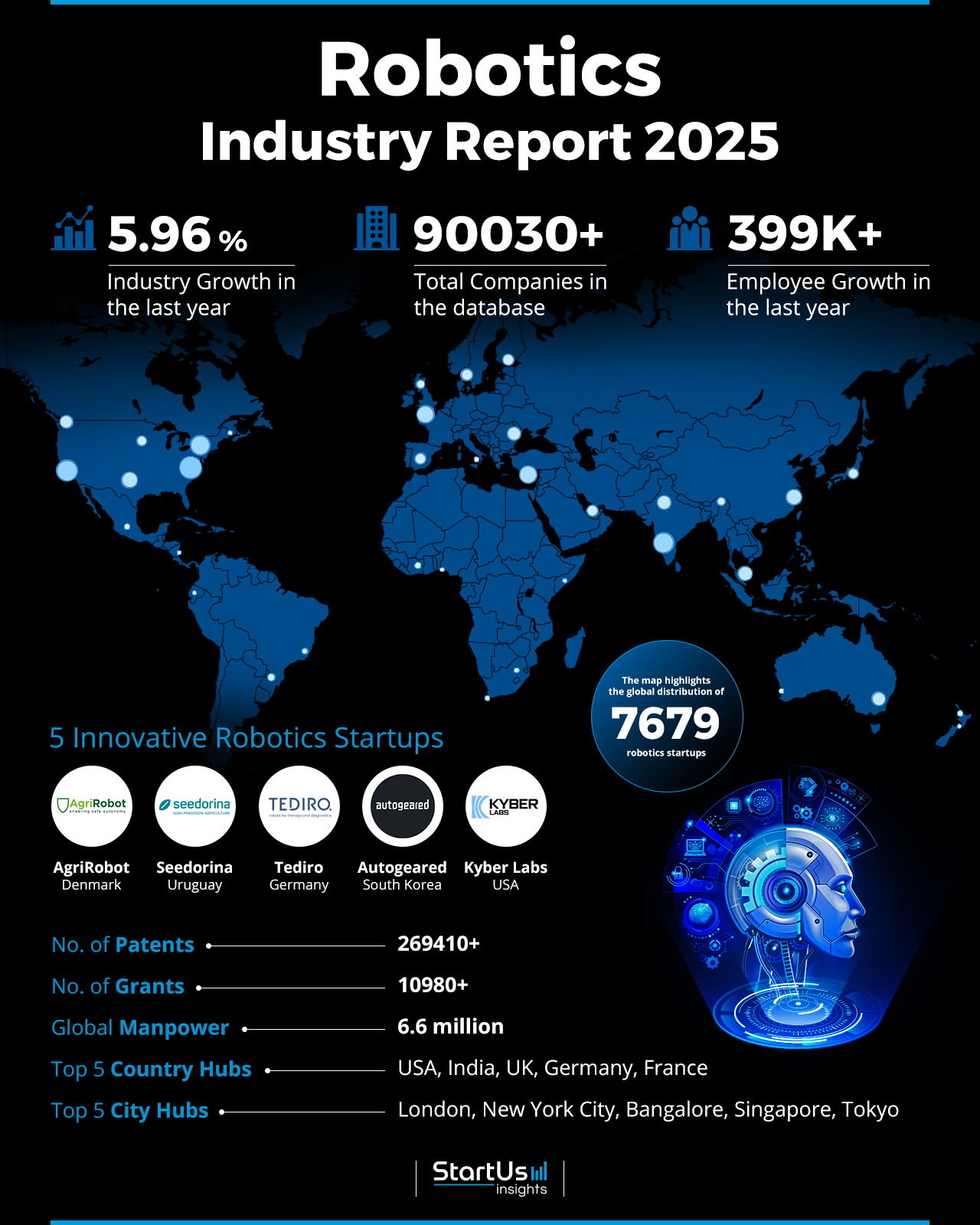
Figure 2: Global Robotics Industry Overview (2025). Source: Startus Insights
However, within this diverse range of applications, robots in the visual arts ecosystem occupy a unique and interesting niche. Unlike purely functional robots designed to optimize efficiency or safety, robots deployed in exhibitions and museums encounter fundamental questions about human creativity, aesthetic judgment, and cultural authority. When a robot paints, sculpts, or guides visitors through an exhibition, it enters a realm traditionally reserved for humans: imagination, interpretation, and emotional empathy.
Therefore, this research focuses specifically on public-facing robots in visual arts contexts: those that interact directly with audiences as creators (generating artworks) or cultural ambassadors (mediating museum experiences). In contemporary art, these robots challenge fundamental assumptions about authorship and artistic agency - can machines truly "create," or do they simply execute sophisticated algorithms? Meanwhile, in museum settings, robots show valuable advantages, like multilingual interpretation, intelligent assistant tour guides, or maintenance and cleaning. While the development of those applications simultaneously raises concerns about workforce displacement and the authenticity of cultural experience, the art world is making technology more accessible, inspiring people to imagine what's next.
The following cases demonstrate how artists and art institutions around the world are navigating these tensions. By examining robots as autonomous partners (Agnieszka Pilat's painting Spot dogs), humanoid artists (Ai-Da), multi-agent systems (CoFRIDA), and museum ambassadors (Ameca in Dubai and AI Docents in Seoul), we can trace how AI-powered systems are reshaping not only what visual art can be, but how we experience and understand it.
AI Robots in Contemporary Art
Agnieszka Pilat — Machines as Artists
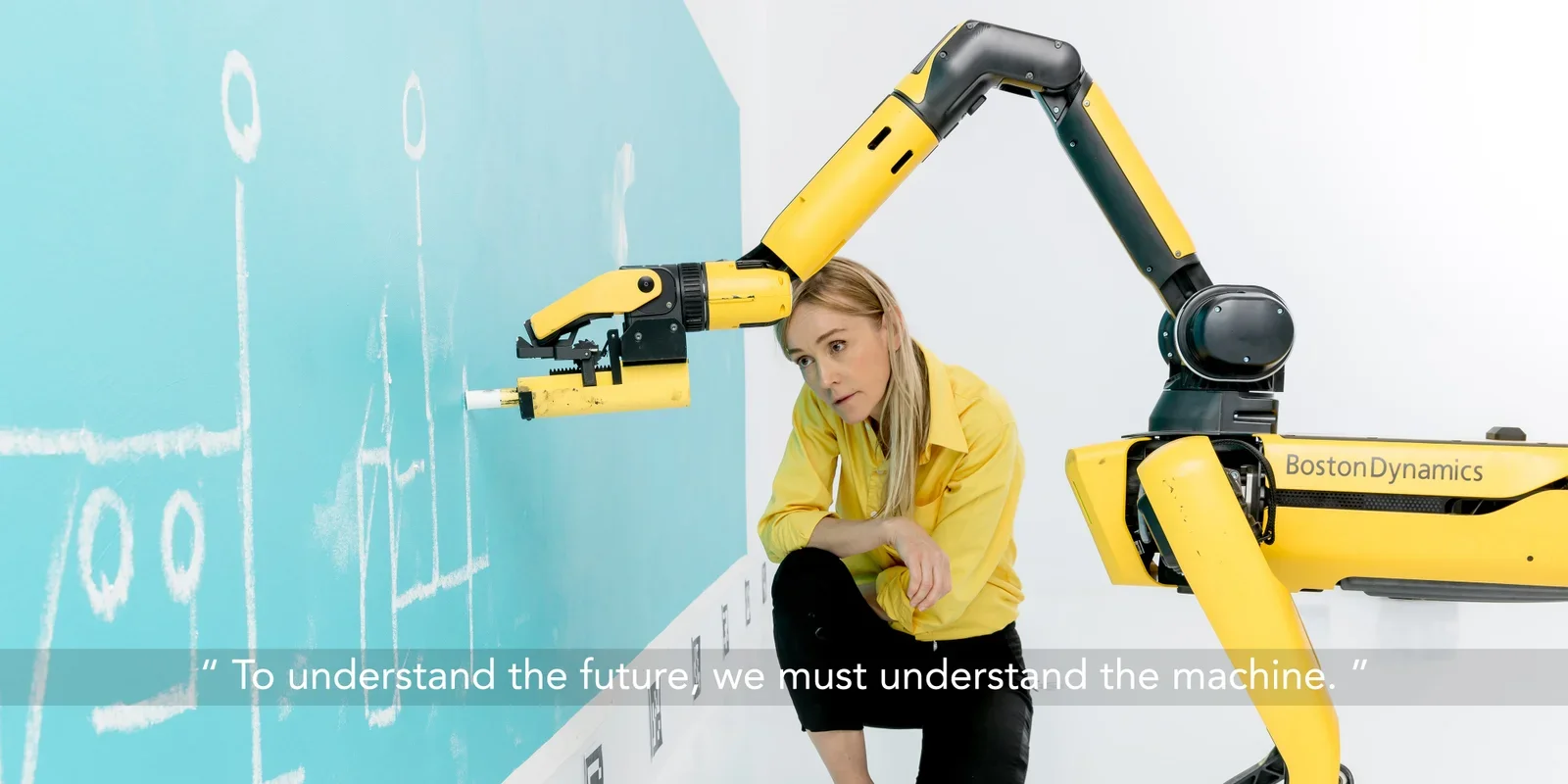
Figure 3: Agnieszka Pilat and Robotic Art Practice. Source: AGNIESZKA PILAT
Polish-American artist Agnieszka Pilat stands at the forefront of exploring robotics as a creative collaborator. Her installation Heterobota at the National Gallery of Victoria featured three Boston Dynamics Spot robots: Basia, Vanya, and Bunny, who lived inside the gallery for four months and autonomously painted canvases.
Pilat calls herself a “propaganda artist for technology,” situating her work within portraiture’s historical tradition. “Historically, portraiture reflects power in society and works around patronage. So I started painting portraits of technology as the new aristocracy,” she explained. Each robot possessed a distinct “personality”: Basia was a serious painter, Vanya was a nurturing guardian, and Bunny was a social media performer who captured attention through her reflection in a mirror. The robots’ paintings - over thirty completed during the residency - represent what Pilat calls “the first primitive language of a new civilization.”
Her project transforms robots from mechanical objects into artistic partners, suggesting that machines can represent creative intention. Pilat positions herself as a "Renaissance teacher" guiding her robot apprentices, redefining the human-machine relationship as one of mentor rather than apprentice. The robot is both an artist and an artistic object, and she questions whether creativity can exist without consciousness.
Ai-Da — The Humanoid Artist
The humanoid robot artist Ai-Da, created in 2019 and named after Ada Lovelace, represents another perspective in machine creativity. Ai-Da uses cameras in her eyes to capture images, translating them into drawings and sculptures via AI algorithms. But Ai-Da is "like an artist surrounded by assistants." Humans' help is essential for the artwork creation process. The human team creates the initial vision, sets up a topic or concept for Ai-Da, and provides the original data, like prompts and images. And sometimes the studio assistants will help with adding paint and texture, and lead the whole direction of the creation.
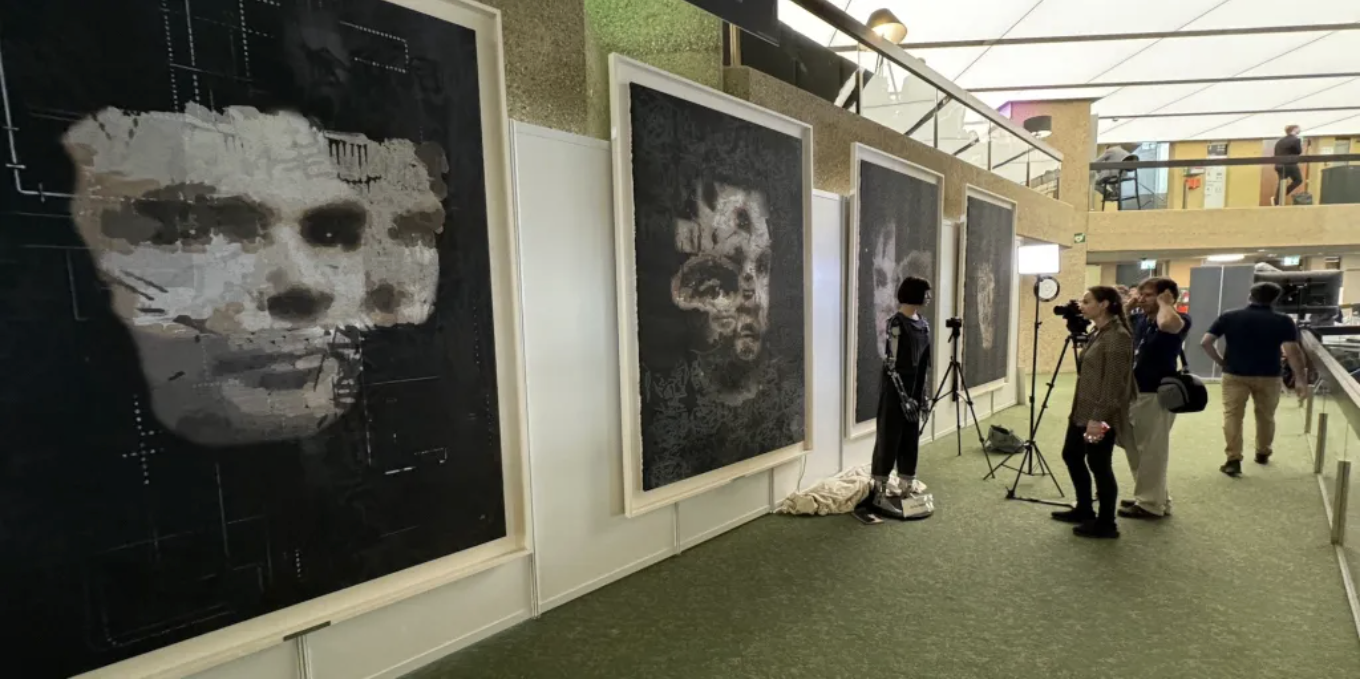
Figure 4: The Humanoid Robot Artist Being Interviewed. Source: Ai-Darobot
The appearance of Ai-Da challenges the definitions of authorship and authenticity. While early critics noted the involvement of human programmers in her work, newer iterations of Ai-Da operate with increasing autonomy. Her exhibitions make audiences question whether emotion in art must come from a sentient source or whether algorithmic simulation can produce comparable aesthetic responses. Ai-Da functions like both a mirror and a mediator, reflecting human desires to see ourselves in machines that appear capable of feeling.
CoFRIDA - Collaborative Robotic Creativity
At Carnegie Mellon University’s Robotics Institute, a robotic research team has been exploring how AI can enable artistic collaboration. Their first outcome, FRIDA (Framework and Robotics Initiative for Developing Art), released in 2023, was designed as a kind of robotic solo artist. Using a single robot arm, FRIDA could translate human text or image prompts, like “paint a city skyline at sunset,” into expressive brushstrokes on canvas.
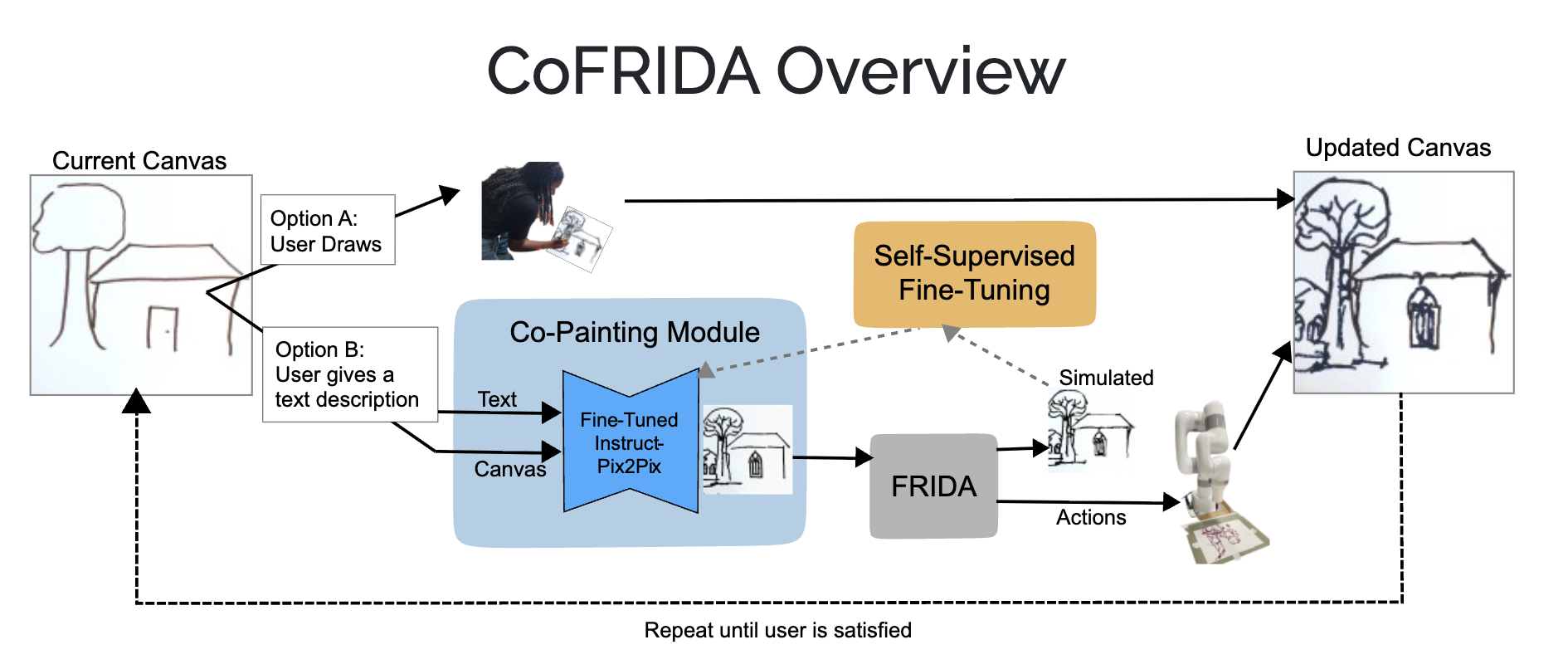
Figure 5: CoFRIDA Co-Painting System Overview. Source: CoFRIDA
A year later, the team launched CoFRIDA (Collaborative FRIDA), an upgraded system that expands this concept into a multi-agent framework. Instead of one robot painting alone, multiple FRIDA units and human participants can now collaborate, sharing sensory data and aesthetic decisions in real time. Each robot perceives the movements of its collaborators and adjusts its own behavior accordingly, creating what the team describes as a "dialogue of color and movement." Through this coordinated process, CoFRIDA redefines creativity as a collective practice rather than an individual act. It highlights how human-robot collaboration can go beyond automation, transforming technology into a partner that learns, responds, and creates art alongside humans.
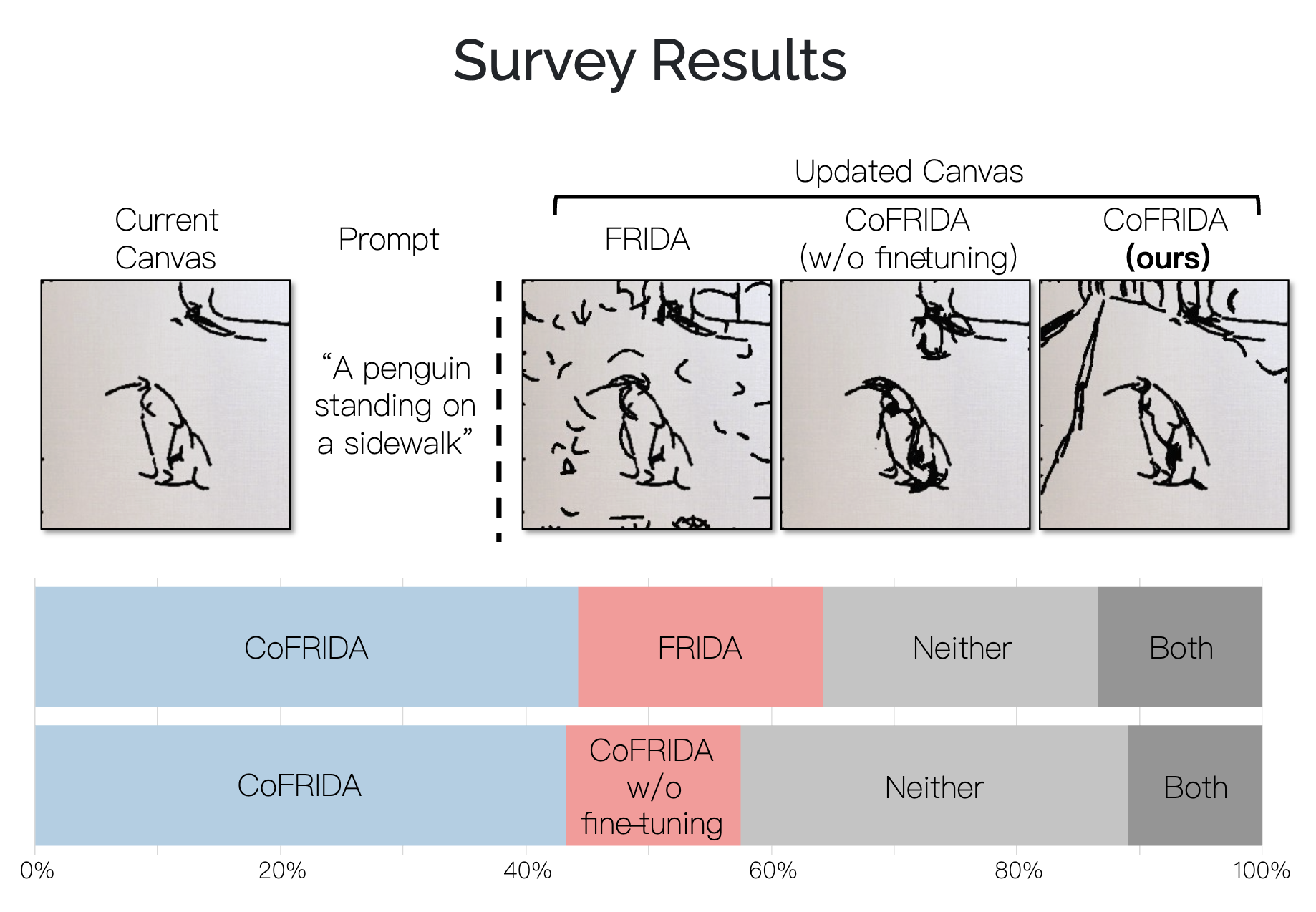
Figure 6: Survey Comparison of CoFRIDA and FRIDA Outputs. Source: CoFRIDA
AI Robots in Museums
The museum is applying AI robots in three main areas: educational presentations, visitor interaction, and institutional image promotion. Each application reflects a different perspective on the role of technology in cultural dissemination. The museums are also using robots to guide tours, as interactive exhibit assistants, or for maintenance and cleaning.
Korean National Museum — AI Docent for Education
At the National Museum of Korea, AI docents represent a new educational model, with robots acting as multilingual guides and adapting their explanations based on visitors' responses. Beyond these docents, the museum integrates AI technology throughout its exhibits: AI eyes detect visitors' emotions, and robotic singing bowls combine traditional Korean art with modern engineering, demonstrating how technology can bridge tradition and innovation. The museum's ambitious Robotic Science Museum (RSM) project takes this vision to the extreme, envisioning robots designing, building, and operating the entire museum, positioning automation as the infrastructure for cultural preservation. However, this approach raises crucial questions: When a robotic docent explains a traditional Korean artifact, is it translating culture or transforming it? While robots can speak multiple languages fluently, they lack the embodied cultural knowledge that human docents possess, such as the tacit understanding of cultural context, the life experience that guides interpretation, and the ability to interpret subtle social cues. This gap between information transmission and cultural preservation suggests that while robots may excel at answering objective questions like "what" and "when," they fall short on interpretive questions requiring cultural understanding and experiential judgment, such as "why" and "how."
“The new Robot Science Museum (RSM) which plays a catalytic role in advancing and promoting science, technology, and innovation throughout society is not only going to exhibit robots but actually from design, manufacturing to construction and services robots will be in charge. In other words, RSM will start its ‘first exhibition’ with ‘its own construction’ by robots on site.”
Dubai’s Museum of the Future — The Robot as Exhibit-Performer
In Dubai's Museum of the Future, Ameca exemplifies a different model: the robot as both guide and exhibit-performer. Ameca's hyperrealistic facial expressions and conversational abilities create what curators call an 'immersive technological experience,' yet this fusion of function and spectacle complicates the visitor relationship. Are guests learning from Ameca or learning about Ameca? The robot becomes a medium for information and a message about humanity's technological future. This dual role reflects what media theorist Marshall McLuhan observed: the medium shapes the message as much as the content itself. When museums use humanoid robots as cultural ambassadors, they inevitably communicate values about innovation, progress, and the desirability of human-machine integration. Messages that may overshadow the cultural artifacts the robots are meant to interpret.
Ethical Reflections
The integration of AI-powered robots into art and museum contexts raises concerns about authorship, emotion, and the human role in creativity. In Pilat’s Heterobota, the artist frames herself as a mentor, but the robots’ works still have high market value even without her hands. Similarly, Ai-Da’s growing autonomy challenges whether a machine’s aesthetic output can - or should - be attributed to itself.
In museum contexts, ethical debates shift toward representation and empathy. Visitors often attribute emotional qualities to humanoid robots, responding to their gestures and voices as if they were sentient. Such reactions reveal what theorists call the empathy paradox: humans empathize with artificial entities while denying them moral standing. The museum robot thus becomes a test case for contemporary humanism - how far our emotional imagination extends toward nonhuman agents.
Conclusion
From the practices of contemporary artists to the galleries of major museums, AI-powered robots have become critical players in the cultural ecosystem. Among these diverse contexts, robots do not replace humans but rather reveal what it means to be human - reflecting our desire for connection, our fascination with technology, and our anxieties about authenticity.
Creativity is relational, empathy is programmable, and art - once the exclusive domain of the human imagination - is becoming a shared pursuit of organic thought and artificial intelligence.
In this evolving landscape, AI-powered robots are not merely tools or performers but rather mediators of creativity and culture, shaping a new era where the boundaries between artist, audience, and algorithm are increasingly blurred.
-
Aaron Aupperlee. “Carnegie Mellon’s AI-Powered FRIDA Robot Collaborates with Humans To Create Art.” News. Carnegie Mellon University, February 7, 2023. https://www.cmu.edu/news/stories/archives/2023/february/carnegie-mellons-ai-powered-frida-robot-collaborates-with-humans-to-create-art.
AI Revolution, dir. New China AI Robots SHOCK The World: Acting Human, Artificial Astronauts, Robotic Birth and More. 2025. https://www.youtube.com/watch?v=11o8arNhrIw.
Bonnie Burton. “The Smithsonian’s New Tour Guide Isn’t Human.” Science. CNET, April 30, 2018. https://www.cnet.com/science/smithsonian-museum-new-tour-guide-is-a-pepper-robot-from-softbank/.
Carnegie Mellon University. “AI-Powered FRIDA Robot Collaborates with Humans to Create Art.” News. TechXplore, February 7, 2023. https://techxplore.com/news/2023-02-ai-powered-frida-robot-collaborates-humans.html.
Daniel Greenberg, dir. YOU WON’T BELIEVE WHAT SPOT DOES WITH A GUN. 2021. 02:54. https://www.youtube.com/watch?v=MoeHLzjfUGI.
Davies, Caroline. “‘Mind-Blowing’: Ai-Da Becomes First Robot to Paint like an Artist.” Technology. The Guardian, April 4, 2022. https://www.theguardian.com/technology/2022/apr/04/mind-blowing-ai-da-becomes-first-robot-to-paint-like-an-artist.
Dex Parra and Scott R. Stroud. “The Ethics of AI Art.” Research. Center for Media Engagement, February 24, 2023. https://mediaengagement.org/research/the-ethics-of-ai-art/.
Hidonix. “7 Robotics-Driven Shifts in the Museum Experience.” Apr 30. https://hidonix.com/en/blog/7-robotics-shifts-museum-experience.
How Can Service Robots Be Used in Museums: Enhancing Visitor Experience and Operational Efficiency - DSR Technologies. Service Robots. n.d., 2025. https://dsrtechnologies.co.uk/how-can-service-robots-be-used-in-museums/.
InsideMuseumWalls, dir. Will Museums Become Digital Creation Hubs? - Inside Museum Walls. 2025. 03:18. https://www.youtube.com/watch?v=BBekTFXck9w.
Lima, Eleonora. “AI Art and Public Literacy: The Miseducation of Ai-Da the Robot.” AI and Ethics 4, no. 3 (2024): 841–54. https://doi.org/10.1007/s43681-024-00488-5.
Matthew Burgos. “Agnieszka Pilat Taps Boston Dynamics’ Robot Dogs to Paint Autonomously at NGV Triennial.” Art. Designboom, December 23, 2023. https://www.designboom.com/art/agnieszka-pilat-boston-dynamics-robot-dogs-ngv-triennial-heterobota-12-23-2023/.
Meshkinpour, Sanaz, Katie Monteleone, and Manoush Zomorodi. “The Artist Turning Heads and Changing Minds with Her $200K Robot Dog.” Tri States Public Radio, June 27, 2025. https://www.tspr.org/2025-06-27/the-artist-turning-heads-and-changing-minds-with-her-200k-robot-dog.
Mitchell, Bea. “Dubai’s Museum of the Future Hires World’s Most Advanced Humanoid Robot | Blooloop.” Museum. Blooloop, October 10, 2022. https://blooloop.com/museum/news/dubai-museum-of-the-future-ameca-humanoid-robot/.
Peter Schaldenbrand, Gaurav Parmar, Jun-Yan Zhu, Jim McCann, and Jean Oh. “CoFRIDA: Self-Supervised Fine-Tuning for Human-Robot Co-Painting.” https://pschaldenbrand.github.io/cofrida/.
Pilat, Agnieszka, dir. An AI Artist’s Take on Tech and Legacy. TEDAI 2023. 2023. TED Talk, 08:00. https://www.ted.com/talks/agnieszka_pilat_an_ai_artist_s_take_on_tech_and_legacy.
Richard Whiddington. “The National Gallery of Victoria Has Announced Its 2023 Triennial Lineup, Featuring Three Robot Dogs Programmed to Paint.” Art & Exhibitions. Art & Exhibitions. Artnet News, April 5, 2023. https://news.artnet.com/art-world/ngv-triennial-robot-dogs-pilat-2280771.
Robot Talk. Episode 126: Why Are We Building Humanoid Robots? - Robot Talk Live. Episode 126. June 20, 2025. 00:51:29. https://ukrobotics.libsyn.com/episode-126-why-are-we-building-humanoid-robots-robot-talk-live.
Sadie St Lawrence, dir. Seoul Robotics and AI Museum . 2025. YouTube Shorts video, 01:11. https://www.youtube.com/shorts/QwUleETsAOc.
Walsh, Niall Patrick. “Robots Will Construct Melike Altınışık’ Robot Museum in Seoul.” ArchDaily, February 19, 2019. https://www.archdaily.com/911761/robots-will-construct-melike-altinisik-robot-museum-in-seoul.
Will Knight. “Boston Dynamics’ Robot Dog Is Now Armed—in the Name of Art.” Story. WIRED, February 22, 2021. https://www.wired.com/story/boston-dynamics-robot-dog-armed-name-art/.
Williams, Marylee and Carnegie Mellon University. “Research Brings Together Humans, Robots and Generative AI to Create Art.” TechXplore, May 31, 2024. https://techxplore.com/news/2024-05-humans-robots-generative-ai-art.html.