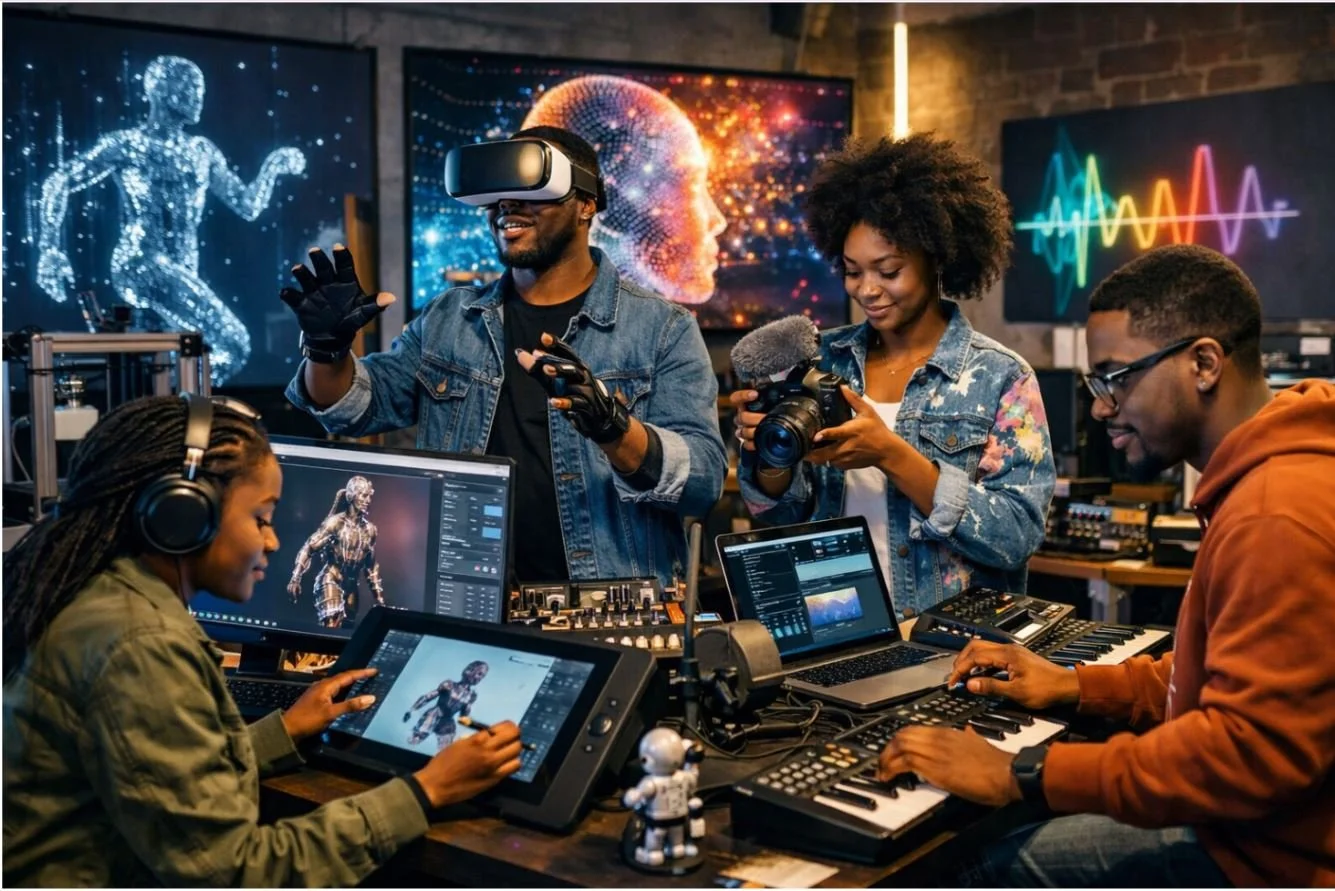
For this month's Byte Size Culture, we at AMT Lab wanted to continue our work addressing how technology is transforming the arts. In the spirit of Black History Month, we want to highlight how Black artists are working within this technology. Here are five Black artists from the last decade who are doing groundbreaking work at the intersection of art and technology.
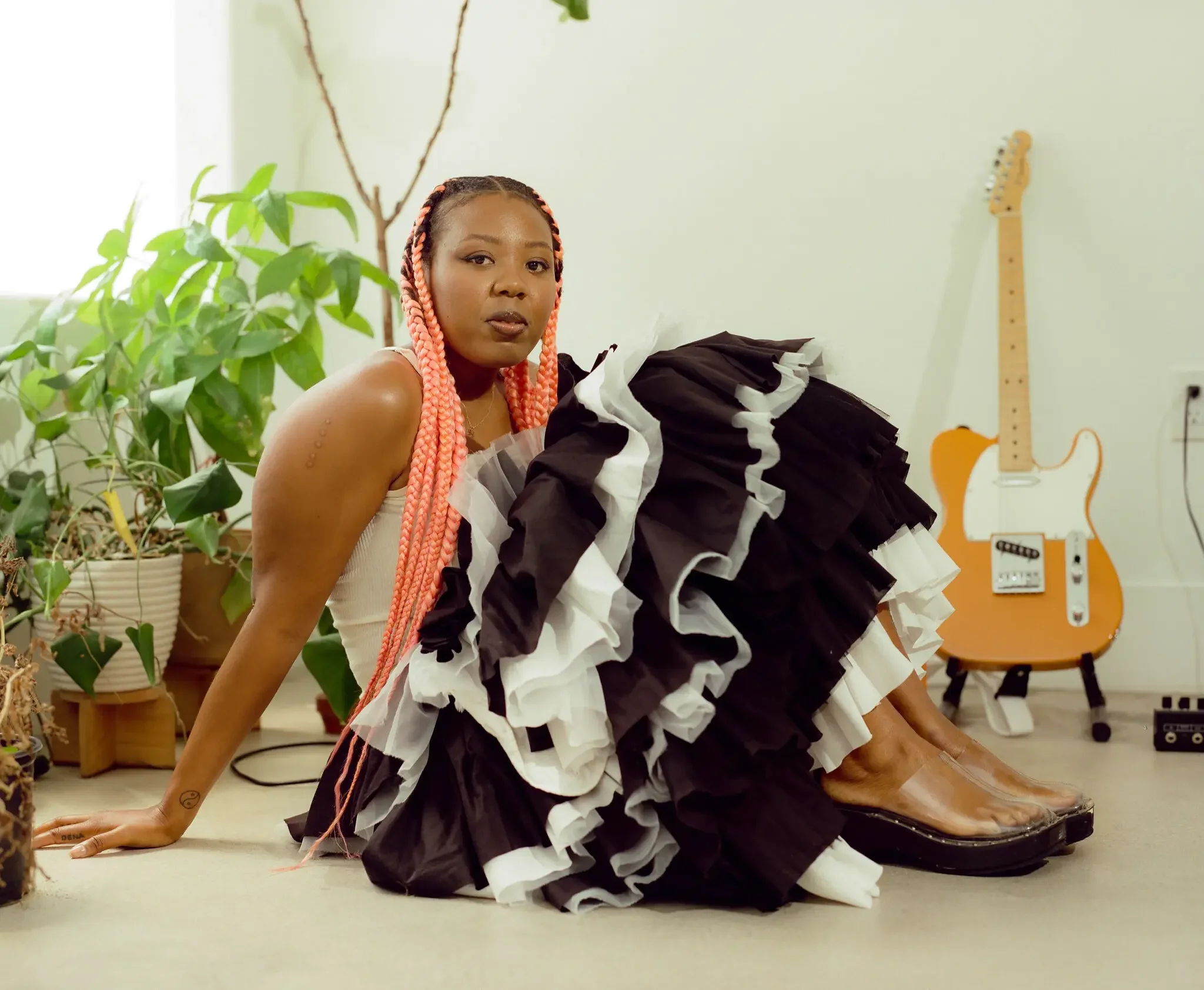
Figure 1: Syms with her electric guitar in her studio in Los Angeles. Credit: Simone Niamani Thompson for The New York Times
Martine Syms
Martine Syms (born 1988) is a Los Angeles-based artist, filmmaker, and publisher working across video, installation, performance, and software programming. She studied at the School of the Art Institute of Chicago and later taught at the California Institute of the Arts.
Syms coined the term "Conceptual Entrepreneur" in 2007 to describe her interdisciplinary approach — one in which she personally handles every stage of production, from programming to cinematography to editing.
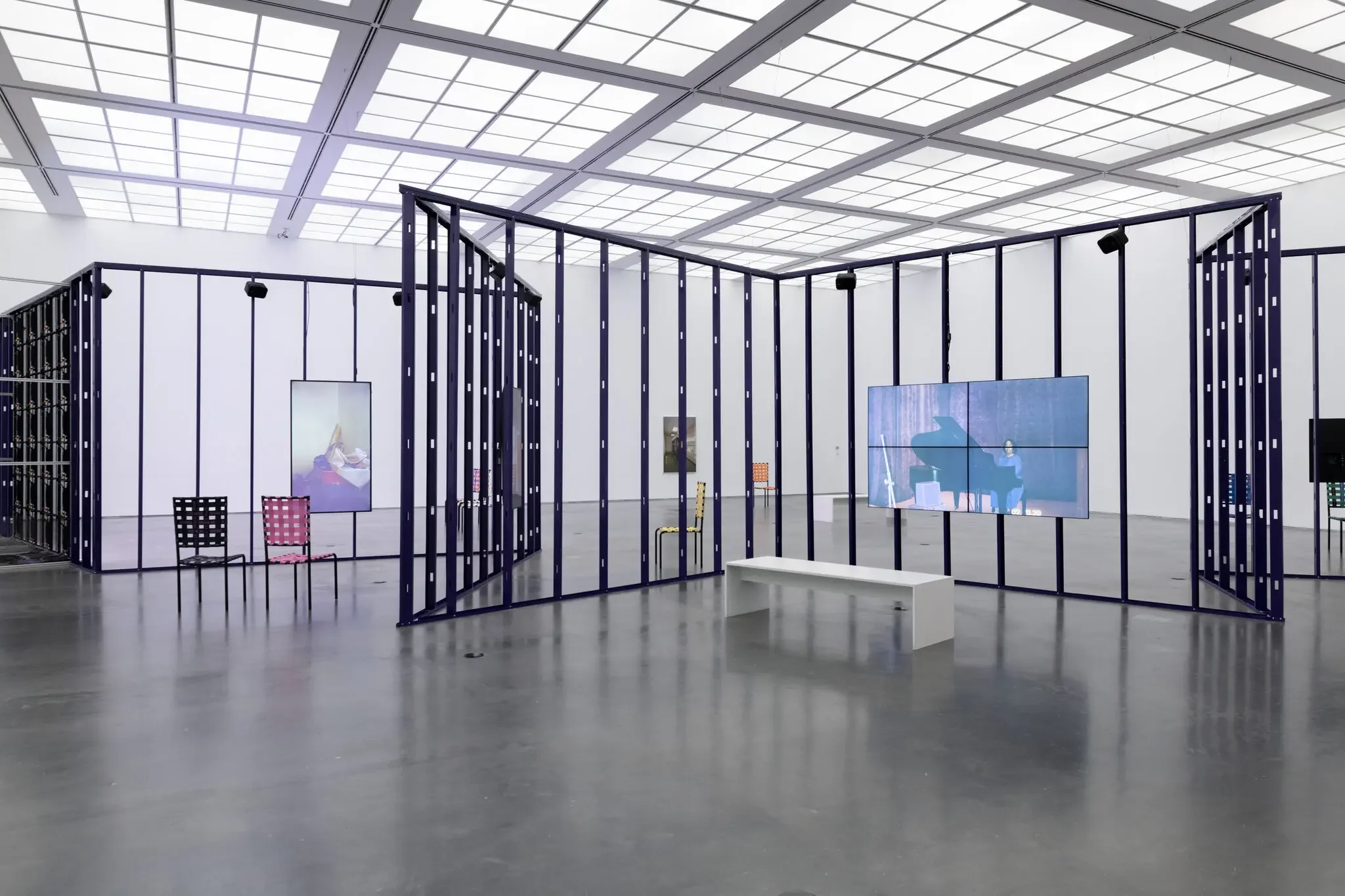
Figure 2: Installation view of Martine Syms: She Mad Season One (2023), a wry take on contemporary life as a Black woman, at the Museum of Contemporary Art Chicago. Credit: Nathan Keay/MCA Chicago
Syms's work is informed by the way screens have come to make and unmake us, and what it means to be living, breathing, moving beings in a world full of them. Syms's practice centers on how Blackness circulates through digital and media culture.
Using AI-controlled text systems, algorithmic video tools, and multi-channel video installations, she interrogates how Black women are depicted, surveilled, and erased within technological systems.
Among her many honors, Syms has received a Guggenheim Fellowship (2023), Herb Alpert Award (2022), Creative Capital Award (2021), and the Future Fields Commission (2020). Her 2022 debut feature film The African Desperate was nominated for an Independent Spirit Award in 2023. Syms's career demonstrates that working with machine learning and generative AI need not remove the artist's hand; in her practice, the technology is always in conversation with identity, history, and the politics of who gets to be seen.
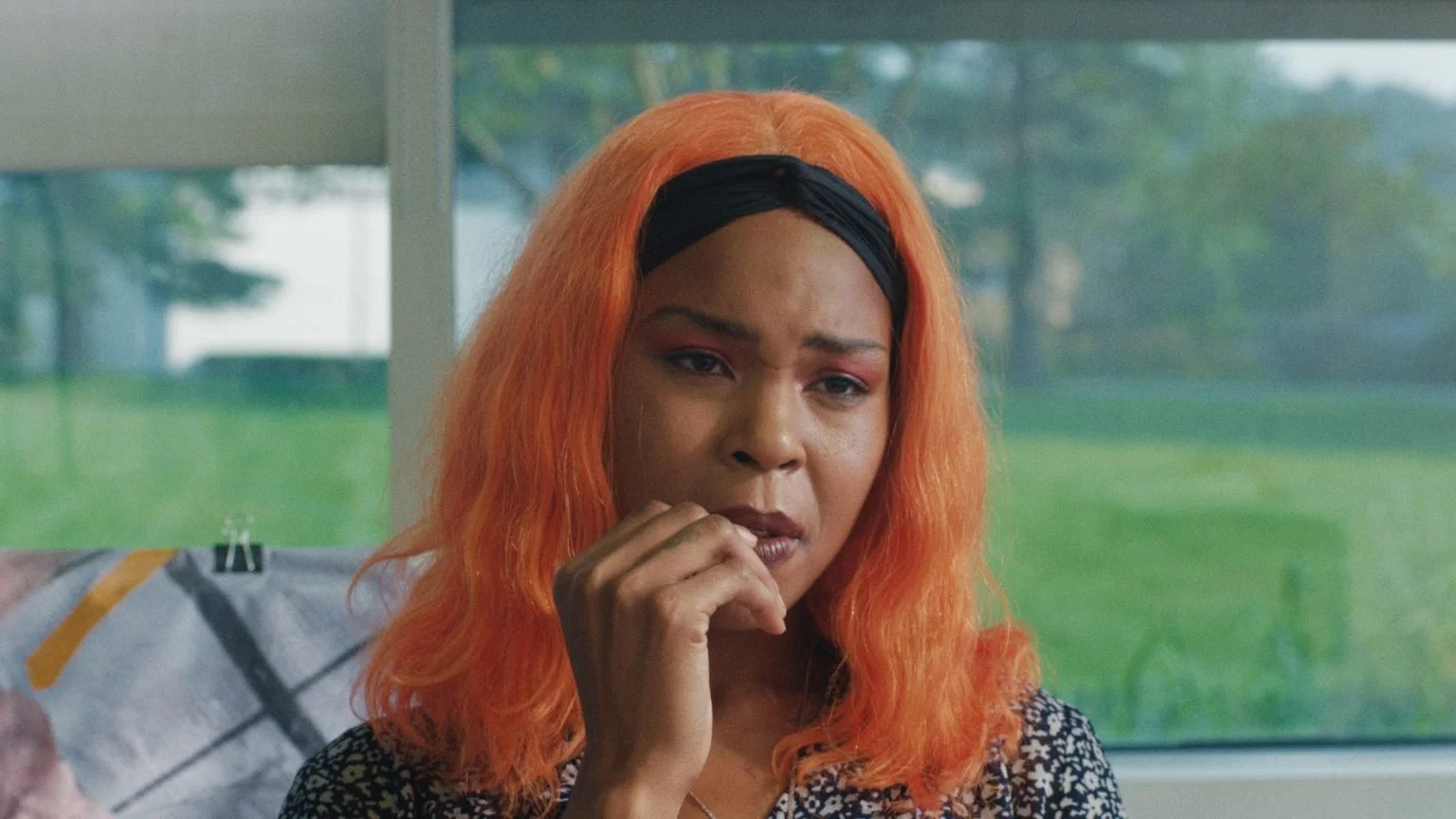
Figure 3: A still from Martine Syms’s The African Desperate (2022). Courtesy of Dominica Inc. Source: artnet
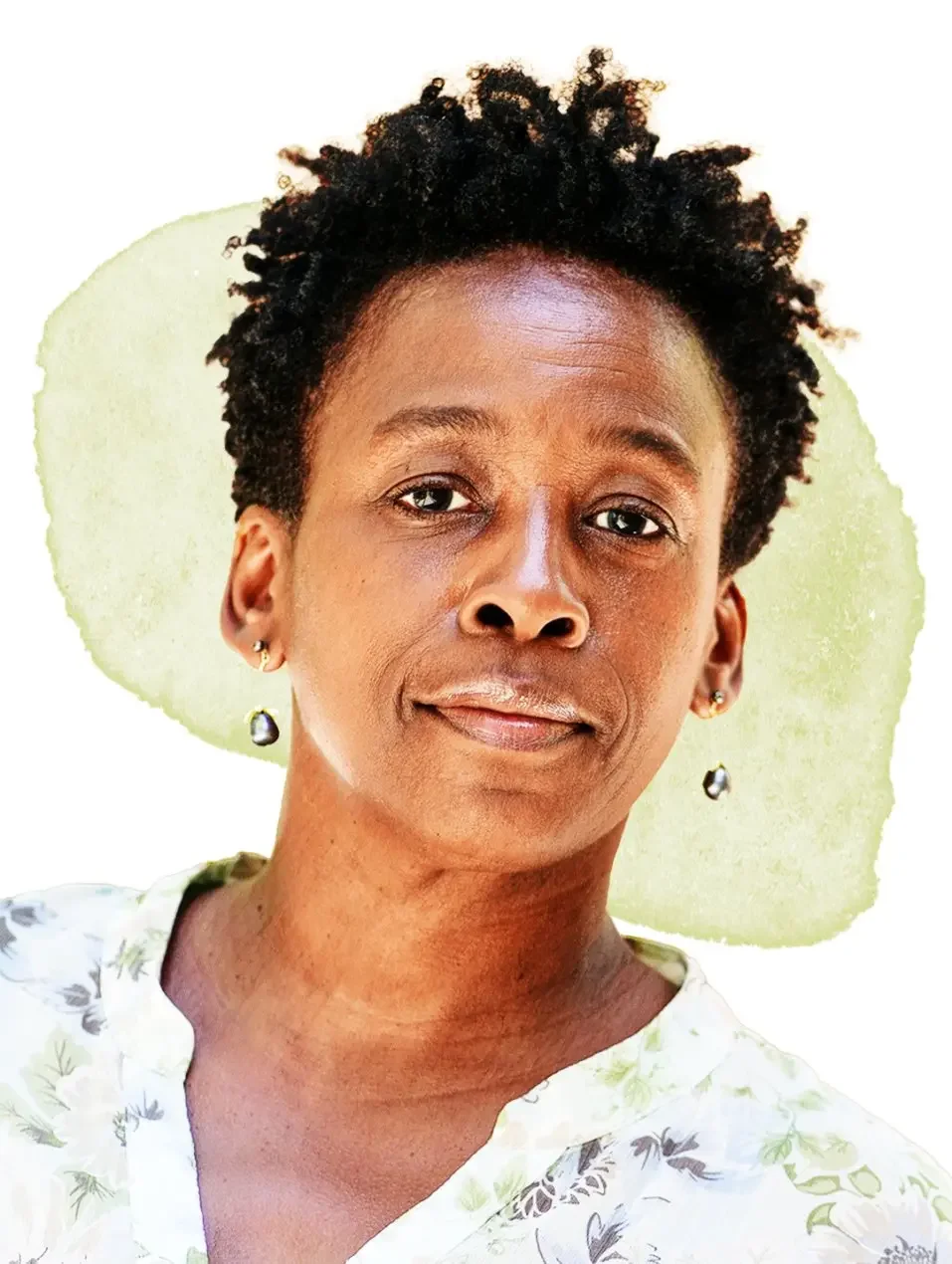
Figure 4: Illustration by TIME; reference image courtesy of Stephanie Dinkins
Stephanie dinkins
Where Syms interrogates how Black identity is filtered through screens and algorithmic systems, Stephanie Dinkins (born 1964) brings her technological inquiry directly into conversation with the machines themselves. Dinkins is a Brooklyn-based transdisciplinary artist whose practice sits at the intersection of artificial intelligence, community engagement, and speculative design. She holds a certificate in photography from the International Center of Photography and an MFA from the Maryland Institute College of Art.
Dinkins works through sculpture, code, video installation, and community collaboration, building what she describes as platforms for dialogue about AI and its entanglements with race, gender, and power.
Her landmark project Conversations with Bina48 (begun in 2014) is an ongoing series of videotaped conversations between Dinkins and Bina48, a humanoid social robot built by Hanson Robotics and the Terasem Movement Foundation and modeled after a real Black woman. Though the robot bears a Black female exterior, Dinkins found it was shaped by the biases of its white, male creators — exposing the gaps between representation and whose experiences are actually encoded within the system.
Dinkins was named one of Time Magazine's 100 Most Influential People in AI in 2023 and received the inaugural LG Guggenheim Award for artists working at the intersection of art and technology. Her work has been exhibited at the Guggenheim Museum, Bronx Museum of Art, and the de Young Museum, among others. Dinkins consistently argues that the communities most affected by algorithmic systems must be the ones shaping them.
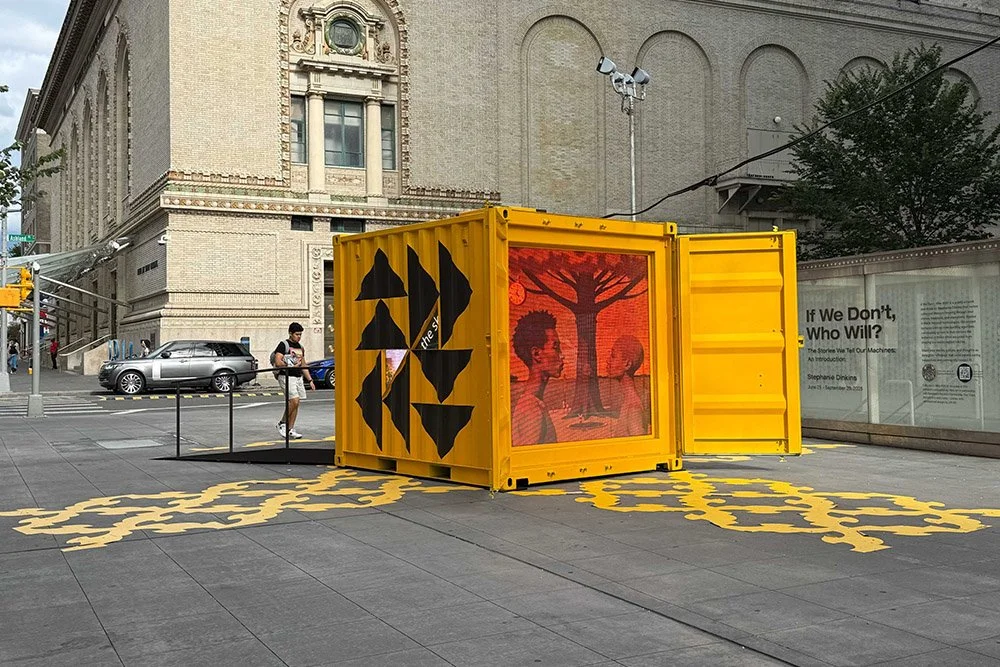
Figure 5: If We Don’t, Who Will? (2025), Stephanie Dinkins, 300 Ashland Place in downtown Brooklyn. Source: Stony Brook University
Rashaad Newsome
If Dinkins challenges who gets encoded into AI systems, Rashaad Newsome (born 1979) takes that challenge a step further by building an entirely new kind of AI from the ground up. Newsome is a multidisciplinary artist, filmmaker, and musician based in Oakland, California and Brooklyn, New York, working at the intersection of artificial intelligence, collage, performance, and community organizing.
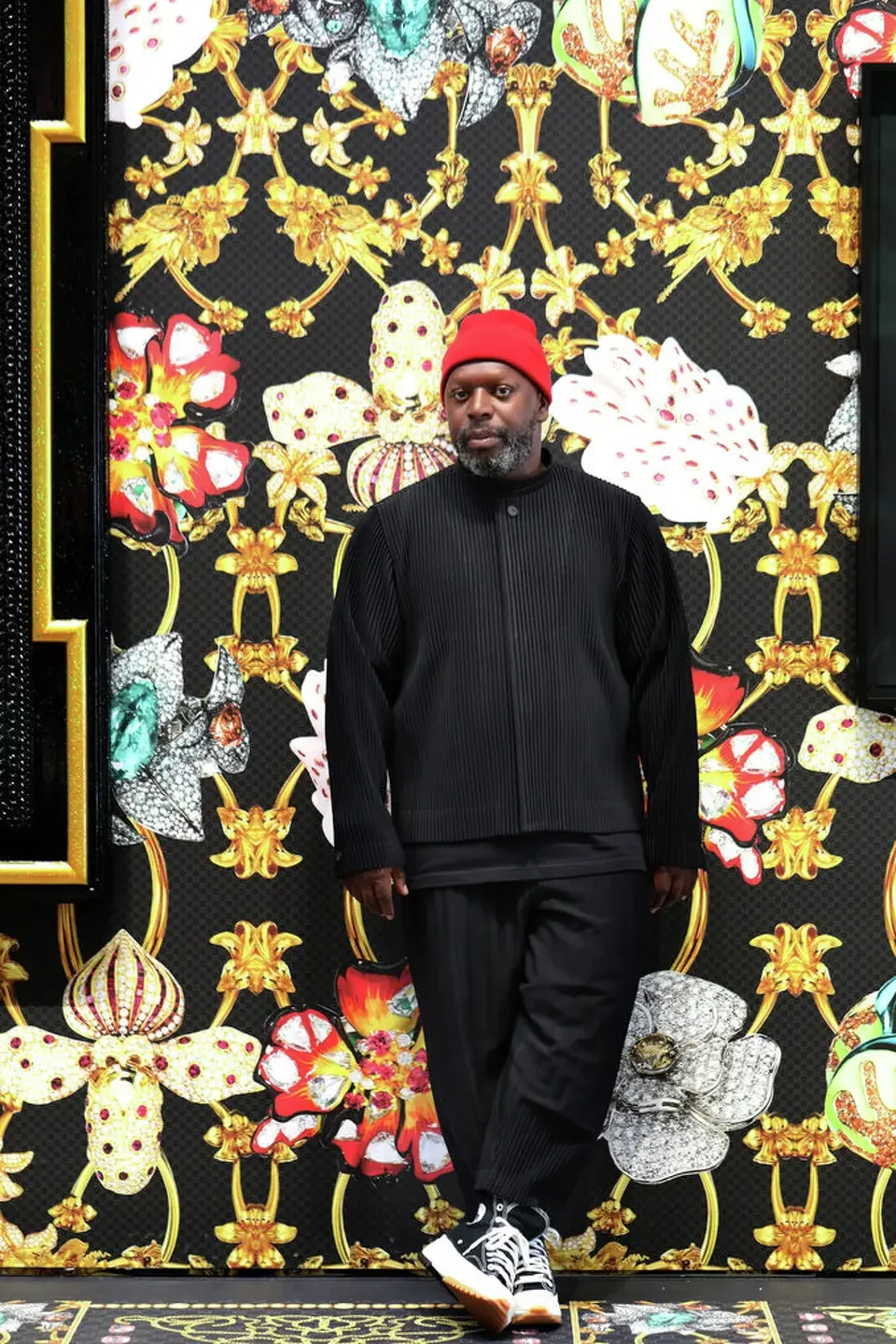
Figure 6: Rashaad Newsome’s works in his exhibition, To Be Real, at Fort Mason are presented against a background of baroque wallpaper and floor covering. Source: Liz Hafalia/ The San Francisco Chronicle
He holds a BFA in Art History from Tulane University and a certificate in digital post-production from Film/Video Arts Inc., and in 2005 studied MAX/MSP programming at Harvestworks Digital Media Art Center. Raised in New Orleans, Newsome moved to New York in the early 2000s, where immersion in ballroom culture became a defining influence on his practice.
Newsome works in AI-powered installation, CGI, holography, 3D modeling, collage, sculpture, and video. His most significant project, Being: The Digital Griot (2019–present), is an AI installation functioning as a non-binary, cloud-based humanoid designed to lead decolonization workshops, recite poetry, teach voguing, and engage audiences in critical dialogue. Being's algorithm was intentionally built as a "counter-hegemonic algorithm," trained on abolitionist texts, queer feminist theory, and the writings of bell hooks, prioritizing frameworks outside of Western indexing traditions.
His work is held in the collections of the Whitney Museum of American Art, Brooklyn Museum, SFMOMA, LACMA, and the National Museum of African American History and Culture.
His honors include the Creative Capital Award (2025), USA Artist Fellowship (2025), and the Prix Ars Electronica Golden Nica for Computer Animation (2022).
His 2025 documentary, Assembly (co-directed with Johnny Symons), premiered at South by Southwest (SXSW) and is slated to air on PBS's Independent Lens. Newsome's career makes a compelling case that AI, when trained thoughtfully on the right voices, can function as an instrument of liberation rather than exclusion.
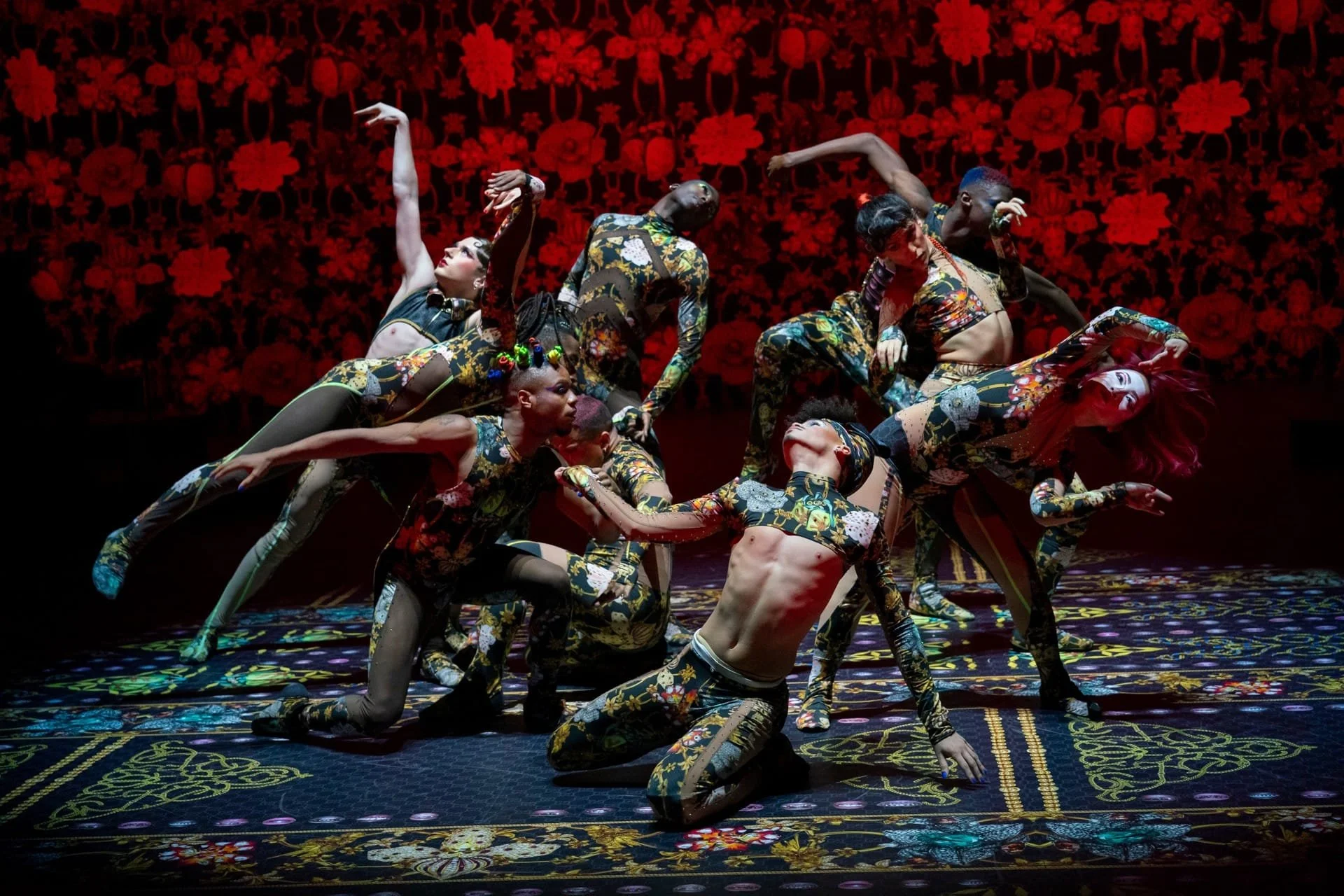
Figure 7: Still from Rashaad Newsome, Assembly (2025). Photo by Stephanie Berger, Source: Hyperallergic
Sondra Perry
While Newsome reimagines the very foundation of what AI is trained on, Sondra Perry (born 1986) turns to the visual tools of the digital world to expose how those tools have long distorted Black bodies. Perry is an interdisciplinary artist from Perth Amboy, New Jersey, working in video, 3D animation, computer-based media, and immersive installation.
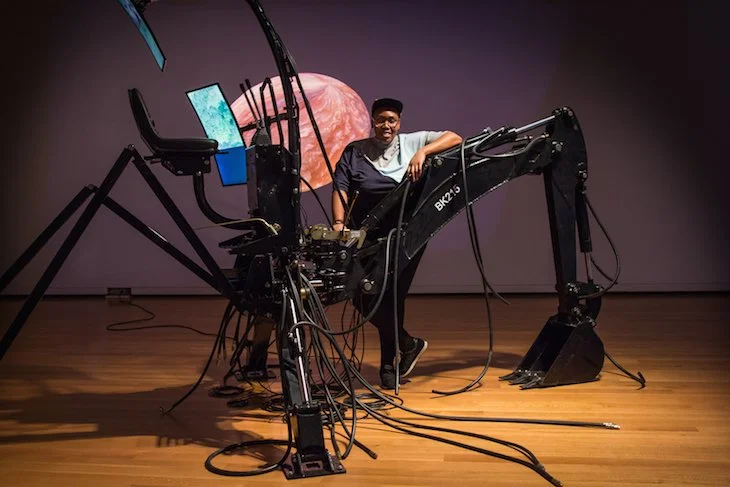
Figure 8: Sondra Perry. Photo by Natali Wiseman, Source: City Arts Magazine
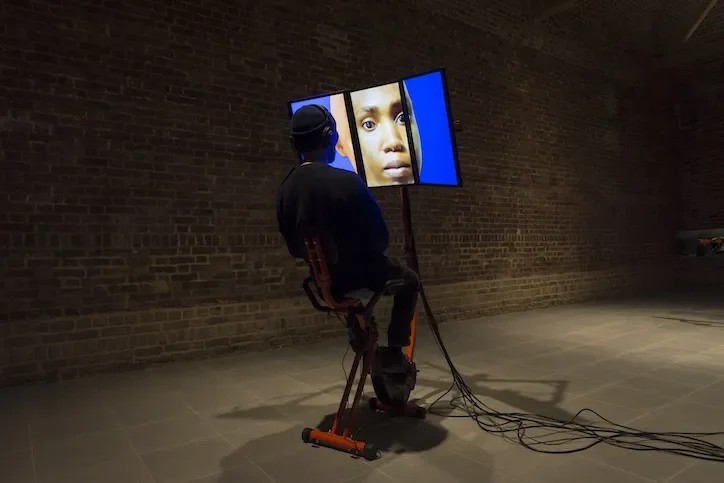
Figure 9: Graft and Ash for a Three-Monitor Workstation, Sondra Perry. Source: Isthatnice
She holds a BFA from Alfred University and an MFA from Columbia University, and has served as adjunct faculty at Columbia University's School of the Arts. Perry's practice is built around what she calls the "slippages of identity" in digital space — the ways Black bodies are rendered, commodified, and erased through the tools and technologies of the virtual world.
Perry works with an arsenal of digital tools that she deploys with pointed intentionality: chroma-key blue screens, open-source 3D modeling software, avatar-building programs borrowed from gaming culture, found footage from YouTube, and CGI rendering. In the avatar software she uses to create her digital characters, Perry finds not just bias but encoded belief — templates organized by racial phenotype, limited body shapes, and preset assumptions about who counts as a default human body. This becomes subject matter as much as method.
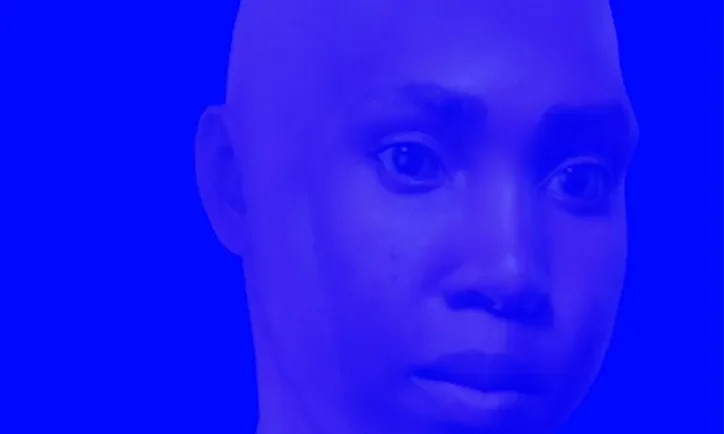
Figure 10: Close-up, Graft and Ash for a Three-Monitor Workstation, Sondra Perry. Source: Isthatnice
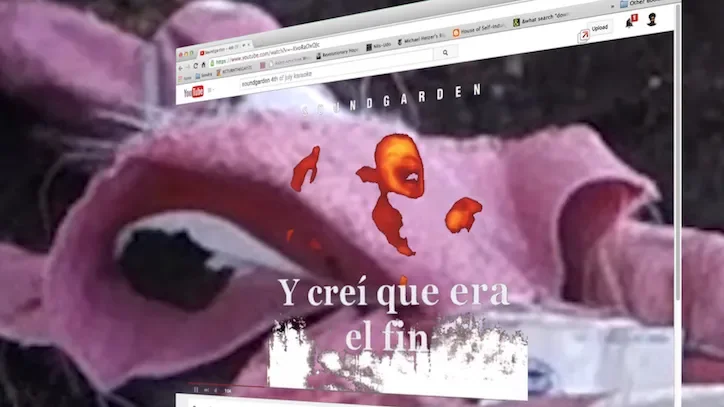
Figure 11: Lineage Multiple Monitor Workstation, Sondra Perry. Source: Isthatnice
Her work, Lineage for a Multiple Monitor Workstation (2015), placed her family members in green ski masks, the color used in chroma-key compositing, exploring how Black identity is layered, obscured, and constructed through digital imaging tools.
A later commission, Lineage for a Phantom Zone (2022), was presented at Fondation Beyeler in Basel, and her work was included in the 59th Venice Biennale that same year. Perry was also the first video artist ever awarded the Jacob Lawrence Prize (2017). In 2025, she received the Herb Alpert Award.
Perry has consistently committed to open access, making all of her videos freely available online and leasing work digitally to galleries and classrooms using open-source software — a political stance that aligns the form of her distribution with the content of her critique.
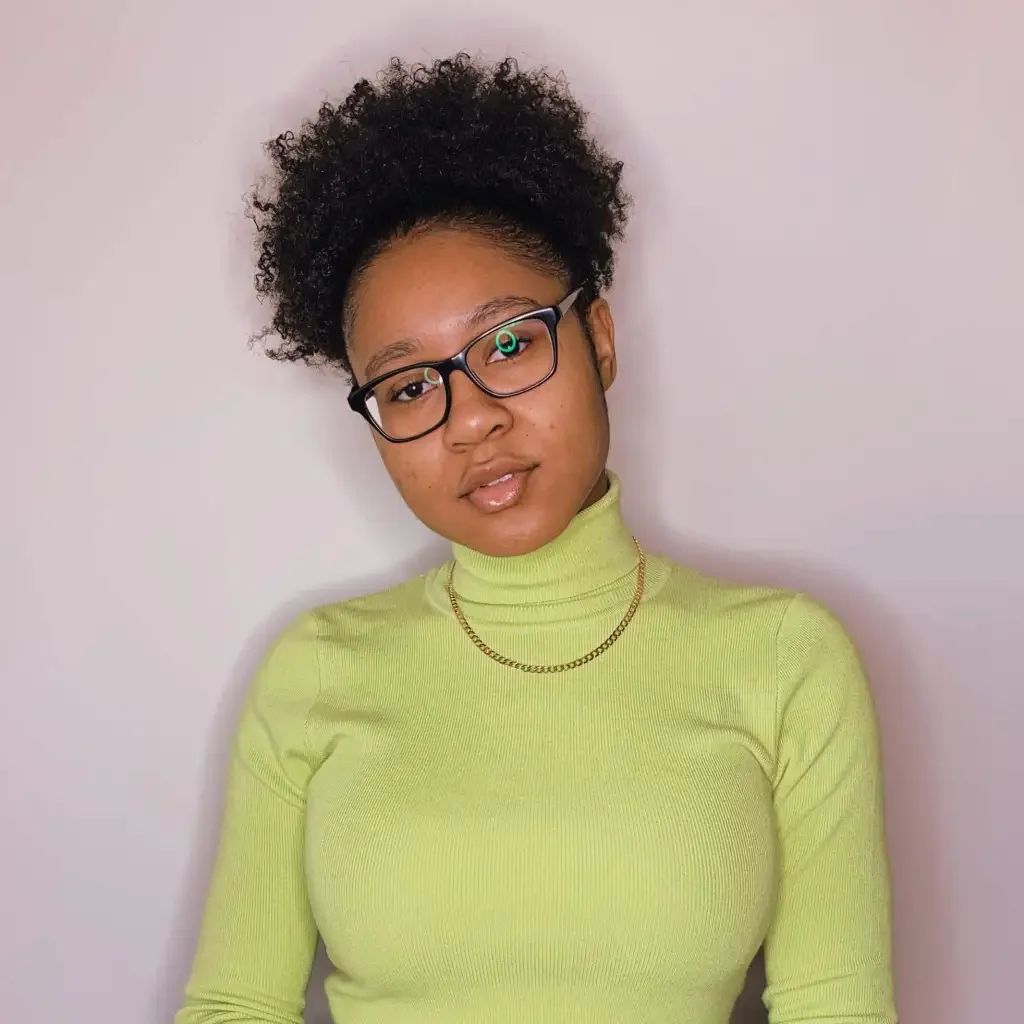
Figure 12: Shaylin Wallace, Source: Artplugged
Shaylin “SHAY THE SURREALIST” WALLACE
Rounding out this group is an artist who came of age entirely in the digital era. Shaylin Wallace (born 1999), known as Shay the Surrealist, is a Jamaican-American digital artist and graphic designer from Wilmington, Delaware, currently based in Washington, D.C. She received her BFA in Graphic Design from Salisbury University, graduating at the top of her class.
Wallace began experimenting with photo manipulation as a teenager using mobile apps such as PicsArt and Snapseed, before transitioning to Adobe Photoshop.
Wallace creates surreal digital collages using Photoshop, digitally combining, cutting, and pasting photographs to transform ordinary images into surrealistic compositions. Her work frequently centers on the divine connection between humans, nature, and the universe — blending portrait photography with flora, animals, clouds, and natural elements to explore themes of growth, transformation, and inner beauty. She also produces abstract line drawings using Procreate and has expanded into NFT creation, minting works on platforms including Foundation, OpenSea, and AsyncArt beginning in 2021.
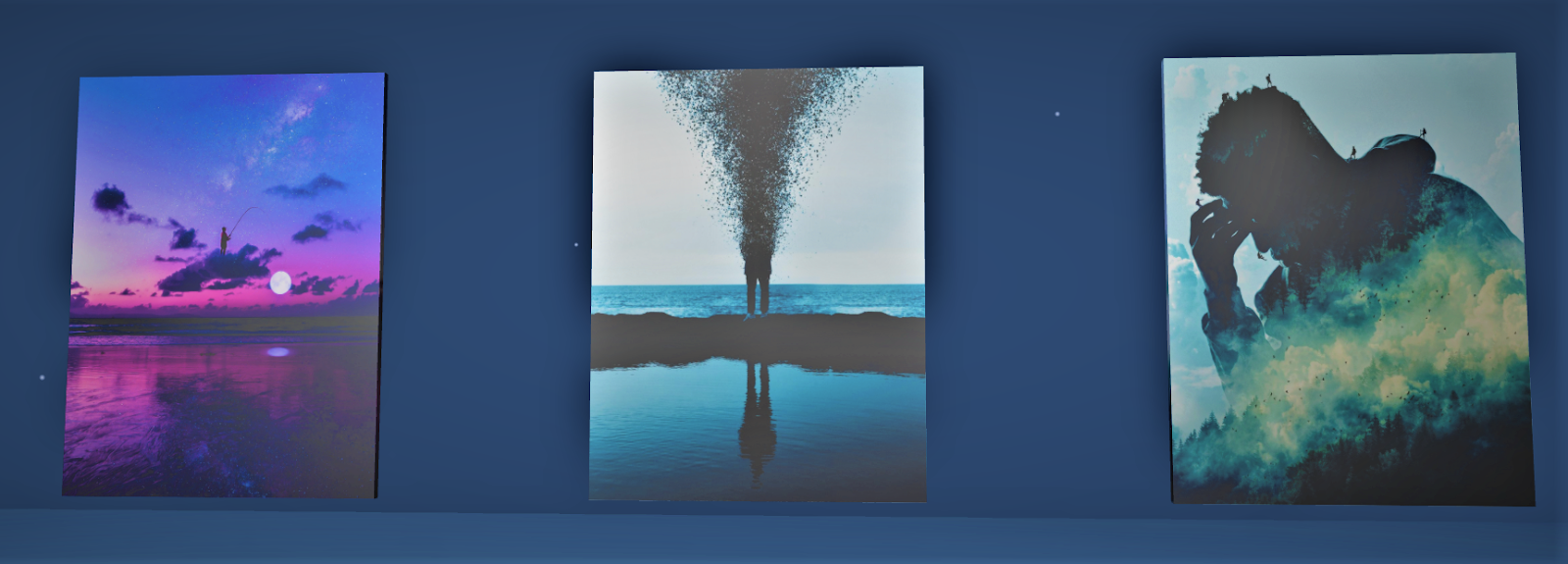
Figure 13: NFT art displayed in a Somnium Space VR dance club. Shaylin Wallace, Source: Somnium Times
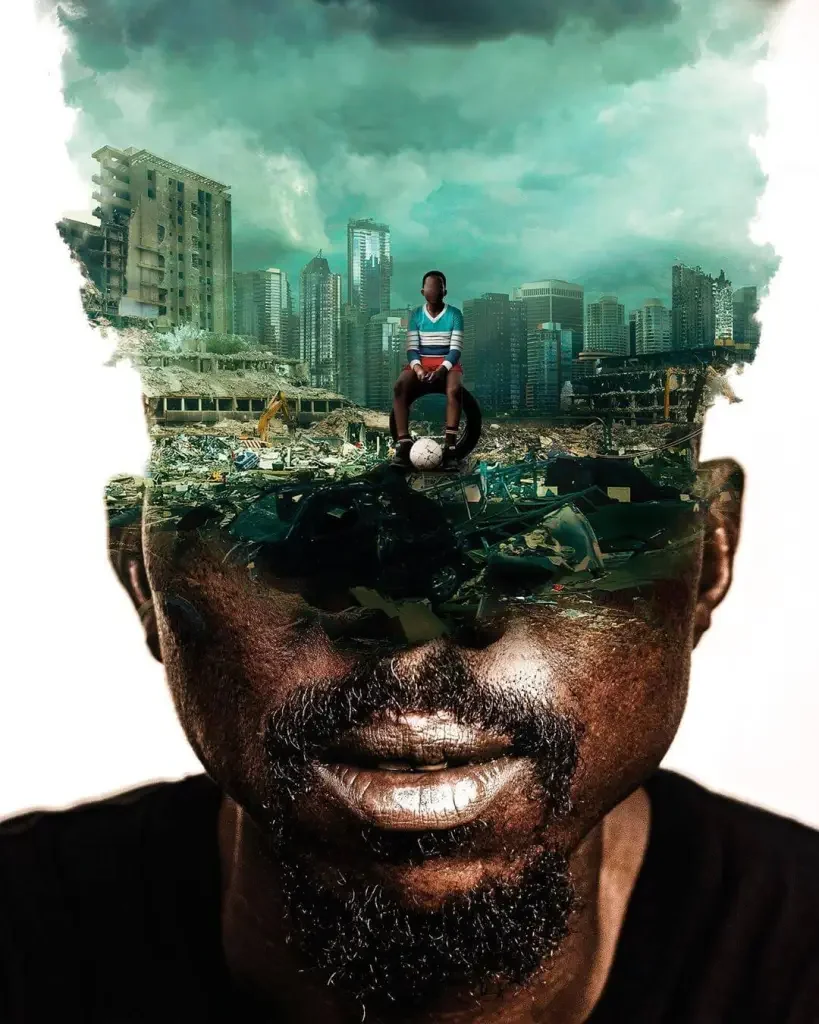
Figure 14: Internal war, external reality (2020), Shay the Surrealist, Source: Artplugged
Her Blooming Blossoms series of Afrocentric floral portrait edits has become among her most recognized digital works. Wallace has worked with major commercial clients, including Netflix, Adobe, Mercedes-Benz, AMC, Warner Bros., and Random House, and contributed artwork to television productions, including promotional material related to The Queen's Gambit and The Walking Dead.
Her work has been exhibited internationally in New York, Miami Art Basel, Italy, Portugal, and Dubai.
In 2023, she held her first solo exhibition at the Delaware Contemporary's Platform Gallery in Wilmington — a homecoming that honored the city where her artistic vision first took shape.
Each of these artists is critically examining technology's role in society while creating innovative work that expands what's possible in contemporary art. As we wrap up Black History Month, our focus remains on the power of transformative art. For centuries, Black artists have used their craft to document, challenge, and inspire. This selection offers just a glimpse into the vast sea of Black artists in the U.S. today.
ARTISTS TRANSFORMING THE ARTS
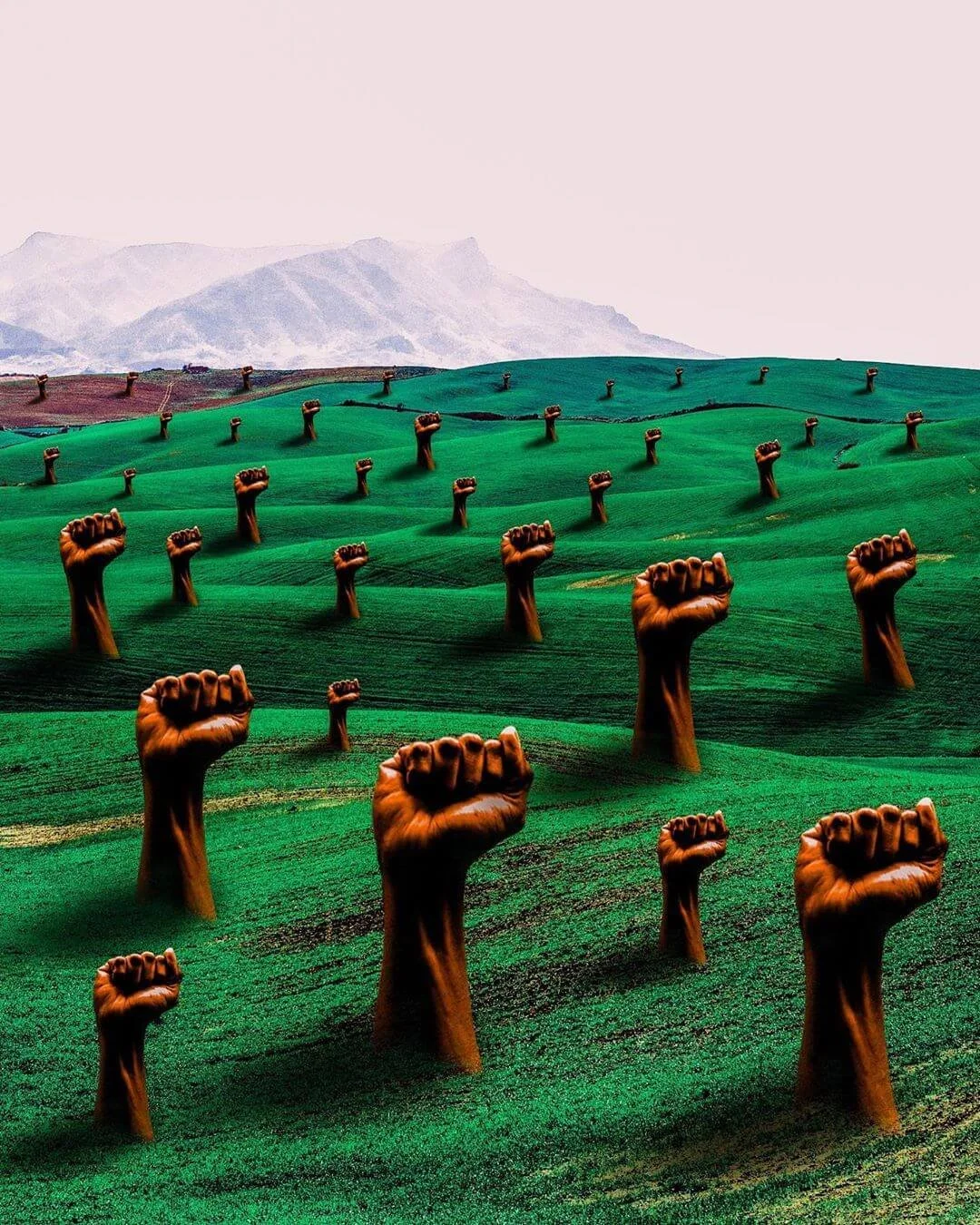
Figure 15: Field of Justice (2020), Shaylin Wallace, Source: Artplugged
Now more than ever, it is crucial to celebrate these artists, especially as traditional avenues for exposure face new challenges. For me, as both a visual artist and a future manager, the goal is two-fold: we must create physical and digital spaces where new artistic voices can receive exposure, and we must deeply understand emerging technologies.
However, true advocacy goes beyond visibility; it requires a grounded commitment to economic justice. As a future manager, I recognize that my role includes the vital responsibility of navigating the financial obligations of the industry—securing the funding necessary not just for the creation of ambitious tech-integrated works, but to ensure artists can sustain themselves and their communities.
By staying ahead of the tech curve, we can protect the intellectual property of Black creators and ensure that the next 'Renaissance' is powered by the very hands that cultivate the culture.
Check out all the artists featured!
-
Bravo, Tony. "Don't Ask Rashaad Newsome to Explain His Art. It's Your Job to Understand It." San Francisco Chronicle, January 24, 2020. https://www.sfchronicle.com/entertainment/arts-exhibits/article/don-t-ask-rashaad-newsome-to-explain-his-art-21186871.php.
Chow, Andrew R. "Stephanie Dinkins." TIME, September 7, 2023. https://time.com/collections/time100-ai/6309453/stephanie-dinkins/.
Davis, Damien. "Rashaad Newsome's Futurist Manifesto of Black Joy." Hyperallergic, July 16, 2025. https://hyperallergic.com/rashaad-newsome-assembly-futurist-manifesto-of-black-joy/.
Diehl, Travis. "The Many Lives of Martine Syms." The New York Times, September 4, 2022. https://www.nytimes.com/2022/09/02/arts/design/the-many-lives-of-martine-syms.html.
Dinkins, Stephanie. "Conversations with Bina48." stephaniedinkins.com. Accessed February 20, 2026. https://www.stephaniedinkins.com/conversations-with-bina48.html.
Gordon, Len. "Emerging Artists: Shaylin Wallace." Art Plugged, June 15, 2020. https://artplugged.co.uk/emerging-artists-shaylin-wallace/.
Migan, Darla. "There's This Illusion That It's an Equalizer: Artist Martine Syms on How Her New Film Explodes the Myth of the MFA Education." Artnet News, October 23, 2022. https://news.artnet.com/art-world/martine-syms-african-desperate-2196778.
Oly. "Shay the Surrealist on Making a More Beautiful Reality." Somnium Times, June 29, 2021. https://somniumtimes.com/2021/06/29/shay-the-surrealist-on-making-a-more-beautiful-reality/.
Snoad, Laura. "Artist Sondra Perry Uses Avatars and Animation to Challenge Representations of Blackness." It's Nice That, March 12, 2018. https://www.itsnicethat.com/articles/artist-sondra-perry-uses-avatars-and-animation-to-challenge-representations-of-blackness-120318.
"Stephanie Dinkins on Art, AI, and the Stories We Tell Our Machines." Stony Brook University News, October 22, 2025. https://news.stonybrook.edu/university/stephanie-dinkins-on-art-ai-and-the-stories-we-tell-our-machines/.
Syms, Martine. martinesy.ms. Accessed February 21, 2026. https://www.martinesy.ms/.
Vansynghel, Margo. "Sondra Perry Presents Machines, Bodies at SAM." City Arts Magazine, December 7, 2017. https://www.cityartsmagazine.com/sondra-perry-presents-machines-bodies-sam/.
Wallace, Shaylin. SMW Visuals. Accessed February 21, 2026. https://www.smwvisuals.com/.
"Black Artists You Should Know." Digital Arts Blog. Accessed February 19, 2026. https://www.digitalartsblog.com/artist-spotlights/black-artists-you-should-know.