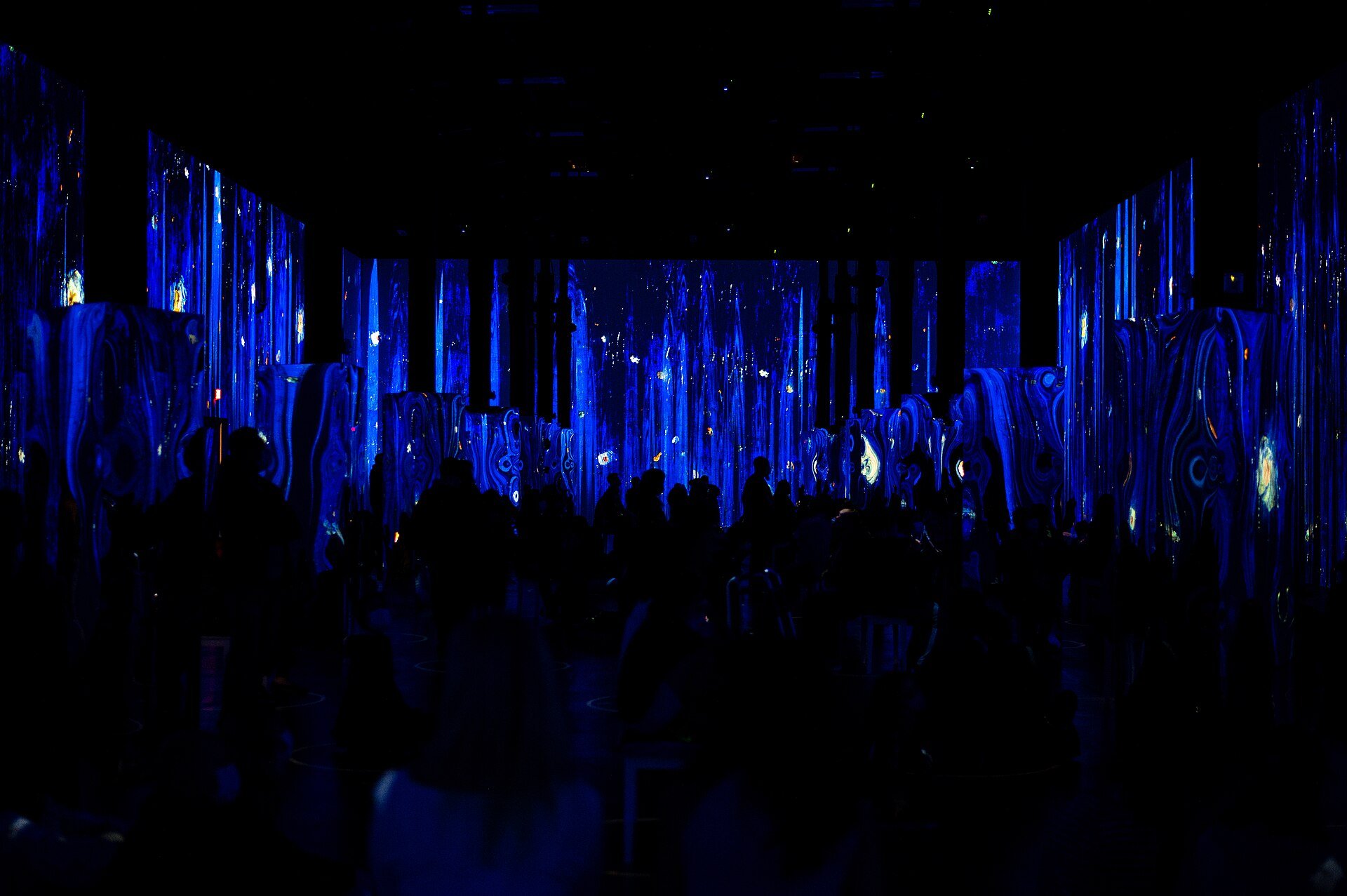

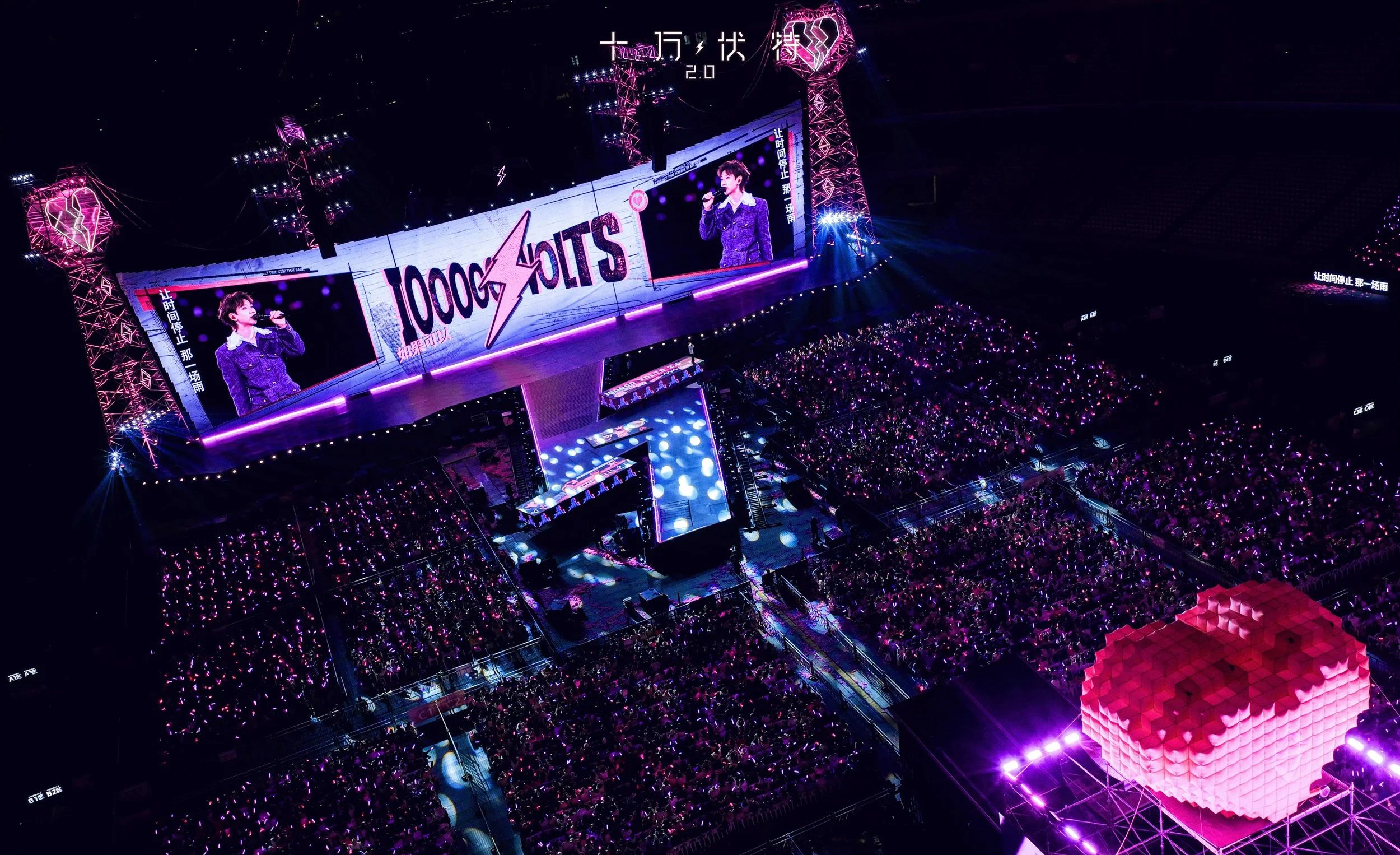
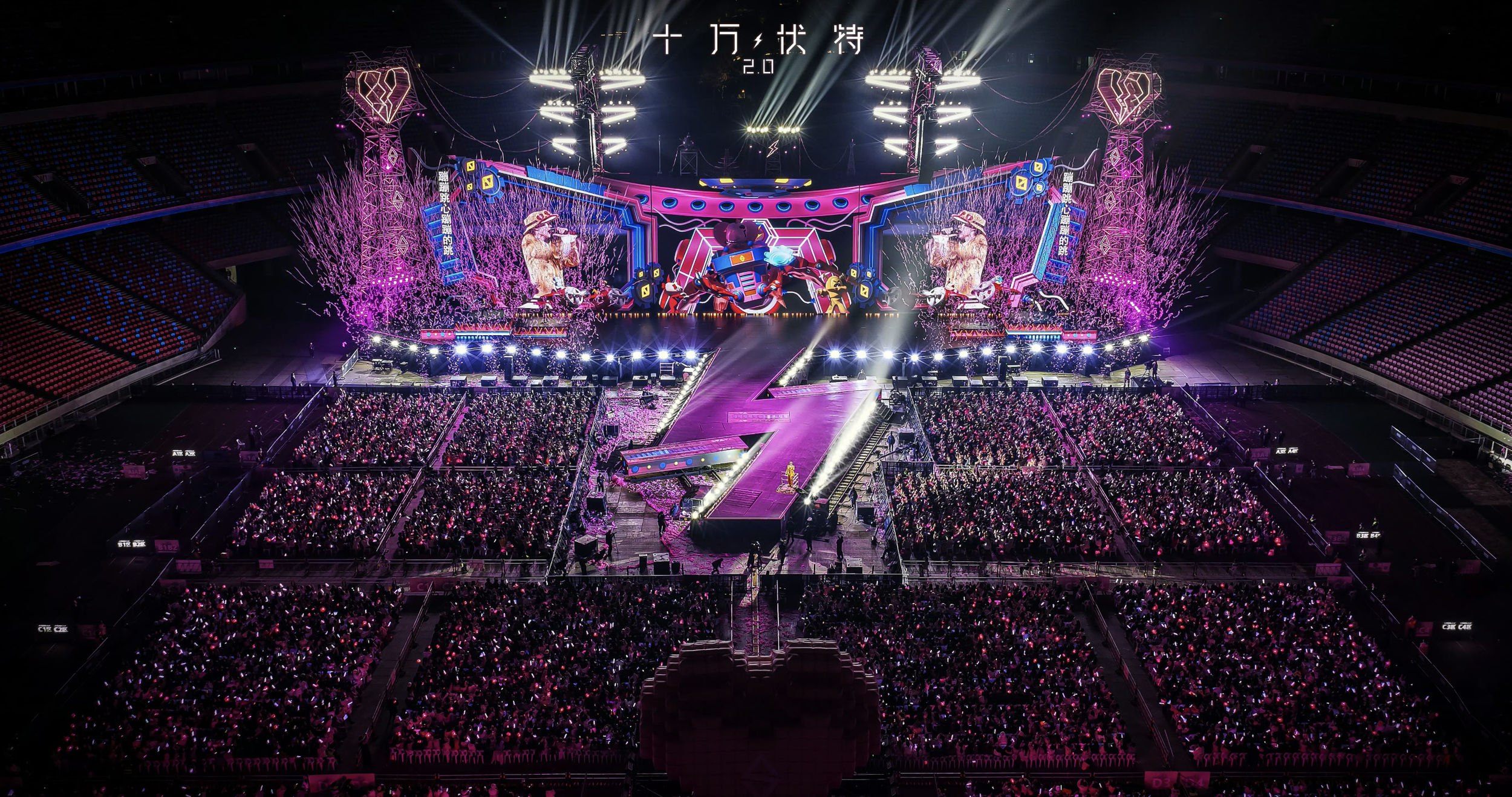

As immersive technologies redefine the live concert experience, artists and virtual idols alike are transforming how audiences engage with music. From Hatsune Miku’s “holographic” performances powered by projection and LED technologies to VR concerts by creators like BlackGryph0n and Gorillaz, extended reality (XR) is blurring the lines between physical and digital performance. This article explores the evolution of Vocaloid software, the artistry behind digital concerts, and the growing influence of augmented and virtual reality in live music. As AR and VR become more accessible, musicians and fans alike are discovering new ways to connect—reshaping what it means to perform, attend, and experience music in the digital age.
Extending Reach with Extended Reality: Live Theatre Performance and XR
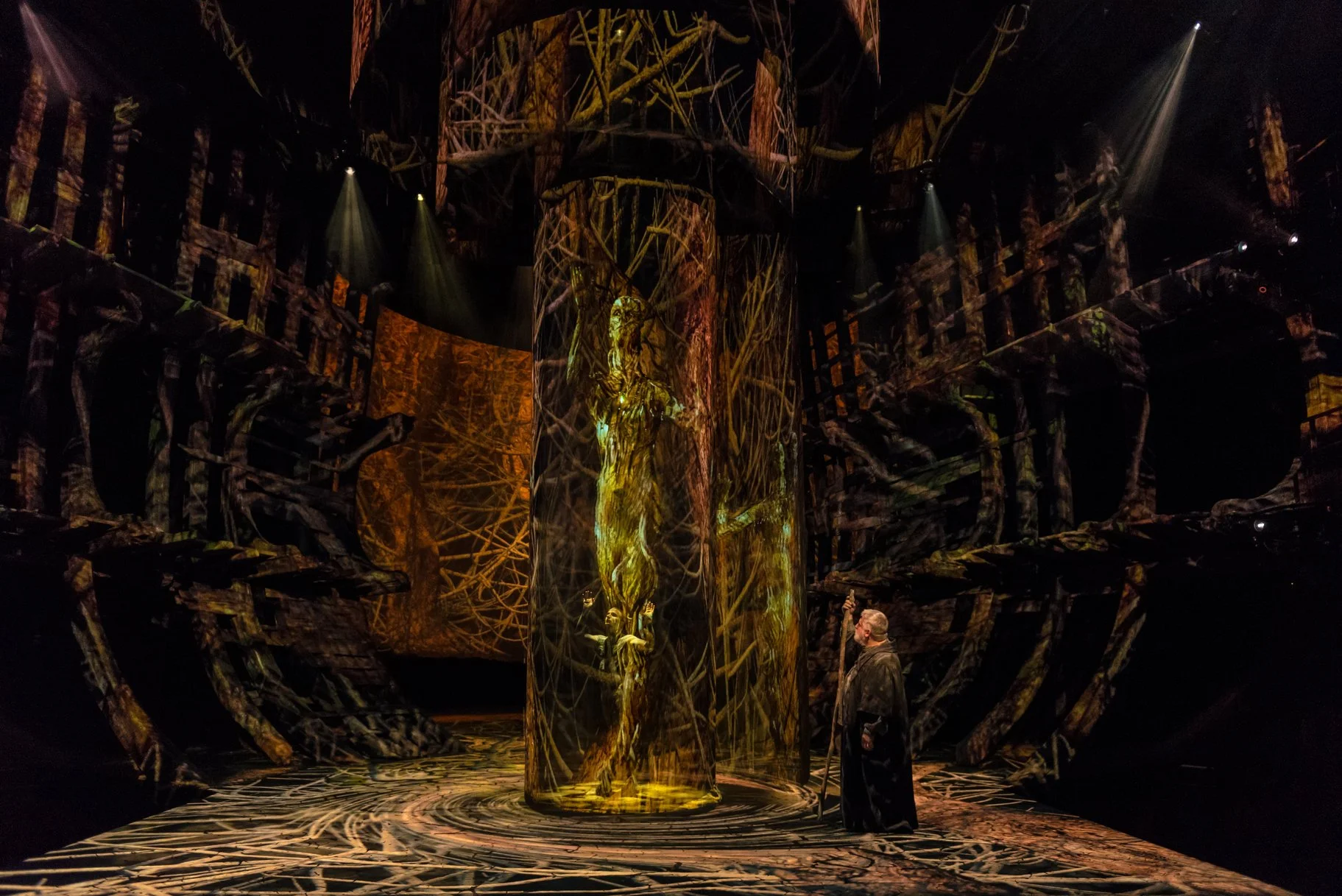
This article examines how extended reality (XR) technologies are expanding theatre’s reach beyond the physical venue. Building on proshots’ successes and shortcomings, it maps liveness through four components—temporality, exclusivity, spatiality, and interaction—and tests them across emerging formats: immersive dome screenings (Cosm), phone-based AR experiments (All Kinds of Limbo, The Tempest), and avatar-led VR productions (Tender Claws, Adventure Lab). XR’s promise is real—richer presence, audience participation, and radical portability—but so are the hurdles of motion capture quality, cost, technical literacy, and scale. Rather than replacing stagecraft, XR functions as a flexible toolkit that opens new creative and accessible pathways for live performance.
Should The Music Industry Go Virtual? A Case for Investing in VR Concerts
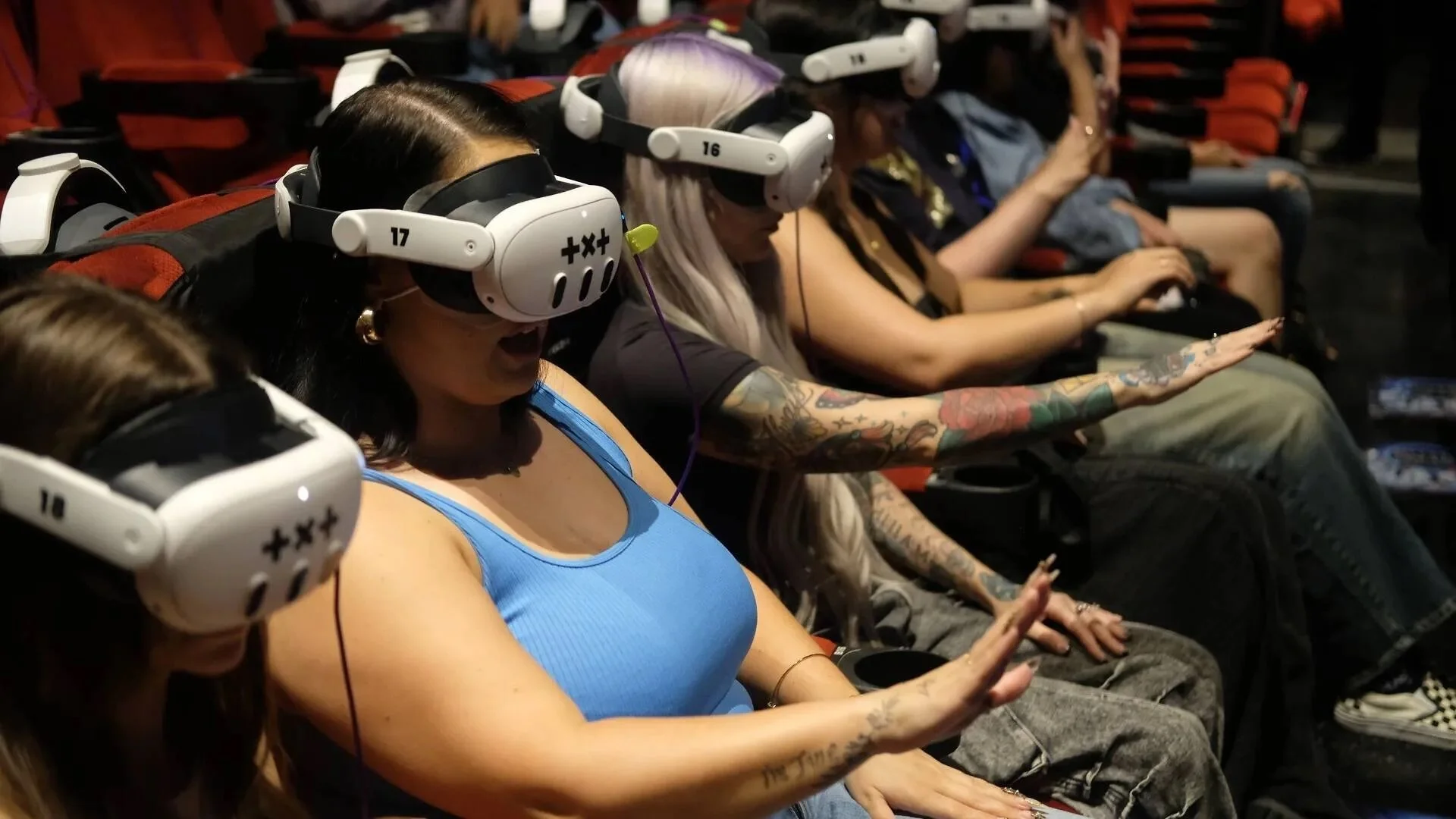
Since the pandemic, the VR concert industry has slowly become more mainstream as worldwide superstars like Megan Thee Stallion, Sabrina Carpenter and TOMORROW X TOGETHER adopt and utilize immersive realities. This article explores what music fans want, available VR concert formats, common technical limitations, and the experiential differences between in-person and VR concerts — questions labels and artists must consider before investing resources and funds into creating VR content.
Advertising Monopolies, AI Policy, and Pirating Issues
This spring, we saw major movements in the legal landscape of digital advertising. Between Google being ruled as an advertising monopolist and Mark Zuckerberg’s war on creative materials, digital advertising is gearing up for change. Read on for more information, including pirating issues, new ambitions for VR movies, and increased access to AI image generation.
All the World’s a Stage and the Technology Merely a Player
More than 400 years after Shakespeare’s death, his works remain essential to theatre as we know it. Now, emerging technology is changing the way we interact it. From extended reality to artificial intelligence, audiences can now immerse themselves in performances and extract meaning from texts in ways never seen before.