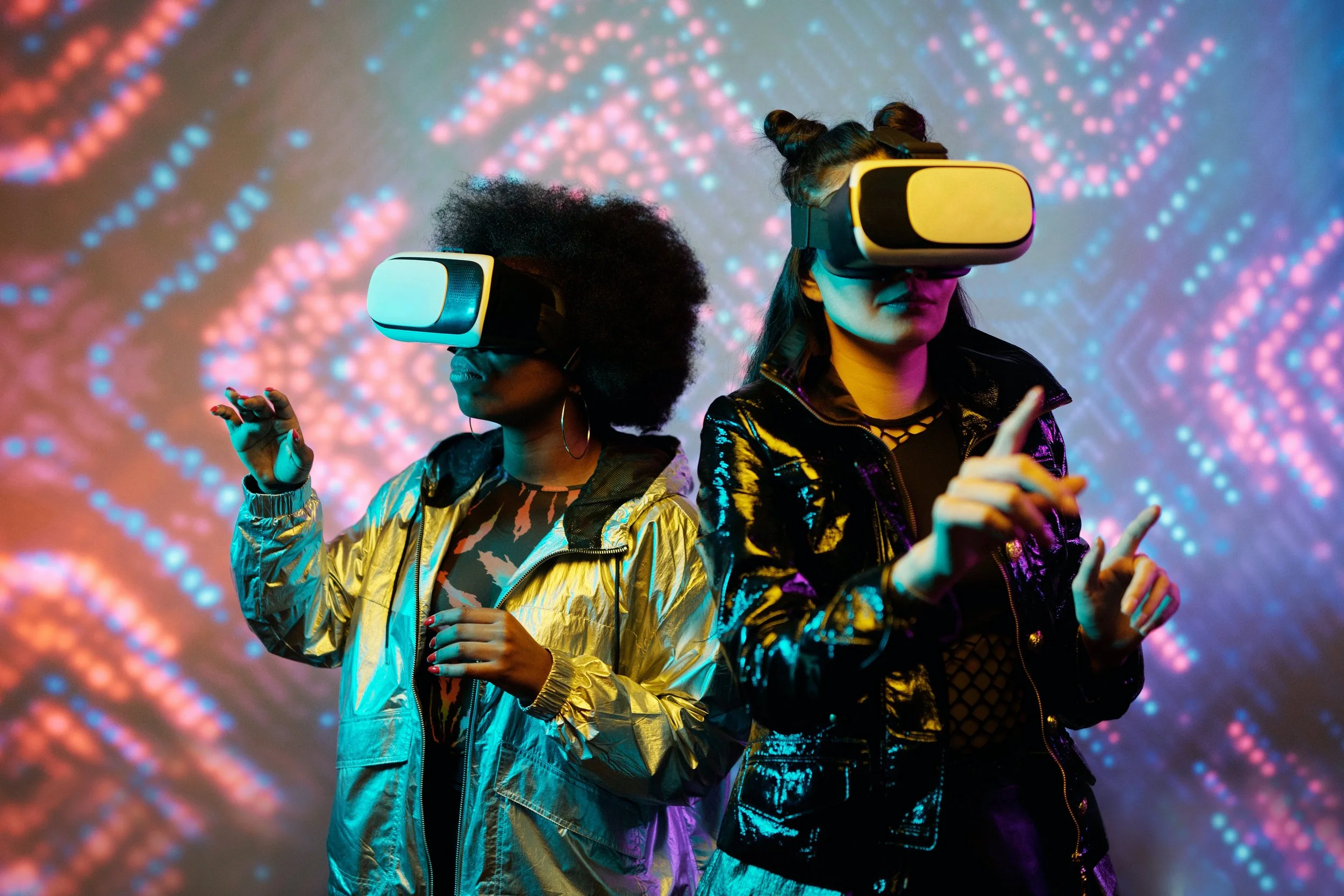





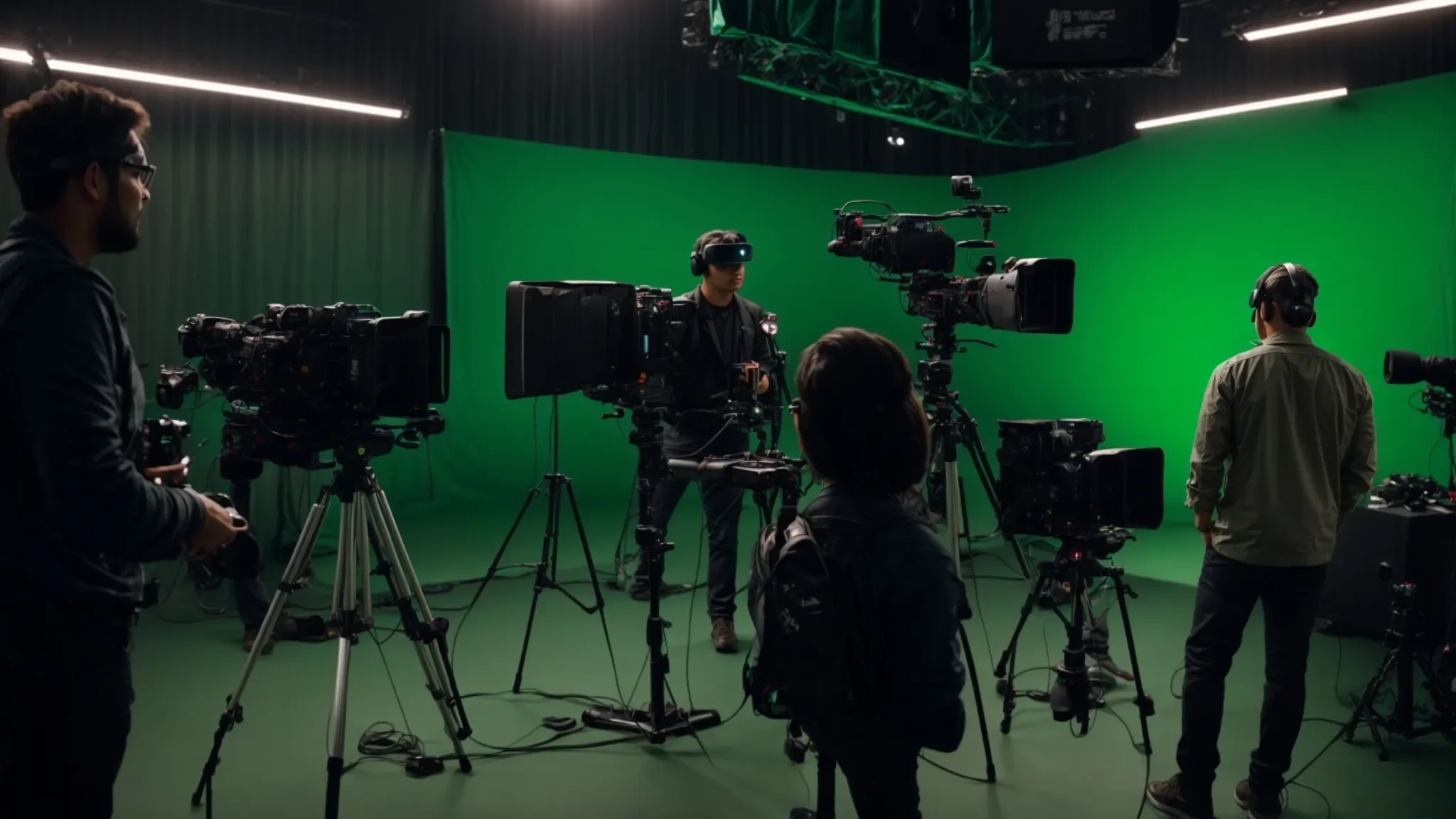
This article explores how extended reality (XR) - including augmented, mixed, and virtual reality - is reshaping acting training by layering immersive technologies onto long-established methods like Stanislavski-based technique and the Method. Drawing on examples from Basrah to Juilliard and Odin Teatret, the piece shows how XR can deepen character work, expand dramaturgical research, and personalize feedback through data-driven simulations. At the same time, it raises urgent legal, ethical, and social questions around biometric data, FERPA and HIPAA protections, digital Blackface, and harassment in virtual spaces. Rather than treating XR as a magic solution, the article argues that thoughtful pedagogy, clear institutional policies, and equity-minded design are essential if these tools are to support - not replace - human-centered theatre education.