






television

The Politics of Portrayal: Motherhood Narratives on Television During Policy Transformation

The Politics of Portrayal: Motherhood Narratives on Television During Policy Transformation

Between 2017 and 2024, portrayals of motherhood on American television evolved alongside seismic shifts in reproductive rights policy. As streaming platforms expanded creative freedom, shows depicted increasingly diverse maternal experiences—grappling with infertility, childcare, abortion, and the pressures of “good motherhood.” At the same time, landmark legal changes, including the 2022 Dobbs v. Jackson decision, reshaped the national conversation about reproductive agency. This article explores how television both reflected and anticipated these political transformations, revealing the cultural narratives that influence—and are influenced by—the legal realities of parenting in America.
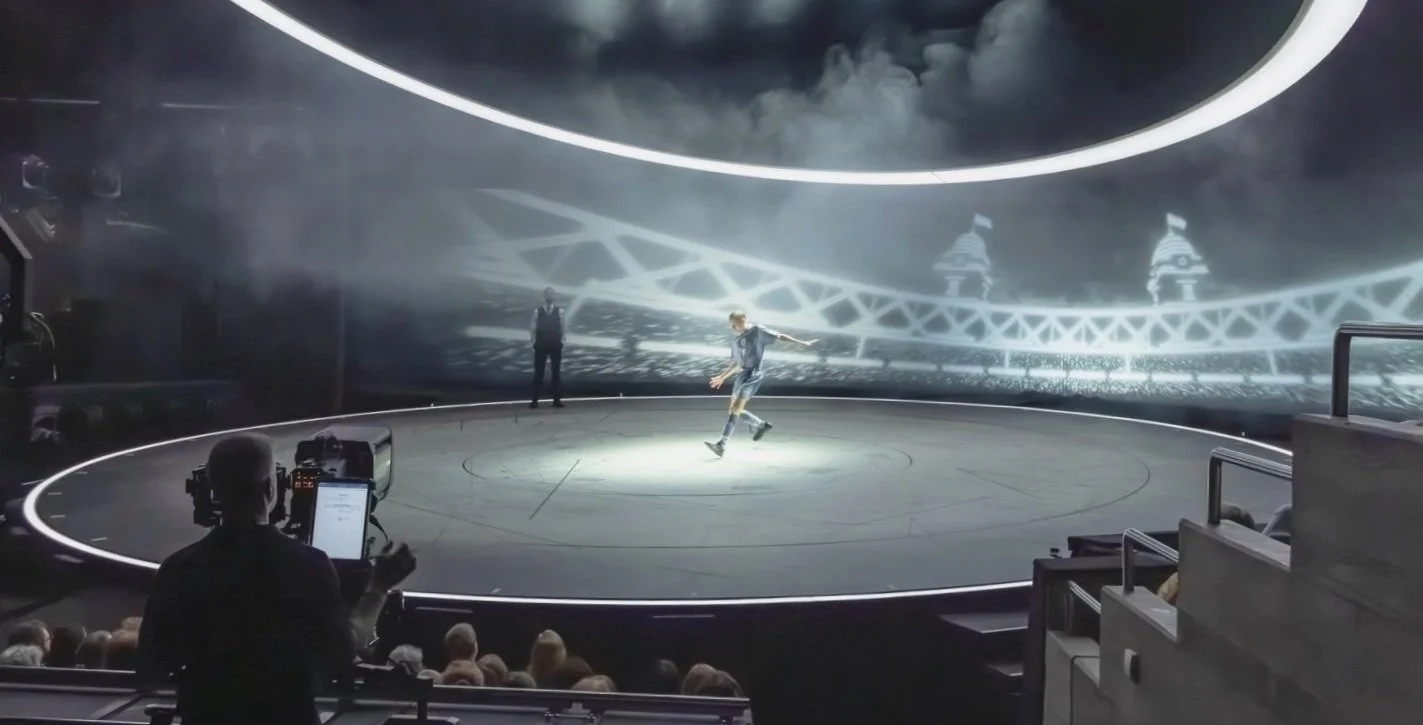
The Impact of Live Broadcast on Theatre Performance Practice and Audience Engagement

The Impact of Live Broadcast on Theatre Performance Practice and Audience Engagement

Theatre live broadcasting has existed across various media for nearly a century. In its early days, it was delivered through radio and television. In the 21st century, advancements in technology enabled broadcasts on large cinema screens. During and after the COVID-19 pandemic, however, lockdowns and shifts in audience behavior appeared to redirect attention back to small screens. This research explores the meaning of “liveness” and whether live theatre broadcasts, sometimes costing up to $3 million, are worth the investment. 

Part II: Game IP: From Console to Screen

Part II: Game IP: From Console to Screen

As the video game industry continues to grow, Hollywood studios are capitalizing on this intellectual property (IP) success through film and television adaptations. Students from Heinz College’s Master of Entertainment Industry Management program sought to better understand the current market for these adaptations. In Part II, see what film and video game executives consider to make an adaptation successful. Additionally, through a survey of gamers and non-gamers, learn what potential audiences prefer to see. 

Case Study of China’s Entertainment Market under COVID-19

Case Study of China’s Entertainment Market under COVID-19

As we near the end of 2020, it is important to consider the emerging opportunities for live television as the world transitions through the global pandemic. Live performers sharing space is one aspect of a live broadcast. A second element is a live audience. The following case study focuses on how China restarted its entertainment industries and how other markets might adapt as well.

How Covid-19 Has Impacted Live Audience-Based TV Shows

How Covid-19 Has Impacted Live Audience-Based TV Shows

One of the areas of the entertainment industry that has been hit the hardest by the Covid-19 pandemic is live audience-based TV. Not only is it difficult for show participants to film in person, but social distancing guidelines also prevent live audience members from attending normally. To investigate the effects of the pandemic on live audience-based TV, this post will look at the political, economic, social, and technological factors that are impacting live entertainment in the United States.