
As we celebrate another groundbreaking Women's History Month, we at AMT Lab are highlighting five women whose work sits at the intersection of arts and technology. This group includes women working across many disciplines, and they have been honored by some of the most prestigious institutions in their fields, including the MacArthur Fellowship, the Prix Ars Electronica, and Time Magazine's 100 Most Influential People in AI. Across new media, theater, performance, music, and artificial intelligence, these women have not only excelled in their disciplines but have fundamentally reshaped them.
Lynn Hershman Leeson
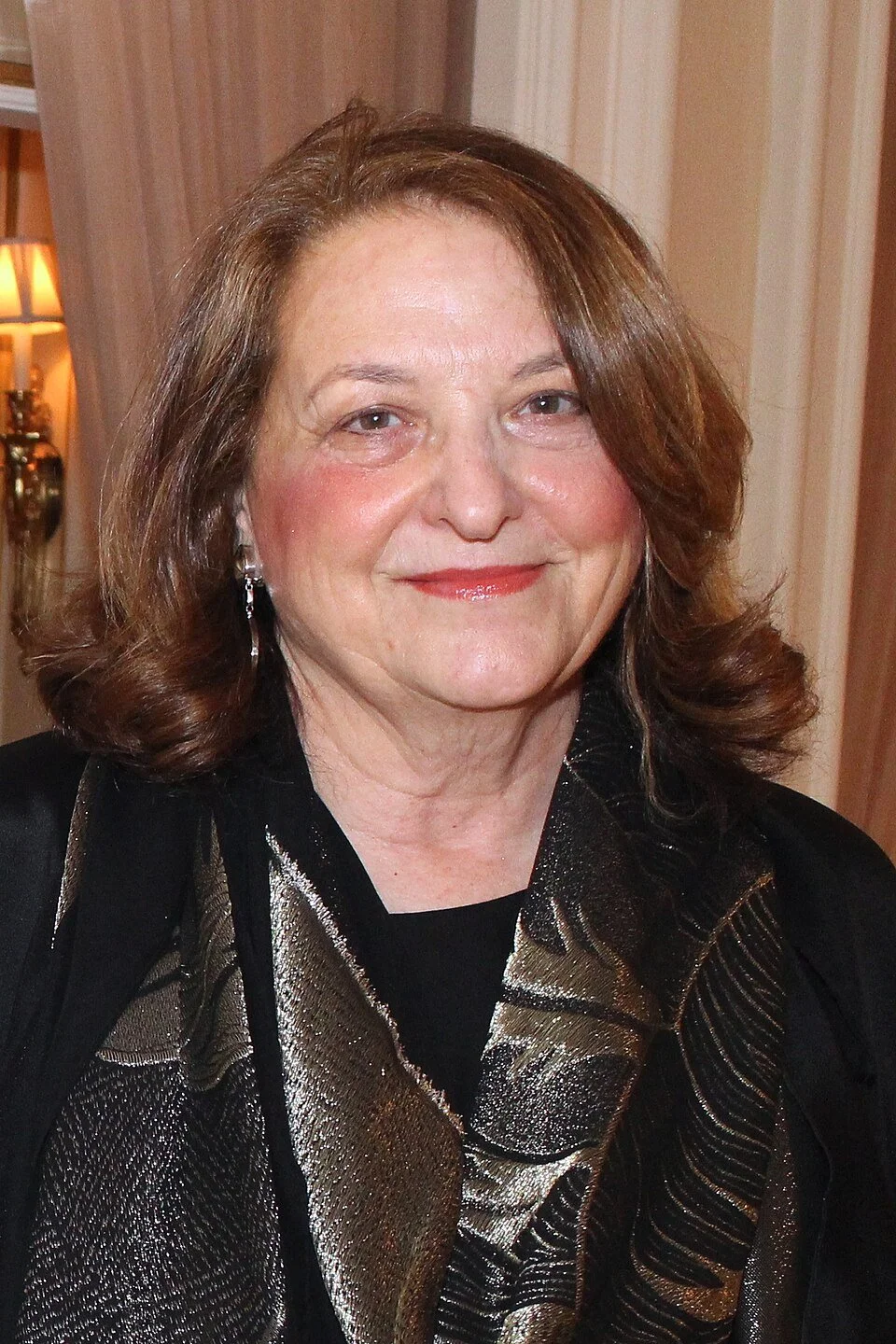
Figure 1: Lynn Hershman Leeson at the Women's eNews 21 Leaders for the 21st Century Annual Gala (2014), Source: Wikimedia Commons
Lynn Hershman Leeson is a Cleveland-born media artist and filmmaker whose practice has spanned over five decades, making her one of the most important pioneers in digital and interactive art.
Working across film, interactive installation, robotics, and surveillance-based media, Leeson was the first artist to launch an interactive piece using Videodisc (Lorna, 1983–84), the first to incorporate a touch screen interface into artwork (Deep Contact, 1984–1989), and the creator of what is recognized as the first AI installation in 1988. Her work consistently interrogates how technology controls, surveils, and constructs identity, with particular attention to the female body and its representation in digital space.
Central to her practice is the use of alter egos and fictional personas as art. Her most influential performance work, Roberta Breitmore (1973–), involved Leeson and three subsequent women enacting a fictional character in real time and space, complete with fabricated artifacts of daily life. The concept of fractured identity and multiplicity that Roberta Breitmore introduced anticipated the surrogate identities that would flourish in digital and virtual worlds decades later. Her six feature films, including Teknolust, Conceiving Ada, and !Women Art Revolution: A Secret History, are in worldwide distribution, and her artwork is held in major public collections, including MoMA and SFMOMA, which acquired its first NFT from Leeson in 2023.
Some of Leeson's honors include the Prix Ars Electronica Golden Nica (1999), one of the most prestigious honors in digital and media art, the John Simon Guggenheim Memorial Foundation Fellowship, as well as a special jury mention at the 59th International Art Exhibition of La Biennale di Venezia (2022). Her career stands as proof that the most radical questions about technology, surveillance, and the self were being asked by women artists long before those questions entered the mainstream.
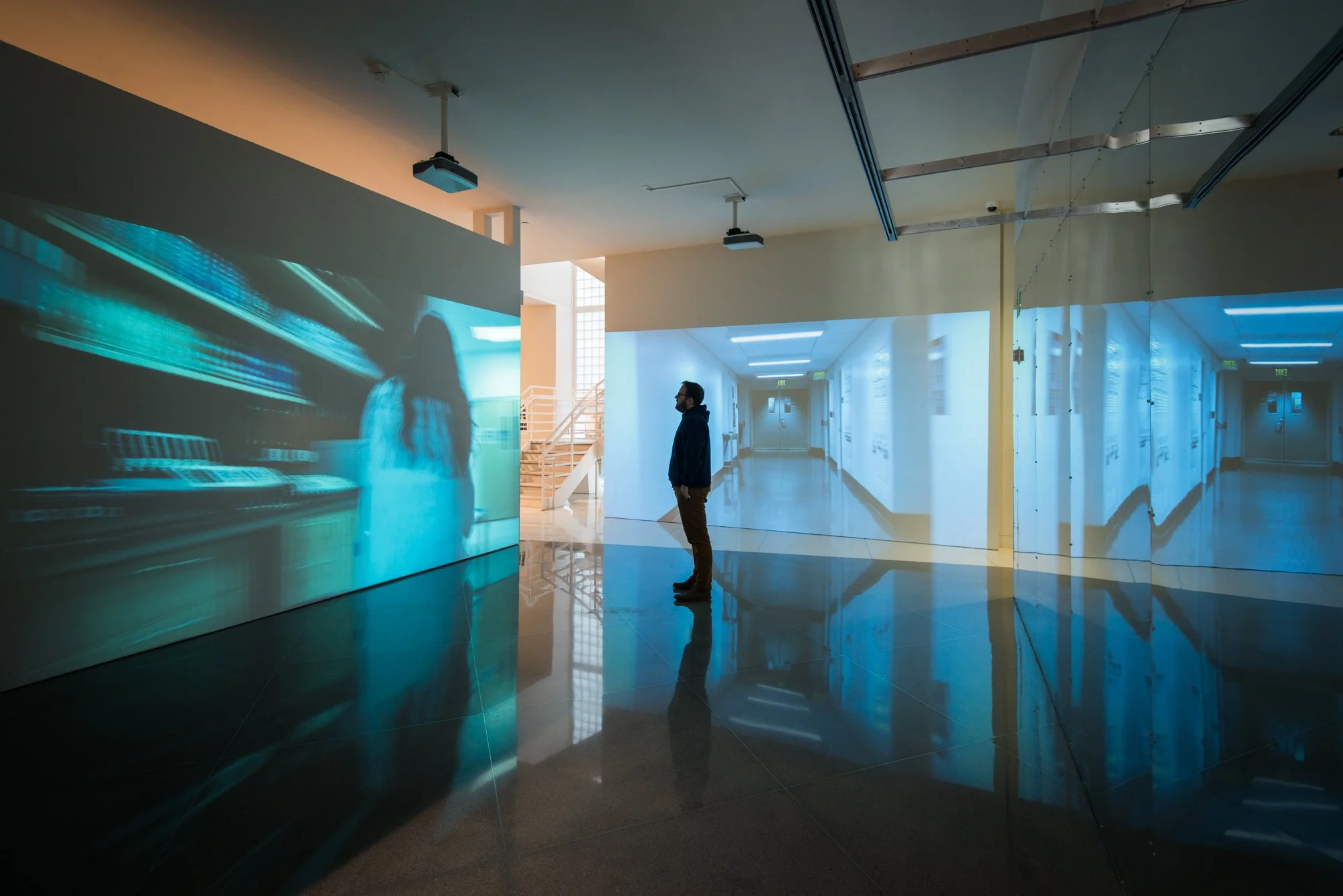
Figure 2: Lynn Hershman Leeson: Civic Radar, installation view, Yerba Buena Center for the Arts, San Francisco, 2017. Source: Vilma Gold
Leeson's critical, feminist interrogation of digital systems finds a compelling counterpart in the work of Annie Dorsen, who brings those questions directly onto the stage.
Annie Dorsen
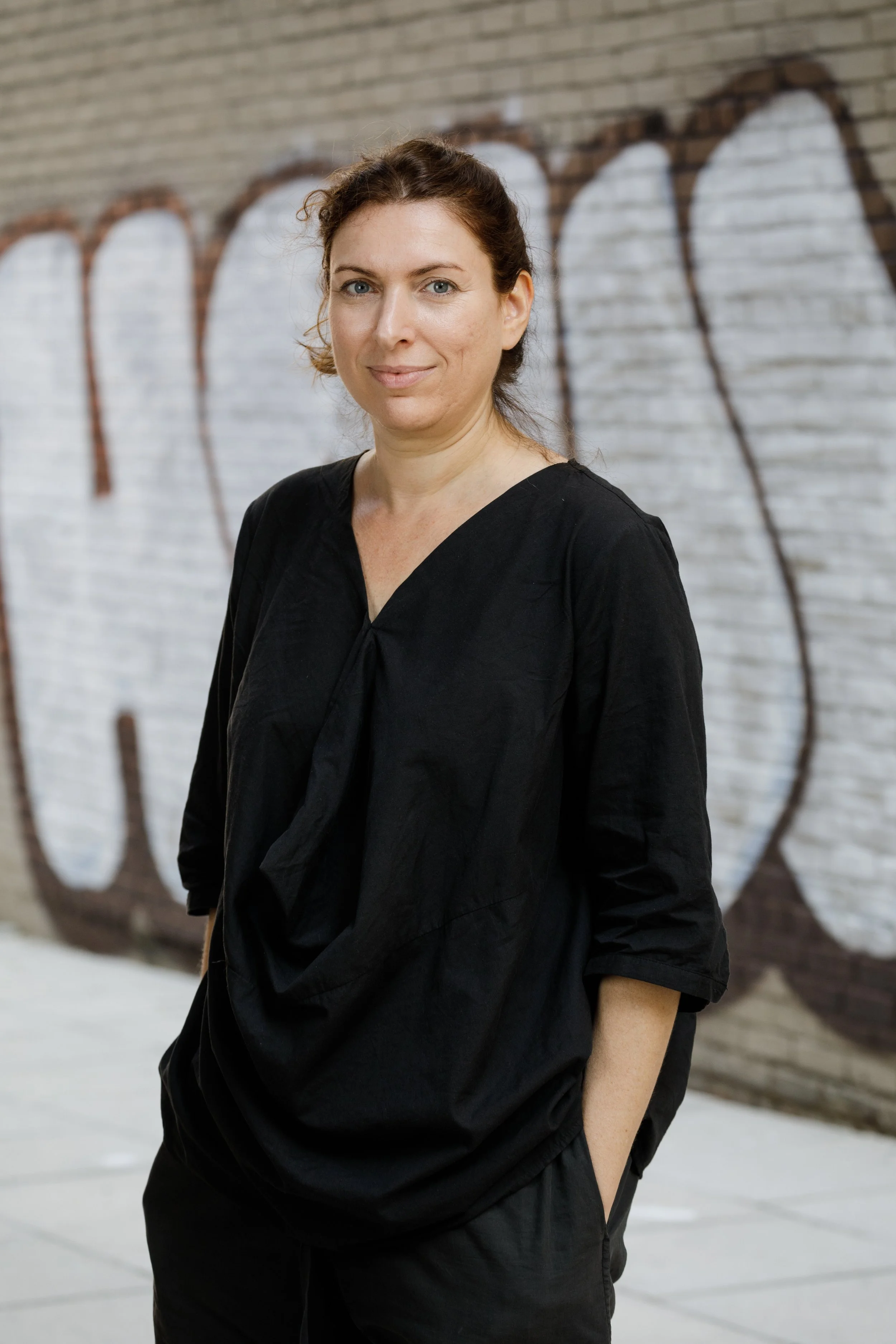
Figure 3: Annie Dorsen credit: John D. and Catherine T. MacArthur Foundation.
Annie Dorsen is a New York-based theater director and writer whose work dramatizes the complex relationship between machines and human expression.
Dorsen creates what she calls "algorithmic theater," in which computer-generated texts are produced in real time for each performance, meaning no two performances are ever the same. Her entry into this practice was sparked by reading Alan Turing's 1950 essay "Computing Machinery and Intelligence," which led her to ask what theater might look like if a machine wrote the script itself.
Her landmark work Hello Hi There (2010) stages a live conversation between two custom-programmed chatbots drawing on the 1971 Chomsky-Foucault debate on human nature, YouTube comments, and philosophical texts, decontextualizing that debate within the framework of nonhuman intelligence. In A Piece of Work (2013), Shakespeare's Hamlet is run through a series of algorithms, with a performer reciting soliloquies generated on the spot by the computer.
Her most recent work, Prometheus Firebringer (2023), uses commercially available generative AI tools, including GPT-3.5 and AI-generated computer voices, to riff on the lost final play of Aeschylus's Prometheus trilogy as a meditation on the relationship between technology and power. Furthermore, her creations have been performed at the Brooklyn Academy of Music, the Museum of Contemporary Art Chicago, the National Theatre of Scotland, and Théâtre de la Cité internationale in Paris, among others.
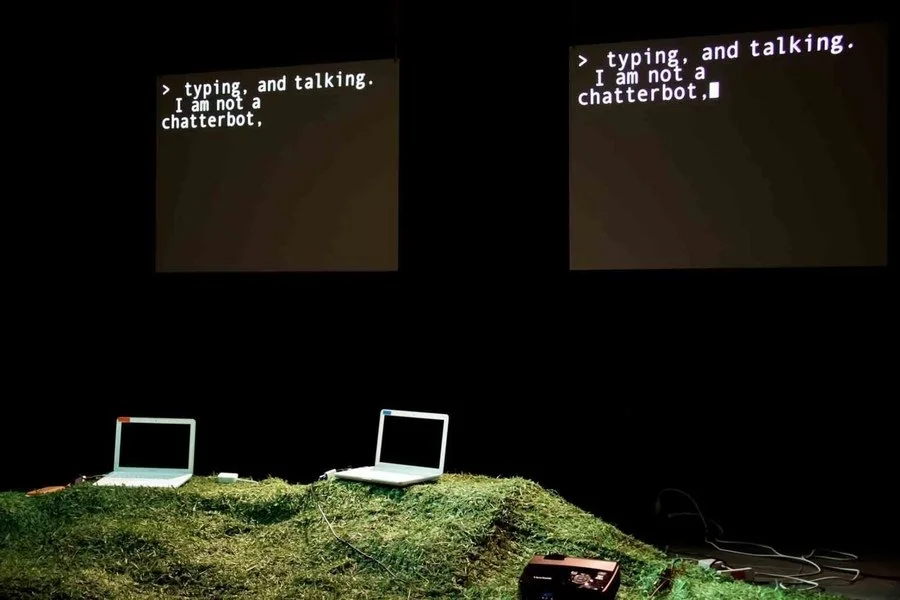
Figure 4: Annie Dorsen’s “Hello Hi There,” 2010. (Photo by W. Silveri), Source: American Theatre
Dorsen is the recipient of a MacArthur Fellowship (2019), as well as a Guggenheim Fellowship, the Herb Alpert Award in the Arts, and a Foundation for Contemporary Arts Grant to Artists Award. Where most theater asks human beings to interpret a fixed text, Dorsen asks what happens when the text itself is alive, uncertain, and produced by code — and in doing so, she has opened an entirely new theatrical form.
Dorsen works through language and live performance, Miwa Matreyek builds her world through image, animation, and the interplay between her physical body and the digital canvas surrounding it.
Miwa Matreyek
Miwa Matreyek is a Los Angeles-based media and performance artist, animator, and filmmaker whose work exists at the intersection of cinematic and theatrical, fantastical and tangible, handmade and high-tech. She is also a co-founder of the multimedia theater company Cloud Eye Control.
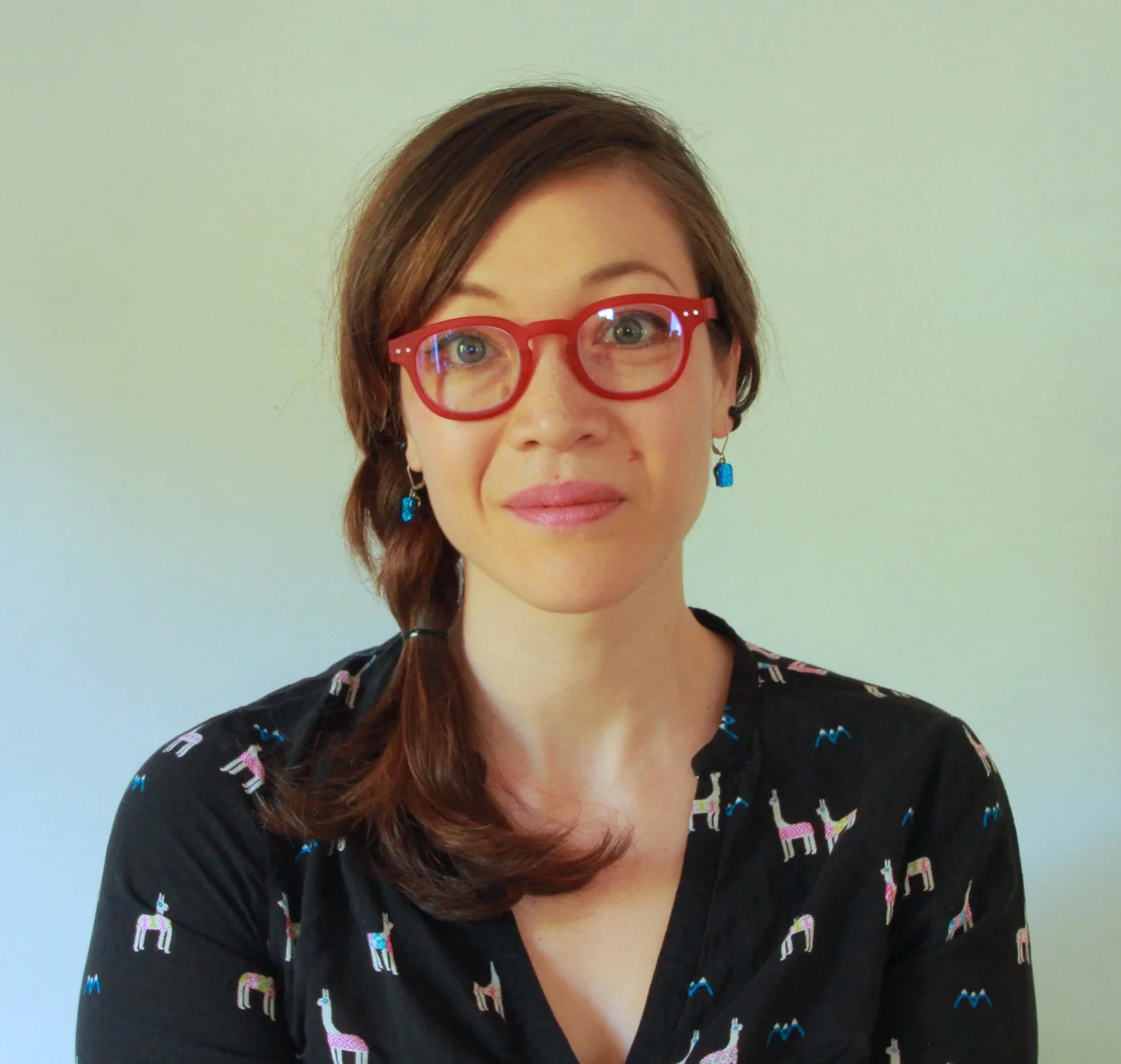
Figure 5: Miwa Matreyek, Source: Anderson Ranch Arts Center
Matreyek creates live staged performances in which she appears as a shadow silhouette interacting with elaborate projected animations, weaving surreal and poetic narratives about conflict between humanity and nature, the cosmos, and the invisible forces that shape our world. Her craft is rooted in the tradition of hand-drawn and digital animation rather than coding or interactive systems, and her work has been described as recalling both the shadow plays of early cinema pioneer Lotte Reiniger and the expanded cinema works of the 1960s, reimagined for the digital age.
Matreyek performs as a one-woman show at venues spanning animation and film festivals, performance festivals, art and science museums, and technology conferences worldwide, including TED, Lincoln Center, Sundance New Frontier, the Exploratorium, and the Carnegie Museum of Natural History.
She has also collaborated as a video designer for theater and dance companies and works intermittently as a freelance commercial animator in the Los Angeles motion graphics industry.
Her recent work, Infinitely Yours, won the Golden Nica for Computer Animation at Prix Ars Electronica 2020. Additional honors include the Creative Capital Award (2013), along with the Princess Grace Award (2007) and two Foundation Special Projects awards (2009 and 2012). Addtionally, Cloud Eye Control has received grants from the MAP Fund, and the National Theater Project through the New England Foundation for the Arts.

Figure 6: Infinitely Yours / Miwa Matreyek (US) Credit: Keida Mascaro, flickr
Where Matreyek finds poetry in the space between the human body and the projected image, Martha Gonzalez finds it in the space between a community and its collective voice.
Martha Gonzalez
Martha Gonzalez is a Chicana artivista (artist/activist), feminist music theorist, Grammy Award-winning musician, and Associate Professor in the Intercollegiate Department of Chicana/o Latina/o Studies at Scripps College, where she also serves as Director of the Scripps Humanities Institute.
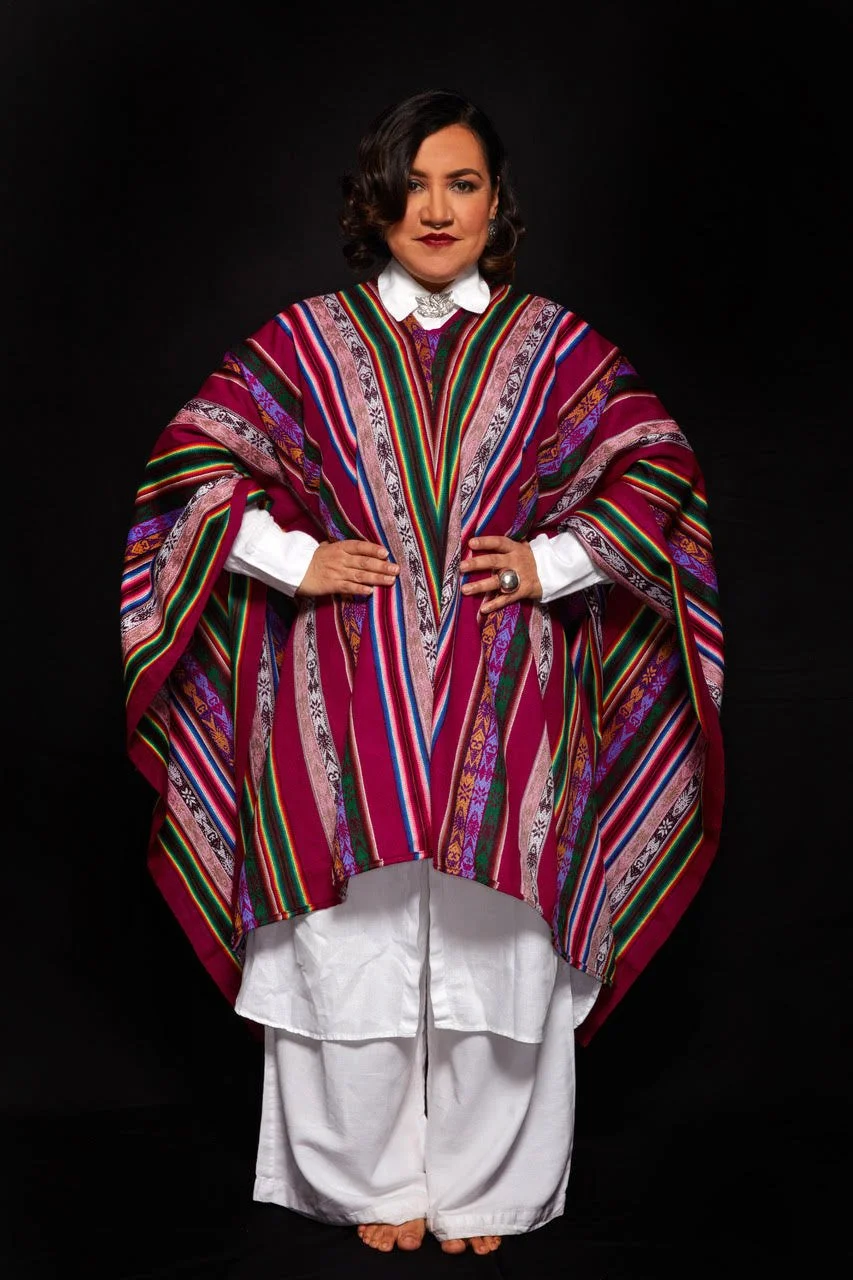
Figure 7: Portrait of Martha Gonzalez. Photo by Pablo Aguilar. Source: Art Matters Foundation
Born and raised in Boyle Heights, Los Angeles, Gonzalez is the lead singer, songwriter, and percussionist for East Los Angeles rock band Quetzal, whose music tells the multifaceted stories of communities navigating identity, migration, and social justice from a feminist and politically engaged perspective. Her academic work sits at the intersection of Chicana feminist theory, ethnomusicology, transnational musical dialogue, and performance studies, and she uses digital platforms and participatory methods to extend those conversations across borders and into communities otherwise shut out of formal artistic spaces.
Gonzalez has been one of the key forces behind the transnational son jarocho revival movement, which has created opportunities for performers, scholars, and grassroots communities to collaboratively explore the role of music in conversations about migration, identity, and belonging. She and her partner Quetzal Flores have been instrumental in catalyzing dialogue between Chicanx/Latinx communities in the U.S. and Jarocho communities in Veracruz, Mexico, and have implemented collective songwriting methods in correctional facilities throughout the country.
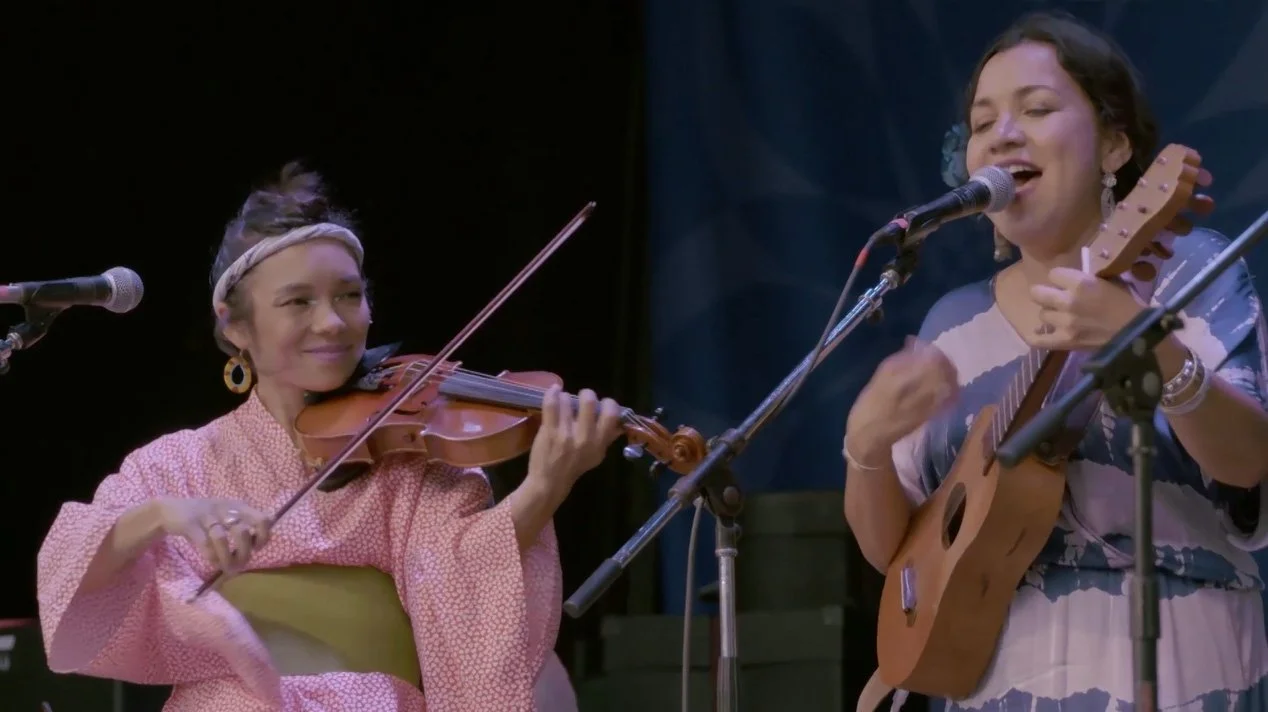
Figure 8: Martha Gonzalez with Violinist Tylana Enomoto (Washington DC Mall, Smithsonian Folklife Festival 2016) Source: Art Matters Foundation
Gonzalez has received the Fulbright Garcia-Robles Scholarship, Woodrow Wilson Fellowship, United States Artists Fellowship (2020), and the MacArthur Fellowship in 2022, awarded in recognition of her work strengthening cross-border ties and advancing participatory methods of artistic knowledge production in the service of social justice.
As a Grammy-winning artist, she has collaborated with Tom Waits, Taj Mahal, Los Lobos, Lila Downs, and Susana Baca, and Quetzal was featured in the Smithsonian Institute's traveling exhibit American Sabor: Latinos in U.S. Popular Music. Gonzalez's work reminds us that technology's most meaningful role in the arts is not always about the tools we use, but about how we use any available means to bring more voices into the room.
Gonzalez's belief that collective participation is at the heart of meaningful art and technology connects to the work of Yejin Choi, who is asking the same question at the level of the systems themselves.
Yejin Choi
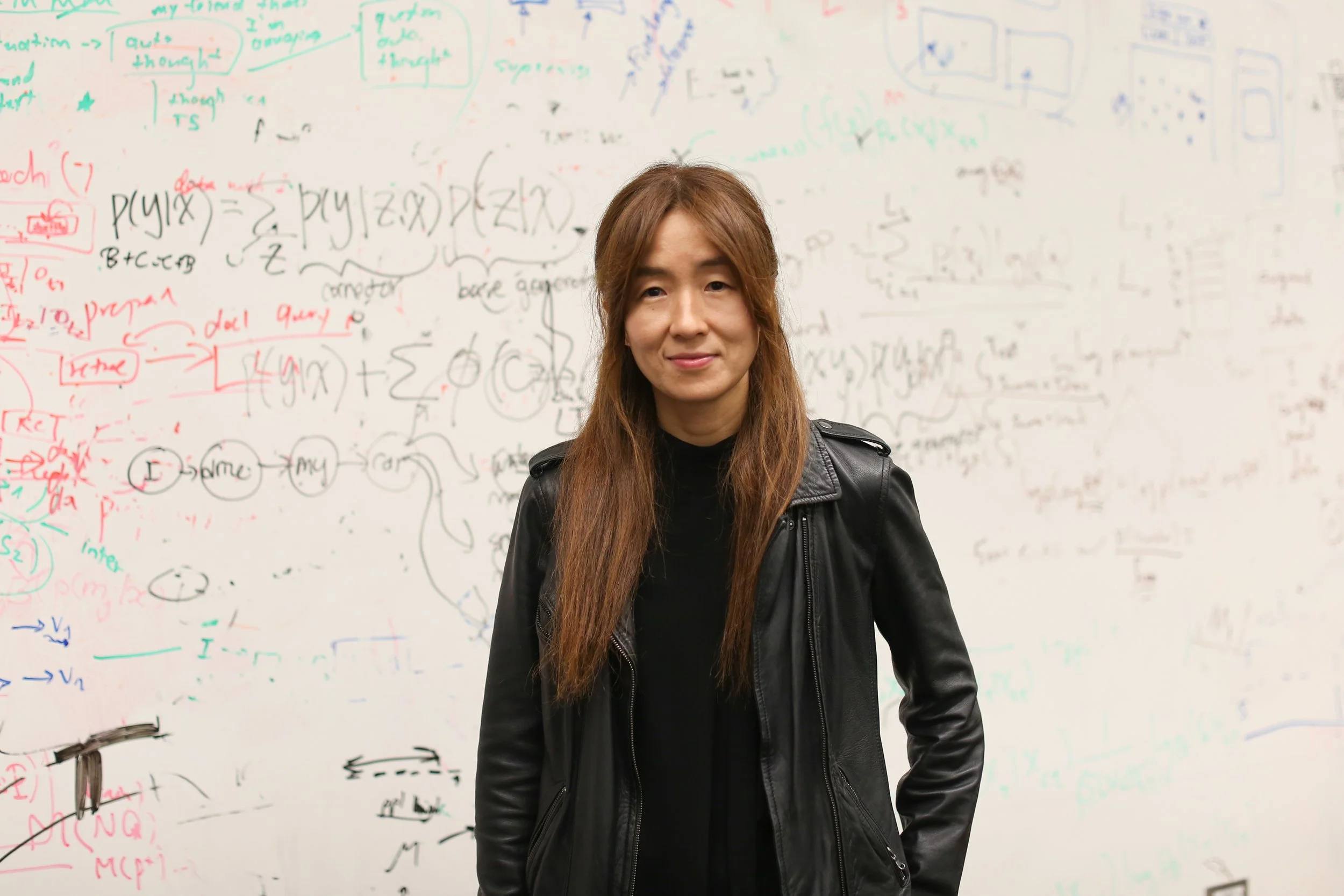

Figure 9: Yejin Choi, credit: John D. and Catherine T. MacArthur Foundation.
Yejin Choi may not be an artist in the traditional sense, but her work reshaping the landscape of AI makes her one of the most consequential figures at the intersection of technology and human expression.
She is the Dieter Schwarz Foundation Professor and Senior Fellow at Stanford University's Computer Science Department and Institute for Human-Centered AI (HAI), where she joined in January to explore alternatives to the large, energy-intensive language models that currently dominate the field. Her research focuses on natural language processing, commonsense reasoning, and the development of AI systems that can understand language and make meaningful inferences about the world.
A central thread of Choi's work is democratization. She advocates for small language models (SLMs) as a more equitable and energy-efficient alternative to the massive systems controlled by the largest technology companies, arguing that the future of AI should not be determined solely by those with the most computational resources. She has pioneered the combining of visual and textual inputs to improve context-based language interpretation, and her research spans pluralistic alignment, scaling intelligence through smarter algorithms, and AI for science and social good.
Choi is a MacArthur Fellow, an AI2050 Senior Fellow, and was named to Time Magazine's 100 Most Influential People in AI in both 2023 and 2025. She is a co-recipient of two Test-of-Time Awards and ten Best and Outstanding Paper Awards at top AI conferences, including the Association for Computational Linguistics (ACL) and the International Conference on Machine Learning (ICML). Her work raises a vital question that resonates across every field technology touches: who gets to build the systems that shape our world, and whose intelligence do those systems reflect?
In a time when it is more important than ever to honor the pioneers who have made space for the rest of us, these women remind us that the arts have always been a site of resistance, discovery, and transformation. In a time when it is more important than ever to honor the pioneers who have made space for the rest of us, these women remind us that the arts have always been a site of resistance, discovery, and transformation. If the work of these five women tells us anything, it is that the future will not belong to those who simply master the technology. It will belong to those who ask harder questions about what that technology is for, who it serves, and whose stories it tells.
-
Ars Electronica. “Women in Media Art.” Ars Electronica Blog. Accessed March 21, 2026. https://ars.electronica.art/aeblog/en/category/artists-creators-engineers/artists-womeninmediaart/.
Art21. “Lynn Hershman Leeson.” Accessed March 23, 2026. https://art21.org/artist/lynn-hershman-leeson/.
Art Matters Foundation. “Martha Gonzalez.” 2023. https://www.artmattersfoundation.org/grantees/martha-gonzalez.
ArtYard. “Miwa Matreyek.” Accessed March 25, 2026. https://artyard.org/artists/miwa-matreyek/.
Blair, Elizabeth. “An Ornithologist, a Cellist and a Human Rights Activist: The 2022 MacArthur Fellows.” NPR, October 12, 2022. https://www.npr.org/2022/10/12/1128352140/2022-macarthur-fellows-genius-grants.
Dorsen, Annie. “About.” Annie Dorsen. Accessed March 23, 2026. https://anniedorsen.com/about/.
Dorsen, Annie. “The Dangers of AI Intoxication.” American Theatre, August 30, 2023. https://www.americantheatre.org/2023/08/30/the-dangers-of-ai-intoxication/.
e-flux. “Lynn Hershman Leeson.” e-flux Announcements, December 15, 2014. https://www.e-flux.com/announcements/30200/lynn-hershman-leeson/.
Embassy of Austria. “Prix Ars Electronica Awards for Los Angeles-Based Artists.” The Austrian Dispatch, March 25, 2021. https://www.archive.austria.org/the-latest/2021/3/25/prix-ars-electronica-golden-nica-awards-for-la-based-artists-lauren-lee-mccarthy-and-miwa-matreyek.
Frost, Natasha. “Yejin Choi.” Time100 AI 2025. Time. Accessed March 24, 2026. https://time.com/collections/time100-ai-2025/7305803/yejin-choi/.
Gonzalez, Martha. “Faculty Profile: Martha Gonzalez.” Scripps College. Accessed March 23, 2026. https://www.scrippscollege.edu/offices/profile/martha-gonzalez.
Hershman Leeson, Lynn. “About.” Lynn Hershman Leeson. Accessed March 22, 2026. https://www.lynnhershman.com/about/.
Indiana University Bloomington. “Martha Gonzalez.” The William T. Patten Foundation. Accessed March 25, 2026. https://patten.indiana.edu/lectures/profiles/gonzalez-martha.html.
Matreyek, Miwa. “CV/Presentation History.” Miwa Matreyek. Accessed March 22, 2026. https://miwamatreyek.com/cvmatreyek.
Museum of Modern Art. “Miwa Matreyek: Myth and Infrastructure.” MoMA Calendar. Accessed March 22, 2026. https://www.moma.org/calendar/events/1930.
Stanford HAI. “Yejin Choi: Teaching AI How the World Works.” Stanford Institute for Human-Centered AI, January 16, 2025. https://hai.stanford.edu/news/yejin-choi-teaching-ai-how-world-works.
Stanford University. “Yejin Choi.” Stanford Profiles. Accessed March 23, 2026. https://profiles.stanford.edu/yejin-choi.
Svitak, Adora. “Project Rewrite: Tell the Missing Stories of Women on Wikipedia and Beyond.” Wikimedia Foundation, March 8, 2021. https://wikimediafoundation.org/news/2021/03/08/project-rewrite-tell-the-missing-stories-of-women-on-wikipedia-and-beyond/.
Vilma Gold. “Lynn Hershman Leeson.” Accessed March 22, 2026. http://vilmagold.com/artist/lynn-hershman-leeson/.