
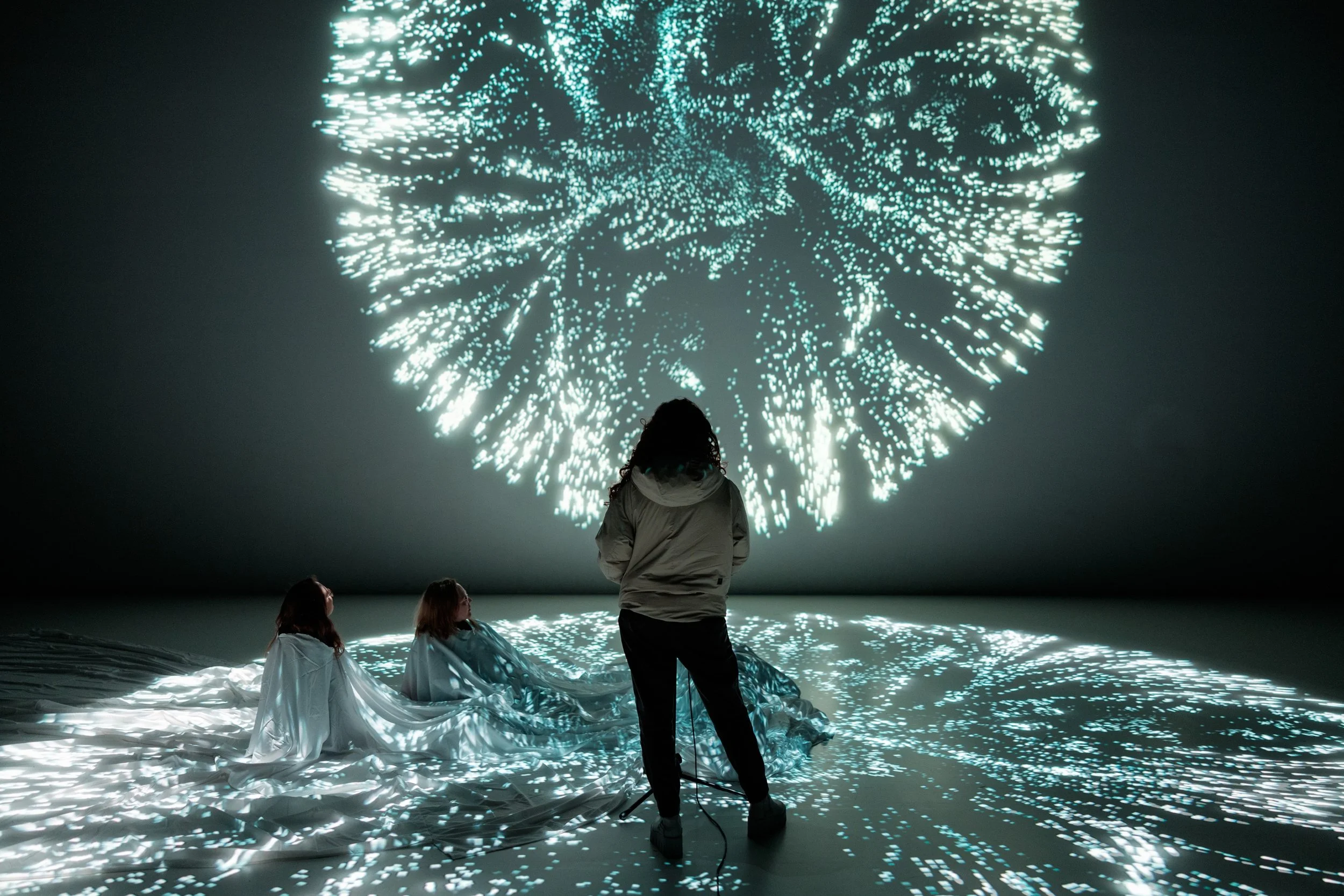
By Tracy Stum
This article examines the shifting domain of audience engagement within the arts, tracing a trajectory from ephemeral street painting performances to the high-stakes spectacle of the Super Bowl halftime show and the emergent "postdigital" museum. By synthesizing the institutional critiques of Stephen E. Weil, the "Third Space" theories of Ray Oldenburg, and the "Experience Economy" framework by Pine and Gilmore, the future of cultural meaning lies in the transition from institutional authority to communal "polyphony." Through a series of case studies—including street painting festivals and the "Benito Bowl"—this paper explores how the quality of "presence" and the "Arc of Engagement" serve as the definitive mechanisms for meaning-making in an increasingly mediated, technosocial world.
Moving from Institutional Authority to Public Centricity
As we navigate a global landscape in which arts and culture are increasingly viewed as fundamental parts of the social framework, we must recognize that audience engagement is shaped by the shifting interests of a "viewing public," driven by new environmental and economic pressures. In The Future of the Museum: 28 Dialogues, András Szántó highlights a burgeoning consensus among institutional leaders regarding the need for a "democratizing, inclusive, and polyphonic" vision for the museum (Szántó 2020, 82).
This debate finds its roots in the work of Stephen E. Weil, who challenged the traditional museum’s focus on internal operations. Weil’s call for museums to shift their focus toward outward community participation signifies a fundamental realignment of purpose. He posited that responsiveness to the community should be viewed not as a surrender of academic rigor, but as the ultimate "fulfillment" of the museum's mission. Weil envisioned a "kaleidoscopic" future in which the institution evolves "from being about something to being for somebody" (Weil 1999, 229).
Over the past decade, this change has been accelerated by the waning influence of traditional patronage and the rise of Millennials, Gen Z, and Gen Alpha. These generations demand that institutions align with their values of transparency, inclusivity, and co-creation. Solveig Øvstebø, Director of Malmö Konsthall, argues that the coming technological transformation will fundamentally "alter our viewing public” (Szántó 2020), an evolution prompted by the proliferation of Artificial Intelligence and the systemic realignment of global social structures. In this contemporary ecosystem, the importance of establishing connection and relevance, through engagement, cannot be ignored - it is the primary vehicle for creating genuine meaning. As the viewing public evolves, arts organizations must adapt to these shifting expectations or risk total obsolescence.
Mass-Mediated Liveness: The "Benito Bowl" Case Study
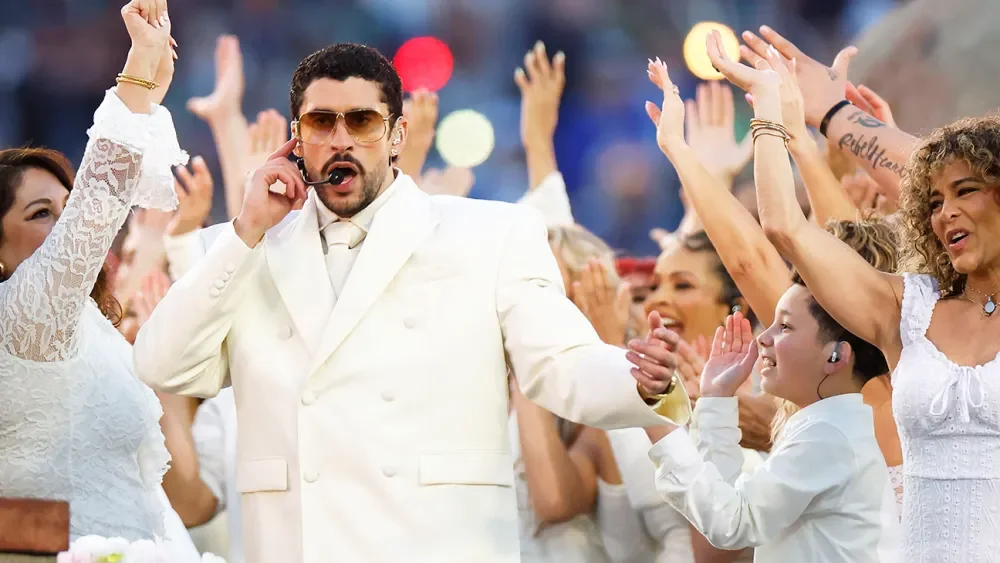
Figure 1: Bad Bunny performing at the Superbowl LV. Source: The Hollywood Reporter
Liveness describes the real-time experience of being actively connected to an event, a definition that is continually redefined by cultural and technological conditions. Not limited to localized physical events, liveness can be transposed to global, technosocial spectacles.
The Super Bowl Halftime Show featuring Benito Ocasio (Bad Bunny)—the "Benito Bowl"—represents a masterclass in liveness and multi-platform engagement as studied through the Arc of Engagement framework. The Arc of Engagement is a proposed conceptual model to understand the five stages through which audience members pass as they construct a unique, personal experience around a work of art or an experience. This system shifts the focus from the single moment of a performance or exhibit to a "total experience" that begins the moment a decision is made to attend and continues throughout the participant's life (Brown et al. 2011).
With a record 128.2 million live viewers, the performance utilized the "virtual Third Space" to facilitate social co-presence. The Arc of Engagement for this event was exceptionally long and intense:
The Build-Up: Online news outlets and social media began spreading the word after the selection. Announcements triggered immediate discourse among "Processor" audiences on social media.
The Intense Preparation: News cycles and promotions captured "Insight Seekers" and "Casual Talkers," turning the performance into a cultural phenomenon. This became especially apparent when the alternate TPUSA counter-programming half-time show was announced.
The Artistic Exchange: The performance itself was a "polyphonic" triumph. Bad Bunny’s decision to focus on cultural symbols like the "pink casita" and visual homages to Puerto Rican sugarcane fields sparked curiosity among fans and skeptics.
Post-Processing: In the weeks of dialogue that followed, the Impact Echo could be felt reverberating across multiple platforms - both online and in person. Bad Bunny’s performance emboldened a supportive community discourse amidst divisive, external resistance.
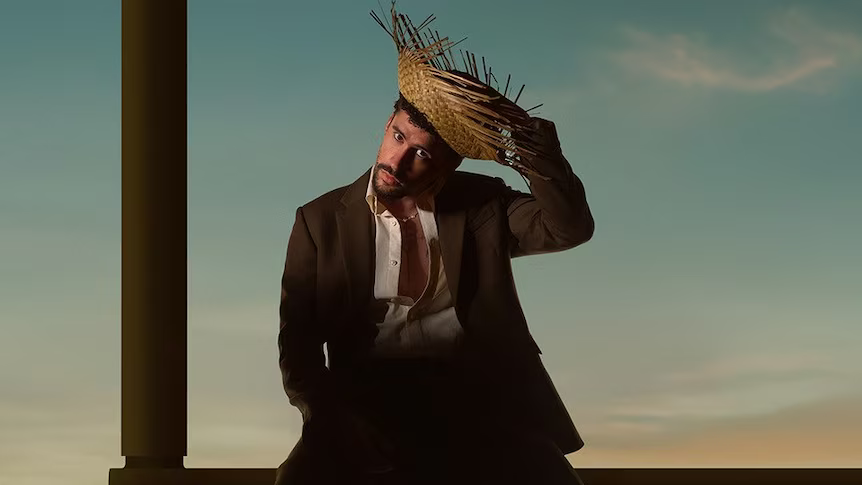
Figure 2: Bad Bunny. Source: Apple News via ABC News
Ocasio’s performance demonstrated that "meaning-making" connects better than high-budget flash. It leveraged the "liveness" of television and social media to foster deep connections, confirming that even a passive viewing experience can become an active site of identity coalescence and cultural education.
Experience-Design: The Street Painting Festival as a Microcosm
Street painting festivals serve as a primary site for examining "liveness" and connectivity. These "outdoor galleries” represent a unique intersection of the creative process and its resulting work. These events frequently draw large crowds because they democratize the creative process, serving as community hubs that close the gap between creators and viewers (Children’s Creative Project n.d.).
Stemming from a fascination with the artistic process, the dialogue between the artist and the viewer deepens understanding of intention, creating an instant engagement with an atypical art experience. This phenomenon is supported by the cognitive theories of Deirdre Wilson and Dan Sperber, who argue that "relevance yields positive cognitive effect". (Simon 2016)
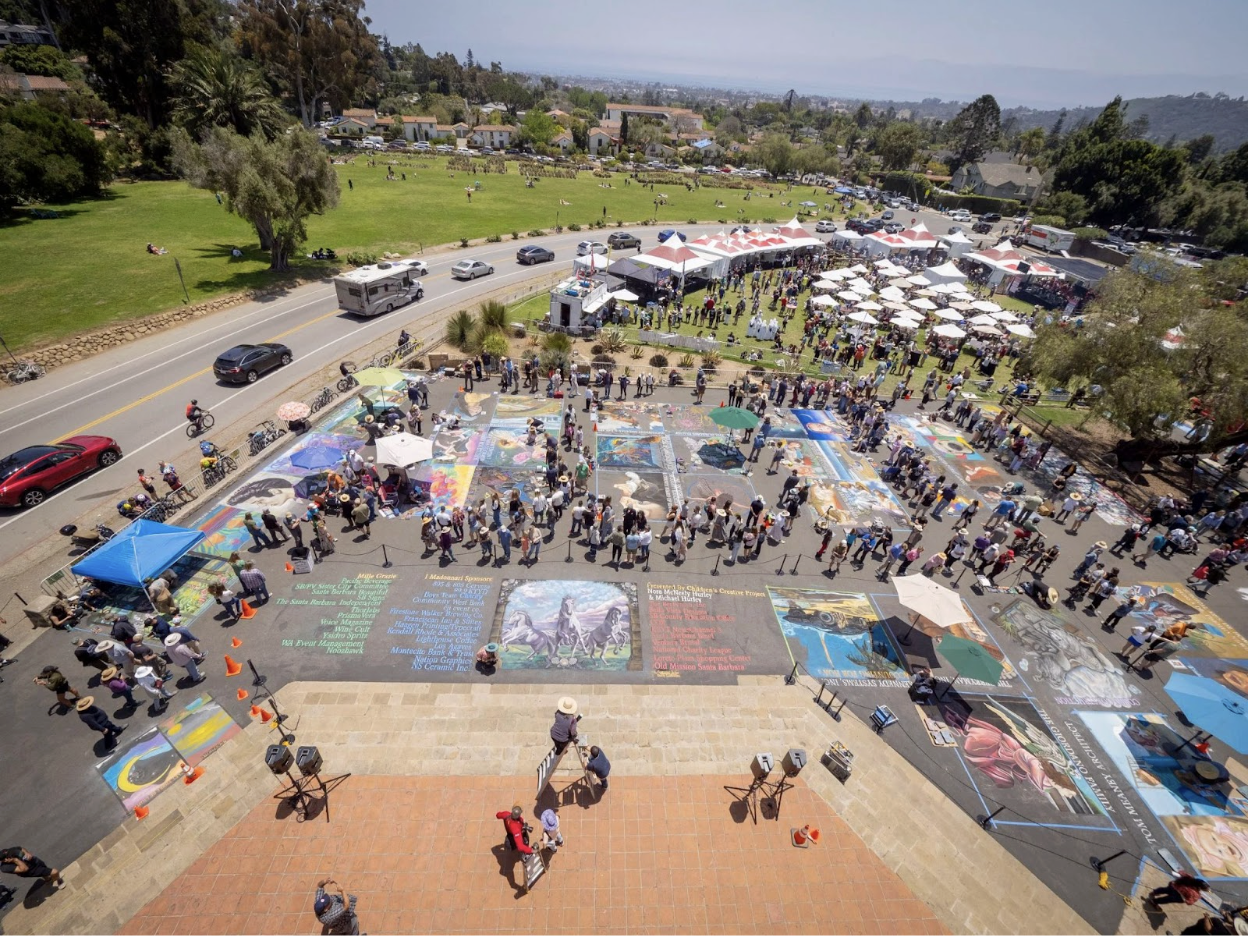
Figure 3: I Madonnari Festival. Source: SBCEO n.d.
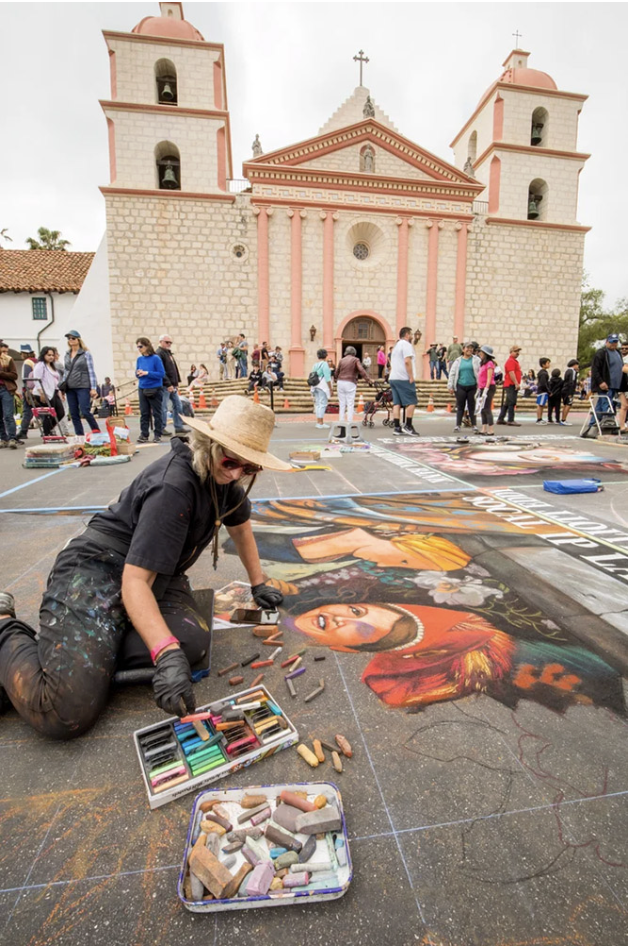
Figure 4: The author at I Madonnari Festival. Source: SBCEO n.d.
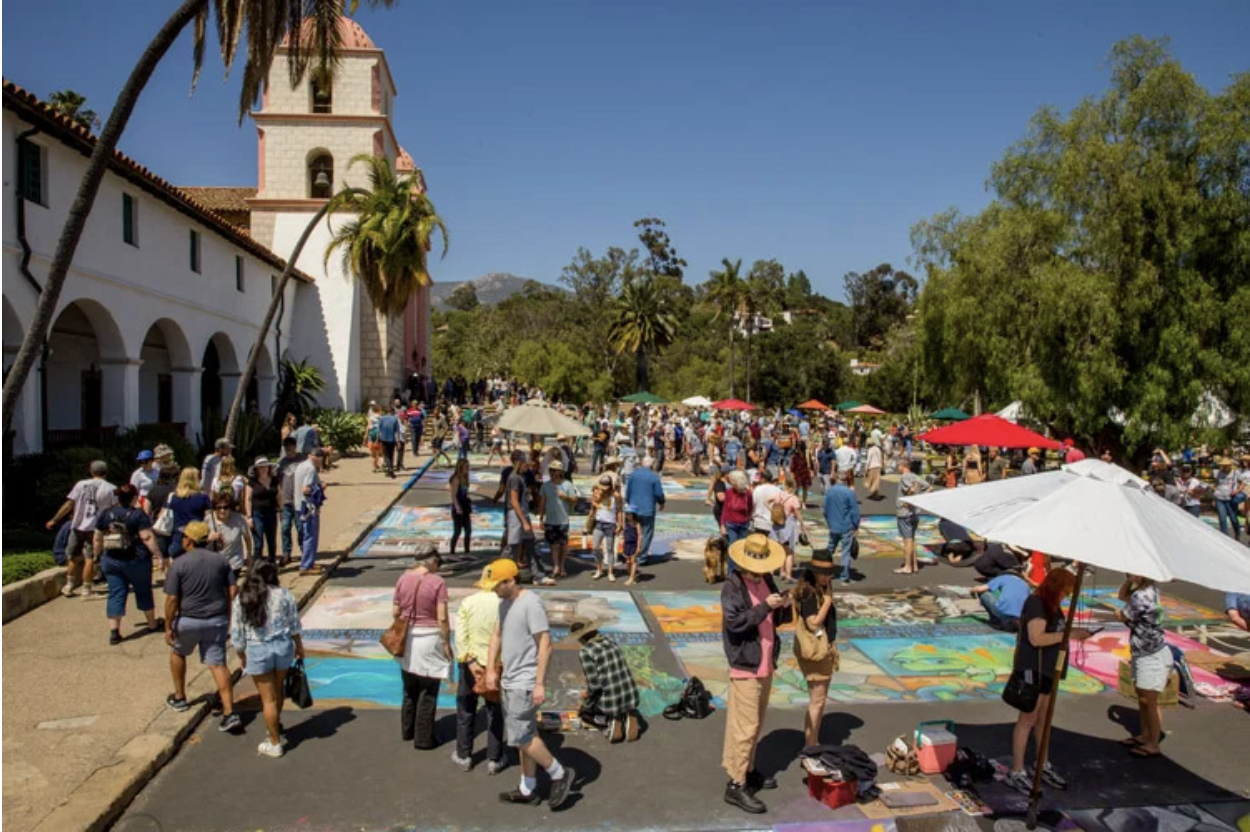
Figure 5: View of I Madonnari Festival. Source: SBCEO n.d.
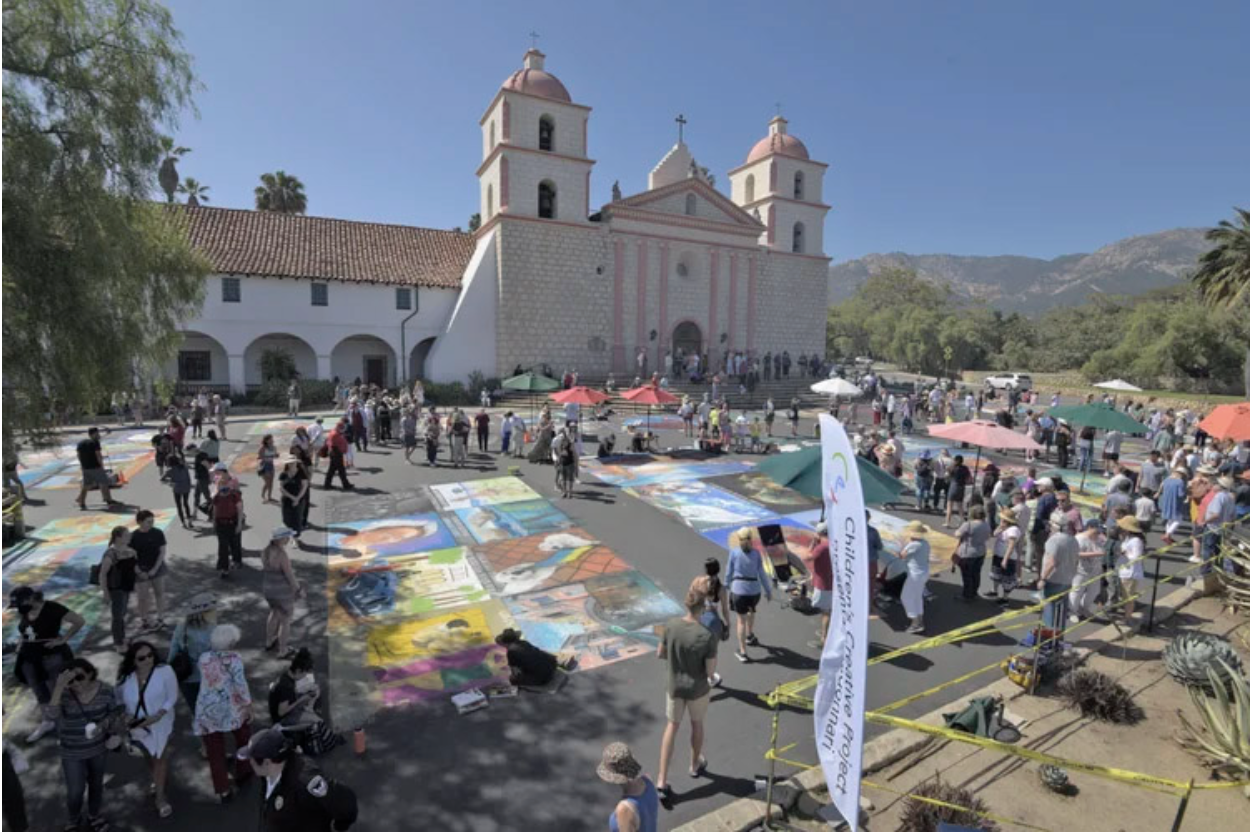
Figure 6: Crowds at I Madonnari Festival. Source: SBCEO n.d.
To understand this model’s resilience, we must apply the Experience-Design Principles of The Experience Economy. Pine and Gilmore’s framework categorizes engagement across two dimensions: participation (passive vs. active) and connection (absorption vs. immersion) (Pine and Gilmore 1998, 98). Unlike the service economy, which delivers intangible benefits, the Experience Economy focuses on generating memorable events that engage consumers on emotional, intellectual, or spiritual levels. For arts and culture organizations, this transition offers an effective framework for value creation.
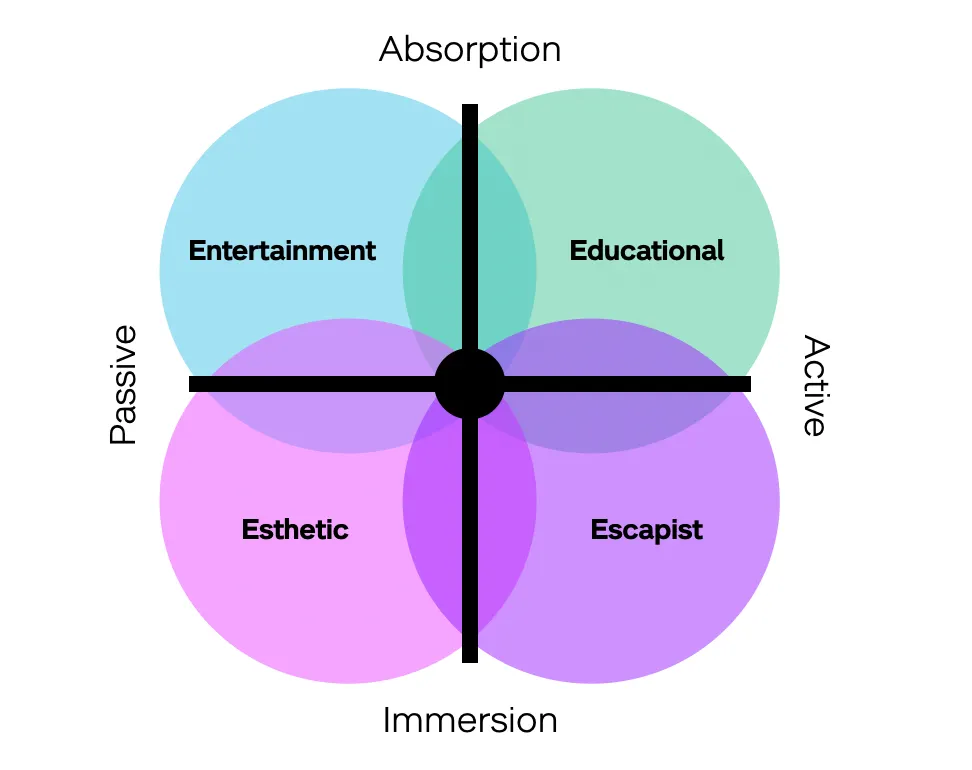
Figure 7: The Four Realms of an Experience. Source: Medium
The Aesthetic Realm (Passive Participation / Immersion)
Participants are fully immersed but leave the environment untouched. In a street painting festival, this is the sensation of being surrounded by the vibrant, large-scale chalk art on the pavement, or standing in awe before a masterpiece in a museum gallery, or soaking in the ambiance of a historic theater—the individual is deeply present in the setting but does not influence the work.
The Entertainment Realm (Passive Participation / Absorption)
This is defined by the act of witnessing. Attendees absorb the spectacle—the music, the visual drama of the ephemeral art, and the public announcements—fostering a shared sense of communal belonging.
The Educational Realm (Active Participation / Absorption)
This requires active mental involvement. Much like a festival’s “create your own chalk drawing” station, museums utilize maker spaces and “try-it” rooms to facilitate hands-on learning. By transitioning visitors from passive spectators to active students, these spaces increase the "stickiness" of the experience, assuring the core message remains long after the visit.
The Escapist Realm (Active Participation / Immersion)
This represents the most intense form of engagement, as the participant becomes an actor fully immersed within the creative space. A prime example is the projection-mapped exhibit trend, such as the Van Gogh experience, which captivated the public through total immersion (Van Gogh Expo 2021). This active participation reinforces the event's theme and ethos, engaging all five senses in the collaborative process of meaning-making.
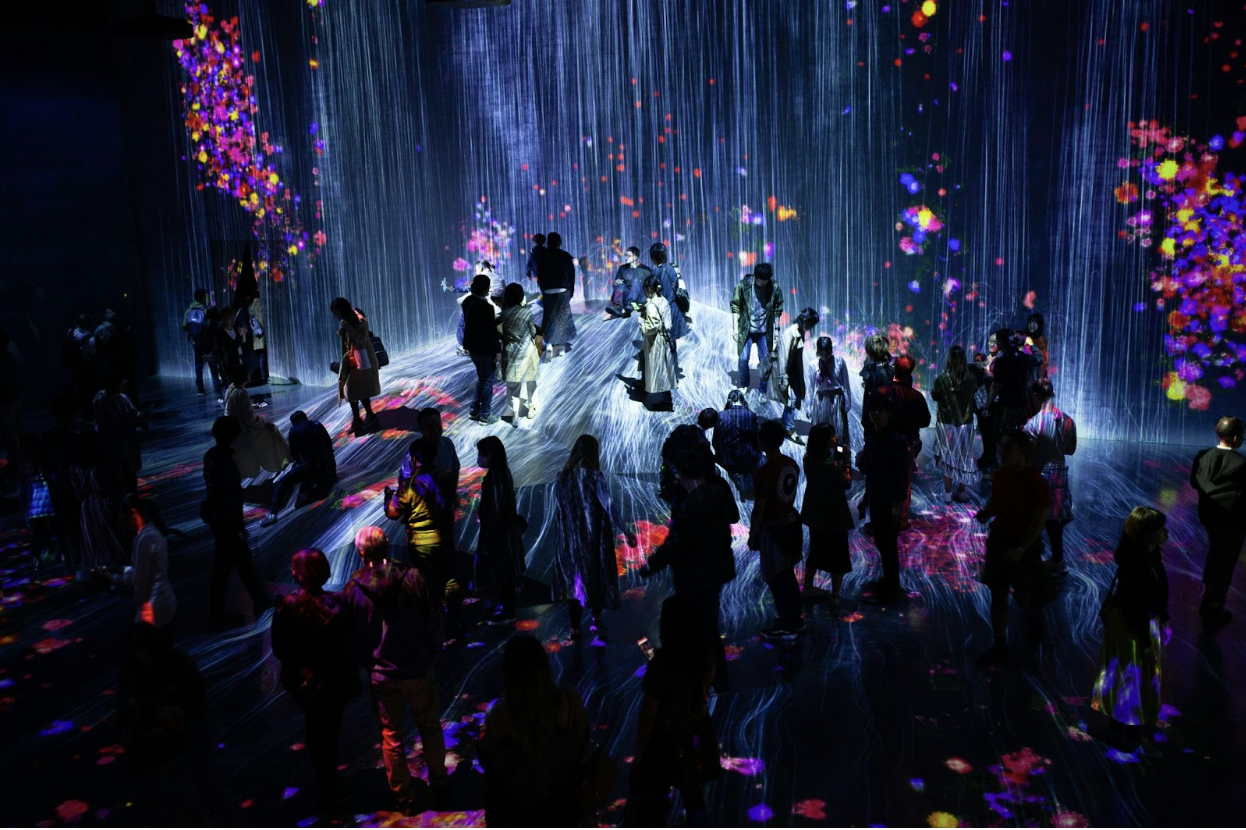
Figure 8: Source: UnSplash 2024
The Third Space - Connection Builder
The efficacy of street painting festivals and similar cultural events is found in their role as a "Third Space" (or "Third Place"), providing a social environment distinct from home (the first space) and work (the second). According to Jeffres et al. (2009, 335), the Third Space offers "stress relief from the everyday demands of both home and work" while generating a sense of "inclusiveness and belonging" without the institutional rigidity of traditional memberships.
A defining characteristic of the Third Space is liminality—a psychological state of being "between" worlds. In the arts, this corresponds to Turner’s (1969) model of the ritual process: a temporary separation from daily society to undergo a transformative experience before returning to the community. While Oldenburg’s (1989) original framework focused on physical locales like parks and pubs, he noted that contemporary versions are often commercialized. However, Oldenburg argues that locally rooted, "organic" spaces remain hardier, as they actively circulate social and financial capital back into the community.
A Place for Feeling
In the modern museum context, a Third Space is not simply a physical location; it constitutes a strategic integration of the arts into the communal fabric. Meriem Berrada defines the museum not solely as a site for information, but as a place for "feeling, for understanding, and sharing" that must remain empathetic to a broad audience (Szántó 2021, 84).
An example of this integration is the ensemble Resonance Works' recent performance in Pittsburgh. By selecting a local church—a venue that serves as a neighborhood “power station” for both secular and municipal activities—the ensemble leveraged the existing communal fabric to attract not only hyper-local, but also regional audiences. This partnership supports shared values through communal activities, which are linked to higher levels of well-being and social satisfaction (Global Leaders Institute 2025).
Presence & Transformation - The Technosocial Transition and the Postdigital Museum
Looking toward the next quarter-century, it's clear that contemporary society functions within a complex technosocial system. Max Hollein, Director of the Metropolitan Museum of Art, argues that an encyclopedic museum must be a “contemporary institution" in all areas, not just by showing contemporary art. This means finding ways to make all 5,000 years of its history speak to the current moment. (Szántó, 2020)
For arts organizations, the 'north star' is now engagement driven by immersive, community-tailored experiences. Over the past 15 years, immersive technology has moved from the fringes to the mainstream. Even traditional disciplines like street and mural painting have embraced this shift, with artists increasingly using AR and VR at public festivals to normalize these innovations for a broader audience. This trajectory is historically grounded; over the last fifty years, Disney and similar entertainment conglomerates have mastered the art of the Experience Economy, capturing dominant shares of public attention through immersive experiences such as Galaxy’s Edge (Walt Disney World n.d.). Consequently, the public has become increasingly acculturated to these heightened states of engagement.
Utilizing Pine and Gilmore’s Five Experience-Design Principles, a distinct roadmap for innovative approaches to audience engagement emerges.
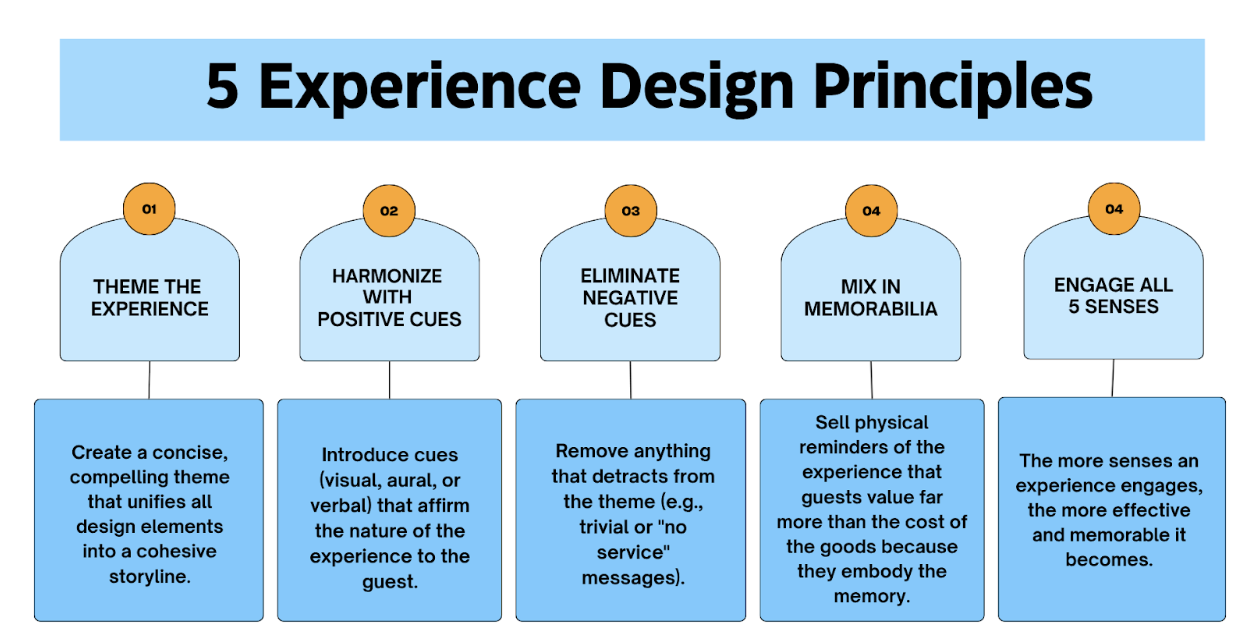
Figure 9: Five Experience Design Principles. Source: created by the author via Canva.
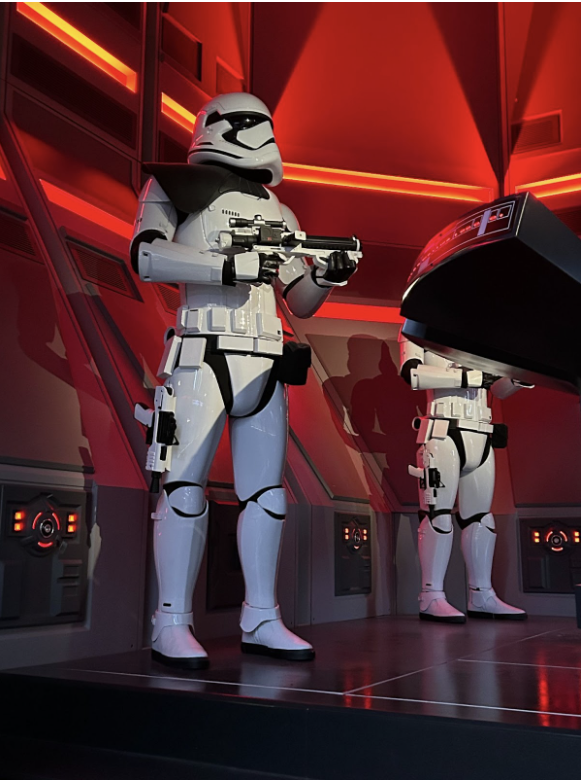
Figure 10: Stormtroopers. Source: Photo taken by the author.
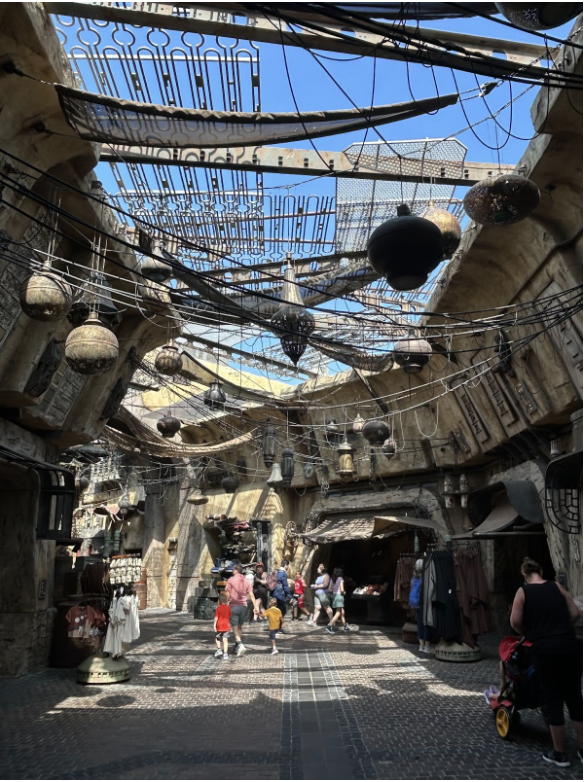
Figure 11: Galaxy’s Edge Environment. Source: Photo taken by the author.
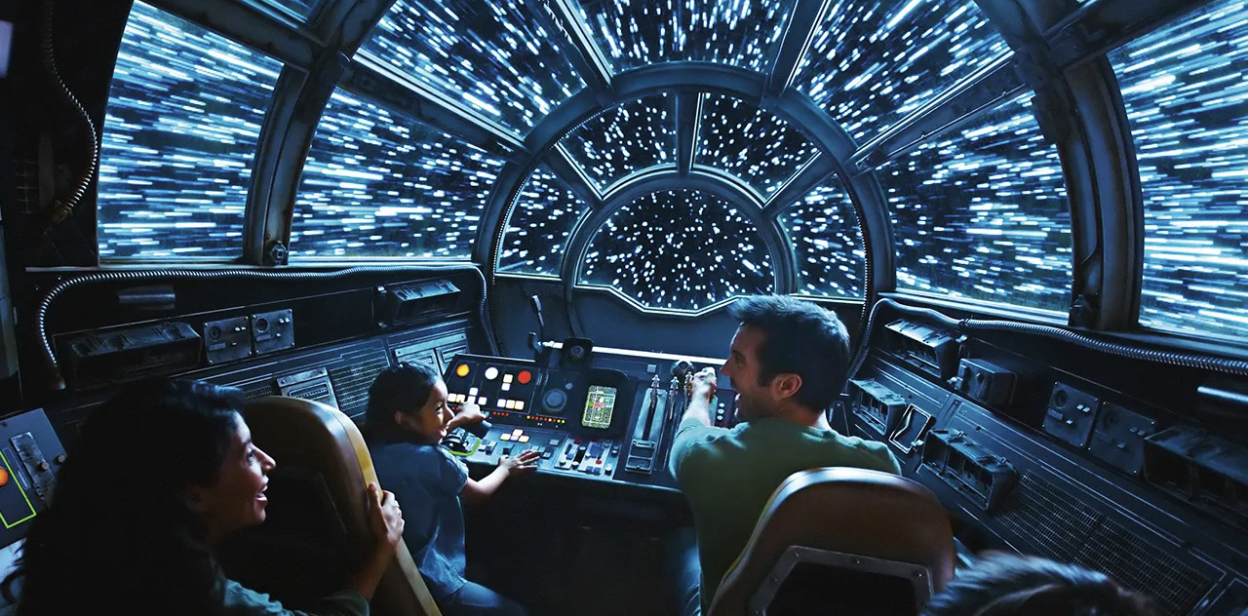
Figure 12: Immersive experience at Galaxy’s Edge. Source: Disney Holidays)
Technology continues to play a significant role in adaptation to social expectations. Engagement psychology is currently being scaled into the "phygital" landscape—the seamless integration of physical and digital domains.
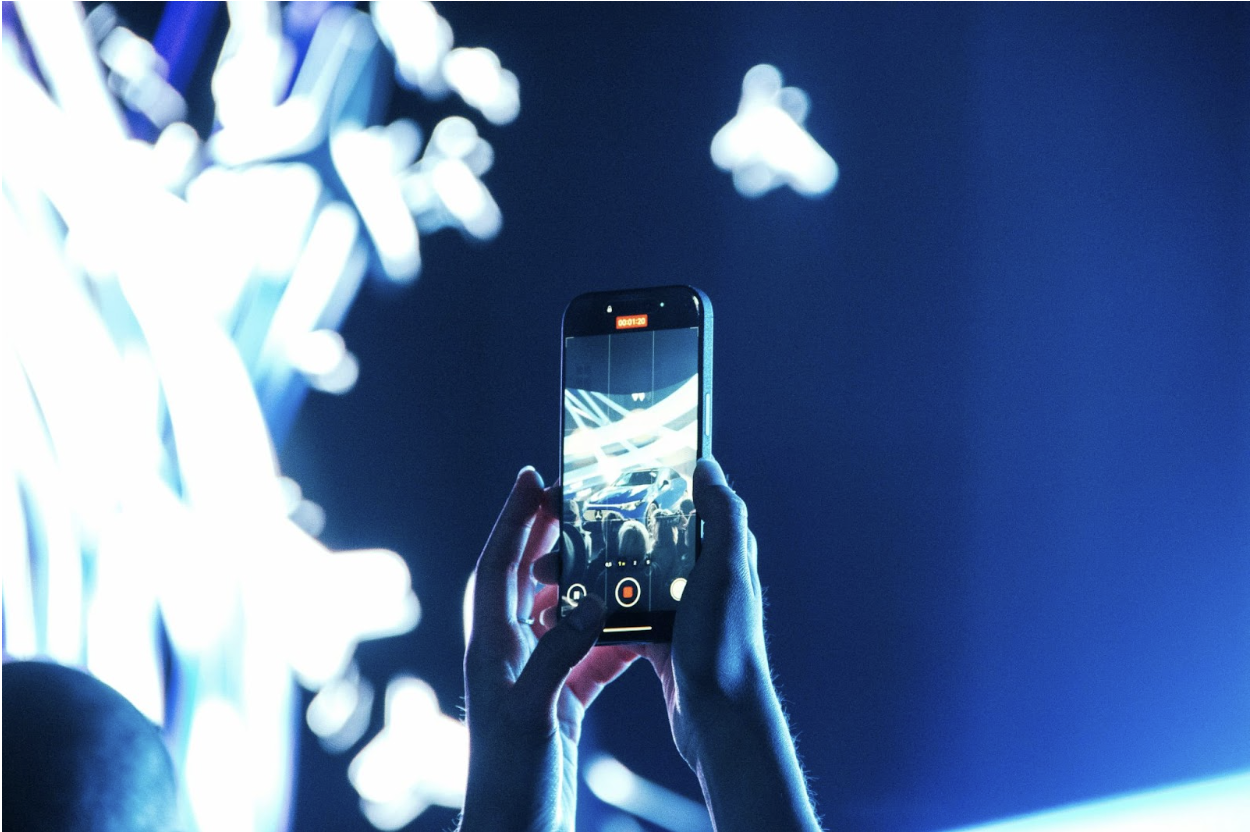
Figure 13: Source: UnSplash 2024
Asserting that museums must be more transparent about the fact that there is no single story of culture, Hollein suggests that technology can facilitate this "matrix thinking" by providing a three-dimensional organization of information.(Szanto 2020) We see this in emergent institutions:
Dubai’s Museum of the Future: While leveraging state-of-the-art tech, its programming remains human-centric, focusing on "Wellness Weekends" and interpersonal interaction and personal transformation, experiences with the potential to change visitors in valuable and lasting ways (Museum of the Future 2022).
Dataland (Los Angeles): Uses machine learning to allow visitors to explore the narratives of nature with advanced sensory and visualization technologies (Dataland 2022).
VR Experiences (Horizons of Khufu): A case study in high-fidelity Virtual Reality (VR) that employs technical excellence and historical storylines to provide an “Edutainment” experience (Emissive 2021).
As we transition into a technosocial future, the "postdigital" museum must resist the temptation of hollow spectacle. As noted with immersive VR, a "stunning visual" is a fleeting currency; true engagement requires a linear, educational, and narrative thread that speaks to the human condition. Beyond the use of technology as a co-creator, the quality of "presence"—the subjective, psychological experience of feeling truly "there" within a mediated environment—is emerging as the new frontier of audience engagement. (Shehade and Stylianou-Lambert 2023, 88) Modern cultural institutions recognize that their success depends on their capability to facilitate this state, as it provides the vital mechanism through which we negotiate a digital world to find genuine meaning.
The Lucas Museum of Narrative Art: The museum positions storytelling as the primary driver of engagement, asserting that "illustrated stories connect people across cultures and generations (Lucas Museum of Narrative Art 2019).”
Meow Wolf: Beyond the full-sensory engagement in the space, the organization emphasizes values such as authentic compassion, creative collaboration, and provocative playfulness, and welcomes outsiders (Meow Wolf 2018).
By leveraging presence—through thought, creation, application, and experience—institutions can provide the means for genuine transformation through engagement. In a society increasingly saturated by rapid technological change, visitors are seeking deeper, more purposeful engagement. As these examples show, the ability to customize experiences to an individual's specific goals and emotional state is no longer a luxury: it is the essential mechanism through which we connect, derive meaning, and find a path towards institutional sustainability in an increasingly complex world. (Dixon n.d.)
Conclusion: The Unified Field of Engagement
The evolution of audience engagement from the passive observer or active participant in street festivals to the postdigital museum reveals a distinct truth: the medium may shift, but the architecture of interpersonal connection remains constant. As we have considered through the lens of the mass-mediated spectacle of the "Benito Bowl," street painting festivals, and symphonic performances in localized "Third Spaces," the modern participant no longer seeks a passive encounter with an object. Instead, they demand a trajectory that is relevant across the entire “Arc of Engagement”.
By applying the Experience Economy framework, we see that the most robust cultural offerings are those that go beyond simple "Entertainment" to provide "Aesthetic" and "Educational" immersion: Edutainment. The street painter and the VR developer are both, in essence, architects of “Liveness”. This liveness is not only about being physically present in a moment; it is about the "Impact Echo"—the degree to which an experience resonates within the participant’s personal narrative long after the primary exchange has concluded.
The "Third Space" exemplifies a suitable model for resonance. Whether it is a neighborhood church in Pittsburgh or a "virtual third place" on a social media feed, these environments provide the low-barrier, high-connection settings necessary for polyphonic storytelling. As Stephen E. Weil predicted, the mission of the arts has shifted from "about" something to "for” someone. In this new paradigm, it's becoming increasingly apparent that institutional authority must be replaced by communal co-creation.
Ultimately, audience engagement is not a series of disparate tactics, but a unified field. From the first hint of a performance to the final note of a global livestream, the goal remains the same: to move the individual from observer to participant, and finally, to partner. In this "kaleidoscopic" future, the arts remain our most effective instrument for supporting deep, enduring connections, moving towards a world where arts and culture are an expected and valued part of everyday life.
-
ABC News. 2025. “Why Bad Bunny Is a Controversial Choice for the Super Bowl Halftime Show.” September 30, 2025. Image originally by Apple News. https://www.abc.net.au/news/2025-09-30/why-bad-bunny-is-a-controversial-choice-for-super-bowl/105834094.
Brown, Alan, Rebecca Ratzkin, Ryan French, and David Tang. 2011. Making Sense of Audience Engagement. San Francisco: WolfBrown. https://wolfbrown.com/insights/reports/making-sense-of-audience-engagement/.
Campione, Katie. 2024. “Bad Bunny’s Super Bowl Halftime Show Sets All-Time Viewing Record.” The Hollywood Reporter, February 12, 2024. https://www.hollywoodreporter.com/tv/tv-news/bad-bunny-super-bowl-halftime-view-record-roc-nation-1236520511/.
Dataland. 2022. “Dataland: Narratives of Nature.” Vimeo video, 2:45. Posted February 15, 2022. https://vimeo.com/1014987849.
Dixon, Mike. 2026. “Chapter 17: The Experience Economy.” In Service Management. UEN Pressbooks. Accessed April 6, 2026. https://uen.pressbooks.pub/servicesmgt/chapter/chapter-17-the-experience-economy/.
Emissive. 2021. “Horizons of Khufu: A Virtual Reality Journey.” Vimeo video, 2:15. Posted November 12, 2021. https://vimeo.com/664713449.
Global Leaders Institute. 2025. “Cultural Institutions as Third Spaces: Beyond Gallery Walls.” May 29, 2025. https://www.globalleadersinstitute.org/blog-post/cultural-enterprises-as-third-spaces-connecting-communities-and-expanding-impact/.
Jeffres, Leo W., Cheryl C. Bracken, Guowei Jian, and Mary F. Casey. 2009. “The Impact of Third Places on Community Quality of Life.” Applied Research in Quality of Life 4 (4): 333–47. https://doi.org/10.1007/s11482-009-9084-8.
Karsten Gohm. n.d. “Photographs.” Unsplash. Accessed April 13, 2026. https://unsplash.com/s/photos/Karsten-Gohm.
Lucas Museum of Narrative Art. 2019. “The Power of Narrative.” Vimeo video, 1:58. Posted May 22, 2019. https://vimeo.com/340453813.
Meow Wolf. 2018. “Meow Wolf: The Origin Story.” Vimeo video, 3:10. Posted August 28, 2018. https://vimeo.com/288155501.
Museum of the Future. 2022. “Museum of the Future: Wellness Weekends.” Vimeo video, 1:30. Posted March 1, 2022. https://vimeo.com/680109681.
Oldenburg, Ray. 1989. The Great Good Place. New York: Paragon House.
Pine, B. Joseph, II, and James H. Gilmore. 1998. “Welcome to the Experience Economy.” Harvard Business Review 76, no. 4 (July–August): 97–105.
Pine, B. Joseph, II, and James H. Gilmore. 1998. “The Four Realms of an Experience.” Digital image. Reproduced in Jen Bonhomme. “The Experience Economy.” Medium, October 12, 2017. https://jenbonhomme.medium.com/the-experience-economy-83fe7a26a594.
Resonance Works. n.d. “Requiem for Water.” Accessed April 13, 2026. https://www.resonanceworks.org/requiem-for-water.
Santa Barbara County Education Office. n.d. “I Madonnari Italian Street Painting Festival.” Accessed April 6, 2026. https://ccp.sbceo.org/i-madonnari/welcome.
Shehade, Maria, and Theopisti Stylianou-Lambert, eds. 2023. Museums and Technologies of Presence. London: Routledge.
Simon, Nina. 2016. The Art of Relevance. Santa Cruz: Museum 2.0.
Szántó, András. 2021. “The Future of the Museum: 28 Dialogues.” Marg: A Magazine of the Arts 72 (3): 82–85.
Turner, Victor. 1969. “Liminality and Communitas.” In The Ritual Process: Structure and Anti-Structure, 94–130. Chicago: Aldine Publishing.
Van Gogh Expo. 2021. “Van Gogh: The Immersive Experience.” Vimeo video, 1:02. Posted December 21, 2021. https://vimeo.com/659175822.
Walt Disney World. n.d. “Star Wars: Galaxy’s Edge.” Accessed April 6, 2026. https://www.disneyholidays.com/walt-disney-world/star-wars-galaxys-edge/.
Weil, Stephen. 1999. “From Being about Something to Being for Somebody: The Ongoing Transformation of the American Museum.” Daedalus 128 (3): 229–258.
Orazov, Daniyar. n.d. “Photographs.” Unsplash. Accessed April 13, 2026. https://unsplash.com/@daniyarorazov.