
Immersive technology is not new in the slightest, with immersive tricks like ‘Pepper’s Ghost’ and projectors being used for decades. Nor is animation new, with animated shorts dating back to the early 1900s. Animation is a constantly evolving medium that lends well to immersive and Extended Reality (XR), and has been combined with XR to create well-known products, such as Pokémon Go. By combining two growing fields with a strong IP as the baseline, there are exponential growth opportunities for both fields. However, the combination of immersive technology and narrative-led animation continues to fall short of its potential in the entertainment market. Most combinations of animation and immersive technology often end up as avatar creators, video games, or VR experiences. The goal of this research project is to find an approach to combining animation and immersive technology that is marketable, accessible, and creates immersive storytelling.
Current Market for Animation
Animated films have been produced since the early 1900s, with the first full-length animated film El Apostol, created in 1917 by animator Quirino Cristiani and director Federico Valle. The film was created 20 years before the first Disney feature film, but was unfortunately lost in a studio fire in 1928 (Taggart, 2022). Animation has been a medium for narrative since the early 1900s, with studios like Disney and Warner Bros. creating content for over 70 years. Animation is notably expensive to produce, with budgets ranging anywhere from $100-300 million dollars for a full-length feature film, depending on animation style and medium. Despite the expense, animation is extremely popular with Gen Z and Gen Alpha, with titles like KPop Demon Hunters, which amassed over 537 million views worldwide since its June 2025 release to become Netflix’s most-watched animated film and earned 5 Grammy nominations (Hatchett, 2025). Other films like Ne Zha 2, The Bad Guys, and Zootopia 2 are taking the animated box office by storm.
TV Animation (TVA) is also a huge market, beginning in the 80’s with animated shorts included in the ‘Tracy Ullman Show’, which ultimately gave way to Fox’s ‘The Simpsons’. With shows like Disney’s ‘Sofia the First’ and Prime’s ‘Invincible’ becoming household names, animation has expanded into the mainstream of the entertainment industry. Other shows, like ‘Hazbin Hotel’ and ‘Smiling Friends’, have started as indie animation (not produced by a studio or streaming service), but were picked up by studios and streaming services as well. Currently, the animation market size is estimated at 462B, and is projected to grow to 950B by 2035 (Precedence Research, 2025). Studios like Disney, Sony Pictures Animation, and DreamWorks are at the forefront of animation, and with indie animation rising on platforms like YouTube, BlueSky, and NewGrounds, narrative animation is here to stay.
Current Market for XR in Entertainment
The market for immersive technology is booming, with projections reaching over $170B by 2030, and new XR (Extended Reality) glasses and headsets dropping every quarter. There is then a massive market for XR within the entertainment industry, especially as XR contains three main categories of technology – Mixed Reality (MR), Augmented Reality (AR), and Virtual Reality (VR) – that can be used in different ways and for different media. However, XR seems to be stuck inside the video game industry. Most uses of XR in entertainment are trapped in gaming, with VR video games, AR mobile-device games, or location-based MR experiences.
In regard to VR, headsets can be costly, ranging from the most affordable option of the Meta Quest 3S at $300 to the most expensive option of the $3500 Apple Vision Pro. The entertainment market is shying away from VR because of the heavy expenditure needed for the equipment itself, as well as many VR apps being costly. Even Meta, the company at the forefront of immersive technology, has rerouted their entire VR Labs to focus on bringing Meta Worlds to mobile for increased accessibility (Ryan, 2026). With Meta refocusing their VR labs on mobile devices, we can assume that headset-based VR doesn’t have a strong enough ROI to continue to produce them.
Future projections for XR tech include the rise of AR glasses, which could make AR technology much more accessible. SNAP’s Snap Spectacles have been on the market since 2016, bringing the famous Snapchat AR filters and other functions straight to consumers’ faces. Meta’s Ray-Ban glasses have been on the market since 2023, with the Generation 3 styles dropping in late 2025. Early this year, Apple’s plans for their release of the Apple XR Glasses were leaked right as Samsung revealed their plans to join the Smart Glasses race. Other companies, like XReal and Viture, have also joined the glasses race. With high hopes, these glasses could be the next step in entertainment technology.
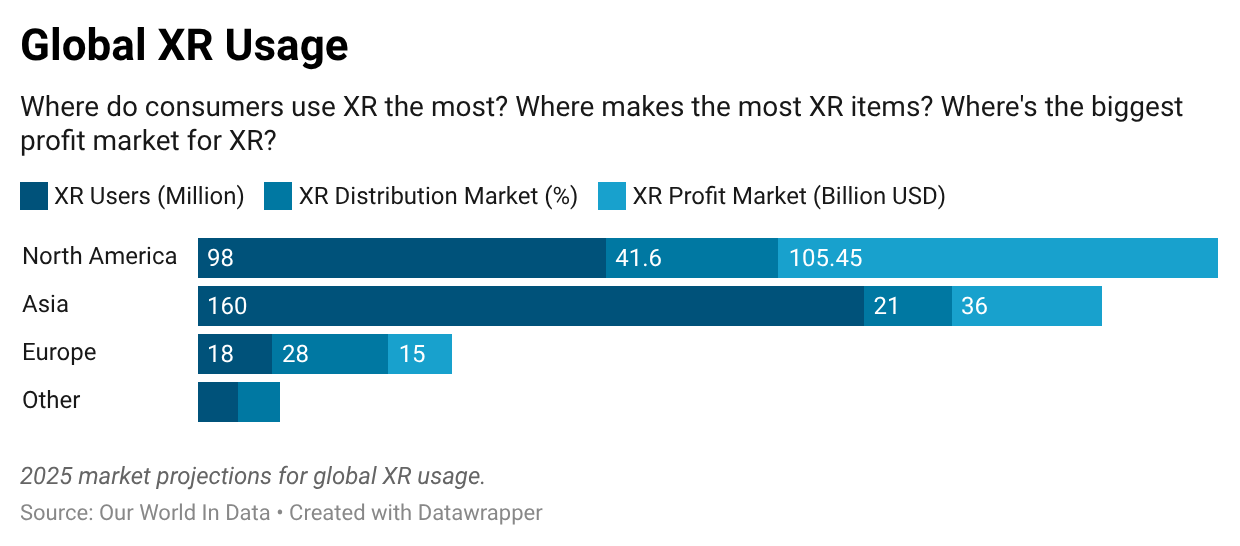
Figure 1: Infographic depicting Global XR Market/Usage. Source: Created by the author based on data from Electro IQ
Current Combinations of XR and Animation
Within the industry, we are seeing a lot of different combinations of XR and animation, where animation is being used as a medium for movement, rather than as a storytelling device.
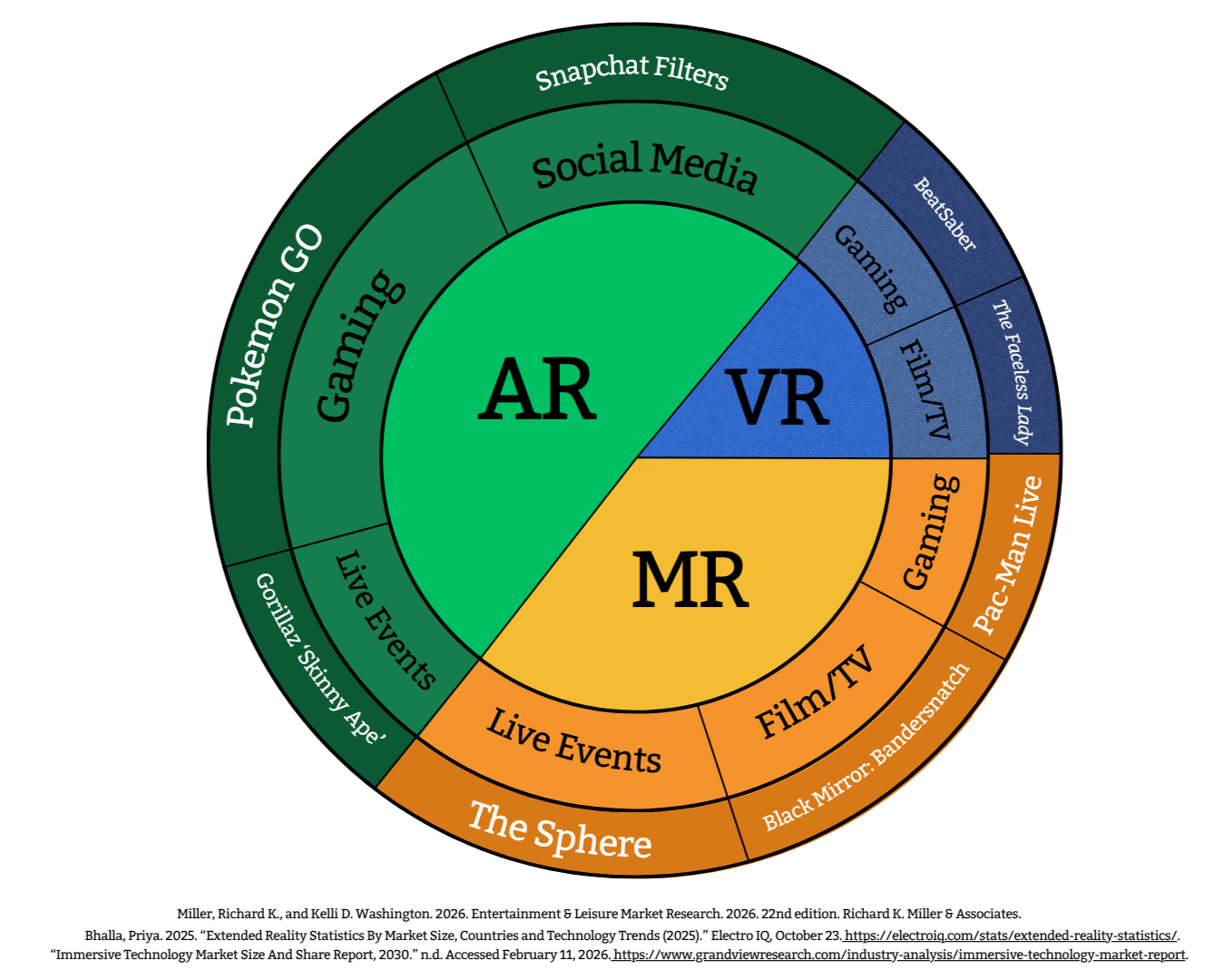
Figure 2: Graphic depicting the most well-known uses of XR within the entertainment industry. Source: Created by the author.
The most well-known combination of XR and animation would be Pokémon Go - the AR app that lets you catch your own Pokémon. Each of the Pokémon has animations for each type of Poké Ball throw when using the AR function, and your 'buddy' Pokémon (mine is Milotic) has its own animations that are triggered when a task is completed. This brings a sense of immersion to the game, of being able to interact with Pokémon in a real space. AR mobile device games, such as Pokémon GO, are populating the market with more frequency. Titles such as Pikmin Bloom and Angry Birds: Isle of Pigs use AR in a similar way to Pokémon GO, with AR enhancing the gameplay. These titles are still active, but many others, including The Walking Dead: Our World and Niantic’s Peridot, have been discontinued.
Other combinations of XR and Animation can be found in most VR games and films, as 3D animation lends well to VR. One VR game that uses animation as a narrative device is ‘Happy Shadow’, by Pei-Ying Lin, a Taiwan-based VR director exploring storytelling through movement and space. Happy Shadow uses a combination of 2D animation and 3D animation to display the main character and her shadow. This combination of XR and animation uses animation for movement, but also for narrative and enhanced gameplay.
Live MR experiences can be unique and special to audiences, but have to accommodate large numbers of people, so there is little ability to create a personalized experience. Live immersive events can be organized into three categories: VR/E-Sports/Arcade hubs, cultural and museum-based exhibitions, and large brand/IP-based live events.
Intellectual Property Brand Expansion
Intellectual Property (IP) Brand Expansion is the act of transferring an IP to different media to create a wider reach for the brand. Famous examples include book series like ‘Percy Jackson and the Olympians’, which boasts a TV series, a graphic novel series, a musical, and two films, or the ‘Harry Potter’ series, with a full film series, a TV series in the works, a play, and an entire theme park in Universal Studios.
Regarding animated IP, most animated series/films come from toys, games, or book series. Most recently, webcomics are being picked up by animation studios to be expanded into full animated series. Warner Bros. Animation and WEBTOON Entertainment are currently in a partnership to adapt 10 completed webcomics into animated series, though that partnership might be affected by the current acquisition battle for the Warner Bros. Animation IP/Studios (WEBTOON Entertainment, 2025).
The widest level of expansion is seen with large studios like Disney, which have widened the reach of their most notable characters and stories. The entire Disney catalogue of characters has made their trading card game (TCG) debut with ‘Lorcana’, as well as picture books, toys, and games, while specific IPs, like Tangled, get revived in TVA series (Rapunzel’s Tangled Adventure).
Within the entertainment industry, IP expansion is seen as both a marketing strategy and an outreach program, so as many people as possible are interacting with the IP - each in their own specific way. IP and Brand expansion are extremely important to the entertainment industry because an expansion of IP means a larger audience reach, which dictates higher revenues across the board.
In the article “Consumer attitude toward brand extensions: an integrative model and research propositions”, written by Professor Sandor Czellar, he notes that brands with expansions are dictated into categories - the original IP being the parent, and the expansion is noted as the ‘extension’. As brands expand, consumers will decide how they feel about the ‘extension’ on the basis of how they feel about the parent. Without a schema on the parent brand, consumers will only base their judgment on the expansion itself (Czellar, 2002). If the consumer knows about both the consumer and parent category, the consumer experiences a ‘perception of fit’ between the two categories, which dictates how the consumer views the original IP in terms of its new iteration or vice versa. Czellar goes on to say that the higher the ‘perception of fit’ between the parent and its extension, the higher it is regarded in the eyes of consumers (Czellar, 2002). Understanding a consumer’s attitude towards how a brand extends its IP will help brands understand where to go with their extensions, and in turn, what technology to use.
Case Study: Brand and IP Expansion of the My Little Pony Franchise
One example of this ‘perception of fit’ is audiences’ reactions to the newest My Little Pony (MLP) generation (Gen 5).

Figure 3: The My Little Pony Franchise’s Brand Expansion Timeline Infographic. Source: Created by the author.
Within this case study, we will focus on Generations 4 and 5, as these generations evolved to be more narrative-based than previous iterations, as toys/merchandise became the secondary focus. To start, we will compare the main movie of each generation, disregarding the Equestria Girls series for continuity's sake. My Little Pony: The Movie (2017) was a continuation of the Generation 4 branding, and is the most popular expansive generation within the MLP brand. While My Little Pony: A New Generation (2021) was the first iteration of Generation 5. The Gen 4 film was made with a budget of 6.5M, and garnered 8.8M in its opening weekend, with a total of 21.8M over the duration of its theatrical release. A New Generation has no available budget, but barely scraped 1.2M Gross. (Box Office Mojo, 2017, 2021). Solely focusing on Box Office numbers, My Little Pony: The Movie absolutely dominated the brand’s newest installment of the brand’s expansion, which means that the ‘perception of fit’ between both the preconceived knowledge of the brand (from Gen 1-4) and its expanded property was lower than expected.
Corroborated by the MLP fandom population on Reddit, users in the r/mylittlepony subreddit continue to debate the differences between the generations’ films and TV series. One Reddit commenter mentioned that the fit between Gen 4 and Gen 5 is lower because “we had more experience with the main six of G4 than with the ones in G5…”, which denotes the difference in timeline for each Generation (r/mylittlepony). The Gen 4 film was released within the end stages of the TV series, so we had seen multiple seasons of the characters’ growth. The Gen 5 film was the first iteration of its new cast of characters, therefore viewers didn’t have as much connection to the characters to venture into a movie theater and watch their debut.
Timeliness, as we can tell from this commenter’s reaction, is important when forming a marketing plan involving brand expansion. As we can understand from the infographic, Generation 4 has outlived every iteration so far, currently being marketed and sold for over 15 years. Hasbro has not recalled or paused rights to the Generation 4 ‘Friendship is Magic’ IP, and instead released Gen 5 - creating overlap with marketing materials, merchandise, and fandom behavior. As there is still Generation 4 merchandise being sold (Kayou TCG, Figurines, etc.), there is no time-based boundary between generations.
Regarding merchandise, most fans will recognize and collect merchandise from Generation 4, as their knowledge base of the ‘parent brand’ is still wider than that of the extension. This is due to its extensive time in the market, as well as its multiple extensions specifically within that generation of characters. In a similar vein, the amount of revenue created from products per generation will differ in the fact that there is a wider consumer base for Generation 4, due to how long its IP has been in the market. Since Gen 5 has been out for 5 years, with a Roblox partnership and 6 seasons of a tv series under its belt, we should be seeing more connection to that extension. However, starting in 2025, merchandising companies such as Kayou, Kotobukiyas, and Mighty Jaxx have released more Generation 4 merchandise, with Kayou releasing their Gen 4 Moon 2 Trading Card Game, and Mighty Jaxx releasing more Gen 4 figurines. Timeliness and the perception of fit definitely drive customers toward brand extensions that they have prior knowledge of, even when the most widely recognized extension (Gen 4) isn’t the first extension.
From breaking down the brand expansion techniques of My Little Pony, we can mark two important factors about brand expansion: timeliness (competing generations/expansions) and ‘perception of fit’ (how an expansion fits into the brand and franchise). An example of brand and IP expansion that uses timeliness and ‘perception of fit’ well is the Pokémon Franchise.
Case Study: Pokémon Go and Niantic’s Expansion into Augmented Reality
Before becoming a household name, Pokémon started as a video game series for the Game Boy in 1996. In that same year, the Pokémon company expanded the brand for the first time, creating the first iteration of the Pokémon TCG - one of the most famous Trading Card Games on the market. The third expansion came quickly after the TCG dropped, as the ‘ Pokémon’ anime was launched in early 1997. Following the anime came a succession of over 20 video games, merchandise stores, cafes, films, TCG series, and many more Pokémon-based experiences. The Pokémon Company has released a new Pokémon expansion at least every two years since its inception in 1996. However, there’s one expansion that rocked the entire world to its core - the release of Pokémon GO.
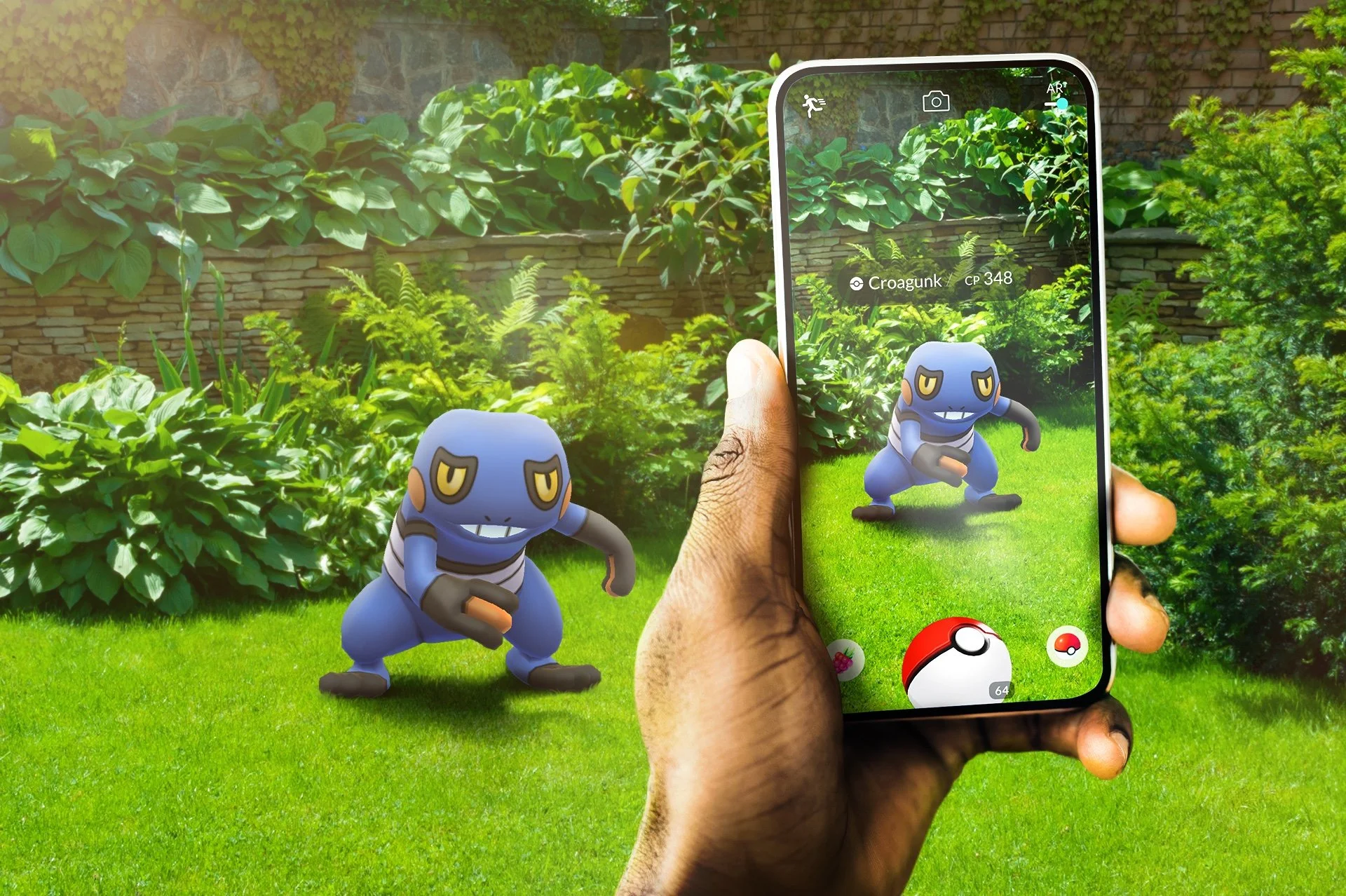
Figure 4: Marketing Materials for the release of Pokémon Go. Source: Created by The Pokémon Company.
Pokémon Go is a mobile game released in July 2016 that has “re-envisioned gaming through its groundbreaking blend of Augmented Reality (AR) and real-world exploration” (Sree Hari, 2025). One of the first of its kind, Pokémon GO uses an AR function to let the viewer explore their surroundings, collect Pokémon, and battle in gyms - merging physical activity and digital entertainment. It surpassed 500 million downloads within its first year on the market. Pokémon GO is the widest acclaimed immersive experience, hosting community events in the real world while enhancing AR technology adoption. While the game was out for four years prior to the COVID-19 Pandemic, its widespread usage in 2020 due to lockdown parameters generated 1.2B in revenue.
Pokémon GO was released at a great time within the company. The Pokémon had just opened multiple storefront locations in Japan, as well as an online store, in early 2016. There also hadn’t been a game release since October of 2013, with Pokémon X & Y making their debut. Pokémon GO was then announced in mid-2016, with the Sun and Moon games following in late-2016. The hardcore Pokémon fanatics who were hungry for a new game got three new games and an online storefront in one year, whereas consumers who only know of the Pokémon GO brand extension get roped in by the excitement of the new game and continue to support the company.
The ‘perception of fit’ between Pokémon GO and its ‘parent brand’ was extremely high for multiple reasons. Instead of issuing a new cast of characters, Pokémon GO created new versions of original Pokémon (Alolan) that are based on different regions both in the real world and in the Pokémon world. They also implemented different narrative features that were found in the original game series and anime series in a new way, like the Team Rocket balloons and Gym Battles. Another aspect to note about the ‘perception of fit’ is how well AR technology works with the Pokémon brand. Niantic, the AR lab behind games like Pokémon GO and Pikmin, develops games that ‘encourage people to explore the world’ (Niantic). One of the main aspects of the original games was running around, interacting with, and capturing Pokémon. With an AR-fueled engine, viewers can become trainers in real time, mimicking the open-world aspect of the original game series. Pokémon GO is a huge success story as an IP extension, both because of its marketability and because of its timely implementation of Augmented Reality.
XR and Brand Expansion
Within the world of IP expansion, XR implementation must fit well within the brand’s identity. In the case of Pokémon GO and Pikmin Bloom, the AR aspect works well because for each brand, character interaction is key. AR can become gimmicky if it doesn’t add anything to the game or how we view and interact with the characters.
Live immersive experiences act as brand expansions because they expand audience perception. However, live immersive experiences can only go so far. These events are static, and most often can’t be moved easily to other locations. They also become costly, both in commuting time and in price. Immersive events are great for larger known brands, like the ‘Disney Animation Immersive Experience’ in Fukuoka (closed in Feb.) and Rome, or the ‘Pokémon GO Trainer’s Tour’, spaced out over three days and held in the Pasadena Rose Bowl. However, for smaller brands or IPs that might not have that much pull, immersive events would be too much hassle for the output.
An aspect of XR and brand expansion that has been explored less, however, is the implementation of XR and narrative animated media. Historically, the combination of animation and immersive technology ends up as avatar creators, video games (as discussed above), VR experiences that specifically involve a pricey headset, or live immersive events. As VR continues to evolve and grow, brand expansion for animated media needs to evolve with it. The goal of this research project is to find an approach to combining animation and immersive technology that is marketable, accessible, and creates a new kind of immersive storytelling.
Active Research Project: Work In Progress (the band) and Monsters and Minstrels
We use animation for AR video games, like Pokémon GO, so why are there fewer use cases of AR combining with animation in a narrative setting? This was my main research question, so I set out to try and combine AR and narrative animation in the form of a narrative-led Animated Music Video.
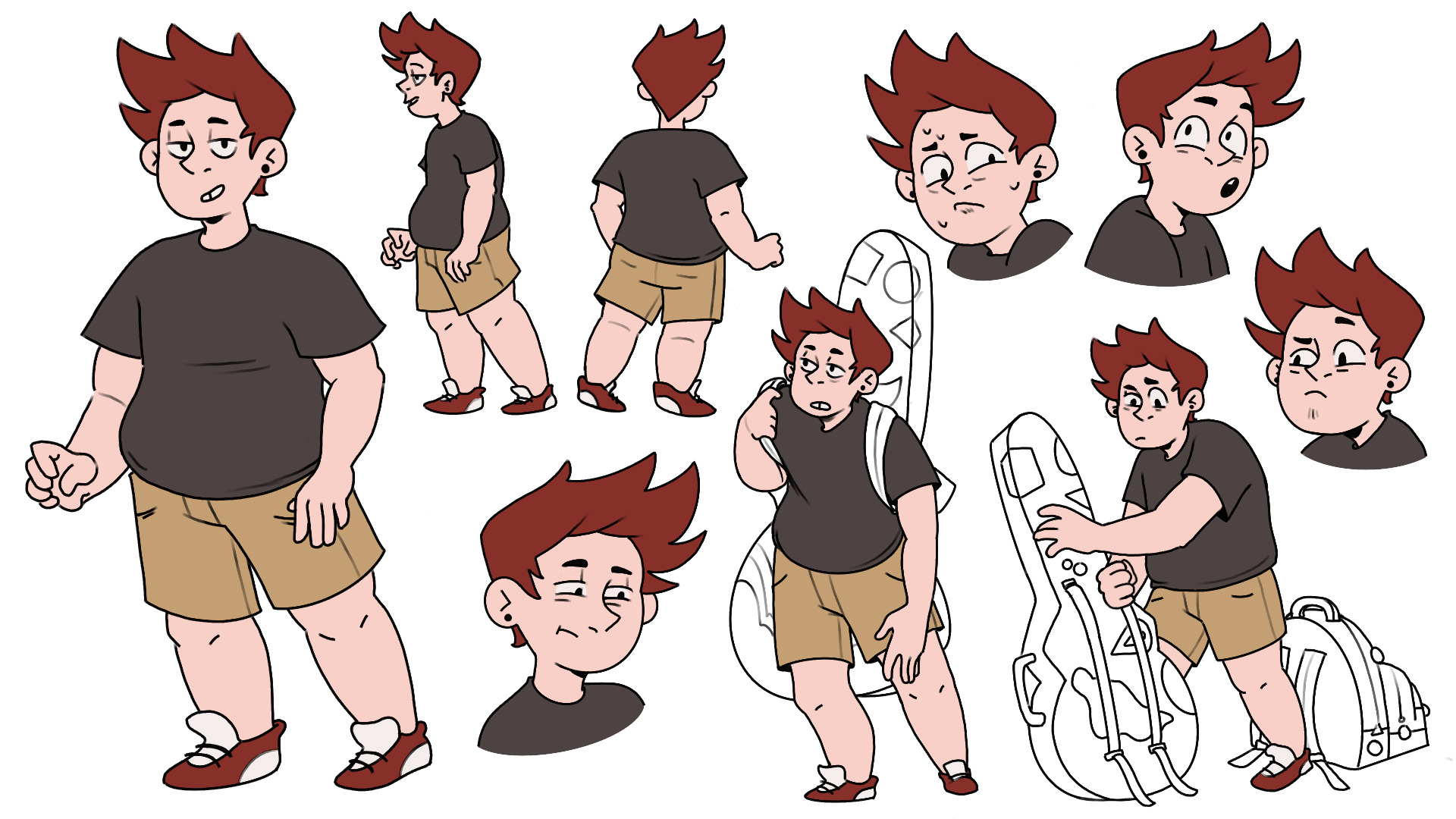
Figure 5: Sam’s character sheet. Source: Created by the author.
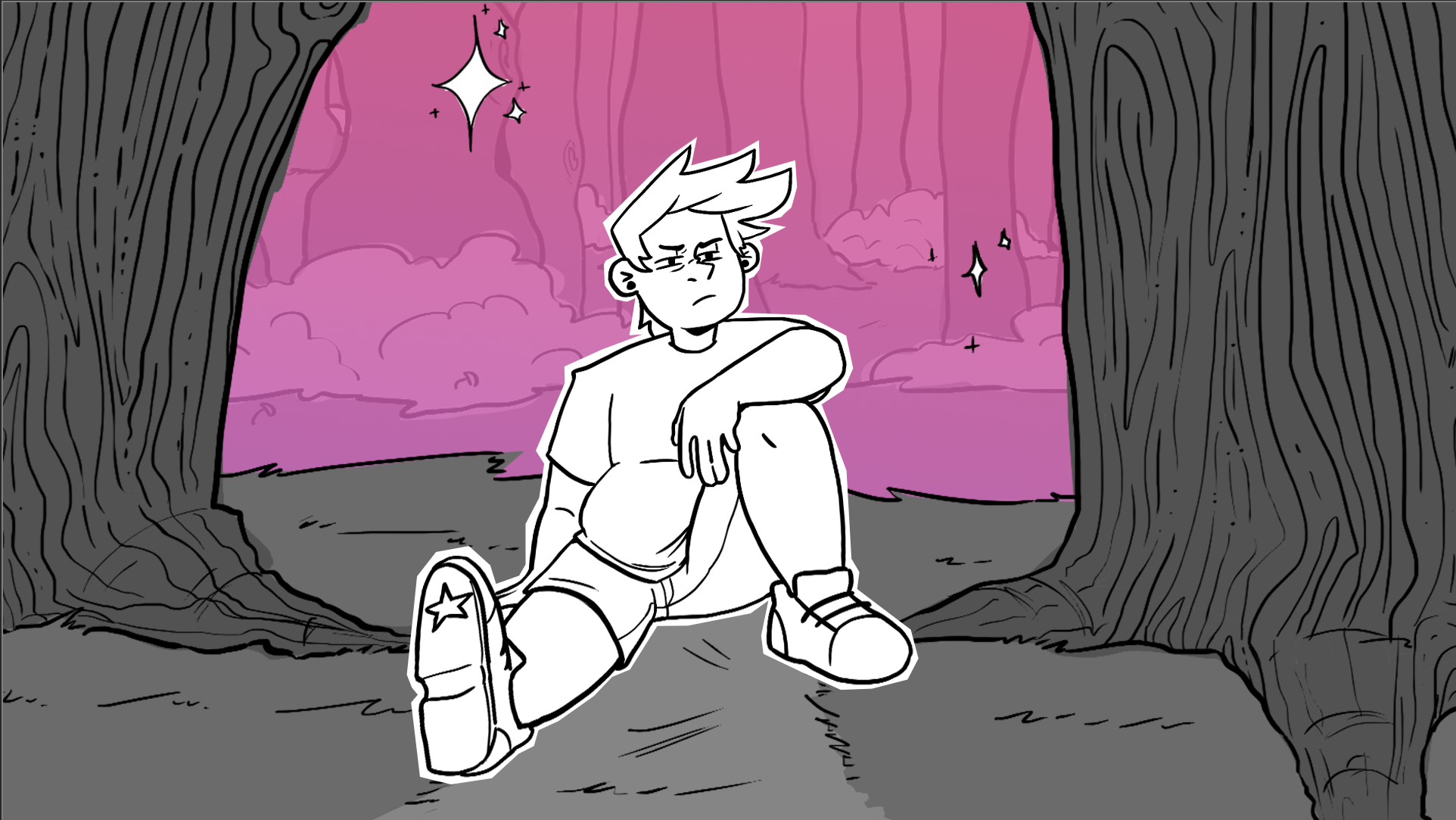
Firstly, some context. Monsters and Minstrels is a 2D animated tv series that aims to be a multi-modal storytelling franchise, including an animated tv series, digital band project, and augmented reality music videos. The story follows Sam, a 15-yr-old jaded anxious rockstar-wannabe who finds himself at a summer camp for monsters and mythical creatures. Monsters and Minstrels is for the oddballs, weirdos and wallflowers, and those who were just a little emo back in the day. With support from the Steiner Film Fund and the Arts Management and Technology Lab, I have been developing a pilot animatic for the show. As the series is a musical, the main portion of the research project that we will discuss today is a 2D animated music video of the first song in the series, 'Solitary Savior'. Specific shots of the video will use AR triggers to create a new type of immersive storytelling.
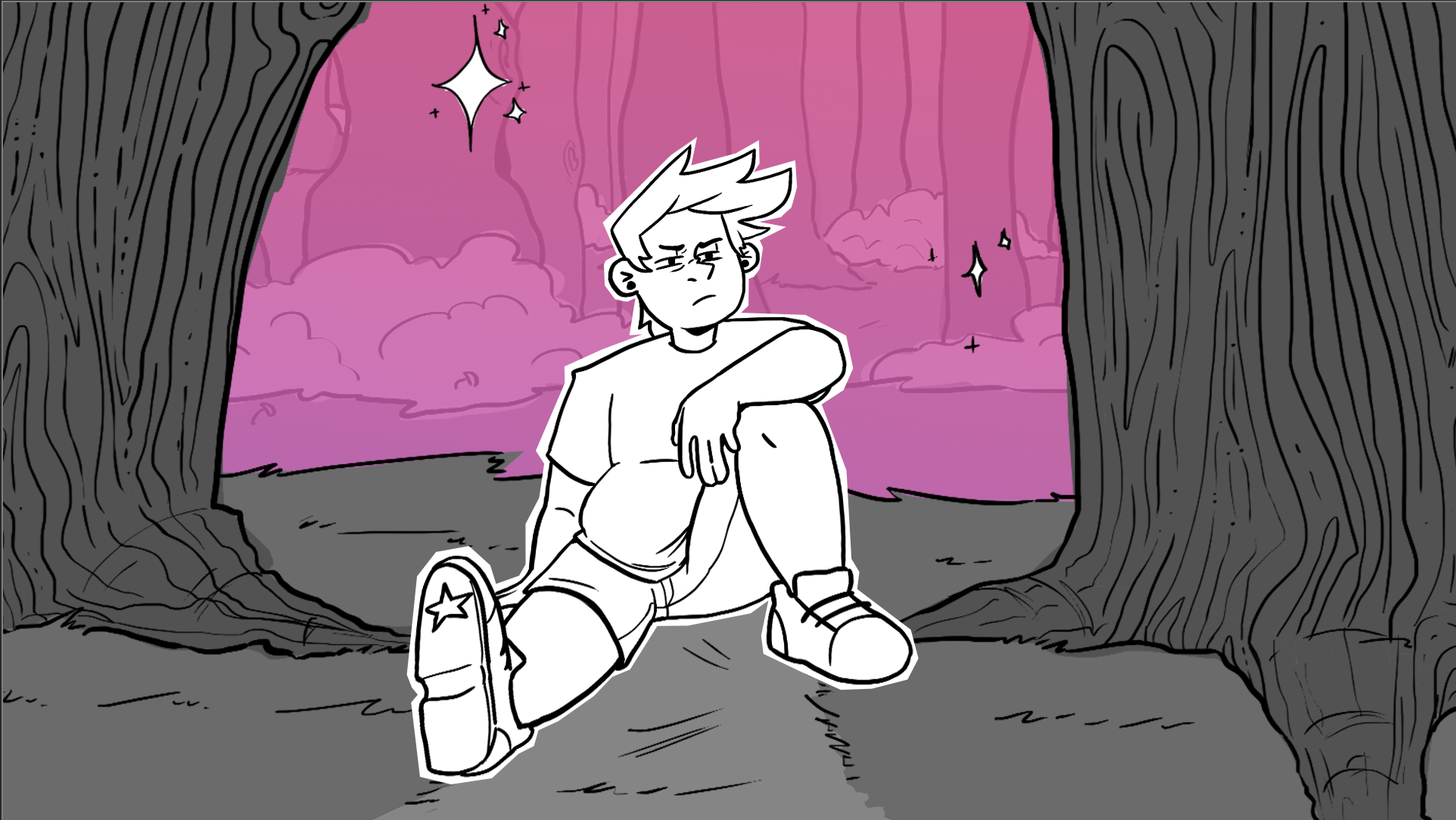
Figure 6: A shot from the Monsters and Minstrels’ “Solitary Savior” music video animatic, featuring the main character, Sam. Source: Created by the author.
The original (and quite expansive) idea behind the AR implementation was multi-faceted. It included the ability to toggle on and off backgrounds (switch from a forest landscape to a city landscape, or completely extract the background), sound design that shifts per environment, camera autonomy from the viewer, and a full app to display. Strategically, we have been following the 3D animation pipeline to create a 3D model of Sam, then rig and animate him, and use Unity to compile the scenes using their AR core. To do this, we will be animating a short run cycle as a test shot to make sure the AR pipeline works.
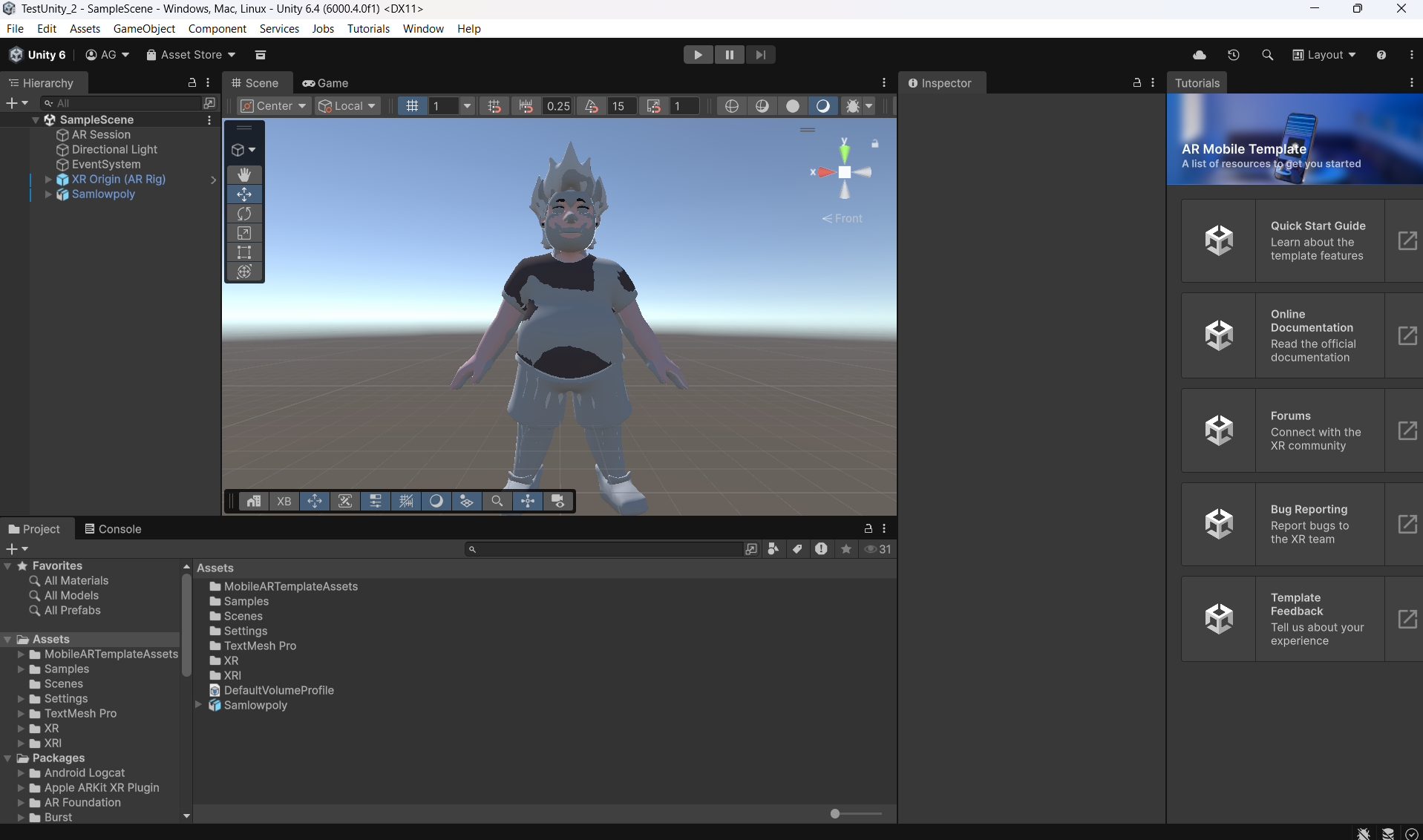
Figure 7: Sam’s base model (no rig) in Unity, our AR development program. Source: Created by the author, model created by Shienka Martinez.
When discussing this idea with instructors and industry professionals, we realized there was a flaw in the plan. If viewers have complete camera autonomy, what if they miss important narrative beats because they were turned away? This posed the question of how we should keep the viewers connected to the narrative aspect of the video as well as the augmented reality aspect. Because of this, we decided to use 2D animated sequences as cutscenes. These cutscenes will include specific narrative beats within the music video, and will be inserted into the Unity scene as fully animated clips. Through my shot list, I have marked which shots will work well as Augmented Reality, and which shots portray narrative beats that must act as cutscenes. If we expand the project in the future, over half of the shots will include an AR function!
Finalized animated shot (cutscene) for “Solitary Savior”. Animated by Desiree Schaeper.
My team of 3D artists have created a model of Sam, which we will be using for the AR shots. The model is made with a combination of Blender and ZBrush, and is housed in Blender. In a crunch for time, we are limiting the facial rig and hand rigs. This way, we can solidify the AR process without spending too much time on the animation. We will be working on modelling a background at a later date.
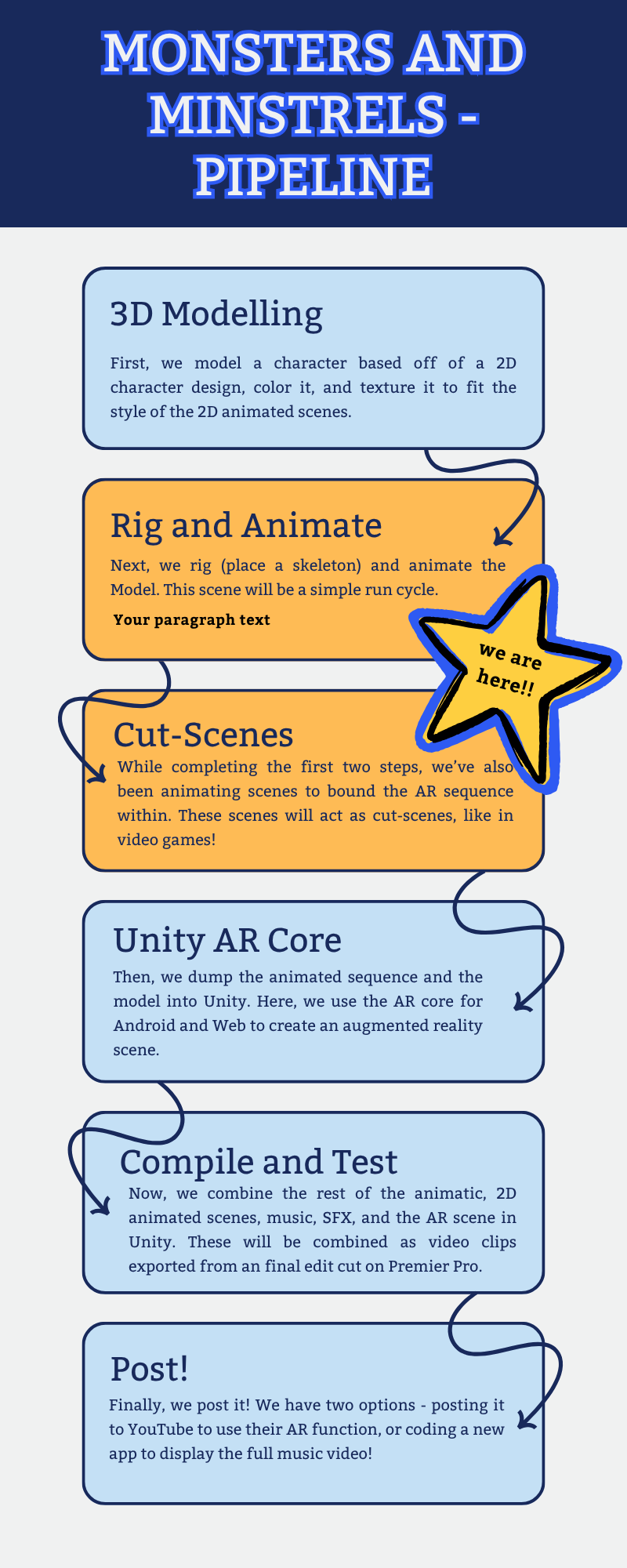
Figure 8: Monsters and Minstrels AR pipeline infographic. Source: Created by the author.
At this point in the process, we are nearing the compilation stage of the project! My 2D team is slated to end their production work at the end of May, and we will have a publish-able music video (without AR) by the end of June. The full animatic will be published on YouTube by the end of July. In regards to the AR functionality, our 3D model of Sam is fully rigged, and will be animated by the end of May. I will be working through 2026 to build an AR function with the help of CMU programmers. I look forward to continuing this experiment!
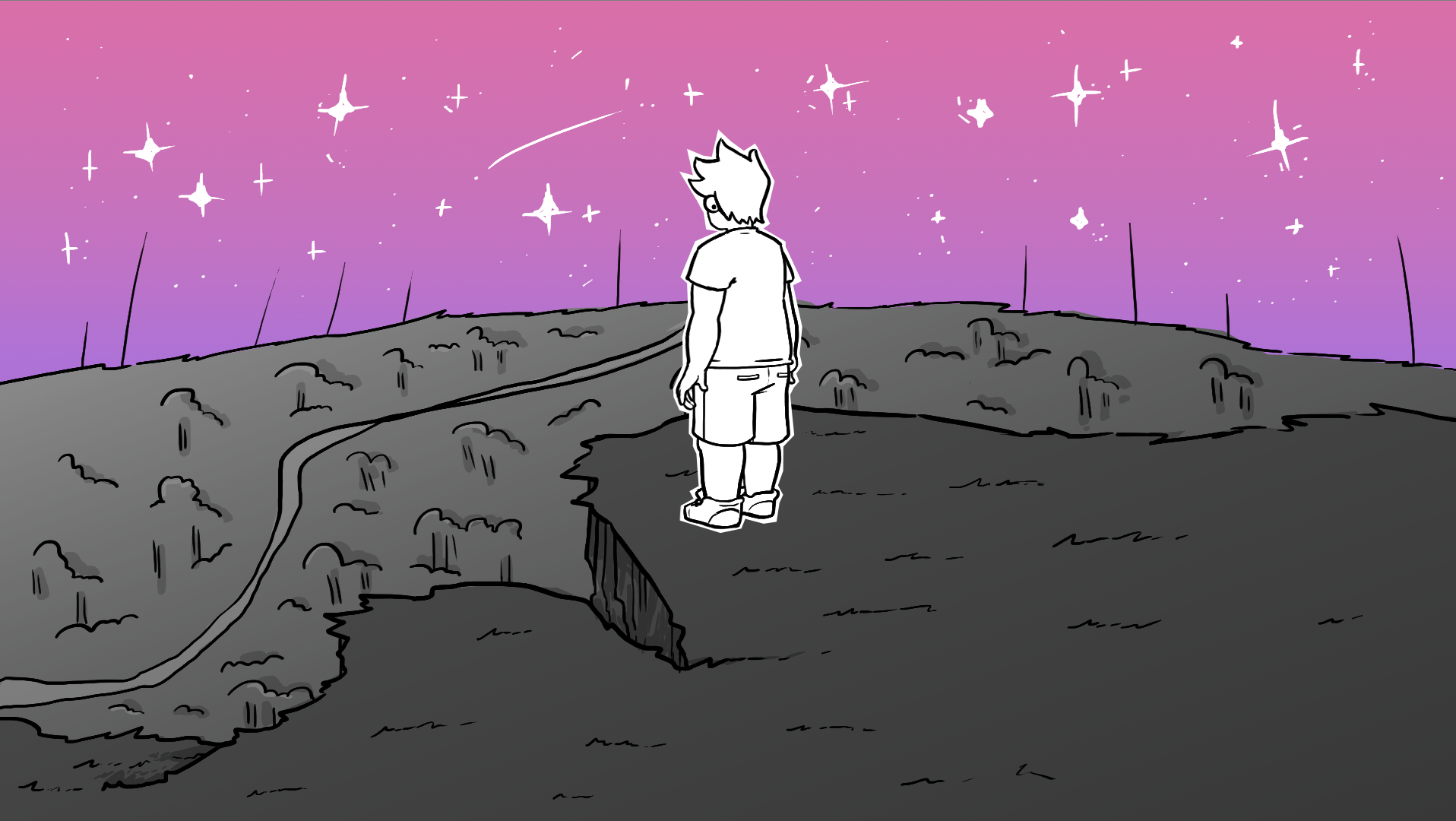
Figure 9: The final shot of the Solitary Savior music video animatic. Source: Created by the author.
Experimenting with immersive technology has opened my eyes to how we could harness its power to expand any aspect of the entertainment industry. From IP/Brand growth to concert accessibility and new storytelling modes, AR and other forms of immersive technology have the potential to bring consumers and distributors into a new age of entertainment industry. My final thoughts include:
Animation studios need to experiment more within their marketing and narrative models - integrate tech!
We (as consumers and creators) need to stop seeing animation as a genre, but as a medium
Immersive Technology will continue to redefine how we see storytelling and entertainment
Animation is still super expensive to make!
-
3D AR Experiences Are so Much Easier to Create than You Think! 👀. n.d. Accessed January 20, 2026.https://www.youtube.com/shorts/TSVCs6n1YtE.
“(79) XR and Spatial Computing: Transforming the Future with OpenXR - YouTube.” n.d. Accessed January 20, 2026.https://www.youtube.com/watch?v=iK0dKqCk_SA&t=1198s.
Animation Wiki. 2026. “The Tracey Ullman Show.” March 26.https://animation.fandom.com/wiki/The_Tracey_Ullman_Show.
Animation World Network. n.d. “Lightroom, Aardman Announce ‘Larger Than Life: Starring Wallace & Gromit, Shaun and More’ Immersive Experience.” Accessed March 12, 2026.https://www.awn.com/news/lightroom-aardman-announce-larger-life-starring-wallace-gromit-shaun-and-more-immersive.
Ashworth, Boone. n.d.-a. “Niantic’s Peridot, the Augmented Reality Alien Dog, Is Now a Talking Tour Guide.” Tags. Wired. Accessed January 20, 2026.https://www.wired.com/story/niantic-peridot-augmented-reality-snap-spectacles/.
Asim, Abdullah. 2026. “Apple’s AR Smart Glasses Now Have a Potential Release Date to Compete with Meta.” PhoneArena, February 16.https://www.phonearena.com/news/apple-ar-smart-glasses-potential-release-date-to-compete-with-meta_id178228.
“At a Glance - OD6181 Virtual Reality Software in the US - MyIBISWorld.” n.d. Accessed January 20, 2026.https://my.ibisworld.com/us/en/industry-specialized/od6181/at-a-glance.
“Augmented Reality Animation - Animation Services.” n.d. The Animation Guys. Accessed January 20, 2026.https://www.theanimationguys.com/what-we-do/augmented-reality-animation/.
Augmented Reality for Developers: Build Practical Augmented Reality Applications with Unity, ARCore, ARKit, and Vuforia. 2017. Packt Publishing, Limited.http://ebookcentral.proquest.com/lib/cm/detail.action?docID=5100510.
“Augmented Reality, Virtual Reality, Mixed Reality and XR Entertainment Market Size, Share | Industry Forecast to 2035.” n.d. Accessed March 23, 2026.https://www.marketgrowthreports.com/market-reports/augmented-reality-virtual-reality-mixed-reality-and-xr-entertainment-market-114167.
Bhalla, Priya. 2025. “Extended Reality Statistics By Market Size, Countries and Technology Trends (2025).” Electro IQ, October 23.https://electroiq.com/stats/extended-reality-statistics/.
Box Office Mojo. n.d. “My Little Pony: A New Generation.” Accessed April 22, 2026. https://www.boxofficemojo.com/title/tt10101702/.
Buoye, Alexander, Arne De Keyser, Zeyang Gong, and Natalie Lao. 2020. “Intellectual Property Extensions in Entertainment Services: Marvel and DC Comics.” Journal of Services Marketing 34 (2): 239–51.https://doi.org/10.1108/JSM-06-2019-0224.
Carey, Christopher. 2026a. “Meta’s VR Metaverse Abandons Its Own VR.” UC Today, February 23.https://www.uctoday.com/immersive-workplace-xr-tech/metas-vr-metaverse-abandons-its-own-vr/.
Cole, Alex. 2026. “What Will the XR Market Really Deliver by 2030?” UC Today, February 13.https://www.uctoday.com/?p=126626.
Company, The Business Research. 2026. “Trends in Growth, Segment Analysis, and Competitive Strategies.” February 16.https://www.openpr.com/news/4391877/trends-in-growth-segment-analysis-and-competitive-strategies.
Czellar, Sandor. 2003. “Consumer Attitude toward Brand Extensions: An Integrative Model and Research Propositions.” International Journal of Research in Marketing 20 (1): 97–115.https://doi.org/10.1016/S0167-8116(02)00124-6.
Ehrlich, Nea. 2020. “The Animated Document: Animation’s Dual Indexicality in Mixed Realities.” Animation 15 (3): 260–75.https://doi.org/10.1177/1746847720974971.
“Extended Reality Market Size to Hit USD 3,935.80 Bn by 2035.” n.d. Accessed March 30, 2026.https://www.precedenceresearch.com/extended-reality-market.
Francombe, Amy. n.d. “Meta Has Already Won the Smart Glasses Race.” Wired. Accessed January 20, 2026.https://www.wired.com/story/meta-has-already-won-the-smart-glasses-race/.
Google. 2022. “Gorillaz Turn the World into a Stage with Augmented Reality.” December 14.https://blog.google/products-and-platforms/products/google-ar-vr/gorillaz-maps-music-video/.
Gorillaz. 2022. Gorillaz Presents… Skinny Ape (Immersive Live Performance in Times Square).https://www.youtube.com/watch?v=iFaKhtlBU7A.
Hennig-Thurau, Thorsten, Mark B. Houston, and Torsten Heitjans. 2009. “Conceptualizing and Measuring the Monetary Value of Brand Extensions: The Case of Motion Pictures.” Journal of Marketing 73 (6): 167–83.https://doi.org/10.1509/jmkg.73.6.167.
Honolulu, Sarah Yamanaka. n.d. “A One-of-Kind XR Immersion Adventure on Wheels Rolls through Waikiki.” Accessed January 25, 2026.https://spectrumlocalnews.com/hi/hawaii/news/2025/07/25/a-one-of-kind-xr-immersion-adventure-on-wheels-rolls-through-waikiki.
IDA - Immersive Disney Animation. n.d. “Choose Your City.” Accessed February 11, 2026.https://disneyimmersive.com/.
“Immersive Technology Market Size And Share Report, 2030.” n.d. Accessed February 11, 2026.https://www.grandviewresearch.com/industry-analysis/immersive-technology-market-report.
“Immersive Workplace & XR Tech News | XR Today | XR News.” n.d. Accessed January 20, 2026.https://www.uctoday.com/immersive-workplace-xr-tech/.
Isaacson, Amy. 2024. “Did You Know These Incredible VR Attractions Exist in Japan?” The VR Collective - VR Attractions and Arcade Games, September 2.https://thevrcollective.com/did-you-know-these-incredible-vr-attractions-exist-in-japan/.
Knapp, Ann-Kristin, Thorsten Hennig-Thurau, and Juliane Mathys. 2014. “The Importance of Reciprocal Spillover Effects for the Valuation of Bestseller Brands: Introducing and Testing a Contingency Model.” Journal of the Academy of Marketing Science 42 (2): 205–21.https://doi.org/10.1007/s11747-013-0350-9.
License Global. n.d. “Little Lion Entertainment, Bandai Namco: Pac-Man Live Experience.” Accessed February 11, 2026.https://www.licenseglobal.com/location-based-entertainment/little-lion-entertainment-bandai-namco-unveil-pac-man-live-experience-.
Miller, Richard K., and Kelli D. Washington. 2026. Entertainment & Leisure Market Research. 2026. 22nd edition. Richard K. Miller & Associates.
“My Pretty Pony - Yum Yum’s Pony World.” 2015. May 20.https://web.archive.org/web/20150520170802/http://yum-yum-ponyworld.weebly.com/my-pretty-pony.html.
Netflix Tudum. n.d. “KPop Demon Hunters Reaches a Golden Milestone: Most Popular Netflix Film Ever.” Accessed April 21, 2026. https://www.netflix.com/tudum/articles/kpop-demon-hunters-most-popular-netflix-film.
“NYC Launches Augmented Reality Walking Tour for America’s 250th Anniversary.” 2026. News. NYS Music, February 15.https://nysmusic.com/2026/02/15/nyc-launches-augmented-reality-walking-tour-for-americas-250th-anniversary/.
Perez, Sarah. 2025. “Netflix Acquires Gaming Avatar Maker Ready Player Me.” TechCrunch, December 19.https://techcrunch.com/2025/12/19/netflix-acquires-gaming-avatar-maker-ready-player-me/.
planmyjapan. 2025. “Tokyo Immersive Experiences - Top 16 Events 2025.” Plan My Japan, July 20.https://www.planmyjapan.com/tokyo-immersive-experiences-events/.
Pokémon Trainers to Invade Rose Bowl for Three-Day Gaming Festival. n.d. Accessed February 16, 2026.https://www.pasadenanow.com/weekendr/pokemon-trainers-to-invade-rose-bowl-for-three-day-gaming-festival/.
Augmented Reality for Developers : Build Practical Augmented Reality Applications with Unity, ARCore, ARKit, and Vuforia. 2017. Birmingham: Packt Publishing, Limited. Accessed April 15, 2026. ProQuest Ebook Central.
Ricoh Global Website. n.d. “3D Reconstruction Technology for Next-Generation XR | Global | Ricoh.” Accessed January 20, 2026.https://www.ricoh.com/technology/tech/137_3D_reconstruction_for_Next_Generation_XR.
Team, Spiel. 2025. “AR & Animation: Merging Digital with Physical Worlds of Fan-Driven Animation.” Learn How To Grow Your Business With Video Marketing, June 6.https://www.spielcreative.com/blog/augmented-reality-animation/.
Tecmo, Koei. 2023. AR/VR Trends in Japan.
The New York Times. 2025. “Meta’s Smart Ray-Ban Glasses Let Me Live in the Moment. But the AI Is Useless.” October 3.https://www.nytimes.com/wirecutter/reviews/ray-ban-meta-skyler-glasses-review/.
The Pokémon Company. n.d. “History.” Accessed February 27, 2026.https://corporate.pokemon.co.jp/en/aboutus/history.
Thompson, Emily. 2026. “YouTube Reveals Vision Pro App On 02/12/2026 – Why This Shift Matters Now.” Glass Almanac, February 15.https://glassalmanac.com/youtube-reveals-vision-pro-app-on-02-12-2026-why-this-shift-matters-now/.
ThrillSeeker. 2022. VR in Japan Is on a WHOLE NEW LEVEL! 13:35.https://www.youtube.com/watch?v=qwblvGYFG30.
U.S, Samsung Newsroom. n.d. “Introducing Galaxy XR: Opening New Worlds.” Accessed January 25, 2026.https://news.samsung.com/us/introducing-galaxy-xr-opening-new-worlds.
Waisberg, Ethan, Joshua Ong, Mouayad Masalkhi, et al. 2024. “Meta Smart Glasses—Large Language Models and the Future for Assistive Glasses for Individuals with Vision Impairments.” Eye 38 (6): 1036–38.https://doi.org/10.1038/s41433-023-02842-z.
“What Were the First Animated Films?” 2022. April 13.https://www.linearity.io/blog/first-animated-films/.
Ziyauddin, Syed. 2026. “Samsung Confirms AR Glasses To Rival Meta: Powered By Google Gemini And Android XR, Check Details And Launch Date.” NewsX, January 31.https://www.newsx.com/tech-and-auto/samsung-confirms-ar-glasses-to-rival-meta-powered-by-google-gemini-and-android-xr-check-details-and-launch-date-156754/.
腾讯网. 2026. “当汪苏泷演唱会走进VR大空间:‘罗曼城’的另一种打开方式_腾讯新闻.” January 21.https://news.qq.com/rain/a/20260121A0247G00.