
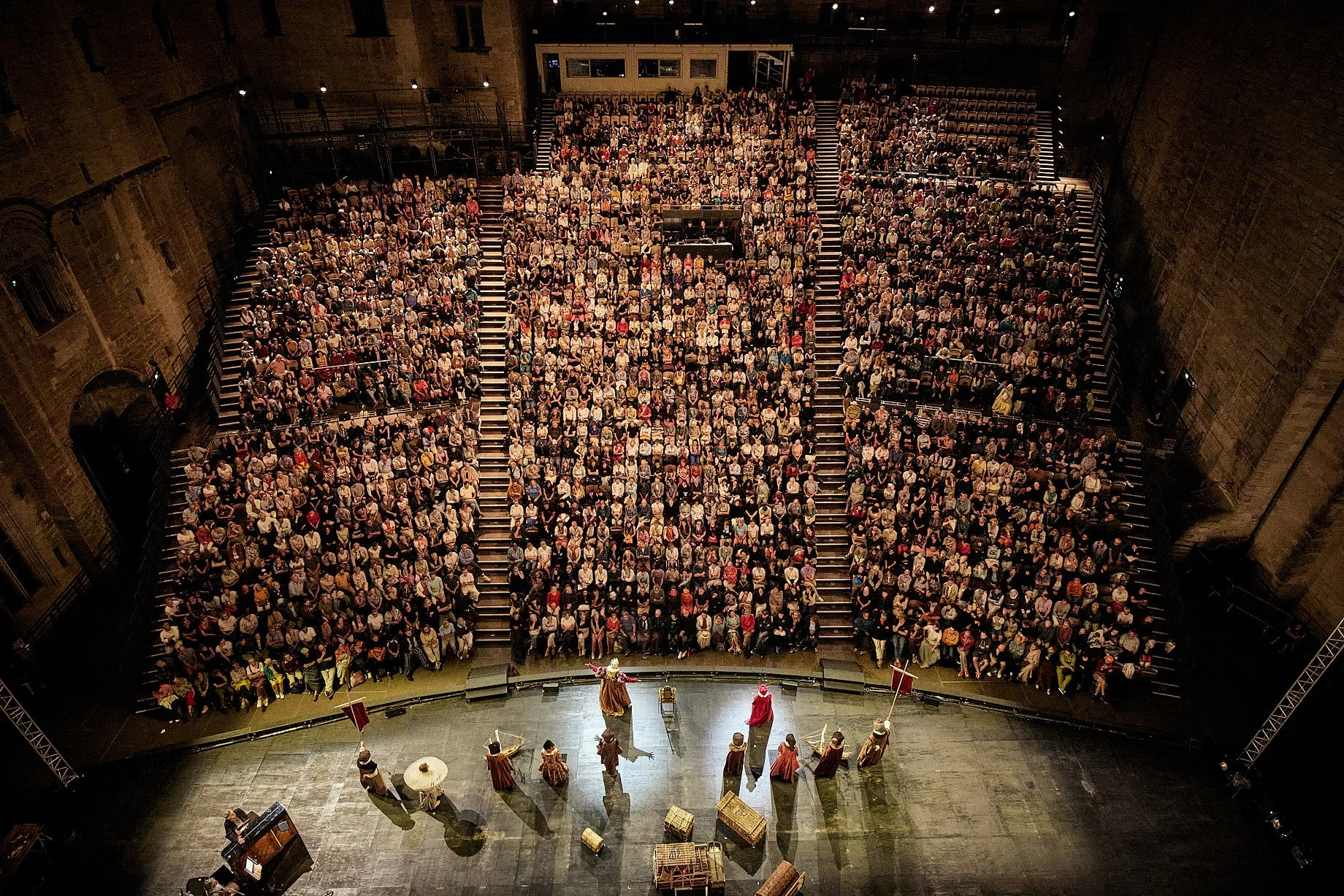
“IT’S ALWAYS BEEN a good argument starter to contend that all theater is political, even if the claim sometimes depends on stretching the definition of ‘political’ to its vaguest outer limits.”
Festivals have existed for more than 4,000 years and have been closely associated with theatrical events for over 3,500 years. In the post-World War II period, international theatre festivals emerged as a distinct category within an ever-expanding festival landscape, bringing together performances from multiple cultural contexts in a limited timeframe. As their names suggest, these international theatre festivals foreground cross-cultural collisions, connections, and collaborations more explicitly than other types of festivals and theatres do (Fleury, 2026).
This research examines how international theatre festivals have evolved in response to shifting historical contexts and analyzes their impact on artists, audiences, and the local communities today. It focuses on international theatre festivals that have been running for more than ten years and excludes fringe festivals. The study begins with a global historical overview of international theatre festivals from 1947 to the present, followed by case studies from across six continents, spanning both major urban centers and rural areas.
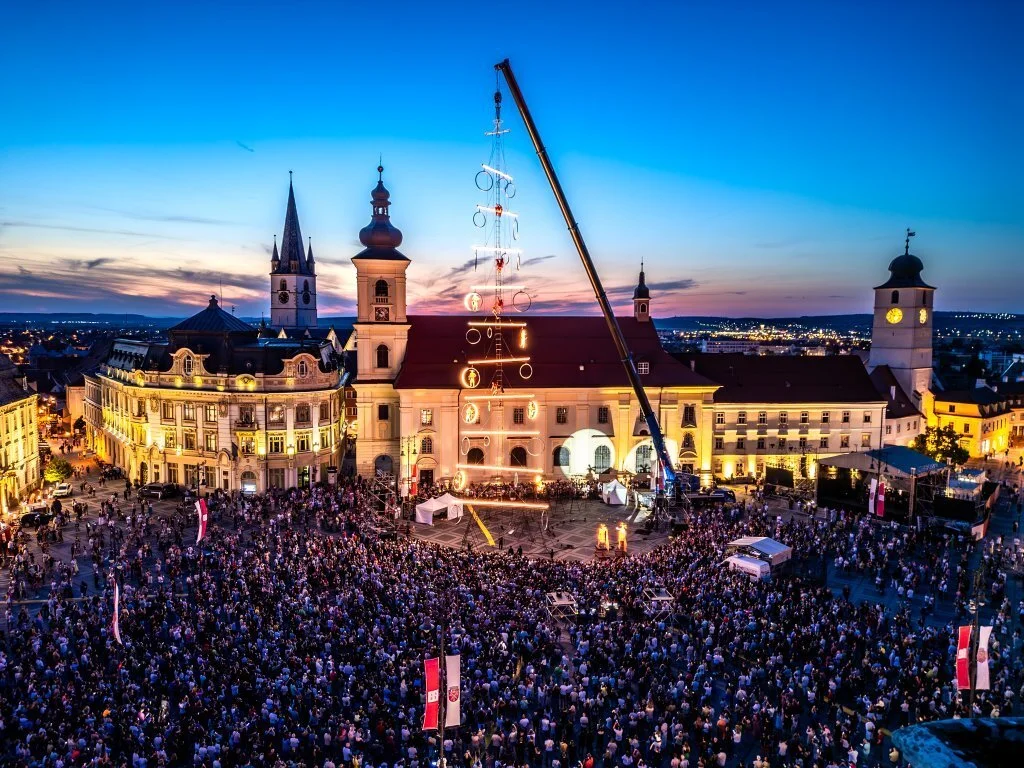
Figure 1: The 32nd Sibiu International Theatre Festival in 2025. Source: Sibiu International Theatre Festival.
Festival, Social Politics, and Theatrical Performances
A festival is a cultural performance that incorporates multiple performance genres (Fischer-Lichte, 174). Whether sacred or secular, it is a kind of celebration (Getz and Page, 67), temporarily transforming everyday landscapes into liminal spaces of collective experience. It is both conventional, requiring rigid and structured scheduling, and cathartic, as it disrupts everyday routines and provides “a carnivalesque release from the habits and hierarchies that generally regulate lives” (Fischer-Lichte, 174-175).
Scholars have found festival schedules incised on temple walls from the Old Kingdom (2649–2130 BCE) of ancient Egypt, marking the first known festival in the world (Bryan, "Festivals in Ancient Egypt," at 5:41-5:48). Since their earliest forms, festivals have served important social and political functions. In Ancient Egypt, festivals reinforced social stability by confirming the legitimacy and divinity of the ruling class, while also providing temporary freedom for those at the lower levels of a highly stratified society to “overeat, drink to excess, to express a temporary freedom from want.” At the same time, festivals created rare opportunities for public access to deities who were normally secluded in the back of temples, allowing communities to seek guidance in resolving minor disputes (10:00-11:09).
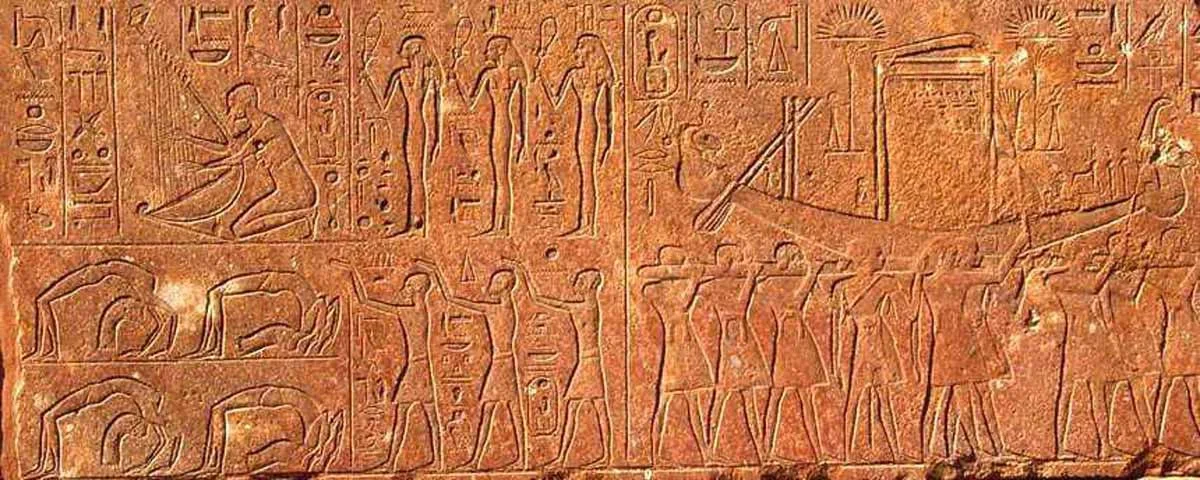
Figure 2: Relief showing artists participating in the Opet Festival. 1479-1458 BCE. Source: The Collector
Festivals have been closely connected to theatre. In ancient Egypt, theatrical events were first recorded during the Opet Festivals in the New Kingdom, around 1500 BCE. In the Western world, theatrical performances emerged during the Great Dionysia, or the Festival of Dionysus, held in Athens, ancient Greece, in the fifth century BCE (Knowles, Cambridge Companion, 4). Erika Fischer-Lichete writes that the festival included processions, dithyrambs, comedies, tragedies, and public gatherings, marking one of the earliest forms of festival and festival-based theatre in the West. As history progressed, most European festivals included theatrical performances. Indeed, before the mid-fifteenth century, most theatre performances “could only take place within the wider frame of a festival.” This pattern of combining cultural performances with festivals is not unique to the regions discussed above and can be found in other cultures as well (Fischer-Lichete, 174-175).
International Theatre Festival and Cultural Legitimacy
Theatre festivals exist in almost every region of the world and have taken many forms depending on their cultural and historical contexts. Among these, international theatre festivals constitute a distinctive category. In The Cambridge Companion to International Theatre Festivals, Ric Knowles defines international theatre festivals as organized, time- and space-limited cultural “meta-performances” that embed a concentrated series of individual performances from multiple nations within a larger festival framework for local and visiting audiences (2).
International theatre festivals began to emerge on the global cultural stage in the aftermath of the Second World War. As the nation-state consolidated its position as the primary political authority, the celebration of national cultures became increasingly prevalent. During Europe’s reconstruction, governments prioritized political stability and the rebuilding of relationships between nations. Within this context, some of the most well-known international theatre festivals, now referred to as the founding festivals, were established (Zaiontz, 15-17). The year 1947 marked “Year One” of international theatre festivals: both the Edinburgh International Festival and the Festival d’Avignon held their first edition that year, followed by the Holland Festival, the Aldeburgh Festival, and the Wiener Festwochen in 1948. The founding visions of these festivals were to “reunite people through great art” and to restore “international cooperation and exchange,” using artistic exchange to heal a war-torn Europe. These festivals thus served as a form of “moral reassurance,” promoting elite cultural nationalism and universalism that countered far-right populism while also supporting broader policy initiatives to develop arts and cultural institutions (15-16).
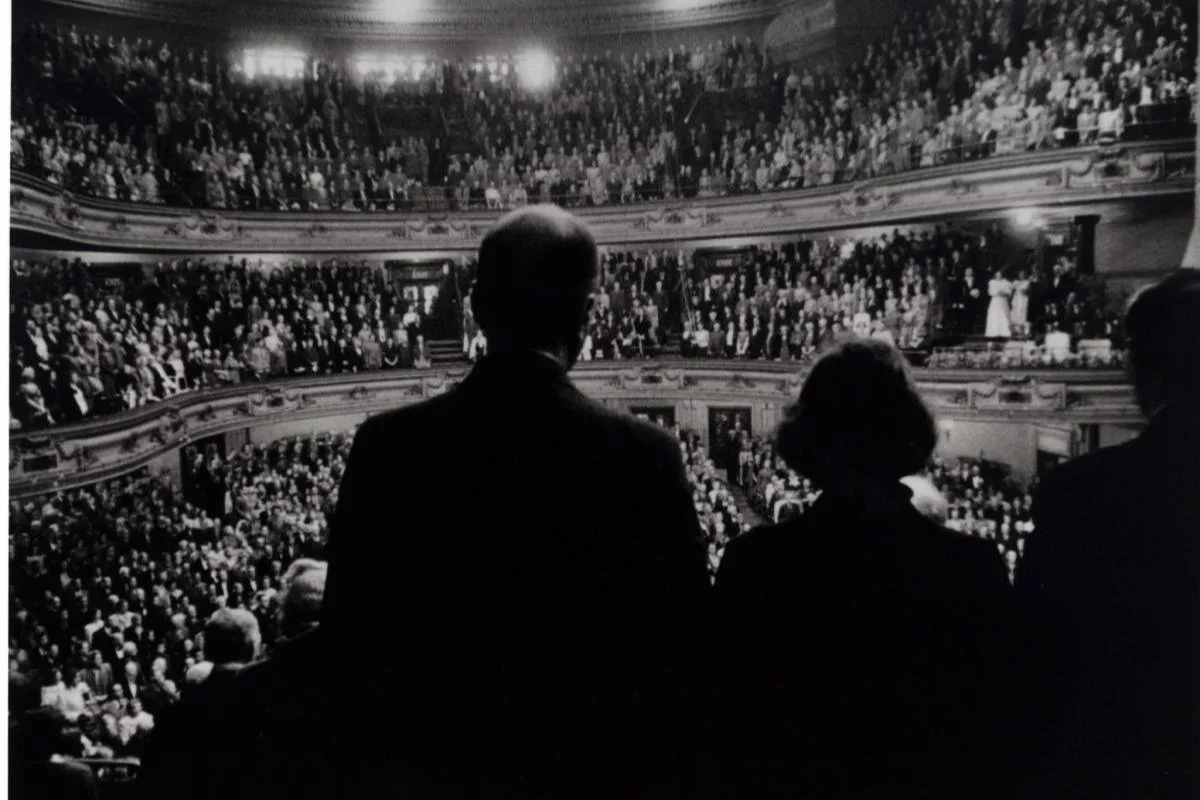
Figure 3: The opening concert of the first edition of the Edinburgh International Festival in 1947. Source: The Herald.
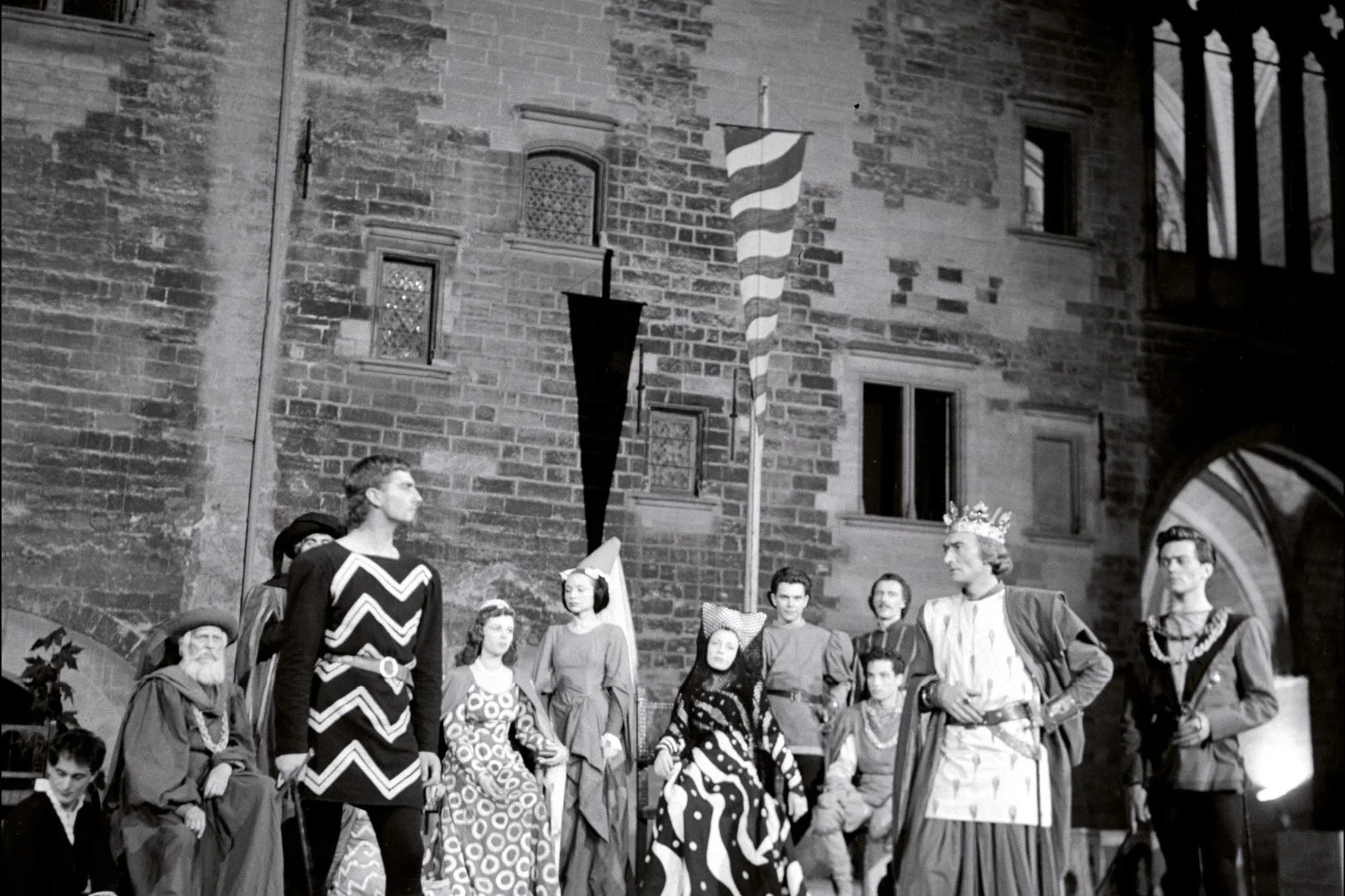
Figure 4: Richard II, staged at the first edition of the Avignon Festival in 1947. Source: Avignon Festival.
The model of the international theatre festival quickly spread to other regions of the world. In Australia, the Perth Festival, founded in 1953, and the Adelaide Festival of the Arts, founded in 1960, were modeled on the Edinburgh International Festival. They were established partly to overcome the country’s cultural isolation (Thomasson, 133), enhance Adelaide’s national and international prestige as a leading arts city, and bring visitors to the city’s commercial center through elite, high-artistic-standard programming (Franklin, 599). Just like Edinburgh Fringe, Perth and Adelaide are also accompanied by large-scale fringe festivals (Thomasson, 136).
The 1960s and 1970s marked an era shaped by both decolonization and the persistence of colonial structures. In 1972, the Festival of the Pacific Arts (FESTPAC) was founded in Fiji. It was conceived not as a tourist festival, "but one put on by and for Pacific peoples." FESTPAC is one of many festivals in the Pacific Island region established to foster solidarity among the Pacific communities. At almost the same time, in South Africa, the 1820 Settlers National Monument was founded in 1974 and later renamed the National Arts Festival in 1980. The festival was first established to celebrate British colonial origins and promote Western culture. Through staging productions such as Shakespeare’s King Lear and Mozart’s Così fan tutte (Kruger, 180-181), the festival positioned European works as markers of artistic authority and legitimacy.
International Theatre Festivals Under Neoliberal Politics
Since the 1980s, the rise of neoliberalism, favoring free-market capitalism and minimal government regulation, has gradually replaced the state-supported cultural model that had developed after the Second World War with “creative industries” focused on commodification, tourism, and heritage (Zaiontz, 17). This shift also contributed to the rise of the “creative city,” in which cities were expected to become more independent and entrepreneurial, with cultural capacities becoming the new key drivers of economic development.
Under this historical context, international theatre festivals also experienced neoliberal shifts. The Santiago a Mil International Theatre Festival, founded in 1994 in Chile, though with the purpose of “break away from dictatorship” and supporting “the work of contemporary Chilean artists,” had to produce rock concerts during a period without public or private subventions (Graham-Jones, 228).
This period also saw international theatre festivals increasingly seek collaboration with their host municipalities and secure corporate sponsorship. For example, in Canada, the founders of the Luminato Festival appealed to the provincial government for CA$22 million in operating funds to establish the festival, positioning it as a key player in the city’s urban development strategies. Its multimillion-dollar partnership with L’Oréal extended beyond sponsorship to include artistic collaboration and artist provision (Zaiontz, 21–22).
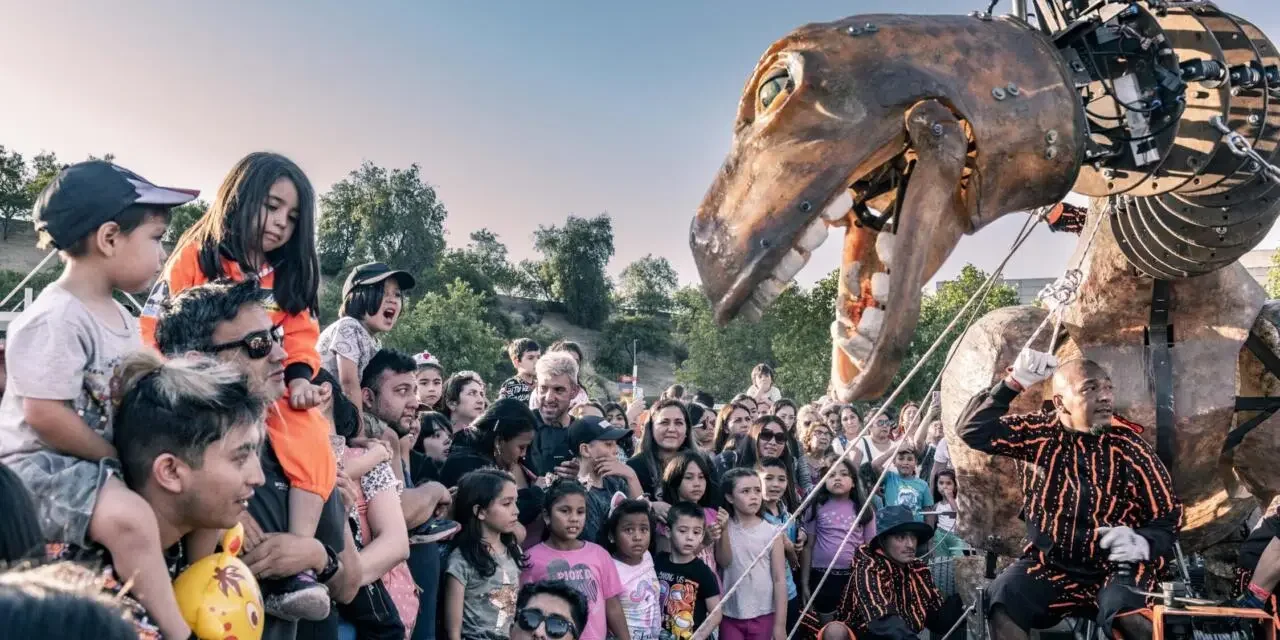
Figure 5: La Pichintún at the 2024 Santiago a Mil International Theatre Festival. Source: The Theatre Times.
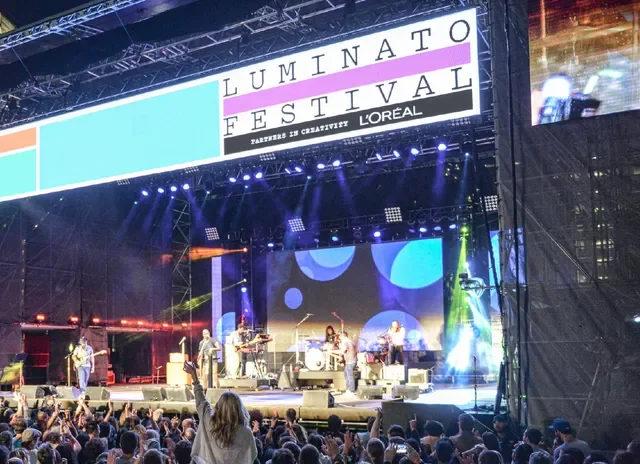
Figure 6: L'Oréal as the Partner in Creativity of Luminato Festival. Source: Luminato Festival.
At the same time, festivals adopted new forms of public accountability. For example, starting from 2007, the Edinburgh International Festival began publishing annual reports containing financial data, audience statistics, and images to demonstrate and justify the risks it was taking (Zaiontz, 18).
The tension between “risk-taking” and financial solvency, combined with reductions in government support, contributed to the emergence of smaller-scale, artist-run festivals. Examples include the PuSh International Performing Arts Festival in Vancouver and Under the Radar in New York City (Zaiontz, 17–20). These festivals not only aimed to be transnational but also positioned themselves as more flexible, experimental, and locally grounded (Martin, 119-120).
International theatre festivals, while embedded in global cultural and economic systems, are also shaped by regional geopolitical dynamics. In East Asia, the founding of the BeSeTo Festival in 1994 marked a point-in-time when China, Japan, and Korea were trying to figure out what East Asian theatre could be, rather than following the Western model in the wake of double-colonization by European Imperialism and the Japanese after the Meiji Restoration (Kim, 192). Post-Arab Spring, international theatre festivals in North Africa and the Middle East are “instrumentalized to control dissent” and also serve as spaces where revolutionary practices are made (Amine, 159).
After nearly 80 years, international theatre festivals have diversified significantly in both number and form. By 2020, there were more than seven hundred international theatre festivals worldwide.

Conclusion and Discussion
Since their emergence post-World War II to the neoliberal era we live in today, politics has always been a part of international theatre festivals. Across different historical moments, these festivals have not only presented artistic work but also restored civic momentum and pride, reinforced or challenged power structures, and responded to shifting economic conditions.
A common criticism of international theatre festivals is their limited representation of local communities and positioning as elite high art. Though a cultural pilgrimage for many, the Edinburgh International Festival was “resented by local Scots” for excluding Scottish culture, which contributed to the founding of the Edinburgh Fringe Festival in 1947 (Franklin, 588). While some festivals began to respond to civic movements and embrace "art for the masses," this critique has persisted.
In an increasingly turbulent world, theatre offers a space to tell the stories of humanity behind complex social and political narratives. Edinburgh International Festival, Festival d’Avignon, and Holland Festival recently announced a co-production of a new adaptation of Henry Ibsen’s An Enemy of the People, marking the first collaboration among the three major European festivals after their founding in 1947. As history echoes into the present, such a partnership suggests how international theatre festivals might collectively respond to contemporary challenges. It also points toward a potential future in which these festivals serve not only as sites of cultural prestige but also as platforms for representation and understanding.
-
Amine, Khalid. "Theatre Festivals in Post-Arab Spring Countries." In The Cambridge Companion to International Theatre Festivals, edited by Ric Knowles. Cambridge University Press, 2020, 147-161. https://doi.org/10.1017/9781108348447.
Avignon Festival. "A Historic Collaboration." November 18, 2025. https://festival-avignon.com/en/news/a-historic-collaboration-354479.
Britannica Editors. "Arab Spring." Encyclopedia Britannica, March 21, 2026. https://www.britannica.com/event/Arab-Spring.
Britannica Editors. "Meiji Restoration."Encyclopedia Britannica, January 16, 2026. https://www.britannica.com/event/Meiji-Restoration.
Bryan, Betsy M., Foy Scalf, and Emily Teeter. "Celebrating the Divine: Festivals in Ancient Egypt." Lecture, December 4, 2025. Posted on December 22, 2025, by The Met. YouTube video, 2:23:02. https://www.youtube.com/watch?v=AabffBdO1R4&t=113s.
Carrel, Severin. "Wagner Moura to Lead Ibsen Update in Unique European Festival Collaboration." The Guardian, November 18, 2025. https://www.theguardian.com/stage/2025/nov/18/wagner-moura-to-lead-ibsen-update-in-unique-festival-collaboration.
Cheng, Yuezhu. "Watery Wuzhen Puts On a Wave of Shows." China Daily, November 3, 2024. https://www.chinadailyhk.com/hk/article/596901#Watery-Wuzhen-puts-on-a-wave-of-shows--2024-11-03.
Corrieri, Bridgida. "How the Egyptians Celebrated the Pharaoh During the Opet Festival." The Collector, July 8, 2025. https://www.thecollector.com/opet-festival-pharaoh-ancient-egypt/.
Edinburgh International Festival. "Our History." Accessed March 3, 2026. https://www.eif.co.uk/about/our-history.
Franklin, Adrian, Boram Lee, and Ruth Rentschler. “The Adelaide Festival and the Development of Arts in Adelaide.” Journal of Urban Affairs 44 no.4–5 (2022): 588–613. https://doi.org/10.1080/07352166.2021.1909422.
Getz, Donald, and Stephen J. Page. Event Studies: Theory, Research and Policy for Planned Events. 3rd ed. Routledge, 2015. https://doi.org/10.4324/9781315708027.
Graham-Jones, Jean. "International Festivals in Latin America: Festival Santiago a Mil and Festival Internacional de Buenos Aires." In The Cambridge Companion to International Theatre Festivals, edited by Ric Knowles. Cambridge University Press, 2020, 239-253. https://doi.org/10.1017/9781108348447.
Harris, Mark. "Why Does Every Play Seem Political Now?" The New York Times Style Magazine, March 3, 2025. https://www.nytimes.com/2025/03/03/t-magazine/political-theater-broadway-trump.html.
Holland Festival. "Our History." Accessed March 3, 2026. https://www.hollandfestival.nl/en/history.
Interview with Nora Fleury. Interview by Lehan Xu, February 18, 2026.
Kim, Hayana. "Reckoning with Historical Conflicts in East Asian Theatre Festivals: The BeSeTo Theatre Festival and Gwangju Media Arts Festival." In The Cambridge Companion to International Theatre Festivals, edited by Ric Knowles. Cambridge University Press, 2020, 192-206. https://doi.org/10.1017/9781108348447.
Knowles, Ric. "Introduction." In The Cambridge Companion to International Theatre Festivals, edited by Ric Knowles. Cambridge University Press, 2020, 1-11. https://doi.org/10.1017/9781108348447.
Knowles, Richard Paul. International Theatre Festivals and 21st-Century Interculturalism. Cambridge: Cambridge University Press, 2022.
Kruger, Loren. "The National Arts Festival in Grahamstown: Culture, Economics, and Race in South Africa." In The Cambridge Companion to International Theatre Festivals, edited by Ric Knowles. Cambridge University Press, 2020, 132-146. https://doi.org/10.1017/9781108348447.
Larson, Alisa. "Neoliberalism." EBSCO, 2025. https://www.ebsco.com/research-starters/diplomacy-and-international-relations/neoliberalism.
Leadbetter, Russel. "The Story of the First Edinburgh Festival: ‘The World Will Pass Away but Music and Love Will Last Forever.’" The Harald, August 4, 2022. https://www.heraldscotland.com/news/20595754.story-first-edinburgh-festival-the-world-will-pass-away-music-love-will-last-forever/.
Martin, Carol. "Under the Radar Festival, New York: Experimental, Urban, and Global." In The Cambridge Companion to International Theatre Festivals, edited by Ric Knowles. Cambridge University Press, 2020, 118-131. https://doi.org/10.1017/9781108348447.
O'Connor, Justin, Xin Gu, and Michael Kho Lim. "Creative Cities, Creative Classes and the Global Modern." City, Culture and Society 21 (2020). https://doi.org/10.1016/j.ccs.2020.100344.
Stevenson, Karen. "The Festival of Pacific Arts Celebrating 40 Years." Secretariat of the Pacific Community, 2012. https://www.spc.int/sites/default/files/wordpresscontent/wp-content/uploads/2017/01/The-Festival-of-Pacific-Artsbooklet.pdf.
The National Arts Festival. "1974." Accessed March 2, 2026. https://nationalartsfestival.co.za/cool_timeline/1974/#:~:text=Operating%20as%20a%20living%20monument,the%20Olive%20Schreiner%20lecture%20venue.
Thomasson, Sarah. "The Australian Festival Network." In The Cambridge Companion to International Theatre Festivals, edited by Ric Knowles. Cambridge University Press, 2020, 132-146. https://doi.org/10.1017/9781108348447.
Zaiontz, Keren. "From Post-War to 'Second-Wave' International Performing Arts Festivals." In The Cambridge Companion to International Theatre Festivals, edited by Ric Knowles. Cambridge University Press, 2020, 15-35. https://doi.org/10.1017/9781108348447.