


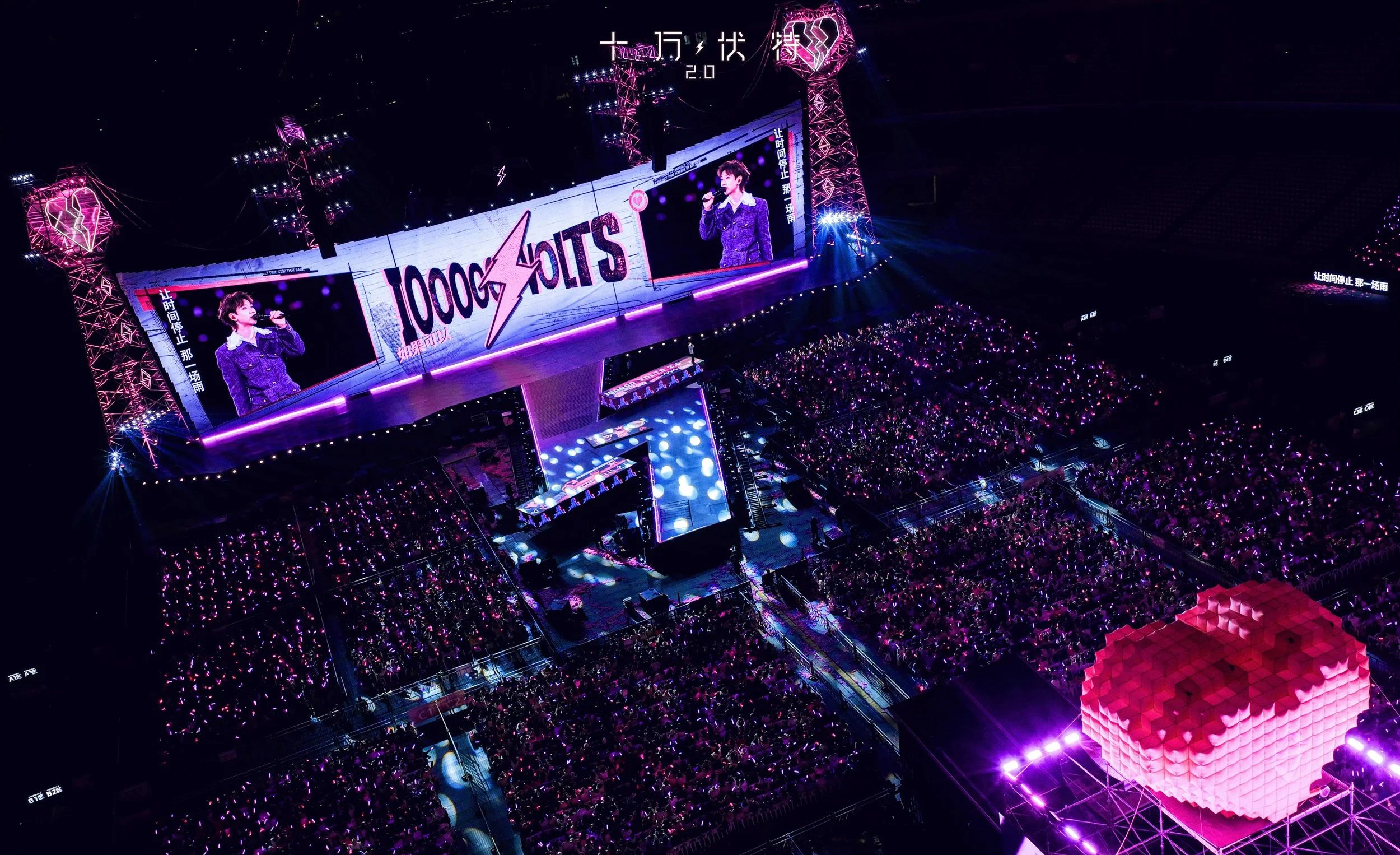
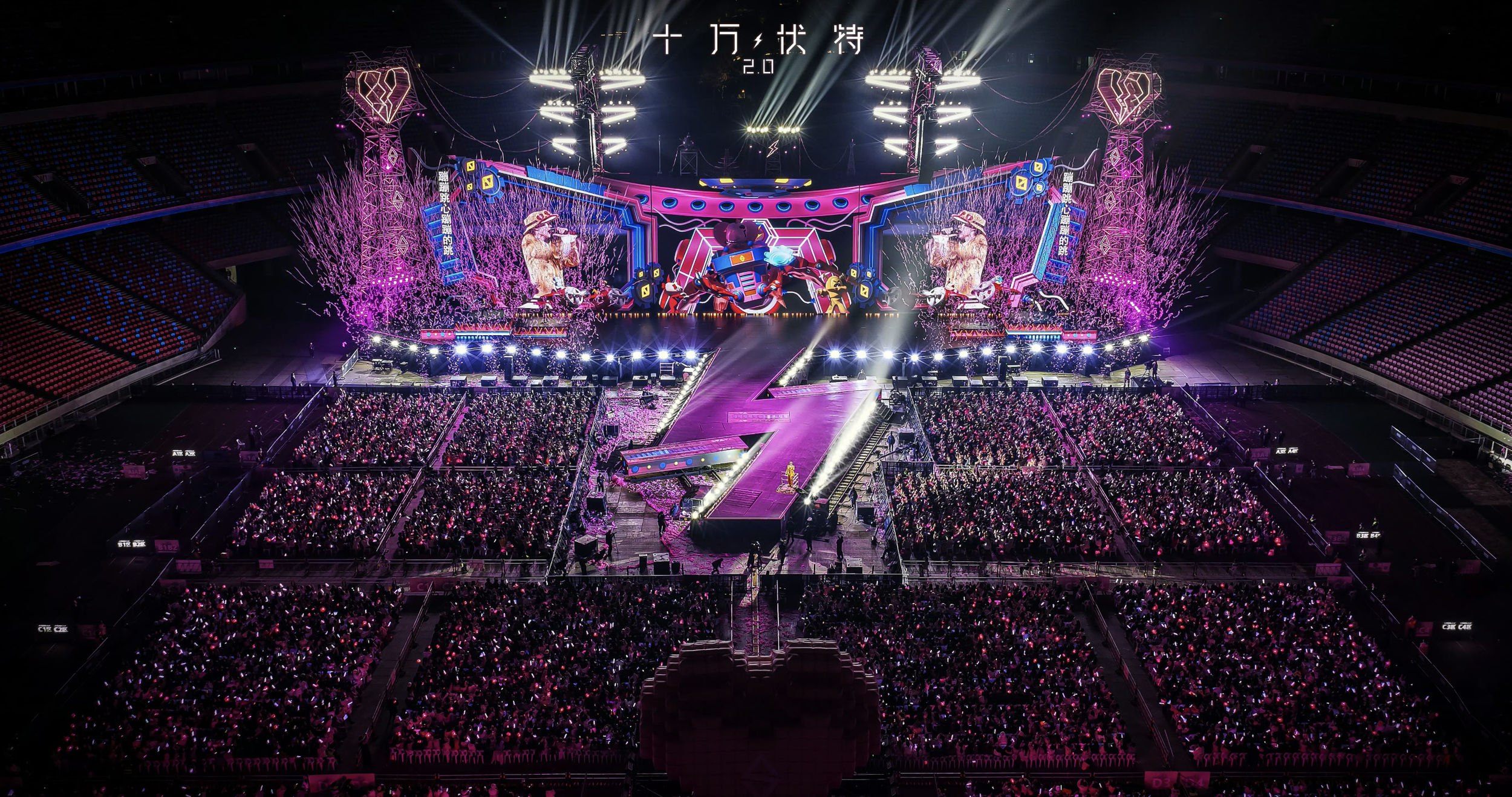


This article examines the shifting domain of audience engagement within the arts, tracing a trajectory from ephemeral street painting performances to the high-stakes spectacle of the Super Bowl halftime show and the emergent "postdigital" museum. By synthesizing the institutional critiques of Stephen E. Weil, the "Third Space" theories of Ray Oldenburg, and the "Experience Economy" framework by Pine and Gilmore, the future of cultural meaning lies in the transition from institutional authority to communal "polyphony." Through a series of case studies—including street painting festivals and the "Benito Bowl"—this paper explores how the quality of "presence" and the "Arc of Engagement" serve as the definitive mechanisms for meaning-making in an increasingly mediated, technosocial world.

How Games as a Service (GaaS) and Transmedia Strategies Sustain Video Game Franchises, Part II
In Part II, this part of the study moves from industry context to empirical analysis, translating strategic questions into evidence-based insights drawn from primary research. While Part I established the historical and market foundations of Games as a Service (GaaS) and transmedia adaptation and framed the challenges of player retention, monetization, and franchise longevity, Part II examines how these dynamics operate in practice. Using findings from a 1,159-response U.S. consumer survey, nine industry interviews with developers, influencers, and experiential professionals, as well as supporting secondary research, this section analyzes player behavior perceptions and expectations. Part II identifies the mechanisms that drive sustained engagement and trust in live service ecosystems, evaluates the effectiveness of current GaaS and transmedia strategies, and surfaces actionable insights that inform the strategic recommendations presented in the final chapter.

