

This spring, we saw major movements in the legal landscape of digital advertising. Between Google being ruled as an advertising monopolist and Mark Zuckerberg’s war on creative materials, digital advertising is gearing up for change. Read on for more information, including pirating issues, new ambitions for VR movies, and increased access to AI image generation.
Google Ruled an AdTech Monopoly
A U.S. judge ruled that Google unlawfully monopolized two key segments of the online advertising market—publisher ad servers and ad exchanges—by maintaining dominance through anticompetitive practices, paving the way for the Department of Justice to seek the breakup of its AdTech business. While the court did not find Google guilty of monopolizing advertiser networks, it concluded the company harmed competition and consumers by forcing publishers to use its ad tools. The ruling marks a significant legal setback for Google, which plans to appeal, and reflects growing bipartisan momentum in the U.S. to rein in Big Tech's market power through structural remedies.
Source: Pawel Czerwinski, Unsplash
Mark Zuckerberg Shares New Advertising Strategies
Meanwhile, Meta CEO Mark Zuckerberg recently outlined a radical vision for the future of advertising: an environment where businesses could rely entirely on AI, without needing ad creatives, targeting strategies, or performance metrics. Users would simply state their goals and let Meta’s AI handle everything else. This includes generating visuals, writing copy, deploying ads, and optimizing them in real time. While this "infinite creative" approach could greatly benefit small businesses, it threatens to dismantle the traditional advertising ecosystem, displacing agencies and brands that have long relied on manual oversight and independent measurement. Industry leaders have responded critically, raising concerns about trust, brand safety, and the control Meta has over every part of the process, signaling deep tension ahead as AI reshapes the ad world.
Source: Julio Lopez, Unsplash
Meta Accused of Pirating Books
In the AI sphere, the ongoing lawsuit Kadrey et al. v. Meta Platforms has brought significant scrutiny to Meta's alleged use of over 7 million pirated books to train its large language model, Llama. Plaintiffs—including renowned authors like Andrew Sean Greer, Junot Díaz, and Sarah Silverman—argue that Meta accessed these works without consent via illegal shadow libraries, such as LibGen and Z-Library, violating copyright law. While Meta claims that its use of this material is protected under the legal doctrine of “fair use,” critics, including the Association of American Publishers, counter that inputting copyrighted works into an AI model verbatim does not meet the legal threshold for transformative use. Internal Meta documents and correspondence suggest that the company knowingly proceeded despite legal and ethical concerns, with discussions highlighting both awareness of potential copyright violations and strategic attempts to avoid detection.
The Kadrey v. Meta case is just one of many lawsuits challenging how generative AI companies source their training data, and it carries significant implications for the broader arts and cultural industries. As legal battles ripple across courts—from authors and musicians to visual artists and major news organizations—the core questions transcend individual copyright violations. These cases probe the very foundation of how creative labor is valued in the AI era. If courts uphold the use of pirated or unlicensed content under the guise of “fair use,” it could set a precedent that effectively decouples artistic work from its creators, reducing literature, music, and visual art to data points for commercial algorithms.

Source: Canva
James Cameron’s VR Movie Ambitions
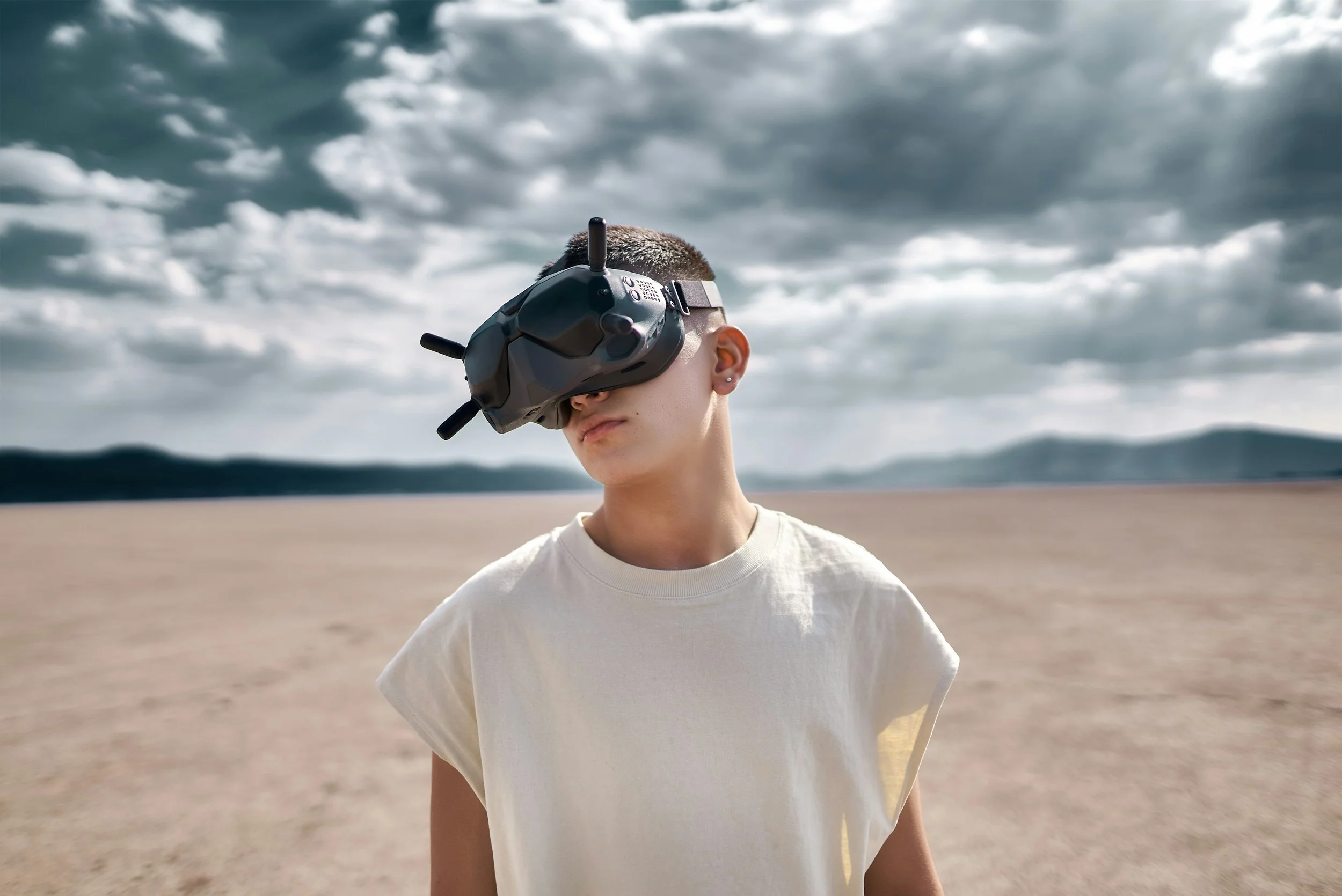
James Cameron, renowned director of cinematic epics like Titanic and Avatar, has expressed strong enthusiasm for the future of virtual reality (VR) as a medium for film, following his hands-on experience with Meta’s next-generation VR headset prototypes. In a revealing conversation with Meta CTO Andrew Bosworth, Cameron praised the immersive quality of these headsets, stating that they offer an unparalleled cinematic experience—one that captures the full creative intent of a filmmaker without the typical compromises found in conventional theaters, such as subpar lighting or screen quality. Although specifics about the prototype devices remain under wraps, Cameron hinted that their visual performance rivals, or even surpasses, that of high-end Dolby Laser Vision cinemas. This endorsement suggests Meta may be prioritizing display technology, potentially implementing OLED or similarly advanced screen features in upcoming devices like the Meta Quest 4 or Pro 2. However, even with groundbreaking visuals, Meta's challenge extends beyond hardware—without the right content infrastructure, the cinematic VR revolution may never truly take off.
The pressing issue lies in the accessibility and availability of quality 3D content within the Meta VR ecosystem. As it stands, users often face frustrating barriers when trying to watch 3D movies on Meta headsets, leading some to resort to piracy due to the lack of legitimate content channels. Unlike Apple’s Vision Pro, which offers seamless access to Disney’s 3D library, Meta lacks comprehensive licensing deals with major content providers. This puts the onus on Meta to either negotiate streaming rights with major studios or fund exclusive, VR-native film productions—both of which demand substantial investment and strategic vision. As Cameron noted, creating compelling original content is no small feat; it requires time, talent, and significant resources. Therefore, Meta must address its content library shortcomings with the same urgency it applies to hardware improvements. A robust, legal, and user-friendly 3D content ecosystem—perhaps bundled with Quest subscriptions or accessed via dedicated apps—is crucial to transforming these headsets into true home theater replacements. Only by marrying cutting-edge visuals with high-quality, easily accessible content can Meta fulfill Cameron's vision of VR as the next evolution of cinema.
Source: Jezael Melgoza, Unsplash
ChatGPT Makes Image Generation Free
OpenAI has made its ChatGPT-4o image generator freely accessible to all users, a move that has generated widespread excitement and marked a significant development in the ongoing AI race. CEO Sam Altman announced the update on March 31, emphasizing that even free users can now use the tool—though with a daily limit of three images unless they subscribe to a paid plan. The image generator has quickly gained popularity, with users flooding social media with AI-generated content, such as visuals inspired by Studio Ghibli or custom action figures. This surge in activity reportedly strained OpenAI’s servers, underscoring the tool’s viral appeal.
The expansion of ChatGPT's capabilities is part of a broader competitive push among major tech firms—including Microsoft, Google, Apple, and others—seeking to dominate the fast-evolving generative AI space. As these platforms grow more sophisticated, they are being used not only for problem-solving but increasingly for creative content production, including images and video. AI consultant Serena Huang remarked that tools like these can boost productivity and creativity while also making AI more approachable for skeptical users. However, she cautioned that the rapid spread of image generation raises concerns about copyright issues, environmental impact, and potential disruption to creative professions. As demand grows and rivals step up their offerings, the field of AI-generated media is poised for even faster innovation and greater societal impact.

Source: OpenAI
-
Gallaga, Omar. “ChatGPT Image Generation Is Now Free for Everyone. Here's How Many Images You Get.” CNET. April 5, 2025. https://www.cnet.com/tech/services-and-software/chatgpt-image-generation-is-now-free-for-everyone-heres-how-many-images-you-get/
Godoy, Jody. “Google holds illegal monopolies in ad tech, US judge finds.” Reuters. April 17, 2025. https://www.reuters.com/technology/us-judge-finds-google-holds-illegal-online-ad-tech-monopolies-2025-04-17/
Hector, Hamish. “James Cameron thinks VR is the future of cinema, but Meta needs to solve a major content problem first.” TechRadar. April 15, 2025. https://www.techradar.com/computing/virtual-reality-augmented-reality/james-cameron-thinks-vr-is-the-future-of-cinema-but-meta-needs-to-solve-a-major-content-problem-first
Patel, Nilay. “Mark Zuckerberg just declared war on the entire advertising industry.” The Verge. May 1, 2025. https://www.theverge.com/meta/659506/mark-zuckerberg-ai-facebook-ads
Weir, Keziah. “This Is How Meta AI Staffers Deemed More Than 7 Million Books to Have No ‘Economic Value.’” April 15, 2025. https://www.vanityfair.com/news/story/meta-ai-lawsuit