
Byte-Sized Culture is a new monthly column that explores the intersection of art, technology, and management. The goal is to reveal focused and insightful aspects of timely news, providing readers with a deep dive into the ideas, trends, and innovations that shape the cultural landscape today. Designed to be accessible yet thought-provoking, Byte-Sized Culture not only delivers key insights but also encourages readers to explore further by prompting deeper engagement with the wider conversations, research, and developments through a robust references section at the end.
The Business of Art in the Digital Age
The digital art world is long past being just a new creative medium; it has evolved into a complex economic arena. What was once a niche field is now a battleground for artists, developers, and institutions grappling with new questions of ownership, value, and creative rights. This evolving landscape is driven by emerging technologies, including AI and blockchain, which are not only reshaping how art is made but also challenging the very foundations of traditional art markets and the way artists earn a living.
AI-POWERED CREATIVITY
AI is redefining the understanding of creative processes, giving artists new languages for expression. For example, Turkish-born artist and designer Refik Anadol, who specializes in immersive, data-driven installations, is currently premiering Living Architecture: Gehry at the Guggenheim Museum Bilbao. This large-scale audiovisual installation reimagines Frank Gehry’s architectural legacy through Anadol’s custom AI system, the Large Architecture Model (LAM), which was trained on thousands of Gehry’s sketches, blueprints, and archival images.
The work unfolds in six evolving “chapters,” where Gehry’s forms are transformed into dreamlike, ever-changing landscapes of movement, light, and sound, accompanied by an AI-generated score. Built upon ethically sourced data and powered by sustainable computing practices, the project exemplifies a new model of digital art that is as environmentally and socially conscious as it is technologically innovative.
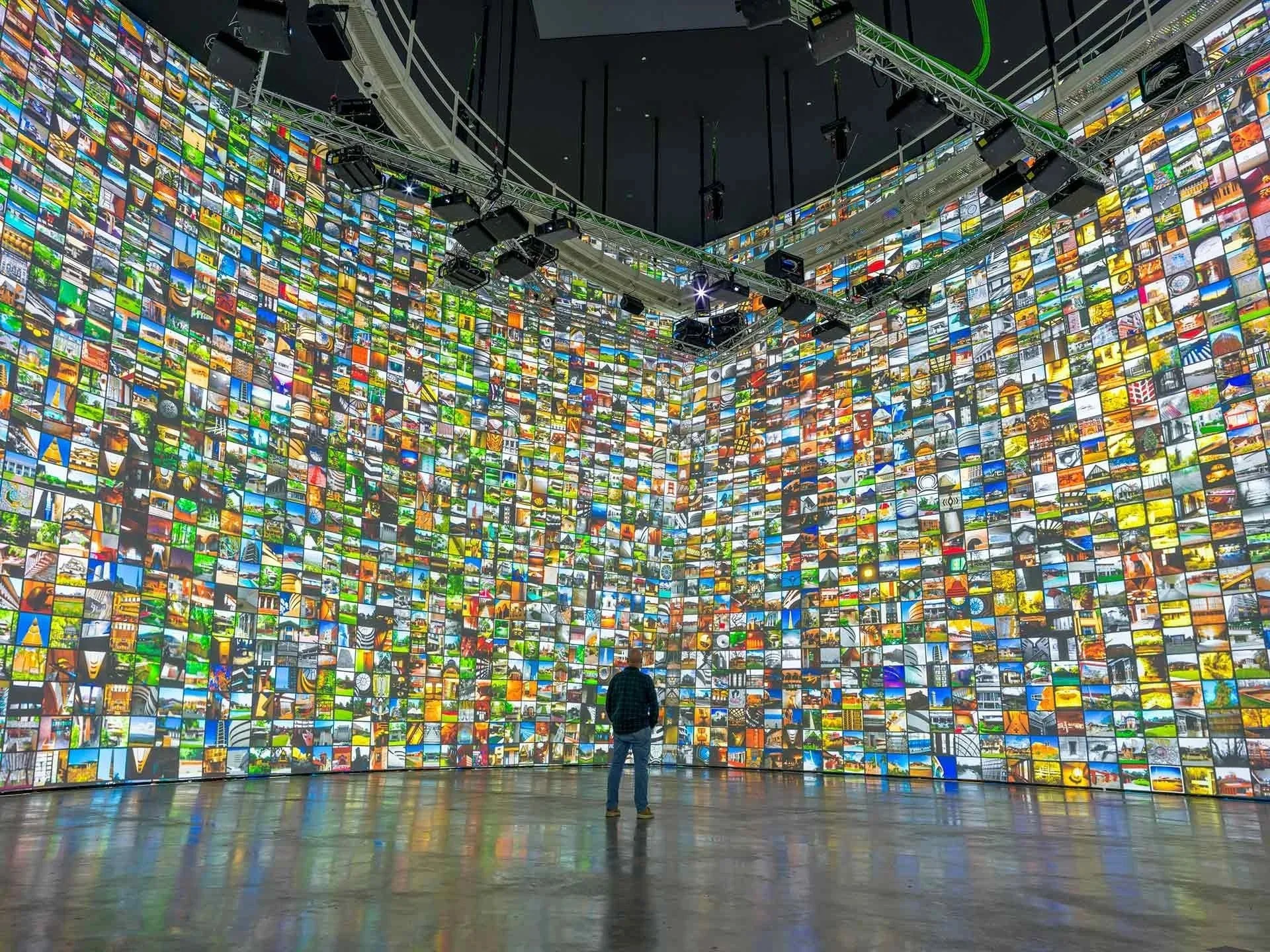
Figure 1. IN SITU: REFIK ANADOL, Installation, Guggenheim Museum Bilbao, Bilbao, Spain. Source: Refik Anadol Studio
At MoMA, his exhibition Unsupervised (2022–2023) used a custom AI model trained on the museum’s vast collection data to generate ever-shifting, real-time “machine hallucinations,” turning MoMA’s archive itself into a living, evolving artwork.
Anadol’s museum-scale installations, from MoMA to Guggenheim Museum Bilbao, underscore the newsworthiness of AI art. AI is no longer confined to digital screens but is becoming an integral part of cultural institutions, reshaping how audiences engage with public and gallery spaces. By transforming intangible data into mesmerizing, site-specific environments, Anadol demonstrates how AI can serve as both medium and collaborator—challenging traditional ideas of authorship, creativity, and the role of technology in cultural storytelling.
While artists like Anadol are pushing the boundaries of AI as a creative tool, computational creativity is also hitting bumps in the road, if not full detours. One high-profile controversy came to a head at Christie’s Augmented Intelligence auction. In February, ARTnews reported that over 4,000 artists signed an open letter demanding the sale be canceled, arguing that many of the works were created using models trained on stolen data. While some artists, such as Alexander Reben, defend AI as an "incredible tool," the debate underscores the deep divide between those who see it as a new frontier and those who see it as a threat. The auction itself included digitally native works like NFTs, physical paintings, and robotic installations, with estimates exceeding $600,000, highlighting the high financial stakes of AI's growing role in the art market.
More recently, on September 12, the auction house announced the closure of its dedicated digital art department, citing a significant downturn in the NFT market with some reports highlighting a 45% drop in trading volume for auction houses in the last quarter. This move, however, has also been speculated as a strategic pivot to integrate NFTs into more traditional categories, highlighting their transition from rare, speculative assets to more commercial commodities. These market fluctuations are mirrored by equally unsettled legal questions, as institutions, artists, and collectors navigate the rules and gaps governing ownership and creative rights in digital art.
THE BLOCKCHAIN ART MARKET
Across a constellation of recent developments in digital art, blockchain technology is enabling new projects that allow artists to be discovered regardless of their background or geographic location. Aleksandra Artamonovskaja, head of Arts at TriliTech, highlights how blockchain empowers local scenes and underrepresented groups by making digital art more accessible. As she explained in an Observer interview, on-chain curation allows anyone to create and manage lists of high-quality, relevant, or authentic data and assets directly on the blockchain.
This process provides transparency, establishes trust, and allows for the communal discovery and promotion of artists. Across multiple news sources, organizations are also leveraging blockchain to support artists through educational programs, institutional partnerships, and curated exhibitions, demonstrating a growing ecosystem of newsworthy developments in the digital art space.
Figure 2. Source: CryptoPotato
Artamonovskaja also notes how organizations, from community groups to museums, are providing comprehensive support through on-chain curation, education, and institutional connections, with museums even creating advisory groups to bridge the traditional and blockchain art worlds.
Continuing on the blockchain path, the rise of NFTs (Non-Fungible Tokens) has been another key driver, creating a mechanism for verifying ownership and scarcity in a world of easily reproducible digital files. The market now values functional digital objects—assets with coded rights and distribution logic. NFT platforms have established parameters such as smart contracts, which automatically execute royalty payments on every resale, ensuring that artists receive compensation directly from secondary market sales. This is significant because it addresses long-standing challenges in the art world, giving creators more secure and continuous revenue streams.
The NASSCOM Community highlights how NFTs have empowered creators by enabling direct-to-collector monetization, global accessibility, and perpetual royalties through smart contracts. Similarly, these contracts allow artists to automatically receive a percentage of every future sale of their work on the secondary market, providing a continuous revenue stream that was previously impossible in the traditional art world.This has contributed to a growing buzz around the digital creator economy as artists seek secure and decentralized solutions for their earnings.
However, a crucial distinction must be made: owning an NFT is not the same as owning the copyright to the underlying artwork. As the NFT marketplace and legal documents clarify, the token is essentially a certificate of authenticity and provenance. The copyright—the legal right to reproduce, distribute, or create derivative works—remains with the original artist unless a separate contract explicitly transfers it. This nuance is often misunderstood by collectors and is a central issue in the ongoing evolution of the digital art market.
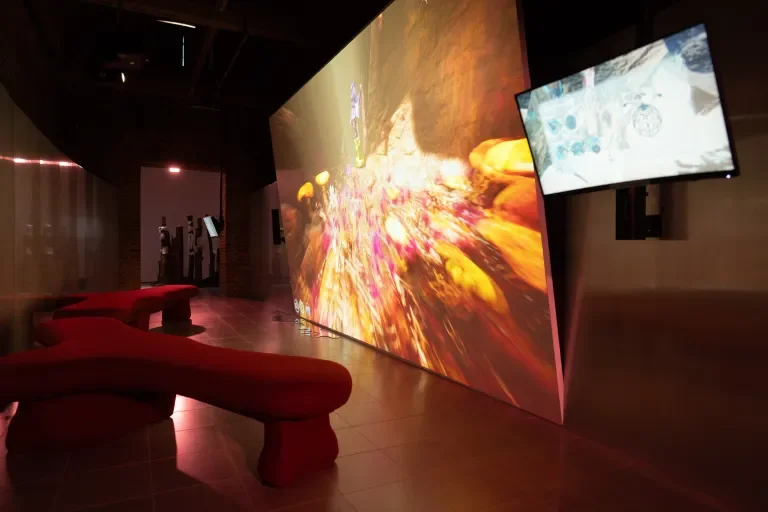
Figure 3.Third World: The Bottom Dimension. © Serpentine. Photo: Hugo Glendinning. Source: Observer
THE ROAD AHEAD
The business of digital art is intertwined and rapidly evolving. The digital art market is maturing, moving beyond a speculative bubble and toward a more integrated, utility-driven model. At the same time, the playing field is becoming increasingly complex, with fundamental questions about authorship and intellectual property in the digital age. The outcome of ongoing lawsuits will set important precedents, and new legislation will be needed to clarify the rights of both human creators and AI developers. Ultimately, the goal is to strike a balance: fostering the innovation and accessibility that new technologies offer for artist and creative businesses, while ensuring that the foundational principles of creative rights and fair compensation remain protected for the human artists who continue to drive culture forward.
-
Adeyemi, Abigail. “NFTs and Art: Revolutionizing Ownership or Just a Fad?” MoMAA | Affordable Art Gallery & Lifestyle. June 12, 2025. https://www.momaa.org/nfts-and-art-revolutionizing-ownership-or-just-a-fad/.
Carollo, Elisa. “Aleksandra Artamonovskaja On Technology’s Role in Art’s Evolution.” Observer, August 25, 2025. https://observer.com/2025/08/art-interview-aleksandra-artamonovskaja-tezos-digital-art-artificial-intelligence/
Georgiev, George. “Beyond the Gallery: How Blockchain is Rewriting the Rules of Art Ownership (Interview with Aleksandra Art, Trilitech).” CryptoPotato, August 6, 2025. https://cryptopotato.com/beyond-the-gallery-how-blockchain-is-rewriting-the-rules-of-art-ownership-interview-with-aleksandra-art-trilitech/
Growthyfai. “The Rise of AI Muse: How Artificial Intelligence is Redefining Artistic Creativity.” Growthyfai, September 12, 2025. https://www.growthyfai.com/the-rise-of-ai-muse-how-artificial-intelligence-is-redefining-artistic-creativity.
Guggenheim Museum Bilbao. “in situ: Refik Anadol.” Accessed September 18, 2025. https://www.guggenheim-bilbao.eus/en/exhibitions/in-situ-refik-anadol.
Jt_Marketing2024, Daniel. “The Future of Digital Art: How NFT Marketplace Development is Shaping the Creator Economy.” nasscom, July 11, 2025. https://community.nasscom.in/communities/blockchain/future-digital-art-how-nft-marketplace-development-shaping-creator-economy#:~:text=Unlike%20the%20traditional%20art%20world,artist%2C%20NFTs%20guarantee%20recurring%20income.&text=This%20empowers%20creators%20not%20just,expression%20into%20long%2Dterm%20equity
Museum of Modern Art (MoMA). “Refik Anadol: Unsupervised.” November 19, 2022–October 29, 2023.https://www.moma.org/calendar/exhibitions/5535 .
Nelson, George. “Thousands of Artists Demand Christie’s Cancel AI Art Sale: ‘AI Models Exploit Humans’.” ARTnews, February 11, 2025. https://www.artnews.com/art-news/news/artists-demand-christies-cancels-ai-art-sale-claiming-ai-models-exploit-humans-1234732217/
Reben, Alexander. Alexander Reben. Accessed September 17, 2025. https://areben.com/
Reynolds, Sam. “Christie’s Closes Digital Art Department as NFT Market Stays Frozen.” CoinDesk, September 12, 2025. https://www.coindesk.com/markets/2025/09/12/christie-s-closes-digital-art-department-as-nft-market-stays-frozen
Samu, Andrew. “Digital Art Embraces Crypto as Market Booms.” Disruption Banking, August 5, 2025. https://www.disruptionbanking.com/2025/08/05/digital-art-embraces-crypto-as-market-booms/.
TriliTech. “Home.” TriliTech, 2025. https://www.trili.tech/