
The period between 2017 and 2024 saw massive and significant transformations in both American television content and reproductive rights legislation. As streaming platforms revolutionized content creation and distribution, television narratives explored increasingly diverse and complex depictions of motherhood, pregnancy, and reproductive choices. Simultaneously, the legal landscape surrounding women’s reproductive rights changed substantially, culminating in the 2022 Dobbs vs. Jackson Women’s Health Organization Supreme Court decision that overturned the federal protection of abortion rights established and upheld by Roe v. Wade.
The portrayal of motherhood on American television underwent significant evolution between 2017 and 2024, often reflecting, challenging, or anticipating the shifting federal policies affecting mothers during this period. This relationship between scripted television and federal policy offers a fascinating lens through which to examine American attitudes toward motherhood, family, and the role of government in supporting parents.
This research is merely the tip of the iceberg, offering a small glimpse at the relationship between these parallel developments. I set out to learn about how portrayals of motherhood and reproductive health (everything from birth control, IVF, infertility, pregnancy, childbirth, to the ongoing stages of matrescence and motherhood) may reflect, respond to, or potentially influence policy decisions and voter behavior across the United States. While correlation does not imply causation, this research seeks to examine the give-and-take between cultural narratives and legal frameworks surrounding motherhood and reproduction during a period of intense social change.
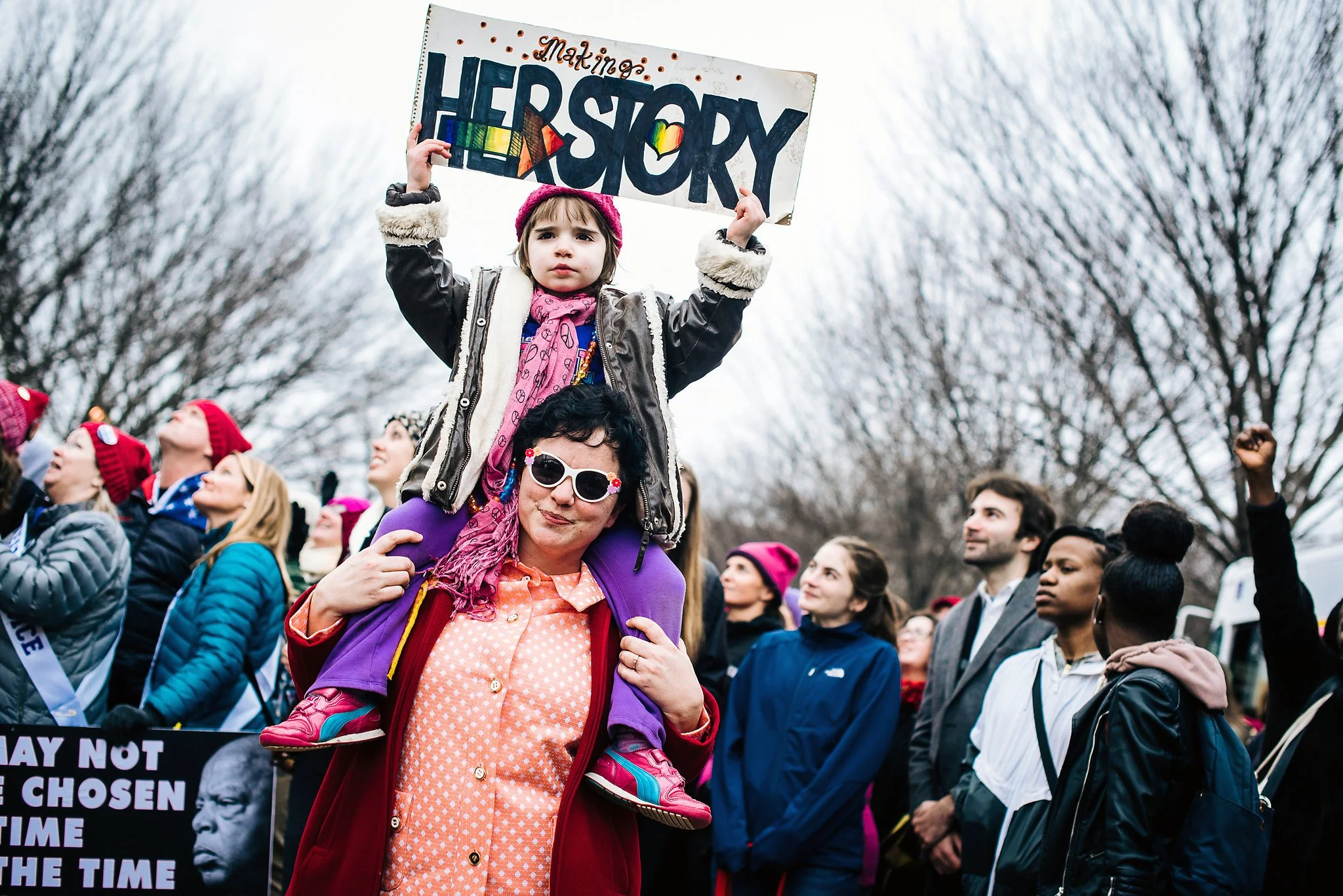
Figure 1. A mother with her daughter at the Women’s March 2017. Source: New York Times.
MOTHERHOOD IN CULTURE AND MEDIA: A GLIMPSE
Understanding that scripted television is subject to the needs of a storytelling format, often relying on intrinisicallly flawed and complex people, it must be said that while writers may not be limited in terms of the kinds of stories they tell, they often are at the mercy of telling those stories in the context of a very specific set of circumstances (i.e. the rest of the series itself). There will always be nuances that are overlooked or undercooked when speaking about social and political issues being addressed in narrative television formatting. That being said, there have been great strides in the diversity, complexity, and nuance in the portrayals of reproductive choice, motherhood, and the supports and situations that accompany them.
In 2022, The Geena Davis Institute published a study they carried out entitled “Rewriting Motherhood: How TV Represents Moms and What We Want To See Next". Researchers found a great deal of information in the portrayals of mothers in television shows, stating, “Our analysis of scripted television programs from 2022 that feature mothers in the title cast finds authentic portrayals of motherhood intermingle with portrayals that reproduce unrealistic expectations for moms, likely contributing to the guilt and shame they experience, while setting fathers up for failure too.” (Geena Davis Institute) This study notes that TV Moms in 2022 were primarily represented as white, young, and thin. 57.5% were white, 23.8% were black, 9.2% were Latina, and 7% were AAPI. Demographically-speaking, it’s not a tremendous failure in itself, but the complete lack of disabled mothers is a shocking contrast to the reality of the American population. Additionally, the lack of body-type diversity (“fat” vs “thin”) continues to favor the long-held default that the “ideal woman” in America is smaller than average, with little body fat. Nearly three times as many TV moms were portrayed as “effortlessly attractive”—with no emphasis on the true physical efforts that go into fitness, hair, makeup, and clothing that is not just clean, but ironed or steamed. And finally, the slim representation of queer mothers leaves much room for improvement.
Even more than the physical representations, there is a great amount of insight to be taken from the domestic lives of these TV mothers. In shows where children are under 11 years old, only 20% ever had any mention of where the child was or who the child was with during times they weren’t with their parents. The lack of conversation about childcare can be attributed to the attitude that a storyline about lining up child care may not be compelling enough to keep viewers’ attention; in reality, though, 85% of primary caregivers stated that their work life and home life are each significantly impacted by the search to secure and coordinate trustworthy childcare (to say nothing of how they pay for it). As for housework, TV homes tend to be spotless, though only 15% of the mothers were shown doing any chores. And when it comes to TV fathers, for every load of laundry they do on television, the TV mothers do it twice.
While we’re on the subject of fathers: In television and streaming today, we see slightly more active roles of fathers across scripted media, but that’s a relatively new aspect overall. Historically, portrayals of fathers may have either leaned toward a heavy-handed approach, or a buffoonish (yet big hearted) type. This perhaps has led to the concept that expectations of fathers being the “primary caregiver” is inherently a risk. While we see more and more fathers that are actively involved with their kids’ lives in a day-to-day sense on television, while also being emotionally open and honest, there is still much work to be done.
Acknowledging again the need to control “looks” (using hair, make up, etc.) that can be replicated day-to-day across shooting schedules (hello, continuity) as well as the need for television to appeal to a mass audience (which often includes the aesthetic appeal of its actors), there is a strong sociological need to examine this more deeply—particularly if these representations in any way affect or reflect an individual audience member’s opinions about how mothers do what they do, and the kinds of choices and supports they have as they do it.
Female REPRESENTATION IN TELEVISION
While the proliferation of streaming platforms has expanded the creative freedom for writers and creators, telling more politically- and socially-forward stories without fear of retribution from advertisers, there has not been a consistently positive effect in terms of representation of women on scripted content. In the years following the #MeToo movement, there was a significant push to incorporate more women, both behind the scenes as well as in front of the camera. This was a dedicated effort to level the playing field professionally while also engaging women viewers/subscribers to watch stories that are often female-led and female-driven.
Between 2019 and 2022, the representation of women in behind-the-scenes positions and a significant uptick in stories about women on screen reached record highs. But by 2024, “…women accounted for just 43 percent of characters in speaking roles (both major and minor, down from 44 percent the year before. As for major characters, females made up only 45 percent of them this year, down from 48 percent in 2022-23.” (The Hollywood Reporter)
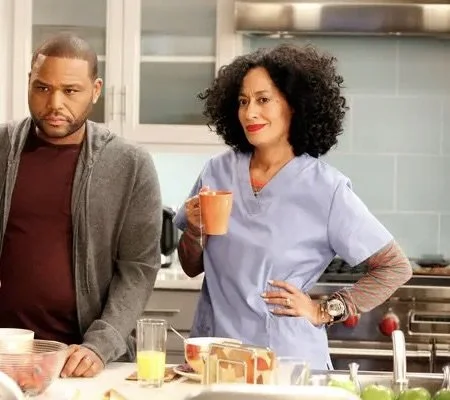
Figure 2. Tracy Ellis Ross starred as Rainbow Johnson (with co-star Anthony Anderson) in ABC’s Black-ish, from 2014-2022. Source: ABC News
The good mothers
The specific expectations of a “good mother” have evolved over time, but much of the basic tenants remain the same: to provide a stable, emotionally secure, developmentally appropriate upbringing for the child, ensuring access to quality shelter, nourishment, and education (formal and social). But as social media has come into our day-to-day lives, the pressures to perform “good mother” have heightened. Simultaneously, there has been a huge push for “authentic mother” displays—one that shows the realities of changes to our bodies, hygiene, mental health struggles, frustrations, and challenges.
Mothers are generally thought to be the lode stars for their children, influencing a child’s ability to bond, process emotions, interact with the world around them, and more from the moment they’re born.
“The way a mother responds to her baby's needs—whether through feeding, comforting, or engaging play—establishes the first lessons in trust and safety. This early attachment plays a crucial role in shaping the child's ability to manage emotions and cope with stress. Secure attachment, where children feel consistently loved and supported, fosters a sense of security that is essential for healthy emotional development. It is this initial foundation that predicts future emotional, mental, social, and cognitive outcomes” (Spenner).
Beyond this, the expectation that women would sacrifice all in order to cultivate the best educational opportunities for their children (particularly their sons) was essentially codified under the Republican Motherhood philosophy—laying groundwork that American women’s ultimate responsibility and privilege was to raise and position the next generation of voters and political leaders. (Boomer)
The decision to become a parent presents a woman with the undeniable responsiblity and privilege to shape the life of a new human being. There has certainly been more guidance about the father figure’s role in development in the last 20-30 years, but the onus still largely falls on women to sacrifice—physically, mentally, emotionally, and professionally—from the get-go.
Figure 3. The 5 Archetypes of “the Good Mother”, created by the author. Source: Forbes
The CHOICE(S)
For decades women have played a huge role in our society with regards to our presence in the workforce, and have consistently outpaced men in higher education enrollment and degree attainment. The third-wave of the feminist movement (generally encompassed in the 1990s and 2000s) largely emphasized individual empowerment, continuing to challenge and subvert gender norms, and actively countering the patriarchal underpinnings of society at large.
However, the messaging as a whole is still mixed for women across the country. Women raised in the third wave of feminism (namely younger Gen X, Millennial, and older Gen Z generations) were largely taught to pursue their education, take charge of their finances, make strides in their careers, get married, have a family, and look good while doing it. But the understanding of today’s child-bearing-aged women that becoming a parent is a complex choice has placed the conversation in a highly-charged position. Economic constraints, professional ambitions, personal preferences, relationship status, mental health, environmental concerns: all these elements play into a woman’s decision if or when she wants to become a parent. This has been reflected in the television content available, with shows like Hulu’s Shrill placing the main character’s abortion front and center in the very first episode.
There has also been significant evolution in the ways that women and/or couples make the choice to have (or not have) a family on television. Single women on television also make those choices, and speak openly about adoption, artificial insemination, etc. There have also been more generous portrayals of how motherhood impacts one’s mental health and the experiences of women (those that work outside the home, and those that don’t) across the board. But it should be noted that even in cases of a single female character starting a family of her own “non-traditionally”, the series is typically written around it (like, say, Joan Watson on Elementary, who doesn’t adopt a child on her own until the series finale).
The motherhood penalty
In large portions of the population, societal expectation pervades to this day that a woman who has a child would choose to focus solely on her role as mother. Given what we know about the importance of cognitive and emotional development in infants, it’s a given that the first several months (at least) of a child’s life reap long-term benefits when a mother is healthy, happy, and supported in her caregiving. “Among women who can take paid parental leave, 16% could take only two weeks, 45% could take between two to 12 weeks, and 10% could take more than 12 weeks.” (Shortlister) Beyond those first few weeks or months, women who step away from (or take a step back from) the workforce for any length of time can incur the motherhood penalty.
This penalty is “the phenomenon by which women’s pay decreases once they become mothers.” (AAUW) According to the Center for American Progress reports that women are the sole or primary breadwinner in 41% of American households with children. Yet women’s earnings — as well as future earning potential — often take a major hit when they become moms. This jeopardizes women’s financial freedom, as well as that of her family’s economic security.
Unsurprisingly, the motherhood penalty goes hand-in-hand with issues of access to benefits like health care and paid leave, with access to these skewed majorly toward women who are highly educated, work full time, and earn more. This means that “Ethnic and racial disparities exist in access to paid leave.” (Boyens, et. al.) Mothers without access to paid maternity leave are at severely greater risk of financial and material hardships, and are more likely to suffer major setbacks when a medical emergency occurs.
In a portion of the population, there are ideological leanings toward the need for women to stay at home once children enter the picture; while in another portion there is an expectation that the childcare itself can (and should) be outsourced while the mother and/or father continue forging paths and making money. In more instances than not, there is an economic need for both individuals (mother and father) to continue working despite the status of their children—particularly as cost of living has rocketed up and pay (and gender pay inequity) has remained largely the same (Forbes).
POLITICS OF CHOSEN PLATFORMS
News and scripted content are not the same thing, but there is a potential correlation between trust in a network for news and where you go to find your entertainment. It’s notable that networks like NBC, CBS, and ABC (as well as PBS) are typically more trusted by Liberal-leaning individuals for news and entertainment—whereas Fox has a solid hold on those that lean more Conservative. Understanding the audience that will view your scripted television series and then roll right into the evening news is a tactic that has long worked for television broadcast networks, and it makes logical sense that executives would choose to program content that would align with that understood values base accordingly.
When it comes to streaming platforms, however, it’s much harder to decipher by subscription alone. Without access to data about regional viewership across the board from streamers like Netflix, Hulu, and Amazon Prime, it’s nearly impossible to decipher whether or not the content viewers are consuming is representative of the political views they typically hold. However, understanding that streaming platforms have the benefits of extremely personalized data with which to tailor their algorithm to specific users, we can glean that a form of confirmation bias in one’s viewing content will likely fall in with the kinds of political and social values they hold. (Weida)
It’s also worth noting that many younger, more “tech savvy” demographics opt out of all traditional cable and satellite subscriptions, and stick entirely to streaming platforms like Netflix and Hulu—particularly in the years before “bundling” was more prevalent. This led to a marked shift, particularly in age demographics, with who was subscribing to their entertainment, when, and why. (Psychology Today)
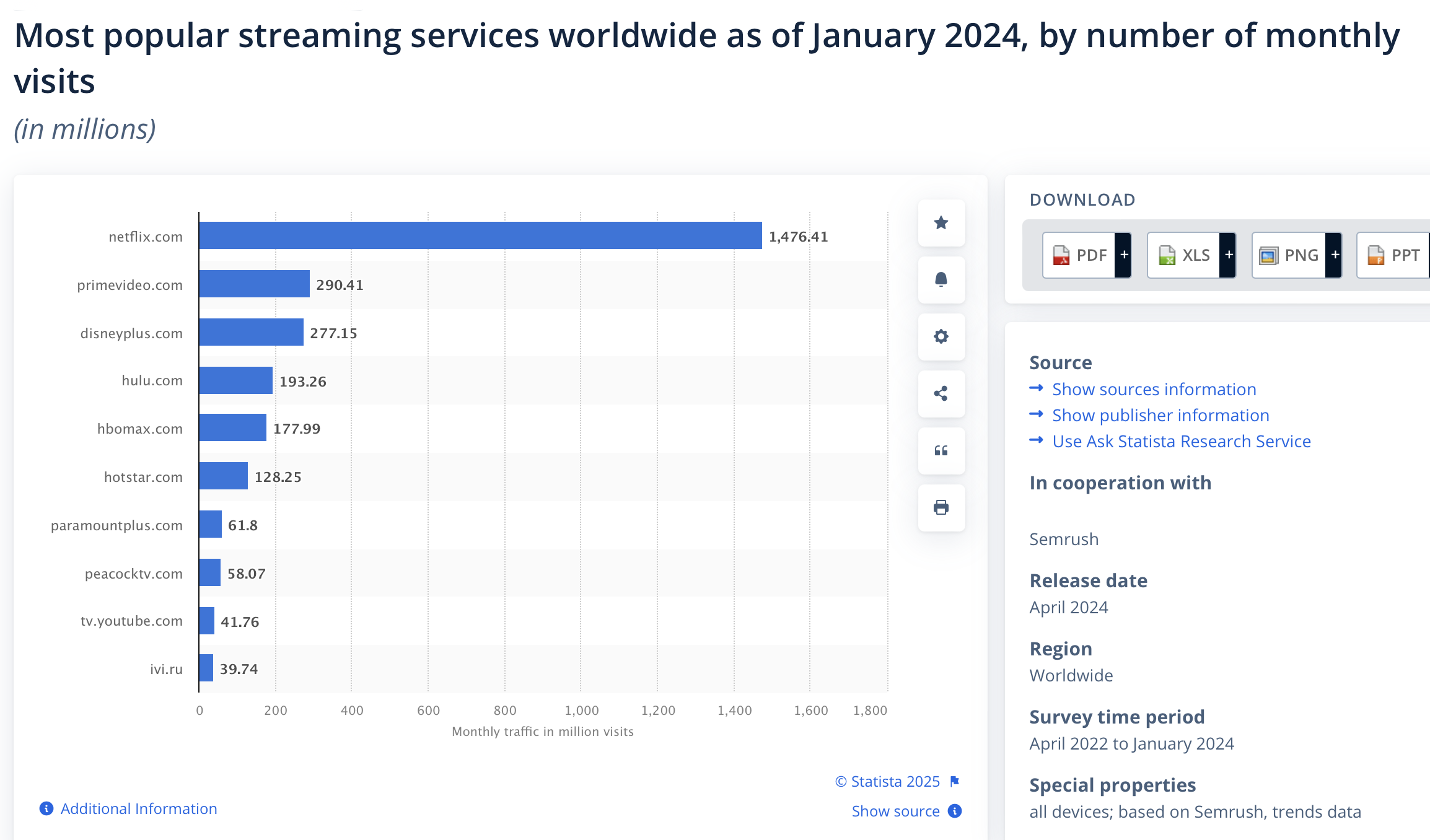
Figure 4. Most popular streaming platforms worldwide. Source: Statista
As for the trend in how individuals choose their content, “Some of the closest correlations we found were not between a state and the setting of a show, but between the demographics of that (individual’s) state (of residence) and the characters or premise of the show. Rather than leaning towards regional differences, much of the popular streaming content seemed to correlate with a few identifying factors.” (Weida)
Considering the personalized recommendations (based on past viewing behaviors), abundance of content options, and demographic divides between streaming services as well as network television, it’s fair to assume that the kinds of depictions that viewers are exposed to vary widely—with more “commercially acceptable” and “traditional” forms of motherhood continuing to dominate the scripted content on network television, and varying degrees of depth and nuance across the non-commercial-dependent platform content.
Setting the National Scene
At the beginning of Donald Trump’s first administration (beginning January 2017) there was a notable movement of women and allies speaking out against everything from sexual harassment and assault to a renewed vigor for the protection of reproductive rights and parental supports like paid maternity leave. These sentiments accelerated rapidly amidst the Harvey Weinstein trial, sparking the #MeToo movement; as well as the arrest and trials of Jeffrey Epstein, and the widespread alleged connections with high-ranking politicians across the world.
The anger (from both sides of the aisle) about how these expectations have (or have not) impacted women’s lives put the conversation into overdrive, and the heavy reliance on social media for news and entertainment then played a part in how women spoke about their experiences.
As politically- and religiously-charged rhetoric began permeating much of the civic discourse surrounding reproductive rights, women’s rights, and legal supports in place for parents, the lack of trust in institutions and legacy media began chipping away at much of the gains that had been won the prior 50 years. The question of children’s safety and mental health has been thrown into focus in new and important ways, but is compounded by the high fears of gun violence at schools, sexual and gender identity education, and the deep reliance on personal devices like cell phones and tablets—and the exposure to bullying and developmentally-inappropriate content seems out of control. This created a perfect storm about who “should be” on the front lines when it comes to our children: whether that responsibility falls solely to the parents (again, often defaulting to the mother), or whether that immense job can be supported by educators, community, and other resources.
Donald Trump made good on his campaign promise to overturn Roe v Wade in 2022, when the U.S. Supreme Court (1/3 of which had been appointed by Trump in his first administration) ruled in the Dobbs v Jackson case. This set off a wave of civic and political movement—gaining ground toward the “pro-life” perspective of the right-wing, and pushing for staunch protection of reproductive rights from the “pro-choice” left-wing.
The post-Dobbs landscape saw television creators taking increasingly explicit political stances through their maternal narratives. Shows like "The Morning Show" and "The Good Fight" incorporated direct references to changing laws and their impacts on women's lives. This period also saw more diverse portrayals of motherhood across racial, socioeconomic, and sexual orientation lines. Series like "Reservation Dogs," "Gentefied," and "Sort Of" explored how motherhood intersects with other aspects of identity, implicitly highlighting how reproductive policy changes disproportionately impact marginalized communities.
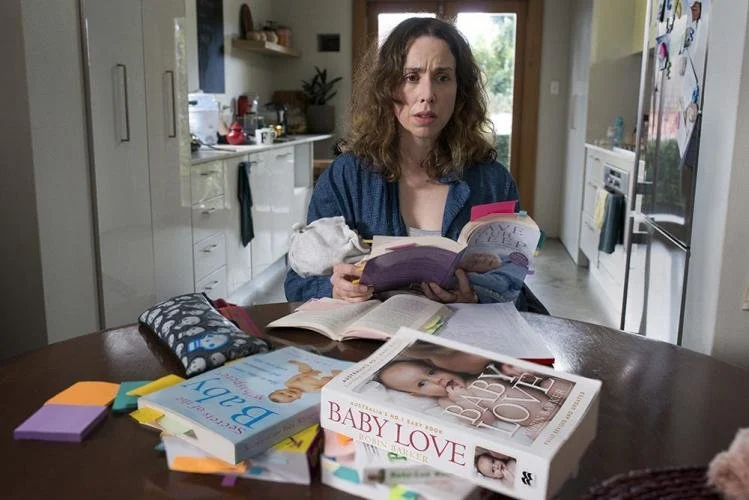
Figure 5. The Letdown scene with Alison Bell. Source: IMDB.com
CONCLUSION
The relationship between television portrayals of motherhood and reproductive policy changes between 2017-2024 reveals both reflective and anticipatory patterns. Television responded to policy changes, and sometimes anticipated legal shifts, creating spaces to explore their personal and very human implications.
By 2024, motherhood on television became inseparable from broader sociopolitical conversations about bodily autonomy, healthcare access, and gender equity. The most compelling maternal narratives of this period reflected how individual reproductive decisions exist within complex webs of policy, personal circumstances, and cultural/societal expectations.
As federal policies shifted dramatically during these seven years (and are continuing to do so), television's maternal narratives serve dual functions: documenting changing realities while also preserving stories of reproductive agency during a period of increasing restriction. These stories may ultimately stand as important cultural artifacts of a pivotal moment in American reproductive history, and women’s rights at large.
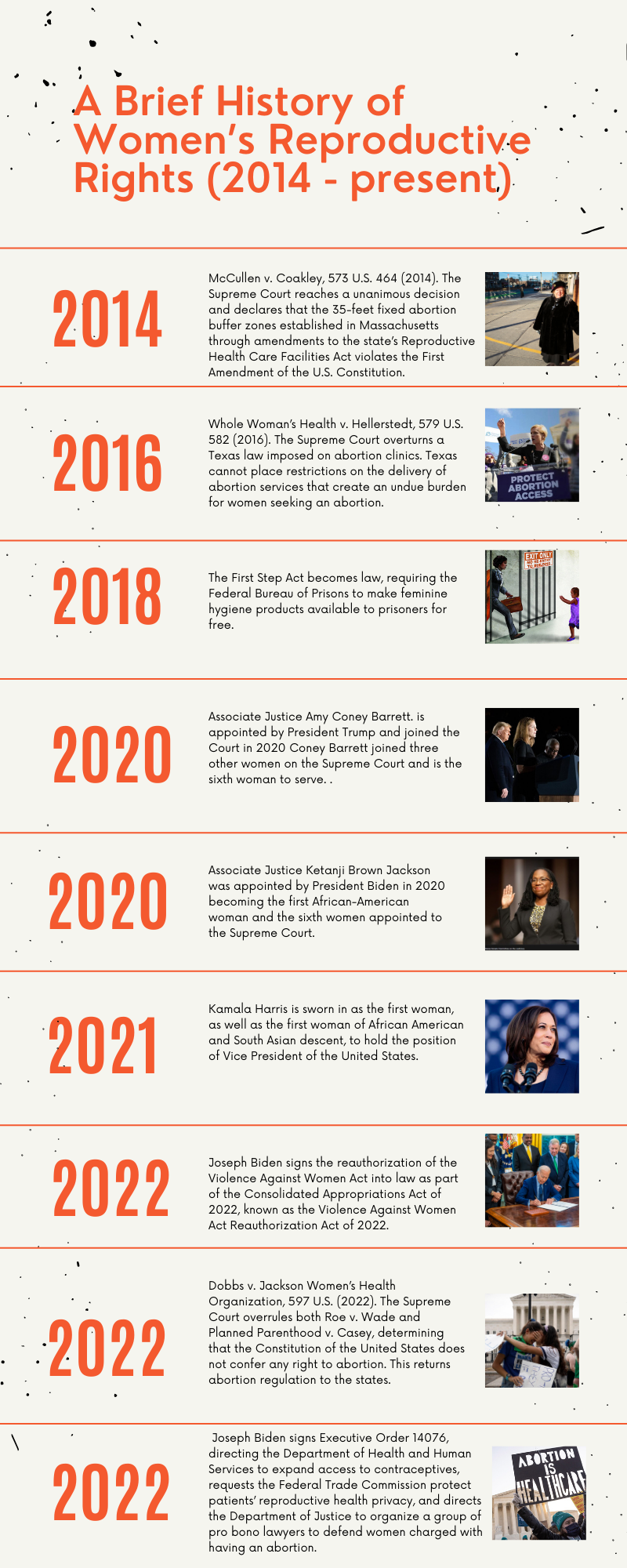
Figure 6. Timeline of Women’s Reproductive Rights in the U.S., 2014–Present, created by the author. Source: National Women’s History Alliance
-
“50+ Maternity Leave Statistics in 2024.” Shortlister, February 13, 2025. https://www.myshortlister.com/insights/maternity-leave-statistics.
Boomer, Lee. “Republican Motherhood.” Women & the American Story, January 23, 2024. https://wams.nyhistory.org/building-a-new-nation/navigating-the-new-government/republican-motherhood/#:~:text=The%20key%20idea%20of%20republican,young%20girls%20with%20better%20educations.
Boyens, Chantel, Michael Karpman, and Jack Smalligan. “Access to Paid Leave Is Lowest among Workers with The ...” Urban Institute, July 2022. https://www.urban.org/sites/default/files/2022-07/Access%20to%20Paid%20Leave%20Is%20Lowest%20among%20Workers%20with%20the%20Greatest%20Needs.pdf.
Chamorro-Premuzic, Ph.D., Tomas. “Why Are Older People More Conservative?” Psychology Today, October 11, 2014. https://www.psychologytoday.com/us/blog/mr-personality/201410/why-are-older-people-more-conservative?cl_system=mapi&cl_system_id=dfc11cf3-e6d3-4691-97b2-2e45cf76ff89&clreqid=dfc11cf3-e6d3-4691-97b2-2e45cf76ff89&kbid=88472
Conroy, Dr. Meredith, Aly Ferguson, Dr. Michele Meyer, and Summer Van Houten. “Rewriting Motherhood: How TV Represents Moms and What We Want to See Next.” The Geena Davis Institute and Moms First, 2024. Accessed March 2, 2025. https://geenadavisinstitute.org/research/rewriting-motherhood-how-tv-represents-moms-and-what-we-want-to-see-next/
Cox, Josie. “Over the Last Two Decades, the U.S. Gender Pay Gap Has Hardly Moved.” Forbes, March 5, 2025. https://www.forbes.com/sites/josiecox/2025/03/05/over-the-last-two-decades-the-us-gender-pay-gap-has-hardly-moved/.
“Detailed Timeline.” National Women’s History Alliance, October 9, 2023. https://nationalwomenshistoryalliance.org/resources/womens-rights-movement/detailed-timeline/
Rose, Lacey. “New Study Says Women Working as TV Creators and in Major Onscreen Roles Has Fallen (Again).” The Hollywood Reporter, August 22, 2024. https://www.hollywoodreporter.com/tv/tv-news/new-study-says-female-tv-creators-and-women-in-major-roles-has-fallen-1235981249/
Spenner, Hannah. “The Role of Mothers in Child Development.” Juliette’s House, accessed April 4, 2025. https://www.julietteshouse.org/blog/the-role-of-mothers-in-child-development#:~:text=The%20way%20a%20mother%20responds,emotions%20and%20cope%20with%20stress.).
“The Third Wave of Feminism.” Encyclopædia Britannica, April 21, 2025. https://www.britannica.com/topic/feminism/The-third-wave-of-feminism.
“Top Streaming Services by Traffic Volume 2024 | Statista.” Statista. Accessed April 17, 2025. https://www.statista.com/statistics/1461063/svod-video-platforms-traffic-global/.
Travers, Mark. “A Psychologist Explores The 5 ‘Good Mother’ Archetypes—And Which Is Best.” Forbes, November 7, 2023. https://www.forbes.com/sites/traversmark/2023/11/07/psychologists-reveal-the-5-types-of-good-mothers-and-which-is-best/
Weida, Kaz. “2016’s Most Streamed Netflix Shows by State.” highspeedinternet.com, January 3, 2017. https://www.highspeedinternet.com/resources/2016s-streamed-netflix-shows-state