Prototyping is an essential part of beta-testing any digital tool. The following processed involved a period of stakeholder interviews that informed an Agile-based sprint process for prototyping an interactive resource-sharing website. This process was fast and effective to get multi-user feedback and a final prototype in an overall 8 weeks with a final 2 week-long sprints.
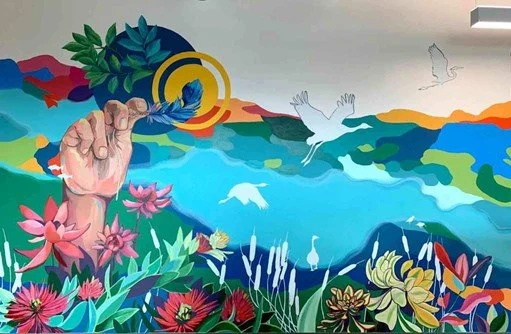
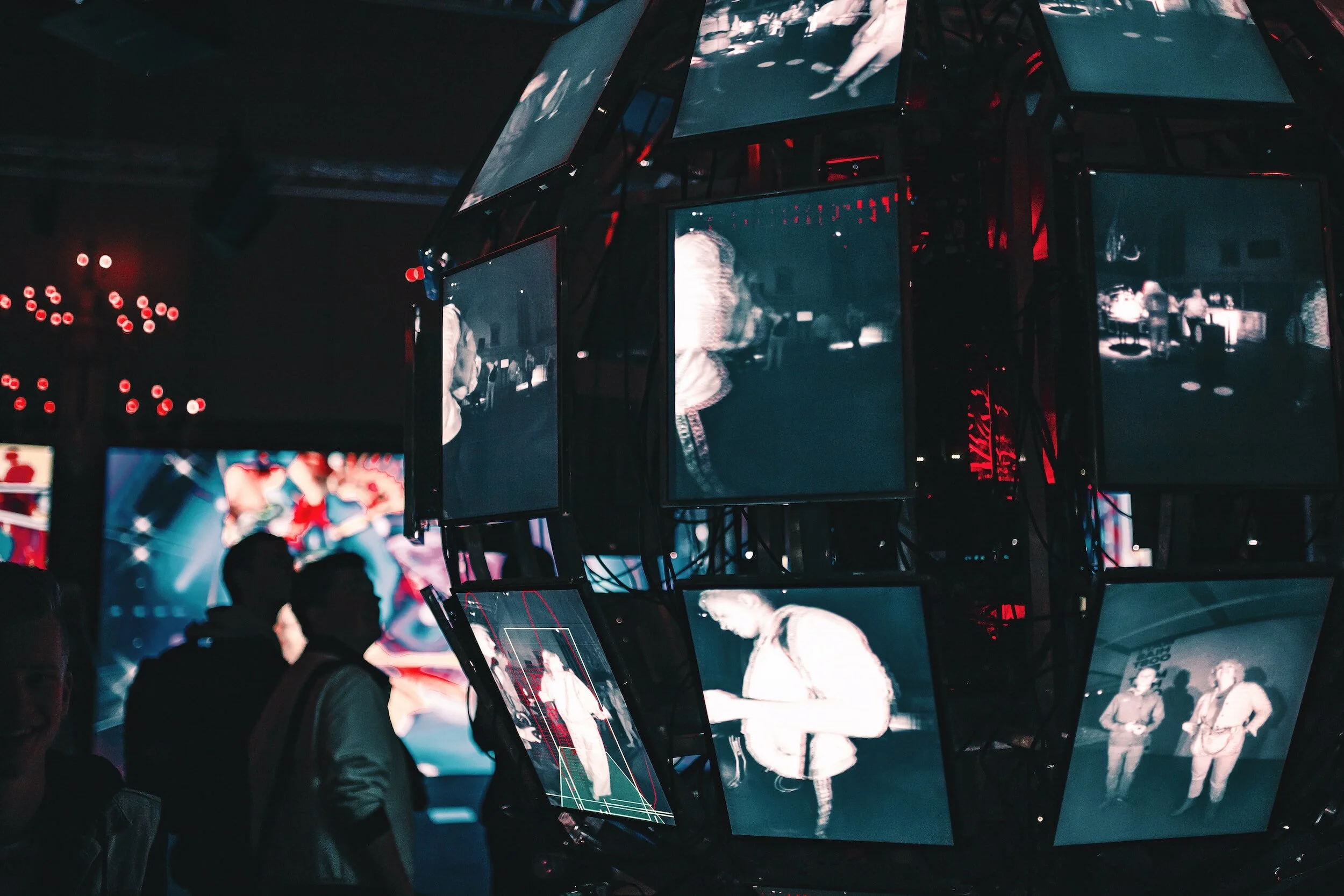
Climate Change: How Museums and Artists Are Changing The Narrative
Art serves various purposes, ranging from aesthetics, to therapeutic uses, to avenues for making powerful statements – including meaningful contributions to the conversation on climate change and climate advocacy. Here’s how some museums around the world are partnering with artists to use their voice surrounding climate advocacy through installations of art and technology.
To Stream or Not To Stream: Is that the right question anymore?
The current status of digital programming and investment varies widely across the arts and cultural sector. Some organizations have abandoned the streaming technology they experimented with, while others continue to incorporate digital programs and performances into their offerings. The following research reveals U.S. streaming trends and audience behaviors.
Letter from the Editor
Hello to all of our arts, management, and technology enthusiasts from the 2023-2024 Chief Editor, Samantha Sonnet. This year’s content will be full of everything from A.I. and blockchain to the intersection of technology and climate/social justice and more! Get your reading glasses ready, and settle in for another great year.
Using Venmo for Non-Profit Fundraising
Fundraising is the lifeblood of any non-profit organization. Not only is it the primary way to raise money for your organization’s cause, but it also keeps your organization running day-to-day to work on sustaining its mission. Your nonprofit should always be looking for new donation tools as part of your digital strategy. Non-profit fundraising has been made easier than ever before with the creation of technology and apps, such as Venmo.
In The News: Summer 2023 & Upcoming Summer Break
This summer has been full of new developments and controversies from social media and big tech to the blockchain and the growing A.I realm. We’re going to take a look at what has occurred this summer, and then take a break for a few weeks. AMT Lab will resume publishing after Labor Day, but until then… happy reading!
9 Ways Blockchain is Changing the Film Industry
TikTok: Opportunity and Risk
The latest controversies surrounding TikTok are no secret: Biased algorithms, censored content, & intensive personal data collection to name a few. But how exactly are these controversies posing risks for users, and why should those involved in the arts industry care? Buckle in (especially YOU, arts marketers) because this may potentially change the future of social media and marketing moving forward.
TikTok Testimonies
The writing in this article is mainly based on opinion as I interpret the coverage of the testimony. The following commentary on the testimonies with links to the testimonies and relevant coverage. There are many, often heated, opinions on this topic and the hearing. Rather than simply explaining the facts of what occurred, for many people already know what occurred and I found it more beneficial to express my opinions on the case.
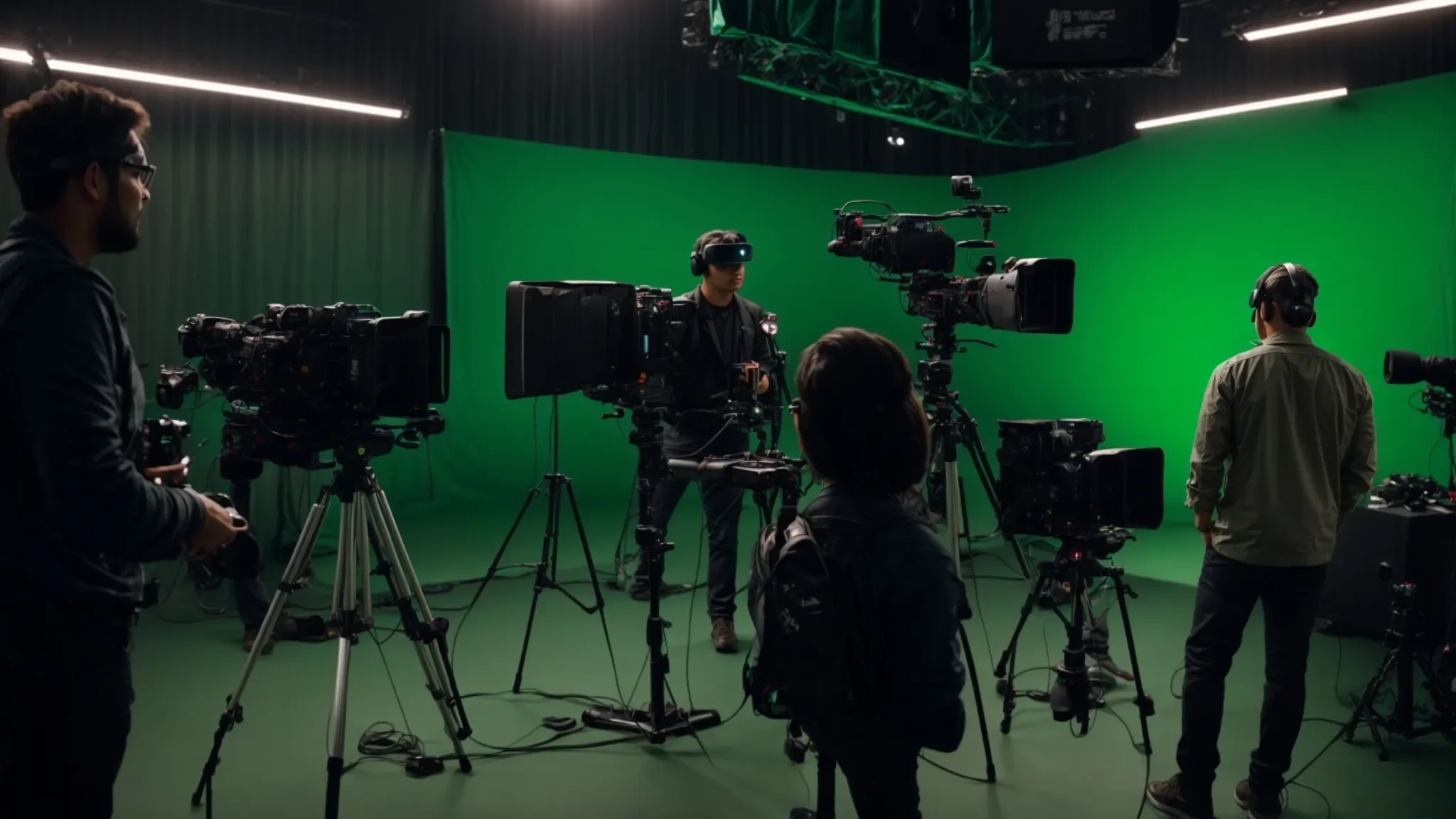
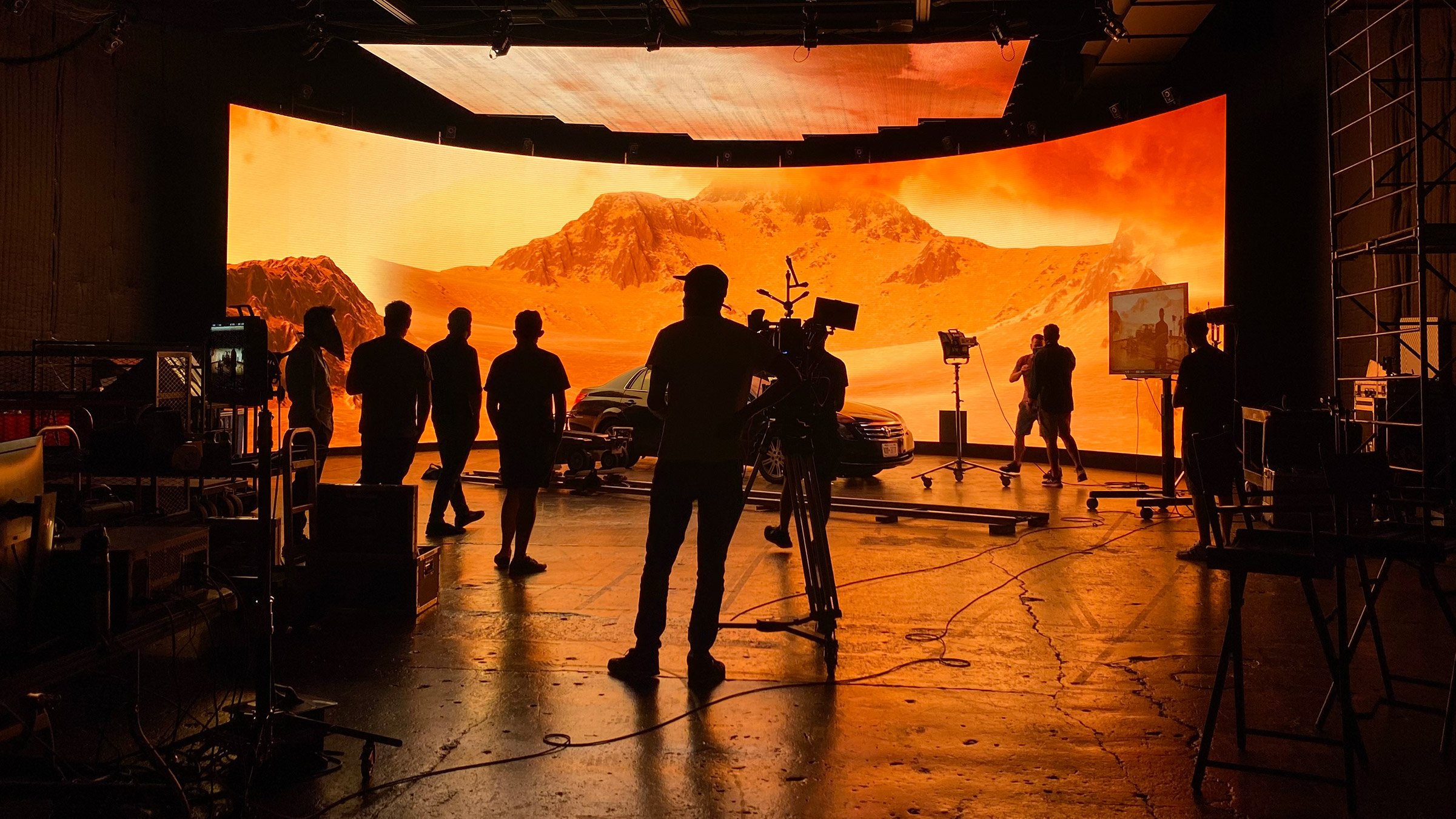
AI and Virtual Production: The Past Meets the Future
Technology has played a critical role in the film industry since its inception. Advances in the film industry are always closely related to technological advances in society, integrating them quickly into the filmmaking process. Almost every aspect of filmmaking, from pre-production to post-production, from digital cameras, editing software, sound and music, distribution, exhibition, and of course, special effects, has undergone major changes and has evolved over the last 190 years.
Contemporary, traditional film production involves building physical sets, scouting locations, and coordinating large crews and equipment, all of which can be time-consuming and expensive. To overcome some of these "problems" or “needs” was born what we know today as Virtual Production. Virtual production has and will be further enhanced by the opportunities afforded by artificial intelligence.
Artificial Intelligence Can Change the Game for Artists and Organizations
The successful future of the arts and arts organizations will include artificial intelligence (AI). Artificial intelligence operates in many spheres, from generative AI, including OpenAI’s ChatGPT, DALLe or VALLe, or OtterAI’s transcription tools to robots cleaning offices to machine learning algorithms. While the opportunities seem both endless and perhaps intimidating, strategic application of these tools can make a significant difference.
American Alliance of Museums 2023 Conference Takeaways
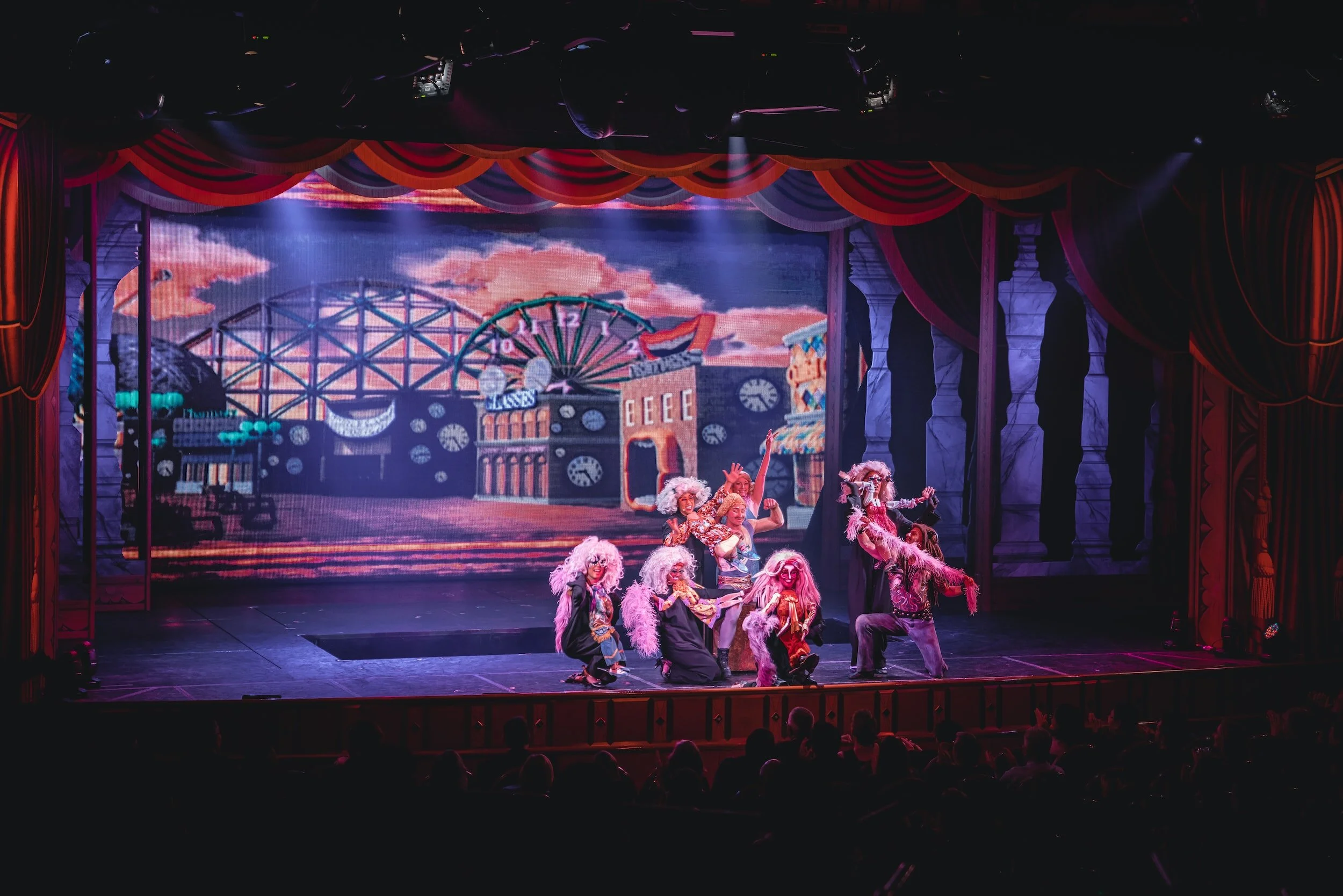
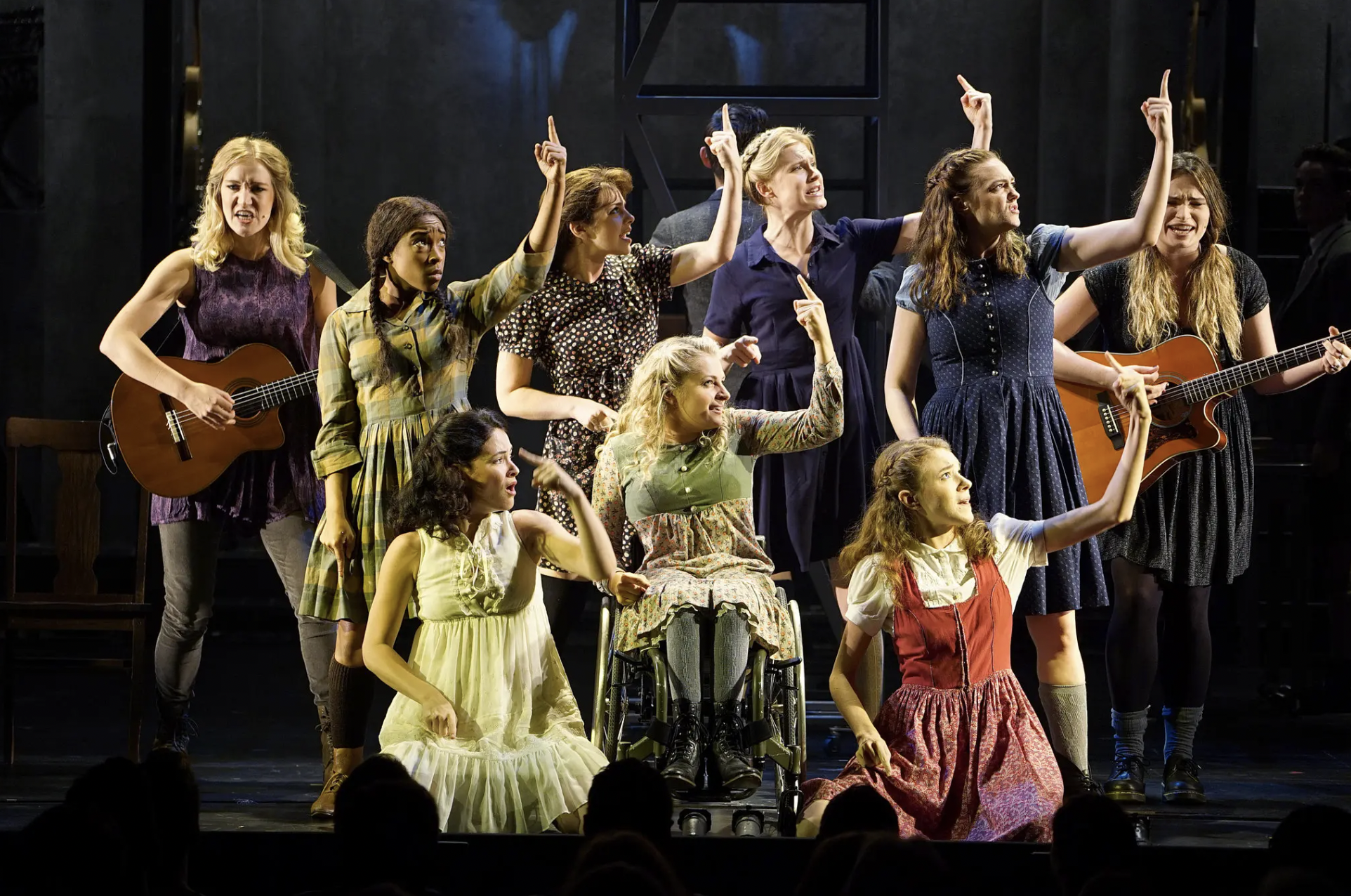
AI And Theatre: Playwriting, Stage Design, and Ticketing
Artificial Intelligence is being experimented with in the world of theater, from playwriting in traditional theatre, musicals, and improv. It is also being used for scene design and as a creative collaborator and director. Can AI successfully produce on these fronts? What does this mean for the future of the industry?
Technology & Linguistic Representation in the Arts: A Research Report
Linguistic representation and language-based accessibility are paramount to developing a truly inclusive artistic sector that allows diverse individuals and communities to use the arts to strengthen their identities and in turn “understand how [they] matter.” Lauren Miller’s series of articles on AMT Lab have explored the topic of linguistic accessibility and representation in the arts, and include case studies of those who are setting the best examples in the field. To explore more, check out the author’s research report on linguistic equity in the arts.
Can NFTs Be Used for Social Good?
“Social-good communities” in the NFT sphere are created with the intention of creating or uplifting a pre-existing community. Where business communities may arise through the context of the particular NFT collection, social-good communities strive to support a pre-existing (often) marginalized community or global crisis. This article covers the current state of community building and barriers to access through NFT marketplaces, ultimately suggesting the relatively unknown future of the ability of marginalized communities to find space and place in this ever-evolving network.
Digital Inequity's Impact On Arts Participation Pt. II
This is the second installment of research relating to digital equity and arts communities. The research discusses the potential role of media and digital arts in the fight toward digital equity, compares barriers to digital participation with arts participation, and explores the role of libraries as critical players in combatting digital inequity.
How NFTs Have Changed the Creator Economy
Content creators have thrived on Web2 platforms such as Youtube, Instagram, and Twitter. However, with the latest addition of platforms such as Twitch and Patreon, curating content has been enhanced by enabling direct creator-to-fan content and new methods of monetization. The implementation of Web3 technologies, more specifically non-fungible tokens (NFTs) are revolutionizing the way creators distribute content, claim ownership, and monetize work.
In the News: April 2023
Technologies like artificial intelligence and NFTs continue to break into new industries this April. The United States government licensed ChatGPT, dancers paired with robots, and music industry leaders have been taking a stand on AI-made music. We are in the midst of figuring out where these technologies fit into our lives, and how they will change our industries. Feelings of uneasiness continue. The following stories illustrate a variety of viewpoints on the ways in which technology has been integrated into new and unique settings as of late.
Massive Software’s Influence on Popular Fantasy Film
Massive Software creates hordes of fantasy armies using Artificial Intelligence and in doing so it has changed the fantasy entertainment game. Their realism is largely due to fuzzy logic, a “way to create naturalistic and subtle behavior” that human viewers will interpret as realistic and powerful. This combined with emergent technology offers a wide array of opportunity for creators.
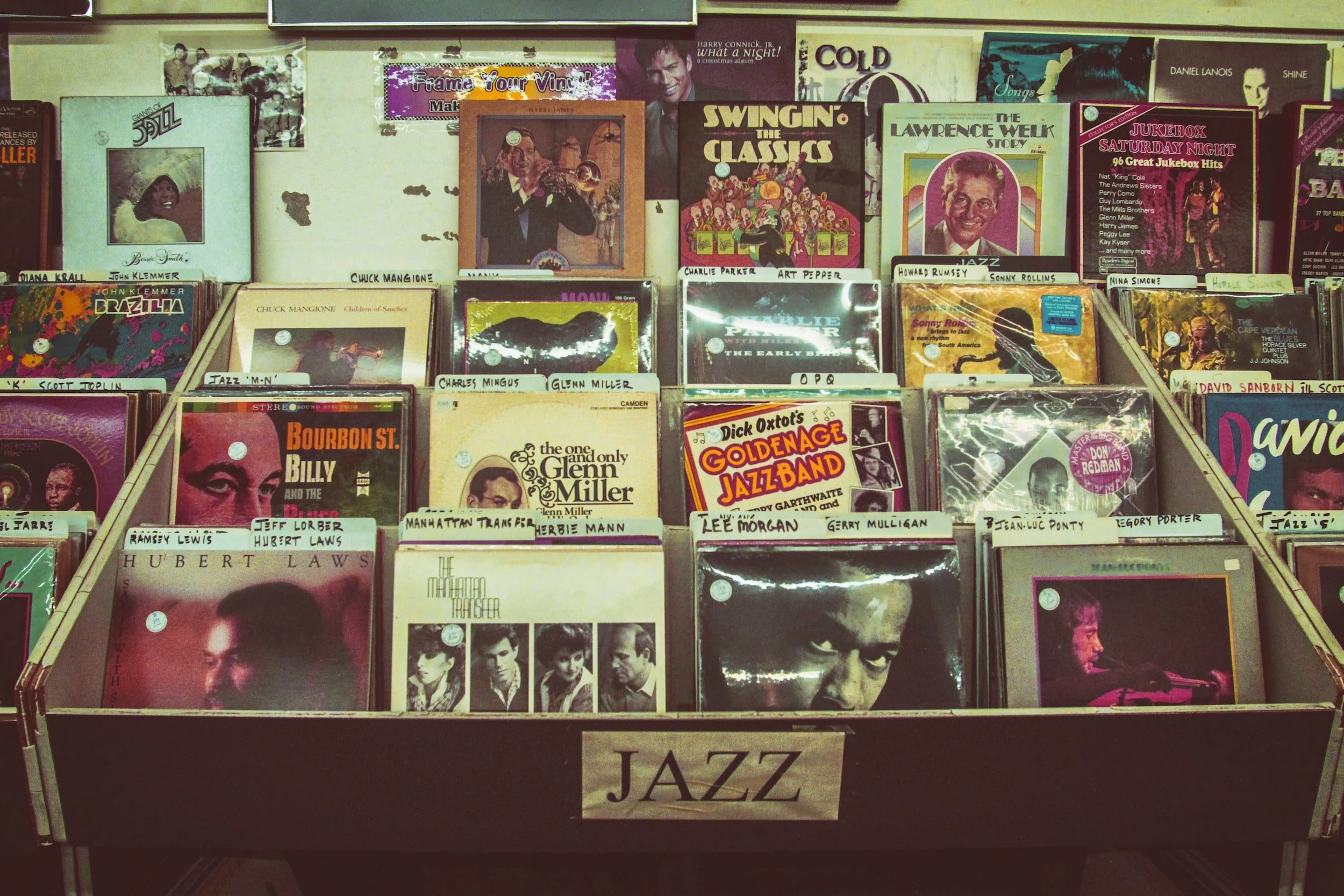
Jazz Artists and the Business of Music: Digital Collaborations and Live Streaming
Throughout history, jazz has been on the cutting edge of social and cultural change. It has always represented a means of freedom and self-expression in both the brightest and darkest of times. Jazz artists have historically pushed the boundaries of their own genre, as well as others. How does the genre continue to transform in the digital age?