


While Spotify has been a frontrunner in the AI field for a decade, its increased infusion of AI into its algorithmic content suggestions has put it into the spotlight with its ‘AI DJ.’ Consumers return again and again to Spotify largely for its enhanced personalization that few other streaming platforms can match. While AI is central to that personalization, it hasn’t surfaced without baggage and some consumer retaliation. It is also worth considering how this technology will further perpetuate algorithmic biases that disproportionately affect Black musicians.

In the News: March 2023
From rising STEAM programs to the emphasis on AI in popular culture, the interplay of art and technology allows for new visions to be imagined, new heights to be reached, and new stories to be told. This month, we’re highlighting some of the ways in which technology and art interweave to redefine the very definition of creativity.
How AI Is Used in Video Games: The Sims 4 and Red Dead Redemption 2
Artificial intelligence (AI) has been fundamental since the 1950s in game design and development, but a subset of AI called generative artificial intelligence (GenAI) is now deployed in nearly all video games to create clever, responsive, or adaptive behaviors. This article examines the unique cases of Generative AI in 2 incredibly popular video games: The Sims 4 and Red Dead Redemption.
Cash Talks: The Impact of Financial Reserves on Theatre Companies
According to the Nonprofit Finance Fund, most nonprofits have less than three months of cash reserves on hand. Most nonprofits have experienced a drastic impact on their programs and financing throughout the COVID-19 pandemic. But research shows that nonprofits with reserves were less likely to reduce operating hours, lose staff, or experience difficulty paying employees or vendors for their services.
Digital Inequity's Impact on Arts Participation Pt. I
how does digital inequity impact the arts sector and how might the arts sector respond to the digital inequities in their communities? This research was compiled under the belief that the arts can have a role in combatting issues of equity and inclusion outside the field of arts and culture. The arts’ role in the broader public sphere can improve the lives of all members of a community. The hope for this research is to begin to understand how that can begin to take shape to address digital inequity.
Building a new Museum Ritual: Museum Digital Experiences
This article examines 8 suggestions for museums to implement well-rounded digital projects for their audiences that are specific to the online context. These suggestions are drawn on the Rachel Broughton’s article Bridging the Gap Between Digital Native Modes of Learning and the Traditional Museum Ritual—find it here.
Hey, That's Mine! Art Ownership in the AI Age
In the News: February 2023
Issues and Trends in the Creator Economy
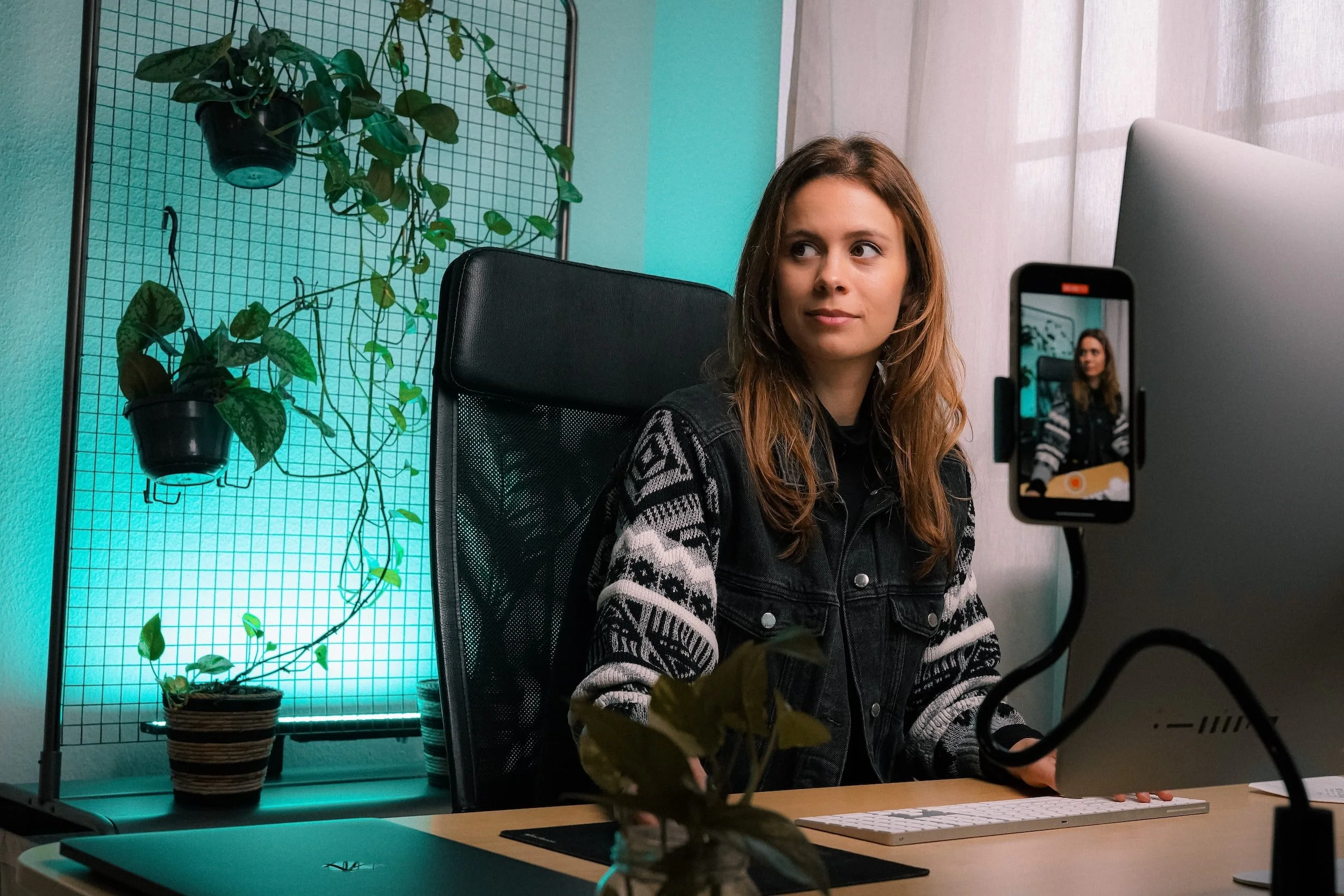
What is a content creator’s journey like? How do content creators grow to become media companies? What services does the creator economy need as they grow bigger? From these questions, our group makes predictions about the future of the creator economy and recommendations for how creators can thrive within the landscape.
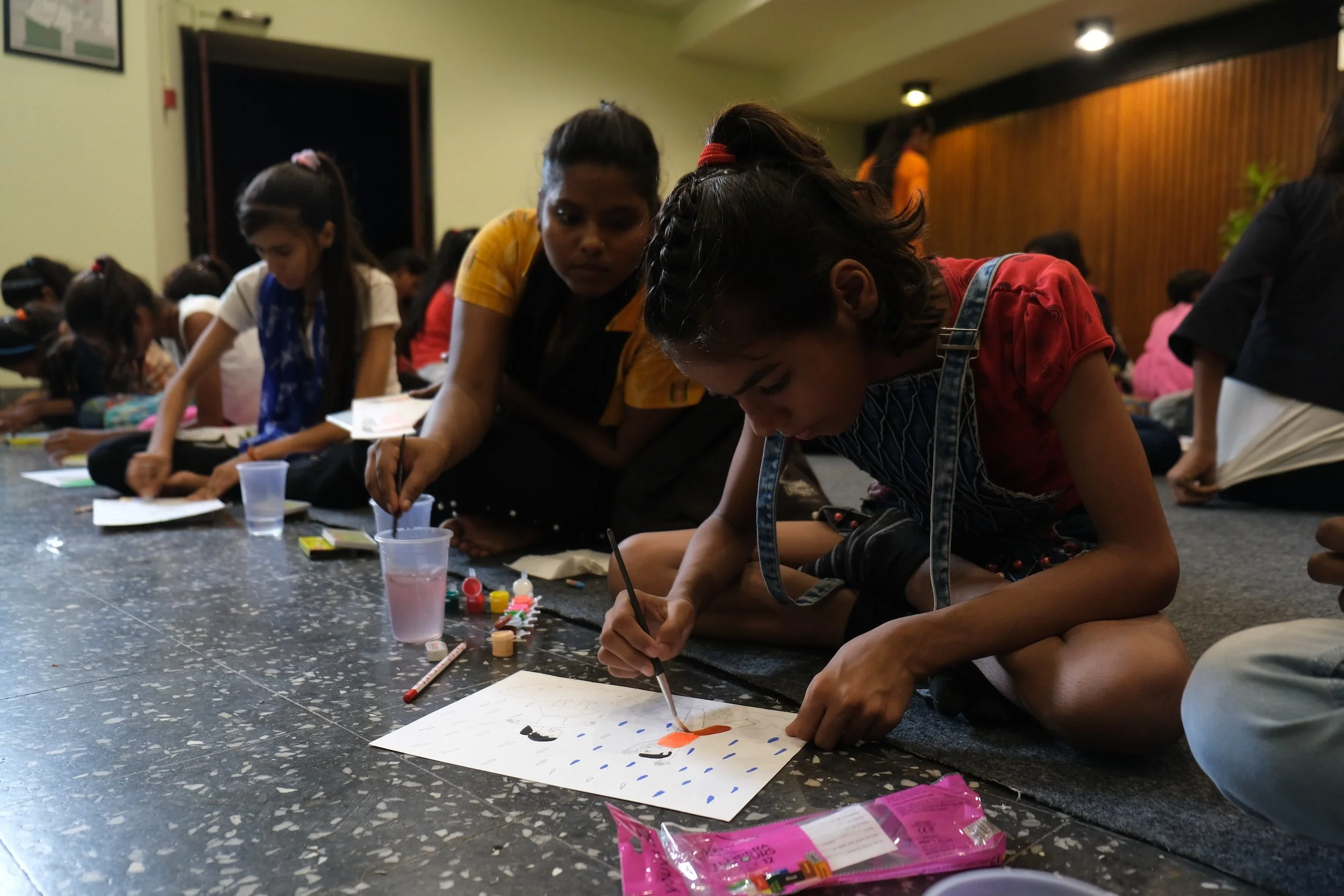
Secondary Arts Education as a Core Subject: Benefits and Examples
2023 Digital Fundraising Trends in the Performing Arts
Organizations’ marketing strategies and missions themselves may need to be reexamined to determine whether or not they align with the next generation of donors. There are a number of practices that organizations can start to embrace in order to expand their mission to a more diverse population while not running the risk of alienating their current support base.
In the News: January 2023
Multilingual Technology for Global Entertainment: A Case Study of Netflix
Audience Retention via UX Design in Museums
Bridging the Digital Divide: Arts and Digital Placemaking
Museum Audience Engagement with GIS
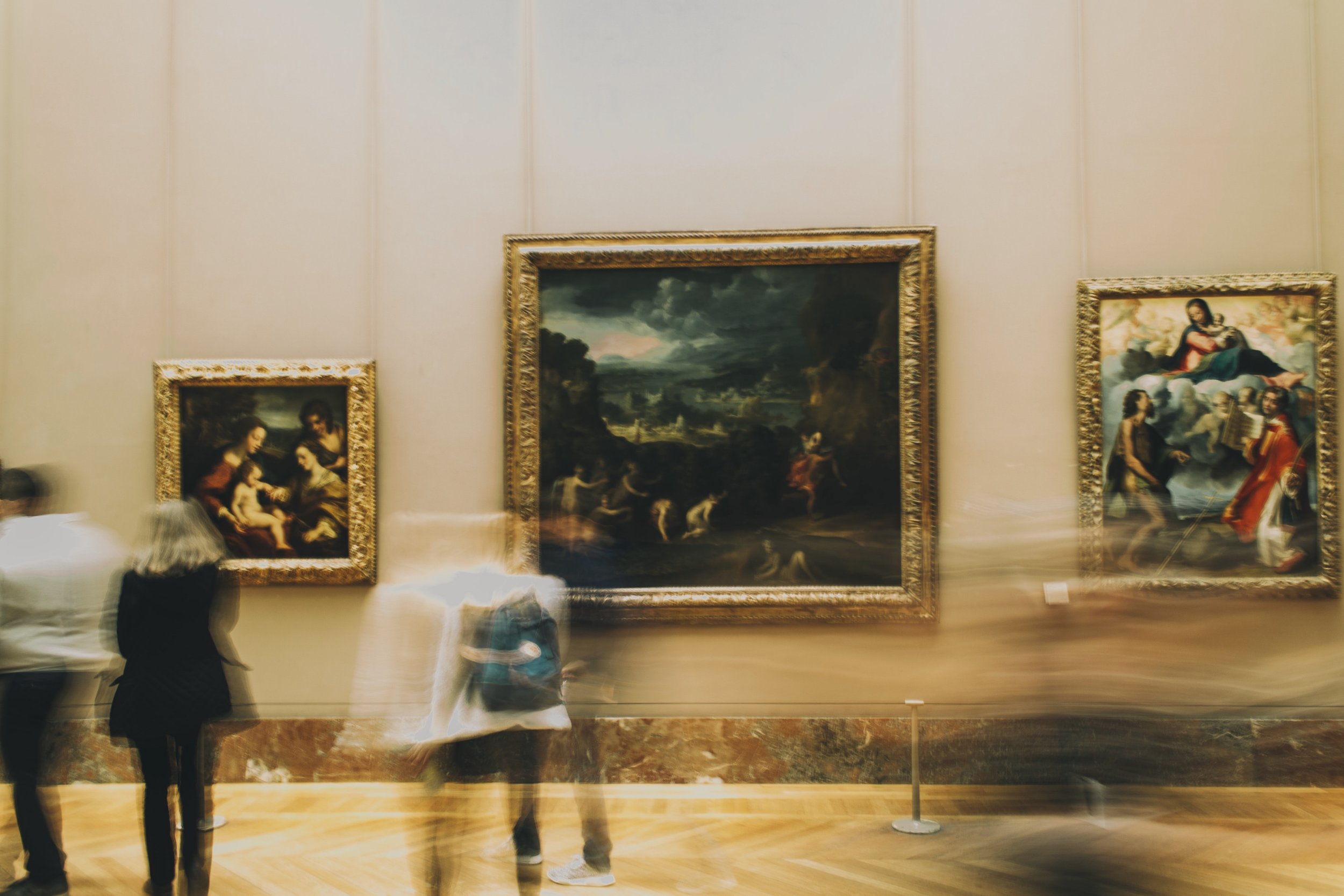
Geographic Information Systems (GIS) applications can connect museums with their communities in ways that make project management and decision-making informed and strategic. There are numerous ways that GIS maps can be used—they can provide a picture of who is visiting the museum and how they are interacting with the space once they are there. Additionally, they can aid visitors with their experience of museum collections.
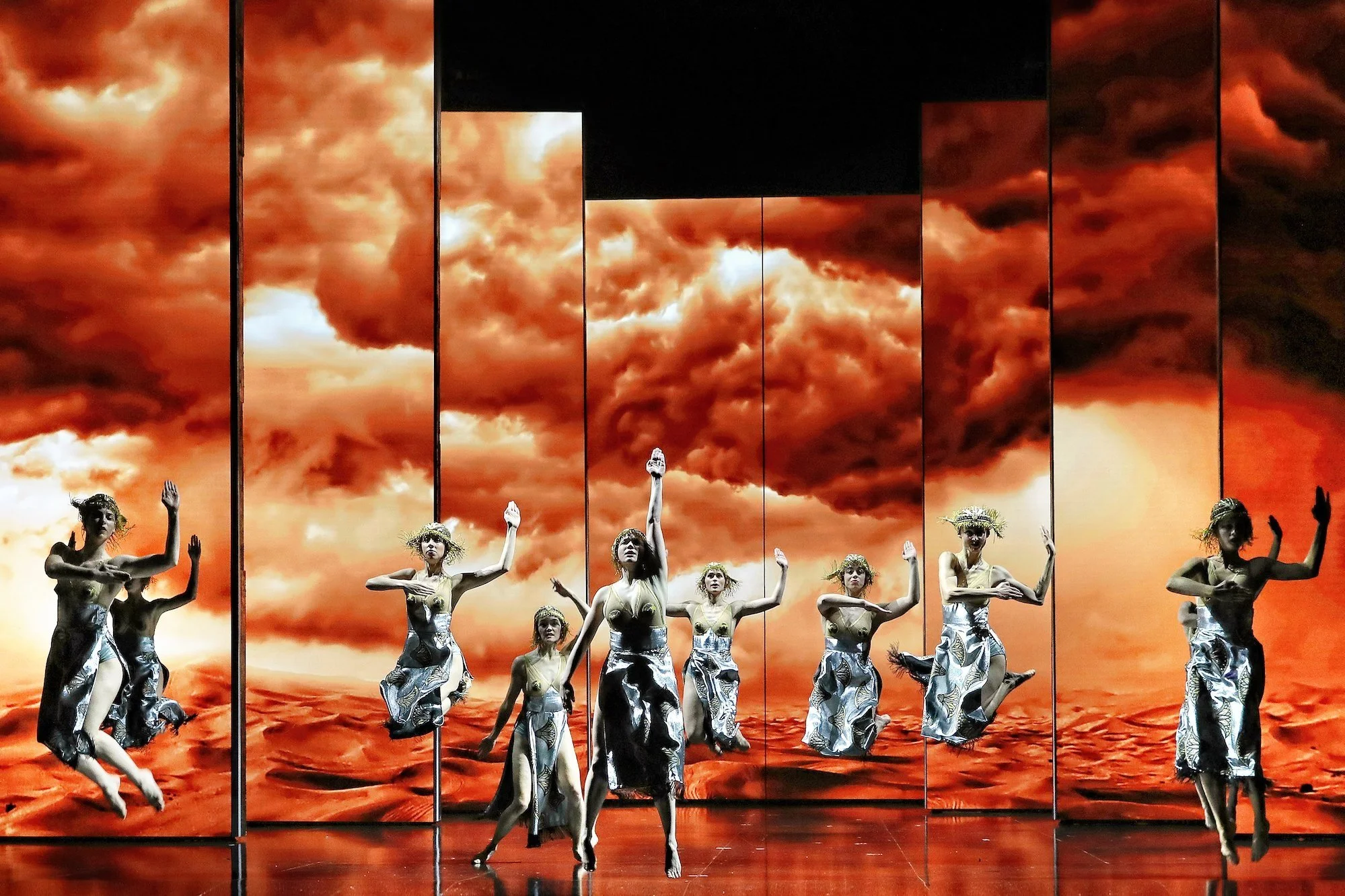
Linguistic Diversity in Opera via Technology: A Case Study of Opera Australia
Opera Australia attempts to make opera “for all” while maintaining the linguistic diversity of presenting opera in their original languages. To enhance the connection of audiences to the work, Opera Australia uses digitization and other technologies to create a holistic storytelling mechanism. This case demonstrates that (1) language and linguistic identity can advance and strengthen artistic storytelling and (2) audiences want to see linguistically diverse and accessible stories.
Public Art in Smart Cities: Community Connections
In the context of a smart city, the goal is not simply to install digital interfaces in traditional infrastructure or streamline city operations, but rather to use technology and data in a purposeful manner to facilitate informed decision-making and enhance the overall quality of life. Public art has the potential to connect people to their city and to each other; as well as connect them to the experience of the art itself.
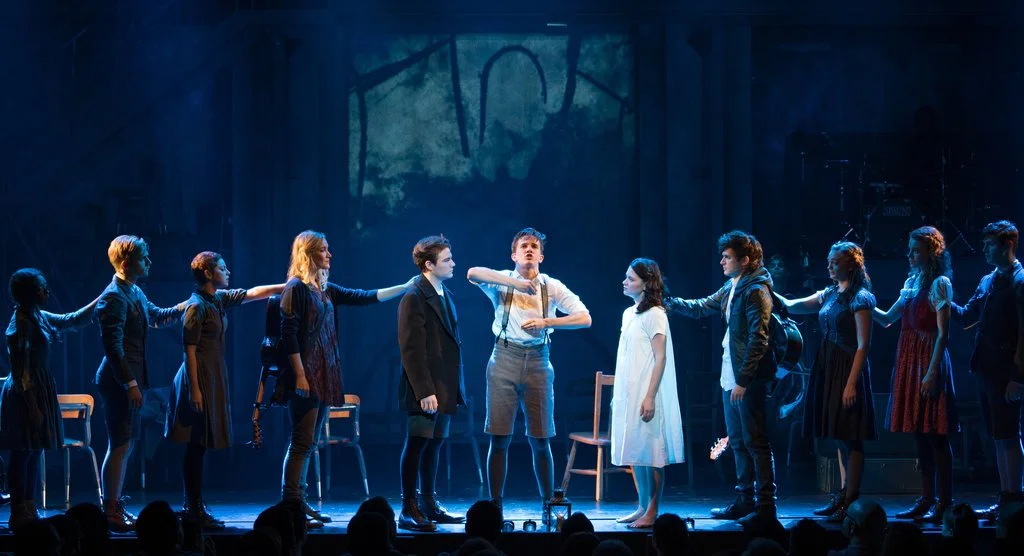
Equity Via Art and Technology: A Case Study of Deaf West’s “Spring Awakening”
This case study examines Deaf West Theater. Through weaving “American Sign Language (ASL) with spoken English to create a seamless ballet of movement and voice.”, Deaf West teaches through practice that (1) Language and linguistic identity can indeed advance and strengthen storytelling and (2) Audiences want to see linguistically diverse and accessible stories.