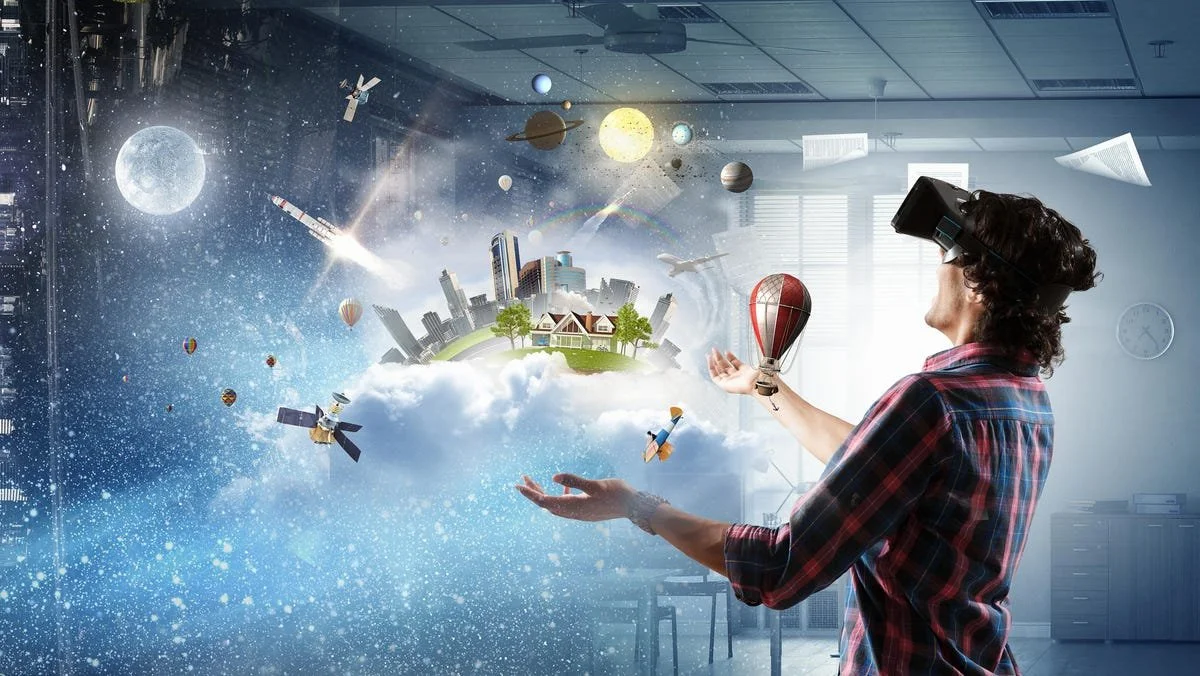
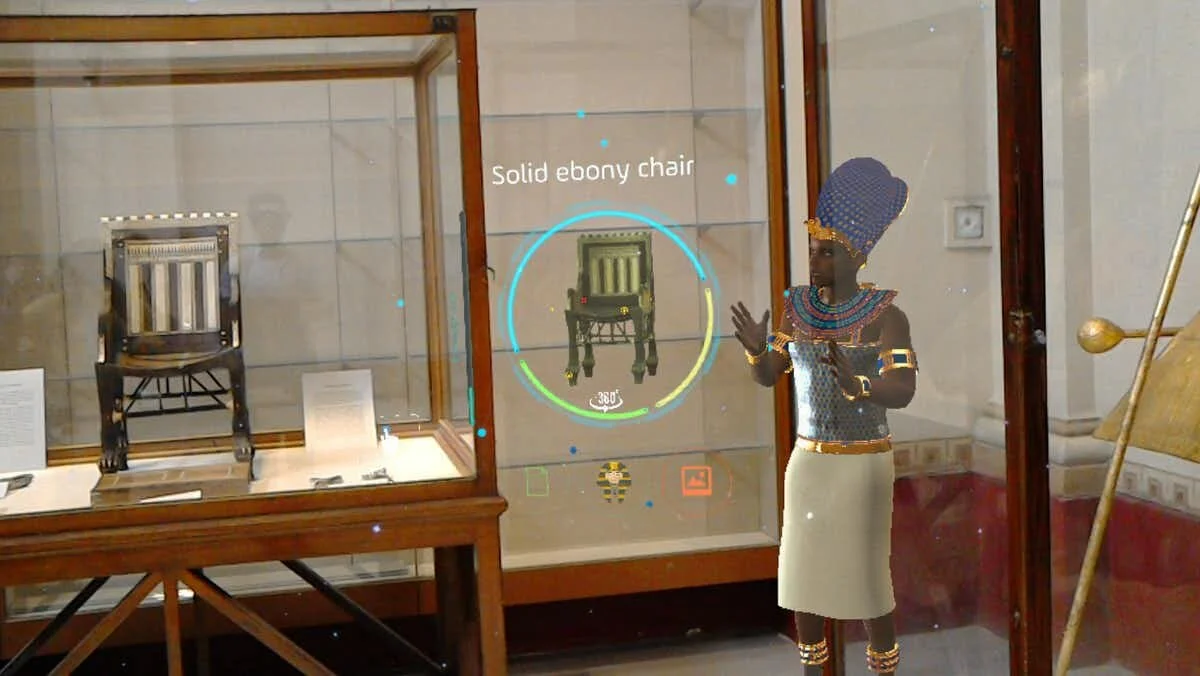
Virtual Reality technology puts the user in a computer-generated environment, allowing them to interact with simulated elements via a headset. On the other hand, Augmented reality incorporates elements that are generated, be it visual, audio, or other sensory elements into the real world via technology. AR technology lets the user position his or her smartphone to a point in the physical world and bring it to life by adding virtual components via this technology.
Expanding our Live Streaming Future: Refining and Developing New Arts & Entertainment Experiences
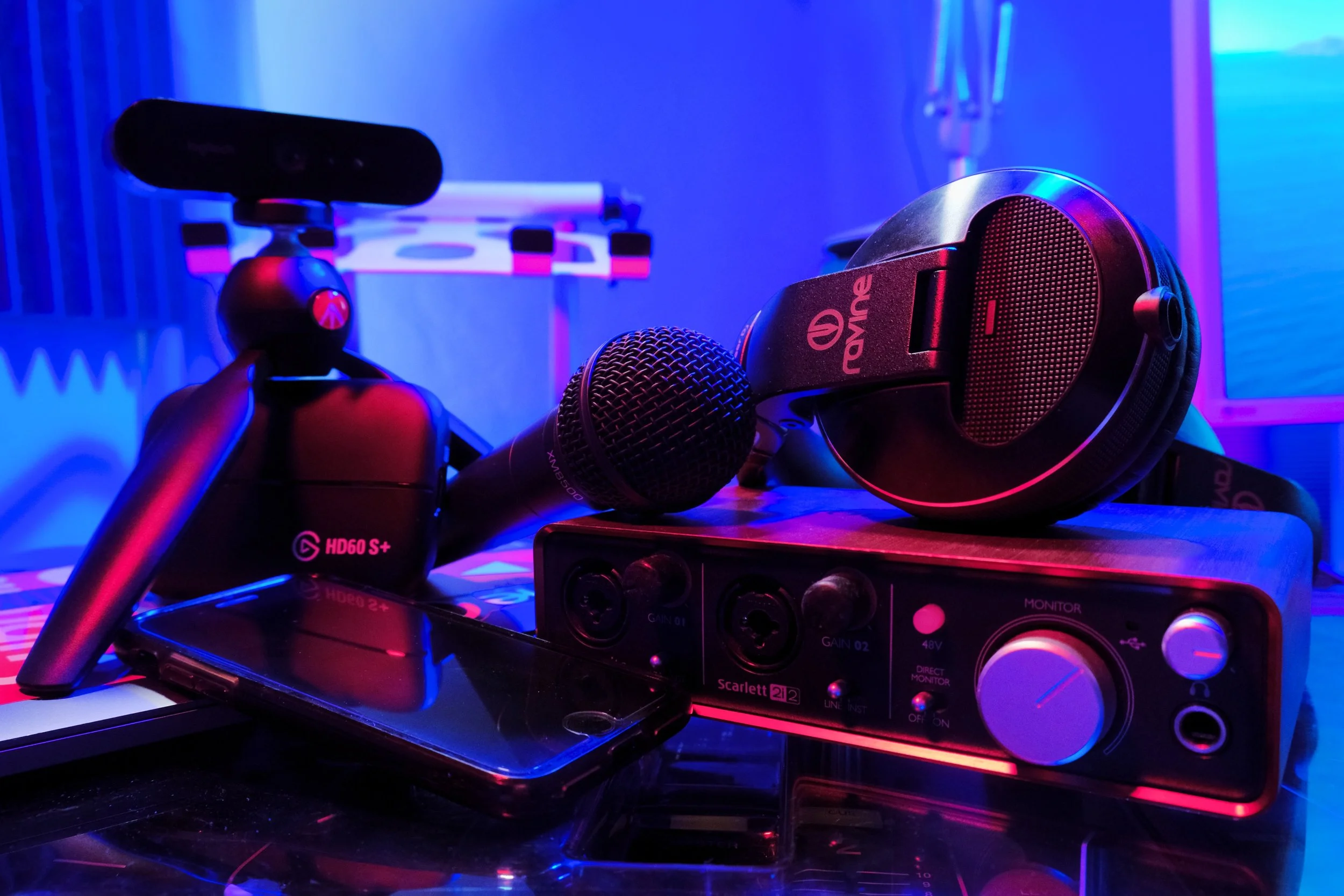
Livestreaming has become a burgeoning global industry, recording eight billion hours of content watched in the last quarter of 2020 (May, 2021). This research projects examines the industry before the COVID-19 pandemic, how it evolved during the pandemic, and its future opportunities. From October to December 2020, over eight billion combined hours of content were watched as livestreams on the top three largest platforms, Twitch, YouTube, Facebook Live (May, 2021). Using data from industry leader interviews, a national survey, and case studies the team reveals the power and current technology limitations to livestreaming for the live entertainment industry.
Theatrical Livestreaming: Fostering the Next Generation of TheatreMakers
In my previous AMT-Lab article, Livestreaming And Live Theatre: A Promising New Industry, I presented the data and specifics of the current livestreaming market as a whole. During this research, I found that livestreaming viewership set record highs in 2020. Not only was livestreaming able to grow during the initial impact of the pandemic, but this interest was maintained throughout 2020 and into 2021. Livestreaming, as an industry, grew by 81% in 2020. The large potential for market utilization is undeniable. Most importantly, however, is that livestreaming theatrical events offer a level of access and opportunity to arts and cultural events that have yet to be capitalized.
Open Access and Why it Matters in the Museum Space
Amidst Covid-19, many museums moved to sharing collections and exhibitions virtually. However, even before Covid, museums began sharing their collections in a virtual, accessible manner with Open Access. It is estimated that nearly 1,000 cultural heritage institutions world-wide have published some or all of their collections with Open Access usage. While Open Access exists in other industries, such as in libraries, this article focuses on the context of Open Access in the museum space.
2021 Top 10 Most-Read Articles
As we welcome 2022 for myriad reasons, be sure to catch up on what you missed in 2021 by reading out top 10 most read articles. Surprisingly (or not), while the last year continued to show interest in covid’s impact on technology and work, our readers were curious about a broad set of content — from NFTs to using technology to track dance. Which of these articles did you read, or miss?
Why Interactive Films Are Not A Success...Yet
Motion picture companies in recent years are blurring the line between film and video games, bringing technical practices that have been adopted by interactive video games for many years. With the drift of film history into greater realism and higher audience immersion interests, interactive films that make compromises for the audience to take control are emerging. Filmmakers use different new-media technologies such as Eko Studio and Wirewax to engage an audiences’ interaction, but the medium is still so young that more extensive research is needed. This research examines the differences between the engagement models of interactive films and video games to identify the reasons why interactive films do not obtain a larger market.
Cryptocurrencies in Indie Film Economics
Streaming technology in the last decade has rebuilt the structure of film revenue models. Motion pictures now earn revenue through a network of internet-based over-the-top (OTT) content distributors, reaching worldwide audiences by partnering with multiple streaming platforms. More recently, the Covid-era decline in theatrical film distribution has led to a purely OTT distribution model, and a complete reliance on internet-based revenue. In the future, advancements in blockchain technology are expected to disrupt and further redesign the film distribution waterfall. Ambitious filmmakers should have a clear understanding of how revenue distribution waterfalls work before they tackle a blockchain-based film production.
How Art and Technology Can Work Together to Facilitate Healing
When it comes to the widely discussed topic of mental health, the arts have proven to play a significant role in healing. In fact, artists and scientists have been researching impacts of art on the brain and body for nearly 75 years. The founding hypothesis in art therapy research emerged from the projects of two women curious about how art could help the severely ill, but extensions of their work continue to grow. Like much in our lives, art therapy research is now increasingly embracing immersive technology.
The State of Trust: Consumers and Transparency in the Entertainment Industry
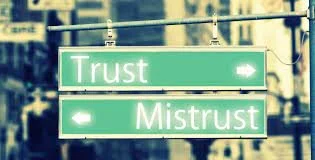
The business of trust is complicated. The topics of trust, authenticity, and transparency have emerged as what consumers expect from businesses today (MultiVu - PR Newswire, 2020). This study looks at the entertainment industry and how these topics are central to the relationship between media and entertainment companies and consumers. Findings reveal simple but pivotal changes businesses can make to succeed.
Intangible Cultural Heritage: Context and Digital Approaches for Safeguarding Efforts
Digitization efforts for cultural heritage are standard practice for institutions of all sizes, ranging from simple metadata records to elaborate 3D renderings of ancient sites. While the discussion of digitally preserving cultural heritage at large is prominent, the intersection of intangible cultural heritage and digitization practices requires specific recognition. This includes understanding intangible cultural heritage and its value for society. This article examines the emerging and evolving landscape of intangible cultural heritage, its global impact, and current efforts for safeguarding these intangible items in order to address how this field is being organized and used.
Creating Sustainability in the Film Industry
When thinking about sustainability the first thought that often comes to mind is climate action, net-neutrality, or carbon emissions. Sustainability, in fact, has many other aspects beyond the climate. The United Nations developed a list of 17 goals in 2016 with a goal for the world to reach in 2030. These goals address holistic sustainability – aiming to help increase the quality of life worldwide. As organizations become conscious of their environmental impacts, more approaches in greening the industry and a tangible plan to fight climate change will be more readily implemented by the film industry, while still producing new content for the world.
A Path for Greater Diversity in Film Festivals
Film festivals are an essential part of the movie industry, as they provide opportunities for creators to garner recognition and to secure distribution for their films. However, there is a lack of racial representation and inclusion in the entertainment industry that prevents filmmakers of color from having the same opportunities as their White counterparts.
This study analyzes the current state of diversity and inclusion of Black, Indigenous, (and) People of Color within film festivals in Europe, the United States, and Canada. Assumptions behind the research are that with meaningful change implemented to increase racial diversity in festivals’ programming staff there will be a selection of more diverse film directors. This report consists of parts:
Interviews focused on filmmakers and film festival programmers. These are used to reveal common trends from personal experiences regarding diversity within film festivals
Analysis of a survey of film festival attendees conducted to understand their perceptions of diversity and inclusion in festivals’ lineup and programming staff
Examining Digital Collaboration in Theatre Production Processes
Theatre is known for being a highly collaborative art form. At least pre-pandemic, it was also an art form customarily shaped by in-person ideation and collaboration. Now that theatremakers across the globe have spent 19 months rethinking their relationship to in-person production and experimenting with virtual alternatives, the question emerges - how is collaboration in theatre production process evolving from its ancient and analog roots?
Livestreaming and Live Theatre: A Promising New Industry
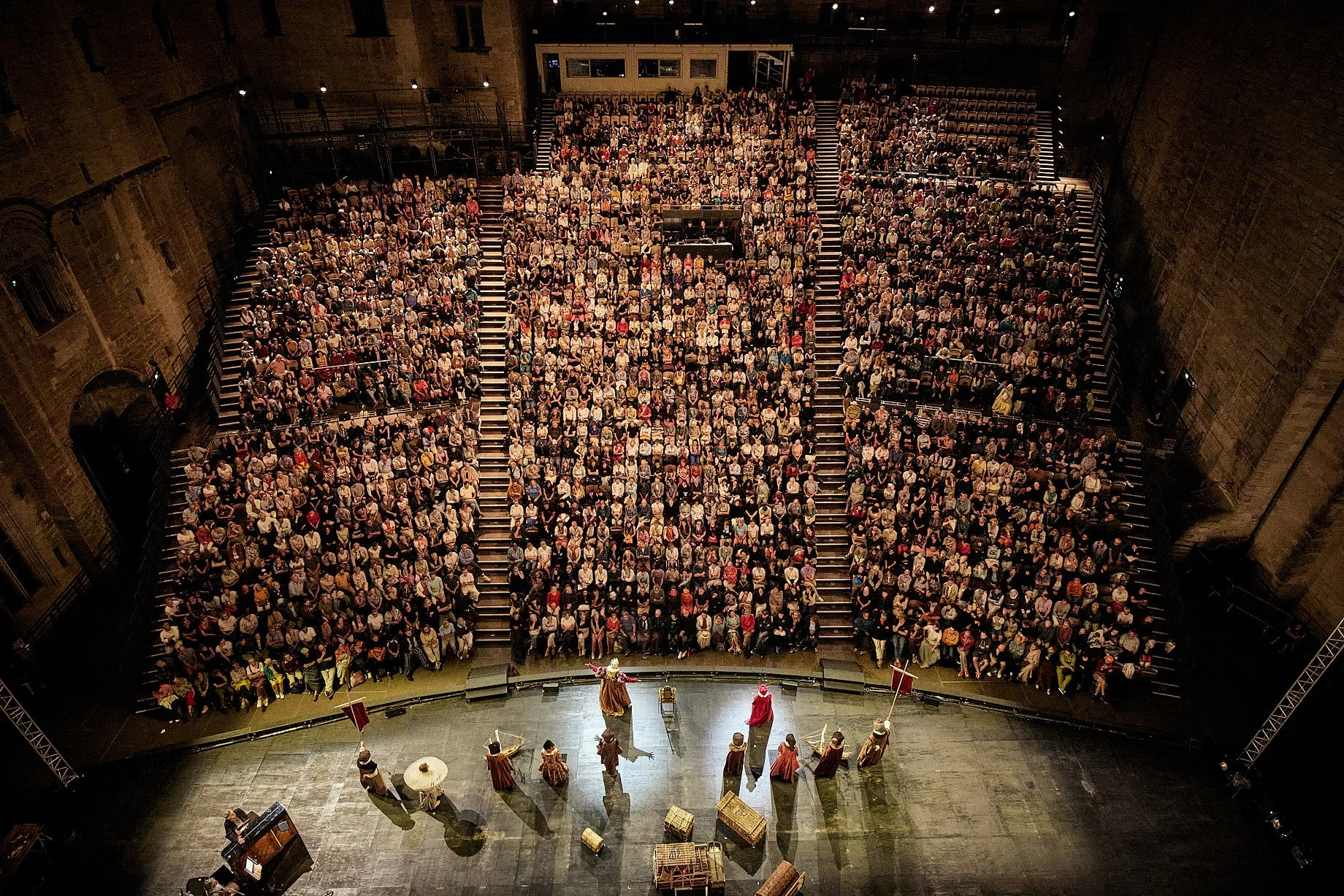
These last two years have forced audiences to seek out arts opportunities and engagements through new mediums. Theatre organizations around the world closed their doors, forced to look for new ways to interact with their audiences. Many turned to digital content, such as streaming and livestreaming. While these two mediums appear to be similar, they are entirely different forms of media. “Livestreaming is when the streamed video is sent over the Internet in real-time, without first being recorded and stored.”[1] It allows for increased engagement with audiences and in many cases, livestreams allow for audiences to directly interact with the host through chat features, polls, and subscriptions.[2]
What the Arts Need to Know about Big Tech
Upon broaching the subject of Big Tech, the consideration of arts organizations is often forgotten, and the focus is solely placed on Silicon Valley and the lucrative world within. But with the increased attention into the world of Big Tech (specifically Apple, Amazon, Alphabet [Google], and Meta [Facebook]) as a result of continual antitrust lawsuits, privacy violations, and the global struggle in creating effective policies to limit these companies’ powers, it is becoming more evident that the activities of Big Tech span across a variety of industries, the arts and nonprofit sector included. This article will provide an overview of the Big Tech monopoly over data and privacy through its cross-market domination and explain its effects on the nonprofit world.
Streaming Service Algorithms are Biased, Directly Affecting Content Development
Despite the Covid-19 pandemic, 2020 was a big year for the entertainment industry. Many entertainment corporations reevaluated their approach to content distribution and accessibility for viewers. It is increasingly clear that streaming services will continue to exert evolutionary change on the entertainment industry. Regardless of the questions and problems posed about the algorithms used by streaming services, Netflix and other dominant platforms will continue to use them – and continue to work on optimizing the algorithm to eliminate at least the most egregious biases. It is up to the industry to hold itself accountable and ensure that the sanctity of the art of TV and film over the algorithm-based entertainment world.
Can Computers Be Creative? A Look at AI Use in Music Composition
When we think about AI, it generally is with some amount of wariness. We’ve all seen too many science-fiction movies where sentient robots take over the world, but we’re mostly certain that the creativity needed for these sentient beings to overtake us doesn’t exist. Artists, musicians, and creatives especially have historically been comfortable with the knowledge that their livelihoods were not in danger of being replaced by AI because of the inherent creativity necessary in those industries… until now.
VR and Cultural Heritage Recreation
As museums and heritage attractions are restricted by distancing and capacity rule during the COVID-19 pandemic, digital strategies undoubtedly gather more interest than ever before. Virtual Reality (VR) has been put to use in the cultural sector a way to deliver exciting and immersive exhibitions. The communication between archaeologists and technicians is critical for the accuracy of the VR reconstruction and museums should work closely with their technology team and emphasize their obligation to public education in these creations. This insures that museums can keep the integrity of cultural heritage exhibits while providing an exciting and immersive educational experience of the past with technology that looks toward the future.
Living in a Deepfake World
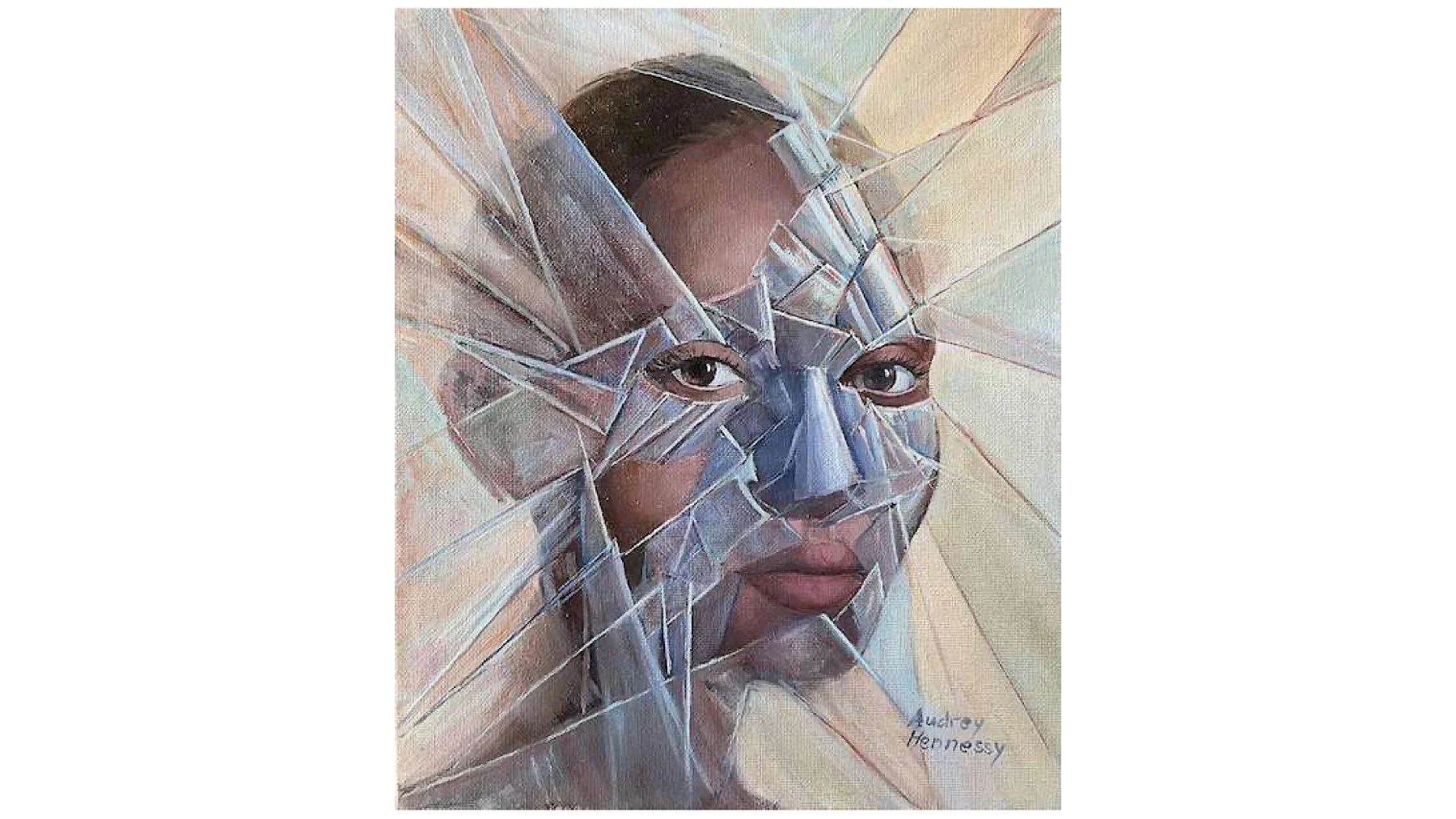
Deepfakes, or AI-generated synthetic media, are becoming increasingly prominent in the digital age and are being used across industries more frequently than ever before. Unlike common uses of AI that modify existing media given, AI that generate Deepfakes attempt to simulate that media, often using an individual’s likeness as a source of AI learning. Deepfakes can be a fun experiment for swapping faces, but they present a wide variety of malicious uses that has permanently altered the trust and engagement of media. Thus, society must continue to challenge the validity of sources and find new ways to protect media and the truth.
What is MR and How Does it Create Exceptionally Immersive Experiences?
MR, or Mixed Reality, is appearing across the arts world, but its actual meaning is not well understood. A strong beginning includes a foundational understanding of the concepts of reality and virtuality. The future application of MR technology is unlimited, increasing the possibility of creating experiences that reflect what is seen in sci-fi films. While many practitioners believe that MR is the future, the technology lacks popularity in the consumer market. However, with the continuous development of MR technology, more cost-effective solutions will be found, and the future of a truly immersive experience will come.