Integrating Social Media Data Into CRM Systems: Using Your CRM To Its Full Potential

Integrating Social Media Data Into CRM Systems: Using Your CRM To Its Full Potential

This white paper explores the importance of integrating social media data into an organization’s CRM to improve Customer Knowledge Management (CKM). By increasing the information collected CRMs can be more effective, leading to greater efficiency and productivity. Learn how arts organizations can gather more data to better understand their customers by integrating social media into a CRM system.

AI as a Tool in the Arts

AI as a Tool in the Arts

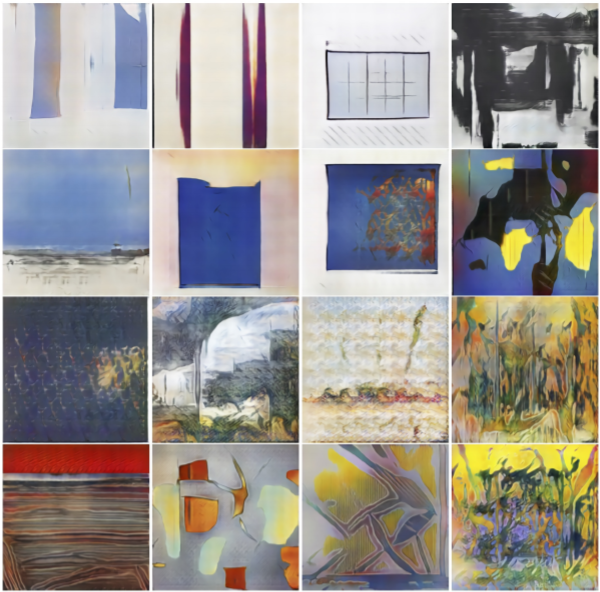
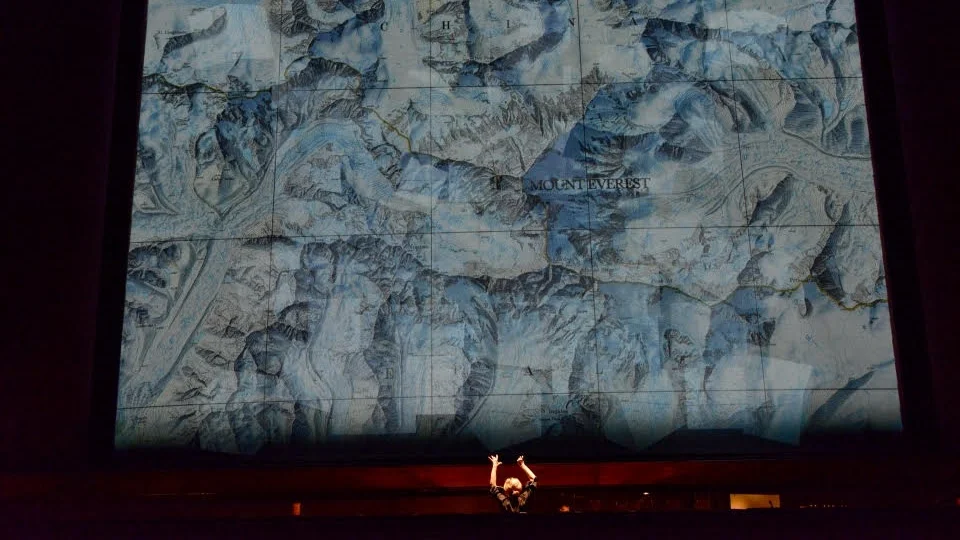
Artists are taking advantage of new technologies to enhance their artmaking. They are using AI as a tool in the same way that artists of yesteryear used pen and ink and paintbrushes. This opens a whole new realm of possibilities for arts managers in terms of the scope of multimedia exhibitions and performances. Artists who are using AI as a tool include visual artists, performers, and creators of popular media.

Image Recognition Technology Use in Museums

Image Recognition Technology Use in Museums

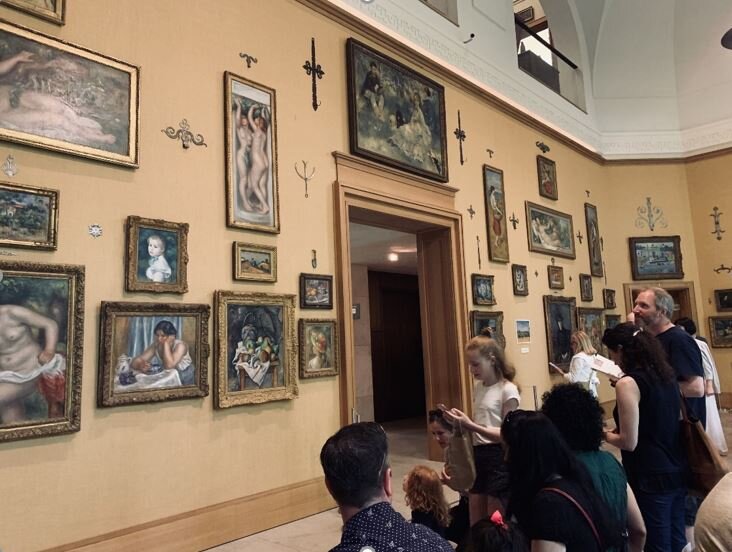
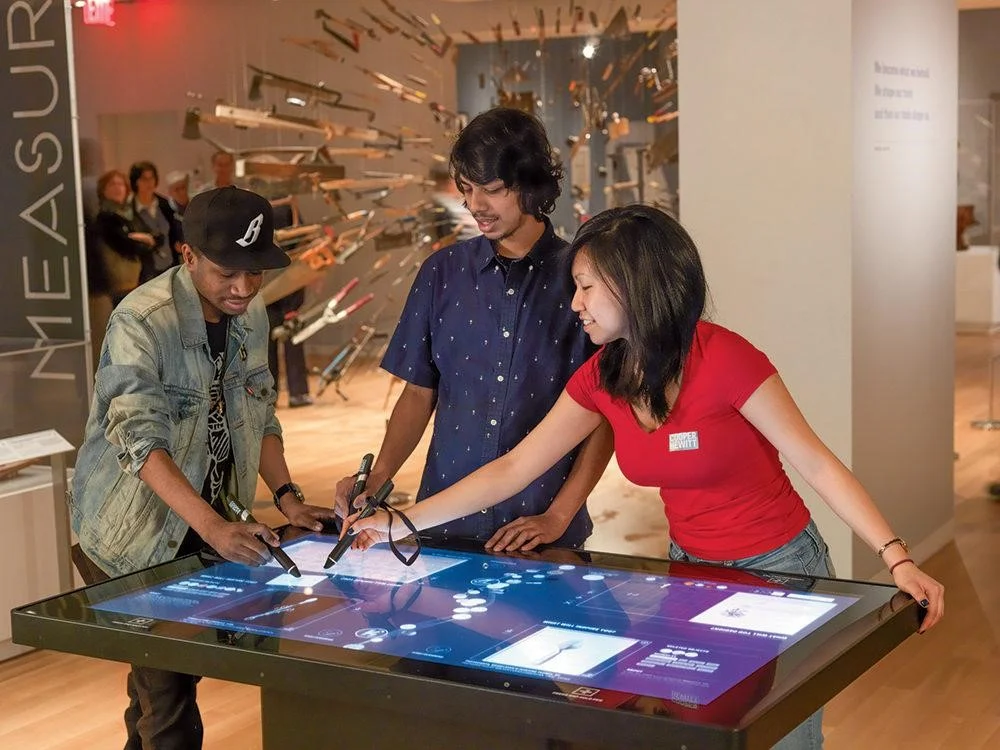
Image recognition, as one of the subsets of computer vision, is the process of identifying objects, places, or people in images or videos. This article discusses different image recognition software being used, and details the author’s experience using the technology at the Barnes Foundation.

VR, Simulcast & Growing Theatre Audiences: Connecting with Remote Theater Audiences through 360-degree Simulcast

VR, Simulcast & Growing Theatre Audiences: Connecting with Remote Theater Audiences through 360-degree Simulcast

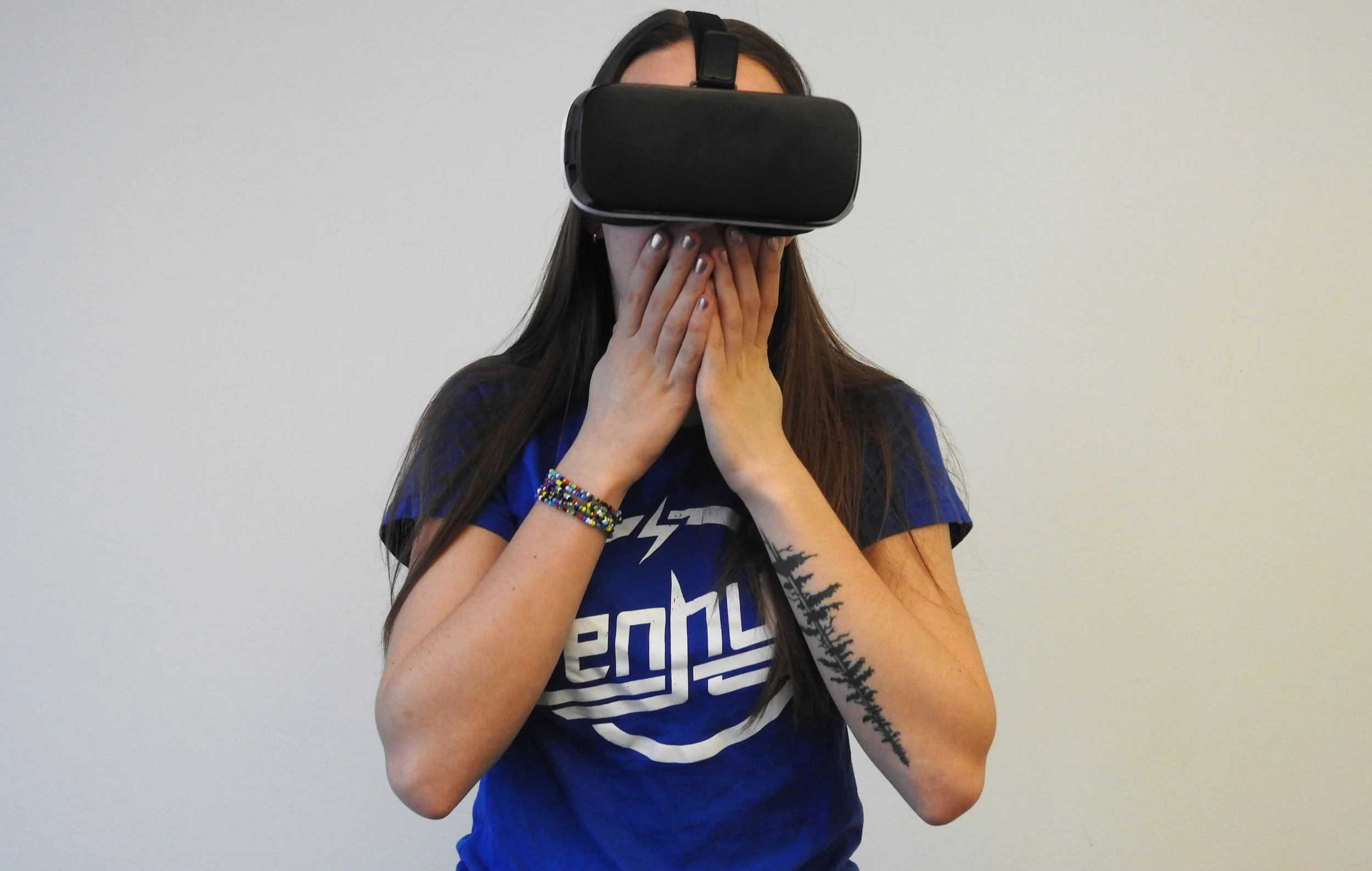
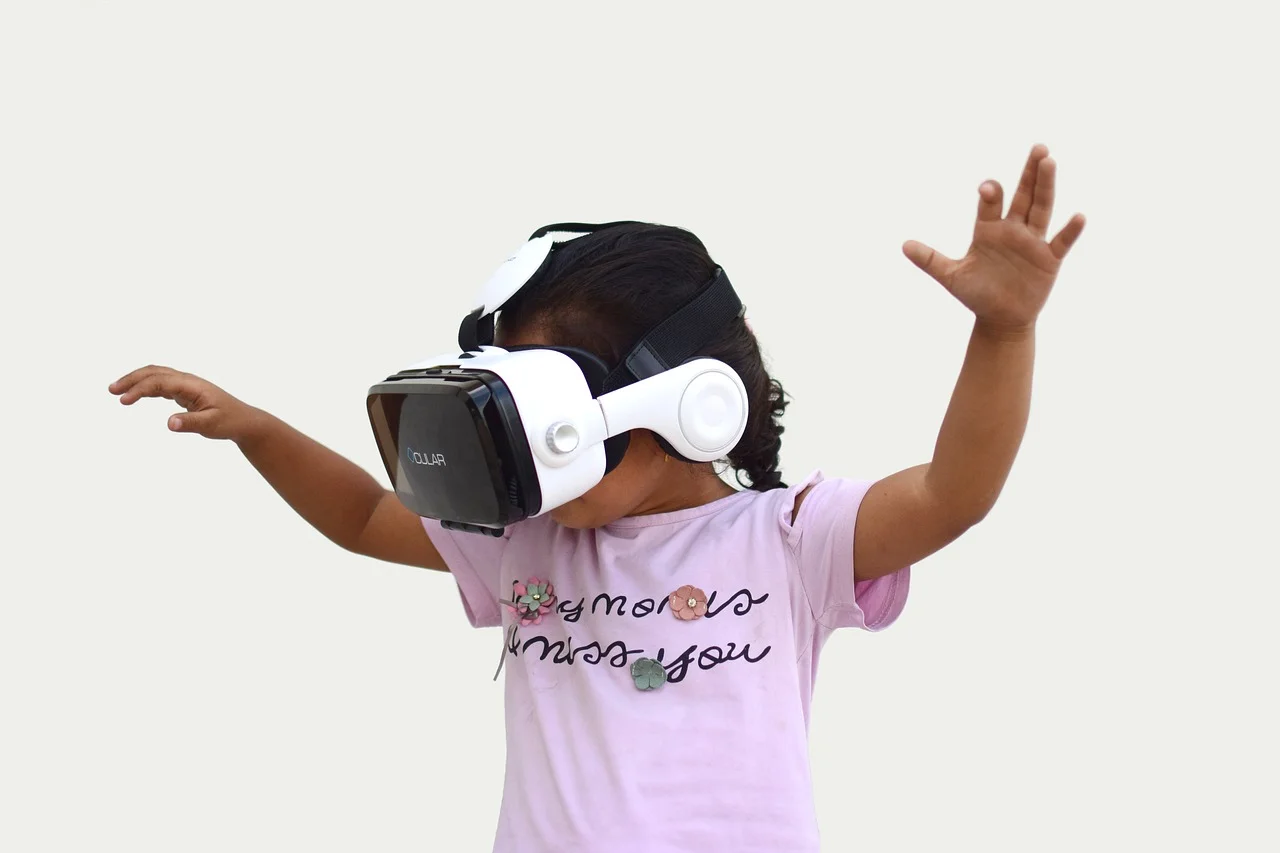
Technologically enhanced theatre experiences can extend beyond the use of cutting edge performance light and sound tech. Today’s technology allows theaters to reach audiences outside of their physical space through livestreaming performances in Virtual Reality (VR) with VR being defined as an artificial environment which is experienced through sensory stimuli (such as sights and sounds) provided by a computer and in which one's actions partially determine what happens in the environment. Furthermore, livestreaming, defined as when a person or organization “transmit[s] or receive live video and audio coverage of (an event) over the Internet” is becoming a routine part of standard social network experience. Livestreaming through VR, while still a relatively new concept, may allow the virtual audience watching the livestream to feel much more present at the performance than ever before and therefore a theater’s potential audience engagement opportunities.

What You Were Reading in 2019: Top 10 in Arts Management & Technology

What You Were Reading in 2019: Top 10 in Arts Management & Technology

In 2019 the Arts Management and Technology Lab researched a wide breadth of content, from product reviews of image editing software to industry analysis of music streaming. As the year draws to a close, looking back through Google analytics offers a perspective on what the arts management field was particularly keen to learn over the year. Read on to see if the top topics align with any of your particular interests or passions.

Artifical Intelligence and Audience Engagement for the Performing Arts

Artifical Intelligence and Audience Engagement for the Performing Arts

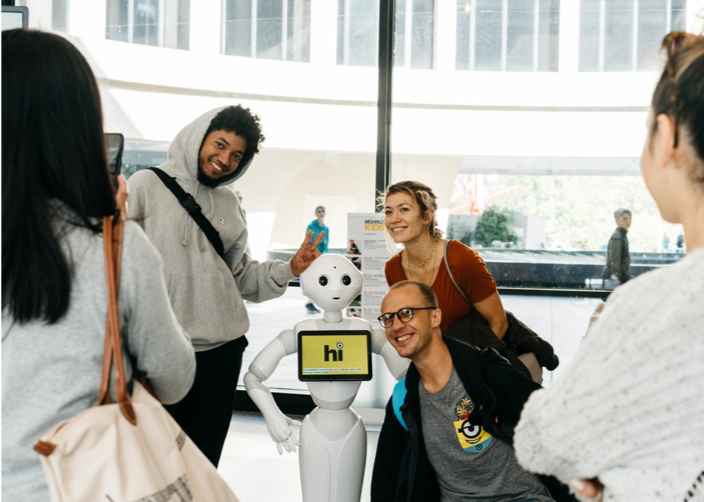
As time goes on, it’s clear that artificial intelligence will continue to find its place in the arts. Using AI to build connections with audiences, in particular, is an interesting and developing sector of arts and technology. The performing arts are primed for a technology jumpstart and a reassessment of audience engagement tactics. Now, more than ever, the opportunities for the integration of artificial intelligence and audience engagement in the performing arts are ripe for exploration.

Libby Review: A Reader App

Libby Review: A Reader App

The winter break can be a great time to pull out a neglected reading list, whether it is for your favorite novels or book recommendations by friends. Normally, this can be done by visiting the local library, but unfortunately, this is not possible when traveling for the holidays. Fortunately, there is an app called Libby, by Overdrive, which is an e-book/audiobook reader app.

Connecting People to Place: How Digital Maps Advance Civic Engagement in the Cultural Sector

Connecting People to Place: How Digital Maps Advance Civic Engagement in the Cultural Sector

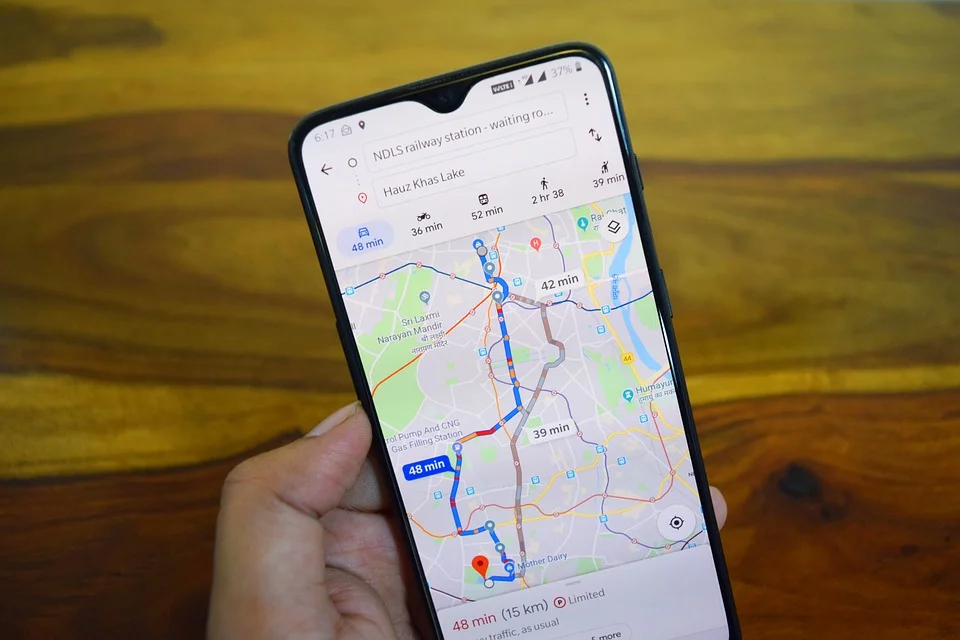
In a time where we can build and access a wealth of geographic information through our mobile devices and online, digital tools are being leveraged to make these kinds of civically engaged connections. Digital maps, in particular, have been built to service archival needs as well as transform the public’s interaction with art and archeological sites.  By examining how organizations have deployed various digital map technologies in their work, we can also see how these tools have practical value and the potential to more broadly advance the cultural fields. 

AI & the Future Workforce of Museums

AI & the Future Workforce of Museums

AI has, and will continue to disrupt many traditional careers. According to a report by the global consultancy firm McKinsey & Company, by the year 2030 automation and AI could force around 33 percent of the US’s projected 166 million workforce to change jobs. How will this future impact the museum sector? This report investigates the pathways for AI in the workforce and where we might begin seeing it emerging in the museum sector.

Exploring An Equity & Inclusivity Problem: Gender & Ethnic Diversity in Video Games: Part 1

Exploring An Equity & Inclusivity Problem: Gender & Ethnic Diversity in Video Games: Part 1

The video game industry expanded rapidly in the last decade with the U.S.A games market exceeding revenues of $43 billion in 2018. While there is growth, the industry is also facing an increasingly apparent and problematic disparity among audiences. In many traditional PC and console genres, women and non-white ethnicities are underrepresented both among the player-base as well as on-screen; furthermore, the player experience for underrepresented players is markedly different than their over-represented white male counterparts.

Integrating Music Technology in the Classroom: Increasing Customization for Every Student

Integrating Music Technology in the Classroom: Increasing Customization for Every Student

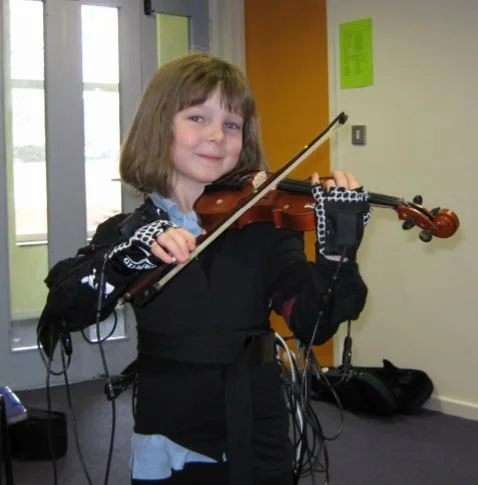
The following study investigates emerging technologies and their implications for music education, inside and outside the classroom. Learn how apps, digital instruments, practical aid technology, and wearable technology can be used to increase engagement and learning opportunities for music students in various settings.

Practical Considerations for Implementing Virtual Reality in Arts Educational Settings

Practical Considerations for Implementing Virtual Reality in Arts Educational Settings

The presence of Virtual Reality (VR) technology in arts education is growing. From museums to live music to healthcare and more, VR is beginning to change how we perceive the arts and learning. After all, this immersive experience has been proven to enhance the learning experience and achieve a higher retention of knowledge, quickly changing the learning environment. This research study investigates the opportunities presented by VR for arts education as well as the practical hurdles that need to be overcome to successfully use VR in K-12 educational settings.

Future Trends of Music Streaming Services: Part 2

Future Trends of Music Streaming Services: Part 2

The music industry faces both challenges and opportunities due to streaming technologies and must consider the long-term viability of streaming business models. New challenges emerge as consumers are listening to their music on ever-changing devices, like smart speakers. There are also varying levels of awareness and comfort of streaming platforms among different age groups. These challenges can become opportunities for businesses who understand their market and can anticipate future change. This research study explores innovations and trends expected to emerge next within the music distribution world.

Live Streaming Performing Arts Using Social Media: Why, How & Best Practices

Live Streaming Performing Arts Using Social Media: Why, How & Best Practices

As more people are consuming and participating in the arts via electronic media, it is essential for arts institutions to develop a strong online presence. Uploading content and performances online can allow more people to access the arts and learn about an institution. One strategy to increase engagement and build an online presence is through live streaming. This paper explores the benefits of live streaming, and how it can remove barriers of access to the arts. It explores various platforms for streaming, like Facebook, Periscope, Youtube, Livestream.

A Competitive Analysis of the Music Streaming Industry: Part 1

A Competitive Analysis of the Music Streaming Industry: Part 1

Streaming platforms have revolutionized the music industry and the way consumers discover and listen to music. Companies are having to differentiate themselves by offering unique content, focusing on the artist, or developing different price models. To better understand this landscape, we examined six of the most successful platforms for a competitive analysis to understand the existing music streaming business model.