



We are conducting the 3rd National Ticketing Software Survey during the month of February. If you are interested in sharing your experience and your opinions about your software, please let us know. All those participating in the survey will receive a full copy of the report which will provide a national view as well as cluster analyses by discipline, budget size, and geographic region. The data will be useful for both organizations and vendors. Organizations will gain a better understanding of their own practices as compared to their peers and, more importantly, be able to use the findings as evidence for future technology funding campaigns. Vendors will have explicit evidence as to the needs and wants for future software design.
News Summary 01.2015
Redefining Boundaries at the Museum: Crowdsourced Exhibition at the Santa Cruz Museum of Art and History
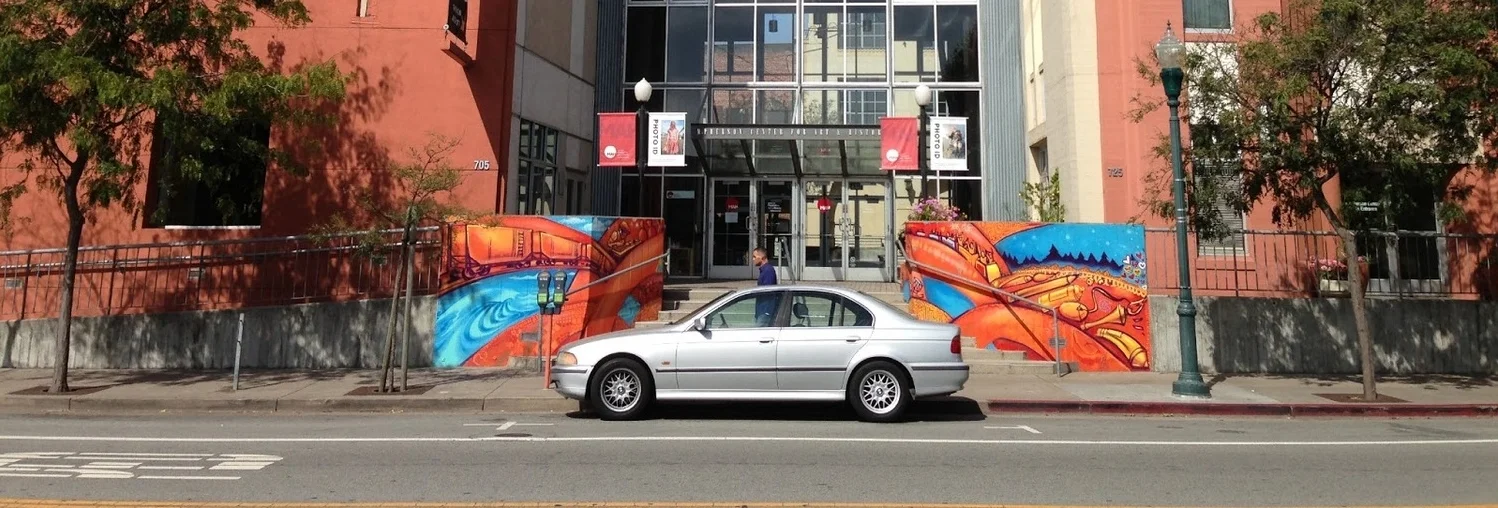
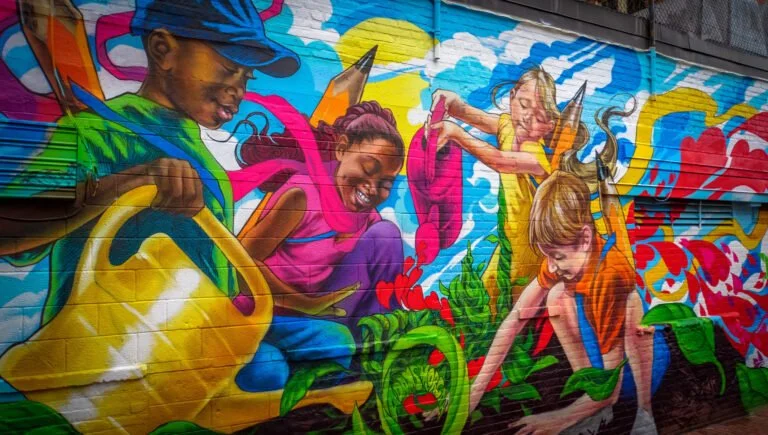
Since December 19, 2014 the Santa Cruz Museum of Art and History has featured an exhibit of works relating to the ocean, with painting and sculptures by established artists alongside works by local residents. The exhibit includes a wide variety of art, ranging from professional artists’ works to two year-olds’ drawings. Everybody’s Ocean is a partially crowd-sourced and partially curated exhibition presenting everyone’s personal relationship with the sea.
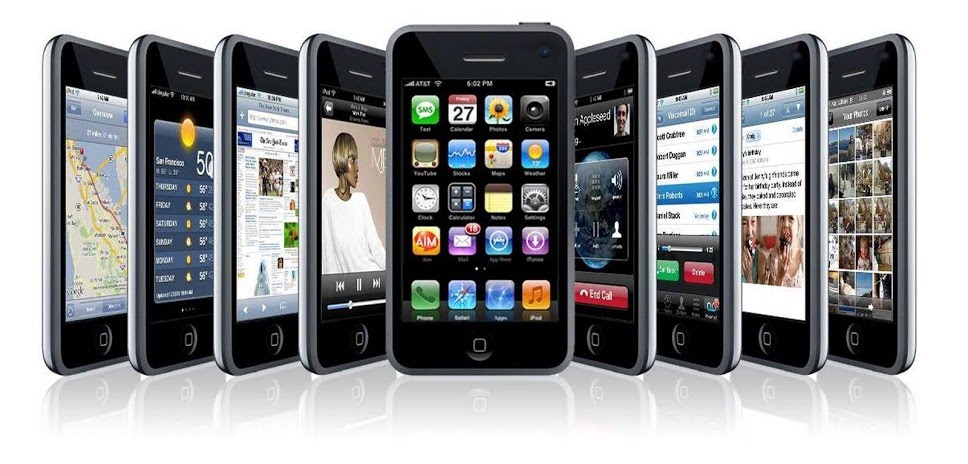
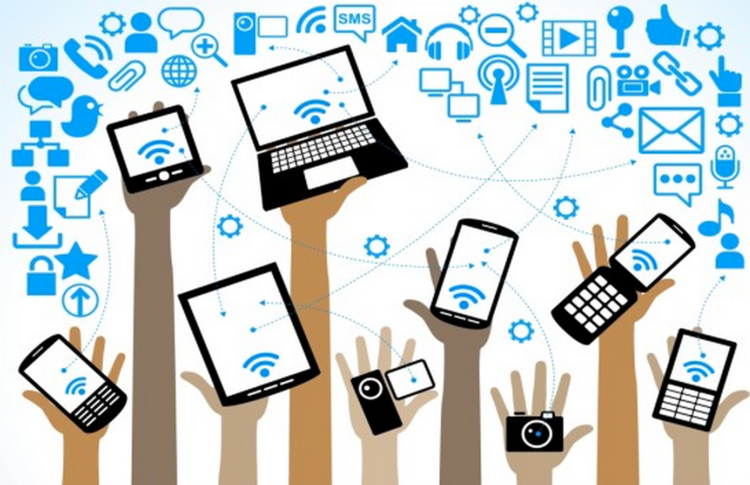
What's on Your Phone, AMT Lab Contributors?
As we bid many of our contributors farewell and welcome a new group of writers with the beginning of the semester, we decided to ask our writers, What's on Your Phone?
Read the full article here.
Idealware's Infographics for Outreach, Advocacy, and Marketing Webinar
Contributors Aoni Wang and Giorgia Gandolfini recently attended Idealware’s webinar, Infographics for Outreach, Advocacy, and Marketing: From Data to Design . This talk delved deeply into strategies for successful design of infographics.
Per Idealware, an infographic is an image that presents data, transferring numbers into a comprehensive visual narrative. Infographics have become very popular among organizations, as they are generally easier to understand and more effective at communicating data to the population at-large than traditional spreadsheets and reports. Infographics attract attention and provide new ways for visitors to engage with data.
AMT Lab on Hiatus
We’ve had a fantastic semester of contributor research on diverse topics ranging from Google for Nonprofits, to Museums’ efforts and challenges exhibiting New Media art. AMT Lab will be on hiatus until January 5th to celebrate the holiday season, but we have a lot of exciting plans for the new year that we wanted to quickly share with you:
Research Update #3: Best Practices of Twitter
According to statistics from Digitalbuzz, there are over 288 million monthly active users on Twitter, 60% of which access the social network from mobile.
Contributor Aoni Wang investigates some best practices for this growing platform by continuing her examination of the Met, Warhol, and Tate's social media strategies. Click here to read the full article.
How Museums Are Dealing With New Media Art: Part 2
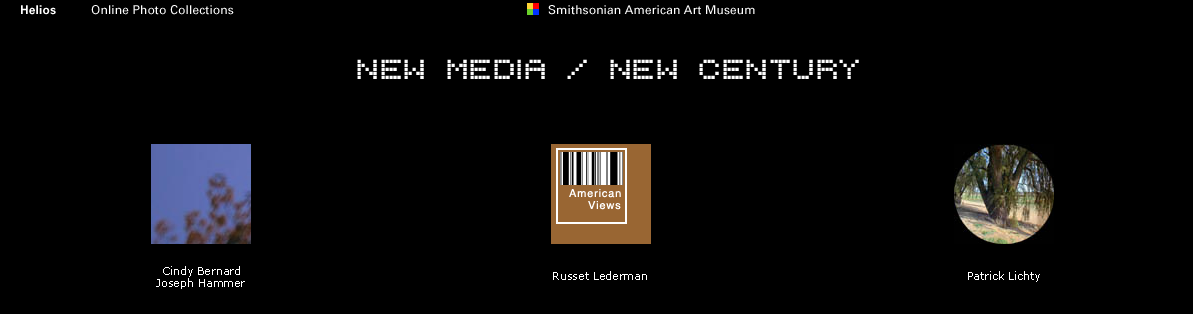
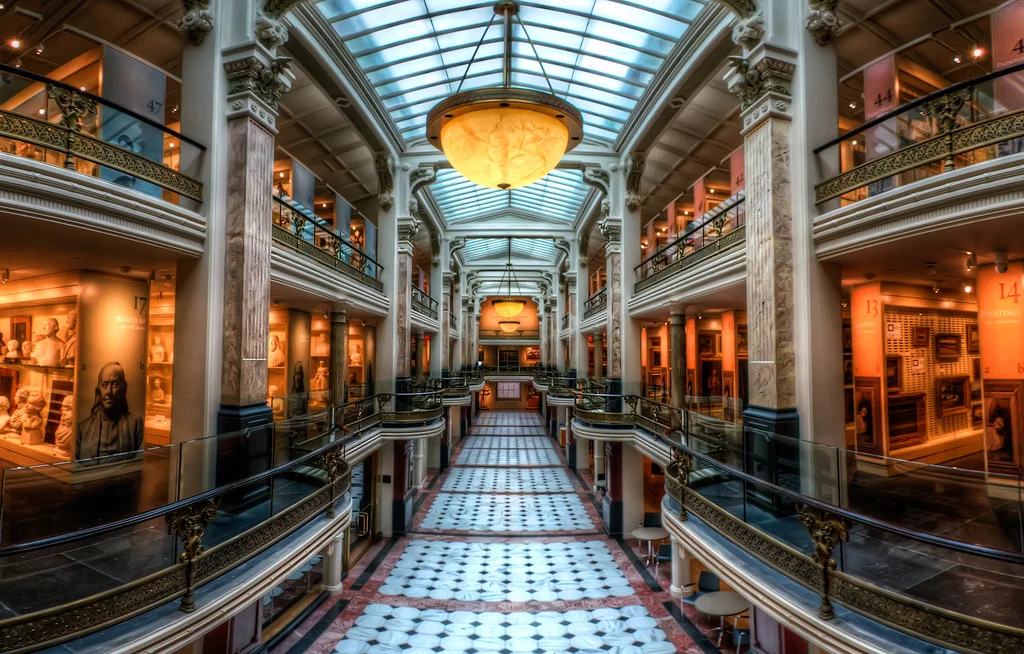
In 2000 the Washington DC based Smithsonian American Museum of Art announced the creation of the New Media/New Century Award. The New Media/New Century Award became one of first projects to support new art created for the Web. The museum accepted proposals for original Web-based projects that explored the subject of American landscape, and how the new medium of Web art affected the American landscape as a subject.
Though the project is over 10 years old, it demonstrates the early and exceptional sensibility of the Smithsonian’s curators. They understood the growing relevance new media art and especially Web-art, and its impact not only on people’s everyday perceptions, but also on the art scene as a whole.
Research Update #2: Best Practices of Facebook
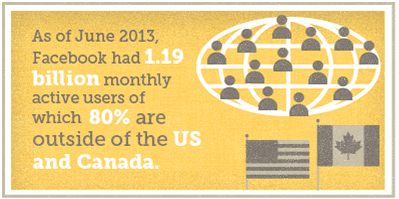
Per Moz.com Facebook had reached unprecedented levels of popularity, with “1.19 billion monthly active users”, and over 750 million monthly mobile users. These figures underscore why Facebook is such an important communication channel for arts organizations. However, different organizations will have different objectives when managing their Facebook pages. I covered some general best practices in my first research update, but channel specific best practices also exist. To demonstrate how tactics might differ between organizations, I will us three museums: The Met, the Warhol, and Tate to provide specific examples.
How Museums Are Dealing With New Media Art: Part 1
When talking about new media art, there is no single definition. According to a 2001 research study by the Rockefeller Foundation, media artworks can be defined according to nine common elements: fluidity, intangibility, liveness, variability, replicability, connectivity, interactivity, computability, and chance. New media art is a very general and broad category and includes many subcategories. Among these, net art, digital art and plurimedia art are the most common within the visual art field. Nevertheless, the meaning of new media is constantly evolving.
The App as a new artistic medium, and the future of the music industry
More than any other artistic discipline, musicians have had the fundamental business models of their art form changed through the advent of new technology. At the same time, and out of necessity, the music industry has adapted more rapidly to new technology than any other art form, embracing technological innovation when possible. In their search for more sustainable ways to produce, deliver and experience music, some of the most famous and research driven musicians are experimenting with one of the world’s most used technologic tools: the App.
A Case for Using Google Analytics’ Dashboards
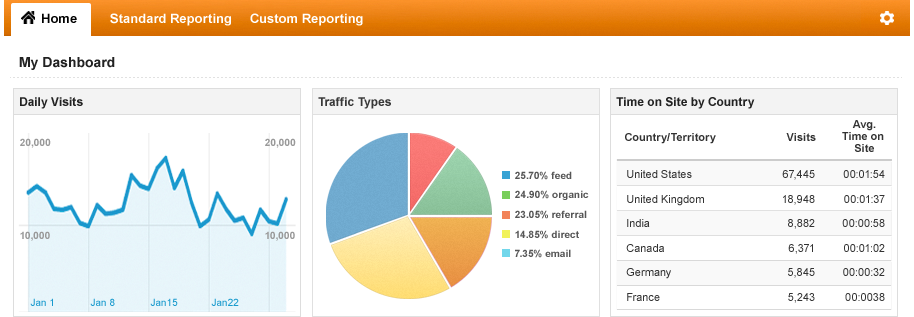
Google Analytics dashboards help users efficiently review important metrics and dimensions, like traffic sources or social media shares, quickly generate reporting tools, and create data-friendly cultures through easy sharing and visually storytelling. Learn about how dashboards can not only help managers process website information, but also how they can effectively communicate that information to a broader audience.
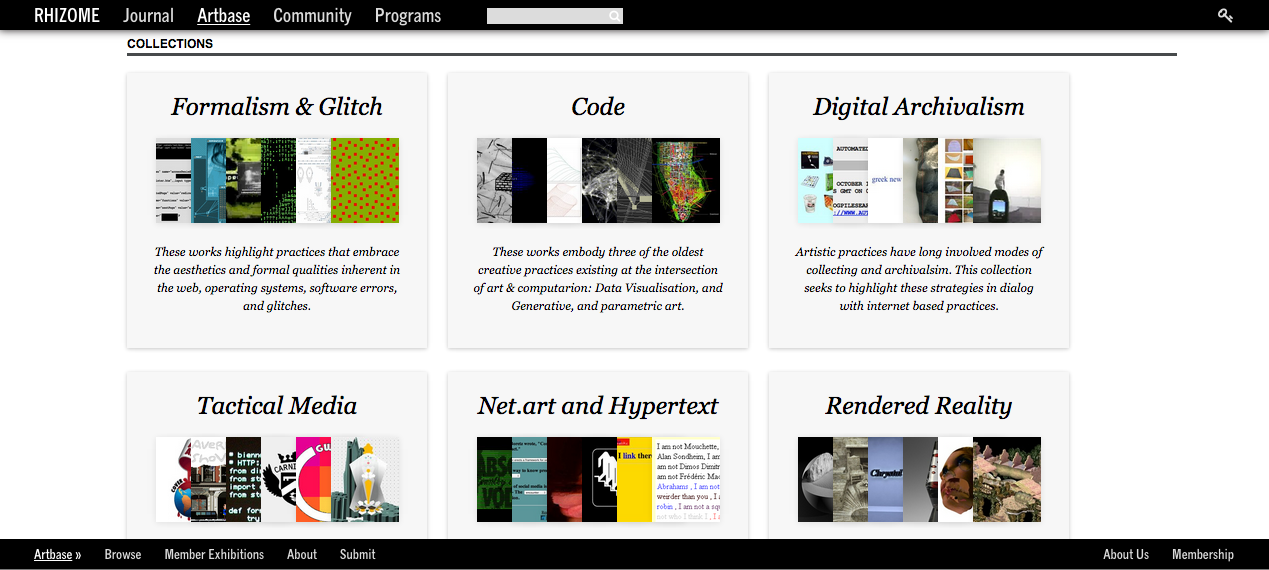
Free Open Access Database On Rhizome To Preserve Digital Art
Research Update: Best Practices of Social Media
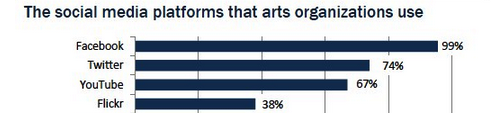
Social media use has become nearly universal among arts organizations. A 2012 social media study conducted by Pew Research Center demonstrated just how widespread social media usage was, with Facebook and Twitter as the most popular platforms by far. What best practices exist for social media use, and is managing more platforms necessarily better?
Research Update: Crowd-Funding through Google
With the development of crowd-funding programs through companies such as Kickstarter, Indiegogo, and Patreon, artists have many new ways to generate both funding and visibility. Arts and culture organizations have a harder time competing with individual artists on these platforms. In an effort to assist these organizations as they try to change the world, Google now offers its own crowd-funding platform for nonprofit organizations: Google’s One Today.
News Summary 10.2014
Every month, AMT Lab publishes a collection of recent arts management and technology news. This month, many articles focused on how the latest technologies, such as 3D printing, can be used to create art. Technology has had a profound impact on cultural industries, and as always we are deeply interested in following these trends.
Research Update #2: Technologies In Arts Integration Curricula
Interweaving Social: Managing and implementing social media in artistic programming
In 2012, Dog & Pony DC, a small theatre company in Washington D.C., encouraged audiences to direct the plot of a show and influence characters using Twitter. In A Killing Game, audiences and actors stood side-by-side, immersing themselves in a collaborative artistic experience. In order to learn more about the company’s decision to utilize social media, and its approach to integrating the technology and management of its uses, AMT Lab’s Kristen Sorek West spoke to company director, Rachel Grossman.
Promoting Digital Media Art through Digital Media tools
In our technology-stuffed world, the difficulties faced by video artists seem paradoxical. Due to high up-front costs, and the difficulty of handling and selling digital technologies, established institutions such as art galleries and museums often shun their work. Artists may look at the entertainment industry as an alternative, but find themselves unfulfilled, as musicians typically come first in these sorts of collaborations.
Research Update: Using Google Analytics to Derive Insights from Data
In November 2012, NTEN and Idealware released the results of a survey studying nonprofit’s data use. Surprisingly, “outreach” data, or data relating to marketing, fundraising, and general communication activities, was commonly collected but infrequently used to inform future decisions. For instance, NTEN and Idealware discovered that 71% of those surveyed tracked the number of people on their mailing lists, yet only 23% used that data to inform spending and budgeting decisions.