In today’s culture, Google is seen as one of the most innovative technology companies in the world. From its search engine to the Android operating system, Google has permeated every aspect of our techno-centric lifestyles. Beyond the scope of their technological accomplishments, Google strives to help nonprofit organizations around the world by providing them with free online tools and access to grant monies. Follow the development of this research here.
Research Update: Technologies in Arts Integration Curricula
Most articles on arts integration do not consider technology; however, it makes sense that they should. By introducing a technological component to arts integration efforts, educators can create an innovative environment where children prepare for the creative and multidisciplinary needs of their future.
News Summary 09.2014
Every month, AMTLab publishes a collection of recent news in the field of arts management and technology. After a summer hiatus, we’re back with a selection of articles showcasing some of the trends and highlights of September 2014. We’ve paid special attention to the heated discussion around net neutrality, how museums have integrated technology into their exhibits, and effective use of social media.
Welcome to AMT Lab!
Hello readers!
As the new Chief Editor of AMT Lab, I wanted to take a minute to introduce myself. I’ve long inhabited the role so familiar to readers of our blog – that of the “accidental techie.” Whether in my personal or professional life, my enthusiasm for all things tech has given me ample experience solving both hardware and software issues, as well as a healthy appetite for tech news. Last year, AMT Lab allowed me to feed my dual passions of art and technology, and I’m honored and excited to be taking over as Chief Editor from the incredible Katherine Schouten.
Based on the results of our 2014 reader poll, I have worked with the staff to create our research areas for the year. From these frameworks and our current contributor’s areas of interest, we’ve settled on a diverse set of material to serve your needs. Over the next few months, contributors will research their specific area of interest and share their insights as they progress.
Tips for Choosing a Grants Management System: Part 2
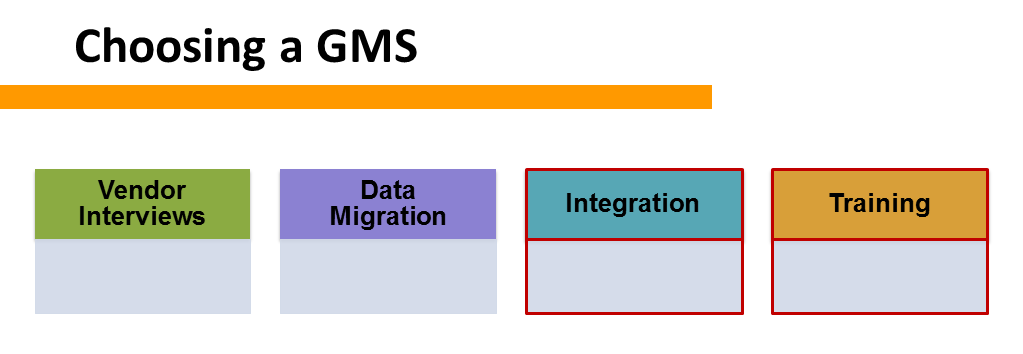
Throughout the process of selecting and implementing a grants management system (GMS), an arts organization must consider many factors in order to ensure positive results. These factors fall into four main categories: vendor interviews, data migration, integration, and training. All of equal importance, these categories must be weighed to find the optimum balance of system features and vendor characteristics.
Today we focus on the last two categories—integration and training. To read the first part of this two-part series, click here.
Tips for Choosing a Grants Management System: Part 1
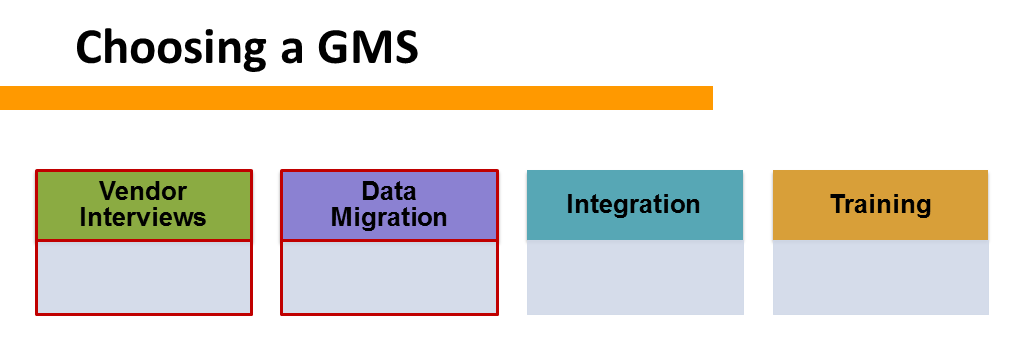
Throughout the process of selecting and implementing a grants management system (GMS), an arts organization must consider many factors in order to ensure positive results. These factors fall into four main categories: vendor interviews, data migration, integration, and training. All of equal importance, these categories must be weighed to find the optimum balance of system features and vendor characteristics.
Today we focus on the first two categories—vendor interviews and data migration.
The Importance of Change Management
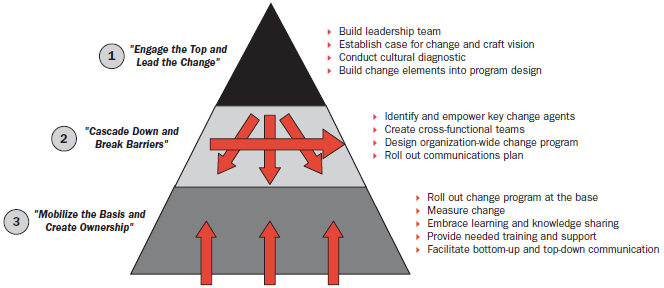
When implementing new technology, such as a new CRM system, many organizations have learned the basics of how to select a product or vendor. But what about after the technology is selected? It can be overwhelming to consider the unpredictable changes that will occur among the flow or your organization’s work and even among its culture. However, by taking steps to manage the change, new technology can be integrated into an organization much more smoothly.
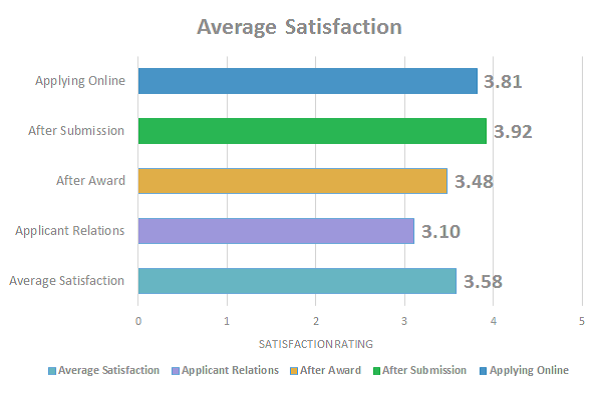
National Satisfaction with GMS Software
Today, an administrator has the ability to manage the entire granting lifecycle through a grants management system (GMS), including applicant relations, panelist reviews, and fund distributions. Online storage available through cloud computing and software with fewer hardware requirements have increased GMS product capabilities. And the ability for a GMS to interact with other systems, such as payment portals and accounting systems, has further made management of the grant lifecycle within a GMS easier. For many of today’s grant-making organizations, GMS software is an essential tool in day-to-day activities.
Innovation in Hindsight
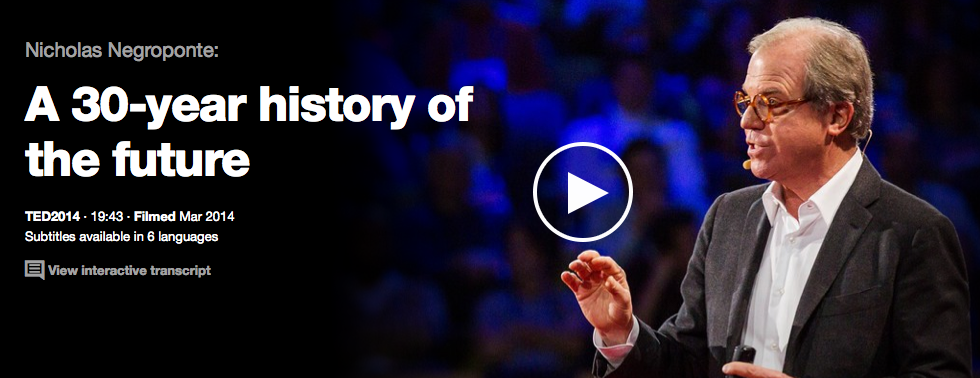
One of the too-many-hats I wear is that of historian. We can learn so much about the future if we look back (short-term or long-term) and reflect. Trite but true, we are our history. So listening to MIT's Media Lab founder Nicholas Negroponte's Ted Talk was a unique happy moment, as he eloquently reveals how predicting the future comes out of an extension of knowledge of the past.
Growing Social: How to Make the Most of Your Organization's Social Media Efforts
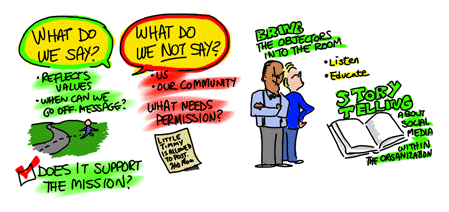
As many arts marketers, social media gurus, and nonprofit professionals attest, the question for nonprofit arts organizations is no longer whether or not to use social media but rather how to use it most effectively. This shift is reflected by AMT Lab readers’ responses to our 2014 AMT Lab Reader Poll, where a whopping 76% of respondents indicated they would like to see additional research on social media analytics while only 31% indicated interest in research on social media platforms themselves.
To Tweet Seat or Not To Tweet Seat: An Insider's Perspective
The year has come full circle for me and tweet seats. From my first conversation about them last summer at the Theatre Communications Group Annual Conference to the CMU School of Music’s tweet seat initiative this past spring, the last twelve months provided an opportunity to play with this still new (and at times, controversial) audience engagement tool.
Grants Management Systems: Primer for Best Practices, Part 4
State arts agencies need to report not only to NASAA and the NEA, but also to other entities, such as state legislatures and the general public. These reports communicate impact to all stakeholders within the agency and across its jurisdiction. A GMS’s querying and reporting capabilities impact how this information is accessed and, ultimately, understood.
Grants Management Systems: Primer for Best Practices, Part 3
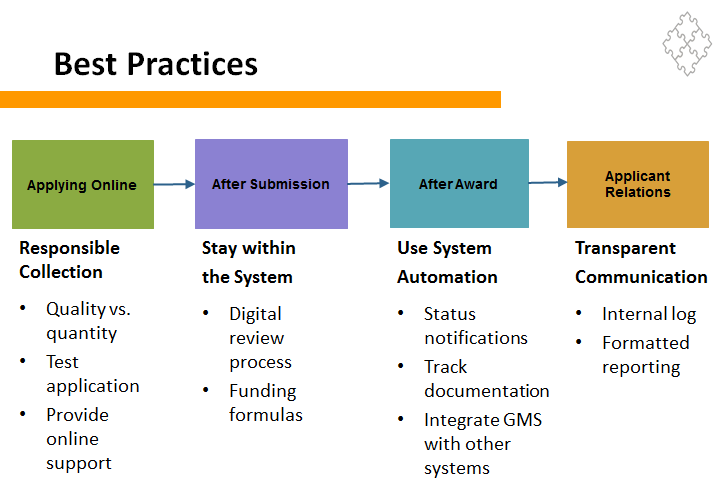
With grants management systems, the whole application process can be done online. To accommodate the needs of a diverse pool of reviewers, the system should allow them to view each application online and to access and download each application in a printer-friendly format. Grants managers should take full advantage of GMS panel review features by incorporating funding formulas (weight and average calculations) to the evaluation forms that reviewers fill out and then having reviewers input their final scores into the system.
Grants Management Systems: Primer for Best Practices, Part 2
As data becomes increasingly necessary for art agency reporting requirements, great pressure exists among staff members to collect as much as possible, and as soon as possible. But collecting data without a clear purpose places a burden on the applicants that have to gather it and grant managers who need to interpret it.
Grants Management Systems: Primer for Best Practices, Part 1
In 2012, the nation’s 62 state and regional arts agencies distributed approximately $215 million in grant monies. Compare those figures to the nearly 82,000 grant-making foundations in the United States, which collectively distribute over $49 billion annually.
Assisting these arts agencies, foundations, and other money distributing bodies are grants management systems—automated systems that track a grant through its entire lifecycle, as well as store data for relationship management between the grantor and an applicant. Recognizing the complexity of grants management systems (GMS) and the relative lack of resources in the arts sector, best practices must be followed to achieve the maximum value of each dollar spent on a GMS.
Viewpoint of Billions
Wearable technology is all anyone is interested in talking about these days, and certainly AMT Lab is no different (for example, see Performing Arts in the Wearable Age). I’d like to take a brief interlude from gossiping about when Apple’s smart watch is going to drop to refocus on an “older” wearable technology: Google Glass.
Let me preface this by saying I am not an Explorer (or a Glasshole–whichever floats your boat) but as a casual observer of technology, I’ll jump at the chance to try something new. Like Google Glass. So when the National Portrait Gallery offered me (and the rest of DC) the chance to do just that, you bet I went for it.
Data That Matters: Three More Metrics to Grow Audiences and Revenue
This article is cross-posted on the blog Analysis from TRG Arts.
Read the first post in this two-post series here.
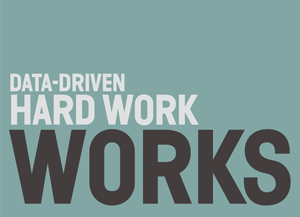
Last month, I wrote about the overwhelming amount of data produced by the sophisticated database systems now common in the arts industry. My commentary on the “analysis paralysis” that can result caught the attention of many of our readers. We’re glad, because 20 years of consulting work has taught us this: data-driven hard work works.
So You've Got Some Data...Now What?
We seem to hear it everywhere we go, at conferences, from consultants, and in myriad publications: to run arts organizations more effectively, arts managers need to adopt data-driven business models. An increasing number of data collection tools are emerging on the market with capabilities and price points that have the potential to meet the needs of arts nonprofits, from CRM systems like Artful.ly to social media management software like Buffer. But once you’ve collected some data, how do you use it? Be it information about your patrons, regional demographics, or marketing trends, how can arts organizations take advantage of incoming data?
Software Discussion: Social Media and Work Flow Management
On June 6th, the community of practice (CoP) of arts management and technology within NTEN that I co-lead held its monthly community call. Each month, we hold an "Ask Anything" call on a specific topic and this month our discussion centered on social media management software and work flow management software--what is needed and what is used. Highlighted social media management tools from our discussion include Hootsuite (which AMTLab uses), SproutSocial, and Keyhole. Overall success with social media among CoP participants aligned with consistent, but not excessive, content that is interesting to the specific community.
Creating Online Exhibitions and Research Tools
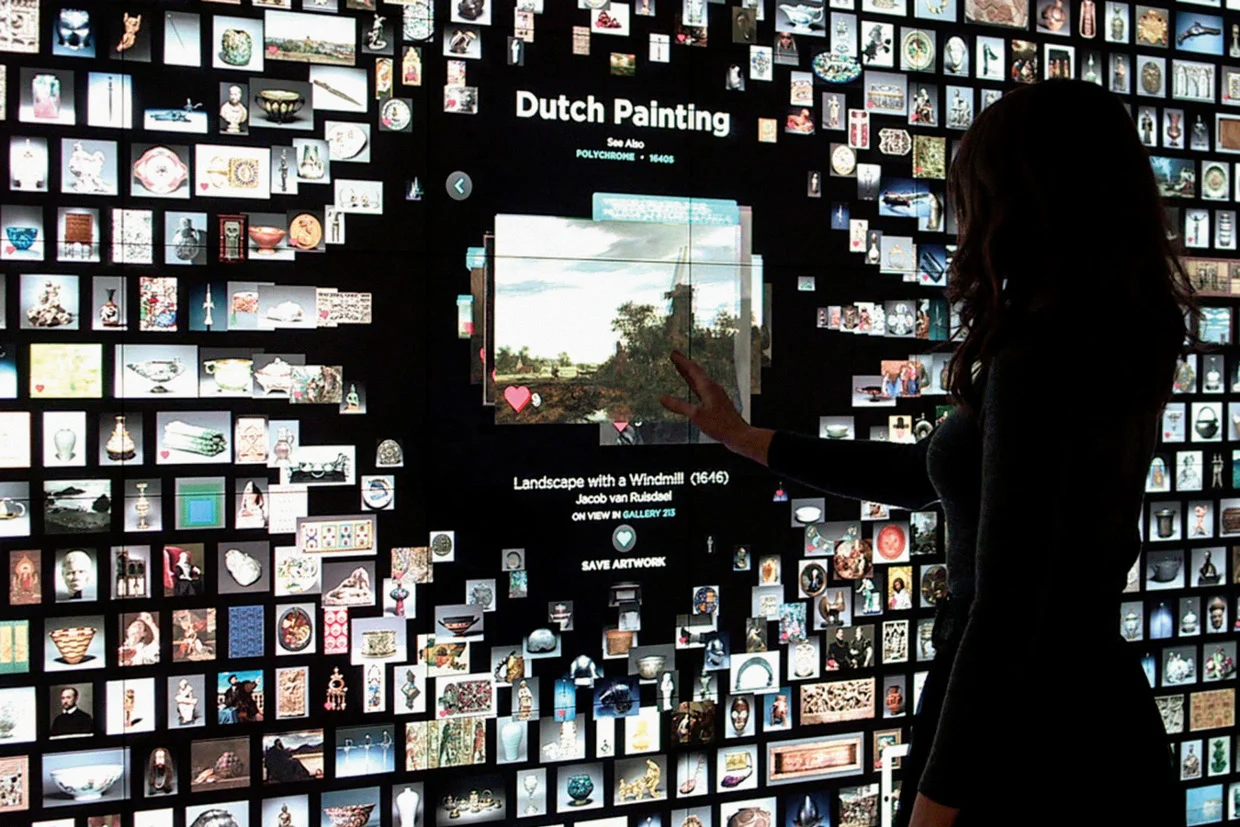
Twenty years after Nicholas Pioch established the WebMuseum, online technological innovations make it possible for art museums of all sizes to share their collections with audiences more broadly than ever before. Be it an exhibition that exists solely online or a searchable repository to aid both professionals and casual users, the ability to provide unique artistic experiences for constituents worldwide allows museums to reach individuals who otherwise may not visit the physical premises housing their collections. For those organizations wishing to improve their online presence, how to get started?