





As arts organizations grapple with how to keep board members active and engaged, computer software and online technologies provide affordable means to address common governance challenges. From conflicting communication styles to assessment of board performance, these tools enable organizations of all sizes to improve the efficacy and efficiency of their board members, ultimately leading to increased engagement. AMTLab's newest publication, Computer Software and Online Technologies to Deepen and Grow Board Engagement, explores options for cloud-based document management, private social networking, integrated calendars, and online assessment, discussing how each can be used to resolve common issues facing boards of nonprofit arts organizations.

Data That Matters: Three Metrics to Grow Audience Relationships
This article is cross-posted on the blog Analysis from TRG Arts.
With the arts and cultural annual conference season in full swing, we’re thrilled to see the priority that integrated patron loyalty now has in field dialogue. Prioritizing patronage can have a real impact—on year-over-year revenues, the volume of people attending and visiting arts and cultural organizations, organizational relevance, and more.
Performing Arts in the Wearable Age
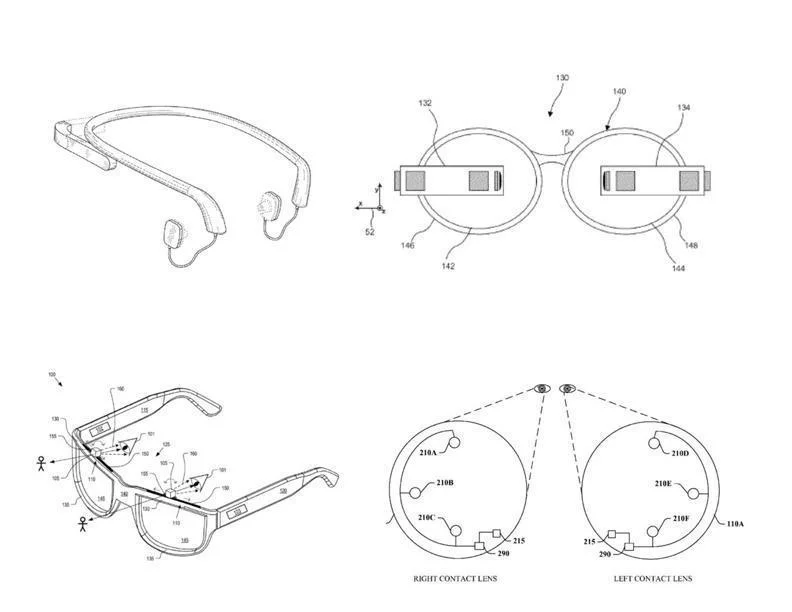
Wearable computing devices--including smartwatches, fitness and health tracking devices, and smartglasses--are projected to quadruple between now and 2018. What does their increased use mean for the performing arts? In their follow-up paper to "Through The Looking Glass: How Google Glass Will Change the Performing Arts," guest correspondents Thomas Rhodes and Samuel Allen explain wearable technology, provide an overview of current experiments with these devices among performing arts professionals, and discuss potential implications and challenges for the field.
What's On Your Phone, Maura Lafferty?
Independent PR professional Maura Lafferty shares her favorites apps in the What's On Your Phone? series. Check it out here.
New Publication Available: Social Media Management Software
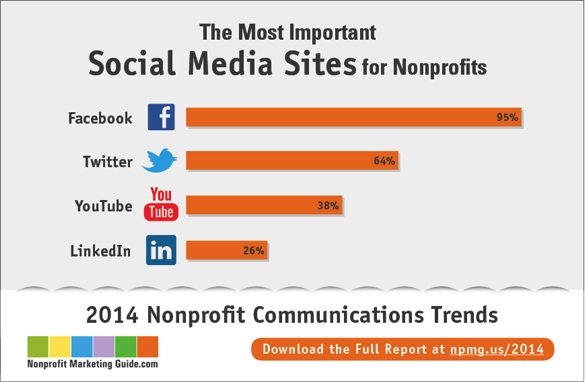
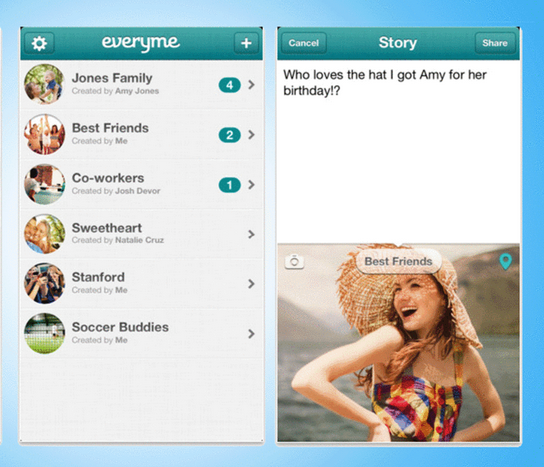
With nearly 75% of all Americans using social media as of 2013, arts organizations of all sizes increasingly need to devise social media plans to determine which platforms to use and manage how they use them. But particularly among small arts organizations, where time, staffing, or other resources often fall short to effectively implement a social media plan, social media management software is particularly valuable.
And the Winner Is! Results of the 2014 AMT Lab Reader Poll
Does Data Collection Matter? Only If You Care About Revenue
This article is cross-posted on the blog Analysis from TRG Arts.
As summer approaches, many museums and festivals are preparing for their busiest season of the year. Peak visitation and big events often mean an influx of new visitors or ticket buyers. We’re reminded at TRG how critical cultivating those newcomers is.
Research Update: Technology Planning in Crowdsourced Exhibition
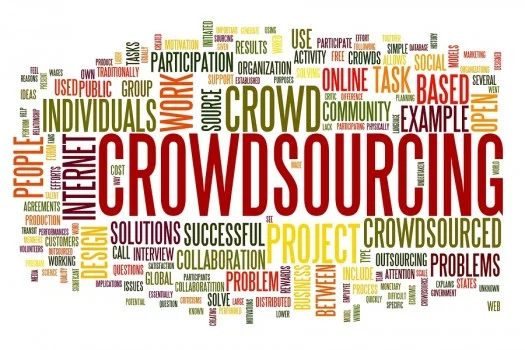
Crowdsourcing was coined as a term in 2006 by Jeff Howe, editor of Wired Magazine, when he wrote, “Crowdsourcing represents the act of a company or institute taking a function once performed by employees and outsourcing it to an undefined network of people in the form of an open call. The crucial prerequisite is the use of the open call format and the large network of potential laborers.”
Use Technology to Help your Board Prioritize Private Philanthropy
Many board members have difficulty understanding fundraising as a task in which they need to take part, believing that government grants and a capable development director will be sufficient. BronxWorks proves that with the right planning, convincing your Board to embrace philanthropy is possible. Through this, Board members will be better positioned to play an active role in the fiscal health of the organization.
Top 10 from the Nonprofit Technology Conference (NTC) 2014
Leveraging the Potential of Spatial Data in Artistic Programming
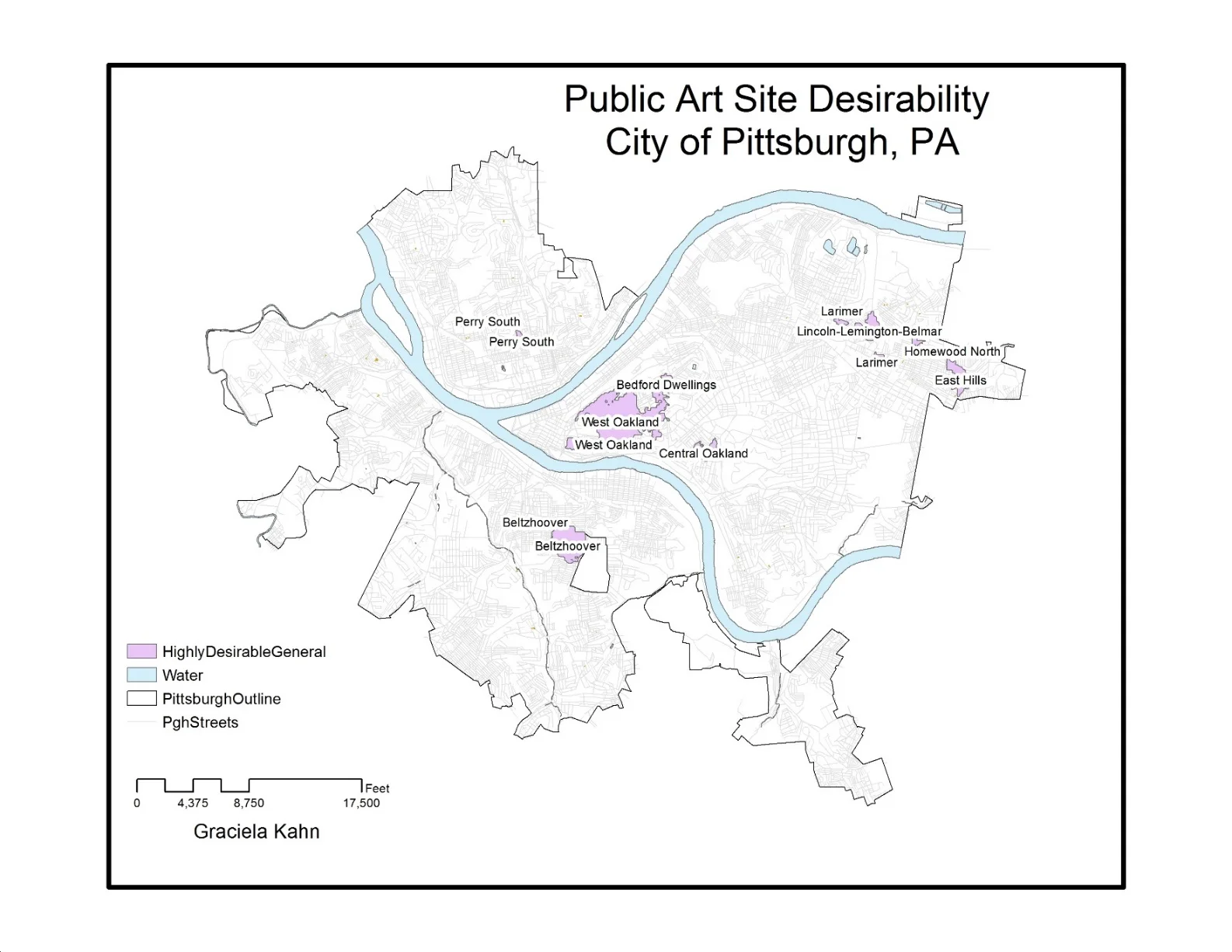
Spatial data--information that relates to or identifies a specific geographic location--are frequently used by the corporate and public sectors to make management decisions, be it to improve shipping logistics or to create a marketing campaign. They can also be an asset for arts organizations seeking to maximize program impact. To better understand how spatial data analysis can help arts organizations, AMTLab presents Using Spatial Data to Advance Programming Missions, the latest white paper in its publication series on management.
Research Update: How to Do an Online Exhibition – Reviewing Award Criteria
If you have an idea about developing an online exhibition for your organization, but aren’t exactly sure how to get from point A to point B, looking at award evaluation criteria is a good place to start. Regardless of whether a project will be designed to win a certain prize, award evaluation criteria provide insight on what is considered by the field to be good practice, and shed insight on the narrative possibilities that are unique to the web.
Present vs. Future Return on CRM Selection: Lessons from the Pallas Theatre Collective
When adopting a CRM system, especially as a young organization, it is often better to enter the process with a view that focuses less on the expectation of immediate business returns and more on making an investment in the future. Indeed, even the implementation of a user-friendly system like Artful.ly or PatronManager will likely involve significant staff-hours to clean data, transfer files, and train users. During a recent series of interviews conducted with nano-nonprofit administrators either on the verge or in the midst of CRM implementation, ensuring that this huge productivity drain is a one-time occurrence and not a recurring nightmare emerged as a common concern.
Increasing Inclusion Through Assistive Technology
As performing arts organizations strive to increase diversity among their audiences, assistive technologies provide an opportunity to create more inclusive environments. But what is assistive technology? How do arts organizations currently use it? What is preventing organizations from providing assistive technologies in their venues? Where can organizations find support? Assistive Technology in Performing Arts Organizations, the latest paper in the AMTLab publication series, addresses these and other questions, and presents findings from a national survey of arts organizations on the use and management of assistive technologies.
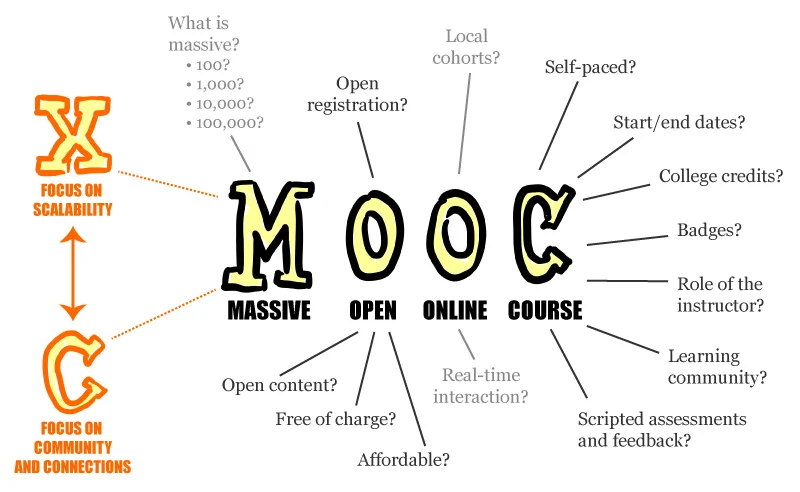
MOOCs for Arts Managers
What Are They Thinking? Using Online Assessment Tools to Improve Board Behavior
Many arts organizations want to improve the functionality of their boards. But it is impossible to know areas of board strength and weakness if the experiences and efforts of board members are not understood. Whether feedback is gathered from an online assessment, an electronic survey, or both, the resulting information can be compiled and shared at both the next Board meeting and on the Board portal, potentially sparking a candid and engaged discussion about the optimum path toward improving board engagement, motivation, and performance.
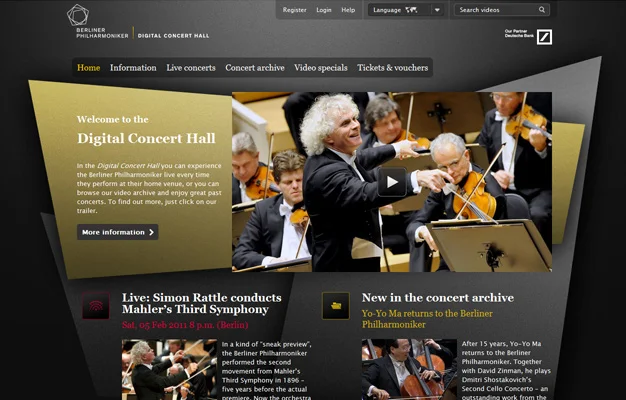
Brave New World: Symphony Orchestras & Online Experiences
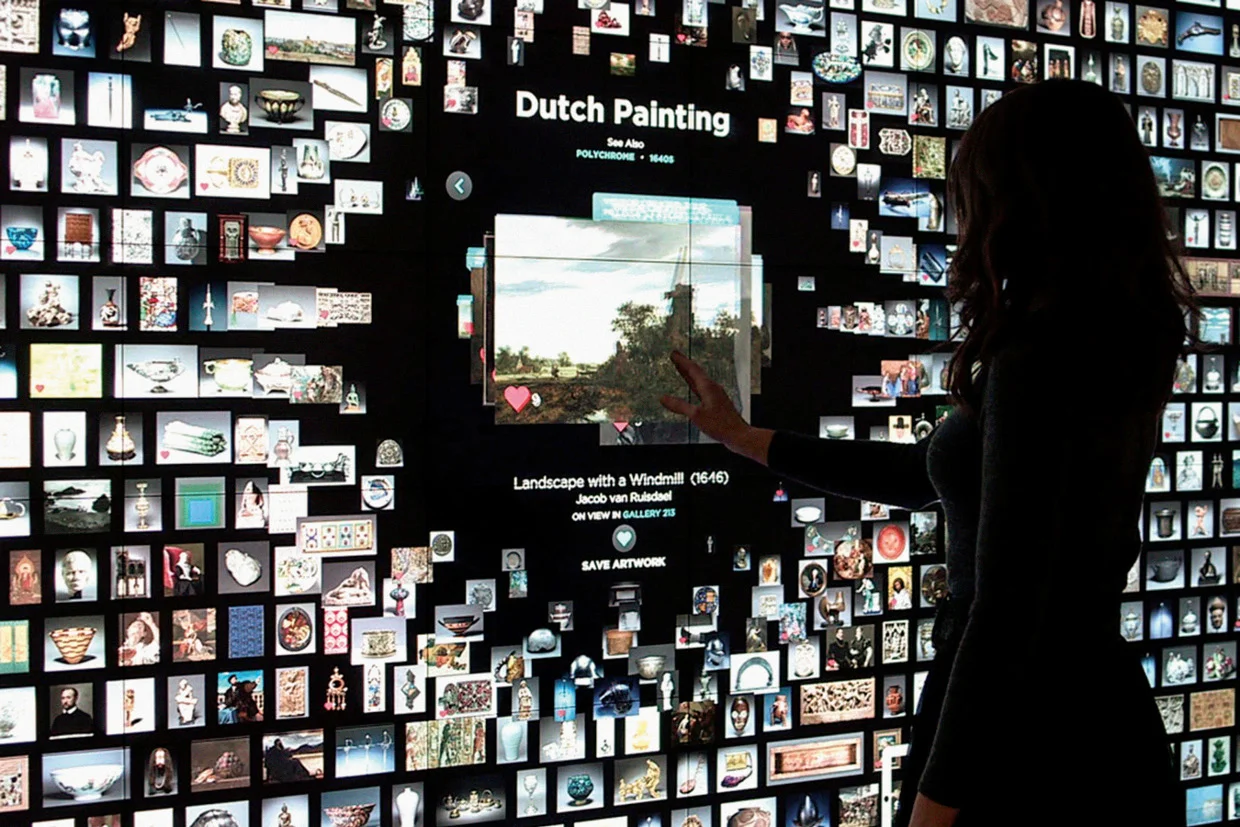
Just what is an online audience? How does it differ from an offline audience? How does participating in the arts through electronic media and online channels relate to the attendance of arts events? Moreover, exactly what (and how) are symphony orchestras using these digital technologies to engage with individuals around the world?
Utilize Both Computer Software and Online Technology to Deepen and Grow Board Engagement
It is difficult for board members to connect with the activities of the organization merely by attending quarterly meetings in sterile rooms. How can the passion that brought board members to the organization be reinforced if they are not directly (or even indirectly) experiencing the impact of the organization’s activities? Software specifically designed for board management is a growing market with the potential to address board engagement through unique and pervasive methods.
Technology and Social Media in Crowdsourced Exhibition
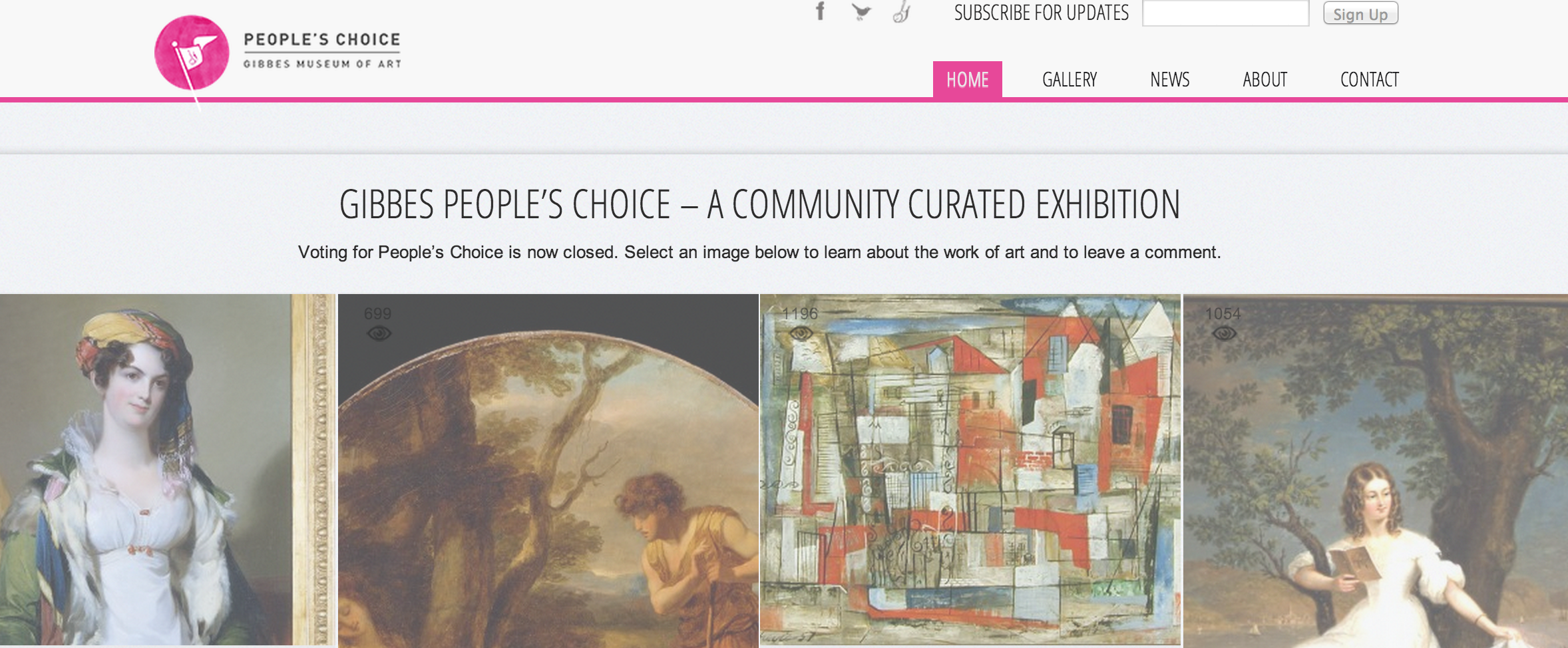
In recent years, crowdsourcing has become an increasingly familiar concept implemented by multiple arts organizations to develop and engage audiences. Examples include “Click! A Crowd sourced Exhibition” (Brooklyn Museum, 2008), “Soapbox!” (Museum of Photographic Art, 2013), “Boston Loves Impressionism” (Museum of Fine Art Boston, 2014), and “People Choice”(Gibbes Museum of Art).