The Cryptocurrency Crash

The Cryptocurrency Crash

The cryptocurrency market is in turmoil, mirroring both the U.S. stock market and the emotional state of many of its citizens. Though some crypto investors have found astronomical financial success, skeptics have long voiced concerns about the volatility and inherent peril of pursuing such investments. These naysayers have ground to stand on given the instability of Spring 2022, as more than “$700 billion has been wiped out” from the crypto-economy, entire currencies have collapsed, and related companies and market exchanges are scrambling in response to the downturn.
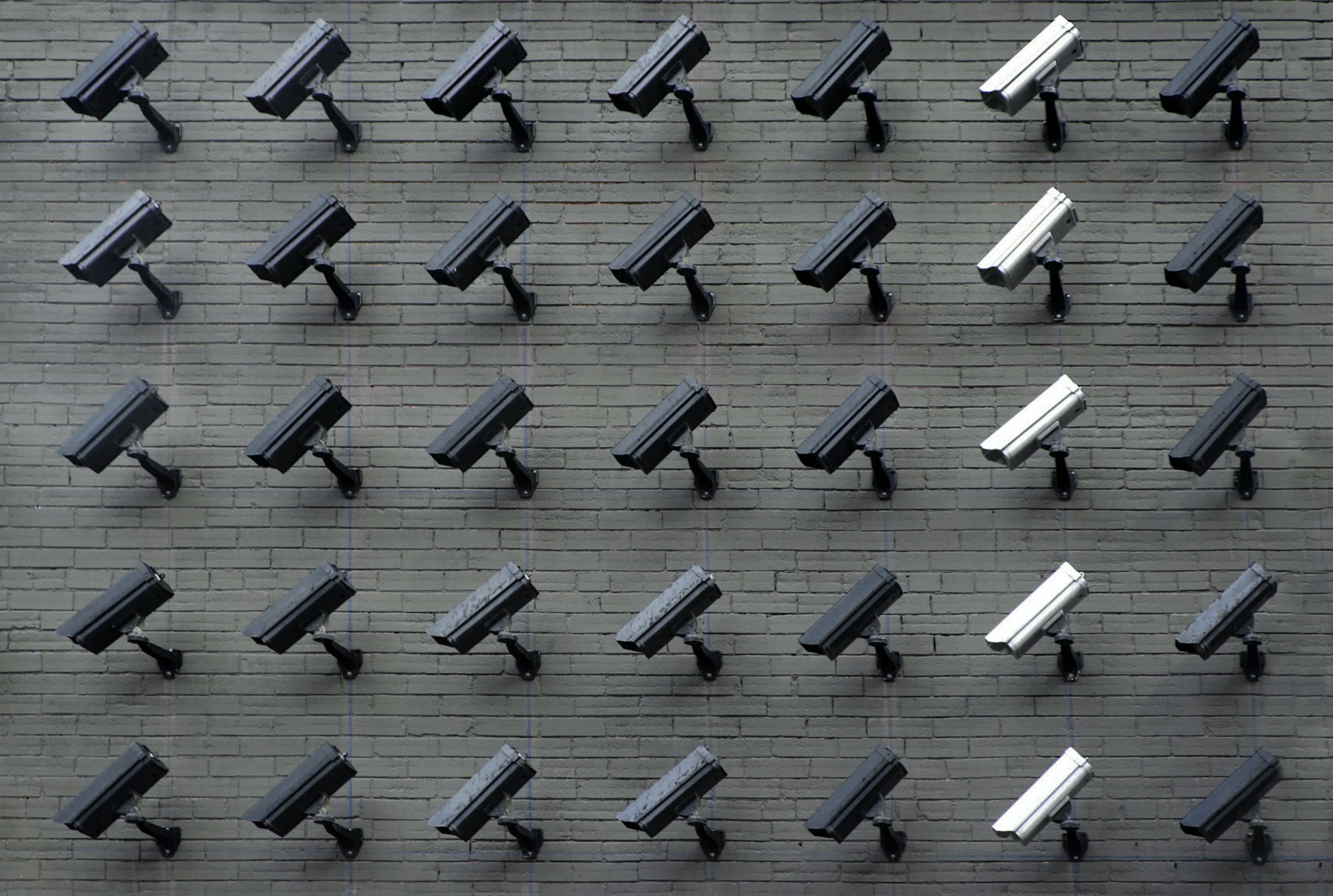

The Importance of Nonprofits' Prioritization of Patron Privacy

The Importance of Nonprofits' Prioritization of Patron Privacy

In 2021, TikTok updated its privacy policy which allowed it to collect biometric data on its users, including faceprints and voiceprints. Rather than explicitly informing its users about this change, the app vaguely communicated that they were issuing a “privacy update.” Once people found out what the update entailed, concern rightfully grew. This type of data collection indicates a significant shift from companies collecting behavioral data on their consumers to something much more invasive and without true consent. Only 36% of Americans trust tech companies using facial recognition technology. In general, public trust in Big Tech has been steadily falling in the United States. Regardless, however, most people still click “accept” to the Terms & Conditions on any website without actually knowing what is being agreed to, indicating a disconnect between what US citizens expect from businesses and what is actually being conducted. With a lack of national protection, nonprofit organizations must assume responsibility in protecting personal consumer data and using it ethically.

Museums' Use of Natural Language Processing

Museums' Use of Natural Language Processing

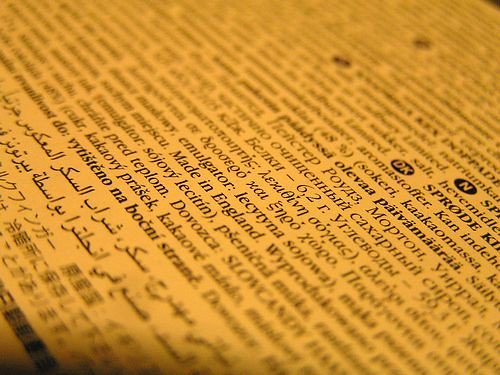
Natural Language Processing is used by a variety of institutions, including the fine arts. For a review on its origins and use, read this article. Many museums are employing professional translation services. For instance, the Field Museum in Chicago uses a company called Multilingual Connections, and the Denver Botanical Gardens, South Florida Science Center, and the Metropolitan Museum of Art use a company called Eriksen Translation. That is, museums must pay for professional human translators in order to offer material in multiple languages. Besides machine translation’s promise of museums’ ability to better serve communities in America, the international museum industry also thrives off the ability to offer people a window into culture and identity that isn’t possible without accurate translations. The significant reduction of costs that would occur if machine translation improved would offer museums the ability to broaden their offerings and expand their visitor experience beyond their current capabilities.

Understanding Natural Language Processing

Understanding Natural Language Processing

In a world where Siri can set alarms, give us directions, and look things up, shouldn’t machine translation be better by now? How does machine translation work? Why are museums still using human translation? And most importantly, what happens when machine translation is good enough that museums and other arts enterprises can use it without human oversight? Regardless of its shortcomings, Natural Language Processing has made profound developments within the past 5 or 6 years. While there is still much to be improved on, its integration into everyday life personally and professionally shows that this technology will only experience improvement in the future.

Theatre Futures: Data and Strategy

Theatre Futures:  Data and Strategy

The 2022 Theatre Communications Group conference offered virtual, hybrid, and in-person experiences. Hosted in Pittsburgh, the conference adeptly revealed the opportunities and challenges facing the field as theatre artists and institutions navigate their futures. The following summary offers two core takeaways from the conference, focusing on a theatre administration future of human-centered strategies allowing adaptive innovation within a constantly changing ecosystem.

The Final Frontier: Fundraising in a Virtual Space

The Final Frontier: Fundraising in a Virtual Space

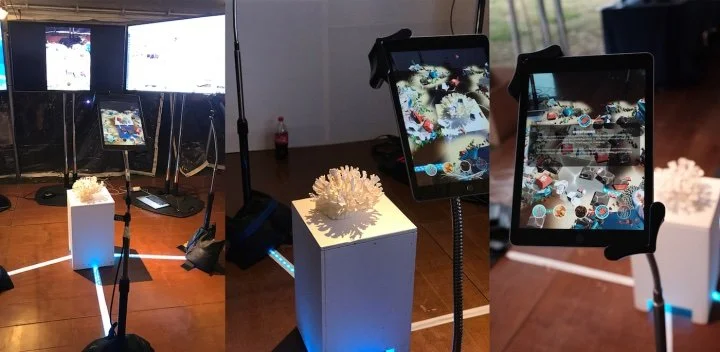
Fundraising is a vital part of a nonprofit’s ability to achieve its mission. Cultivating relationships with individuals and institutions in this way can help an organization gain economic support, as well as important relationships and visibility. In order to create and maintain these relationships in development departments, organizations need to meet potential partners where they are and inspire them through their mission and projects. Today, and in the near future, these potential donors may likely be in a virtual space, specifically augmented reality (AR) and virtual reality (VR).

NFTs: Digital Renaissance or Death Knell of Traditional Art?

NFTs: Digital Renaissance or Death Knell of Traditional Art?

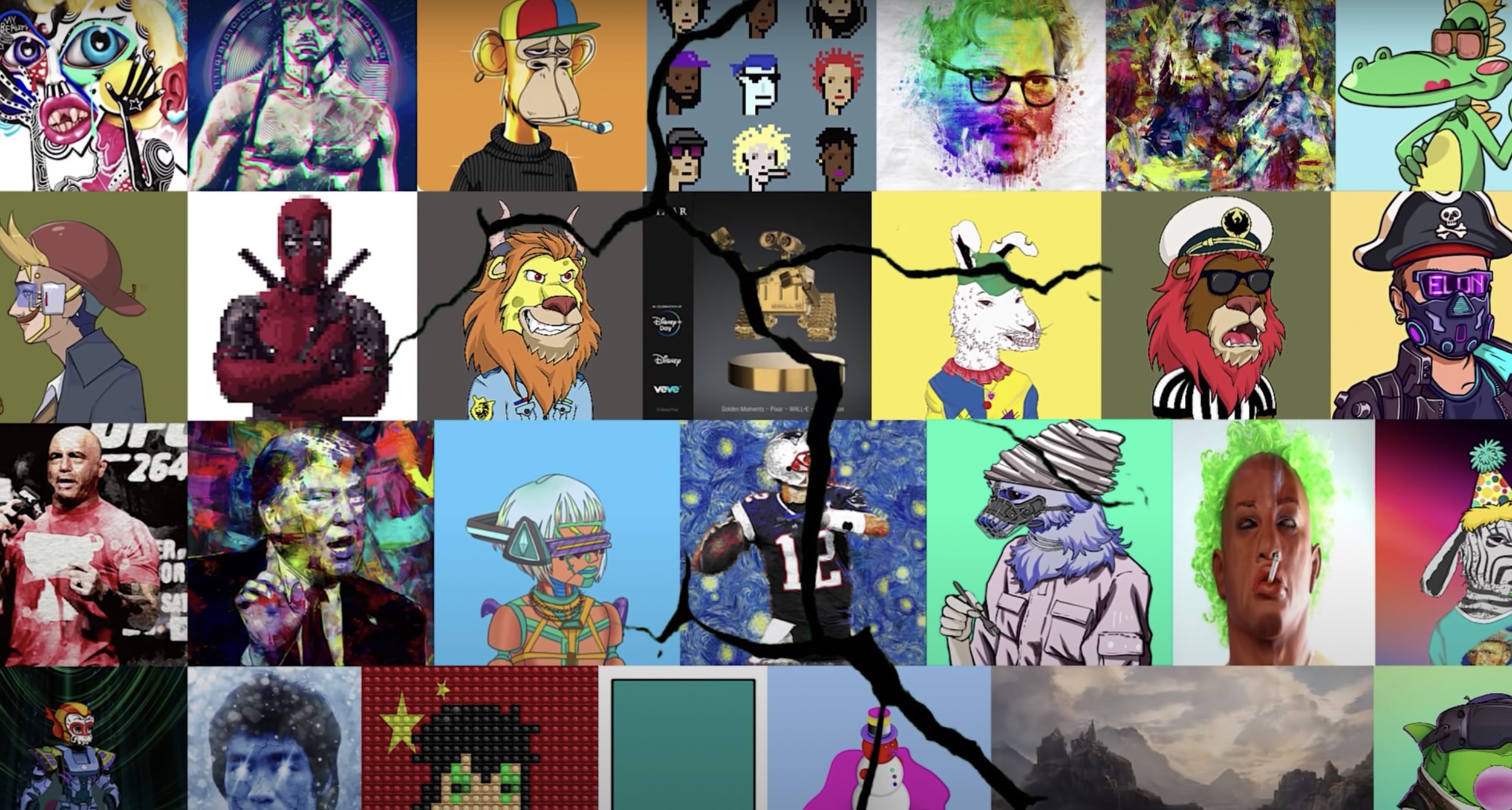
The hype around non-fungible tokens (NFTs) seems to be reaching a fever pitch. With news of certain digital art pieces selling for tens of millions of dollars and conjecture about what utility these tokens may have outside of the art world, for better or for worse, Web3 has arrived. These technological developments are not just demonstrating a technological evolution, though. They are also creating massive disruption across the visual art industry. The advent of NFTs is spurring a digital r

Three Platforms of Value for Independent Artists

Three Platforms of Value for Independent Artists

Indie artists have been traditionally excluded from major labels due to their obscurity and improbability of generating revenue, causing difficulty in creating a career. Nowadays, however, independent artists have more power and capacity to survive, even thrive, without the help of a major label. The advent of the internet, streaming, and social media, as well as legislation regulating for rights of independent recording artists, have pivoted the music industry in the 21st century.

Music Piracy Through NFTs: Copyright Infringement in the Age of Blockchain

Music Piracy Through NFTs: Copyright Infringement in the Age of Blockchain

NFTs, or non-fungible tokens, have gained massive popularity in recent years, touching industries from fashion to video games. NFTs occupy a unique space under copyright law, but are subject to the basic rules other art forms are. The law protecting digital assets, the Digital Millennium Copyright Act (DMCA), was passed in 1998 before NFTs were prevalent. The DMCA allows any artist to request a work be taken down if it is something they have ownership over and did not authorize its publication. This extends to artists with any ownership stake, whether they are a singer-songwriter with sole ownership over a song, or a whole team of writers and producers. While NFTs have the potential to benefit musicians, the music industry has fallen victim to the copyright issues NFTs present. Music industry professionals should understand the vulnerability of their work and consider monitoring NFT marketplaces to get ahead of being victims of copyright infringement.

Be Bold and Transform: Takeaways from the 2022 Alliance of American Museums Conference

Be Bold and Transform: Takeaways from the 2022 Alliance of American Museums Conference

The 2022 Alliance of American Museums’ conference in Boston offered bold and transformative ideas that all arts organizations need to understand as they re-create their operations and strategies for 2022 and beyond. Recognizing that “Normal is not the goal post” is the critical first step. A summary of highlights from my point of view might inspire you, or at least offer excellent conversation starters in your next meetings.

“Pinkwashing” NFTs: Risks and Opportunities

“Pinkwashing” NFTs: Risks and Opportunities

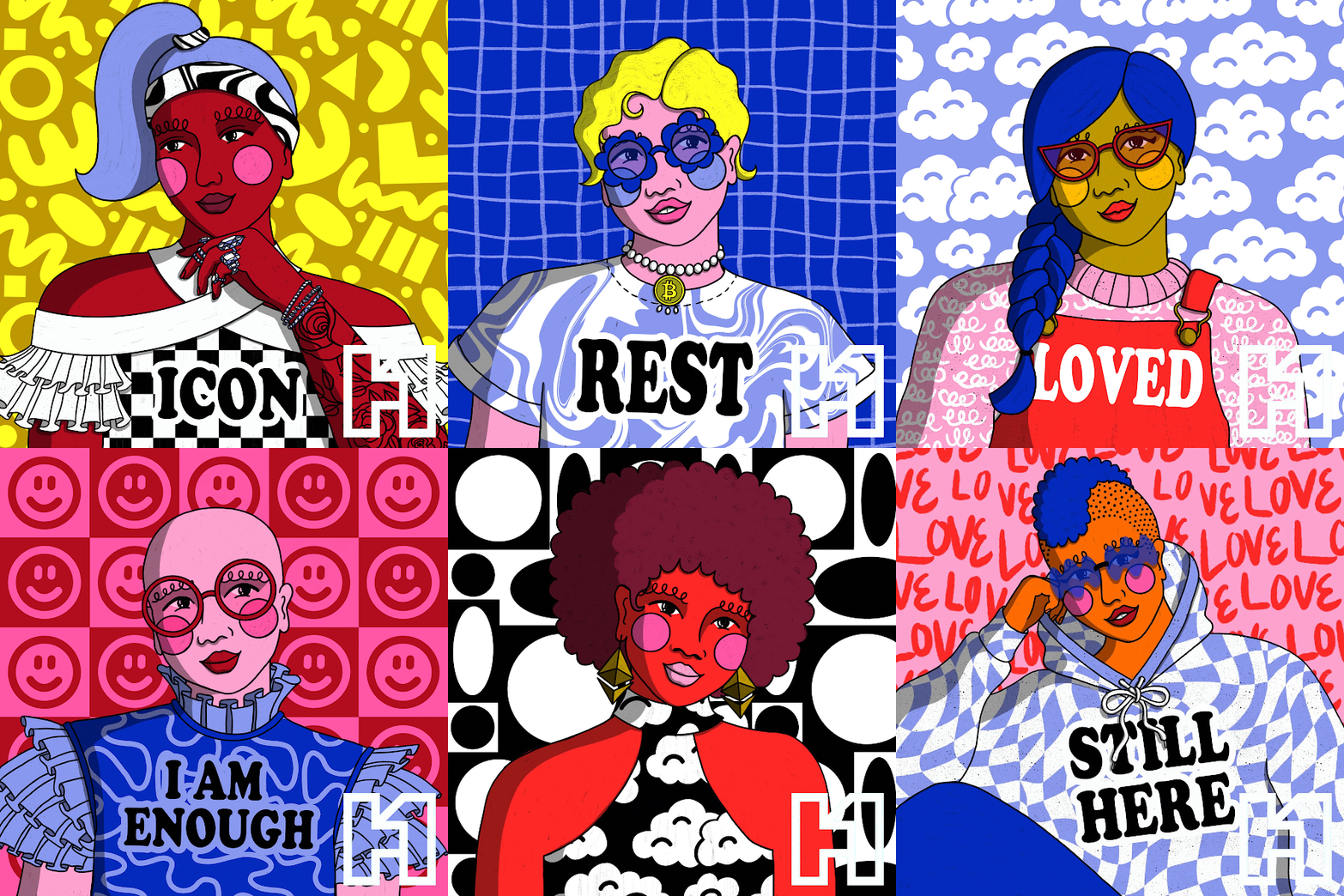
Deemed as a white, male-dominated space, many female artists and celebrities have voiced their enthusiasm for inviting more women into the Web3 movement. While many NFT projects focus on education, philanthropy, and providing visibility for women creators, some have been criticized for using social justice issues as selling points, undermining their risks and actual contribution to the cause. Is NFT an outlet for women to express and achieve financial independence, or is it another “tokenizing” marketing gimmick to exploit female audiences? What are some of the risks and opportunities with “pinkwashing” the NFT market?

How Technology Facilitates Culture Heritage Restoration and Preservation

How Technology Facilitates Culture Heritage Restoration and Preservation

This article presented projects and examples that have exemplified great progress in cultural heritage preservation. As these technologies continue to develop and experts in the field become more knowledgable and adept at using these technologies, there is a positive prospect that continually enhancing technologies will deliver further achievement in cultural heritage preservation and digitalization by human inventions and under human supervision.

Predictive Modeling for Smarter Fundraising

Predictive Modeling for Smarter Fundraising

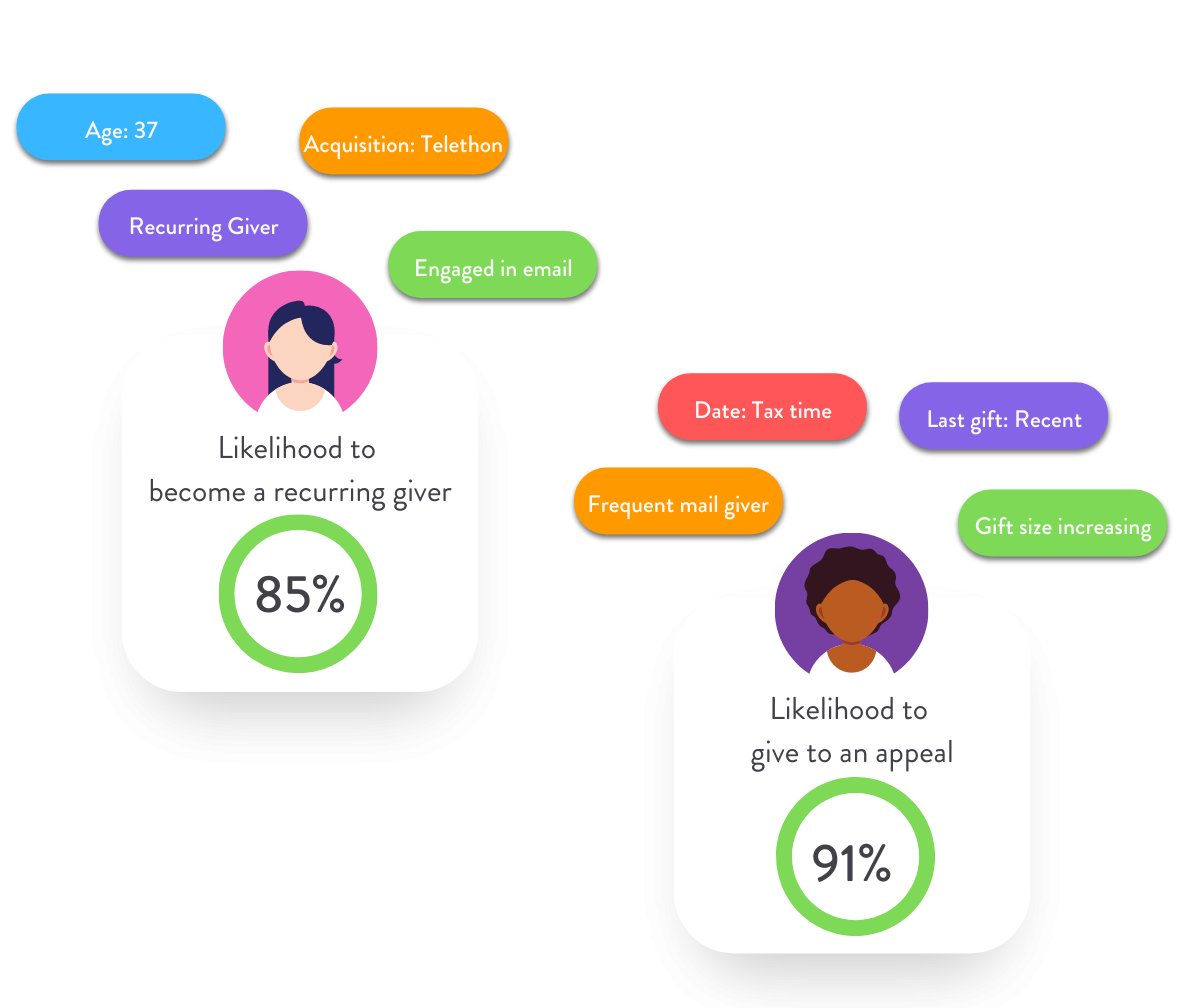
Nonprofit fundraisers are continually searching for efficient systems to discover, approach, solicit, and measure support from prospects. The market for fundraising software is over-saturated with business management technology that is constantly evolving. An increasingly prevalent trend in startup software is the integration of artificial intelligence technology, which has become more popular today thanks to greater access to data volumes, sophisticated algorithms, and improvements in computing power. The technology, if truly effective with the right organization’s data, harnesses the potential to shape how we prioritize our time with donors.

The Key Role of VR in Preserving Cultural Heritage

The Key Role of VR in Preserving Cultural Heritage

Virtual reality (VR) has quickly become a mainstay for exhibiting arts and cultural organizations. When looking at it as a concept, “VR has the potential to simulate imaginative and existing physical environments along with their processes. The simulations can be tuned to a highest level of multisensorial realism in order to affect users' visual, auditory, tactile, vestibular, and even olfactory and gustatory senses.” But what does it mean to museums and cultural organizations, and how can it help the arts?

The Necessary Diversification of Pervasive Recommendation Algorithms

The Necessary Diversification of Pervasive Recommendation Algorithms

Artificial intelligence in the arts is growing increasingly more complex. It is 2022, and robots are co-creating art, NFTs are celebrating and confusing art consumers around the world, and at least 85% of Americans have smartphones that give immediate access to endless amounts of streaming content. However, AI has flaws. This article covers the recommendation algorithms built to support content delivery for this majority, their cultural implications, and bias control.

Spotify's Algorithm: Helping or Hurting Musicians?

Spotify's Algorithm: Helping or Hurting Musicians?

The year is 1870, 7 years before the invention of the phonograph by Thomas Edison. As a musical artist, if you wanted to distribute your content to an audience, you did so through sheet music, either painstakingly copied by hand, or if you were lucky, replicated on some kind of a printing press. Music distribution has come a long way since then. Artists can upload music to platforms like TikTok or YouTube with the click of a button. But how has this changed the industry?

The most prolific way that people engaged with music in 2020 was streaming platforms, of which, Spotify continues to be the most popular. Even though it’s easier than ever for artists to upload content to a large audience, the question remains, are personalization algorithms and streaming services through Spotify harming or helping musical artists?

An Analysis of the Top 50 Webtoons on Webtoon Canvas

An Analysis of the Top 50 Webtoons on Webtoon Canvas

Naver Webtoon, introduced in “Hallyu 3.0: The Webtoon Takeover,” is the world’s leading webcomics reading application with over 72 million monthly users. Much like Youtube and Spotify, Webtoon manages a user-generated content platform featuring the works of over 130,000 amateur and professional cartoonists. Comics that are uploaded to Webtoon’s user-generated content section, Webtoon Canvas, and have at least 1,000 subscribers and 40,000 monthly page views earn a 50% share of Webtoon’s advertising revenue. Webtoon offers additional payout opportunities including a creator rewards program and their Original Series publishing program that offers exclusive rights publishing contracts and promotion through the platform. This article returns to the question posed in the previous article: How to content generators incorporate Webtoon into their professional practice and to what measures of success?

Navigating the Ethics of Using AI for Donor Solicitation

Navigating the Ethics of Using AI for Donor Solicitation

AI has been slowing encroaching on every facet of modern life. It runs our phones, it navigates our vehicles, and has even began finishing our sentences. As of now, its integration into our everyday life has been mundane. Since AI operates most effectively behind the scenes and is difficult to explain to the average consumer, most products that utilize it do not necessarily draw much attention to it. Negative connotations among the public may prevent business from directly or overtly acknowledging the use of AI in their products or administration, but it certainly does not stop them from utilizing it. AI is bolstering many forms of business management technology, and the nonprofit sector is starting to reap its benefits. With so much of nonprofits reputations relying on trust and good faith connections between stakeholders, donors, and staff, what happens when AI is introduced into the dynamic?