
A Digital Future for Cultural Heritage

A Digital Future for Cultural Heritage

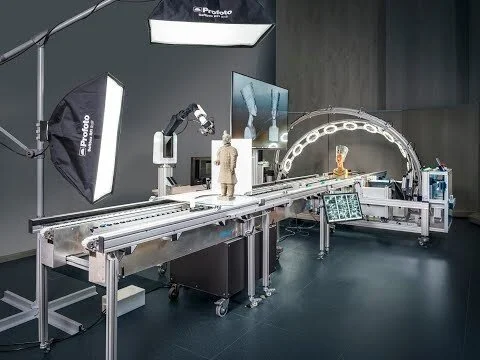
Digital technology is becoming a standard tool for the collection, preservation, and dissemination efforts of arts and cultural heritage worldwide. From 3D configuration of ancient artifacts to applying artificial intelligence to shed new light on how we perceive the lineage of humanities, cultural heritage is headed toward a digital future. This article will examine the ways in which digitization and artificial intelligence – two of the most widely used or relevant forms of technology in cultural heritage – are applied through global cases of innovative initiatives happening in the field in recent years.
Virtual Solutions in the Arts During Covid19

Virtual Solutions in the Arts During Covid19

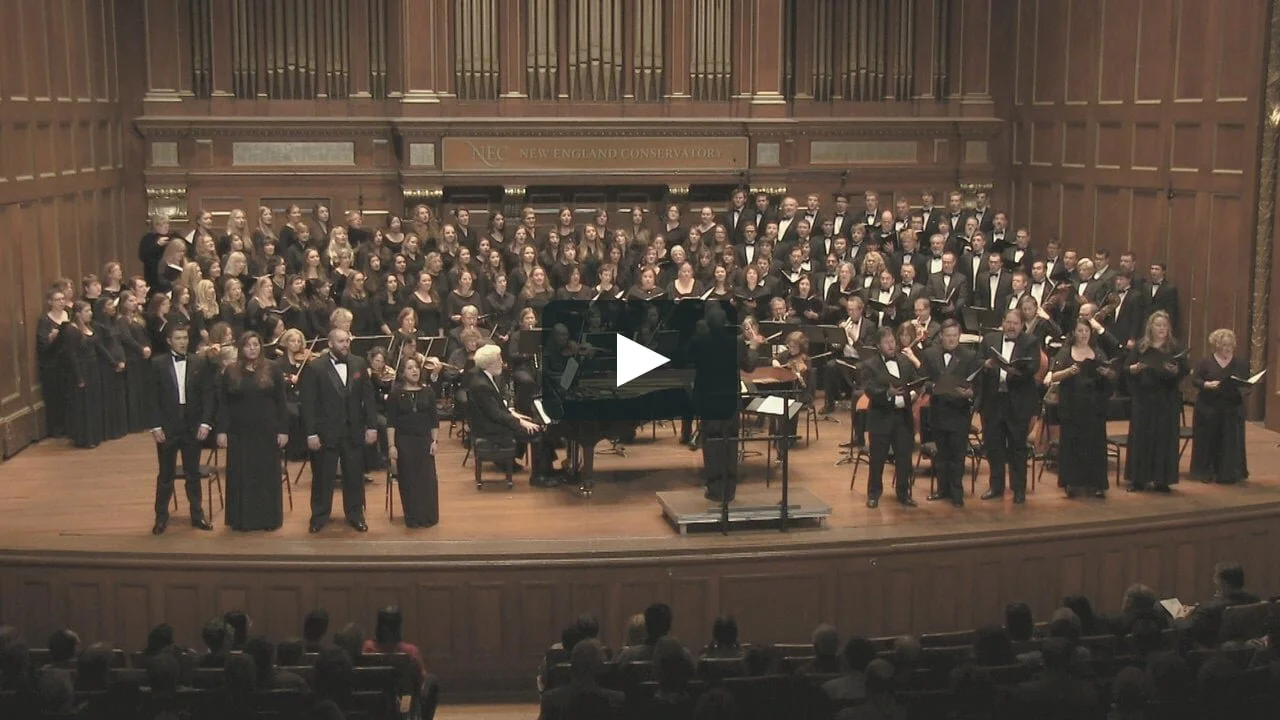
Over the last week, society has faced unprecedented territory with the increasing spread of Covid-19. As communities quarantine themselves and take precautions against greater spread, arts and cultural organizations are joining in the effort by closing their doors. Amidst all of this, arts managers are coming up with creative solutions to offer their content and services to the public Now, more than ever, the arts must rely on technology to deliver their content. Below is a sampling qua starter list of virtual responses to Covid19 to date (March 17, 2020).

Case Studies of Livestreaming in Theatre: Part 2

Case Studies of Livestreaming in Theatre: Part 2

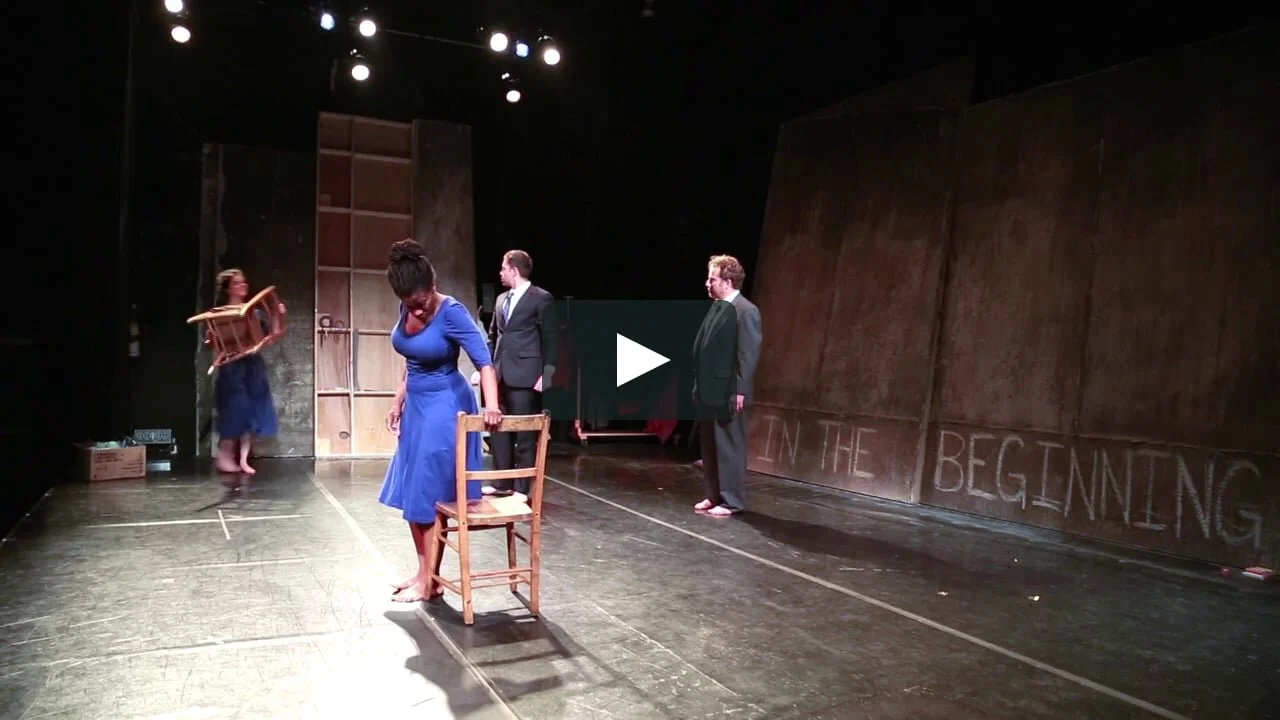
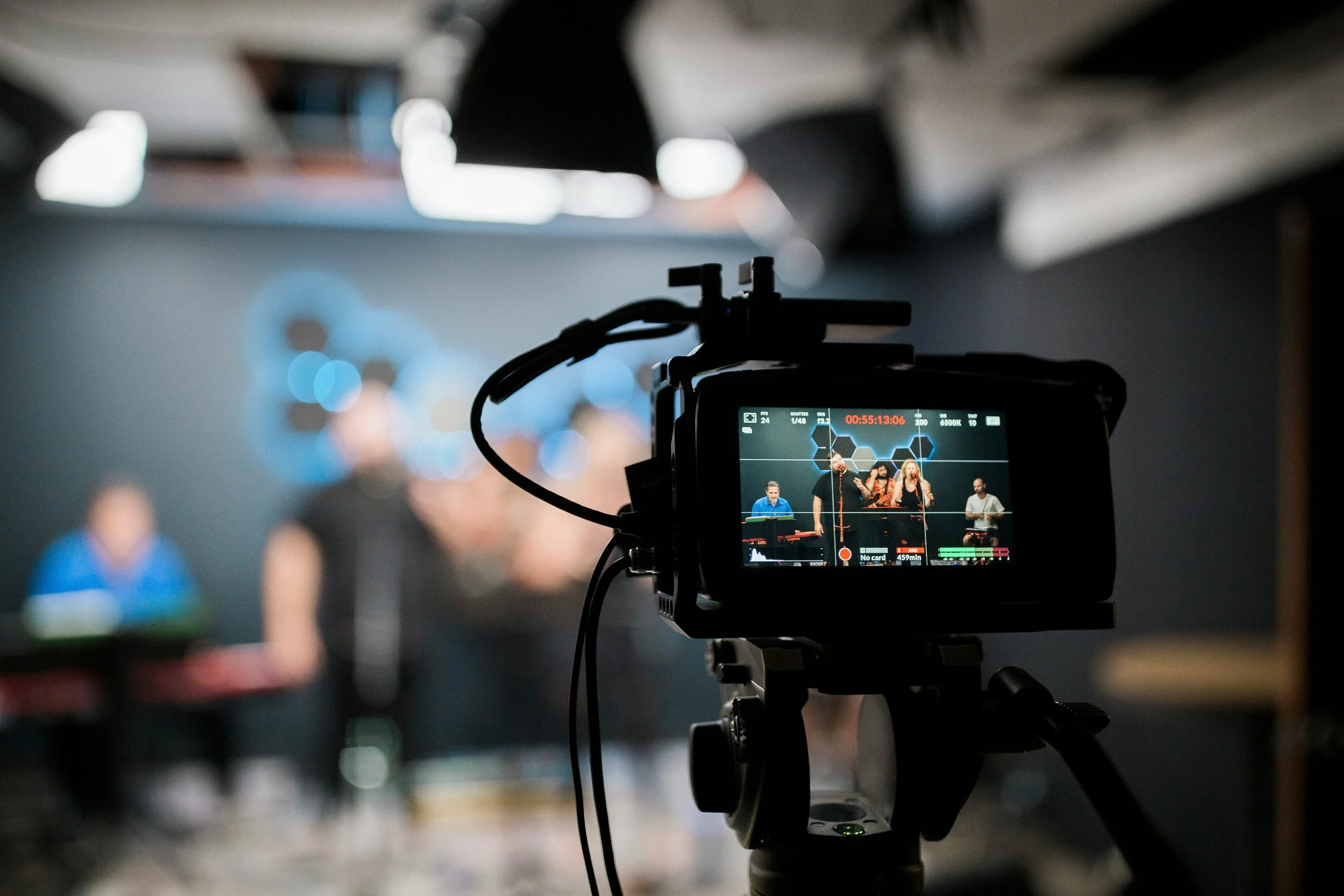
When considering the medium of livestreaming for organizational programming, one must be aware of its many advantages and challenges. This second portion looks at two case studies. The first case study, The Geffen, set the precedent for non-Broadway theaters working with BroadwayHD. The second case study, The Orlando Shakespeare Theater, illustrates how a large regional theater can impact hundreds of classrooms with one performance, on a budget that is more feasible for regional theater companies.

Livestreaming for Regional Theatre: History and Perspectives: Part 1

Livestreaming for Regional Theatre: History and Perspectives: Part 1

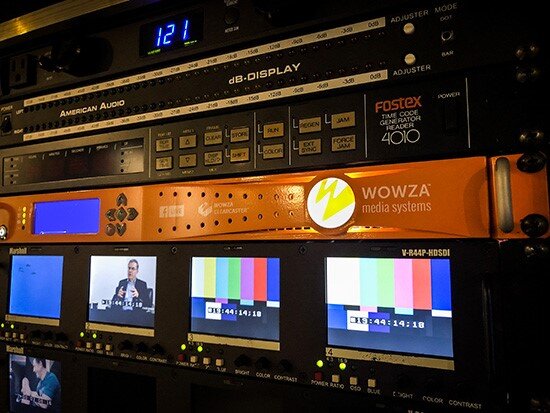
This is a two-part series exploring how the benefits of incorporating livestreaming technology into theatres. Part 1 of the report documents a history of livestreaming theatre (involving a timeline and the lifespan of the industry’s biggest players) and a brief analysis of what it means to perform “Live!” and its programming potential.

Hologram Technology and its Application in Arts and Entertainment: Part 2

Hologram Technology and its Application in Arts and Entertainment: Part 2

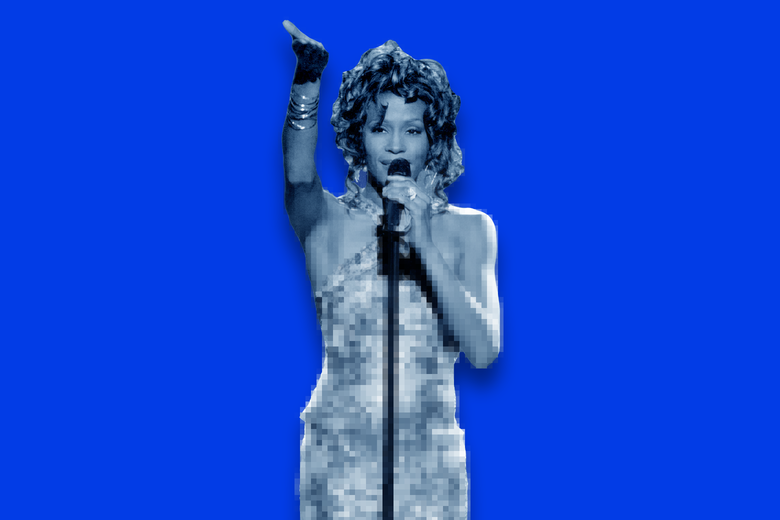
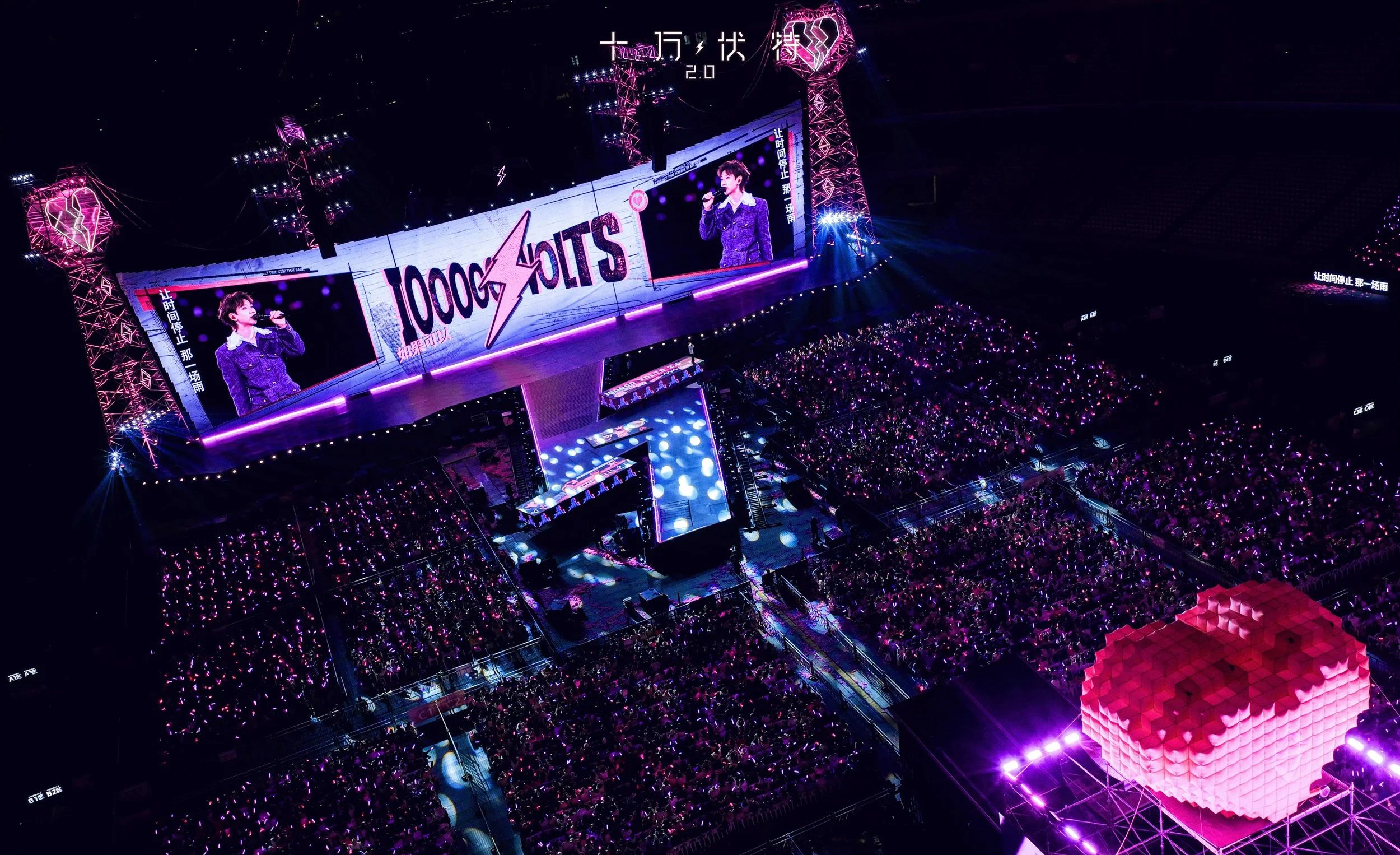
CGI and motion-capture technology have disrupted filmmaking in the past two decades, and there are no signs that this trend is in decline. In part one, the history of and technology behind CGI and motion-capture is explained in detail. That framework and information will be applied to this second part of the series, which examines how similar technology is leveraged in the “holograms” that have become more prevalent in live performances and museum spaces in the past few years.

CGI, Motion Capture, and the Commercialization of Celebrity Images: Part 1

CGI, Motion Capture, and the Commercialization of Celebrity Images: Part 1

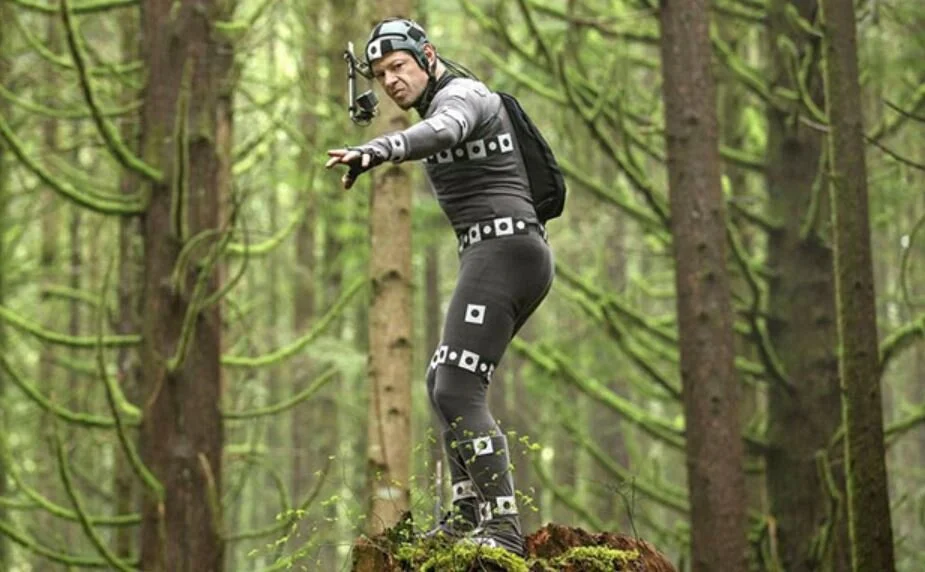
Over the past twenty years, computer-generated imagery has become nearly ubiquitous in film and television productions. This ubiquity is due to enhanced computing power and higher resolutions coupled with increasingly lower costs. To understand how these technological advancements and their artistic applications in recent years are disrupting the industry, there are three key technologies that must be understood and disambiguated: computer-generated imagery (CGI), motion capture, and holograms. Of these three, CGI is the most foundational technology for the current state of production.

Deepfake Technology in the Entertainment industry: Potential Limitations and Protections

Deepfake Technology in the Entertainment industry: Potential Limitations and Protections

Deepfake is a merge between 2 terms which are Deep Learning and Fake. It is a technology that includes teaching software to memorize faces, expressions, movements and even voices of a person so that the machine can later project that information onto another person. Despite its common inappropriate use, Deepfake technology can surely benefit the entertainment industry, specifically film production. This comes with further consequences to be considered by various parties.

Practical Uses of AR in Arts and Culture

Practical Uses of AR in Arts and Culture

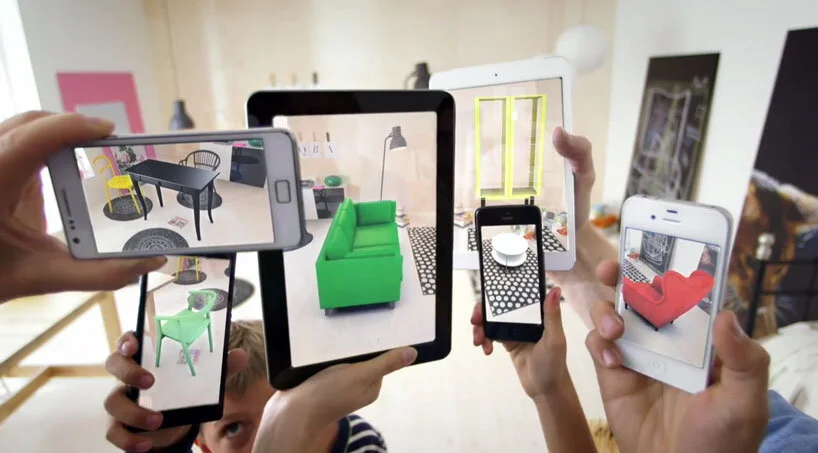
Since its first iteration, Augmented Reality (AR) has been disrupting education, health, entertainment, and many other fields. By enhancing the senses and abilities it has delighted but also aided in solving difficult problems. In arts and culture, AR has transformed static museum displays and provided special effects for stage productions. But the use of AR hasn’t gone much beyond support in storytelling, and the adoption of such a versatile technology as a tool in the production processes has been tentatively explored.

Google Suite’s Top Features for Maximizing Analytics

Google Suite’s Top Features for Maximizing Analytics

Google Analytics is an indispensable tool for any business to better serve its customers, achieve business goals, and build successful marketing campaigns. Used by itself, analytics is a powerful tool that can help an organization optimize its website and customer pathways. However, integrating additional tools within the Google Suite of tools offers more nuanced and informative means of maximizing data integration and your understanding of your institution’s website connections and conversion. This research report gives a how to for 7 critical Google Suite tools to maximize Google Analytics impact.

Observing Relationships Between Producers and Fandom through Digital Mapping: Part 3

Observing Relationships Between Producers and Fandom through Digital Mapping: Part 3

With the emergence of digital fan engagement, fan codes and traits that were once hidden to content makers are now able to be studied on an individual and collective scale through scraping and network mapping. This paper explores how to access information in order to understand fan behavior and the best ways to cultivate fan/producer relationships. While this study focuses on film and television, this information can be used to map digital conversations and communities surrounding all artistic mediums.

Mapping Movement: Network Mapping in the Dance Industry: Part 2

Mapping Movement: Network Mapping in the Dance Industry: Part 2

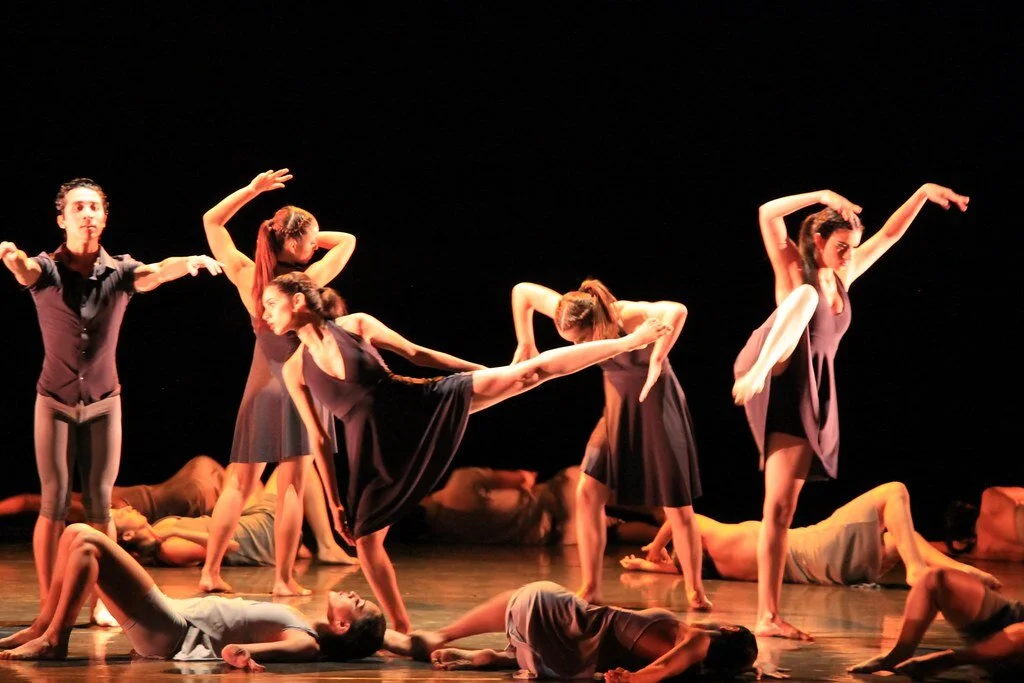
How well do you know the history of your industry? Could you list every branch, every individual, that helped to develop your industry into the complex and beautiful thing it is today? If you asked someone who works in the arts to craft such an image or list, they’d probably be able to give you a significant list of names. Yet, the truth is, a single individual’s list can’t provide the entire picture, just their perception of what the tree looks like.

Increasing Data Collection Capabilities with Web Scraping and Data Scraping: Part 1

Increasing Data Collection Capabilities with Web Scraping and Data Scraping: Part 1

With the digitization of our world, data has proven to be incredibly useful for arts and entertainment organizations in terms of decision-making and strategy formation. However, organizations can often be at a loss with how to collect data, how to format data visually, or how to use the data to achieve their goals. What follows is a discussion/outline of two methods for gathering external data for internal use in arts and entertainment institutions: web scraping and data scraping.

What Makes Facial Recognition Controversial?

What Makes Facial Recognition Controversial?

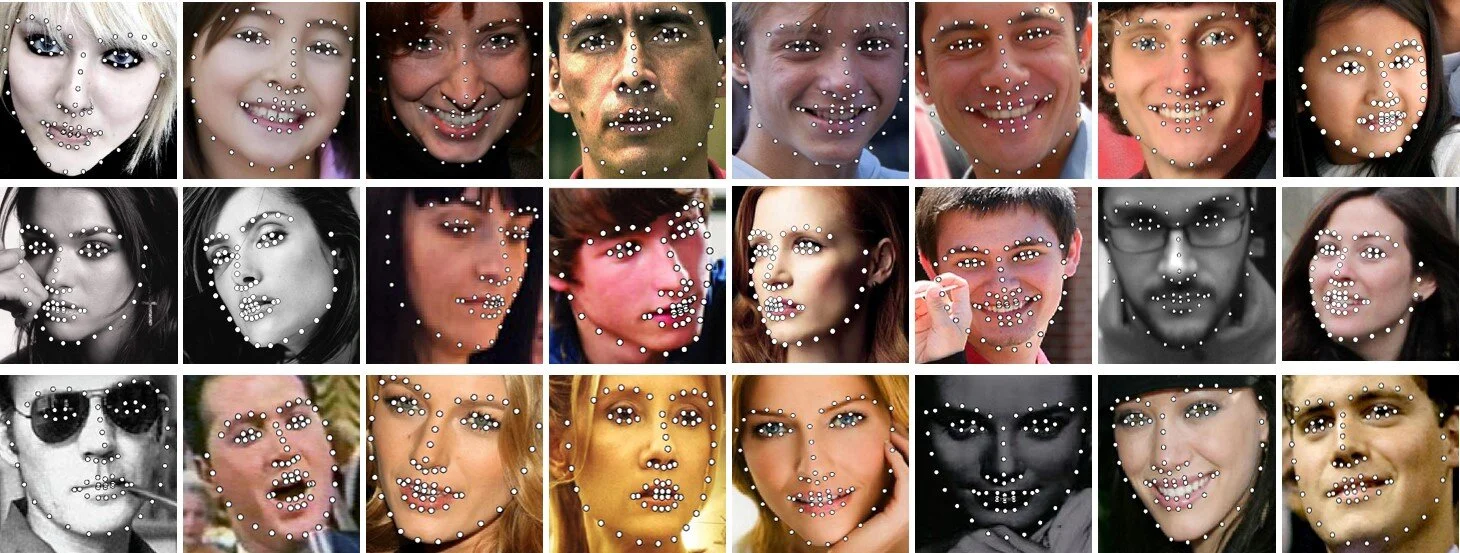
Facial recognition technology is in a predicament, and has actually been there for quite a while. What did it experience to become the center of the controversy and how does such controversy influence the art industry? Controversial discussion never stops a new technology, and instead, it creates a buffer to help the aggressive technology to slow a bit. With this opportunity, arts managers and other stakeholders may be able to check if they are on the right track dealing with the technology and consider whether they need to reshape it to meet future challenges.


The National Comedy Center: The Most Interactive Museum (To Date)

The National Comedy Center: The Most Interactive Museum (To Date)

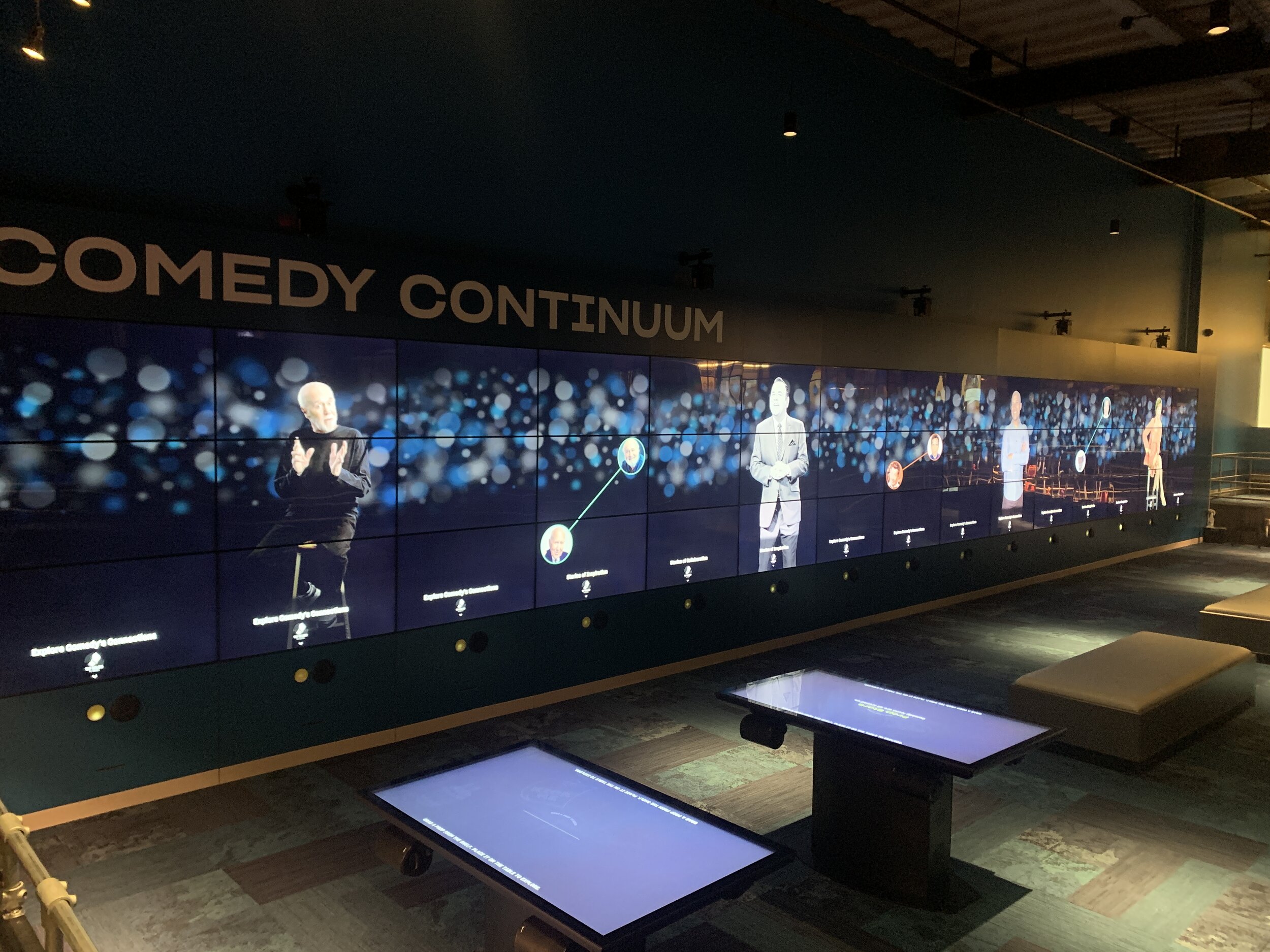
The National Comedy Center is the '“first non-profit institution and national-scale visitors experience dedicated to the art of comedy,” but it does the genre justice appealing to both fans and non-fans (Variety). The museum opened in 2018 and has already been praised as one of the best museum experiences in the country, holding a 5 star ranking on trip advisor.

Creating Success in the Unscripted Video Industry: Part 2

Creating Success in the Unscripted Video Industry: Part 2

The landscape of the unscripted video industry is changing. Part 1 of this series explores four case studies demonstrating the current landscape and what features are most appealing to audiences. In this section, the researchers look to experts in the video industry and fans to explore how the landscape is changing and what content providers should expect. This research is applicable to any content provider of unscripted videos. Furthermore, this research serves as an excellent study for understanding what audiences are seeking from the entertainment industry.

Trends in the Unscripted Video Industry through 4 Case Studies: Part 1

Trends in the Unscripted Video Industry through 4 Case Studies: Part 1

The Subscription Video on Demand (SVOD) platform is changing the way viewers watch home entertainment and traditional studios. It is increasingly more difficult to understand an audience’s viewing habits in the over-saturated unscripted programming industry due to the lack of viewer data collection capabilities of SVOD platforms. Through the research and case studies presented in this study, one can better understand a potential audience and what compels them to this type of entertainment.

Integrating Social Media Data Into CRM Systems: Using Your CRM To Its Full Potential

Integrating Social Media Data Into CRM Systems: Using Your CRM To Its Full Potential

This white paper explores the importance of integrating social media data into an organization’s CRM to improve Customer Knowledge Management (CKM). By increasing the information collected CRMs can be more effective, leading to greater efficiency and productivity. Learn how arts organizations can gather more data to better understand their customers by integrating social media into a CRM system.

AI as a Tool in the Arts

AI as a Tool in the Arts

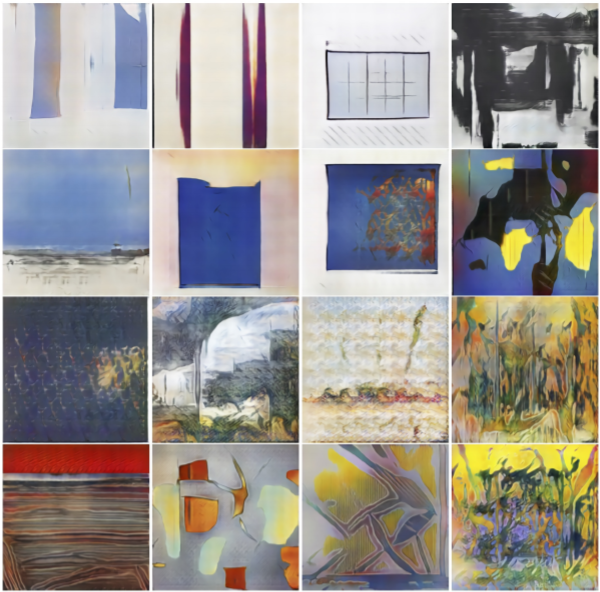
Artists are taking advantage of new technologies to enhance their artmaking. They are using AI as a tool in the same way that artists of yesteryear used pen and ink and paintbrushes. This opens a whole new realm of possibilities for arts managers in terms of the scope of multimedia exhibitions and performances. Artists who are using AI as a tool include visual artists, performers, and creators of popular media.

Image Recognition Technology Use in Museums

Image Recognition Technology Use in Museums

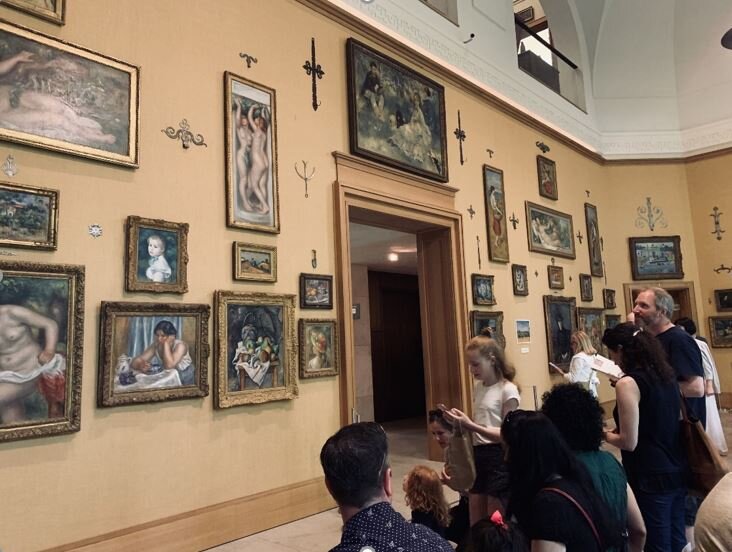
Image recognition, as one of the subsets of computer vision, is the process of identifying objects, places, or people in images or videos. This article discusses different image recognition software being used, and details the author’s experience using the technology at the Barnes Foundation.