

Predictive Modeling for Smarter Fundraising

Predictive Modeling for Smarter Fundraising

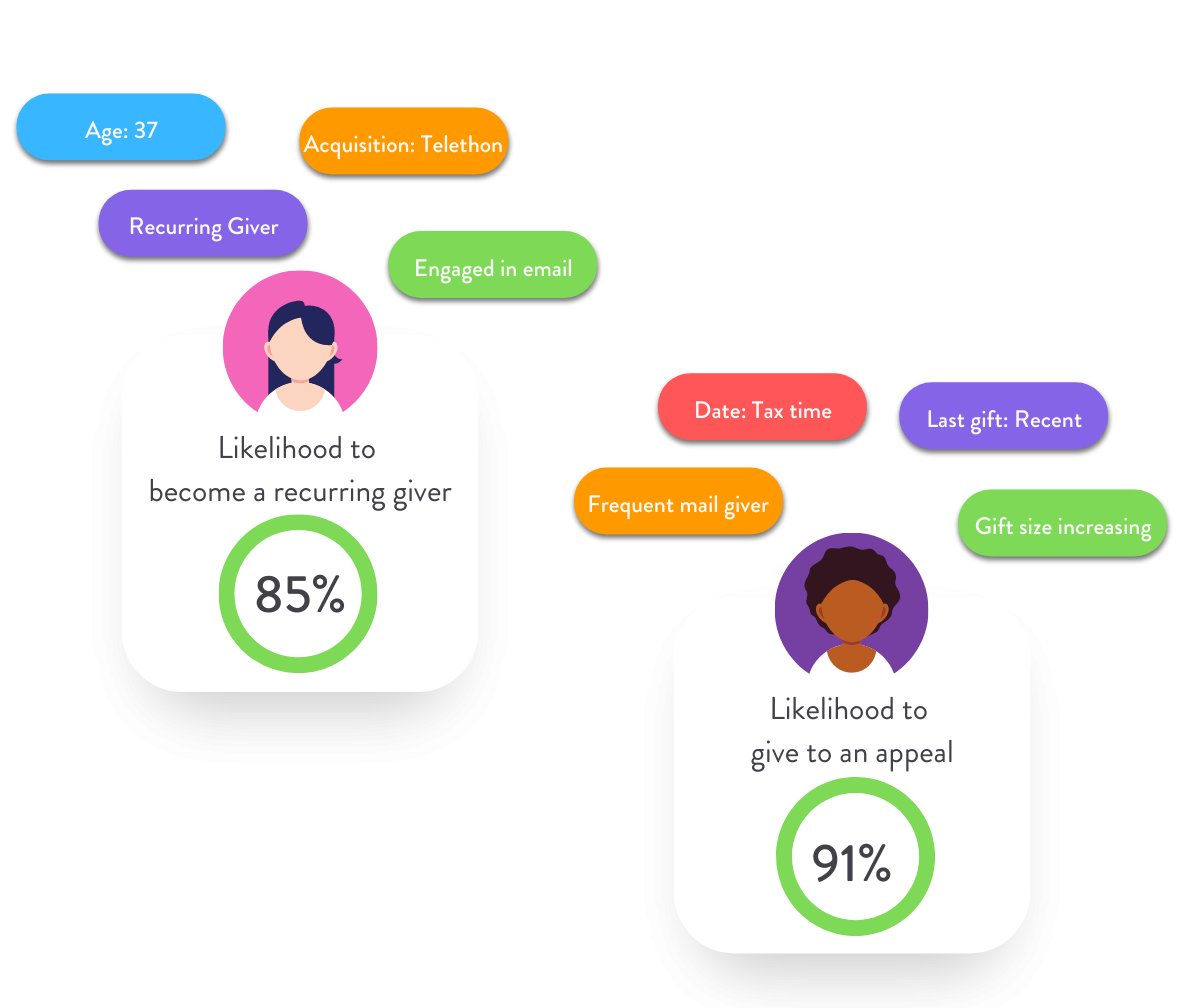
Nonprofit fundraisers are continually searching for efficient systems to discover, approach, solicit, and measure support from prospects. The market for fundraising software is over-saturated with business management technology that is constantly evolving. An increasingly prevalent trend in startup software is the integration of artificial intelligence technology, which has become more popular today thanks to greater access to data volumes, sophisticated algorithms, and improvements in computing power. The technology, if truly effective with the right organization’s data, harnesses the potential to shape how we prioritize our time with donors.

The Key Role of VR in Preserving Cultural Heritage

The Key Role of VR in Preserving Cultural Heritage

Virtual reality (VR) has quickly become a mainstay for exhibiting arts and cultural organizations. When looking at it as a concept, “VR has the potential to simulate imaginative and existing physical environments along with their processes. The simulations can be tuned to a highest level of multisensorial realism in order to affect users' visual, auditory, tactile, vestibular, and even olfactory and gustatory senses.” But what does it mean to museums and cultural organizations, and how can it help the arts?

The Necessary Diversification of Pervasive Recommendation Algorithms

The Necessary Diversification of Pervasive Recommendation Algorithms

Artificial intelligence in the arts is growing increasingly more complex. It is 2022, and robots are co-creating art, NFTs are celebrating and confusing art consumers around the world, and at least 85% of Americans have smartphones that give immediate access to endless amounts of streaming content. However, AI has flaws. This article covers the recommendation algorithms built to support content delivery for this majority, their cultural implications, and bias control.

Spotify's Algorithm: Helping or Hurting Musicians?

Spotify's Algorithm: Helping or Hurting Musicians?

The year is 1870, 7 years before the invention of the phonograph by Thomas Edison. As a musical artist, if you wanted to distribute your content to an audience, you did so through sheet music, either painstakingly copied by hand, or if you were lucky, replicated on some kind of a printing press. Music distribution has come a long way since then. Artists can upload music to platforms like TikTok or YouTube with the click of a button. But how has this changed the industry?

The most prolific way that people engaged with music in 2020 was streaming platforms, of which, Spotify continues to be the most popular. Even though it’s easier than ever for artists to upload content to a large audience, the question remains, are personalization algorithms and streaming services through Spotify harming or helping musical artists?

An Analysis of the Top 50 Webtoons on Webtoon Canvas

An Analysis of the Top 50 Webtoons on Webtoon Canvas

Naver Webtoon, introduced in “Hallyu 3.0: The Webtoon Takeover,” is the world’s leading webcomics reading application with over 72 million monthly users. Much like Youtube and Spotify, Webtoon manages a user-generated content platform featuring the works of over 130,000 amateur and professional cartoonists. Comics that are uploaded to Webtoon’s user-generated content section, Webtoon Canvas, and have at least 1,000 subscribers and 40,000 monthly page views earn a 50% share of Webtoon’s advertising revenue. Webtoon offers additional payout opportunities including a creator rewards program and their Original Series publishing program that offers exclusive rights publishing contracts and promotion through the platform. This article returns to the question posed in the previous article: How to content generators incorporate Webtoon into their professional practice and to what measures of success?

Navigating the Ethics of Using AI for Donor Solicitation

Navigating the Ethics of Using AI for Donor Solicitation

AI has been slowing encroaching on every facet of modern life. It runs our phones, it navigates our vehicles, and has even began finishing our sentences. As of now, its integration into our everyday life has been mundane. Since AI operates most effectively behind the scenes and is difficult to explain to the average consumer, most products that utilize it do not necessarily draw much attention to it. Negative connotations among the public may prevent business from directly or overtly acknowledging the use of AI in their products or administration, but it certainly does not stop them from utilizing it. AI is bolstering many forms of business management technology, and the nonprofit sector is starting to reap its benefits. With so much of nonprofits reputations relying on trust and good faith connections between stakeholders, donors, and staff, what happens when AI is introduced into the dynamic?

Integrating NFC Technology in Arts Institutions

Integrating NFC Technology in Arts Institutions

Underneath the Disney magic at its resorts is Near-field communication (NFC) technology, which has been transforming live event experiences for years. Disney Parks is at the forefront of the change, having utilized the all-in-one-device MagicBand since 2013, which renders the park into dynamic computer, streaming real-time data about where guests are and what they are buying. This “invisible” wearable technology has created a seamless guest experience where people are happier by stripping their options away. How can this technology be leveraged and integrated into arts institutions and yield the same immersive, seamless experience? This article explores NFC technology and how arts organizations can utilize it to enhance their overall service and audience engagement.

How Immersive Experiences Play a Role in the Fashion Industry

How Immersive Experiences Play a Role in the Fashion Industry

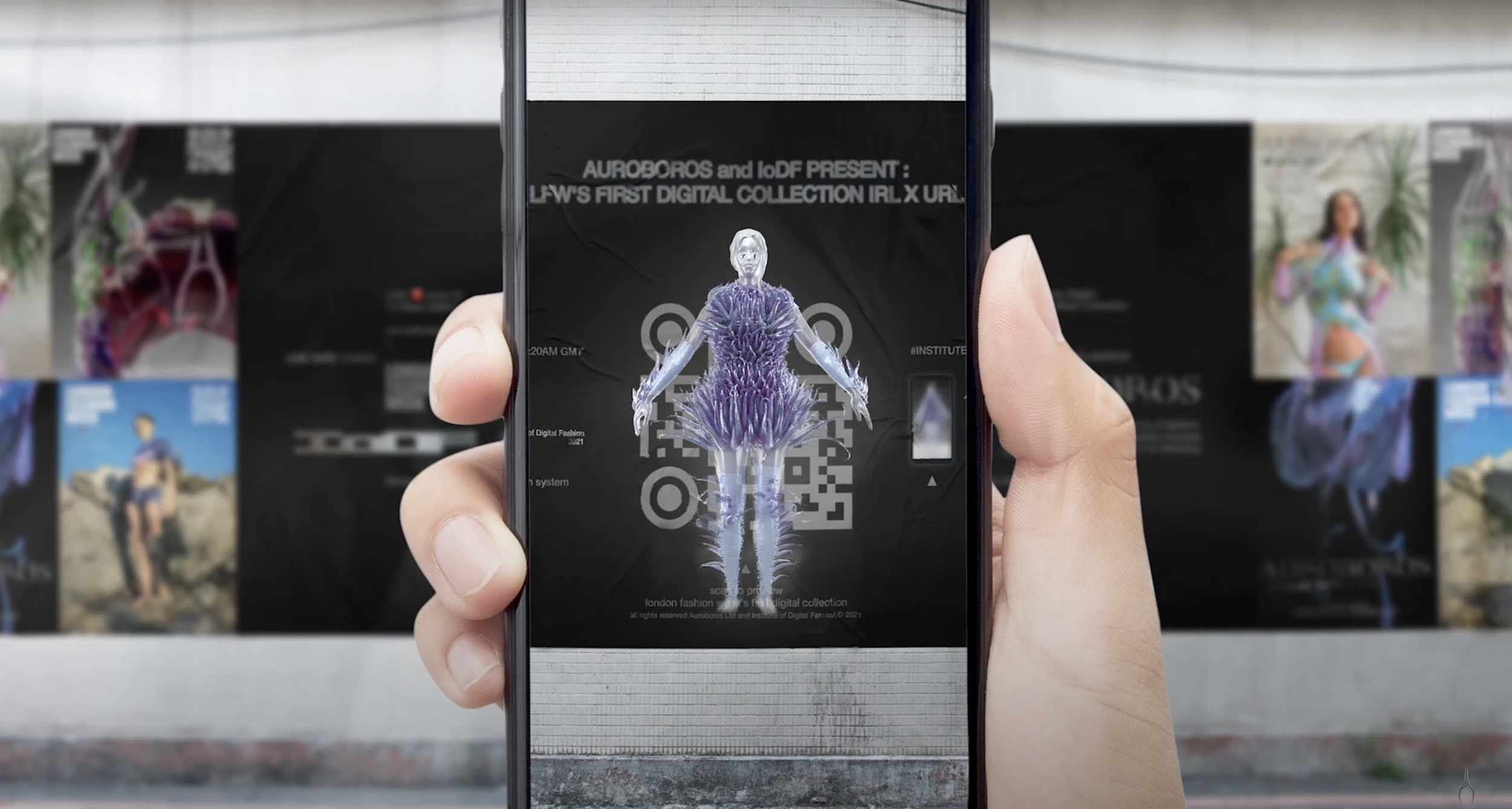
Our world is becoming increasingly digital - in the past year, the metaverse and NFTs have become household buzzwords, causing a massive “gold rush” into developing cutting-edge innovation surrounding immersive experiences. This article primarily focuses on the use of AR in the fashion industry and how more established, traditional brands are embracing this immersive technology in comparison to those born in the Web3 era.

Top 10 Takeaways: SXSW

Top 10 Takeaways: SXSW

AMT Lab staff Victoria and Lynn got the chance to go to the annual South by Southwest (SXSW) conference that took place from March 11 to March 20, 2022, which focuses on the intersection of tech, film and music. The pair got to experience it up close and personal, and have put together a list of their top ten takeaways for the future of tech in film and music.

Crypto: The Good, the Bad, & the Ugly

Crypto: The Good, the Bad, & the Ugly

In recent years, the advancement of cryptocurrencies and blockchain-based technologies has led to increased exploitation from criminals. From “pump and dump” scams to cybercrimes, the rapid rise of digital assets has raised questions about their exploitation by criminals to launder money and commit fraud in untraceable and anonymous ways. Lawmakers and regulators have been trying to figure out ways to combat the threats that the growing sector imposes. On February 17, 2022, the Department of Justice announced its new National Cryptocurrency Enforcement Team (NCET) appointing Eun Young Choi as director. Many argue that the NCET and the FBI’s Virtual Asset Exploitation Unit that launched on February 18, 2022 signals more crackdowns on the crypto industry. As the possibility of regulations looms, what are some of the effects it may bring to the crypto and NFT markets? This article explores what some may look like.

Virtual Music Collaboration Tools: The Alteration of Rehearsal and Performance Spaces Post-Pandemic

Virtual Music Collaboration Tools: The Alteration of Rehearsal and Performance Spaces Post-Pandemic

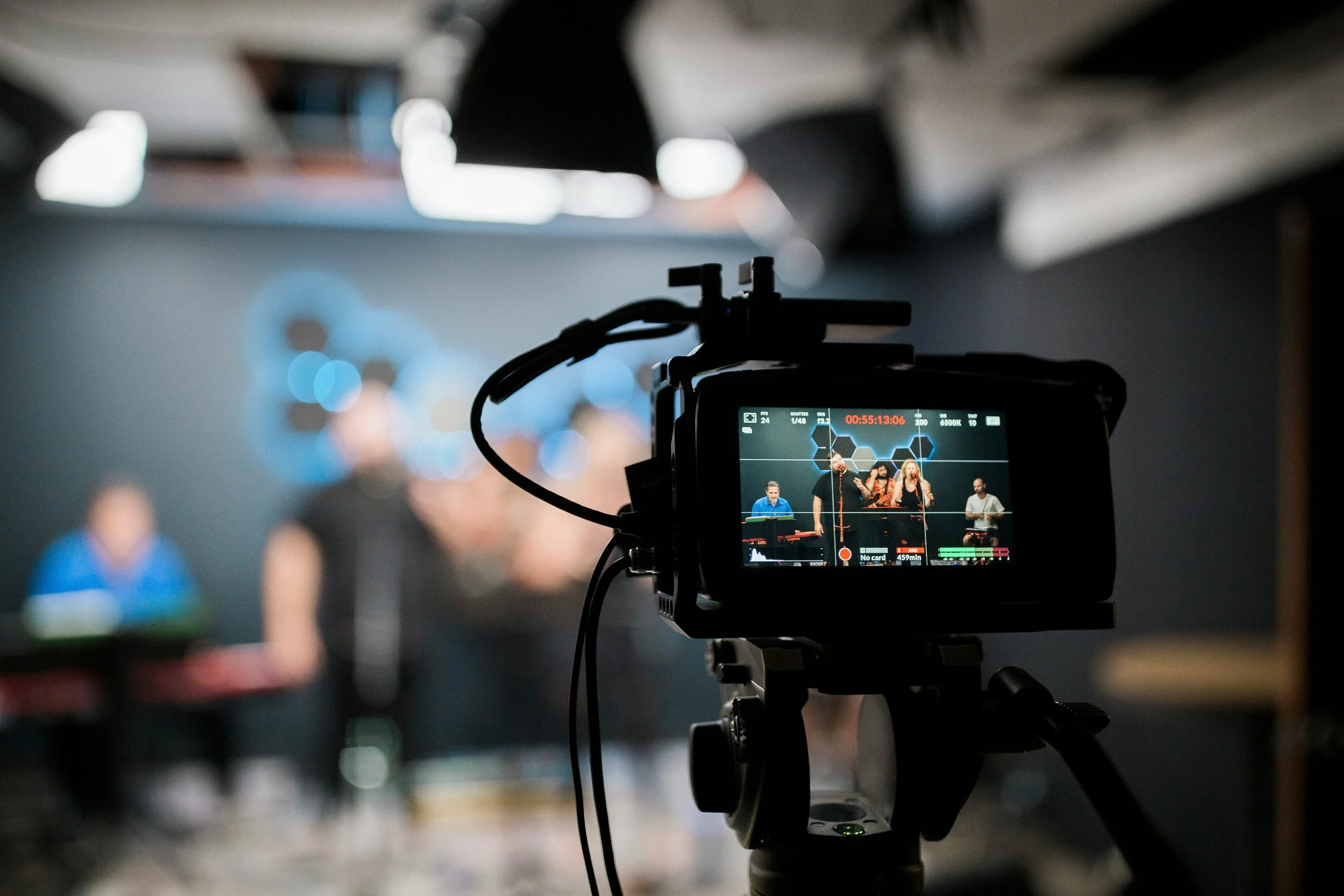
During the COVID-19 pandemic, many who had the option began to work from home or work remotely as a safety precaution. Apollo Technical conducted a survey which suggests that in May 2020, over 26% of employed individuals worked from home. Over the course of the pandemic, that number increased to about 70%. Technology is capable of incredible things, making this remote work possible without the presence of an office or communal workplace. For musicians however, this is a different story.

How 3D Printing Is Building Itself Into Theatre

How 3D Printing Is Building Itself Into Theatre

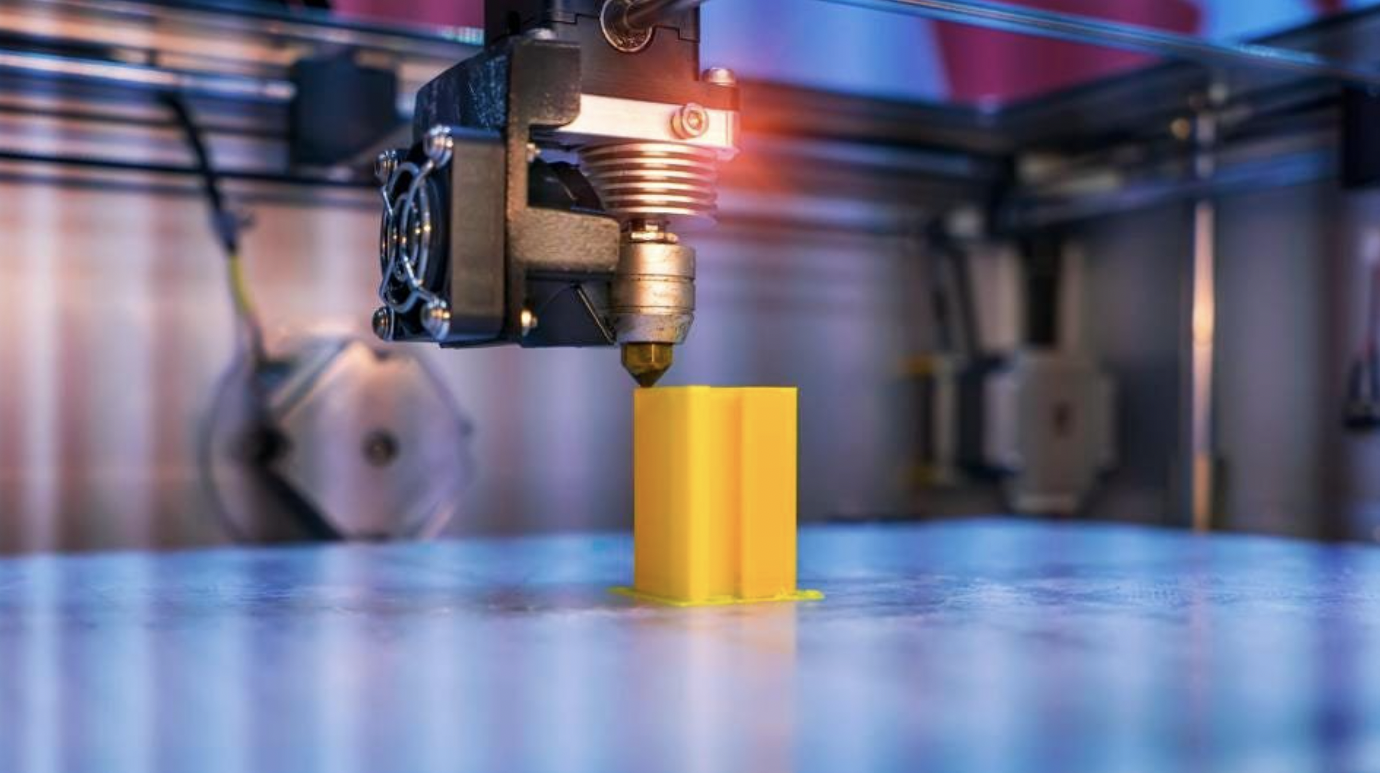
Many industries have begun utilizing 3D printing to make work easier and more efficient. This technology is even making its way into the arts. Broadway theatres, university theatre departments, and theatres everywhere are implementing 3D printing technologies to construct props, and even to build entire sets. 3D printing brings new elements of realism and creativity into theatre. It is the future of stage and set design by enabling mass customization of specific designs and independent of outside factors, such as time constraints and availability. In recent years, the market for 3D printers in theatre has shifted from DIY projects to machines for professionals.

Why Arts Nonprofits Should Care about Big Tech Lawsuits

Why Arts Nonprofits Should Care about Big Tech Lawsuits

Antitrust lawsuits in the United States had its historical beginnings with the Carnegie Steel and Standard Oil monopolies. The early 20th century was a time of trust-busting and a battle of government regulation of these industries, which were seemingly impossible to control due to their power through insurmountable wealth and market domination. Then, the 70s and 80s saw the trust busting of the Bell System in the sector of telephones and communication. Now, almost exactly a century after the passing of the antitrust laws and almost a half-century after the most recent conglomerate disaggregation, monopolies adjacent to the industry of telephone and communications run rampant in the United States – and the government is again facing difficulty in quelling their expansive power. This article will analyze three ongoing and one recently closed antitrust cases against Amazon, Apple, Alphabet, and Meta, and suggest effects that the rulings may have on how the nonprofit industry functions.

An Industry of Secrecy: Why Streaming Companies Hide Viewership Data

An Industry of Secrecy: Why Streaming Companies Hide Viewership Data

The entertainment industry in a post-pandemic and streamer-heavy world bears a sigil of secrecy. Viewership data for films and television shows on Netflix, Hulu, Amazon Prime Video, HBO Max, Disney Plus, Apple TV Plus, and other streaming services is highly monitored behind closed doors at these companies. Streaming consumption skyrocketed at the beginning of the COVID-19 pandemic, as people around the world were forced to stay at home. During the same time, online TV/video consumption increased from 1.7 hours to 6.5 hour. The pandemic fast-tracked the world’s shift to streaming, as it became one of the only accessible entertainment platforms, forcing the general public to decide which streaming services to invest in, largely because of cost.

Open Access Initiatives & Its Impact on the Art World

Open Access Initiatives & Its Impact on the Art World

According to the Western Museum Association, Open Access refers to efforts made by museums to provide high-resolution downloadable images free of charge to maximize the ability of the user to interact with, share, and reuse the images. In 2018, Douglas McCarthy, Collections Engagement Manager at Europeana, and Dr. Andrea Wallace, Senior Lecturer in Law at the University of Exeter, set out to see how many cultural heritage institutions make their digital collections available for free use, as well as how they do it. The pair created a Google Sheet survey that has listed over 1,200 international institutions, including Galleries, Libraries, Archives, and Museums. Over one-third of these records name specific Museums. While Open Access encompasses numerous industries, this article focuses Open Access technology and usage in the context of Museums and Artists.

The Impact of Emerging Sustainable Practices in the Film Industry

The Impact of Emerging Sustainable Practices in the Film Industry

Sustainability is important to every industry, especially film, as each production (with an average $70 million budget) produces a carbon footprint of 3,370 metric tons. TV and film productions create an abundance of carbon emissions, significantly affecting the atmosphere. However, carbon emissions are not the only aspect of sustainability the film industry must focus on. Sustainable Development Goals (SDGs) provided by the United Nations (UN) show that practicing sustainability involves much more than climate change. While the film industry is making many strides towards greener productions, there are many issues that have yet to be addressed. Such issues include livable wages (SDG 8), gender equality (SDG 5), and responsible production and consumption (SDG 12). These are a few of the most prevalent ways that the film industry can follow the path of sustainability per the UN guidelines.

Technology Connecting ICH Motivations and Safeguarding Responsibilities

Technology Connecting ICH Motivations and Safeguarding Responsibilities

In an increasingly virtual work environment, digital technology is becoming a standard tool for creative industries. Cultural heritage work is no different. A broad variety of tools are being used to safeguard cultural heritage sites and objects, from partnering 3D modeling, drones and artificial intelligence for a preservation project on the Great Wall of China, to virtual reality being used to replicate and recreate the Dunhuang Caves. With the growing attention for intangible cultural heritage (ICH), it is important to explore what digital tools are being used for fulfilling intangible cultural heritage safeguarding responsibilities and what opportunities exist for other projects and their practitioners.

Theatre Collaboration Technology: A Blue Ocean to Explore

Theatre Collaboration Technology: A Blue Ocean to Explore

Theatre production collaboration has long been an analog, face-to-face process. When the COVID-19 pandemic hit in 2020, many theaters moved to innovative, online production models. Without the ability to meet in person, the meta processes of production had to shift online too, and theaters were forced to contend with a new landscape of production possibilities. Now that theaters have proven that they can produce in digital formats, what would happen if they approached opportunities for digital collaboration with intention and care?

NFT Showdown: Miramax vs. Tarantino

NFT Showdown: Miramax vs. Tarantino

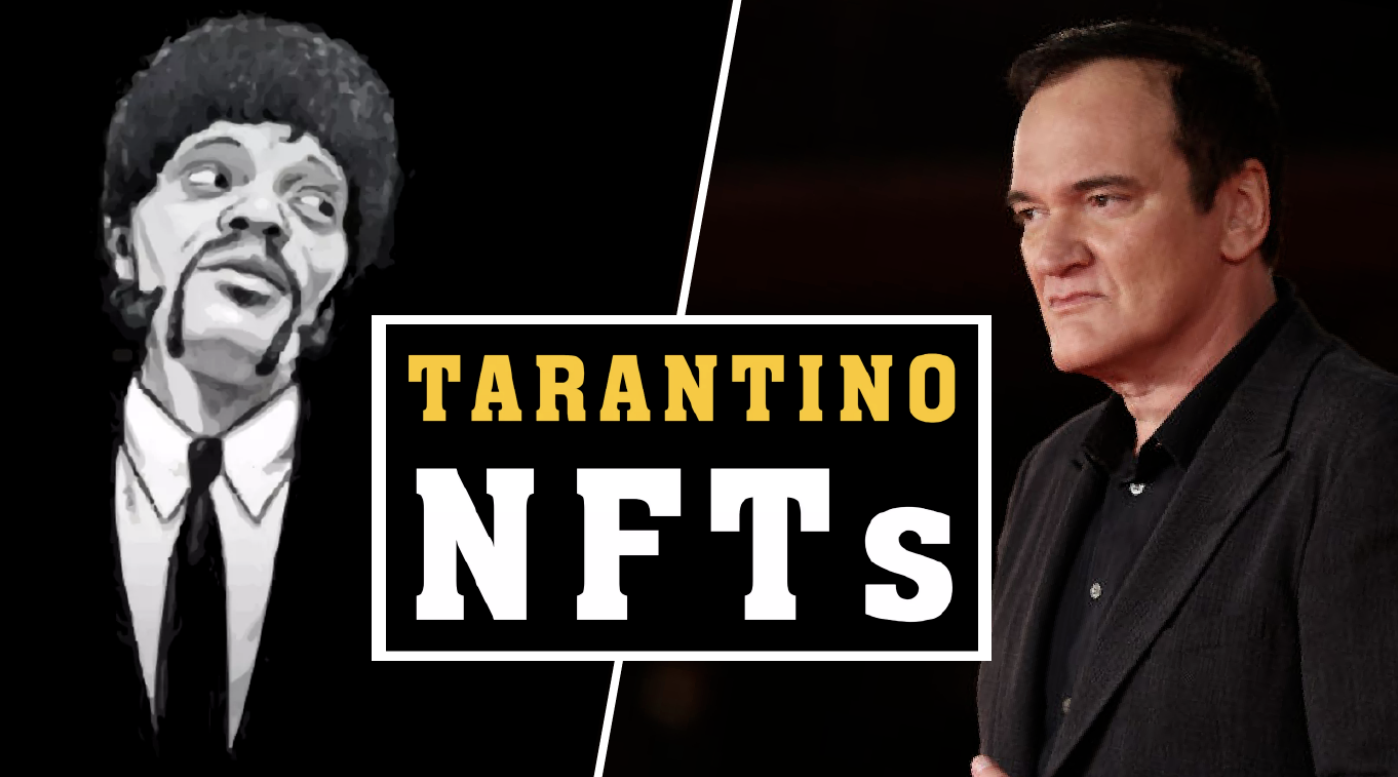
There is ongoing legal debate around Quentin Tarantino's latest project, an exclusive behind-the-scenes NFT collection based on the 1994 Miramax blockbuster hit "Pulp Fiction," published in December 2021 on Opensea by SCRT Labs. A California lawsuit will determine whether Tarantino's plan is too cavalier, and whether Miramax should receive a cut of the sale. Today’s NFT world is governed by crude and antiquated laws surrounding copyright and trademark ownership. Hopefully this lawsuit establishes new legal boundaries and guidelines for future cases. In the meantime, NFT collectors should stay wary of ambiguous claims and unclear terms.