




The Dismantling of the Great Society and the Arts Ecosystem it Created

The Dismantling of the Great Society and the Arts Ecosystem it Created

Lyndon B. Johnson's "Great Society" established foundational federal support for American arts and culture, notably creating the National Endowment for the Arts (NEA) and the National Endowment for the Humanities (NEH). However, recent executive orders have significantly impacted these and related cultural agencies, leading to staff reductions, grant terminations, and legal challenges. This ongoing situation underscores a critical tension between current administrative priorities and the enduring legacy of federal commitment to the arts and humanities.


May News: Impacts of Federal Cuts to Arts & Media

May News: Impacts of Federal Cuts to Arts & Media

This May has been a somber month for arts and cultural organizations across the United States. Flurries of executive orders coming out of the Trump Administration have made good on day-one promises to gut government spending, nix entire funding agencies, and weaponize the state apparatus against public media, information, and culture. Learn more about five news paths you might have missed, from executive orders and funding cuts to the unbalanced, precarious funding landscape in which nonprofits currently stand. 

Blockchain in Museums for Art Ownership

Blockchain in Museums for Art Ownership

The art world critically relies on trust and verifiable information for ownership, provenance, and authentication. Blockchain technology, with its decentralized, immutable, and transparent digital ledger system, presents a compelling solution. The technology can offer a powerful new way to ensure authenticity and track the history of artworks.

How Arts and Culture Can Survive Philanthropic Paradigm Shifts

How Arts and Culture Can Survive Philanthropic Paradigm Shifts

As philanthropic disciplines have evolved, so too have their preferred recipients, giving vehicles, and social values. Philanthropy often steps in to effectively “govern” arts and culture by financially shaping institutional priorities in response to the constantly evolving philosophies and priorities. As funder interest in “Effective Altruism” grows, cultural organizations feel mounting pressure from to make a case for the impact of their work, outside of “art for art’s sake.”

Disruption and Acquisition in the Entertainment Industry - March News

Disruption and Acquisition in the Entertainment Industry - March News

An eventful March unfolds in the arts, technology, and entertainment space. With the sale of TikTok still pending, well-known tech investors like Perplexity, Microsoft, and Oracle throw their hats in the ring. And, though ethical debates of AI-generated and AI-assisted work are ongoing, it is finding success in the auction houses and award ceremonies. Meanwhile, recent tech acquisitions may signal a shift in the music industry, and South by Southwest (SXSW) is making a strategic adjustment following this year’s festival. Read the highlights.

Star Talent: Journalism’s Influencer Era

Star Talent: Journalism’s Influencer Era

In an age when content creation is set to hyper-speed and cast across chaotically-changing social media platforms, journalism has become embroiled in the crossfire. Some approaches to the form have embraced such change, turning to more decentralized and personality-driven forms of reporting and analysis to survive the ever-choppier digital waters. Learn how AI and social media giants are impacting this evolving journalism ecosystem.

Part II: Live Service Games - Consumer Engagement and Retention

 Part II: Live Service Games - Consumer Engagement and Retention

With this increased competition form live service gaming, consumer expectations continue to shift and grow. In Part II of this capstone research by Heinz College Master of Entertainment Industry Management students, the team has employed data-gathering methods such as interviews, a survey, and social listening to better understand factors influencing player engagement and retention. 

Part I: Best Practices for Live Service Game Campaigns

Part I: Best Practices for Live Service Game Campaigns

Live service games, or LSGs, are one of the largest drivers in gaming revenue. However, as the market continues to saturate, game developers are finding it difficult to sustain players. In part one of this capstone study by Heinz College Master of Entertainment Management students, learn more about the background of these games and what has made them so  successful. 

Music, Movies, & More - February News

Music, Movies, & More - February News

In the middle of awards season, major announcements in the media and entertainment industry defined February’s news. While Spotify prepares to ramp up its product offerings, new AI-powered tech is winning Grammys and helping make magic happen on the big screen. All this takes place in the shadow of some major policy announcements regarding copyright and AI.

Models for Guaranteed Income, Resource-Sharing, and Pension Programs: Saving the Starving Artist & Cultural Sector

Models for Guaranteed Income, Resource-Sharing, and Pension Programs:  Saving the Starving Artist & Cultural Sector

As technology reshapes employment, artists face particular financial challenges, earning 30% less than their peers while lacking traditional benefits. This article examines how cities and organizations are testing new solutions—from guaranteed income programs to innovative pension schemes—to provide artists with greater economic stability.

AI Integration and Barriers in Education

AI Integration and Barriers in Education

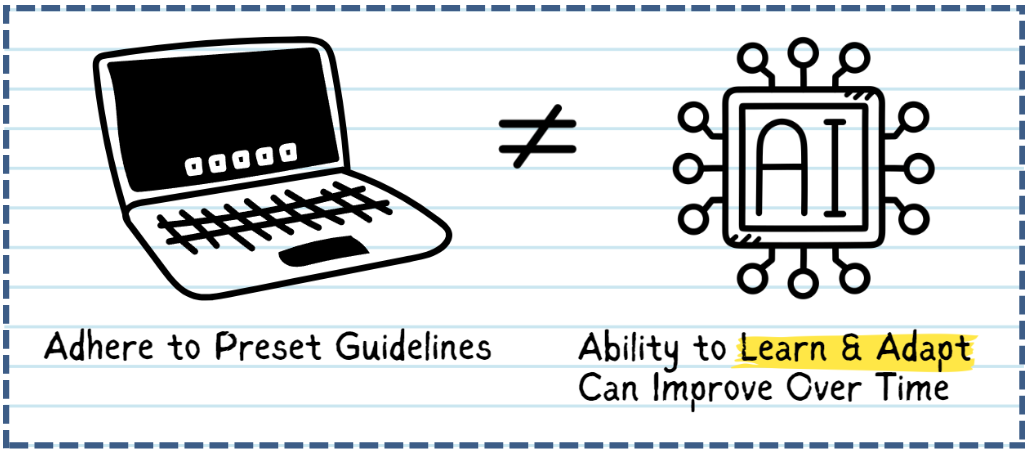
Educators are grappling with the challenge of integrating AI into classrooms, fearing that these systems might replace traditional learning methods rather than enhance them.  This brings us to the question: what barriers prevent educators from implementing artificial intelligence into their curriculum, and how can they be addressed? 

New Year, New Media - January News

New Year, New Media - January News

January ushered in a new year with sweeping disruptions in media, journalism, and public humanities. Technology-driven partnerships, staff cuts, and mergers have redefined the online media landscape kicking-off 2025, calling into question journalism’s position in an age of generative AI. Read the highlights below. 

All the World’s a Stage and the Technology Merely a Player

All the World’s a Stage and the Technology Merely a Player

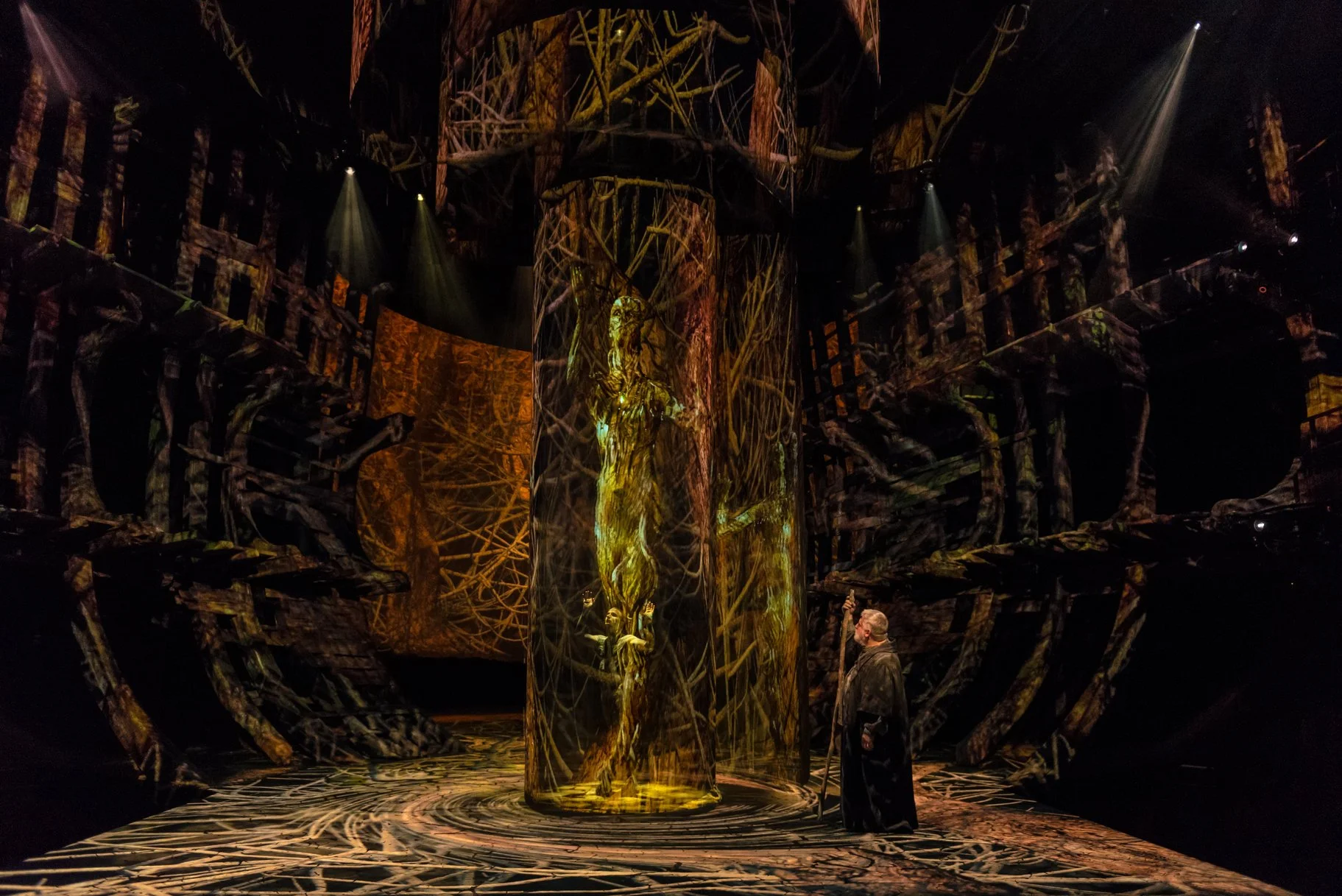
More than 400 years after Shakespeare’s death, his works remain essential to theatre as we know it. Now, emerging technology is changing the way we interact it. From extended reality to artificial intelligence, audiences can now immerse themselves in performances and extract meaning from texts in ways never seen before.

Crafting Grant Narratives - Approaches to Justifying Arts Funding

Crafting Grant Narratives - Approaches to Justifying Arts Funding

The grant narrative has become one of the most high-stakes tools of communication in the nonprofit fundraising space, driving more than $150 billion in global expenditures. As grant writers adapt their appeals in response to changing funder values, this narrative network gives shape to the nonprofit ecosystem in which many arts organizations operate.

Psychological Impacts of VR Experiences and Their Implications for Museums

 Psychological Impacts of VR Experiences and Their Implications for Museums

Exposure to nature can positively influence one’s mental well-being. As VR technology seeks to recreate elements of life, its developers and prospective adopters must keep asking one very important question: how deeply can VR impact us? And, what might the implications be for museums?

Your 2024 Favorite Reads

Your 2024 Favorite Reads

It is always fun to take a moment as we close out a year to compare our favorite content to the popularity contest of the web. AI, Sustainability, and Preservation with technology led the charge. Keep reading for the most popular articles and podcasts.

Artificial Intelligence’s Involvement in the Human Creative Process

Artificial Intelligence’s Involvement in the Human Creative Process

As AI continues to integrate into our everyday lives, how does it impact our creativity? Many researchers and scholars agree that the technology may promote significant opportunities in this space. By introducing novel ideas and opportunities to users, it may be most effective as a tool to augment, rather than replace, human creativity.

Exploring Integration of XR in Museums to Enhance Visitor Experience

Exploring Integration of XR in Museums to Enhance Visitor Experience

Many museums have gravitated towards utilizing XR (VR, AR, or other extended reality modes) in numerous ways to enhance visitor experience. While there are successful ways to support visitor experience, it is possible that XR can have negative impacts. This article explores case studies of two museums who have integrated XR into their exhibitions: the Cleveland Museum of Art and Illinois Holocaust Museum, discusses the positive and negative facets of these technologies on visitor experience, and analyzes implications for the arts field.

November News: Tech Innovations in Arts and Culture Markets

November News: Tech Innovations in Arts and Culture Markets

Major breakthroughs in the markets for art, books, and fashion arrive perfectly timed for the holiday season. Tech innovations demonstrate their ability to reshape markets and incentivize commerce across digital economies. From fine art to rare fashion finds, tech is redefining how we navigate digital art and cultural commerce. Read on to learn how you might make your next purchase with the help of artificial intelligence or the blockchain. 

Part II: Game IP: From Console to Screen

Part II: Game IP: From Console to Screen

As the video game industry continues to grow, Hollywood studios are capitalizing on this intellectual property (IP) success through film and television adaptations. Students from Heinz College’s Master of Entertainment Industry Management program sought to better understand the current market for these adaptations. In Part II, see what film and video game executives consider to make an adaptation successful. Additionally, through a survey of gamers and non-gamers, learn what potential audiences prefer to see.