Digital Colonialism in the Global Sphere

Digital Colonialism in the Global Sphere

Colonialism has consistently been a force in the global purview, including the technological space. In recent years, the expansion of artificial intelligence has vastly increased corporations’ global influence. As the world’s technologies continue to advance and innovate, individuals must keep a watchful eye on the ways in which digital colonialism might repeat harmful practices from the past.

Part I: Playing the Game: The Convergence of Video

Part I: Playing the Game: The Convergence of Video

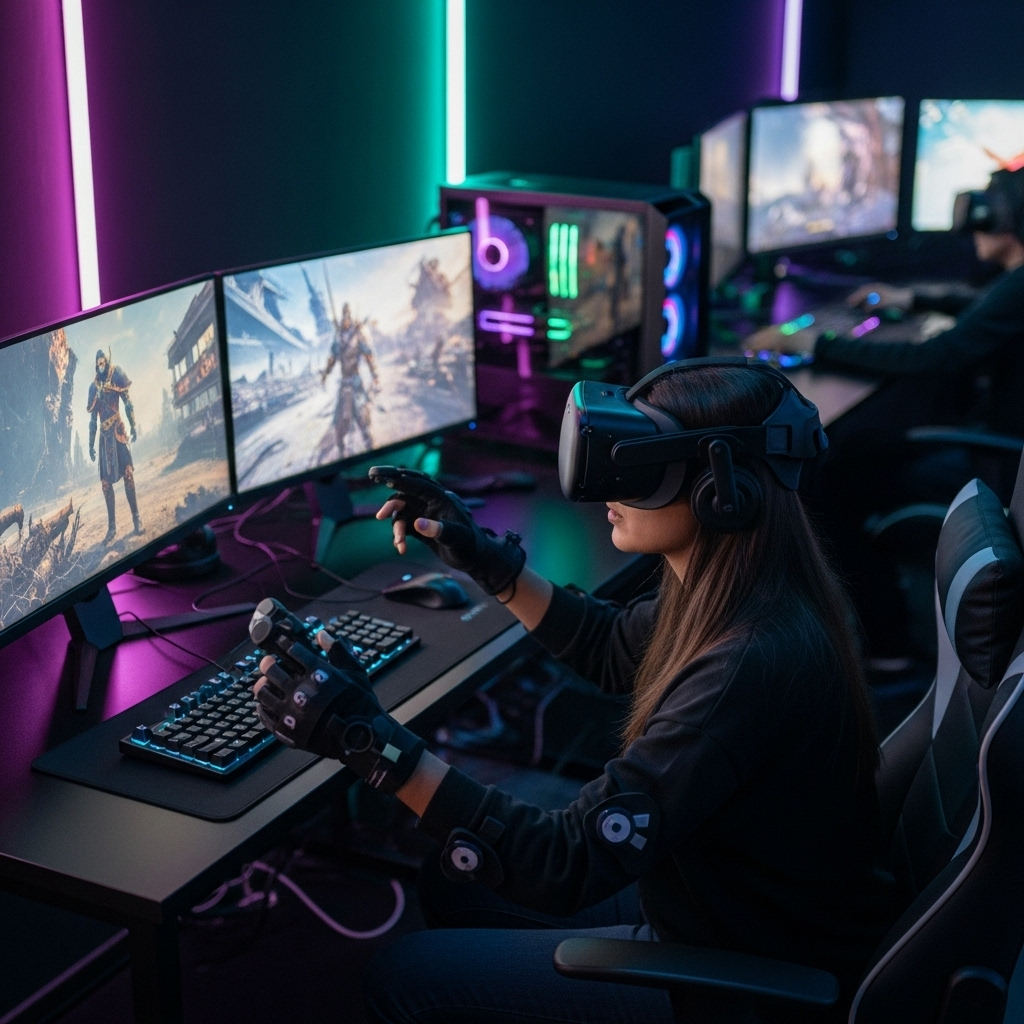
Due to the popularity and booming business of video games, Hollywood studios have capitalized on popular game titles by developing new content based off of their intellectual property (IP). This study sets out to better understand video game IP’s impact on film and television markets and what specific elements might impact an adaptation’s success. 

Future of Museums Summit 2024 Key Takeaways

Future of Museums Summit 2024 Key Takeaways

Sustainability and AI were at the forefront this year at the American Alliance of Museums (AAM) Future of Museums Summit. What role will museums play in creating climate-friendly communities? And how can AI be used to maximize efficiency, increase accessibility, and deepen engagement? Read key conference takeaways from Xueer Ho and Dr. Brett Ashley Crawford.

Data Cultures Part II: Breaking Free from the Cycle of Disempowerment

Data Cultures Part II: Breaking Free from the Cycle of Disempowerment

An overemphasis on data-driven work within the nonprofit sector has been shown to result in cycles of disempowerment, driven by third-party data demands of funding bodies. This compounds due to the many market orientations nonprofits need to adopt, particularly prevalent among the arts. A key to navigating these markets and funder requirements lies in identifying a specific data culture best fit for your organization and investing in resources and training in order to achieve that framework sustainably.

Envisioning the Future of Museum Accessibility Through Artificial Intelligence

Envisioning the Future of Museum Accessibility Through Artificial Intelligence

With AI’s ability to automatically produce content and process complicated datasets with high accuracy, museums worldwide are exploring ways in which this innovative technology can help them better achieve their missions and advance accessibility efforts. Through case studies, learn about three applications of this technology: content digitalization, language accessibility, and visual description.

October News: New Policies and Possibilities for AI

October News: New Policies and Possibilities for AI

October was filled with new debates on AI policies, a halt to one of the most significant AI safety bills in the United States, and a host of new AI developments in video, music, and even podcasts.

Data Cultures Part I: The Many Markets of Arts Organizations

Data Cultures Part I: The Many Markets of Arts Organizations

Arts and cultural nonprofits often operate in multiple markets for earned and contributed revenue. With increasing attention on data-driven decision making, effective market orientation often depends on effective data use. This fundamental collection, transmission, use, and interpretation of data within an organization collectively contributes to what can be considered an organization’s data culture.

Democracy on Display: The Dynamic Role of Art Museums in Elections

Democracy on Display: The Dynamic Role of Art Museums in Elections

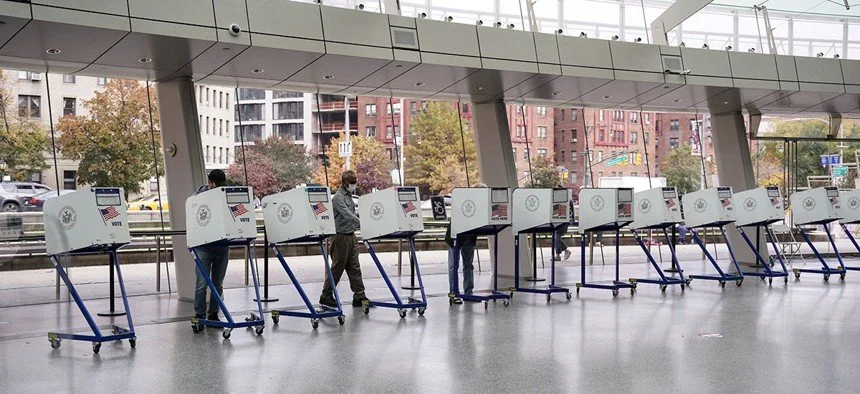
Museums have increasingly begun to volunteer their spaces as polling places, acting as a democratic vehicle for their communities and adding to the greater fabric of America’s election infrastructure. In doing so, they can support local democratic processes and prove to their communities that they are not unbreachable temples for the elite, but open platforms for the people.

Part II: Stakeholder Interests in the Future of AI and Entertainment

Part II: Stakeholder Interests in the Future of AI and Entertainment

How will AI-generated content transform the entertainment industry? And what are the impacts on employment, content development, budgets, contracts, legislation, and privacy rights? Part II of this research by Heinz College Master of Entertainment Industry Management students provides an in-depth analysis of survey and interview data from entertainment lawyers, educators, and other industry professionals.

Part I: A New Era of AI in the Entertainment Industry

Part I: A New Era of AI in the Entertainment Industry

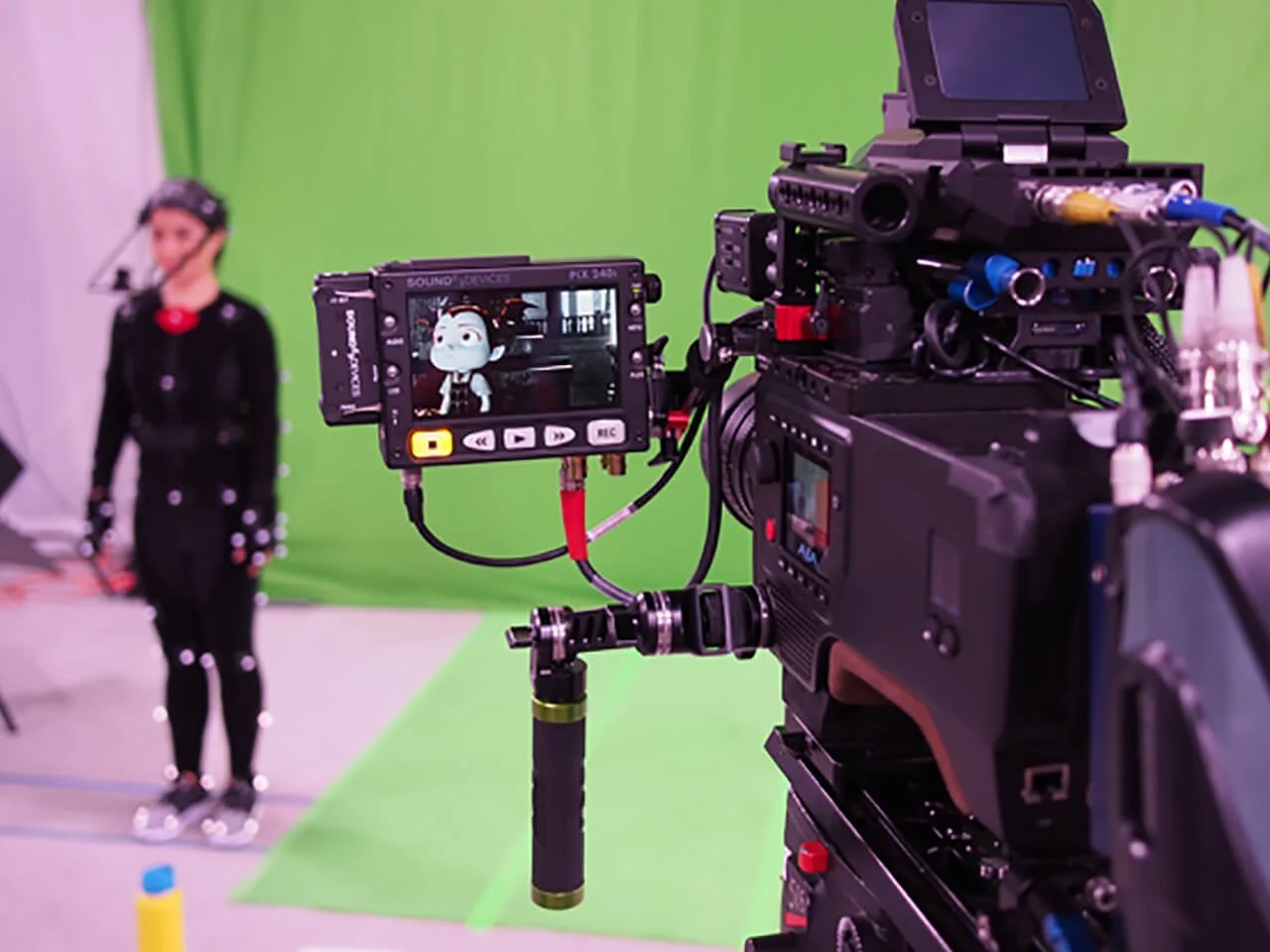
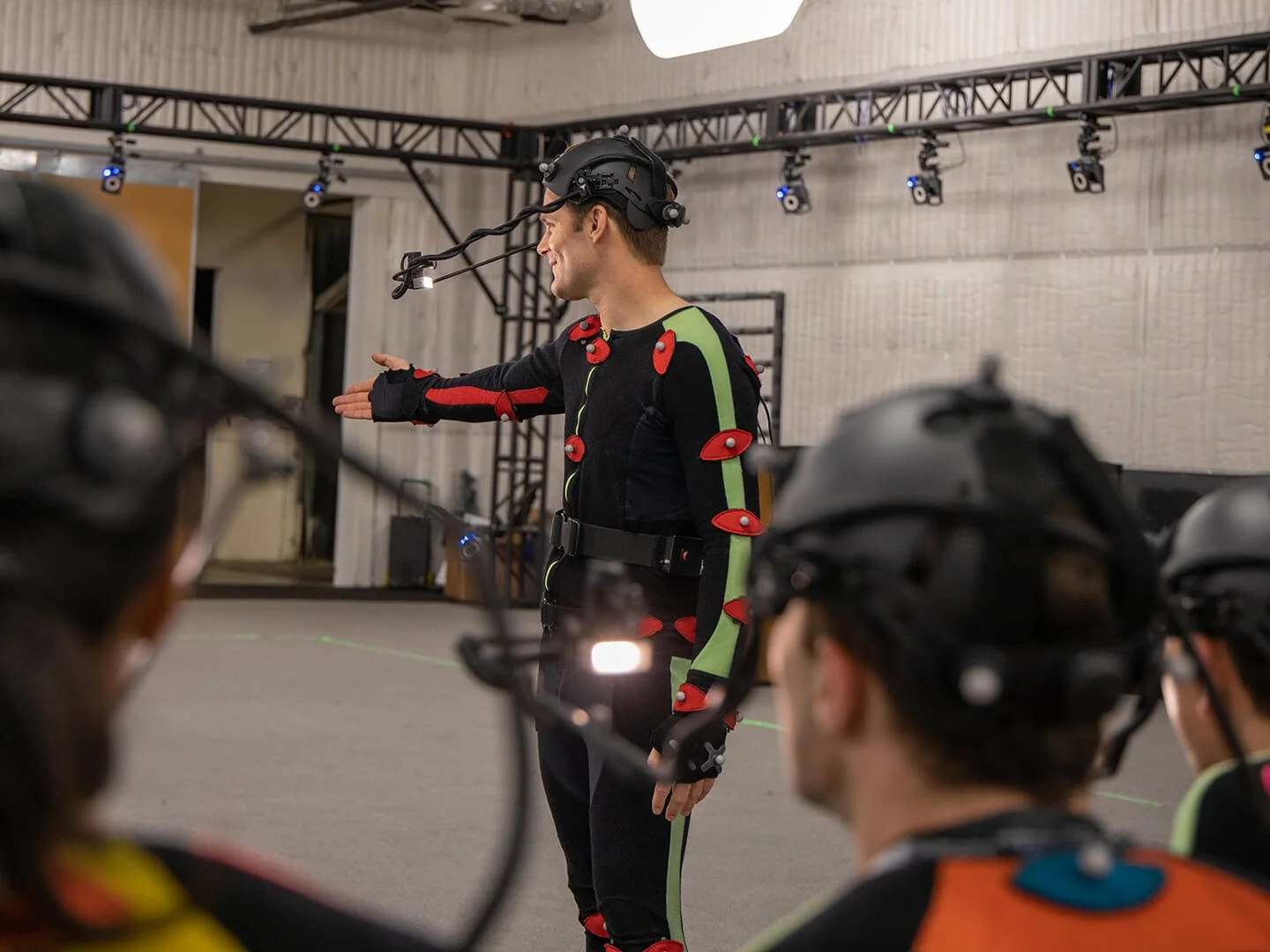
As exemplified by the Hollywood strikes of 2023, we find ourselves in a new era of Artificial  Intelligence in film and television. While studios are looking to cut costs, performers seek job security, and consumers seek quality content. Through research conducted in collaboration with facial motion capture technology provider Faceware Technologies Inc., Master of Entertainment Industry Management students at Carnegie Mellon sought to gain insight on how AI-generated content will transform existing industries, including how this technology could affect employment in the entertainment industry, content development,  budgets, contracts, legislation, and privacy rights.

September News: Next Gen AI to Social Media Courtroom Drama

September News: Next Gen AI to Social Media Courtroom Drama

September’s headlines saw a change in temperature to the arts and tech worlds. Brand new AI programs hit the scene, making strides in multimodal capabilities, problem solving, and even scheming. Court cases and government bans have spelled doom for some social media platforms while giving a significant boost to others. Meanwhile novel methods of engaging with arts in communities are being tested, from state-level prescriptions to turning entire neighborhoods into galleries.

Part Two: Evaluating Neurodiverse Accessibility Offerings and Education Support in Art Museums

Part Two: Evaluating Neurodiverse Accessibility Offerings and Education Support in Art Museums

Art Museums are still falling short of accessibility needs. To better understand how art museums are addressing neurodiverse audiences, an evaluation was conducted of 30 Art Museums in three areas: neurodiverse accessibility offerings, physical accessibility offerings, and educator support and resources.

Part One: Understanding Neurodiverse Accessibility in Art Museums

Part One: Understanding Neurodiverse Accessibility in Art Museums

For art museums, knowledge of and consideration of neurodiversity must be a requirement within the context of accessibility and DEAI efforts. How effectively are art museums actually providing neurodiverse accessibility, if at all? Additionally, what strategies can be implemented to enhance inclusivity for neurodiverse visitors and support educators who aim to bring neurodiverse students into these spaces?

Announcing 2024-2025 Research Themes and Outcomes

Announcing 2024-2025 Research Themes and Outcomes

Whether artificial intelligence, blockchain, extended reality, or other developments, technology is hitting the creative sector from all angles. Regardless of where you sit within your organization, you are likely facing questions on how this emerging technology will impact your work. This year, we will continue to share content that sparks conversation and makes you rethink what is possible. 

Transportation as Community Space: the Case for Public Art at Bus Stops

Transportation as Community Space: the Case for Public Art at Bus Stops

When bus stops are transformed from sterile slabs of concrete to works of site-specific art, they become arteries for cultural expression. This success is critical to the growth and overall health of communities, not just in the United States, but around the world. By connecting residents to their own cities, both literally and creatively, transportation authorities can become active cultural contributors. Could this approach work for Pittsburgh's Wilkinsburg borough?

August News: From Games and Museums to Consumer Protection Policies

August News: From Games and Museums to Consumer Protection Policies

Did you catch this month’s headlines in tech and the arts?  Advancements in technology make new opportunities for creators and consumers alike. Policy to support transparency in device repair and use of AI may help users make informed decisions. Meanwhile, a landmark Google antitrust ruling supports competition in the search engine market.

Consumer Habits and Wants in AR, VR and the Metaverse

Consumer Habits and Wants in AR, VR and the Metaverse

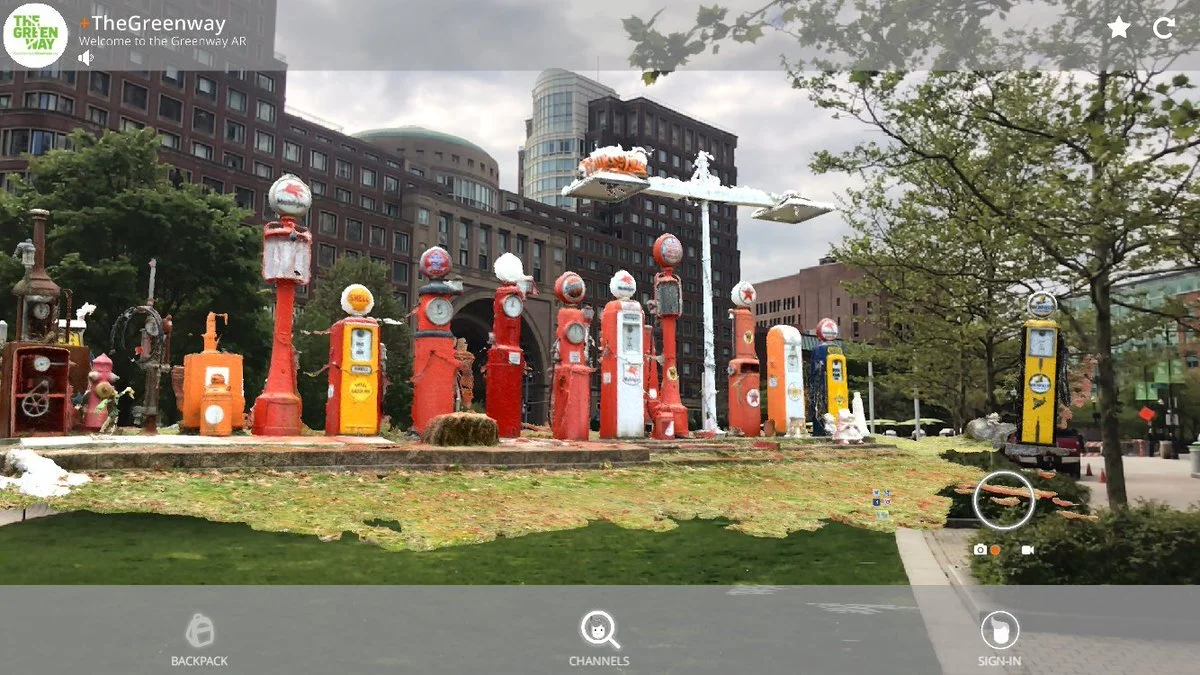
Researchers conducted surveys and industry expert interviews to understand current and future consumer demand for AR, VR and Metaverse entertainment options. The survey indicated that consumers were most interested in using AR and VR to enhance experiences in concerts, educational content, and gaming. Respondents also indicated that they were interested in joining the metaverse to participate in social experiences and to attend live music events. The research unveiled generational differences, emerging opportunities, and trends to follow to best meet consumer demands.

The Potential Market for AR, VR and the Metaverse

The Potential Market for AR, VR and the Metaverse

Even though VR, AR, and the metaverse are already a growing part of the consumer

marketplace, it is still important to define these relatively new technologies since they are not yet

mainstream. VR technology enables users to immerse themselves in and “interact with a

computer-generated environment, a simulation of the real world or an imaginary world” (Akbari

et al, 2022). In contrast, AR technology incorporates digital elements or objects into the real-

world environment in real-time (Akbari et al, 2022). The VR market is expected to generate a

global revenue of $20.8 billion, and the AR market is projected to grow to $31.3 billion by 2027

(Statista, 2022a). The market projections indicate the potential growth and opportunities in these

immersive technologies.

July News: Arts Leaders Face Big Questions on AI and Privacy

July News: Arts Leaders Face Big Questions on AI and Privacy

How can AI and blockchain play a functional role in arts and cultural organizations? At Christie’s 8th Annual Art + Tech Summit, top arts leaders gathered to address this question and more. While companies race to integrate the latest technology, uses may not align with consumer demand or practical need. With eyes on the creative industry’s next steps, companies must consider ethics of the AI tools they implement. For Disney, this resulted in a “hacktivist” cyber attack, leaking more than 1 TB of company data in protest of AI artwork policies. Meanwhile, individuals must take more responsibility in protecting their own data privacy as Google Chrome once again takes back promise to eliminate third-party cookies. Read more about this month’s news below.

Survey Results: Audiences and Generative AI and the Comic Book Industry

Survey Results: Audiences and Generative AI and the Comic Book Industry

Studies focused on the “artistic” aspects of generative AI reveal negative bias, and a preference for human creations. None of these studies, however, account for the multimodality of comic books: text and image. Is a human-written story a mitigating factor for readers? Is it feasible for writers to become “AI comic book artists" or will consumers drive AI imagery out of the market altogether? Given the multitude of information making it difficult to discern how comic book consumers perceive AI imagery, the following provides first-person research by generating an AI comic and conducting a survey on unsuspecting comic book customers.