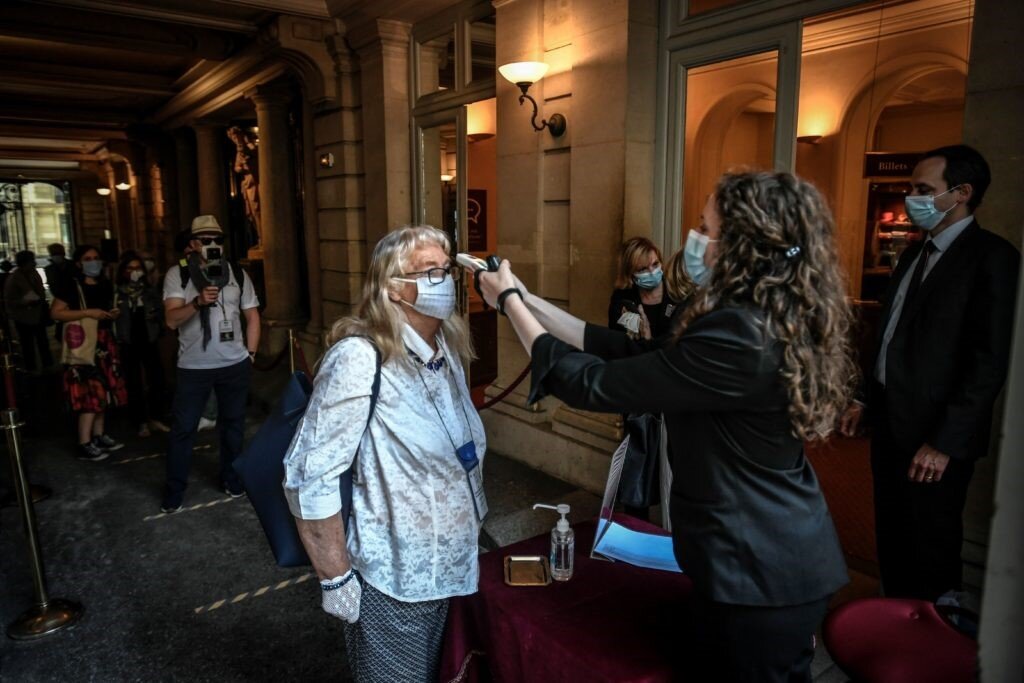
With most major countries outside of the United States going through reopening procedures, social distancing strategies are being implemented to help stagnate or reduce the number of COVID infections. This 3 part series will highlight case studies for the Fine Arts, Theatre, Orchestra, Dance, and Movie Industries, showing measures that have been implemented or recommendations in place for each. Part 1 will focus on the museum space.
The Environment Surrounding Facial Recognition: Do the Benefits Outweigh Security Risks?
In the arts space, there has been varying responses to the potential uses and harms of facial recognition. On the positive end, artists such as Peter Shoukry have embraced how this technology can amplify an audience’s experience through interactivity with a piece. Beyond the creation of art, facial recognition has been used to aid in research. Yet, despite these projects that embrace facial recognition technology, there has been recognizable consumer backlash due to privacy worries.
Technology in the K-12 Art Room; Why, Where, and How to Make It Happen
Planning Our Equitable Digital Future
2020 has been and will continue to be notable for all but especially artists and arts institutions. Globally we are facing the uncomfortable realities of a pandemic that has brought the arts industries to their knees, economically, particularly the performing arts. Demands for racial and social justice come with a reckoning for many arts institutions — for their own participation in the industrial model that creates inequity in hiring, programming, training, even foundation giving.
As a researcher, artist, academic and former managing director, I hope that 2020 is a year that will offering us, as an industry, a pause to rethink how to do our artistic work in more equitable, inclusive and relevant ways. To create clarity as we re-think institutional systems , it is important to turn to data about our own institutions as well as our audiences in order to become the relevant and vibrant institutions that all communities deserve. In this short article, I will connect information from the recent national survey by LaPlaca Cohen and Slover Linett, “Culture and Community in a Time of Crisis” and emerging best business practices heralded by McKinsey and Co. and other thought leaders in the business field.
Using a Crisis to Lean-In with Diversity & Inclusion
In the light of protests surrounding racial inequality and systematic racism stretching across varying U.S. industries, this lack of representation has been noted among the staff of art institutions as well. The hiring of diverse staff in the arts industry historically does not represent the breakdown of the average American audience, particularly in high-ranking roles.
Young, Diverse, and Loyal: Engaging a New Audience
Many institutions are rethinking their approach to diversity in the light of renewed protests in support of the Black Lives Matter movement. Theatre companies throughout the nation are a part of this wave, rethinking everything from season planning to staff structure. Yet one of the largest issues at hand is the lack of diversity in audiences. Theatre audiences are dwindling, and those audience members that remain tend to fall into a very narrow set of demographics: usually older, white, and affluent. Theatre companies will have to reach out to new groups If they want to continue working and thriving well into the future.
So Why is there an “A” in STEAM?
In the early 2000s, the state of science, technology, engineering, and math education troubled policy makers in the United States. Together, these four subjects became known as STEM. In more recent years there has been a shift to add arts into this focus, making the acronym now STEAM (science, technology, engineering, arts, math). However, there isn’t a clear outline or framework of what exactly a STEAM education is, or how schools and classrooms are supposed to be implementing this learning. Even among the academic articles about STEAM, there is disagreement about STEAM, its definition and implementation.
Translating Events, Exhibitions, and Experiences into Digital Products
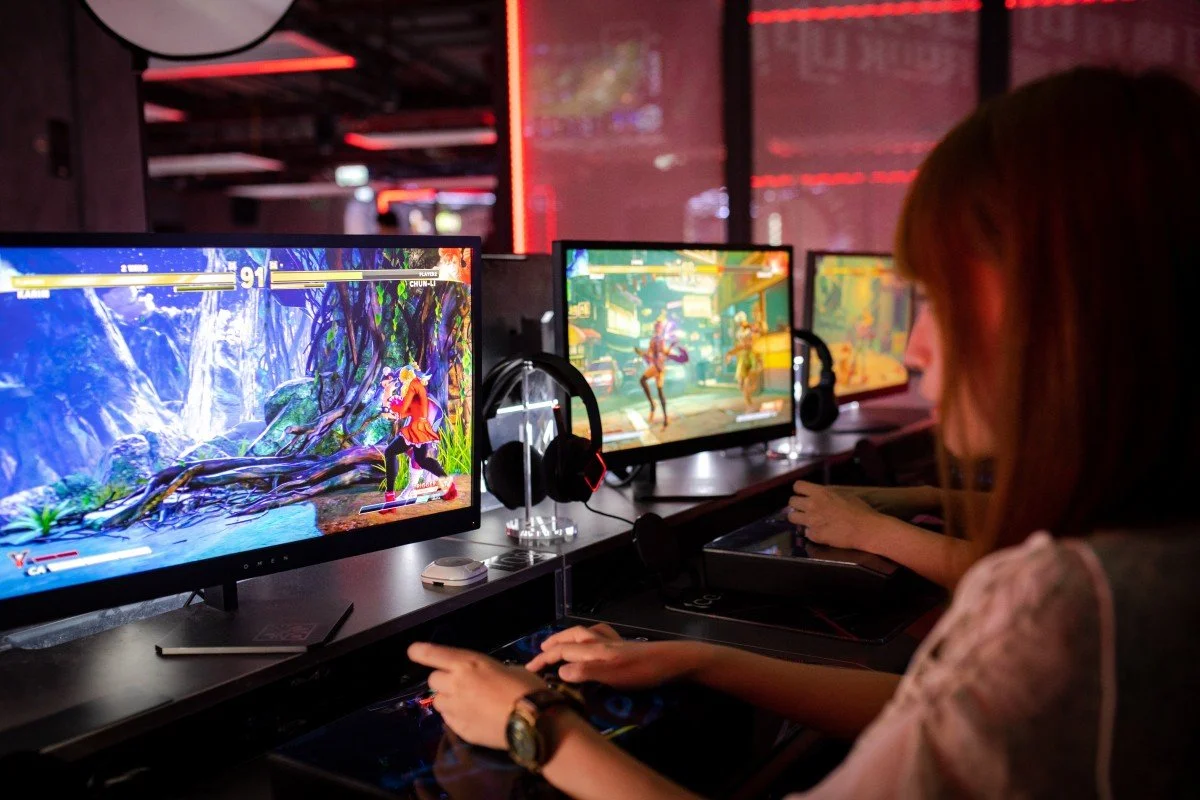
With the first two quarters of 2020 seeing visual arts spaces losing between 31-73% of revenue and 15-74% of full-time/contracted employees, various audiences, from artists to consumers have been turning to digital platforms to engage in cultural or entertainment offerings (Art Dealers Association of America). The range of these technological platforms and applications have been vast, with many interesting case studies to focus on. In this article, we will be focusing on how visual artists have used social media, video games, and other digital applications to capture audiences that they otherwise would not be able to access without technological means.
5G Adoption at Your Arts Organization: Benefits and Considerations
The pandemic has advanced the discussion for a faster expansion of 5G, a new generation of the wireless network that is believed to revolutionize industries and facilitate the new remote work environment. What can the art world expect to gain from adopting this new generation of wireless network and how can it be most efficiently utilized to support the goals of each individual and organization? This research examines the potential implications and caveats of 5G adoption in the arts and cultural industry.
Considerations for Gamifying Education
Educators who are interested in implementing gamification into their lessons should consider their goal and learning style of their students. This article details three important factors to consider when planning a gamified learning experience: motivation, generational differences, and design. The article also includes examples of applications that use gamification in music learning that can be applied by arts managers.
Decentralized Patronage: Incentivizing Ethical and Effective Philanthropy of Crypto-Assets
Cryptocurrencies conjure up a variety of images. To some, they are shadowy currencies, born of vice and crawling out of the corners of the dark web to sew anarchy into the traditional financial system. To others, they are harbingers of a new wave of financial tools better suited to the digital age. This report analyzes the pathways, promises, and potential problems of crypto-assets within fundraising.
Build Interactivity into Public Art: Technology Interventions
One key element that differs public art from art produced for display in museums and galleries is that public art is often site-specific. It is critical to make public art more reflective of the place and community in which it resides through interactive and participatory approaches. How can technology contribute to the systems and interventions designed to drive public engagement?
Supporting Equity in Tech and the Arts
As our country comes face to face with its long-lasting racial and social injustices, it is important to consider how long term, institutional change can be made. The arts and technology sectors have the responsibility of providing equal access. We at AMT Lab are committed to doing better. We value knowledge and research and their power to create change.
Digital Network Strategies for Nonprofits
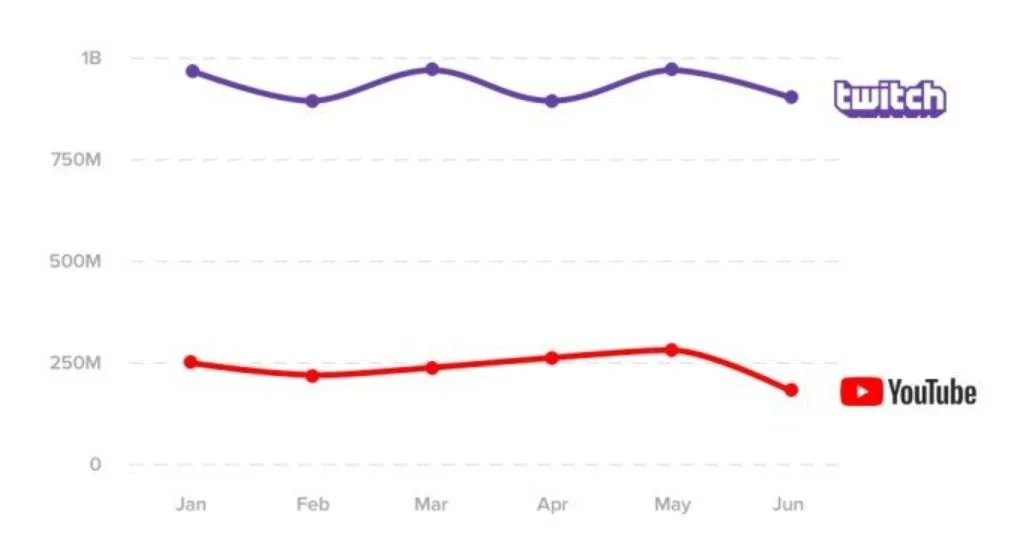
This article will look at three companies, an established ‘big fish’ company, a late entrant to the market, and a ‘blue ocean’ company. Blue Ocean refers to the idea that a new marketplace with untapped potential can exist between two common marketplaces and one can create their own supply and demand. The companies this article will look at are; Twitch.tv, Mixer.tv, and Voxpop Games.
The Present & Future of Arts Organizations, Technology, and the Pandemic
As arts managers, we try to keep up with technology changes and upgrades. Adopting technology to support a mission and vision is critical, whether it is to serve an audience directly or make a workspace more efficient. Yet, even when the best strategies are put into place, life derails us, and even the strongest organizations are put to the test.
Why More Arts Organizations Need Privacy Policies
As the need for website privacy policies grows, how are arts organizations keeping up? From a sample of 100 nonprofit arts organizations across the United States, this article evaluates how many organizations have accessible privacy policies on their website and why that number should be higher—both to show their dedication to protecting patrons’ personal data privacy and to keep up with changing policy requirements.
Building Interactivity into Public Art
Do you think that interactivity can improve an audience’s relationship with public art? One key element that differs public art from art produced for display in museums and galleries is that public art is often site-specific, meaning it is created in response to the place and community in which it resides. Therefore, creating public art needs a certain level of customization to the physical local environment.
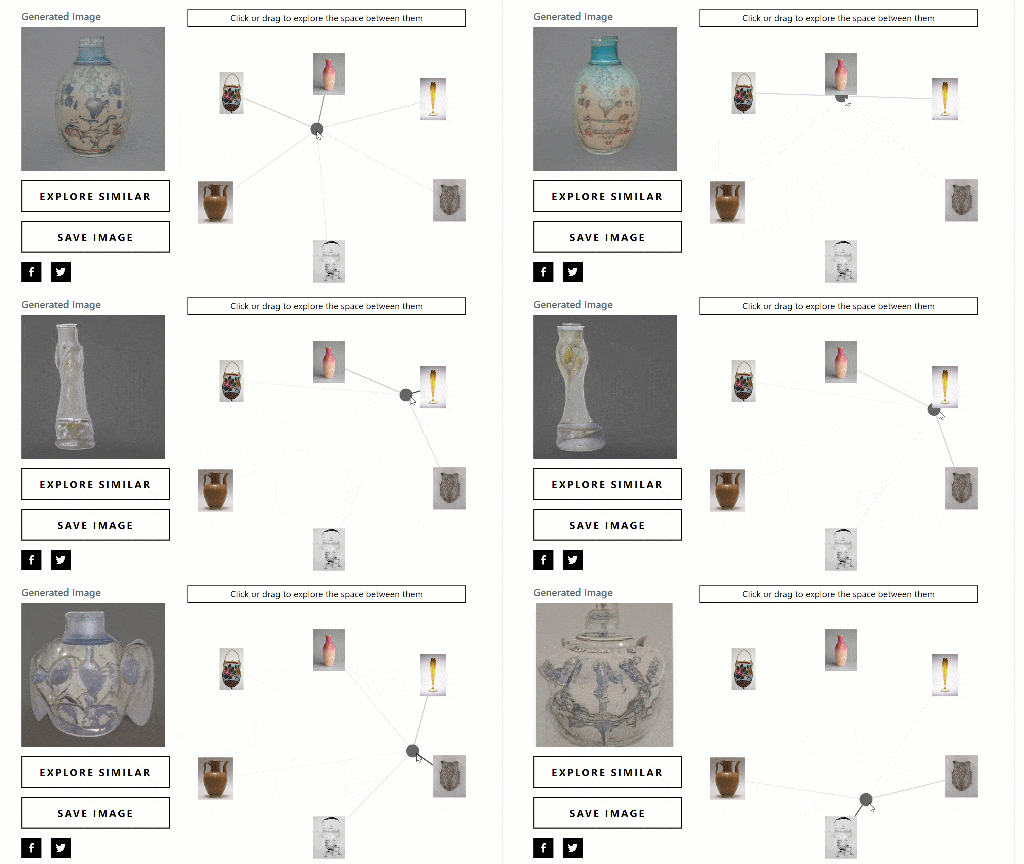
AI-assisted and AI-powered Art: Different Challenges for Digital Preservation
Artists are among the many professions that are embracing artificial intelligence. AI is beginning to undertake tedious repetitive work, without replacing human’s creativity. Recently, the art market has displayed an interest in purchasing AI art. Christies sold Edmond de Belamy, an algorithm-generated painting, and Sotheby’s sold Memories of Passersby I, an AI video installation, at $432,500 and $51,012, respectively. With a rapidly increasing variety of AI art being created and transacted, the need to preserve such art in differentiated ways is emerging.
A general look on Artificial Intelligence used in Museum Audience Engagement
Recently, museums are utilizing Artificial Intelligence Technology to engage audiences and personalize visitor experiences. Before doing any further research, it is important to understand what the AI technologies are that are used for audience engagement. How are they implemented into museums? And are there any challenges or problems?
Twitch: Fundraising Platform and Streaming Service
Whether you have heard of the social gaming platform called Twitch or not, it is definitely something to keep on your radar for potential uses for fundraising and audience engagement. Founded in 2011, Twitch began its business focusing on video gaming, however in 2015 it added a creative channel where “streamers” could specify their artistic content. Recently, Twitch has been highlighted as a premiere location for raising significant funds from dedicated fans who are moved by a cause. In fact, last year Twitch raised $75 million for 100 different charities. With the advent of creative content streams, it seems unusual that the nonprofit arts sector is not engaging with current and future audiences and donors on the site.