Arts managers in the 21st century must go further than producing work that engages their audience. They must carefully strategize and monitor the platforms through which their audience is engaging. The San Francisco Opera’s "Tweet Seats" program is a prime of example of an arts organization not only encouraging discussion, but successfully managing the discussion around their work.
News Roundup: New Possibilities In 3D
AMT-Lab contributors are always looking at all sorts of new technologies in the world of 3D. With the increasing popularity of technologies such as 3D printing, the possibilities continue to emerge. These new technologies and their uses in the art world keep us interested in how the intersection of art and technology impact our world.
Supporting Multi-Touch Functions
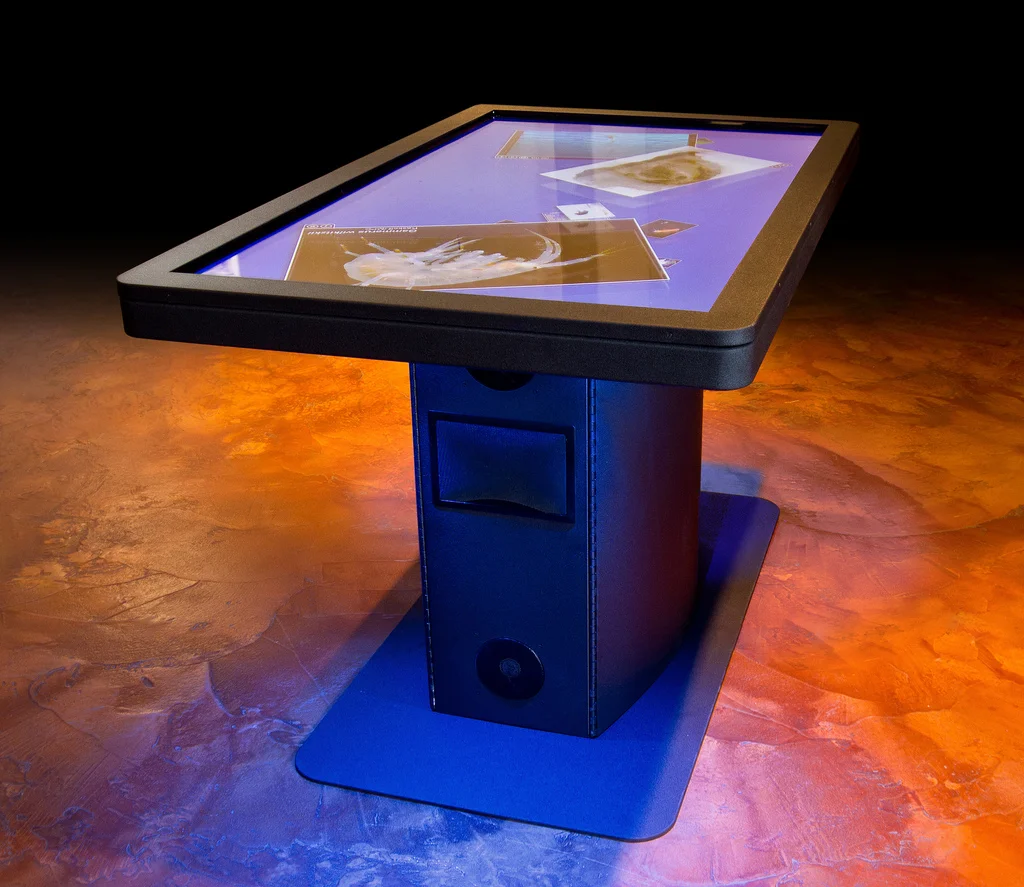
Multi-touch technology may be easy to use, but how it works is far more complex. While several technologies support multi-touch functions, museums may find that certain ones suit an exhibition’s needs better than others. Choosing the right multi-touch platform is the first step in creating an interactive and personal experience for visitors.
How Can Google Analytics Help Your Arts Organization Increase Your Audience?
Many arts organizations are constantly struggling to both bring in new patrons as well as maintain engagement among their existing base. Unfortunately, research shows that this hurdle is not going to disappear anytime soon due to a number of factors, as arts attendance has been on a steady decline in recent decades. Fortunately, Google Analytics gives arts managers the power to answer questions about their current audience demographics based on website traffic in order to both understand demographic trends and how best to target new audiences.
Are Subscriptions Dead?
For years we have heard about the decline of subscription sales and revenue across the arts. TCG’s Theatre Facts 2014, for example, showed how “both single ticket and subscription sales were at a 5-year low in 2014.” Subscriptions specifically declined by 6%. However, according to a new study commissioned by the League of American Orchestras and conducted by the Oliver Wyman consulting firm, perhaps the issue is not subscriptions themselves, but the manner in which we have traditionally packaged and sold them.
Utilizing Data Through Search Engine Optimization
Is your arts organization maximizing it’s potential for earned income? You may be missing out on a huge opportunity for revenue generated by your website and social media if you are not closely monitoring your position in online search results. For arts organizations in the 21st century, maximizing the return on investment of digital campaigns is not a matter of creating the best website, but in mastering the art of search engine optimization (SEO).
News Roundup: How Digital Distribution is Changing Forms
Every week, AMT-Lab contributors share articles on interesting news at the intersection of technology and arts management. Recently, this practice has generated lots of articles dealing with the distribution of art online. Using the Internet as the platform, museums and artists are spreading their work worldwide.
An Introduction to RFID Technology
Radio Frequency identification technology (RFID) is nothing new, and many museums are already using it for inventory and security of their pieces. If organizations already have the technology, there are boundless opportunities as to how they can use it to increase efficiency and enhance the visitor’s experience. But how does this new technology work?
Arts Education in MOOCs
Big Data, Big Jobs
Data workers are the new must-have for a company. McKinsey Global Institute predicts that in the next three years, there will be a need for 1.5 million data analysts and managers. The Bureau of Labor Statistics lists these careers as one of the fastest growing occupations in all sectors. So from a data analyst to a business analyst to an application analyst to a data scientist, who is who? And with overlapping skills, how can a nonprofit arts organization figure out the difference?
21st Century Lessons from Capacity Interactive's Digital Marketing Bootcamp
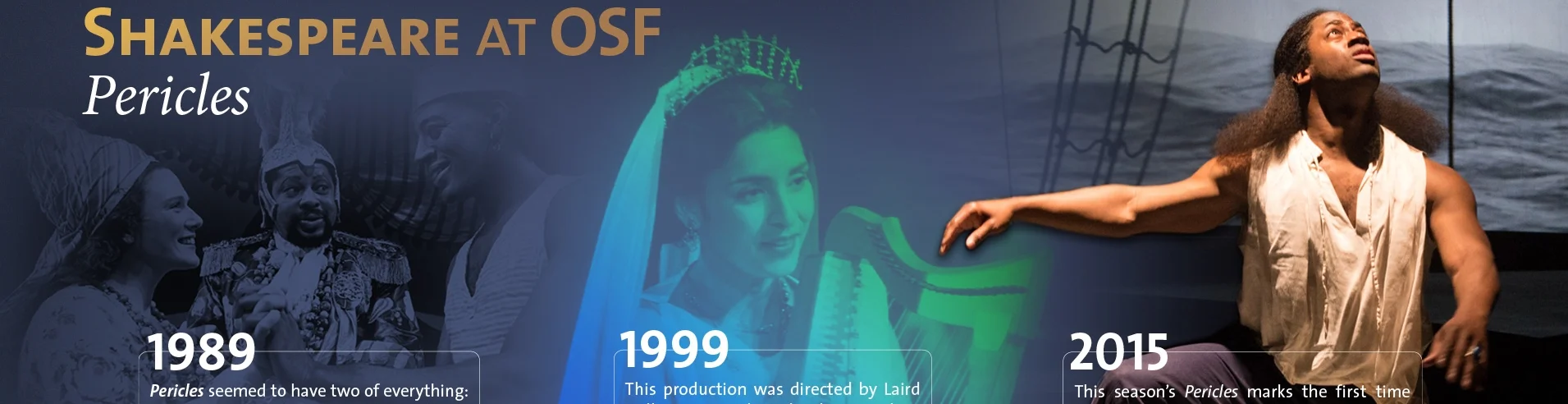
Guest Correspondent Randolph Jones of the Oregon Shakespeare Festival attended Capacity Interactive's 2015 Digital Marketing and left elated and hopeful. The conference focused on the intersection of technology, marketing, and the arts and featured presenters from across the sector. To learn more about what these presenters had to say, and to see what insight Jones draws himself, read the full article here.
Why Your Arts Organization Should Use Google Analytics
Arts organizations today face a host of challenges, ranging from traditional issues like budgetary constraints and limited staff to more recent concerns, such as shifting patron demographics and increased market disruption caused by the social media frenzy. How can Google Analytics solve these problems, and more? Read Kathleen Grennan's guide here.
What Motivates YOUR Audience?
Earlier this year the NEA expanded its analysis of the 2012 Survey of Public Participation in the field to better understand the drivers behind various types of participation, from attendance to art-making. This study, entitled "When the Going Gets Tough," not only provides insight into what barriers affect different types of audiences, but also reveals that there is a significant core group of "interested non-attendees."
Operatic Analytics
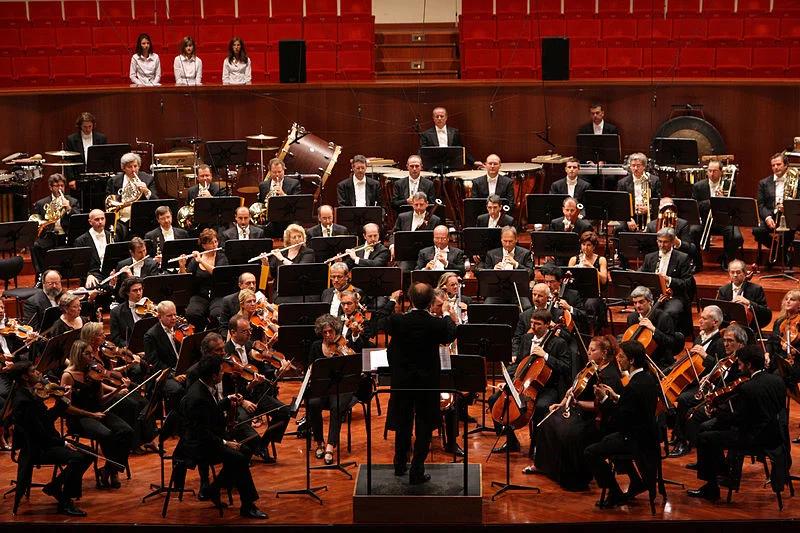
It is easy to see the ways that the production and consumption of opera have changed to match the needs of the 21st century consumer. However, it is difficult to identify similar changes reflected in the way that opera is managed. Opera companies have altered the product they are offering, but have they come up with new metrics to measure and manage their success?
What Leaders Should be Measuring: Six New Metrics from TRG Arts
Between CRM systems, social media management, and Google Analytics, arts organizations today have access to more data than ever before. Indeed, this unprecedented access has allowed for arts leaders to measure their performance more accurately and holistically than in the past. But in this ever expanding sea of data, how does an arts leader decide what information is the most important to focus on extrapolating trends on?
Intro to Beacons for Arts Managers
Connecting the real and digital worlds, beacons will prove to be excellent pieces not only for marketing and general propaganda about your specific location, but as informational tools in your local museum or performing arts company. Beacons focus on the consumer, the integral part to any organization regardless of industry. So far, beacons are most common in the retail world, but they can easily be transferable into other industries, like the arts. That’s why you’re here today. Beacons could transform your organization, and I’m here to navigate you through this process in an understandable way.
Multi-Touch Technology and the Museum: An Introduction
Touchscreens have altered the way we interact with our world. From scrolling through our Facebook newsfeed, to picking up tickets at the airport kiosk, we use this technology on a daily basis. Today museums around the world are embracing this tool as a way to promote interactive learning. Multi-touch technology, in particular, can create an interactive and collaborative learning environment. But what exactly is multi-touch technology?
New Publication: Silicon Valley Struggle
In the 21st century, wealth is beginning to concentrate in new fields like technology as opposed to traditional industries. With this in mind, how can arts organizations go about soliciting financial support from this new class of wealthy-elite? This white paper by Jennifer Moreci answers this question by looking at current patterns in philanthropy and specific strategies for engaging donors in Silicon Valley. Read the full report here.
SecondSundaySurvey: Trends in Digital Video Consumption
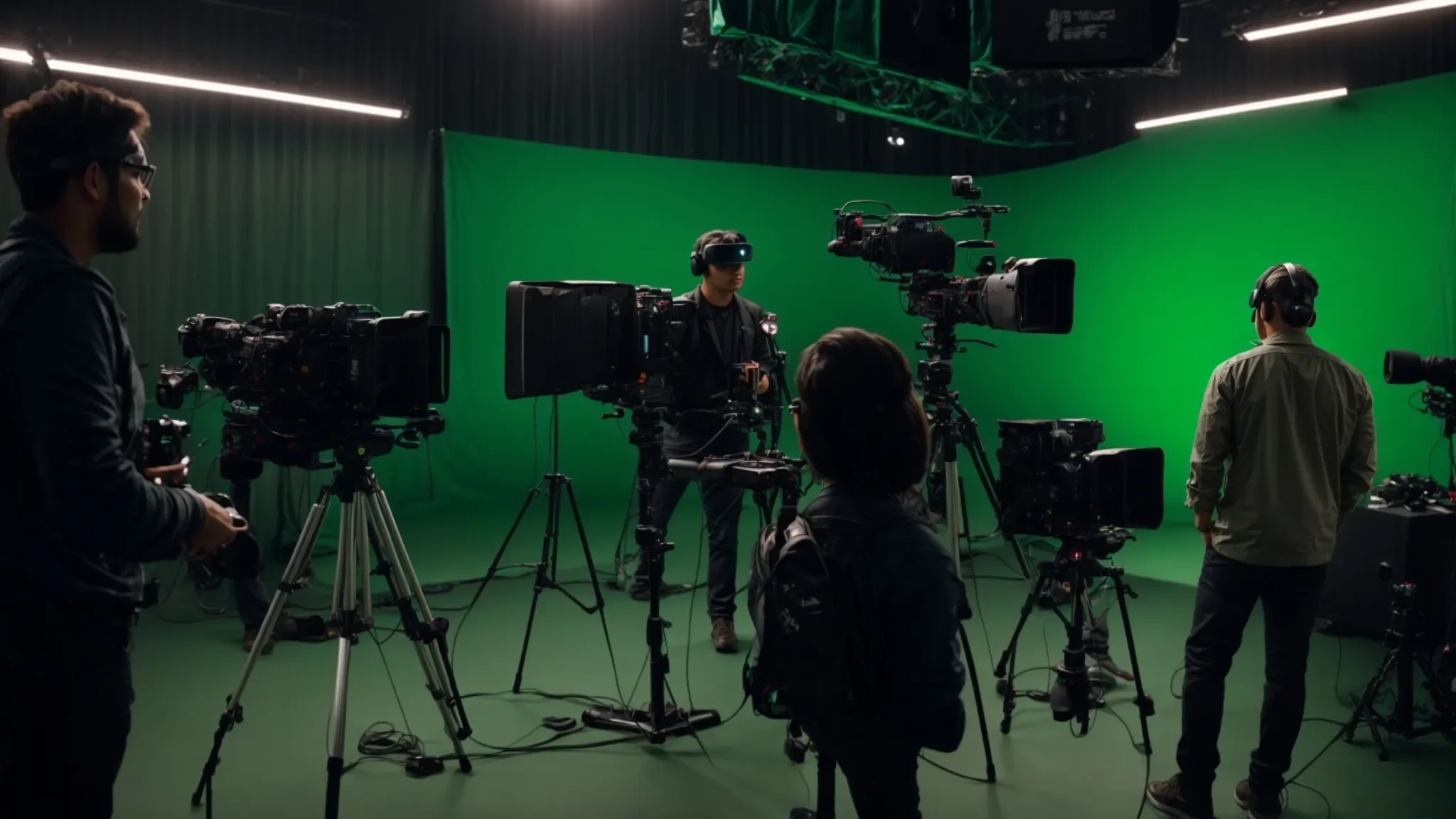
More and more arts organizations are investing in digital video production as a means of engaging audiences who want to know more about arts programming. These audiences connect across a spectrum of devices, so knowing how audiences consume video will help organizations create the best format for engagement. A new survey conducted by Ooyala illuminates these patterns and provides vital insight to the conversation surrounding video distribution.
How Technology Can Support Artistic Collaborations
As technology continues to shrink the world we live in by bridging communities across the globe, collaborations between artists separated by space are becoming more common. In this white paper, AMT Lab contributor Nora Fleury looks at the ways new technologies are influencing this increased collaboration. With a specific focus on team communication applications and cloud-based document sharing systems, this is a useful resource for managers struggling to foster communication between artists separated by geography. Click here for the full report.