



In Part II, this study builds on the industry context established in Part I by shifting from macro-level analysis to audience-centered insights. While Part I identified independent adult animation as a growing global opportunity shaped by evolving production ecosystems and market conditions, Part II examines how these trends translate into audience behavior and engagement. Drawing on survey data from audiences ages 18–35 and interviews with industry professionals, this section explores what viewers are seeking from independent animated films, the factors that drive discovery and theatrical attendance, and the key elements that contribute to commercial and critical success. In doing so, Part II connects broader industry dynamics to actionable insights that inform strategic decision-making for distributors such as NEON.
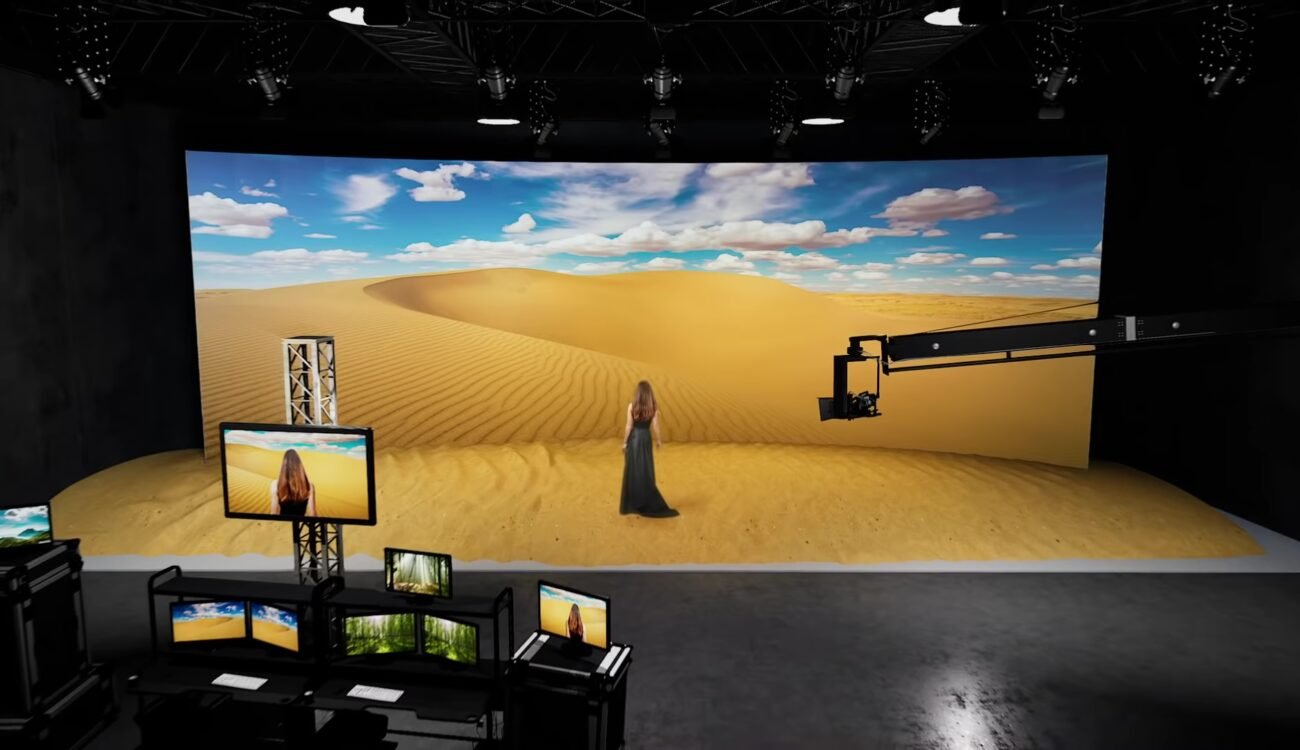
Part Two: The Globalization of Virtual Production in Film and Television - Past, Present and Future
This project delves into the potential expansion in LED volumes, assessing both benefits and challenges. Our findings emphasize the impact of virtual production on labor markets, economic advantages of increased investment in LED screens, and the necessity of integrating virtual production across Sony's various entertainment divisions. Additionally, we highlight the significance of driving technological innovation to solidify Sony's leadership in this evolving landscape. The information revealed in this research, through a conducted survey, will further explore the current state of the virtual production industry and the creative evolution underlying its widespread adoption. For a deeper understanding of virtual production, please see Part I of this research.
How to Diagnose & Fix Your Website
Speak Up: What do you want to see, watch, and listen to on AMT Lab?
What Data Tells Us About The Future of Nonprofit Arts Institutions
Are Subscriptions Dead?
For years we have heard about the decline of subscription sales and revenue across the arts. TCG’s Theatre Facts 2014, for example, showed how “both single ticket and subscription sales were at a 5-year low in 2014.” Subscriptions specifically declined by 6%. However, according to a new study commissioned by the League of American Orchestras and conducted by the Oliver Wyman consulting firm, perhaps the issue is not subscriptions themselves, but the manner in which we have traditionally packaged and sold them.