Fueling the Global Flame: A Look at the Long-Term Sustainability of NFTs

Fueling the Global Flame: A Look at the Long-Term Sustainability of NFTs

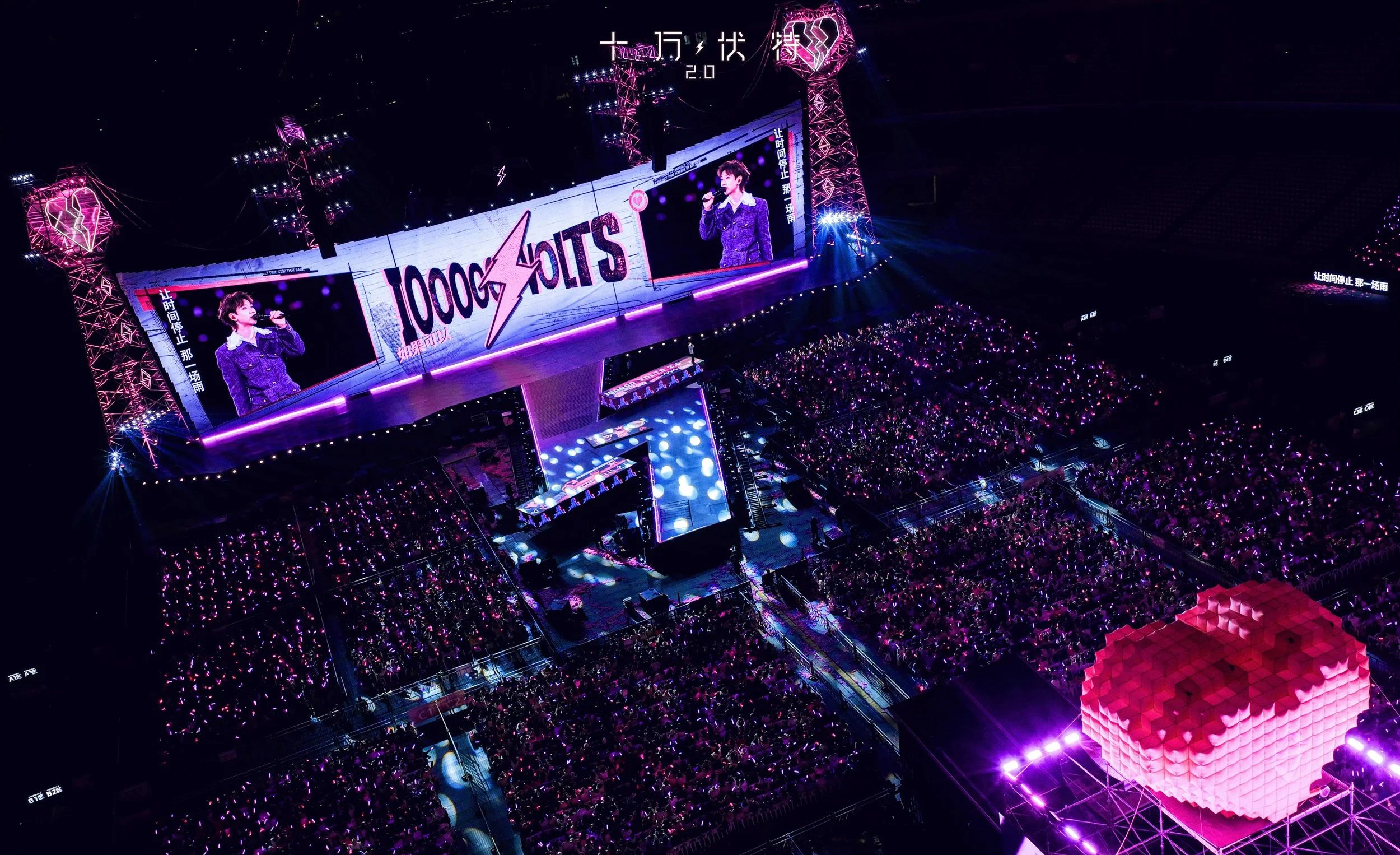
While NFTs took the arts market by storm in the beginning of 2021, with the environmental impact of blockchain technology coming to light, more artists and groups have not only been criticized but have also begun calling out the technology and not participating. Others are calling on more long-term changes, such as renewable resourcing for crypto-mining. How will NFTs fit in long-term in the art world, considering their impact on artists and the environment?

NFTs: A New Age of Digital Art

NFTs: A New Age of Digital Art

In recent months, NFTs have had a large presence on news feeds, especially in artists’ circles. NFTs, or non-fungible tokens, are “digital assets that [represent] real-world objects like art, music, in-game items and videos.” Because of this, they are challenging the traditional ways that people view, buy, and sell artwork. This research will look at how NFTs came to be and what artists and arts administrators should consider when utilizing this technology.

Emerging Trends in Ticketing Technology

Emerging Trends in Ticketing Technology

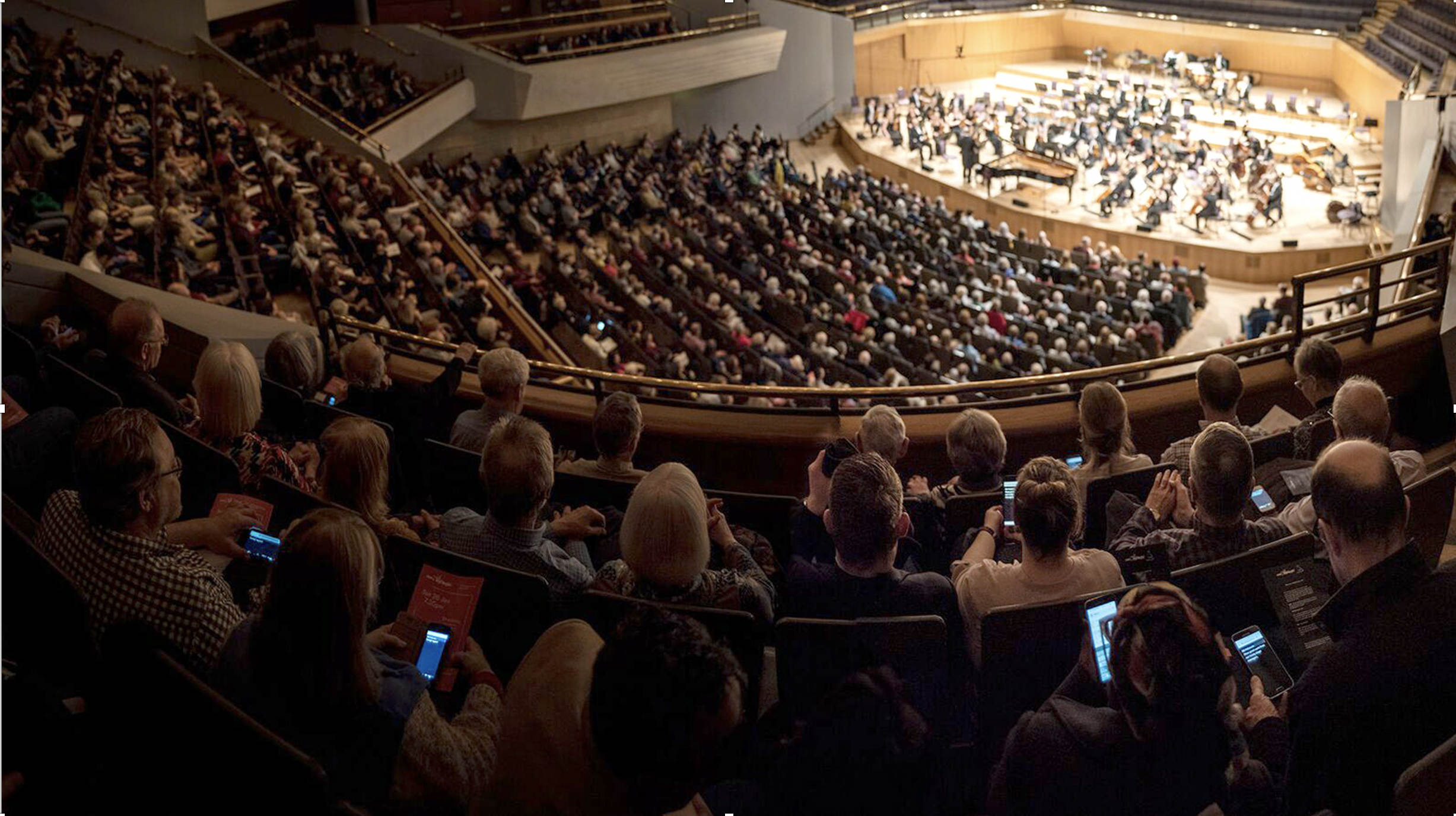
Ticketing has come a long way: from tearing along a perforated line to using RFID technology to wirelessly communicate with an app on a phone to let you into a Broadway musical. While changes to the industry were happening slowly, primarily switching to a paperless and even contactless system, the Covid-19 pandemic accelerated the need for change. What place with these changes have in the return to in-person performances?

Discovering the Second Stage: Orchestras' Digital Adaptation

Discovering the Second Stage: Orchestras' Digital Adaptation

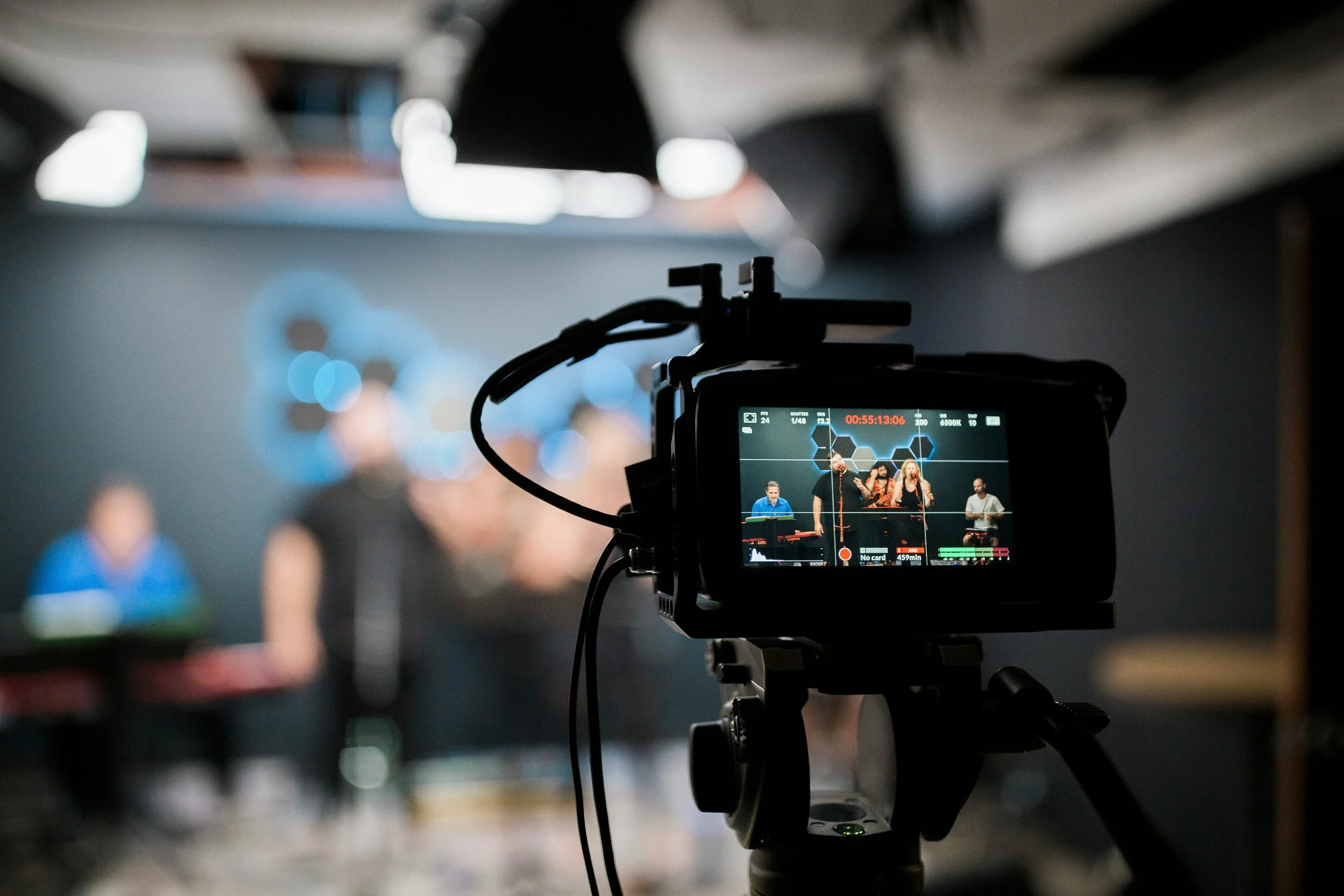
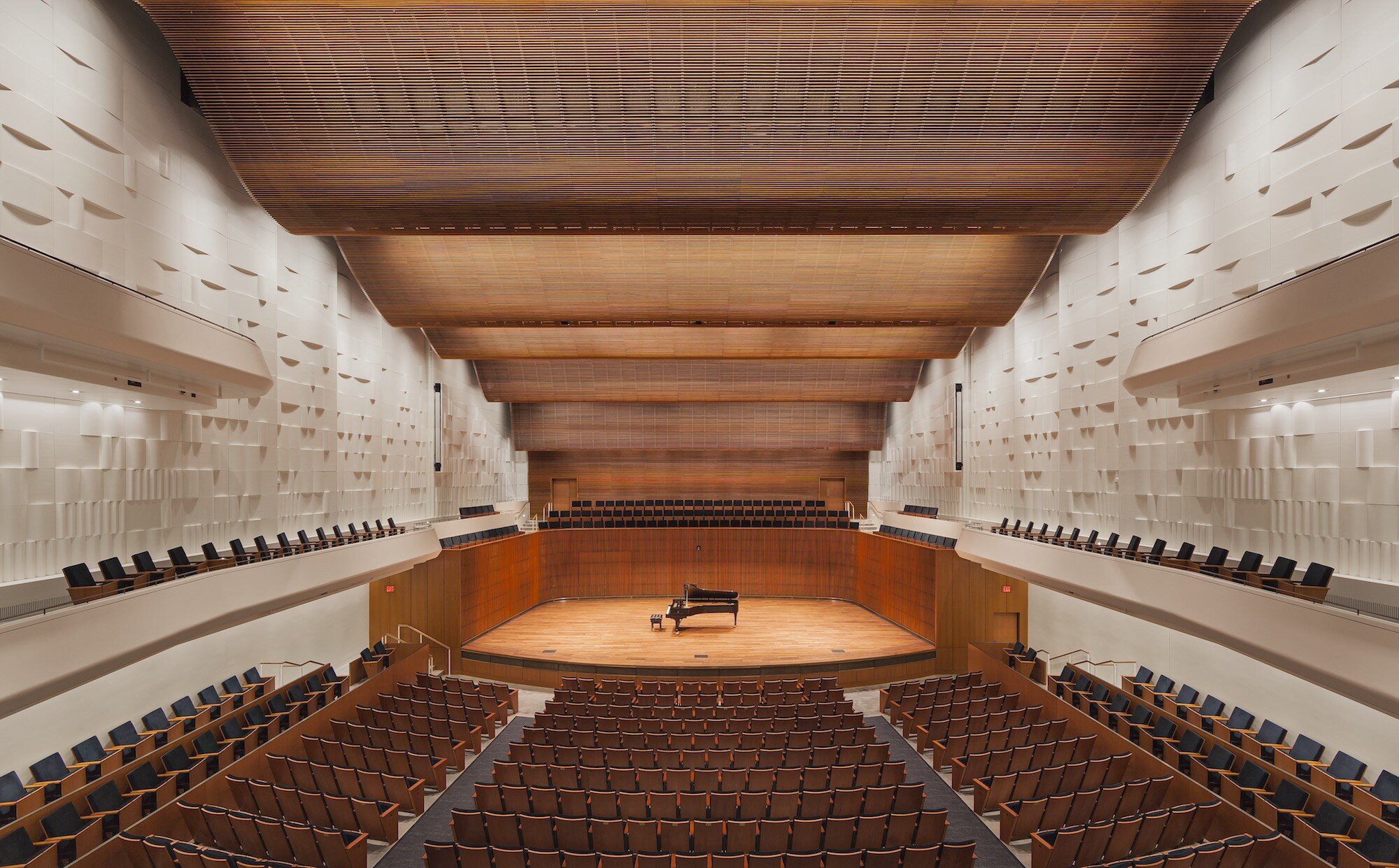
As audiences gradually begin filling halls once again, orchestras are having to ask the question of what’s next for the newfound digital space. Do they take the risk of funneling resources towards streams on the heels of a devastating fiscal year, or divest and potentially sacrifice a newfound means of reaching their communities through increased accessibility? Contributor Cameron Massey looks to established and emerging examples.

Global Pandemic, National Response: A Survey of the Arts, Public Policy, and Technological Adaptation in Ireland

Global Pandemic, National Response: A Survey of the Arts, Public Policy, and Technological Adaptation in Ireland

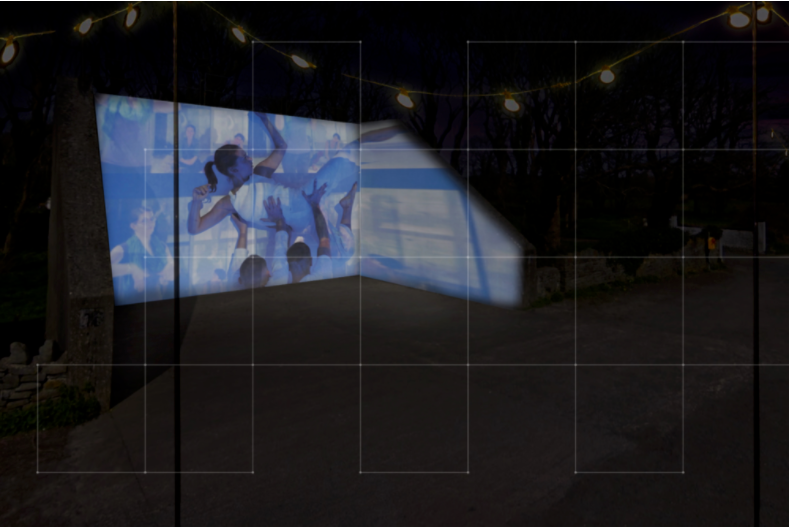
Something can be gained from examining the response of other nations and their arts and cultural sectors to the pandemic. Through this examination, lessons might be learned about how to continue the response in a time of unprecedented change. Within the past year and a half, many of Ireland’s arts organizations have found ways to create works that integrate emerging technology and also explore Irish identity. This research looks at some of those innovations and the public policies that supported them.

Arts Vibrancy and Digital Access: Part 2

Arts Vibrancy and Digital Access: Part 2

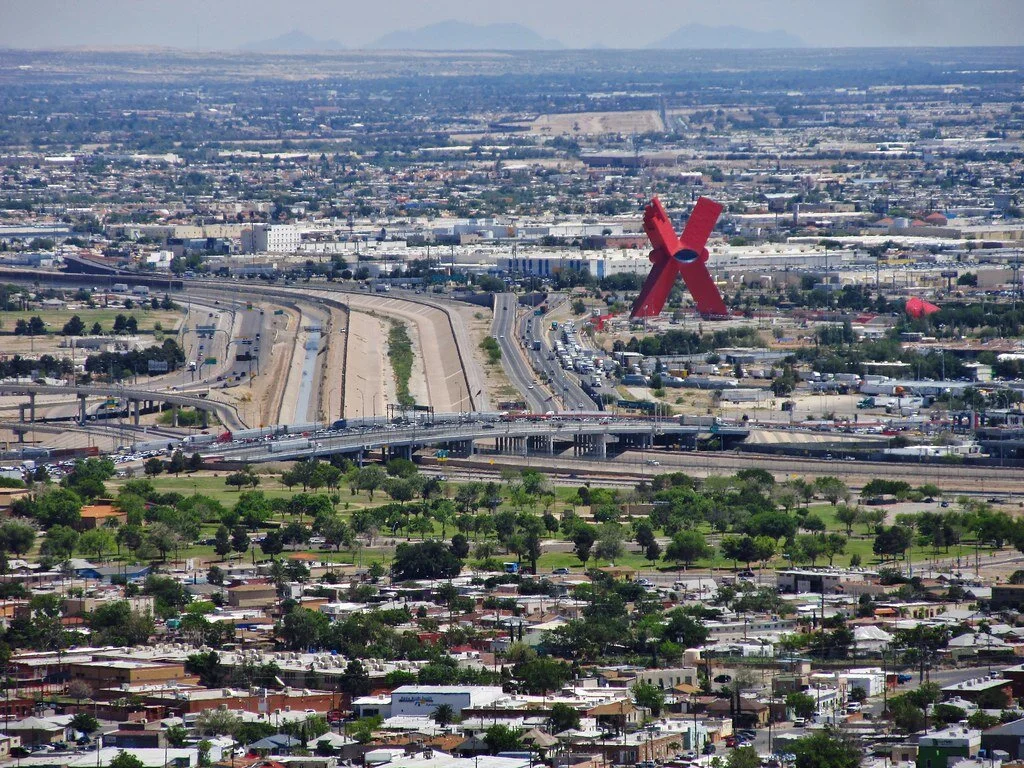
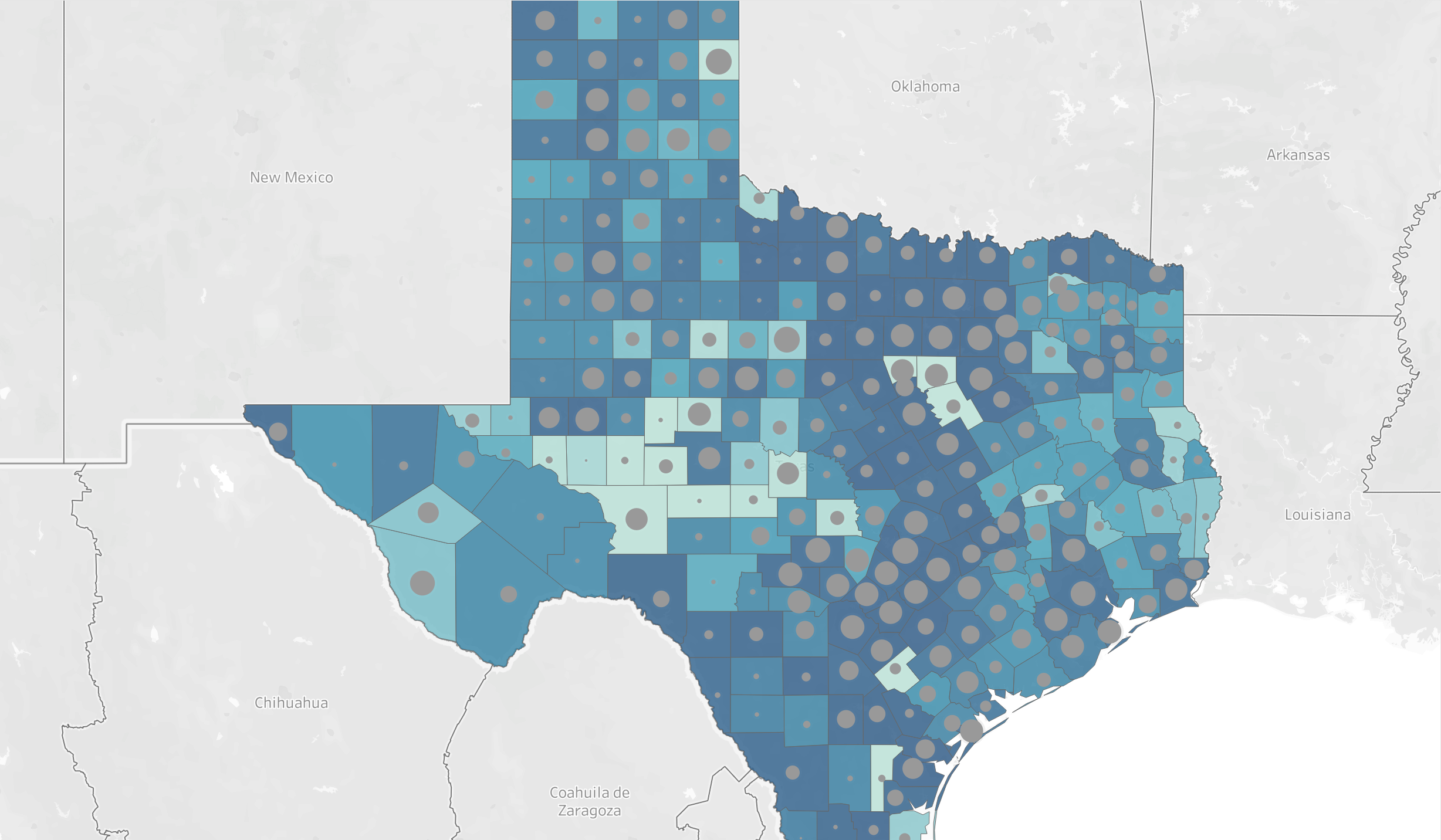
Part one of this research looked at the relationship between broadband deployment and arts vibrancy in the United States, focusing on Texas. This article examines factors that are driving the digital divide and relatively low arts vibrancy in two counties on the Texas-Mexico border and how that could inform policies in the United States as a whole.

Implementing Gamification for Museum Engagement

Implementing Gamification for Museum Engagement

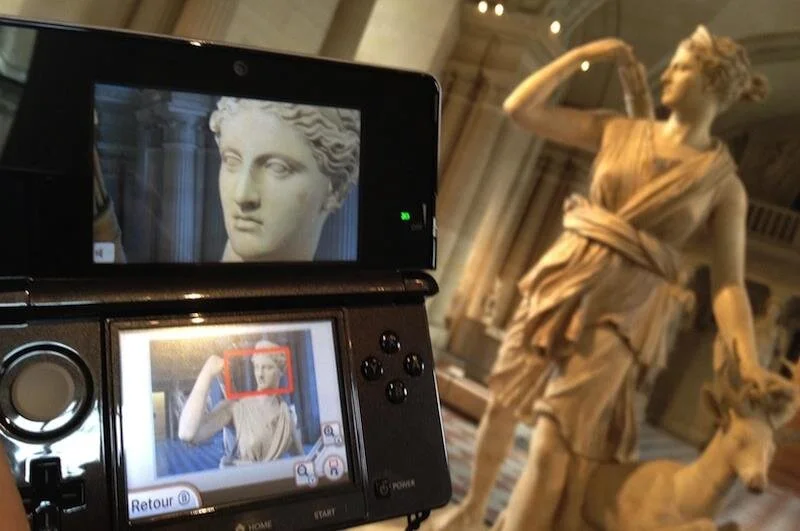
The pandemic changed the art ecosystem, including the use of gamification in museums. With gamification, the museum experience expands beyond the memory of looking at art or artifacts to the feelings of enjoyment that a game or activity evokes. This articles looks at examples of gamification in museums from around the world, including both low-tech and completely online experiences.

Mobile AR Avatar Chatbots: Exploring the Evolving AI and AR Combination

Mobile AR Avatar Chatbots: Exploring the Evolving AI and AR Combination

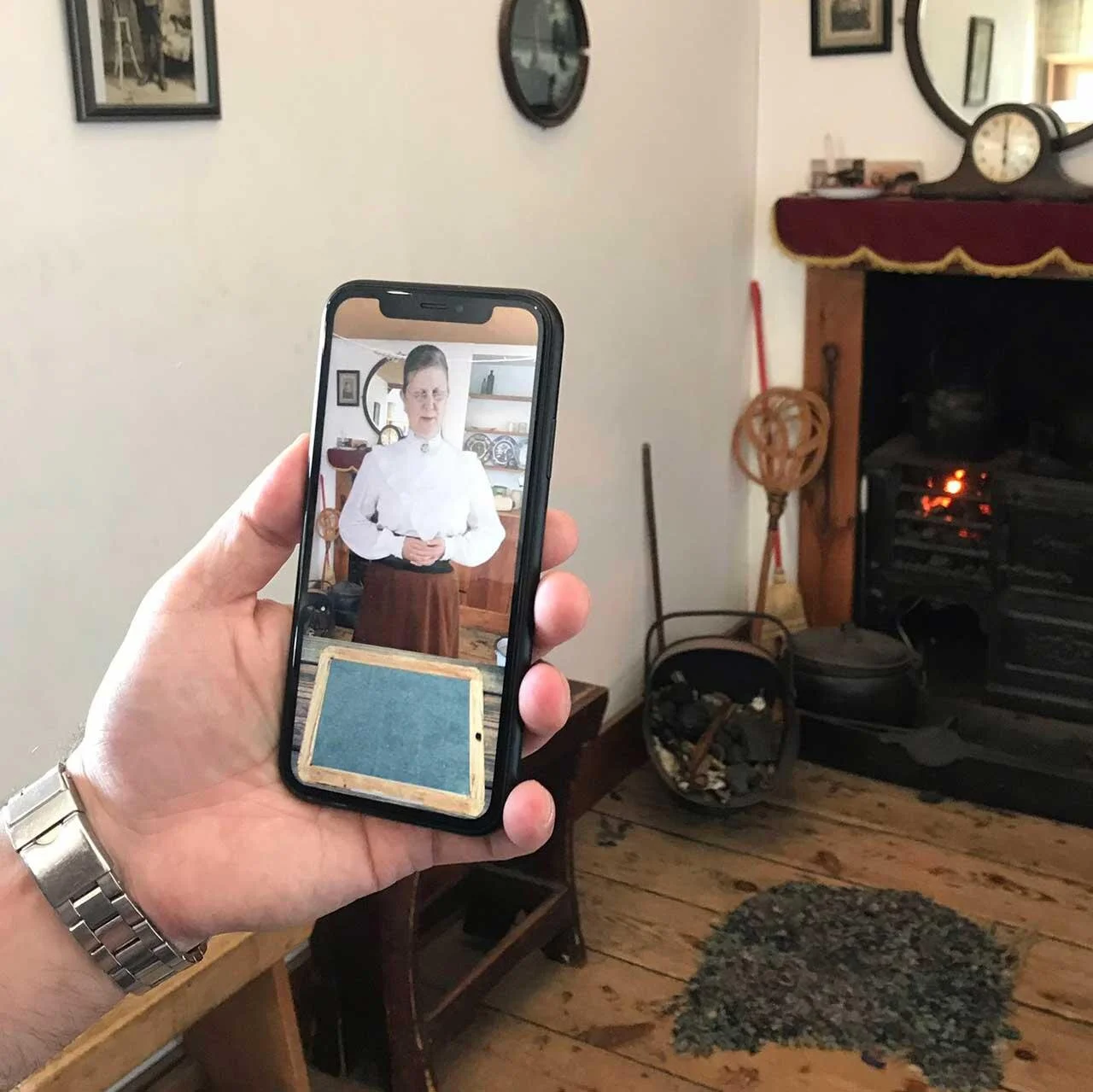
Cultural organizations consistently question how to connect the public to information in meaningful ways. As an emerging technology, mobile AR avatar chatbots combine AI and AR capabilities to create interactive and engaging tools for visitors. Examples of mobile AR avatar chatbots in cultural organizations can provide guidance for applying these evolving technologies.

Comparing Digital Access with Arts Vibrancy in the U.S.

Comparing Digital Access with Arts Vibrancy in the U.S.

An estimated 18 million households in the United States do not have access to home broadband. This is a statistic that arts managers should consider when planning online programming and in-person events as the world opens up. By looking closer at the digital divide and comparing counties’ internet access to their arts vibrancy, as measured by SMU DataArts, this article will look at the United States’ digital divide and how it impacts opportunities for arts participation.

Part 2: The Movie Ticket Purchase Pathway

Part 2: The Movie Ticket Purchase Pathway

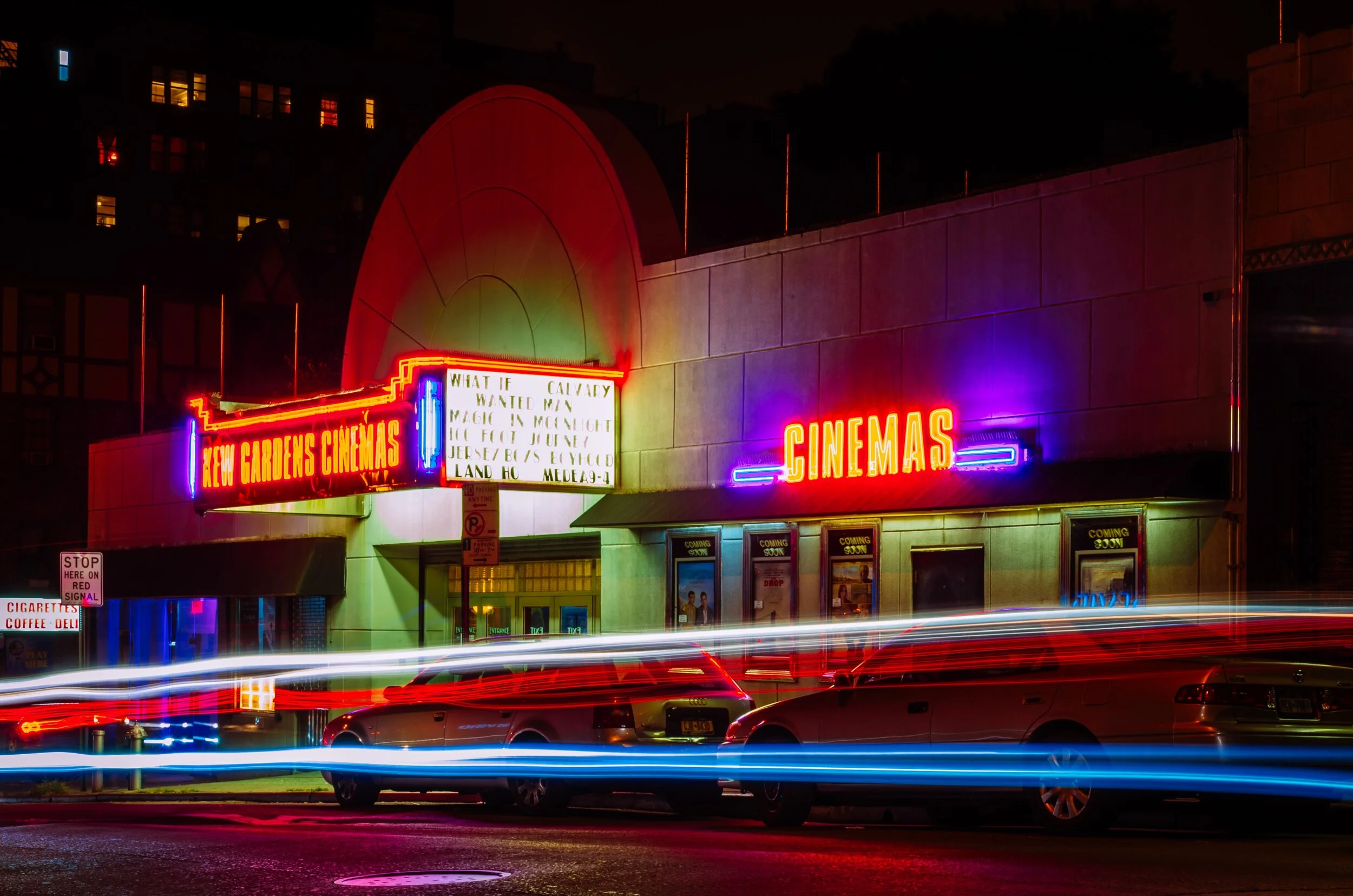
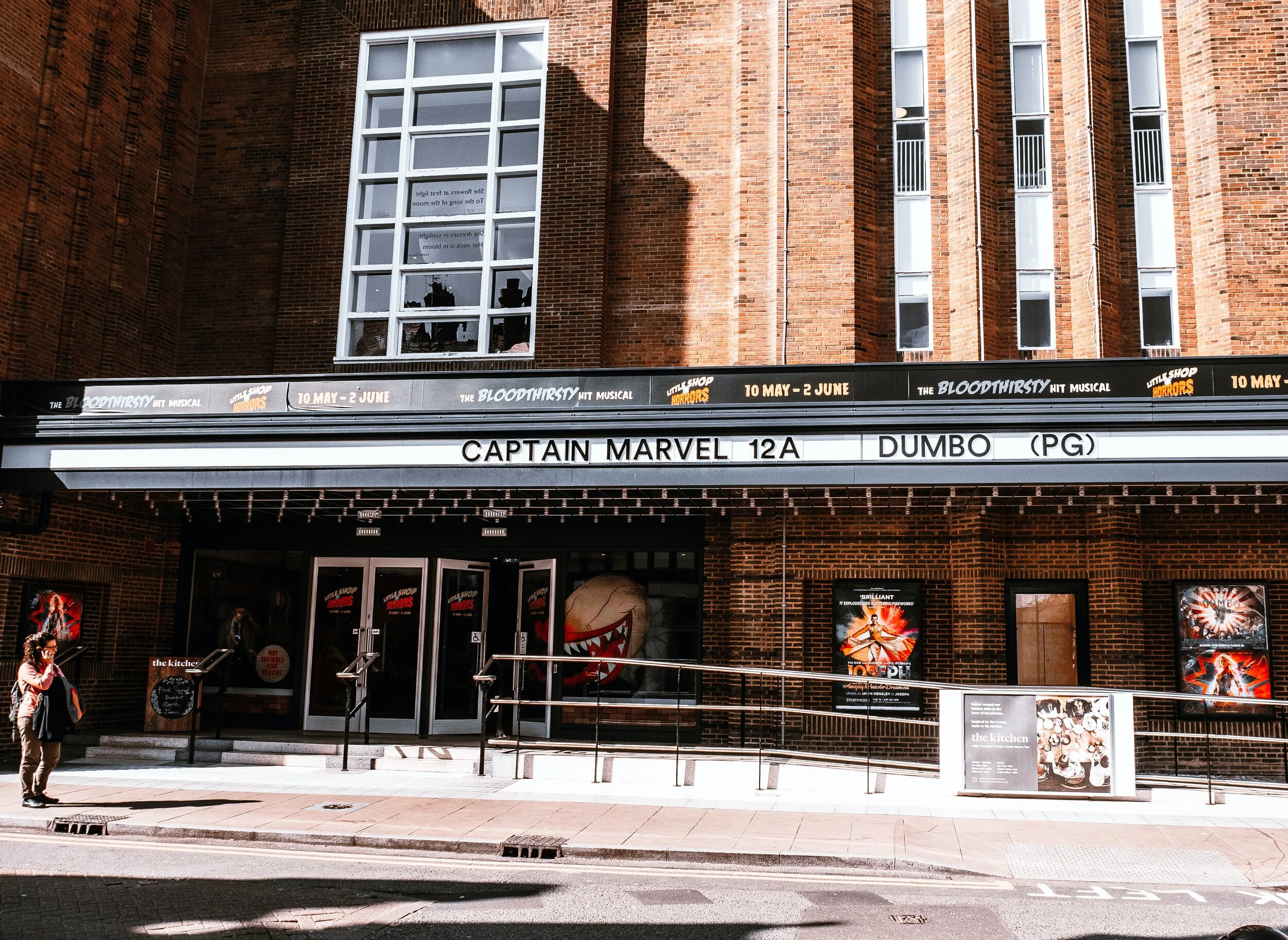
As noted in part one, the key to rebuilding the post-pandemic movie theatre audience will be to understand the key influences on the purchase pathway. As previous research detailed, there are frameworks of influence that movie makers and marketers need to understand, notably marketing communications, sources of neutral information, film characteristics, and ease. This post includes an analysis of survey results and recommendations for attracting ticket buyers based on these frameworks.

How Haptics Affect Human-Robot Interaction in Dance

How Haptics Affect Human-Robot Interaction in Dance

Without advanced haptic technology, robots can only serve as dance partners if their every movement is preprogrammed. With the improvement of haptics, however, robots could become sensitive and responsive dance partners. Why is touch so important? This post investigates.

Part 2: Data Analysis and Visualization Methods for the Arts

Part 2: Data Analysis and Visualization Methods for the Arts

After data collection, it is necessary to analyze and visualize the data to tell good stories. This process transforms numbers and descriptions into vivid stories that can be used to prove impact to different stakeholders. This post will look at the best practices for data analysis preparations, quantitative and qualitative data analysis methods, data analysis tools, visualization methods, and data visualization tools.

Tools for Measuring Impact and Data Collection in the Arts: Part 1

Tools for Measuring Impact and Data Collection in the Arts: Part 1

Nonprofit arts and cultural organizations are designed to serve a community. In the 21st century funding model, they also must find ways to collect the evidence for the impact their work has on their constituents, analyze the data, and effectively tell their stories. The following research provides an understanding of what types of impact can be measured with suggestions on how to measure and visualize findings on a budget.

Digital Providers for Matching Gifts and Volunteer Matching

Digital Providers for Matching Gifts and Volunteer Matching

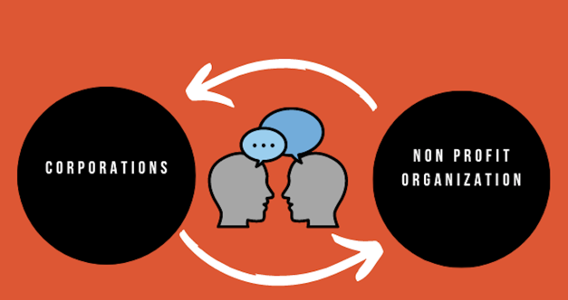
Fundraisers take note: it is estimated that four to seven billion dollars a year goes unmatched by nonprofit organizations. Eighteen million people around the globe have access to a matching gift program, and it’s been surveyed that one in every three people who donate would actually be willing to donate more if they knew their donation could be matched in the first place. Matching gift programs and volunteer grant programs are more inclusive of corporate employees because the causes that they feel personally motivated to donate to or volunteer with are recognized and rewarded by their employers. The digital marketplace for these opportunities is growing making it easier for nonprofits to find their match.

Net Art Part 2: Theories of Circulation and the Current Landscape

Net Art Part 2: Theories of Circulation and the Current Landscape

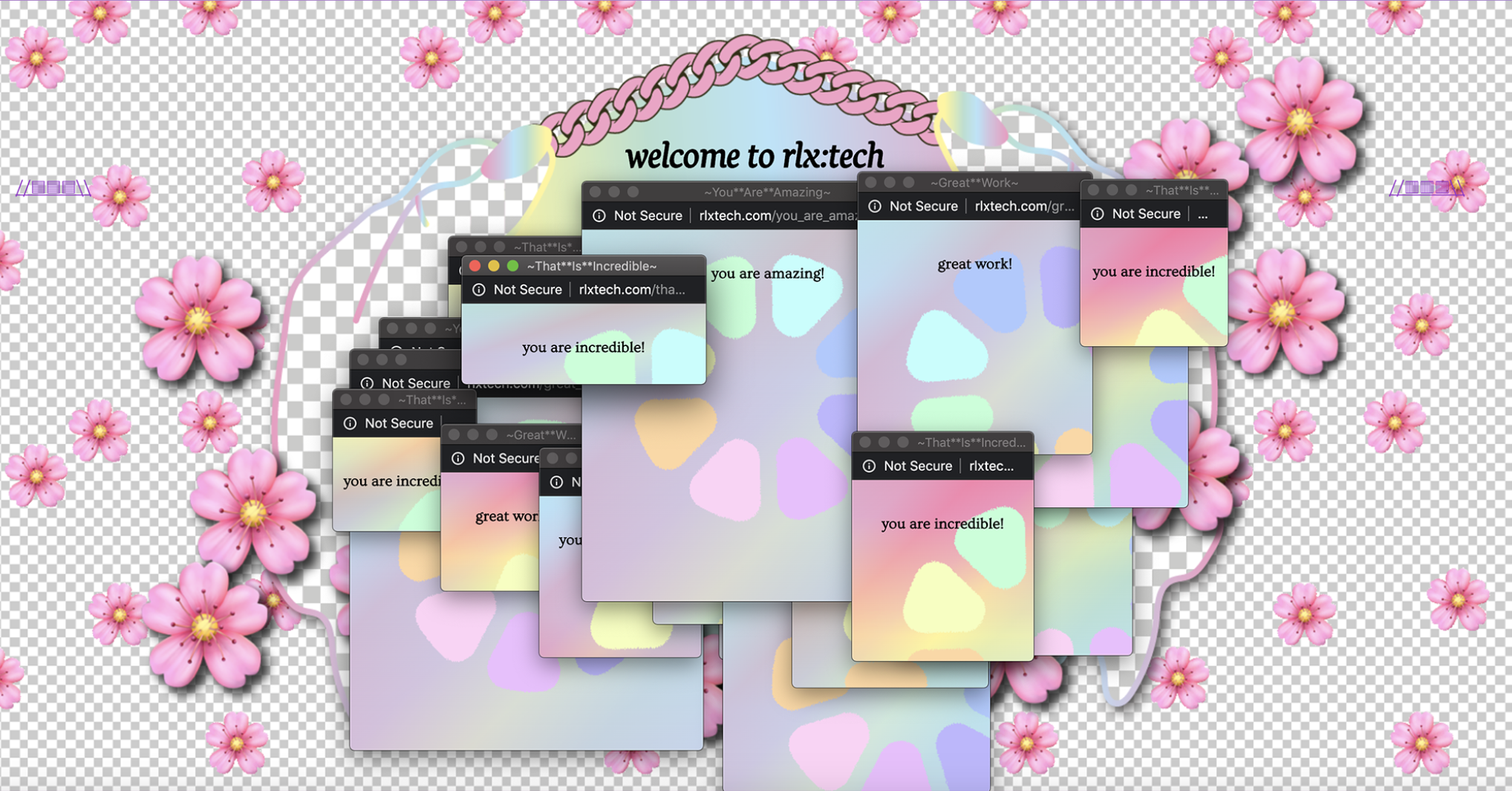
This is part two of a two-part series about the net art network. The first part covered its beginnings and ideological basis. This post will look at how net art has evolved and the present landscape, drawing on new media theories and current artists’ exhibitions. Once a place of utopian possibility, current net artists see the internet as a root cause of today’s social, political, and economic inequalities.

An Introduction to the Net Art Network: Part 1

An Introduction to the Net Art Network: Part 1

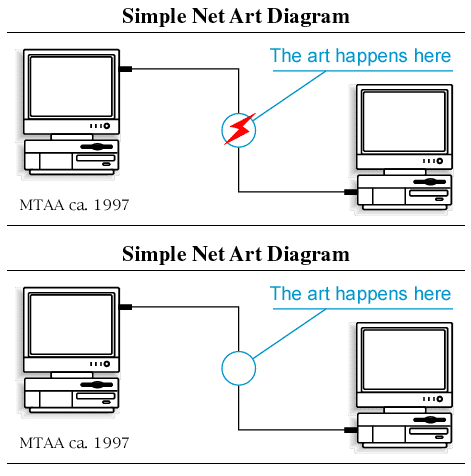
With more critiques of large internet companies gaining traction, people are beginning to question the hegemonic nature of the internet and the power structures that exist on the web, both of which define net art as school of thought. It is the work of net artists to develop, critique, and re-imagine the development of human experience as it relates to and exists on the web. This post gives an overview of net art and two examples of early net artists.