
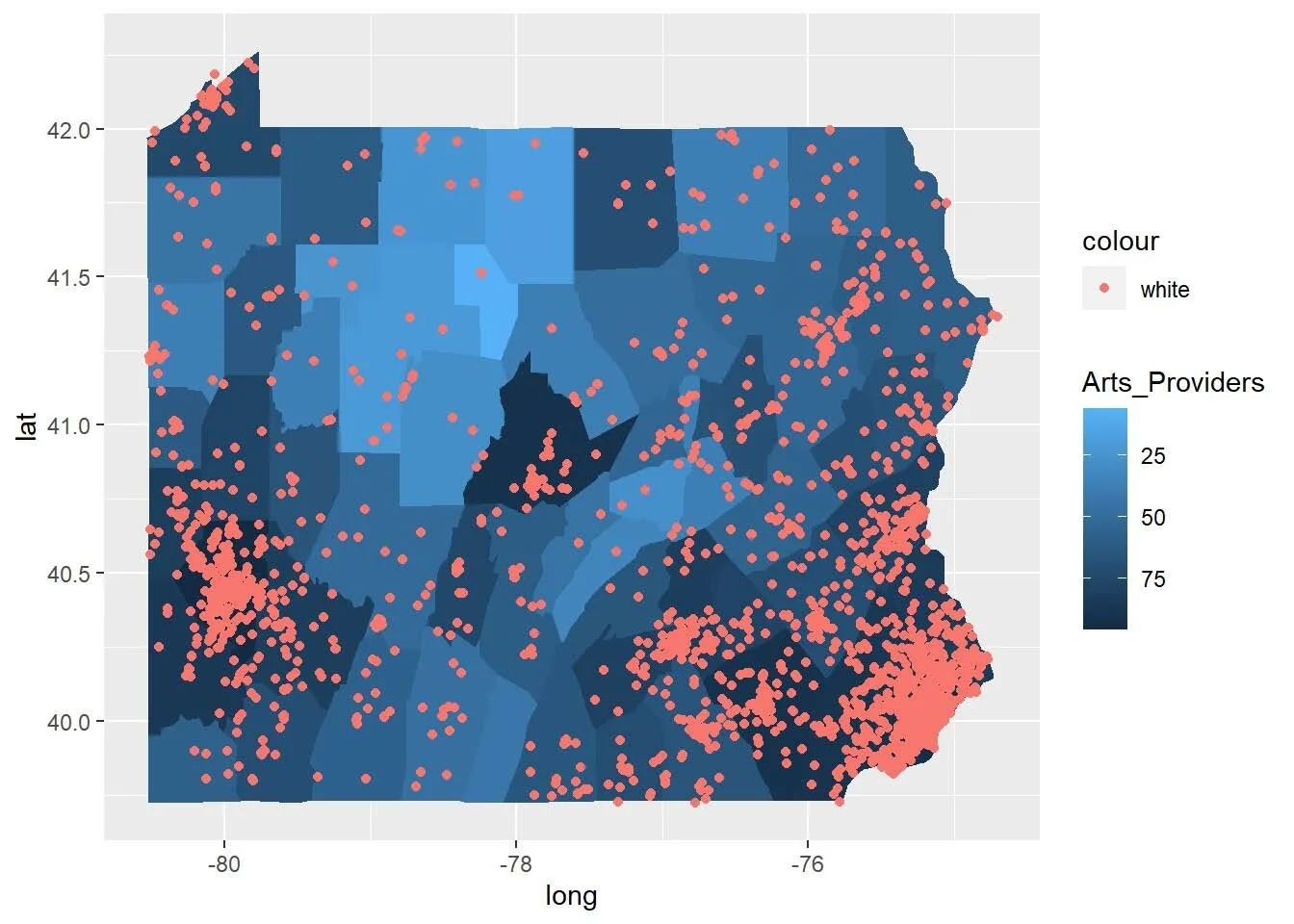
Access to the arts is not even across the United States. The ways that people living in rural areas access artistic content differs from how people participate in urban centers. Additionally, as the sector is beginning to grapple with, access to the arts varies across racial and ethnic groups. Comparing county-level arts vibrancy data is one way to detect these patterns. While the number of dollars put into the arts in the form of compensation and expenses seems to be the best predictor of overall arts vibrancy, implementing municipal WiFi appears to be an opportunity for growth since analysis indicates that it can increase arts vibrancy.
Digital Inequity in the Arts: Part 1
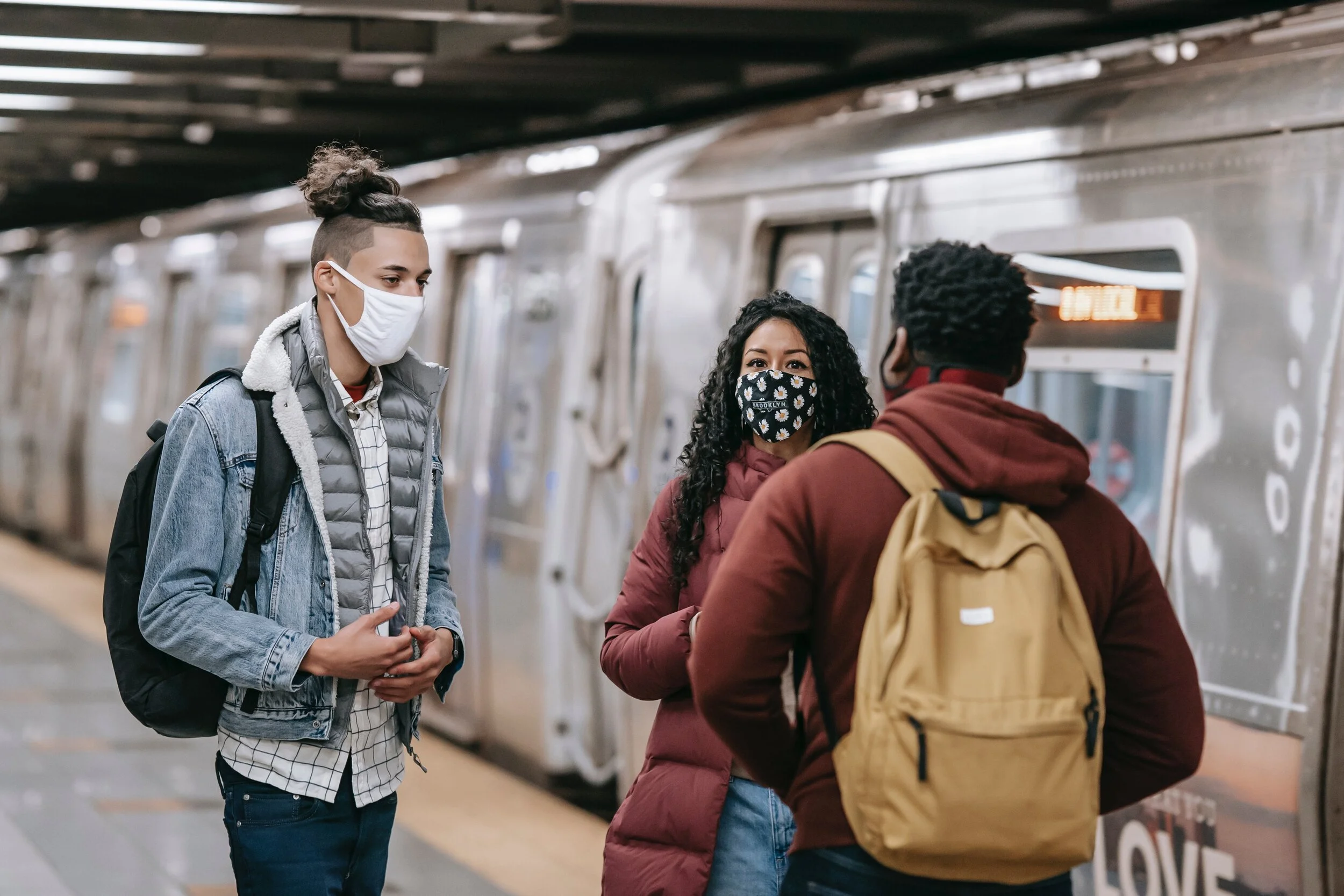
The coronavirus pandemic has changed everything we assumed about the world. Everything that once seemed impossible to ask for in terms of public policy is now possible, including rent suspension, eviction moratoriums, and universal basic income. But, it has also revealed inequities, including who has access to the arts. This project, published in two parts, evaluates racial equity through the lens of the arts sector during the Covid-19 pandemic by asking the questions: who has access to the arts and, fundamentally, what does access look like?
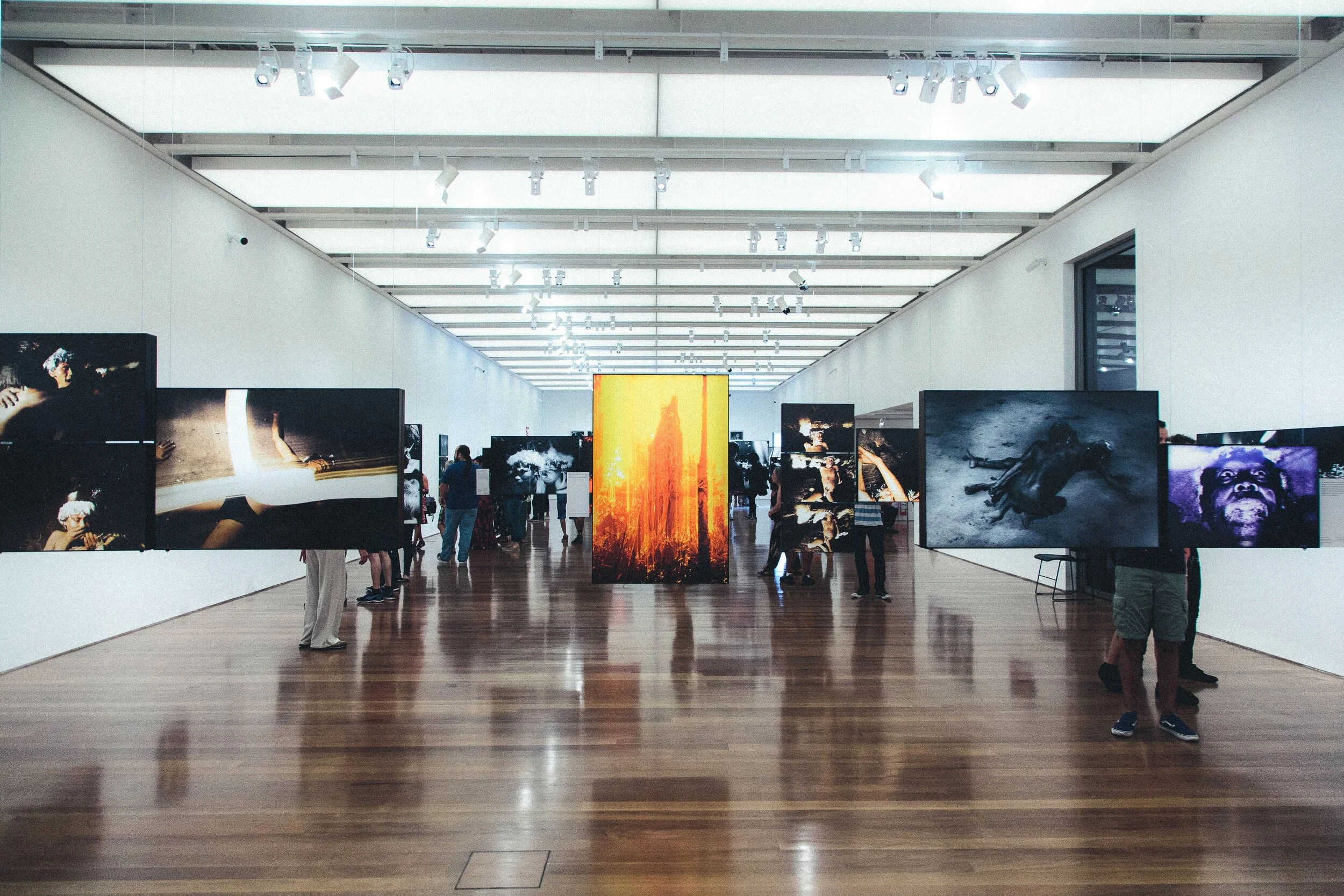
Throwback Thursday: Reimagining the Museum Experience
Fundraising as Activism through the Community-Centric Model
Currently, fundraising in the nonprofit sector uses a “donor-centric” model in which donors’ preferences for the organization’s direction are often prioritized over community needs. In the technology realm, donor centrism demands nonprofits’ use of advanced CRM systems to carefully track donors. Community-centric fundraising has emerged as an alternative that prioritizes community needs and social justice. Community-centric fundraising not only has the power to strengthen the fundraising profession as a form of activism, but its successful implementation means that the marginalized communities our organizations seek to serve will receive the attention, care, and justice they deserve.
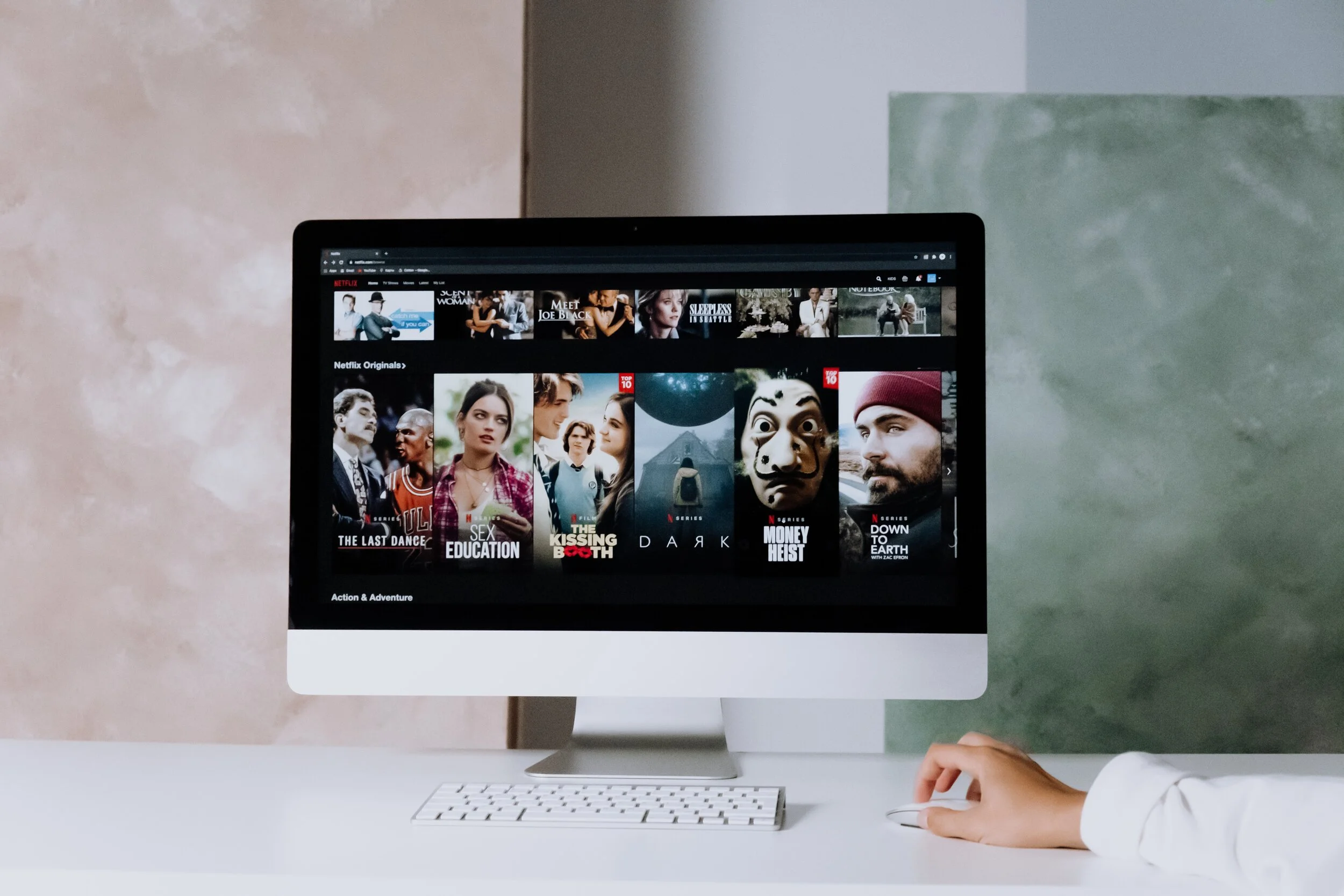
How to Investigate Market Opportunities for Streaming: A Case Study of Anonymous Content in India
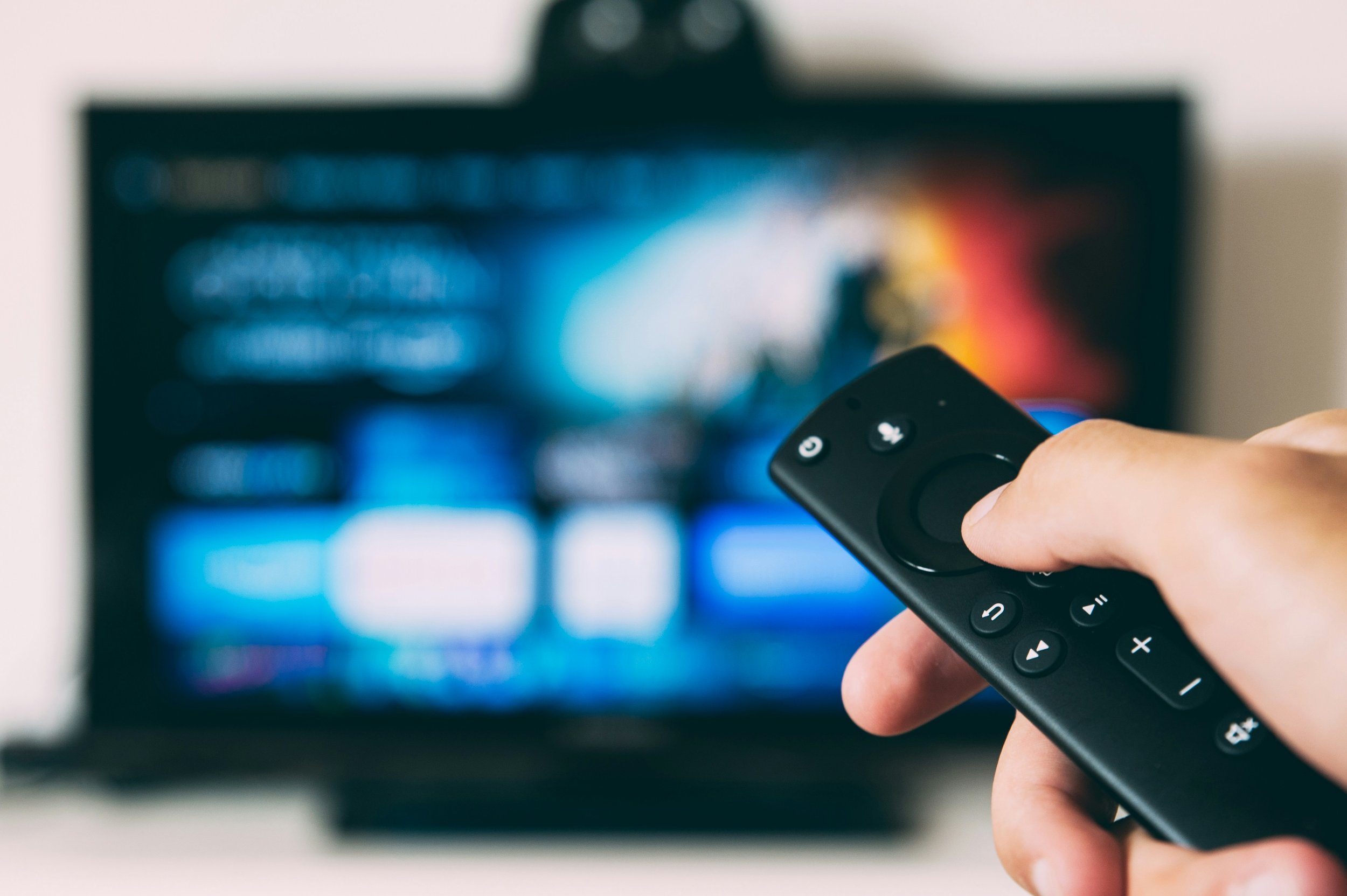
The Indian television market represents significant opportunities for U.S. production companies like Anonymous Content to further expand their global reach because of the country’s large middle class and rapid technological advancement. To measure current and future television consumption trends, the authors surveyed Indian 18 to 34-year-olds enrolled in higher education and inquired about viewing patterns, content preferences, and how television fits into the larger picture of their lives. Their findings are included here.
Addressing the Digital Privacy Landscape in the Arts
Artists have the unique ability to challenge the processes by which digital content is policed, monitored and/or tracked through their work and the presentation of it (whether in person or digital). It is also essential for these individuals to be wary of the implications of their actions in digital spaces. When acting in a digital space, it is important to understand the extent and limitations of how artwork could be censored or monitored. Supporting privacy is supporting autonomy and the basis for free expression in a world where the lines between our society and digital spaces are increasingly becoming blurred.
Resources for Video Streaming in the Arts
Have you wanted to learn more about video streaming in the arts but weren’t sure where to start? This list of resources includes examples of video-on-demand (VOD) streaming platforms in the arts, tools for arts organizations considering their own platforms, and news articles covering the sector’s transition to digital.
Guidelines for Using Aggregate Streaming Platforms for Performing Arts Content
For arts organizations looking to reach audiences through online content, there are numerous approaches, including posting subscriber-only content to their websites and posting free videos on platforms like YouTube. In the broader entertainment landscape, streaming via services that aggregate content has become a popular way to watch film and television. This article examines the viability of sharing performing arts content on third-party streaming platforms that aggregate content as opposed to single-entity streaming channels.
A Look at the Intersection of CRM Systems and Digital Giving in the Arts Fundraising Landscape
Customer relationship management (CRM) systems are integral to any arts organization. They allow for the organization to collect data on their patrons in order to create better relationships with them. However, the current pandemic has shown some areas for improvement, specifically in terms of current technology’s relevance. One such area is the intersection of CRM systems and digital giving. Up-to-date and easy-to-use technology can put an organization ahead, but it is going to take a dedicated strategy to ensure progress.
Connections and Gaps between Artists’ and Institutions’ New Media Preservation Efforts
Media art, which frequently involves data, software, or electronic devices, keeps facing the challenge of technological obsolescence. Since preservation and conservation are fields often dominated by museums and similar organizations, a contrast exists between personal and institutional practices. In some cases, artists rely on museums for technological support. This article looks at new media artists’ firsthand experiences and media artworks donated to the MoMA.
Part 2: Surveys, Interviews and Recommendations for Documentary Distribution
Emerging Trends in Documentary Program Distribution focuses on understanding the current market for documentary programs and the current best practices to sell, distribute, and market documentary content. Part two of this research analyzes data and information collected through an audience survey and one-on-one interviews. This original research will be used in connection with the broader contextual research to provide recommendations for documentary filmmakers on the best paths for taking their work to the market.
Emerging Trends in Documentary Program Distribution: Part 1
Documentary content has long been a staple of culture and entertainment in the United States, but emerging technologies are changing the way this programming is consumed. Emerging Trends in Documentary Program Distribution focuses on understanding the current market for documentary programs and the current best practices to sell, distribute, and market documentary content. This research article is presented in two parts. The first lays out an overview of the documentary market and then moves into an analysis of how the consumption of video content has changed due to emerging technologies.
Evolving Technologies in the Textile Industry & How Skilled Workers Are Adapting
As machines have become more capable, skilled workers in the textile industry have had trouble keeping up economically and temporally since these machines can produce textiles in less time, for less money. An understanding of artists’ relationship to technologies in the textile industry can help arts organizations support their work.
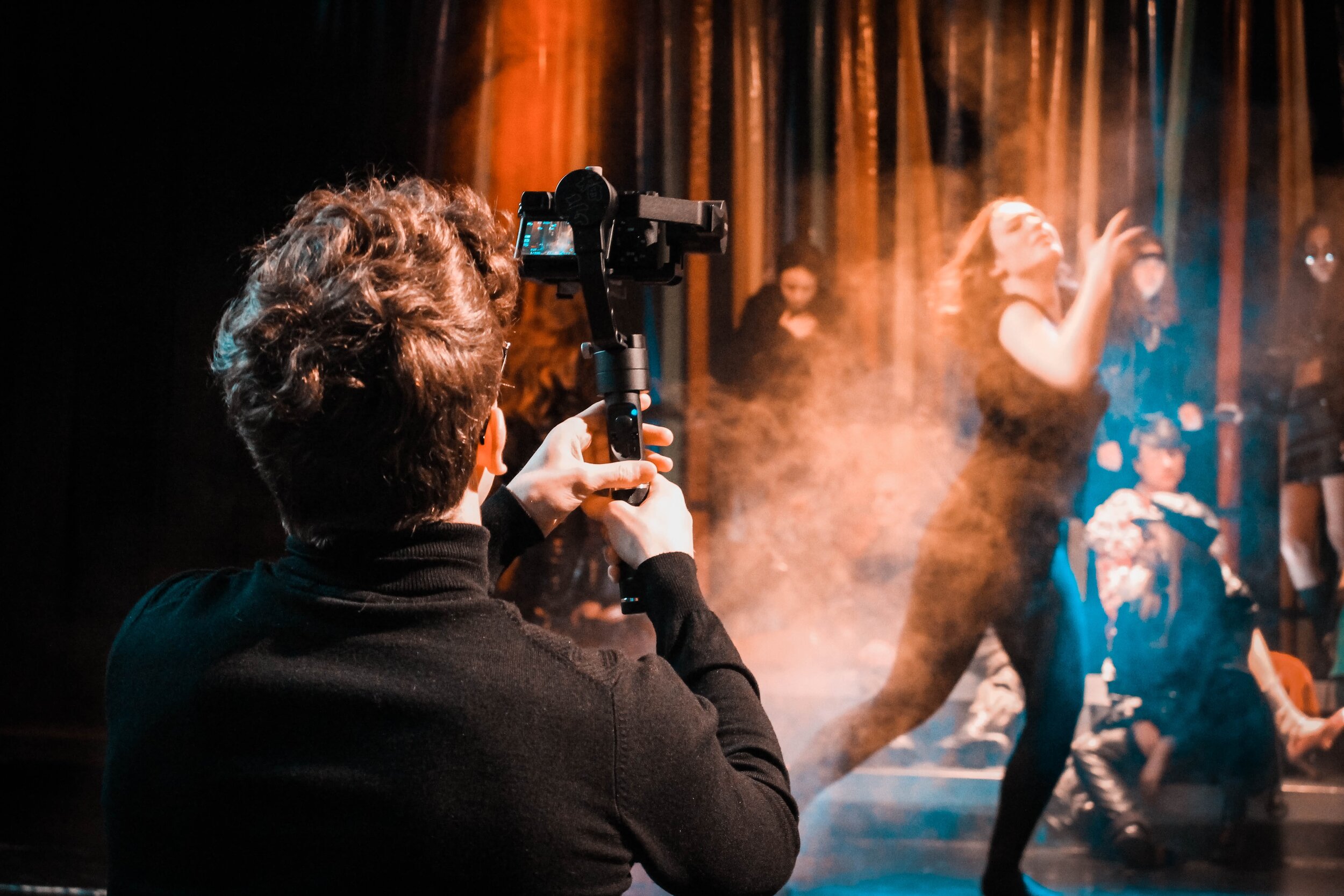
Video Streaming Trends for Performing Arts Organizations
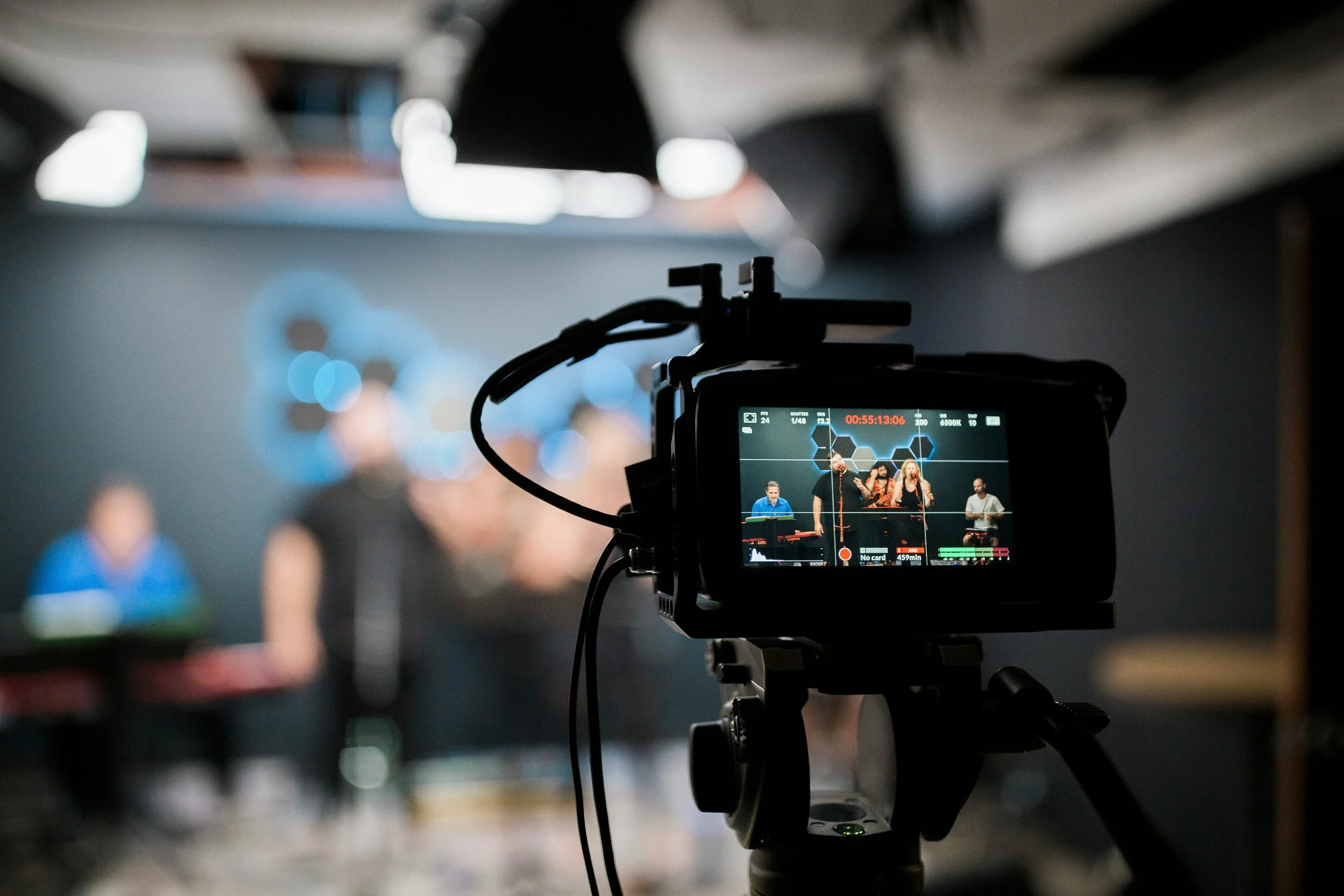
Performing arts organizations are facing unexpected pivots to sharing their content digitally in 2020 due to the Covid-19 pandemic. Many of these organizations are confronting entirely unfamiliar methods of distribution, launching head-first into the vast world of streaming. To embrace the opportunities of such a shift, organizations must consider the benefits and risks of the various methods within the ever-evolving digital landscape.
AMT Lab in 2020: Our Top Posts and Podcasts of the Year
Now that 2020 is in the rearview mirror, we’re looking back at the posts that were most popular with our readers. Featured topics included music streaming, entertainment trends, and management tools for the arts sector. On the podcast side, our most popular episodes reflected the national trends: the need for racial equity and the effects of Covid-19 on the arts sector.
The Case and Tools for Building Online Communities in the Arts
As the pandemic presses on, building stronger online communities can help arts organizations serve the immediate needs of all audience members now and increase access to art and community for audience members who prefer to participate from home in the future. Though no virtual platform can perfectly replace the organic community built by in-person interaction, virtual third places might create something similarly joyful and uniquely accessible to connect arts communities in times of pandemic-driven social isolation and beyond.
Digital Privacy and Subversive Art
Having a better understanding of domestic legislation regarding digital privacy, as well as the international landscape as it pertains to these issues, can help in managing art that could be characterized as “seditious” or “radical.” It is important to note that surveillance, from both private and governmental entities, is on the rise as are the possibilities of censorship or unconstitutional oversight.
Cybersecurity Solutions for Remote Work in the New Year
Cybersecurity has been on more people’s radars because of the recently exposed SolarWinds cyberattack, which impacted customers including the United States government. In this particular case, the breach was able to go undetected for months, indicating that even institutions with the highest levels of security can fall victim. As we begin the new year, arts organizations face a timely opportunity to consider their cybersecurity measures for remote work.
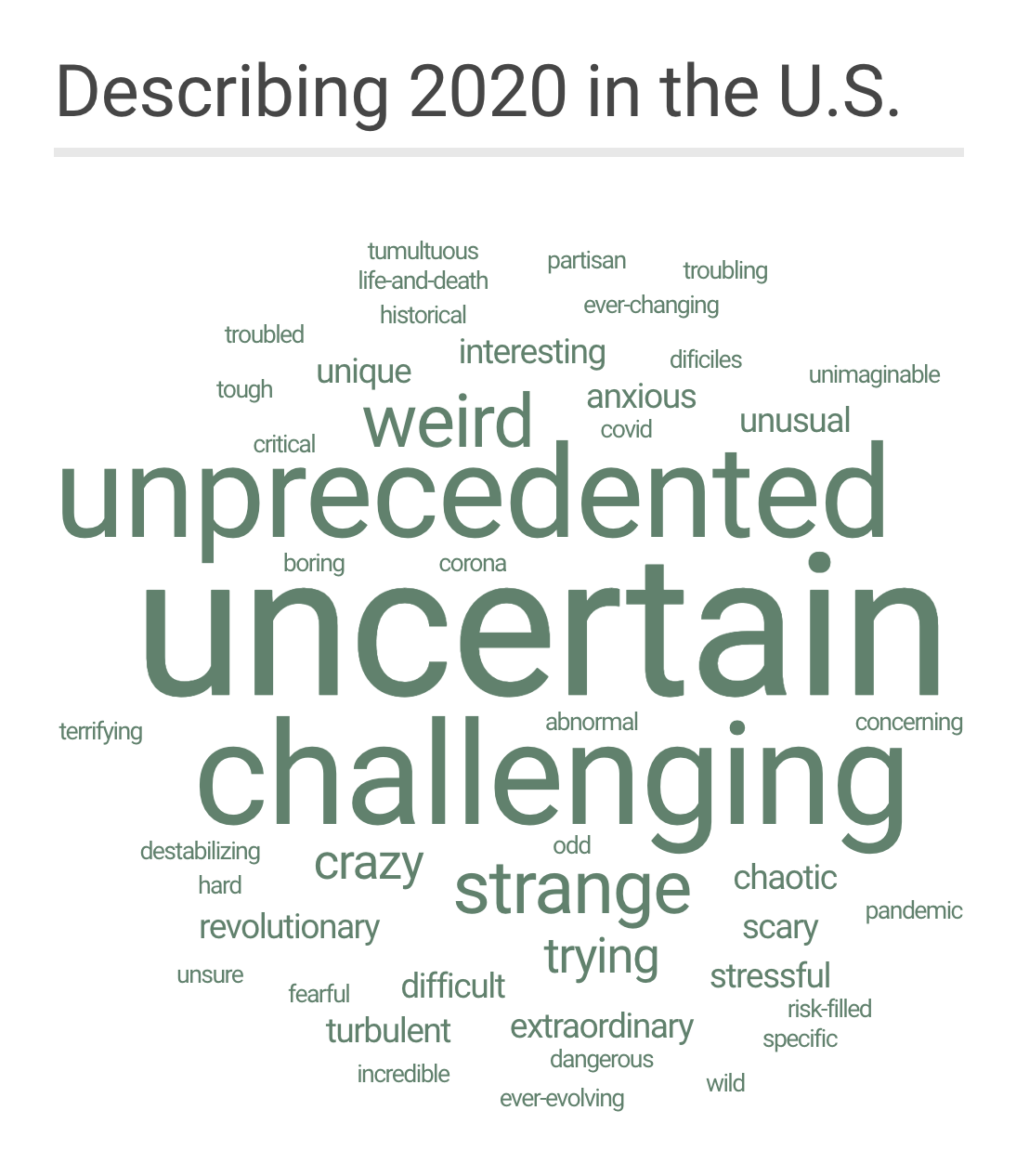
Letter from the Editor: 2020 in Words
In the face of challenges and uncertainties, arts organizations were able to adapt in the form of VR operas, drive-in plays, virtual gallery tours, and in many other ways. While it was definitely a difficult year, hopefully we will also remember the strength with which we responded. Here’s to carrying that resilience into the new year and hoping for a less turbulent 2021.
Gifting and Giving for 2020 Holidays
Everything about this year has been different, and that includes how we show our appreciation for the people we love and the organizations we care about around the holiday season. Since in-person holiday gift exchanges aren’t possible, many people will be looking to the internet to send gifts to their loved ones near and far. We have compiled some trending gifts and resources to inspire your holiday gift giving. The end of the year also brings a rise in donations from end-of-year giving. We looked at some expected giving trends for this year and ways you can support artists and arts organizations.