




#TBT: Highlighting New Media Art

#TBT: Highlighting New Media Art

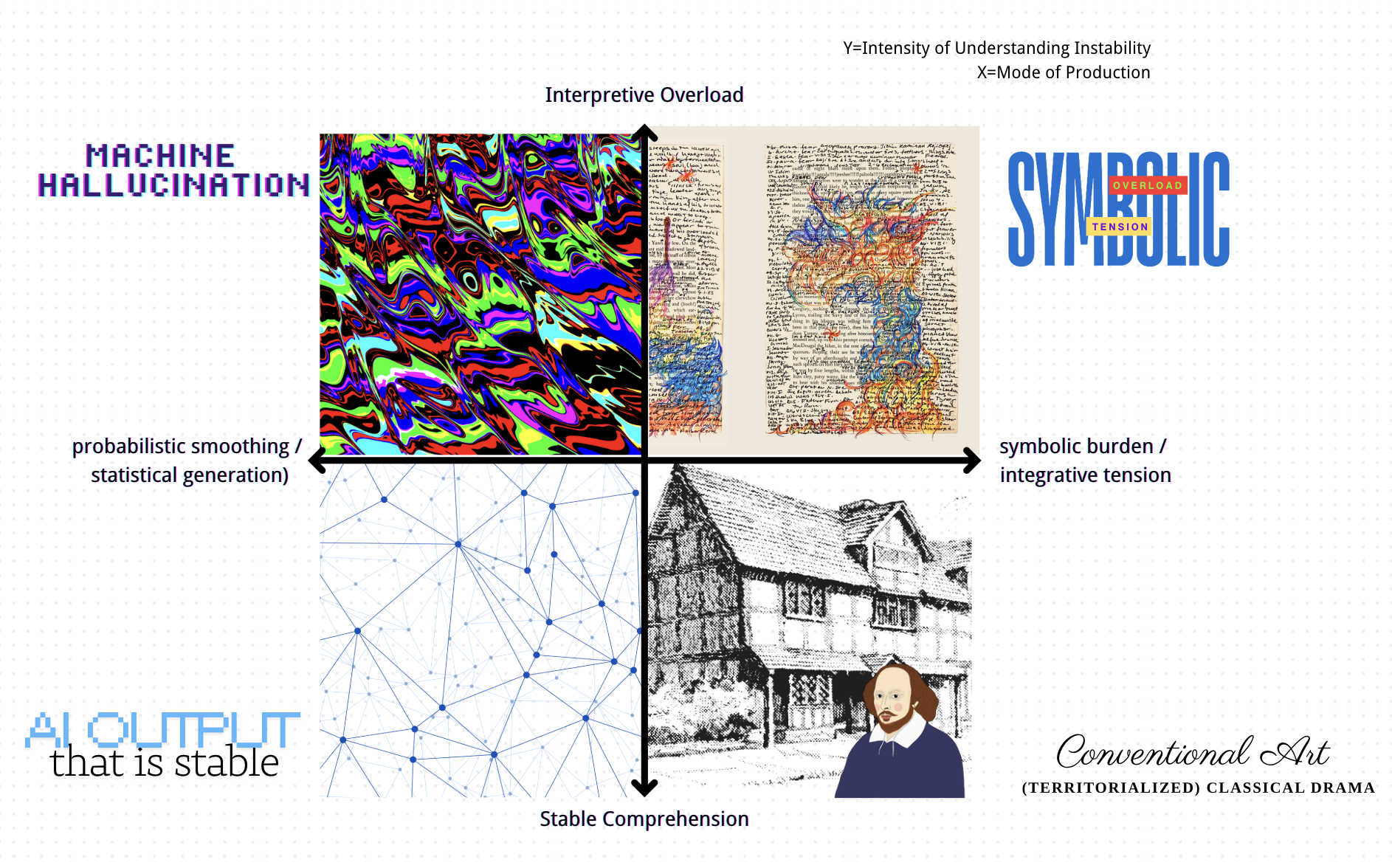
While technology and art combine frequently to facilitate the practices of arts managers, they are simultaneously blending to create a whole new artform--new media art.  All bets are off with this medium, as an array of tools, approaches and capabilities make it impossible to label as either visual or performance; in many cases, the art goes even farther and provides a social benefit to those who experience it.  This week’s TBT provides managers with a roundup of the research we’ve done so far to start piecing together a picture of what new media art means for the future of management in all types of arts venues and forums.

2015 Ticketing Software Survey Release

2015 Ticketing Software Survey Release

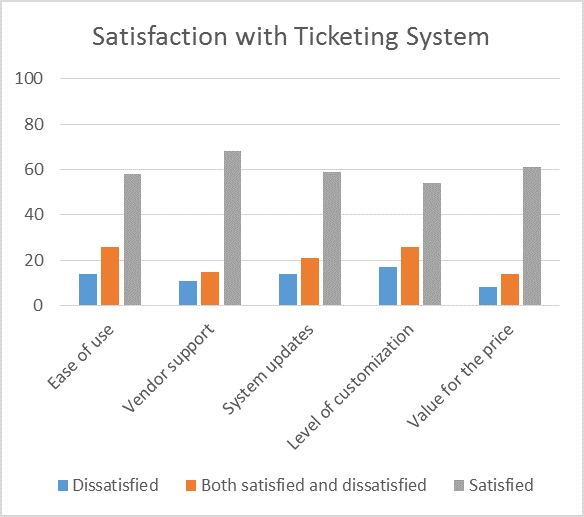
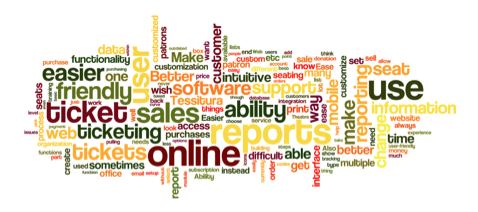
The AMT Lab researchers and editorial staff are proud to announce the release of the 2015 Ticketing Software Survey.  After 3 surveys across 6 years, the research team is happy to announce that ticketing software systems are meeting most of the needs faced by arts institutions. Yet there are significant differences in feature use and perceived importance when analyzed across budget size, geographic area or discipline.  In addition to deep analysis of the data, the report includes an appendix of every question and the raw data. Vendors and institutions will find this report useful for future decision-making and grant writing.

#TBT: The Arts Manager's Toolkit for Data Management

#TBT: The Arts Manager's Toolkit for Data Management

Here at AMT Lab, we have been sorting through plenty of data as we prepare for tomorrow’s release of the full report from our 2015 National Ticketing Survey (stay tuned!). Today’s throwback is a collection of AMT Lab Articles that discuss tools, stories and best practices for the management and usage of quantitative data in an arts organization.  Most of these are a more recent throwback, but even those articles from 2012 still provide invaluable resources for organizational leaders.

#TBT: Gaga for Google

#TBT: Gaga for Google

Today the news is buzzing with Google as they launch their Sidewalk Labs initiative in an effort to improve urban life.  But here at AMT Lab, we have spent years dedicating posts to the many ways that Google products and services can improve arts management practices.  This installment of Throwback Thursday will share several of them, drawing on posts that span as far back as 2008.

Research Update 2: How Technology Can Support Artistic Collaborations

Research Update 2: How Technology Can Support Artistic Collaborations

Introducing new technology into a tried and true process is an experiment— as such it comes with risk.  However, if we leave our comfort zone, think critically about the strengths and weaknesses of our processes as they currently exist, and entertain how technology could allow for deeper and more efficient collaboration, we may find new opportunities for innovation in this vital area. The Oregon Shakespeare Festival (OSF) did exactly that to remarkable success.

Technologies in Arts Integration Curricula

Technologies in Arts Integration Curricula

Arts integration has applications across all subject areas in various learning settings. Most articles on visual arts integration do not consider technology; however, it makes sense that they should. By introducing a technological component to arts integration efforts, educators can create an innovative environment where children prepare for the creative and multidisciplinary needs of their future. AMT Lab's latest publication, Technologies in Arts Integration Curriculacompares types of integration hardware, methods of hardware acquisition, types of software, and multiple case studies in order to introduce readers to ways that technology can assist with multidisciplinary curriculum delivery.

Gallery One: Engaging Audiences Infographic

Gallery One: Engaging Audiences Infographic

How do you learn best about art? Maybe you lightly browse, interact with friends, or get right in the middle of the action. There are multiple ways to engage with and explore art forms, however cultural institutions may not always program to meet these needs. 

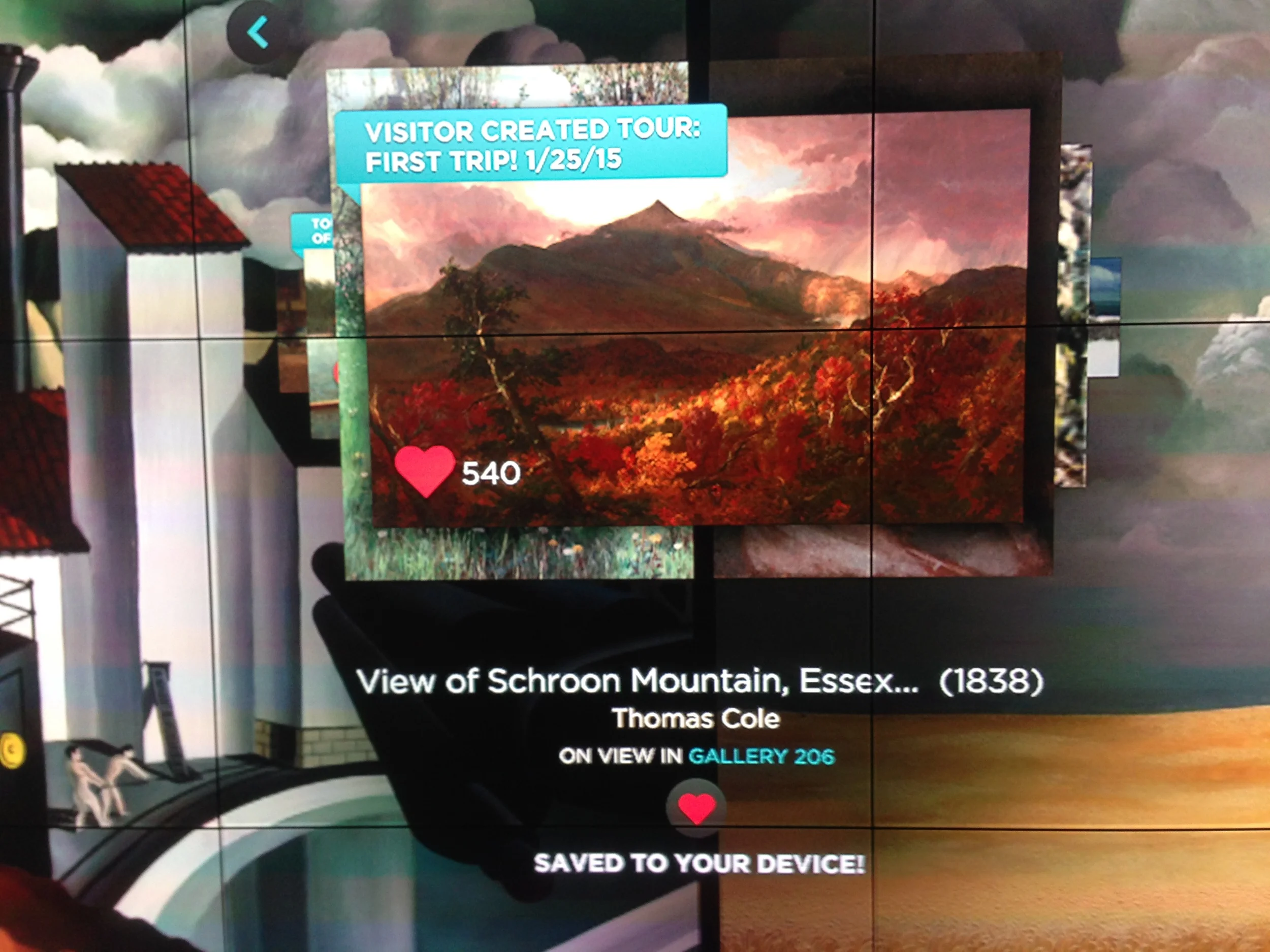
The Cleveland Museum of Art's Gallery One activities, on the other hand, were designed with people's learning needs and preferences in mind. In this article I apply WolfBrown's Making Sense of Audience Engagement Audience Typologies to the different initiatives to see how learners can interact with the the Art Lens App, Collection Wall, Interactives, and Studio Play at the CMA. 

The Giving Pledge: A Start to Engage Tech Philanthropy

The Giving Pledge: A Start to Engage Tech Philanthropy

To understand why arts organizations have struggled to capture funds from tech billionaires, arts managers and development professionals would do well to recognize what philanthropic sectors they are losing these dollars to, and why.  Armed with these insights, arts professionals can then adjust their strategies to better appeal to this new and growing donor segment.

Use Sentiment Analytics to Predict Motion Picture Box-Office

Use Sentiment Analytics to Predict Motion Picture Box-Office

The motion picture industry has long searched the magical formula of predicting future box office performances. A glimpse of future box office performances can help a studio save millions in post-production marketing and distribution expenses.  The same logic applies to all nonprofit presenting and performing arts organizations - if NPOs can predict their future events’ financial outcomes NPOs can save their precious resources and reallocate them to other uses. Social media may just provide this magical prediction formula.

Opening Doors: The People Behind Sensory-Friendly Programs

Opening Doors: The People Behind Sensory-Friendly Programs

One of the most important aspects of successful sensory-friendly programming is the proper training and involvement of staff, volunteers, and artists. Despite any initial concerns or nerves about the uncertainties with this programming, staff members at every organization I spoke with were eager to get involved. This is the third post in our series on sensory-friendly programming.

Tell us how you really feel - AMT Lab 2015 Reader Poll

Tell us how you really feel - AMT Lab 2015 Reader Poll

Hello AMT Lab Readers! 

With another year of research, reviews, interviews, and more almost completed, we wanted to take a moment to ask about your needs and about what content you'd like to see more of in the future. Please consider taking a moment to complete our 2015 Reader Poll, either below or on the home page so we can better serve your needs.

Can Cloud-Based Event Management Software Help Arts Managers Be “Propared?”

Can Cloud-Based Event Management Software Help Arts Managers Be “Propared?”

With a wealth of project management, task management, and personnel management software now at our fingertips, it can be difficult to know which software is the best for an organization’s needs, especially arts organizations with their unique project structures and demands. Enter Propared. A software application designed for use by project managers working on live events. I met the Propared team at the United States Institute for Theatre Technology (USITT) Conference in March and had a demo of the software. 

Click here to learn more.

STEAM Learning at the Carnegie Science Center

STEAM Learning at the Carnegie Science Center

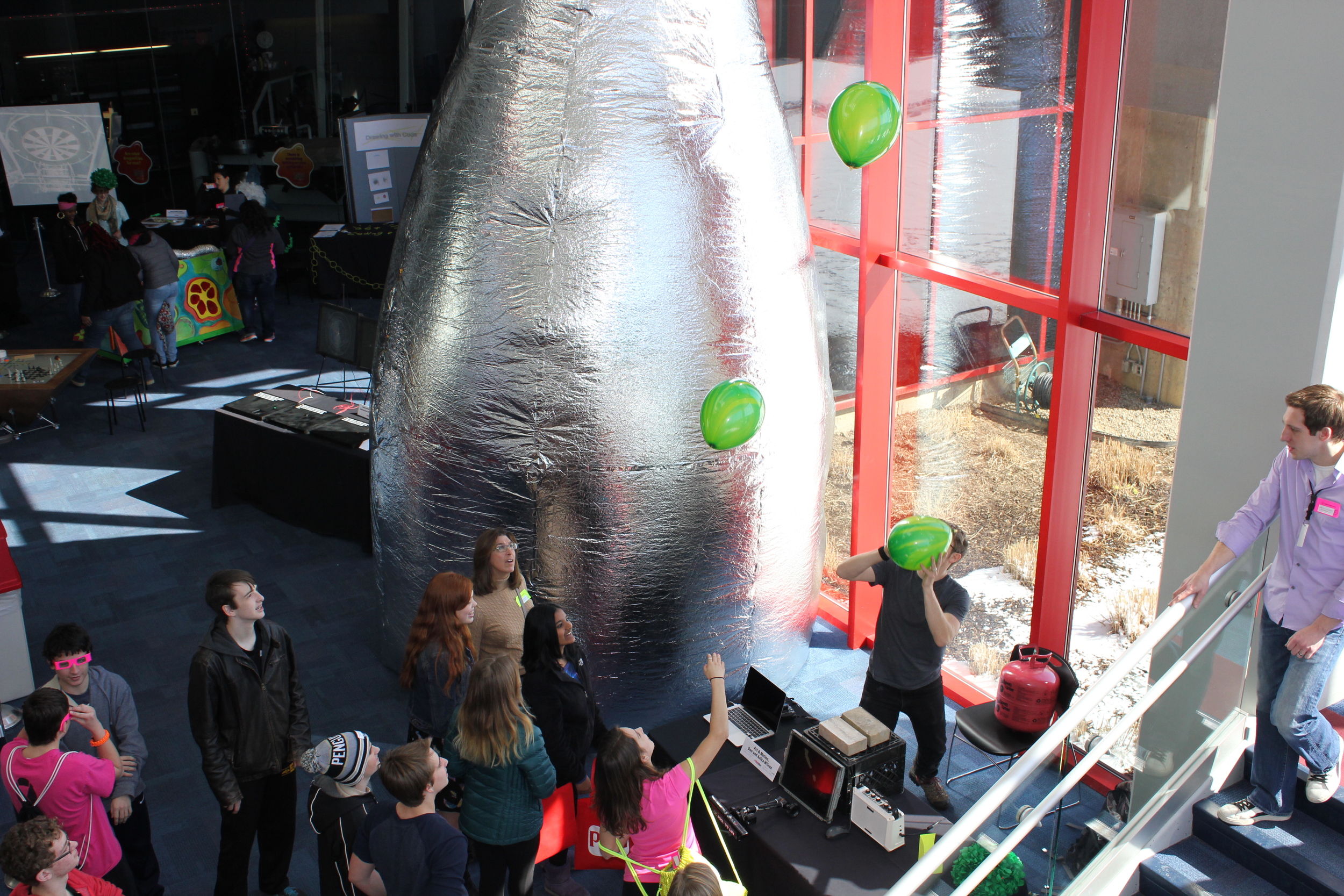
Moving the conversation around public education from STEM (Science, Technology, Engineering, and Math) to STEAM (Science, Technology, Engineering, Arts, and Math) has long beleaguered arts managers and arts educators alike.  Defending the argument for arts programming and arts education can be difficult in the face of shrinking school budgets and a highly competitive grant environment.  Particularly in a country that increasingly favors the hard sciences above the humanities, cultural pursuits, and artistic studies.  Despite gains at the federal level with the new core arts standards, the STEAM caucus, and the first budget increase for the National Endowment for the Arts in years, it is still easy to feel defeated.  The question remains, what can arts leaders and community organizers do at the local level to push the conversation in a positive direction?

Affordable And Convenient Access To Word, Excel With Cloud-Based Office 365

Affordable And Convenient Access To Word, Excel With Cloud-Based Office 365

Office 365, Microsoft’s cloud-based software service, provides affordable monthly access to the ubiquitous software suite: Microsoft Word, Excel, Publisher, Access, OneNote, and PowerPoint. AMT Lab contributor Kristen Sorek West speaks with the Pittsburgh Choral Arts about their experience using the tool and the features it offers. Click here to read more. 

Silicon Struggle: The Battle for The Bay Area Arts' Scene

If you told the average San Francisco resident 40 years ago that the art scene in the Bay Area would be gasping for life in 2015, they probably would have laughed in your face.  But it is 2015, and that is the reality we are facing.  The tech giants have moved in, and  tension is building between the Silicon Valley community and its non-profit entities.  In particular, arts organizations seem to be at an extreme disadvantage for a few reasons: