



We've been researching how arts managers should be using artificial intelligence. As a start, here is a (brief) automated history of the technology. Study up!

In Part II, this part of the study moves from industry context to empirical analysis, translating strategic questions into evidence-based insights drawn from primary research. While Part I established the historical and market foundations of Games as a Service (GaaS) and transmedia adaptation and framed the challenges of player retention, monetization, and franchise longevity, Part II examines how these dynamics operate in practice. Using findings from a 1,159-response U.S. consumer survey, nine industry interviews with developers, influencers, and experiential professionals, as well as supporting secondary research, this section analyzes player behavior perceptions and expectations. Part II identifies the mechanisms that drive sustained engagement and trust in live service ecosystems, evaluates the effectiveness of current GaaS and transmedia strategies, and surfaces actionable insights that inform the strategic recommendations presented in the final chapter.
This study provides a foundational analysis of how live-service game models and transmedia strategies are reshaping the contemporary video game industry, with a particular focus on Games as a Service (GaaS), player engagement, and franchise longevity. As gaming continues to outpace film and television as the world’s most lucrative entertainment sector, publishers face growing pressure to sustain player communities, balance monetization with satisfaction, and extend intellectual property beyond the game itself. Part 1 examines the historical evolution of GaaS and game adaptations, situating SEGA’s legacy within today’s competitive landscape. Drawing on existing literature, industry reports, and market context, this section frames the central research questions and methodological approach that guide the study. By establishing the strategic challenges and opportunities facing live-service games and transmedia franchises, Part 1 lays the conceptual groundwork for the data-driven analysis and recommendations presented in Part 2.
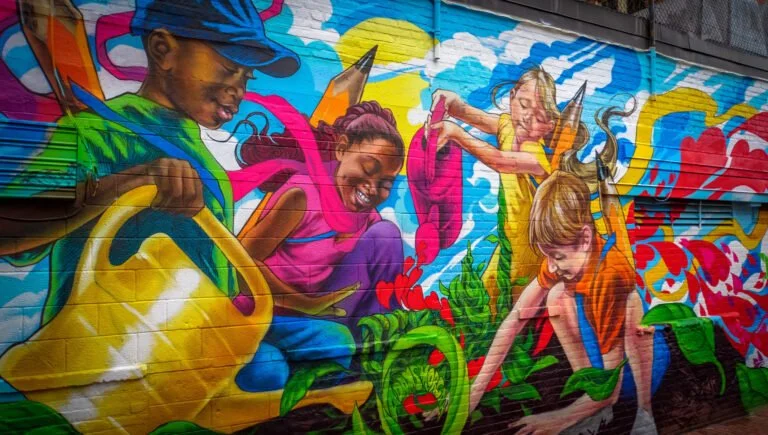
This article explores the evolution of murals from ancient cave paintings to modern digital advocacy, highlighting their role as a vital tool for social resistance and cultural preservation. Through this lens, the public wall is revealed as a primary battleground for community identity and the right to protest in the 21st century.
As immersive technologies merge with AI-driven platforms, the boundaries between physical and digital life are rapidly dissolving - bringing new ethical, legal, and safety challenges into focus. This article examines the history of virtual harm in online and XR environments, from early text-based worlds to contemporary VR gaming and performance spaces, and argues for a privacy-first framework as the foundation for immersive safety. By analyzing legal gaps, platform accountability, and global policy efforts, it proposes digital “guardrails” that prioritize user dignity, data protection, and well-being as core design principles rather than afterthoughts.
This article explores the intersection of digital art, NFTs, and community governance through the lens of the furry fandom, a decentralized community of artists and enthusiasts. With the rise of NFTs, the ability to authenticate digital art and protect creators' work has become a critical concern. The study examines the resistance within the furry community to adopt NFTs, highlighting their reliance on community-based trust and governance over "trustless" blockchain systems. While some see potential in NFTs to safeguard intellectual property, many furries are skeptical, valuing social trust and ethics over commercialization. By studying the furry subculture's approach to art ownership and the challenges they face, the article poses larger questions about the future of NFTs and blockchain technology in creative spaces.
What happens in the arts when there are barriers to collaborating across a physical shared space? How can arts organizations benefit from emerging technological trends and harness the capabilities of online collaborative technologies for the unique purpose and needs of collaborative artistic projects
As the market needs for convenience grow stronger, E-Commerce seems like a sound organizational investment for non-profits, especially for arts organizations that have the ability to develop branded and unique products. However, E-Commerce effects more than staffing and resources in a non-profit organization.
Reselling tickets at prices above face value on the secondary market, otherwise known as ticket scalping, is a common practice in the United States. But how has the internet and advancing technology empowered scalpers at the expense of arts organizations? AMT Lab Contributor Katie Grennan investigates.
When you need a book, you no longer jump in a car and drive to a bookstore. Instead, with just a few clicks on the computer, your book will be waiting at your front door in two days or instantly online. E-Commerce has become a natural and regular part of people’s lives, and nonprofits should evaluate this trend when managing their revenue sources.
As technology continues to shrink the world we live in by bridging communities across the globe, collaborations between artists separated by space are becoming more common. In this white paper, AMT Lab contributor Nora Fleury looks at the ways new technologies are influencing this increased collaboration. With a specific focus on team communication applications and cloud-based document sharing systems, this is a useful resource for managers struggling to foster communication between artists separated by geography. Click here for the full report.
Web 2.0 has changed many aspects of the modern world, and fundraising and philanthropy is no exception. From the tidal wave of tech tycoons committing to the Giving Pledge to the rise of crowdfunding (and a bevy of potential platforms for a crowdfunder to choose from), soliciting essential funds has more avenues than ever--and more potential challenges along with them. This week's throwback rounds up numerous articles that provide time-tested wisdom on how to navigate in the new world of web-based fundraising and philanthropy.
In most cases, an organization’s efficacy is only as strong as its internal cohesiveness. But how do we create this environment? There are many technological tools available that are designed to ease organizational communication and workflow management, and through the years AMT Lab has written product reviews and articles featuring several of them. This week’s TBT is a toolkit for managers thinking about implementing new communication or workflow processes, or even reviewing their existing processes to see whether they have the best tools for their projects.
While many idealize the implementation of technology into organizational practices, those who have attempted to do so know firsthand that there are many challenges involved--many of which have less to do with the technology itself, and more to do with the human process of adjusting to it. Over the years, several AMT Lab articles have covered different aspects of this adjustment, and today’s throwback gathers them together to create a handy organizational guide to adjusting to technology.
You would be hard pressed to find any person who has visited a grocery store or movie theater that has not been asked to donate an additional dollar for charity on top of their purchase. It’s become a widely accepted, near expected, practice in contemporary consumer culture. Capitalizing on existing buyer behavior is not just easy- it’s smart. However, the model has advanced far beyond adding a few dollars onto a popcorn purchase at the cinema. It has emerged as a way for organizations to capture financially strapped young donors, and generate creative revenue streams as traditional philanthropic avenues face increased competition.
Here at AMT Lab, we have been sorting through plenty of data as we prepare for tomorrow’s release of the full report from our 2015 National Ticketing Survey (stay tuned!). Today’s throwback is a collection of AMT Lab Articles that discuss tools, stories and best practices for the management and usage of quantitative data in an arts organization. Most of these are a more recent throwback, but even those articles from 2012 still provide invaluable resources for organizational leaders.
Introducing new technology into a tried and true process is an experiment— as such it comes with risk. However, if we leave our comfort zone, think critically about the strengths and weaknesses of our processes as they currently exist, and entertain how technology could allow for deeper and more efficient collaboration, we may find new opportunities for innovation in this vital area. The Oregon Shakespeare Festival (OSF) did exactly that to remarkable success.
To understand why arts organizations have struggled to capture funds from tech billionaires, arts managers and development professionals would do well to recognize what philanthropic sectors they are losing these dollars to, and why. Armed with these insights, arts professionals can then adjust their strategies to better appeal to this new and growing donor segment.
If you told the average San Francisco resident 40 years ago that the art scene in the Bay Area would be gasping for life in 2015, they probably would have laughed in your face. But it is 2015, and that is the reality we are facing. The tech giants have moved in, and tension is building between the Silicon Valley community and its non-profit entities. In particular, arts organizations seem to be at an extreme disadvantage for a few reasons: