



An Industry of Secrecy: Why Streaming Companies Hide Viewership Data

An Industry of Secrecy: Why Streaming Companies Hide Viewership Data

The entertainment industry in a post-pandemic and streamer-heavy world bears a sigil of secrecy. Viewership data for films and television shows on Netflix, Hulu, Amazon Prime Video, HBO Max, Disney Plus, Apple TV Plus, and other streaming services is highly monitored behind closed doors at these companies. Streaming consumption skyrocketed at the beginning of the COVID-19 pandemic, as people around the world were forced to stay at home. During the same time, online TV/video consumption increased from 1.7 hours to 6.5 hour. The pandemic fast-tracked the world’s shift to streaming, as it became one of the only accessible entertainment platforms, forcing the general public to decide which streaming services to invest in, largely because of cost.


Open Access Initiatives & Its Impact on the Art World

Open Access Initiatives & Its Impact on the Art World

According to the Western Museum Association, Open Access refers to efforts made by museums to provide high-resolution downloadable images free of charge to maximize the ability of the user to interact with, share, and reuse the images. In 2018, Douglas McCarthy, Collections Engagement Manager at Europeana, and Dr. Andrea Wallace, Senior Lecturer in Law at the University of Exeter, set out to see how many cultural heritage institutions make their digital collections available for free use, as well as how they do it. The pair created a Google Sheet survey that has listed over 1,200 international institutions, including Galleries, Libraries, Archives, and Museums. Over one-third of these records name specific Museums. While Open Access encompasses numerous industries, this article focuses Open Access technology and usage in the context of Museums and Artists.

The Impact of Emerging Sustainable Practices in the Film Industry

The Impact of Emerging Sustainable Practices in the Film Industry

Sustainability is important to every industry, especially film, as each production (with an average $70 million budget) produces a carbon footprint of 3,370 metric tons. TV and film productions create an abundance of carbon emissions, significantly affecting the atmosphere. However, carbon emissions are not the only aspect of sustainability the film industry must focus on. Sustainable Development Goals (SDGs) provided by the United Nations (UN) show that practicing sustainability involves much more than climate change. While the film industry is making many strides towards greener productions, there are many issues that have yet to be addressed. Such issues include livable wages (SDG 8), gender equality (SDG 5), and responsible production and consumption (SDG 12). These are a few of the most prevalent ways that the film industry can follow the path of sustainability per the UN guidelines.

Technology Connecting ICH Motivations and Safeguarding Responsibilities

Technology Connecting ICH Motivations and Safeguarding Responsibilities

In an increasingly virtual work environment, digital technology is becoming a standard tool for creative industries. Cultural heritage work is no different. A broad variety of tools are being used to safeguard cultural heritage sites and objects, from partnering 3D modeling, drones and artificial intelligence for a preservation project on the Great Wall of China, to virtual reality being used to replicate and recreate the Dunhuang Caves. With the growing attention for intangible cultural heritage (ICH), it is important to explore what digital tools are being used for fulfilling intangible cultural heritage safeguarding responsibilities and what opportunities exist for other projects and their practitioners.

Theatre Collaboration Technology: A Blue Ocean to Explore

Theatre Collaboration Technology: A Blue Ocean to Explore

Theatre production collaboration has long been an analog, face-to-face process. When the COVID-19 pandemic hit in 2020, many theaters moved to innovative, online production models. Without the ability to meet in person, the meta processes of production had to shift online too, and theaters were forced to contend with a new landscape of production possibilities. Now that theaters have proven that they can produce in digital formats, what would happen if they approached opportunities for digital collaboration with intention and care?

NFT Showdown: Miramax vs. Tarantino

NFT Showdown: Miramax vs. Tarantino

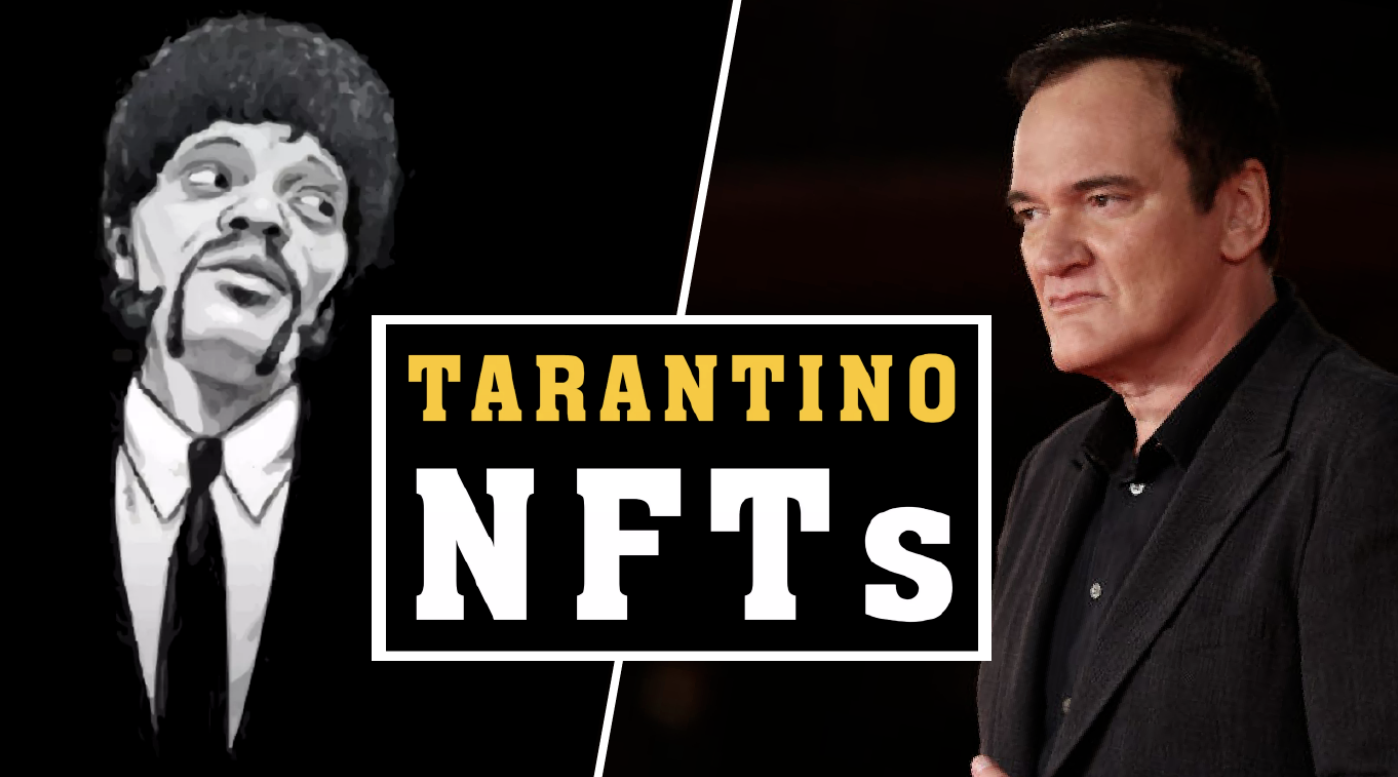
There is ongoing legal debate around Quentin Tarantino's latest project, an exclusive behind-the-scenes NFT collection based on the 1994 Miramax blockbuster hit "Pulp Fiction," published in December 2021 on Opensea by SCRT Labs. A California lawsuit will determine whether Tarantino's plan is too cavalier, and whether Miramax should receive a cut of the sale. Today’s NFT world is governed by crude and antiquated laws surrounding copyright and trademark ownership. Hopefully this lawsuit establishes new legal boundaries and guidelines for future cases. In the meantime, NFT collectors should stay wary of ambiguous claims and unclear terms.

Maximizing Concert Experiences Through AR & VR

Maximizing Concert Experiences Through AR & VR

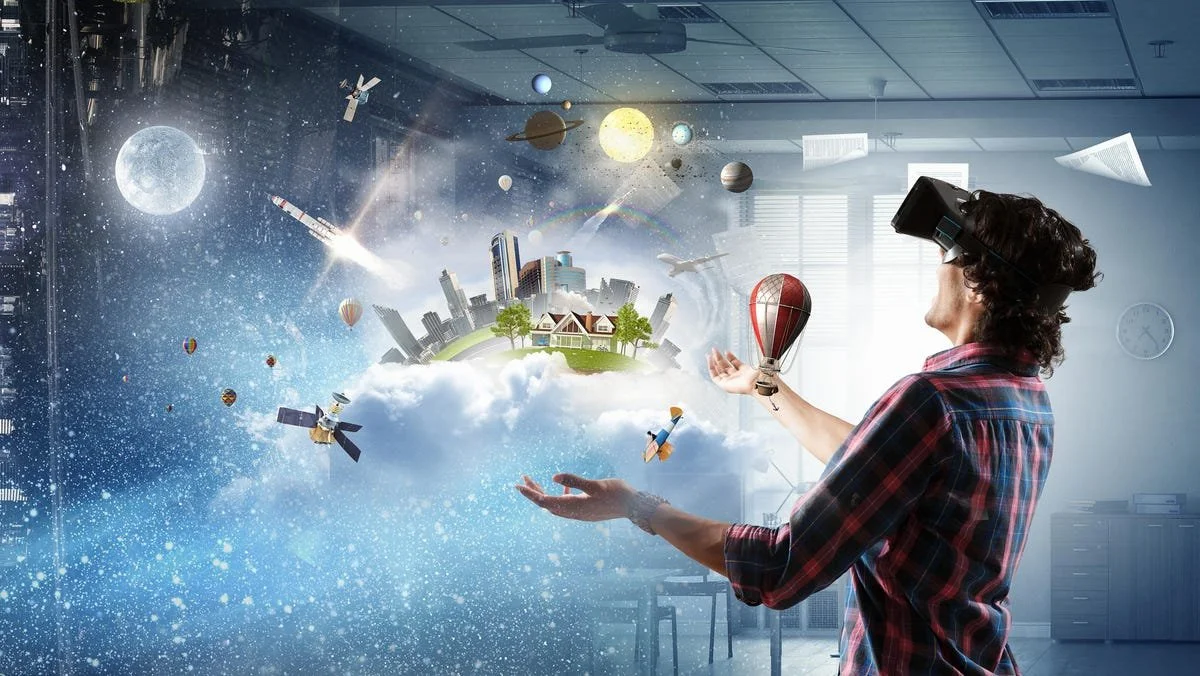
The application of Virtual and Augmented reality in music has been around for a while. From collaborative creation and interactive music videos to its incorporation in art museums, it seems as if the arts industry is competing with itself to enhance the audience experience. As concerts are a highly user-oriented experience, these technologies have started gaining more traction in the live music space. The demand for interactive and immersive experiences has called for innovative models to be incorporated within music. Thus, the application of such models is added to the concert experience with the implementation of VR and AR technologies to help maximize its interactivity.

Declining Super Bowl Viewership: Will it Maintain Most-Watched Event of the Year?

Declining Super Bowl Viewership: Will it Maintain Most-Watched Event of the Year?

While the Super Bowl has managed to remain the most-watched live event of the year, it has not managed to maintain its robust viewership numbers in the age of cord-cutting and media saturation. Despite the trend of lower viewership, there is one instance that raises audience interest, but it remains outside of the NFL’s direct control: too-close-to-call games. Thus, there is the possibility that viewership has decreased simply due to an increase in uninteresting games in the past few years. If there’s anything the many close games this past football season, and subsequent increase in viewership, can teach us, it’s that viewers enjoy watching competitions that are truly anyone’s game.

What We Should Know About Current Interactive Films

What We Should Know About Current Interactive Films

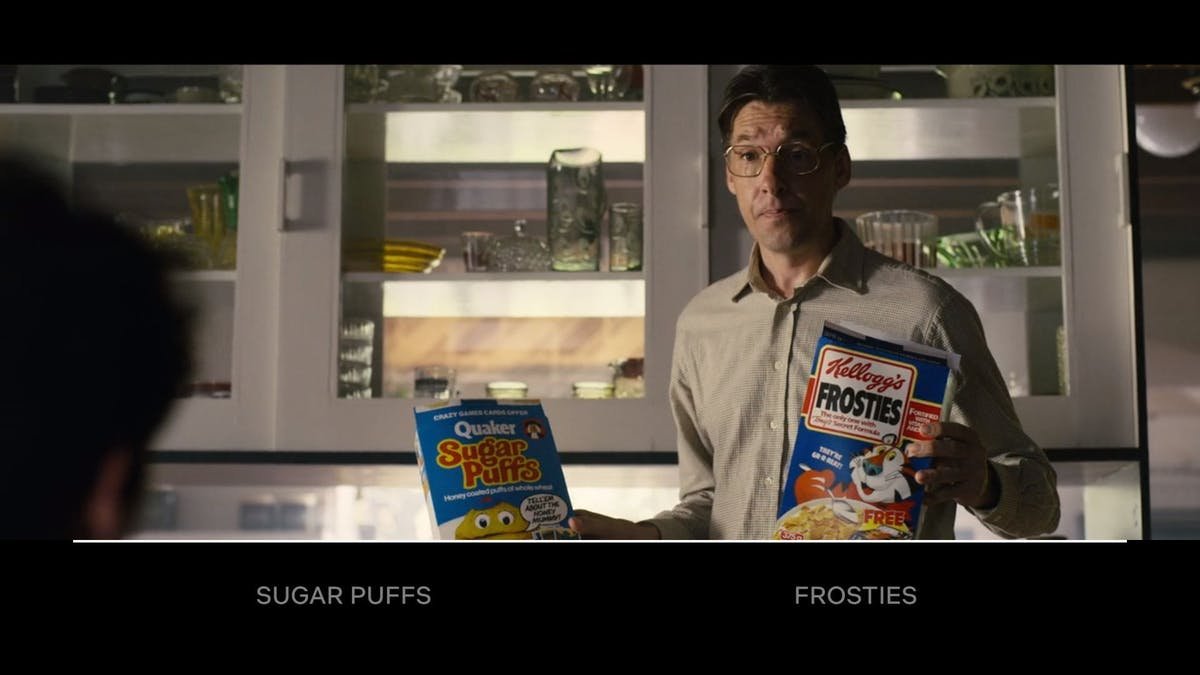
The dilemma of interactive films, feeling as if you are in control when you actually are not, is part of the reason why they are yet to become mainstream in entertainment, especially compared to interactive games. This article attempts to open this discussion by examining theoretical frameworks as well as a comparative case study. As the major concern lies in the disruption of the audience’s engagement, potential future options can be VR or implicit interactions (making choices through the user’s implicit activity) to provide a more engaging process. When the hype for this innovative technology wears off, the core of the films will still be their stories. After all, it’s about storytelling.

The Importance Of Audience Consumption Data In The Entertainment Industry

The Importance Of Audience Consumption Data In The Entertainment Industry

Since the 1980s, it has been industry practice to measure the number of viewers consuming films and television. These measures affect the industry in multiple ways, from advertising sales to cultivating future viewers, and often contribute to the project’s success. As streaming continues to pivot the entertainment industry, other services will begin to release viewership data in a similar fashion. This crucial step in releasing streaming viewership data has the potential to set a new dawn for streaming services: one where data and transparency lead the way into a more informed and impactful industry.

Art-Making & Storytelling for Social Good in VR

Art-Making & Storytelling for Social Good in VR

Those who have a vested interest in the arts are often curious: how is art impacting its audiences? The Americans for the Arts Arts + Social Impact Explorer presents ten categories for how art can impact the people in its communities, and it is the ultimate challenge of arts organizations to build innovative programs that improve their reach in all ten. To measure impact against this challenge, organizations may analyze ticket sales, subscriptions, donations, and audience surveys. Between income spreadsheet lines, however, there are more questions about how to improve engagement, and – central to this piece – when and how to incorporate new technologies into classic offerings to boost innovation.

Using VR & AR in Live Music

Using VR & AR in Live Music

Virtual Reality technology puts the user in a computer-generated environment, allowing them to interact with simulated elements via a headset. On the other hand, Augmented reality incorporates elements that are generated, be it visual, audio, or other sensory elements into the real world via technology. AR technology lets the user position his or her smartphone to a point in the physical world and bring it to life by adding virtual components via this technology.

Expanding our Live Streaming Future: Refining and Developing New Arts & Entertainment Experiences

Expanding our Live Streaming Future: Refining and Developing New Arts & Entertainment Experiences

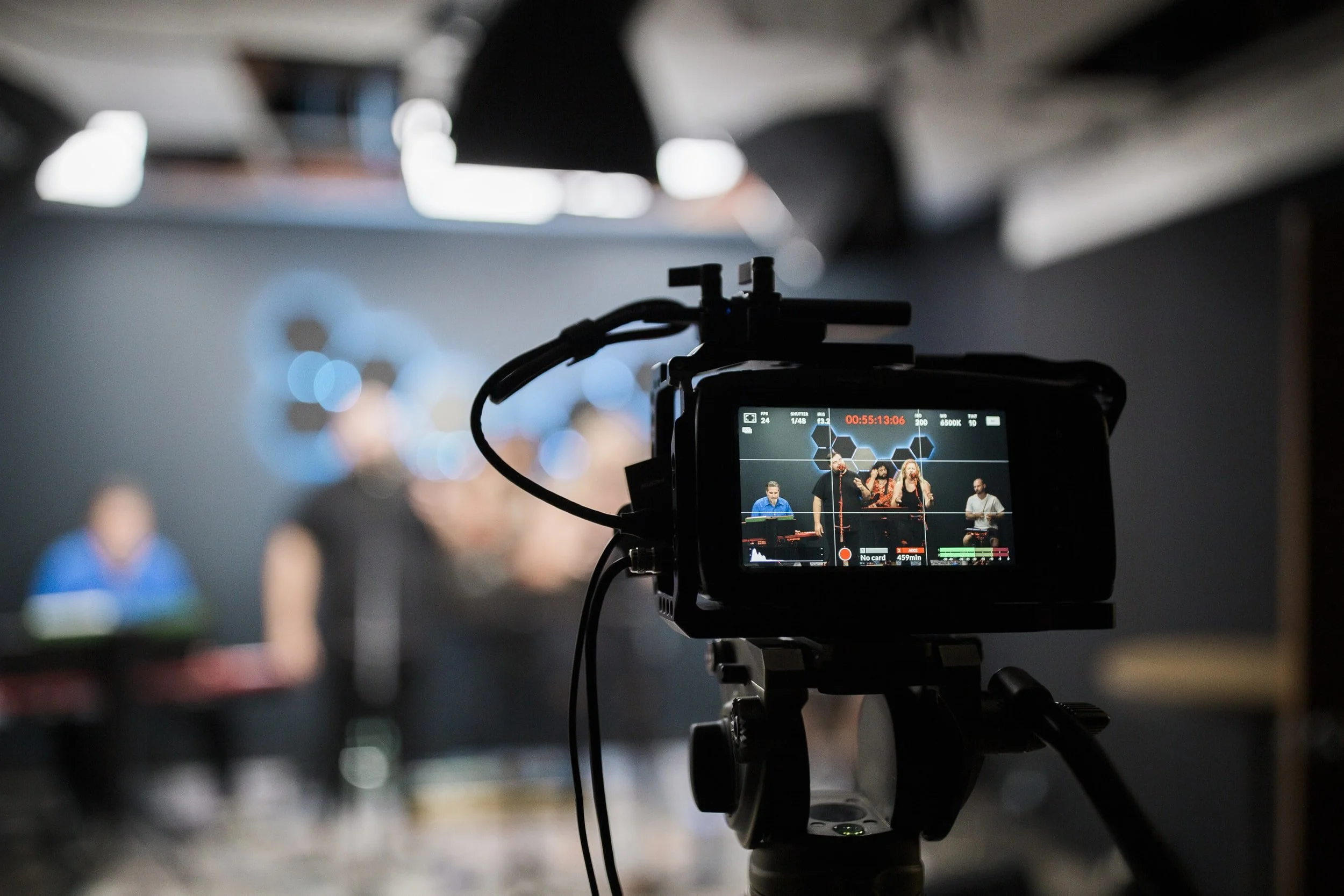
Livestreaming has become a burgeoning global industry, recording eight billion hours of content watched in the last quarter of 2020 (May, 2021). This research projects examines the industry before the COVID-19 pandemic, how it evolved during the pandemic, and its future opportunities. From October to December 2020, over eight billion combined hours of content were watched as livestreams on the top three largest platforms, Twitch, YouTube, Facebook Live (May, 2021). Using data from industry leader interviews, a national survey, and case studies the team reveals the power and current technology limitations to livestreaming for the live entertainment industry.

Theatrical Livestreaming: Fostering the Next Generation of TheatreMakers

Theatrical Livestreaming: Fostering the Next Generation of TheatreMakers

In my previous AMT-Lab article, Livestreaming And Live Theatre: A Promising New Industry, I presented the data and specifics of the current livestreaming market as a whole. During this research, I found that livestreaming viewership set record highs in 2020. Not only was livestreaming able to grow during the initial impact of the pandemic, but this interest was maintained throughout 2020 and into 2021. Livestreaming, as an industry, grew by 81% in 2020. The large potential for market utilization is undeniable. Most importantly, however, is that livestreaming theatrical events offer a level of access and opportunity to arts and cultural events that have yet to be capitalized.

Open Access and Why it Matters in the Museum Space

Open Access and Why it Matters in the Museum Space

Amidst Covid-19, many museums moved to sharing collections and exhibitions virtually. However, even before Covid, museums began sharing their collections in a virtual, accessible manner with Open Access. It is estimated that nearly 1,000 cultural heritage institutions world-wide have published some or all of their collections with Open Access usage. While Open Access exists in other industries, such as in libraries, this article focuses on the context of Open Access in the museum space.

2021 Top 10 Most-Read Articles

2021 Top 10 Most-Read Articles

As we welcome 2022 for myriad reasons, be sure to catch up on what you missed in 2021 by reading out top 10 most read articles. Surprisingly (or not), while the last year continued to show interest in covid’s impact on technology and work, our readers were curious about a broad set of content — from NFTs to using technology to track dance. Which of these articles did you read, or miss?

Why Interactive Films Are Not A Success...Yet

Why Interactive Films Are Not A Success...Yet

Motion picture companies in recent years are blurring the line between film and video games, bringing technical practices that have been adopted by interactive video games for many years. With the drift of film history into greater realism and higher audience immersion interests, interactive films that make compromises for the audience to take control are emerging. Filmmakers use different new-media technologies such as Eko Studio and Wirewax to engage an audiences’ interaction, but the medium is still so young that more extensive research is needed. This research examines the differences between the engagement models of interactive films and video games to identify the reasons why interactive films do not obtain a larger market.

Cryptocurrencies in Indie Film Economics

Cryptocurrencies in Indie Film Economics

Streaming technology in the last decade has rebuilt the structure of film revenue models. Motion pictures now earn revenue through a network of internet-based over-the-top (OTT) content distributors, reaching worldwide audiences by partnering with multiple streaming platforms. More recently, the Covid-era decline in theatrical film distribution has led to a purely OTT distribution model, and a complete reliance on internet-based revenue. In the future, advancements in blockchain technology are expected to disrupt and further redesign the film distribution waterfall. Ambitious filmmakers should have a clear understanding of how revenue distribution waterfalls work before they tackle a blockchain-based film production.

How Art and Technology Can Work Together to Facilitate Healing

How Art and Technology Can Work Together to Facilitate Healing

When it comes to the widely discussed topic of mental health, the arts have proven to play a significant role in healing. In fact, artists and scientists have been researching impacts of art on the brain and body for nearly 75 years. The founding hypothesis in art therapy research emerged from the projects of two women curious about how art could help the severely ill, but extensions of their work continue to grow. Like much in our lives, art therapy research is now increasingly embracing immersive technology.