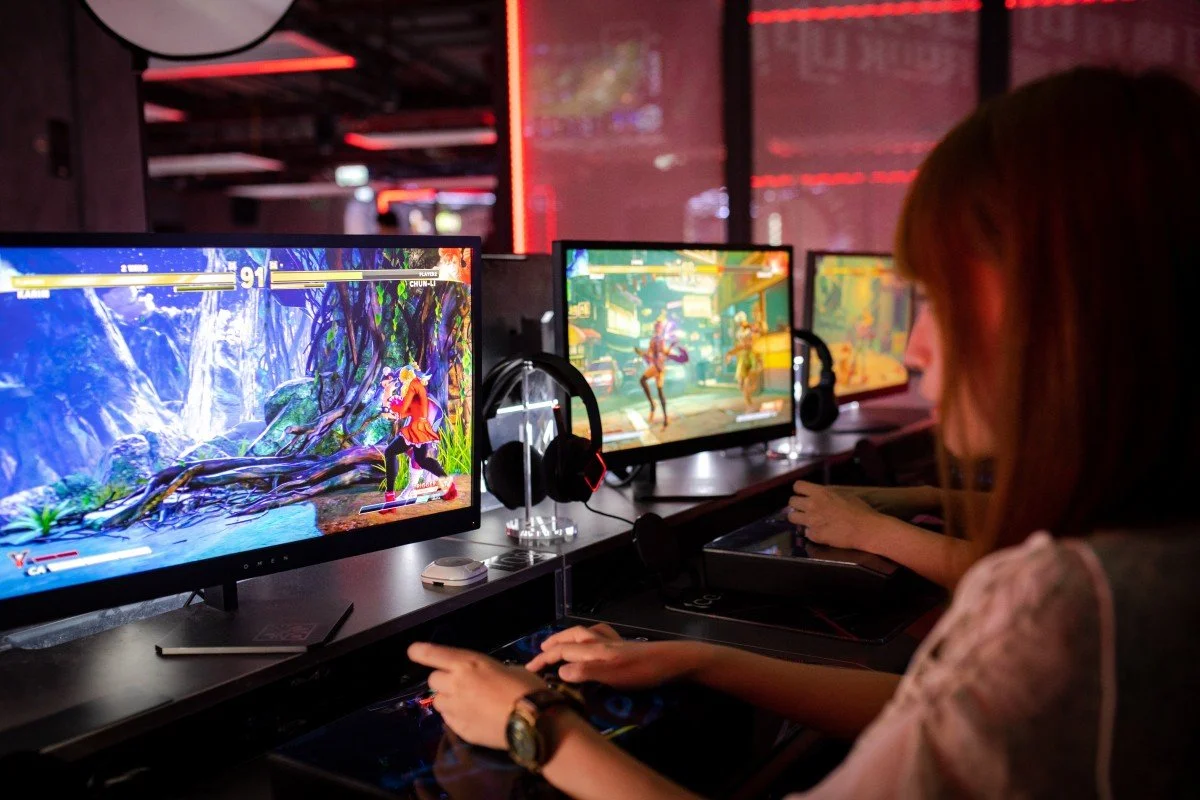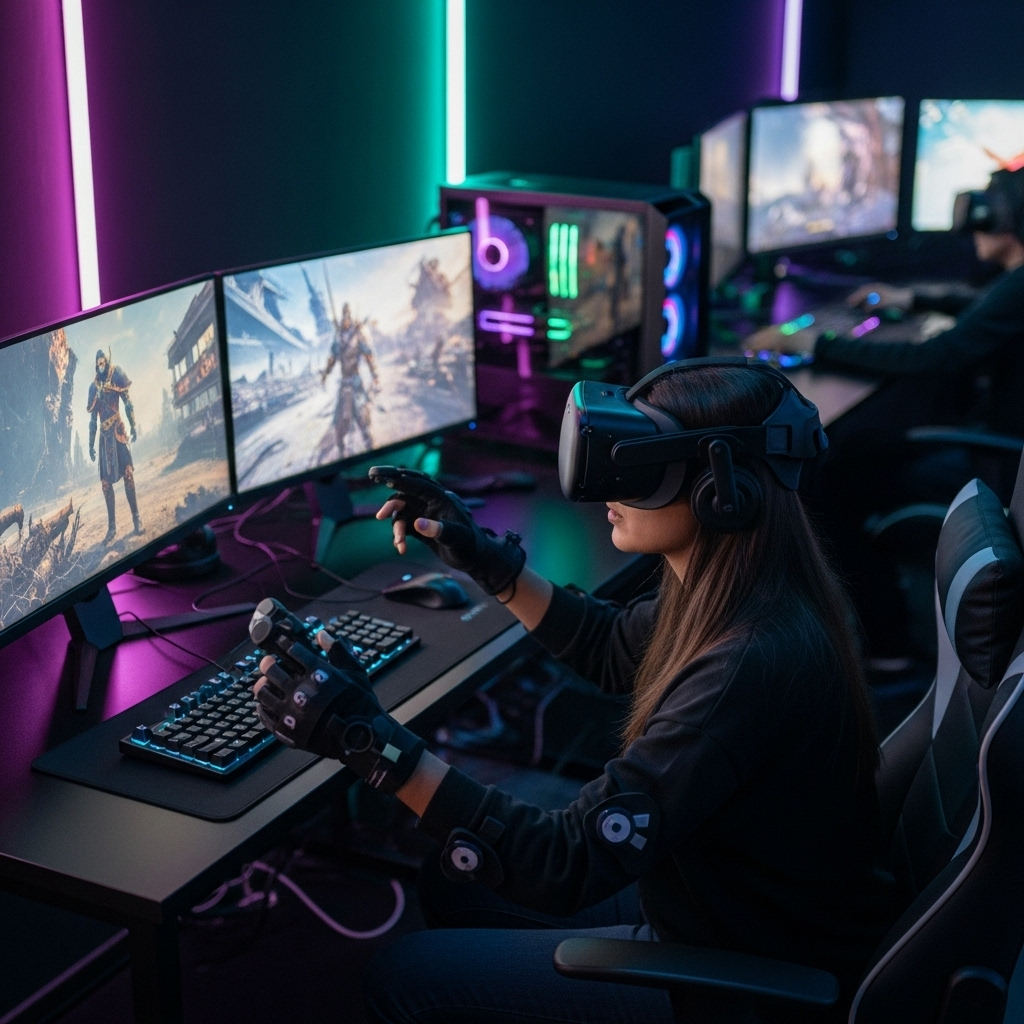

This study advances Part II by translating Scopely’s strategy into an execution plan across three tracks - NPC innovation, intelligent monetization, and ethical LiveOps - supported by new evidence from a 1,159-response consumer survey, nine expert interviews (developers, influencers, and experiential professionals), and secondary industry research. Part I established the market context for AI’s disruptive potential and identified three priorities: live operations evolution, commerce optimization, and advanced player analytics. The goal of this phase is to pinpoint the highest-leverage AI applications that deepen gameplay engagement, convert payment resistance through demonstrated value, and safeguard community trust. Accordingly, Part II outlines actionable playbooks (context-aware NPCs and adaptive narratives), platform tactics (purchase-aligned mobile personalization and cross-play integration), and operational models (behavior-based matchmaking and transparency protocols) designed to drive scalable, technology-led growth while preserving the integrity of shared human play.
Part I - Beyond the Screen: The Role of AI in Evolving Game Ecosystems and Player Dynamics
This study provides a comprehensive analysis for Scopely to enhance its position as a leader in interactive and mobile gaming, focusing on AI integration in live operations, in-game commerce, and player analytics. The research reveals the urgent need for gaming companies to navigate accelerated AI adoption and evolving player expectations for personalized experiences. The goal is to identify the most impactful AI applications over the next three years and strategies that maximize engagement and monetization while maintaining player trust. Significant to this goal is balancing innovation with ethical considerations, including data privacy and transparency, while recognizing AI's potential to enhance storytelling and create immersive experiences. Employing a mixed-methods approach with industry interviews, a survey of over 1,000 U.S. gamers, and secondary research, Part I establishes the foundation for understanding AI's transformative impact - setting the stage for Part II's empirical findings and strategic recommendations.
Remixing the Music Industry: Strategies for 21st Century Record Labels, PART II
This study provides a comprehensive strategy for Shaboom Records to enhance its status as an independent music label in a highly competitive market, focusing on three key areas: revenue growth, digital service provider (DSP) strategies, and fan engagement. The supportive research reveals the need for companies to effectively navigate changes in the music industry, such as globalization and the rise of streaming. The goal of this research is to identify the most effective revenue streams for U.S. independent labels expanding into emerging global markets and the digital engagement strategies that yield the highest conversion rates and retention metrics for Gen Z and Gen Alpha listeners. Significant to this goal is the recognition that DSP optimization is largely based on securing relationships with playlist curators. Furthermore, social media has democratized the music industry, giving artists control over their narrative and the ability to connect with fans.
Remixing the Music Industry: Strategies for 21st Century Record Labels, PART I
This study provides a comprehensive strategy for Shaboom Records to enhance its status as an independent music label in a highly competitive market, focusing on three key areas: revenue growth, digital service provider (DSP) strategies, and fan engagement. The supportive research reveals the need for companies to effectively navigate changes in the music industry, such as globalization and the rise of streaming. The goal of this research is to identify the most effective revenue streams for U.S. independent labels expanding into emerging global markets and the digital engagement strategies that yield the highest conversion rates and retention metrics for Gen Z and Gen Alpha listeners. Significant to this goal is the recognition that DSP optimization is largely based on securing relationships with playlist curators. Furthermore, social media has democratized the music industry, giving artists control over their narrative and the ability to connect with fans.
Technology & Linguistic Representation in the Arts: A Research Report
Linguistic representation and language-based accessibility are paramount to developing a truly inclusive artistic sector that allows diverse individuals and communities to use the arts to strengthen their identities and in turn “understand how [they] matter.” Lauren Miller’s series of articles on AMT Lab have explored the topic of linguistic accessibility and representation in the arts, and include case studies of those who are setting the best examples in the field. To explore more, check out the author’s research report on linguistic equity in the arts.
Issues and Trends in the Creator Economy
What is a content creator’s journey like? How do content creators grow to become media companies? What services does the creator economy need as they grow bigger? From these questions, our group makes predictions about the future of the creator economy and recommendations for how creators can thrive within the landscape.
Multilingual Technology for Global Entertainment: A Case Study of Netflix
The Current State of Linguistic Representation and Accessibility in the Artistic Sector
Language-based diversity and the related questions of physical accessibility are regularly left out of these conversations; whether conscious or not, DEI efforts in popular arts and media regularly function on the outskirts of language-based representation and accessibility. For members of minority and underrepresented demographic groups, representation in arts and entertainment not only impacts how the world sees them, but guides how they see themselves.
The Challenge to Keep Millennials and Gen Z Interested in Long-Form, High Quality Content: Part Two
Social media is infused into the daily lives of Gen Z and Millennials. In order to reach and meaningfully engage with IND18-35, organizations should build a thoughtful social media presence to funnel the IND18-35 community to specific content. Initially, organizations should identify existing Gen Z and Millennial parties as key stakeholders and partner with them to create interactive, promotional content on social media. The focus should be on TikTok and YouTube as 75% of survey respondents ranked one of these platforms as their primary source of short-form content.
Connecting People to Place: How Digital Maps Advance Civic Engagement in the Cultural Sector
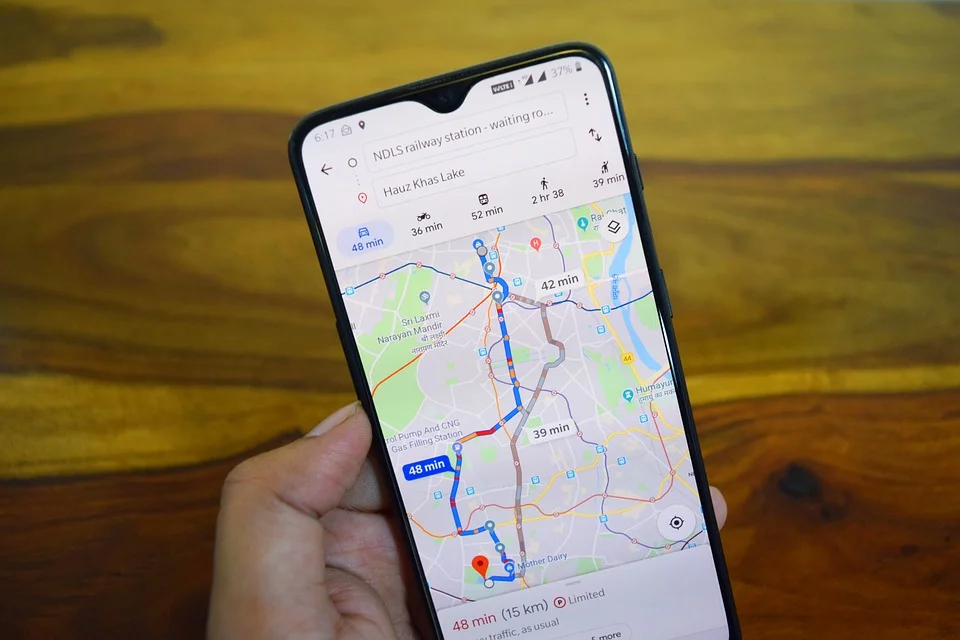
In a time where we can build and access a wealth of geographic information through our mobile devices and online, digital tools are being leveraged to make these kinds of civically engaged connections. Digital maps, in particular, have been built to service archival needs as well as transform the public’s interaction with art and archeological sites. By examining how organizations have deployed various digital map technologies in their work, we can also see how these tools have practical value and the potential to more broadly advance the cultural fields.
AI & the Future Workforce of Museums
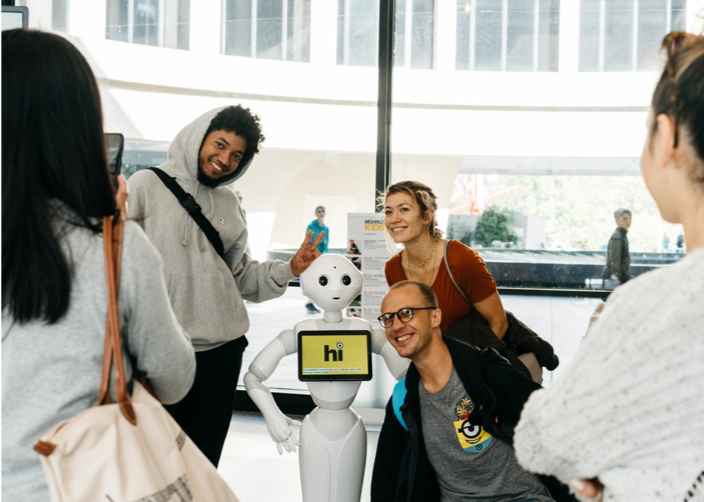
AI has, and will continue to disrupt many traditional careers. According to a report by the global consultancy firm McKinsey & Company, by the year 2030 automation and AI could force around 33 percent of the US’s projected 166 million workforce to change jobs. How will this future impact the museum sector? This report investigates the pathways for AI in the workforce and where we might begin seeing it emerging in the museum sector.
Integrating Music Technology in the Classroom: Increasing Customization for Every Student
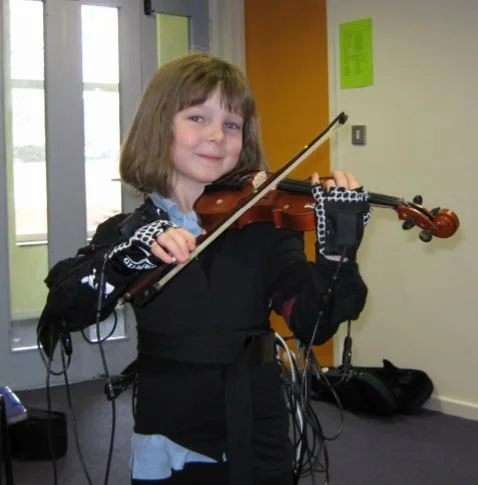
The following study investigates emerging technologies and their implications for music education, inside and outside the classroom. Learn how apps, digital instruments, practical aid technology, and wearable technology can be used to increase engagement and learning opportunities for music students in various settings.
Live Streaming Performing Arts Using Social Media: Why, How & Best Practices
As more people are consuming and participating in the arts via electronic media, it is essential for arts institutions to develop a strong online presence. Uploading content and performances online can allow more people to access the arts and learn about an institution. One strategy to increase engagement and build an online presence is through live streaming. This paper explores the benefits of live streaming, and how it can remove barriers of access to the arts. It explores various platforms for streaming, like Facebook, Periscope, Youtube, Livestream.
New Tech Impacts Ancient Sites
Last April, contributor Jana Fredricks attended the 2018 Museums and the Web conference in Vancouver. Amidst the chatter of digital collections, online audience engagement, and shiny new tech, she presented research on three technologies that have changed the way cultural heritage sites are understood and documented in the digital age. Her paper, Digital Tools and How We Use Them: The Deconstruction and Reconstruction of Cultural Heritage in Syria, was presented in a panel entitled Post-Colonial Digital.