A Look at the Intersection of CRM Systems and Digital Giving in the Arts Fundraising Landscape

A Look at the Intersection of CRM Systems and Digital Giving in the Arts Fundraising Landscape

Customer relationship management (CRM) systems are integral to any arts organization. They allow for the organization to collect data on their patrons in order to create better relationships with them. However, the current pandemic has shown some areas for improvement, specifically in terms of current technology’s relevance. One such area is the intersection of CRM systems and digital giving. Up-to-date and easy-to-use technology can put an organization ahead, but it is going to take a dedicated strategy to ensure progress.
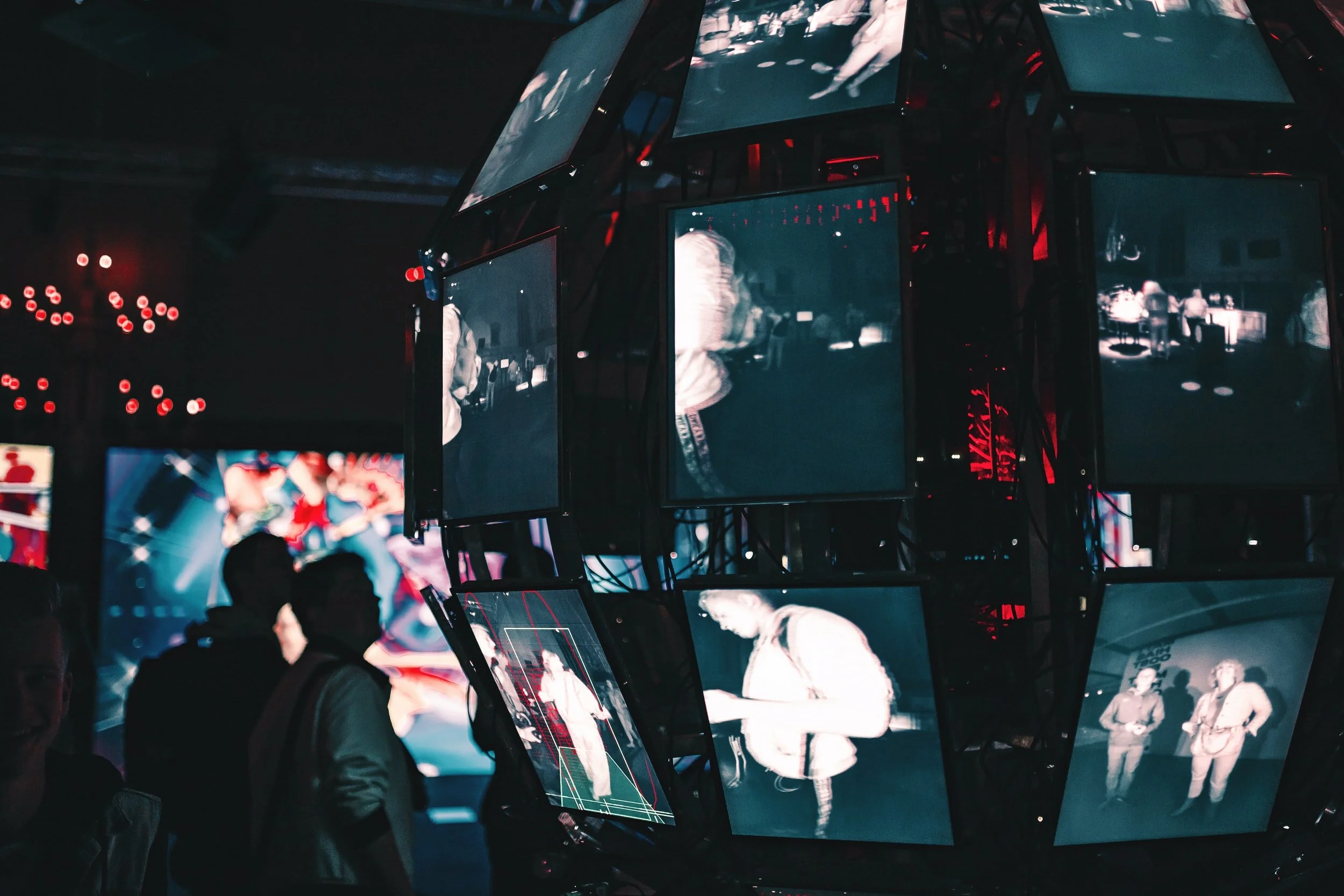
Connections and Gaps between Artists’ and Institutions’ New Media Preservation Efforts

Connections and Gaps between Artists’ and Institutions’ New Media Preservation Efforts

Media art, which frequently involves data, software, or electronic devices, keeps facing the challenge of technological obsolescence. Since preservation and conservation are fields often dominated by museums and similar organizations, a contrast exists between personal and institutional practices. In some cases, artists rely on museums for technological support. This article looks at new media artists’ firsthand experiences and media artworks donated to the MoMA.

Part 2: Surveys, Interviews and Recommendations for Documentary Distribution

Part 2: Surveys, Interviews and Recommendations for Documentary Distribution

Emerging Trends in Documentary Program Distribution focuses on understanding the current market for documentary programs and the current best practices to sell, distribute, and market documentary content. Part two of this research analyzes data and information collected through an audience survey and one-on-one interviews. This original research will be used in connection with the broader contextual research to provide recommendations for documentary filmmakers on the best paths for taking their work to the market.

Emerging Trends in Documentary Program Distribution: Part 1

Emerging Trends in Documentary Program Distribution: Part 1

Documentary content has long been a staple of culture and entertainment in the United States, but emerging technologies are changing the way this programming is consumed. Emerging Trends in Documentary Program Distribution focuses on understanding the current market for documentary programs and the current best practices to sell, distribute, and market documentary content. This research article is presented in two parts. The first lays out an overview of the documentary market and then moves into an analysis of how the consumption of video content has changed due to emerging technologies.

Video Streaming Trends for Performing Arts Organizations

Video Streaming Trends for Performing Arts Organizations

Performing arts organizations are facing unexpected pivots to sharing their content digitally in 2020 due to the Covid-19 pandemic. Many of these organizations are confronting entirely unfamiliar methods of distribution, launching head-first into the vast world of streaming. To embrace the opportunities of such a shift, organizations must consider the benefits and risks of the various methods within the ever-evolving digital landscape.

AMT Lab in 2020: Our Top Posts and Podcasts of the Year

AMT Lab in 2020: Our Top Posts and Podcasts of the Year

Now that 2020 is in the rearview mirror, we’re looking back at the posts that were most popular with our readers. Featured topics included music streaming, entertainment trends, and management tools for the arts sector. On the podcast side, our most popular episodes reflected the national trends: the need for racial equity and the effects of Covid-19 on the arts sector.

The Case and Tools for Building Online Communities in the Arts

The Case and Tools for Building Online Communities in the Arts

As the pandemic presses on, building stronger online communities can help arts organizations serve the immediate needs of all audience members now and increase access to art and community for audience members who prefer to participate from home in the future. Though no virtual platform can perfectly replace the organic community built by in-person interaction, virtual third places might create something similarly joyful and uniquely accessible to connect arts communities in times of pandemic-driven social isolation and beyond.

Digital Privacy and Subversive Art

Digital Privacy and Subversive Art

Having a better understanding of domestic legislation regarding digital privacy, as well as the international landscape as it pertains to these issues, can help in managing art that could be characterized as “seditious” or “radical.” It is important to note that surveillance, from both private and governmental entities, is on the rise as are the possibilities of censorship or unconstitutional oversight.

Cybersecurity Solutions for Remote Work in the New Year

Cybersecurity Solutions for Remote Work in the New Year

Cybersecurity has been on more people’s radars because of the recently exposed SolarWinds cyberattack, which impacted customers including the United States government. In this particular case, the breach was able to go undetected for months, indicating that even institutions with the highest levels of security can fall victim. As we begin the new year, arts organizations face a timely opportunity to consider their cybersecurity measures for remote work.

Letter from the Editor: 2020 in Words

Letter from the Editor: 2020 in Words

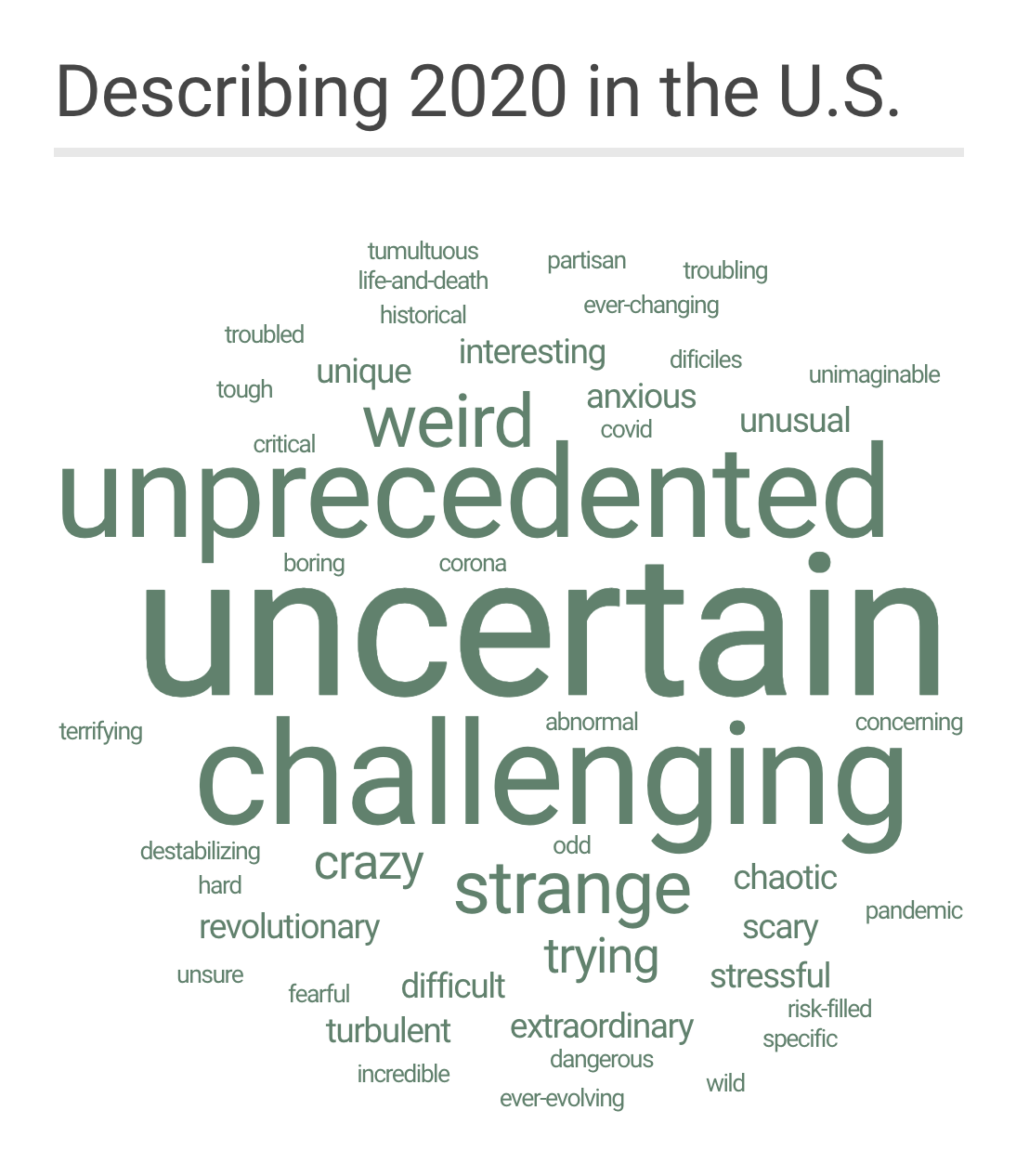
In the face of challenges and uncertainties, arts organizations were able to adapt in the form of VR operas, drive-in plays, virtual gallery tours, and in many other ways. While it was definitely a difficult year, hopefully we will also remember the strength with which we responded. Here’s to carrying that resilience into the new year and hoping for a less turbulent 2021.

Gifting and Giving for 2020 Holidays

Gifting and Giving for 2020 Holidays

Everything about this year has been different, and that includes how we show our appreciation for the people we love and the organizations we care about around the holiday season. Since in-person holiday gift exchanges aren’t possible, many people will be looking to the internet to send gifts to their loved ones near and far. We have compiled some trending gifts and resources to inspire your holiday gift giving. The end of the year also brings a rise in donations from end-of-year giving. We looked at some expected giving trends for this year and ways you can support artists and arts organizations.

An Investigation Into New Media Artists' Personal Preservation Practices

An Investigation Into New Media Artists' Personal Preservation Practices

Relying on electronic devices and digital files, new media artworks are sensitive to technology’s constant upgrades and possible obsolescence. A single dysfunctional file may lead to the permanent loss of an artwork’s content. Aware of such vulnerabilities and urged by their duty to care for objects for future generations, museums have established various initiatives for collecting and preserving media art and have also started encouraging artists to adopt preservation practices themselves. Given all the different approaches, this article investigates major strategies and tactics adopted by artists who advocate for new media art preservation as part of artistic practices.

Artist Perspectives on Net Art and New Media

Artist Perspectives on Net Art and New Media

In less than three decades, the end of net art movement has been announced more times than its new beginning has been declared. The early 2000s brought a new group of net artists who saw utopian potential in the internet and began using it as a tool to demonstrate independence from traditional art markets. The net artists of today are more easily defined within the genre of new media art rather than net art since their work explores not only the technology of the internet but also the technologies employed on the internet and the socio-political contexts that it produces. Stereyl and Blas—two artists included in this post—reflect a sentiment of contemporary new media artists: the virtual ecosystem is not the same as it was a ten years ago. What defines new media art is a continuing analysis and reflection on this ecosystem.

The Streaming War During the Covid-19 Pandemic

The Streaming War During the Covid-19 Pandemic

The Covid-19 pandemic has drastically disrupted all business sectors, including the arts, culture, and entertainment industries. Unfortunately, the Covid-19 pandemic’s impacts are far more permanent for an audience-oriented industry that requires a high level of engagement. The business model might be fundamentally changed and there will certainly be a shift in how content is produced and consumed. While lockdowns and social distancing measures to contain the pandemic have had a huge impact on the traditional movie industry, the video streaming model seems to be the greatest beneficiary in this difficult time as people are isolated at home, which is the ideal condition for binge-watching. This white paper looks at the status of the streaming industry before and after the first Covid-19 outbreak.

For Theatres, Digital Experiences are Here to Stay

For Theatres, Digital Experiences are Here to Stay

One of the biggest shifts that the theatre industry has seen as a result of the pandemic is the rise in virtual experiences. For millennia, theatre has been an art form that brings people together in the same space to share the buzz of excitement and thrill of emotion connected with live performances. However, Covid-19 has made this almost impossible. Over the past few months, institutions have been forced to make changes, but this has allowed for innovations in the field as well. The issue moving forward into the “new normal” is how to operate in terms of offering seasons as in-person or virtual experiences. I believe that theatres will choose to integrate both types of programming into their future season planning because of the developments made during the pandemic.

Orchestras' Post-Pandemic Digital Future

Orchestras' Post-Pandemic Digital Future

There is no use in waiting for the world to “go back to normal”: orchestras need to keep pushing forward and adjusting to the new reality. Covid-19 has proven, yet again, that people are interested in classical music, that it can and should have a stronger online presence, and that it has the power to bring peace—especially in times of uncertainty. Orchestras need to stake their place and assert their relevance in society. I envision a world where orchestras operate using “two stages”: one physical and one digital.

Case Study of China’s Entertainment Market under COVID-19

Case Study of China’s Entertainment Market under COVID-19

As we near the end of 2020, it is important to consider the emerging opportunities for live television as the world transitions through the global pandemic. Live performers sharing space is one aspect of a live broadcast. A second element is a live audience. The following case study focuses on how China restarted its entertainment industries and how other markets might adapt as well.

Tech for Enjoying the Holiday Weekend

Tech for Enjoying the Holiday Weekend

Happy Thanksgiving weekend from all of us here at AMT Lab! Even if your celebration looked a bit different this year, we hope you were able to relax, connect with those you love, and reflect on the things that you still have to be thankful for in what has been an at times bleak year. Here are some ways technology has helped us celebrate Thanksgiving in new ways and more tech engagement opportunities for the weekend.

How Covid-19 Has Impacted Live Audience-Based TV Shows

How Covid-19 Has Impacted Live Audience-Based TV Shows

One of the areas of the entertainment industry that has been hit the hardest by the Covid-19 pandemic is live audience-based TV. Not only is it difficult for show participants to film in person, but social distancing guidelines also prevent live audience members from attending normally. To investigate the effects of the pandemic on live audience-based TV, this post will look at the political, economic, social, and technological factors that are impacting live entertainment in the United States.