Cataloging is one of the most labor intensive responsibilities for collections management, requiring the expertise of many art-specialists. It typically is also the most encountered feature of a collection, especially when the actual object is restricted with respect to: preservation, accessibility, and engagement. Digitizing collections challenges traditional paradigms for audience interaction, and one private organization leading the progression is ARTMYN.
Digital Storytelling: 5 Tools That Make Data Worth Looking At
Learning Disabilities: What Arts Managers Need to Know
How Do You Compare in Digital Fundraising?
AMT Lab is researching emerging digital fundraising tools so that arts organizations can, hopefully, take a bigger part of the 14% increase in online giving. With $380 billion dollars of giving in the USA in 2017 and more people than ever giving online, the future of fundraising is changing before us. And don't be fooled -- the majority of the online donors were older than 49 years old. To understand how the arts can maximize current and emerging fundraising opportunities, a benchmark of what is happening in the field today is underway.
February News Roundup
Nonprofit Organizations can Join the Digital Streaming Revolution Too
Demonstrating Organizational Impact through Data Visualization
What’s Happening in Congress? Stay Informed with Countable!
Creative Crowdsourcing: How the Smithsonian Turned Data Entry into Engagement
Museum collections, specifically archives, in arts and research institutions are frequently viewed negatively partially because their upkeep is expensive and complicated, taking over precious work-hours for an already overworked staff. The Smithsonian Institution's ongoing operation of a Digital Transcription Center demonstrates that this upkeep can be accomplished in a cost-saving and engaging way.
Take Arts Programs to the Next Level with Open Data
How Do You Solve a Problem Like Millennials? Try Professional Development
#TBT: Audience Engagement
Building Audiences Part II: The Results
AMT Lab News Roundup: Best of January
Opportunities of Blockchain: What Arts Managers and Technologists Need to Know
Why Net Neutrality Matters for Arts Institutions
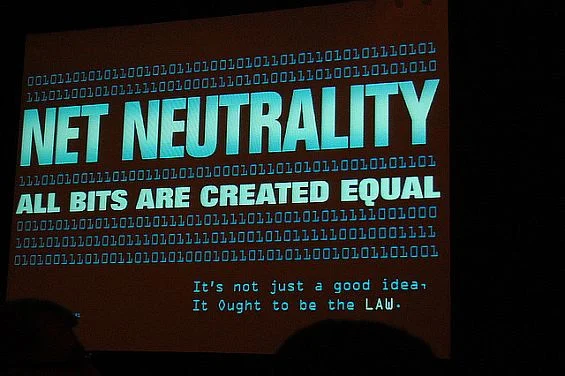
Net neutrality died by the hand of the FCC in November 2017. The policy, to be implemented summer 2018, will be detrimental to the work and impact of arts institutions and artists. The following article provides an overview of what changed, why net neutrality is important to the arts, and what you can do to help reverse the policy, or, as AT&T's CEO has called for, ask for Congress to create a consumer Internet Bill of Rights.