Social media platforms and their users are constantly changing, making it difficult for managers to create a comprehensive social media strategy that lasts for more than a year. Still, certain guidelines for engaging your audience through social media are becoming standard. This week’s TBT takes a look at how social media concerns, techniques, and strategies have evolved in the last five years
AMT Lab is going on vacation!
As many are heading back to school and wrapping up their summers, AMT Lab is taking a short break as we transition staff and start gearing up for another year of research and arts+tech content. Stay tuned--on queue we have several great interviews, white papers, and articles that we are really excited to share!
See you soon,
Jackie Shimshoni, Interim Editor in Chief
The Future of Micro-Credentialing: An Overview of Digital Badges for the Arts
Digital badges are an alternative method of credentialing that can identify specific skills a learner has mastered through the course of their own self-directed learning. Badges can be acquired in online, in-class, or apprenticeship learning settings. In spite of the great potential that digital badges offer for distinguishing an individual’s job-specific credentials, work must be done to make them more widely understood.
AMT Lab's latest publication, The Future of Micro-Credentialing: An Overview of Digital Badges for the Arts, is meant to be a guide for hiring managers in the arts that: defines what digital badging is; explains suggested taxonomies of digital badges; reviews the acquisition process; introduces initiatives to standardize and create accreditation; compares viewpoints on strengths and weaknesses compared to the traditional learning accreditation model; demonstrates the need for digital badges as a credential; suggests other considerations for using digital badges in the hiring of employees.
#TBT: The Web-Based Arts Experience
When discussing the future of the arts, many professionals and studies have stated that the manner in which audiences consume arts and culture is rapidly changing--and has already changed. The Internet has been the most notable new space for consuming culture, providing both opportunities and challenges through widespread and instant information sharing. Over the past several years, AMT Lab has documented the various web-based arts experiences that are becoming readily available--usually including lessons and best practices that managers can take away for their own practice. This week’s TBT rounds them up into a user-friendly toolbox of online arts experiences of various artistic mediums.
From Strategy to Analysis: A Guide to Navigating Google Analytics
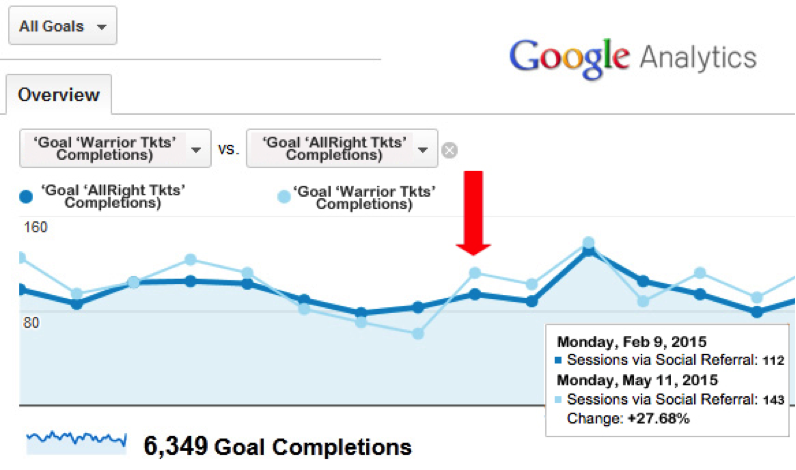
Whether working in digital or traditional channels, quantifying impact and engagement is a challenge. Often, it is difficult to find the causal link between marketing efforts and programmatic success. It can also be confusing to figure out how to effectively use Google Analytics, which, when mastered, can be used as a tool to identify successful communication strategies and observe user behavior.
Our latest publication, From Strategy to Analysis: A Guide to Navigating Google Analytics, gives arts managers a potential solution. Drawing parallels to the scientific method, this paper gives a complete step-by-step process using a theoretical case study organization to illustrate how an arts manager can use Google Analytics to achieve their organizational goals.
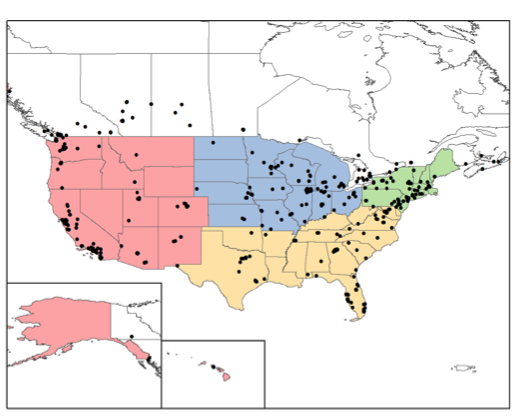
Rural vs Urban: Different Arts Technology Needs
Here at AMT Lab we are a little over-fascinated with data. To that end we thought we should start sharing fun observations we are making about data created by our researchers and those across the country. Our premiere Second Sunday Survey (S3) post will share the connections between NEA surveys and the recent AMT Lab Ticketing Software Survey.
#TBT: A Guide to Web-Based Fundraising and Philanthropy
Web 2.0 has changed many aspects of the modern world, and fundraising and philanthropy is no exception. From the tidal wave of tech tycoons committing to the Giving Pledge to the rise of crowdfunding (and a bevy of potential platforms for a crowdfunder to choose from), soliciting essential funds has more avenues than ever--and more potential challenges along with them. This week's throwback rounds up numerous articles that provide time-tested wisdom on how to navigate in the new world of web-based fundraising and philanthropy.
Gallery One at the Cleveland Museum of Art: Connecting Audiences to Art Through Technology
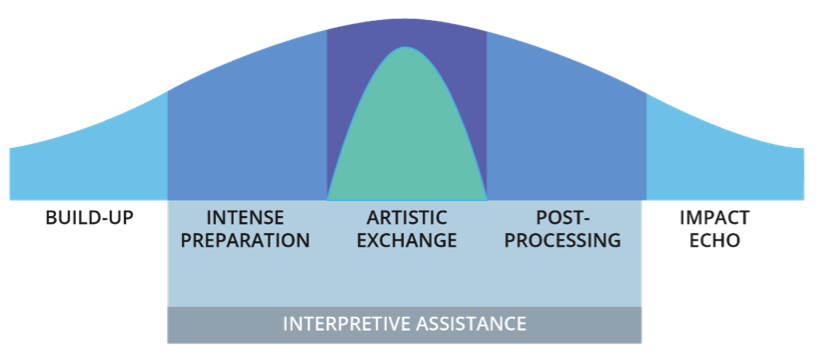
Museums, and all arts institutions, focus on reaching and engaging their audiences. For some it may mean reaching a broader audience while others are looking for a deeper relationship with their current audience. No matter the motivation, art museums face the daunting task of turning these desires into actionable and measurable endeavors. For some organizations, deep investments in technology may be a part of the solution. AMT Lab's latest publication, Gallery One at the Cleveland Museum of Art: Connecting Audiences to Art Through Technology uses WolfBrown's WolfBrown’s “Making Sense of Audience Engagement” framework to explore the Cleveland Museum of Art’s Gallery One initiative and to show how technology is able to reach a wide audience by filling diverse needs of engagement.
#TBT: A Toolkit For Workflow Management
In most cases, an organization’s efficacy is only as strong as its internal cohesiveness. But how do we create this environment? There are many technological tools available that are designed to ease organizational communication and workflow management, and through the years AMT Lab has written product reviews and articles featuring several of them. This week’s TBT is a toolkit for managers thinking about implementing new communication or workflow processes, or even reviewing their existing processes to see whether they have the best tools for their projects.
#TBT: An Organizational Guide for Adjusting to New Technology
While many idealize the implementation of technology into organizational practices, those who have attempted to do so know firsthand that there are many challenges involved--many of which have less to do with the technology itself, and more to do with the human process of adjusting to it. Over the years, several AMT Lab articles have covered different aspects of this adjustment, and today’s throwback gathers them together to create a handy organizational guide to adjusting to technology.
New Publication Available: Engaging Audiences Through Sensory-Friendly Performances
AMT Lab's latest publication Opening Doors: Welcoming New Audiences with Sensory-Friendly Performances, is a useful guide for organizations seeking to learn more about the needs and challenges of creating sensory-friendly programming programming. Based on interviews with several sensory-friendly program directors and artists from Pittsburgh Ballet Theatre, Imagination Stage, The Kennedy Center, and TDF’s Autism Theatre Initiative, this publication discusses best practices and important considerations for program development.
#TBT: Arts and Tech Around the World
As we begin July, many are taking summer vacations to different countries, a different state, or perhaps just the rugged terrain of their own backyard. For those who would like a little virtual escape, this week’s roundup throws us back to AMT Lab articles that featured digital collections, apps and innovations from around the world.
An Introduction to Open Badges
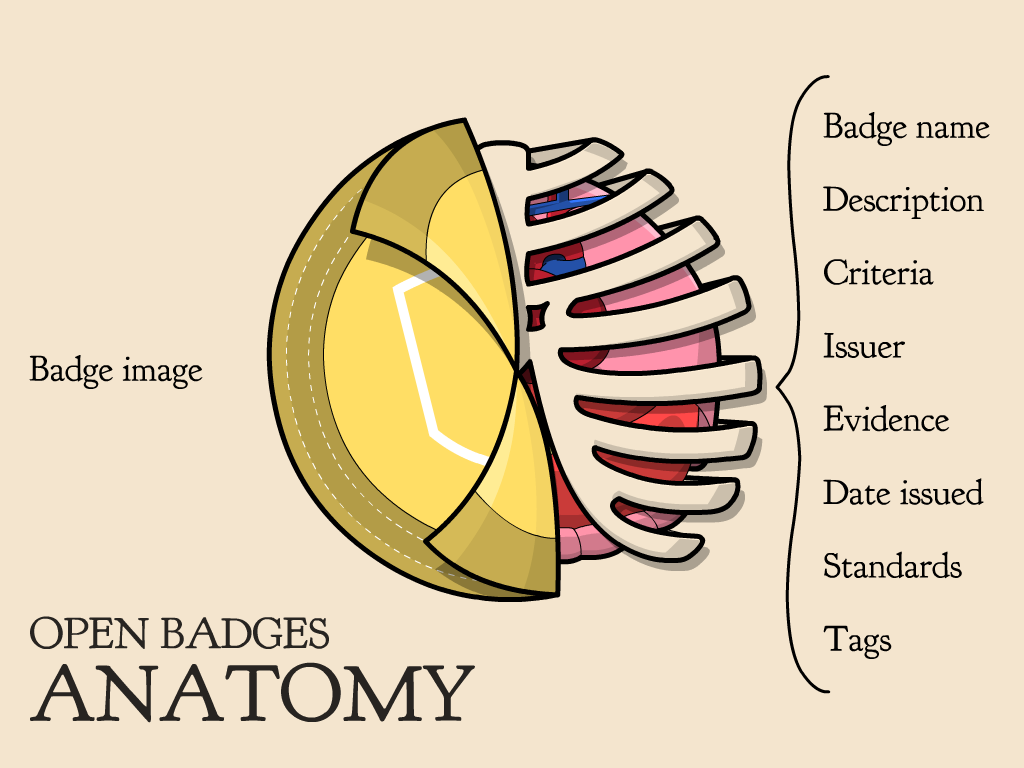
This is the second research update in a larger series about the future of digital micro-credentials in the arts. In this update, AMT Lab Correspondent Jackie Shimshoni introduces Mozilla's Open Badges, how they differ from digital badges, and the types of metadata that can be shared using this valuable tool.
How Socially Responsible Spending is Replacing Traditional Philanthropy
You would be hard pressed to find any person who has visited a grocery store or movie theater that has not been asked to donate an additional dollar for charity on top of their purchase. It’s become a widely accepted, near expected, practice in contemporary consumer culture. Capitalizing on existing buyer behavior is not just easy- it’s smart. However, the model has advanced far beyond adding a few dollars onto a popcorn purchase at the cinema. It has emerged as a way for organizations to capture financially strapped young donors, and generate creative revenue streams as traditional philanthropic avenues face increased competition.
#TBT: Highlighting New Media Art
While technology and art combine frequently to facilitate the practices of arts managers, they are simultaneously blending to create a whole new artform--new media art. All bets are off with this medium, as an array of tools, approaches and capabilities make it impossible to label as either visual or performance; in many cases, the art goes even farther and provides a social benefit to those who experience it. This week’s TBT provides managers with a roundup of the research we’ve done so far to start piecing together a picture of what new media art means for the future of management in all types of arts venues and forums.
2015 Ticketing Software Survey Release
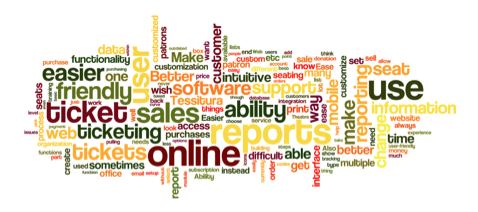
The AMT Lab researchers and editorial staff are proud to announce the release of the 2015 Ticketing Software Survey. After 3 surveys across 6 years, the research team is happy to announce that ticketing software systems are meeting most of the needs faced by arts institutions. Yet there are significant differences in feature use and perceived importance when analyzed across budget size, geographic area or discipline. In addition to deep analysis of the data, the report includes an appendix of every question and the raw data. Vendors and institutions will find this report useful for future decision-making and grant writing.
#TBT: The Arts Manager's Toolkit for Data Management
Here at AMT Lab, we have been sorting through plenty of data as we prepare for tomorrow’s release of the full report from our 2015 National Ticketing Survey (stay tuned!). Today’s throwback is a collection of AMT Lab Articles that discuss tools, stories and best practices for the management and usage of quantitative data in an arts organization. Most of these are a more recent throwback, but even those articles from 2012 still provide invaluable resources for organizational leaders.
#TBT: Gaga for Google
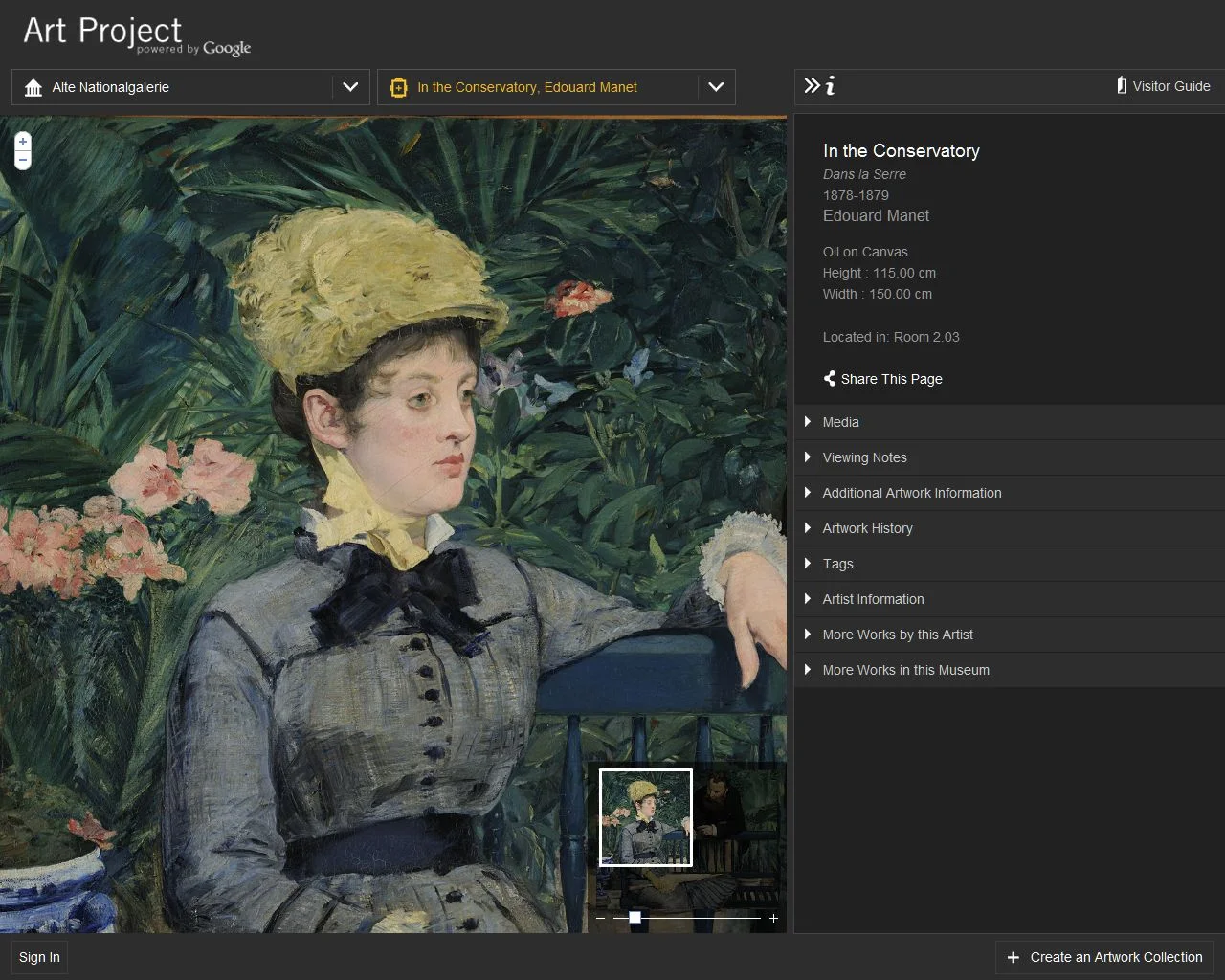
Today the news is buzzing with Google as they launch their Sidewalk Labs initiative in an effort to improve urban life. But here at AMT Lab, we have spent years dedicating posts to the many ways that Google products and services can improve arts management practices. This installment of Throwback Thursday will share several of them, drawing on posts that span as far back as 2008.
Introducing: Throwback Thursday Series
Research Update 2: How Technology Can Support Artistic Collaborations
Introducing new technology into a tried and true process is an experiment— as such it comes with risk. However, if we leave our comfort zone, think critically about the strengths and weaknesses of our processes as they currently exist, and entertain how technology could allow for deeper and more efficient collaboration, we may find new opportunities for innovation in this vital area. The Oregon Shakespeare Festival (OSF) did exactly that to remarkable success.