Hollywood Stock Exchange: A League of Its Own

Hollywood Stock Exchange: A League of Its Own

First launched in 1996, HSX is a free web-based multiplayer gaming simulator of American film industry. The rules are simple: players use virtual currency to buy, sell, short and cover “shares” of films, directors, actors and other related virtual securities. Although the exchange is entirely fictional, it reacts to actual industry-related news, making itself a community and information hub for both professionals and enthusiasts in the film industry. 

Opening Doors: Best Practices for Developing Sensory-Friendly Programs

Opening Doors: Best Practices for Developing Sensory-Friendly Programs

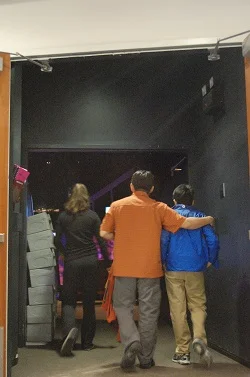
In part 1 of Opening Doors, I reflected on sensory-friendly programming through my personal experience at Pittsburgh Ballet Theatre. These performances create an incredible opportunity for arts organizations to include individuals and families from around their communities. Yet effective implementation requires time and in-depth planning with staff and community partners. This second post continues the discussion looking at best practices related to sensory-friendly program design.

The Future of Microcredentials: Why Arts Organizations Should Prioritize Digital Badges Over College Degrees

The Future of Microcredentials: Why Arts Organizations Should Prioritize Digital Badges Over College Degrees

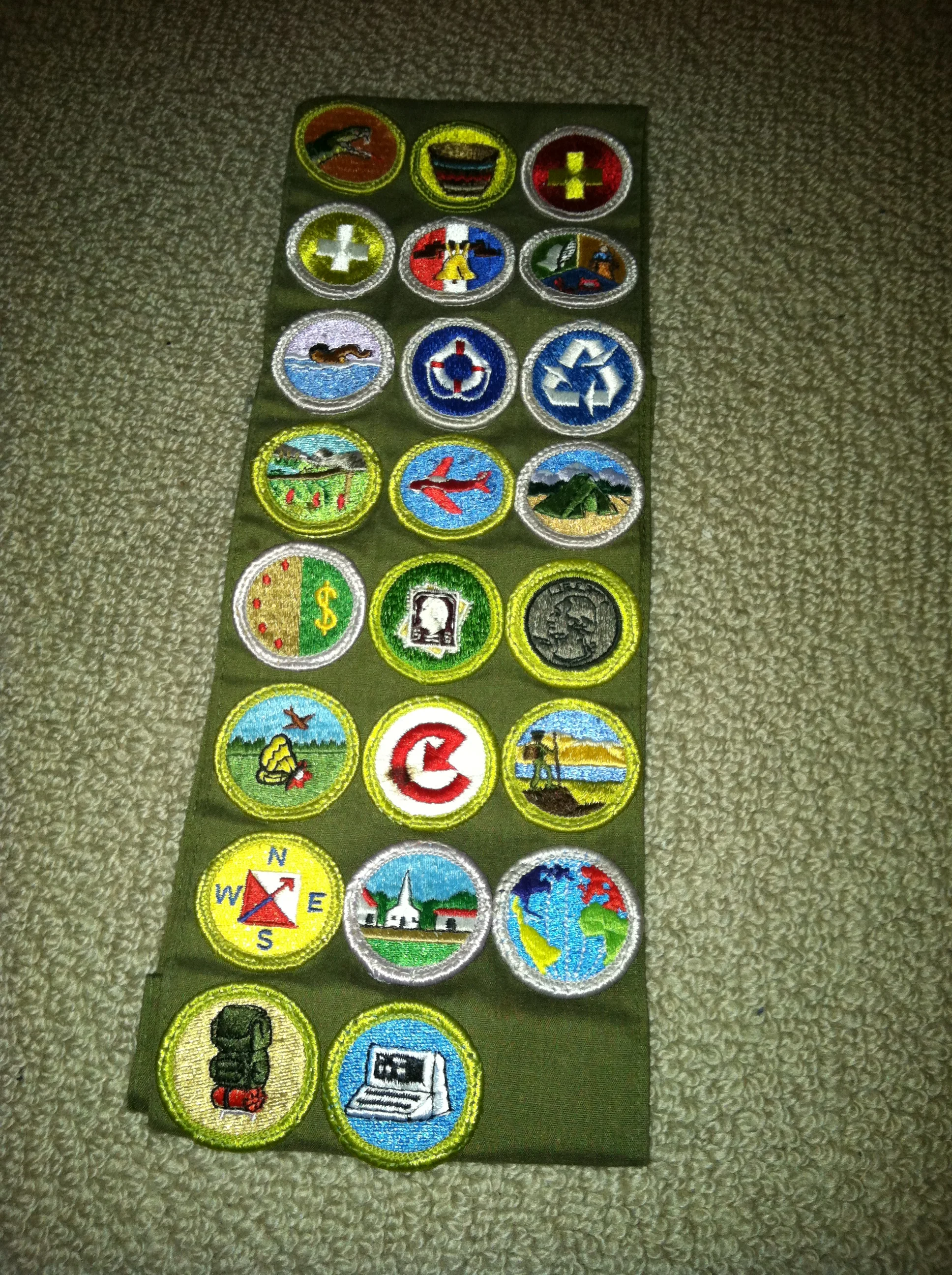
Digital badges are an alternative method of credentialing that can identify specific skills that a learner has mastered through the course of their own self-directed learning. Over the course of this research, I will be sharing more about the digital badge acquisition process, taxonomies of digital badges, initiatives being undertaken to standardize and create accreditation, and what employers should know for using digital badges in both hiring and continuing education of employees.

A Data Management Love Story

A Data Management Love Story

This season at Dallas Theatre Center (DTC), a great love story unfolded; however, it was not presented on the stage. During a recent TRG Executive Summit, Managing Director Heather Kitchen shared a tale of romance which both inspired and invoked a bit of envy from the other participants. It was the story of her data manager and the two departments that loved her.

This post, originally published on Analysis from TRG Arts, is the first in a series by TRG’s VP of Data Services Steve Loyd addressing data management and how it can help organizations. 
 

Opéra National de Paris is set to bring new works onto a digital stage

Opéra National de Paris is set to bring new works onto a digital stage

In a recent article for the New York Times, Benjamin Millepied, Director of Dance at the Opéra National de Paris, and Stéphane Lissner, General Manager, announced the launch of an online platform named 3e scène. This fall, 3e scène—or third stage as it translates to English—will be added to the organization’s impressive pair of performance venues, the Palais Garnier and Opéra Bastille, as a third space for patrons to enjoy new Opera and Ballet works. 

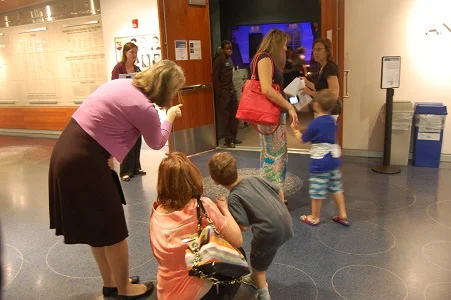
Opening Doors: Welcoming New Audiences with Sensory-Friendly Performances

Opening Doors: Welcoming New Audiences with Sensory-Friendly Performances

For many families and individuals, the experience of attending a performing arts program is hindered by physical or developmental challenges. And with 1 in 68 American children on the autism spectrum, by neglecting this significant population, our institutions are failing to serve a large part of their community. Sensory-friendly programming creates a performance environment where the traditional theater rules are relaxed to better accommodate a variety of audience members. This introduction is the first in a series of posts on sensory-friendly programming. 

National Ticketing Survey Participation Period Extended!

National Ticketing Survey Participation Period Extended!

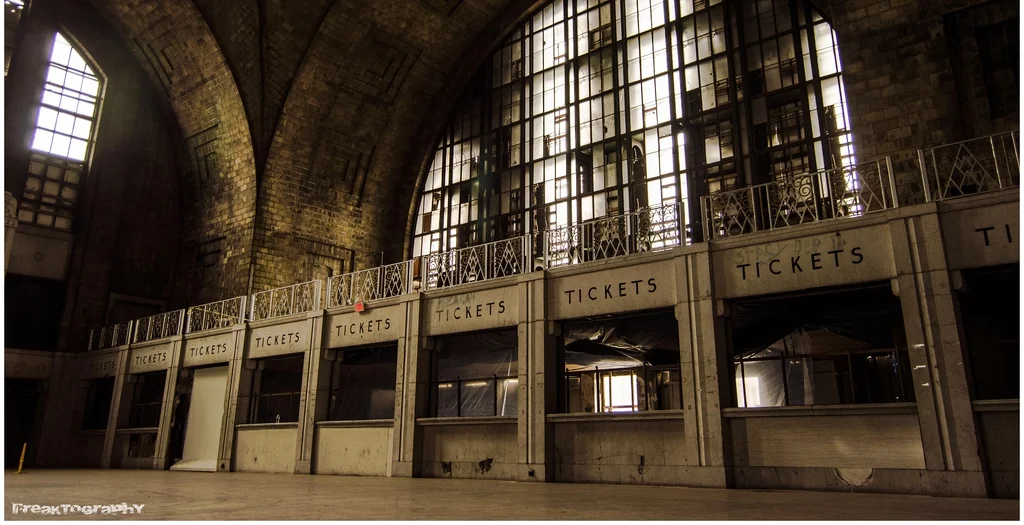
Already your responses are providing valuable insight. AMT Lab has extended the 2015 National Ticketing Software Satisfaction Survey period through March 7, 2015. Collecting information on the attitudes and behaviors of arts organizations currently using ticketing software, the 2015 National Ticketing Survey will help illustrate the met and unmet ticketing needs of art organizations, and capture how ticketing software uses and needs vary by an organization's discipline, budget, staff size, and geographic location. Clear here for the full announcement. 

Patreon: Crowdfunding for Creatives

Patreon: Crowdfunding for Creatives

Patreon is a relatively young, up-and-coming crowdfunding platform geared specifically toward funding creative works. Its unique patronage model sets it apart from competitors, and has driven its rapid rise in popularity over the past two years. Compared to the popular creative crowdfunding sites IndieGoGo and Kickstarter, Patreon offers some unique characteristics that help it meet organization’s funding needs.  Click here to read the full article.

Tweet Seat Roundup

Tweet Seat Roundup

Love them or hate them, more and more arts organizations are experimenting with tweet seats. For the uninitiated, tweet seats are a designated section of the audience where traditional  etiquette rules are bent. Use of devices in this special section is not only allowed, it is encouraged. This roundup features several AMT Lab articles on tweet seats, exploring how organization have managed both their challenges and opportunities.

What do you think about your ticketing software?

What do you think about your ticketing software?

We are conducting the 3rd National Ticketing Software Survey during the month of February.  If you are interested in sharing your experience and your opinions about your software, please let us know. All those participating in the survey will receive a full copy of the report which will provide a national view as well as cluster analyses by discipline, budget size, and geographic region. The data will be useful for both organizations and vendors.  Organizations will gain a better understanding of their own practices as compared to their peers and, more importantly, be able to use the findings as evidence for future technology funding campaigns.  Vendors will have explicit evidence as to the needs and wants for future software design.

Redefining Boundaries at the Museum: Crowdsourced Exhibition at the Santa Cruz Museum of Art and History

Redefining Boundaries at the Museum: Crowdsourced Exhibition at the Santa Cruz Museum of Art and History

Since December 19, 2014 the Santa Cruz Museum of Art and History has featured an exhibit of works relating to the ocean, with painting and sculptures by established artists alongside works by local residents. The exhibit includes a wide variety of art, ranging from professional artists’ works to two year-olds’ drawings. Everybody’s Ocean is a partially crowd-sourced and partially curated exhibition presenting everyone’s personal relationship with the sea. 

Idealware's Infographics for Outreach, Advocacy, and Marketing Webinar

Idealware's Infographics for Outreach, Advocacy, and Marketing Webinar

Contributors Aoni Wang and Giorgia Gandolfini recently attended Idealware’s webinar, Infographics for Outreach, Advocacy, and Marketing: From Data to Design . This talk delved deeply into strategies for successful design of infographics.

Per Idealware, an infographic is an image that presents data, transferring numbers into a comprehensive visual narrative.  Infographics have become very popular among organizations, as they are generally easier to understand and more effective at communicating data to the population at-large than traditional spreadsheets and reports. Infographics attract attention and provide new ways for visitors to engage with data.

AMT Lab on Hiatus

AMT Lab on Hiatus

We’ve had a fantastic semester of contributor research on diverse topics ranging from Google for Nonprofits, to Museums’ efforts and challenges exhibiting New Media art. AMT Lab will be on hiatus until January 5th to celebrate the holiday season, but we have a lot of exciting plans for the new year that we wanted to quickly share with you: 

Research Update #3: Best Practices of Twitter

Research Update #3: Best Practices of Twitter

According to statistics from Digitalbuzz, there are over 288 million monthly active users on Twitter, 60% of which access the social network from mobile.

Contributor Aoni Wang investigates some best practices for this growing platform by continuing her examination of the Met, Warhol, and Tate's social media strategies. Click here to read the full article.

How Museums Are Dealing With New Media Art: Part 2

How Museums Are Dealing With New Media Art: Part 2

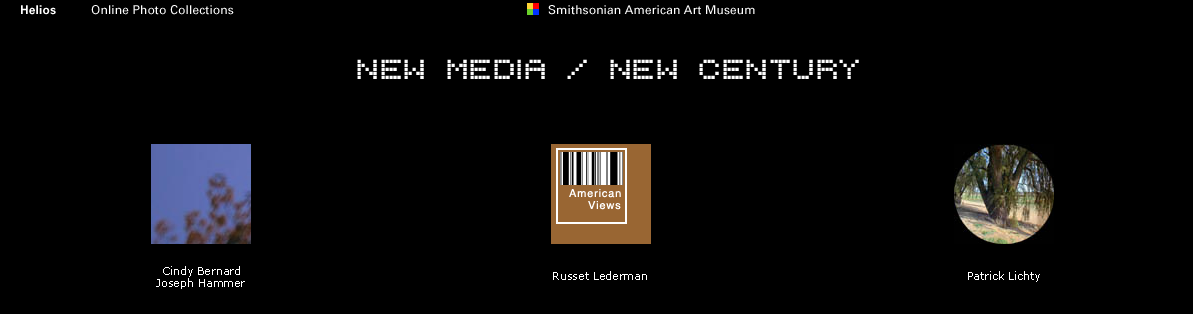
In 2000 the Washington DC based Smithsonian American Museum of Art announced the creation of the New Media/New Century Award.  The New Media/New Century Award became one of first projects to support  new art created for the Web. The museum accepted proposals for original Web-based projects that explored the subject of American landscape, and how the new medium of Web art affected the American landscape as a subject. 

Though the project is over 10 years old, it demonstrates the early and exceptional sensibility of the Smithsonian’s curators. They understood the growing relevance new media art and especially Web-art, and its impact not only on people’s everyday perceptions, but also on the art scene as a whole.

Research Update #2: Best Practices of Facebook

Research Update #2: Best Practices of Facebook

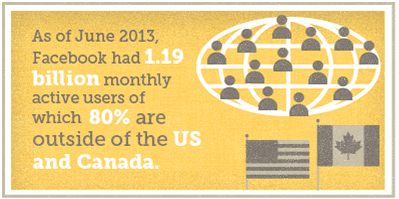
Per Moz.com Facebook had reached unprecedented levels of popularity, with “1.19 billion monthly active users”, and over 750 million monthly mobile users. These figures underscore why Facebook is such an important communication channel for arts organizations. However, different organizations will have different objectives when managing their Facebook pages. I covered some general best practices in my first research update, but channel specific best practices also exist. To demonstrate how tactics might differ between organizations, I will us three museums: The Met, the Warhol, and Tate to provide specific examples.