

Audience Engagement

What Arts Organizations Can Learn From Sports: La Liga

What Arts Organizations Can Learn From Sports: La Liga

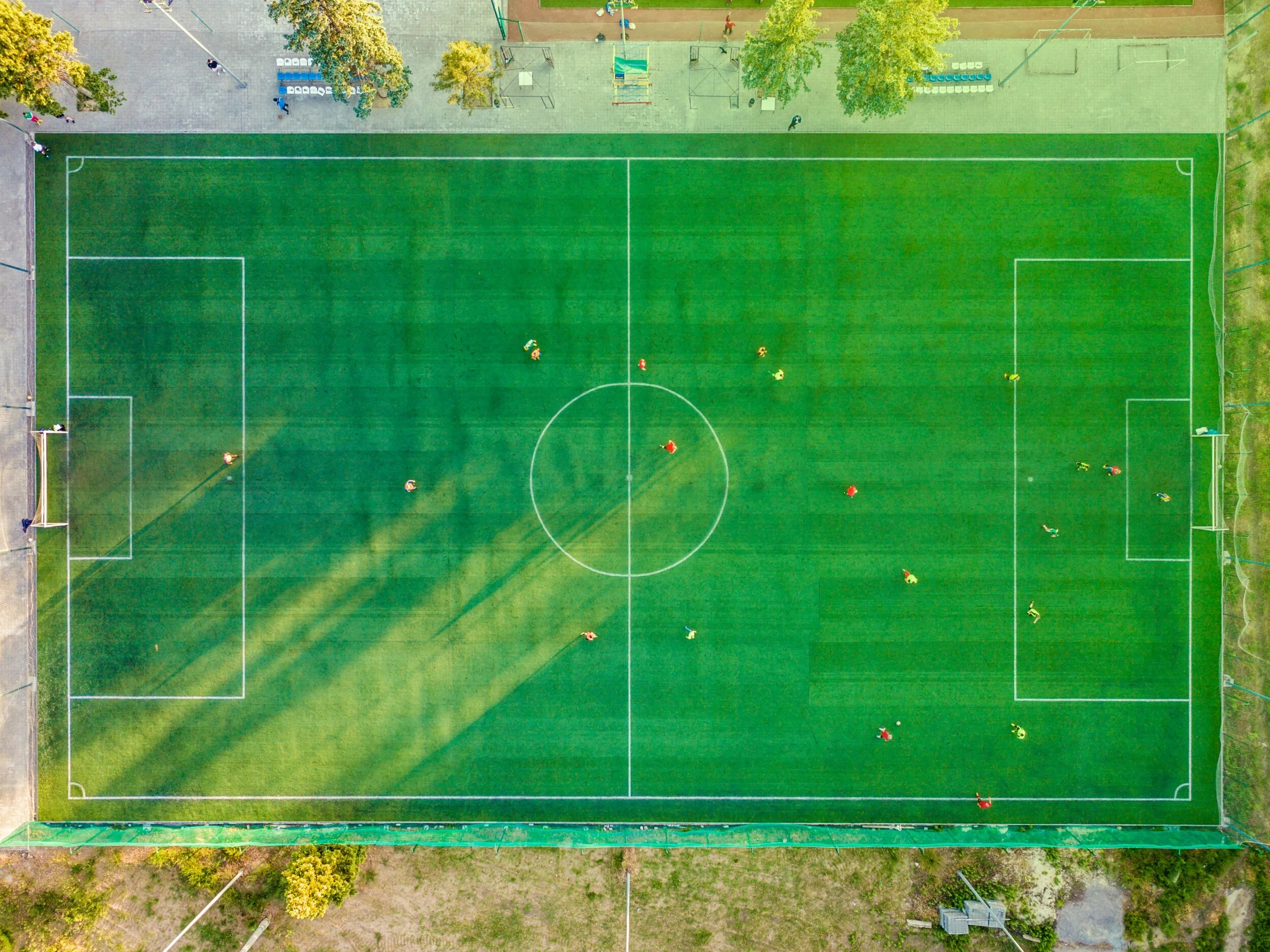
As arts organizations look to provide digital experiences to engage audiences, there are lessons to be learned from sports leagues that have restarted seasons and successfully broadcast them to international audiences amidst the Covid-19 pandemic. One example is La Liga. The Spanish league most commonly known as La Liga is one of Europe’s top five soccer leagues. The 2019-2020 season kicked off on August 16, 2019 and was set to go until May 2020, but as the world—and Spain specifically—saw the rapid growth of Covid-19, the league was temporarily suspended. With the campaign entitled #BackToWin, it was the second major European league to resume, with no fans in the stadium and strict safety guidelines. To make the matches a marketable product from an entertainment standpoint, broadcasters experimented with AR “fans” and artificial crowd noise. A spike in La Liga’s international viewership reflects not only the fans’ desire for the return of live sports, but also the value of the product La Liga and its broadcasters were able to create. As sports—and the arts—look for ways to perform virtually, La Liga offers an example for how to do so successfully.

What Arts Organizations Can Learn From Sports in the New Normal

What Arts Organizations Can Learn From Sports in the New Normal

So why sports? Although the general perception of the sports industry focuses on teams and their players, the sports industry encompasses a vast number of stakeholders that affect the state of the industry. The industry is made up of a complex web of live sporting events, food stands, media rights, and brand sponsorships. Most importantly, as with the arts, fans and audiences play a key role when it comes to analyzing the state of the industry. Unlike the situation for arts audiences, the global sports market is growing and expected to continue to grow due to esports, an increase in the number of internet accessible devices and the advent of 5G. What opportunities could this offer arts organizations looking for digital innovations to reach audiences?

Young, Diverse, and Loyal: Engaging a New Audience

Young, Diverse, and Loyal: Engaging a New Audience

Many institutions are rethinking their approach to diversity in the light of renewed protests in support of the Black Lives Matter movement. Theatre companies throughout the nation are a part of this wave, rethinking everything from season planning to staff structure. Yet one of the largest issues at hand is the lack of diversity in audiences. Theatre audiences are dwindling, and those audience members that remain tend to fall into a very narrow set of demographics: usually older, white, and affluent. Theatre companies will have to reach out to new groups If they want to continue working and thriving well into the future.

Build Interactivity into Public Art: Technology Interventions

Build Interactivity into Public Art: Technology Interventions

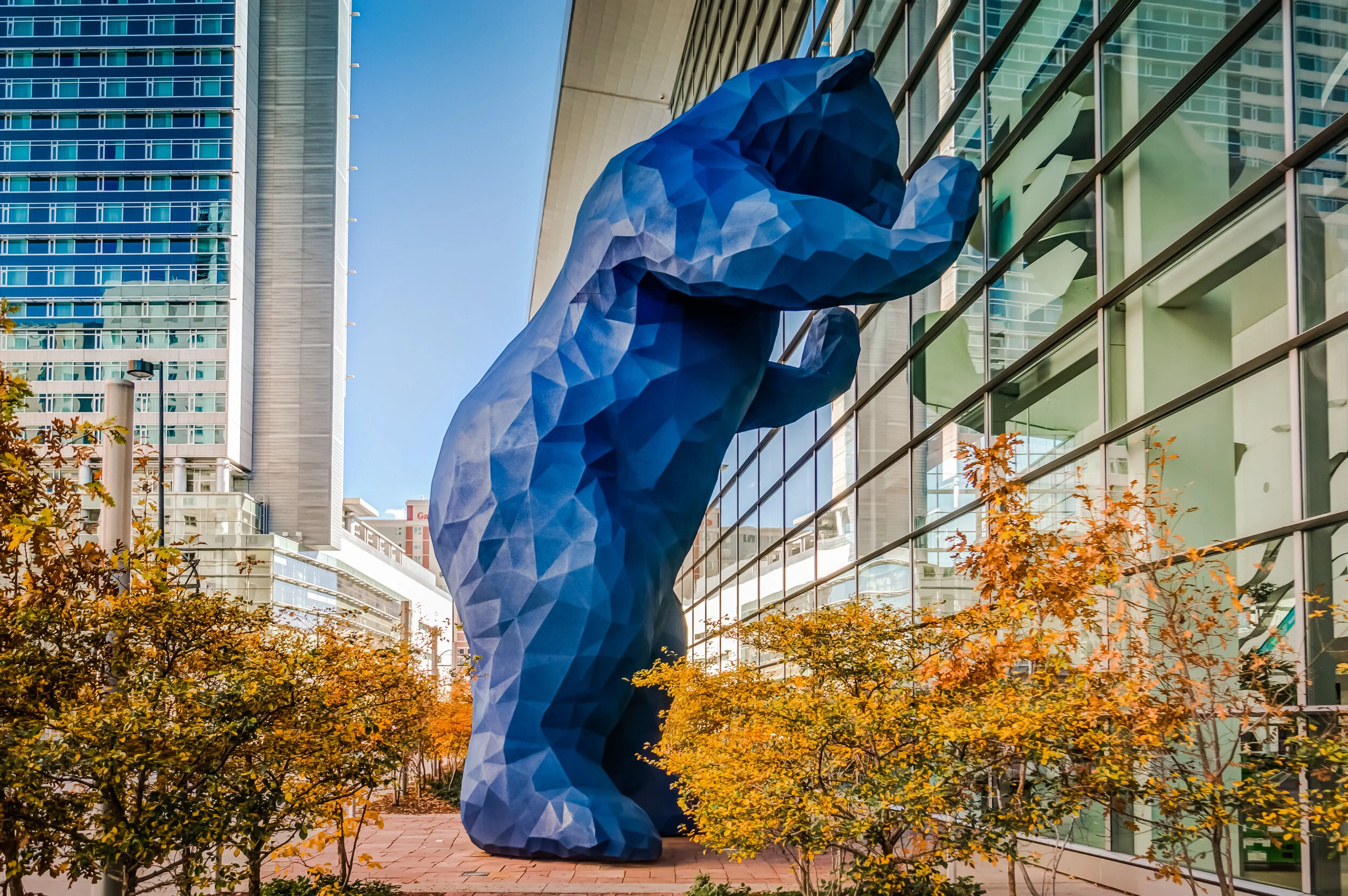
One key element that differs public art from art produced for display in museums and galleries is that public art is often site-specific. It is critical to make public art more reflective of the place and community in which it resides through interactive and participatory approaches. How can technology contribute to the systems and interventions designed to drive public engagement?

Digital Network Strategies for Nonprofits

Digital Network Strategies for Nonprofits

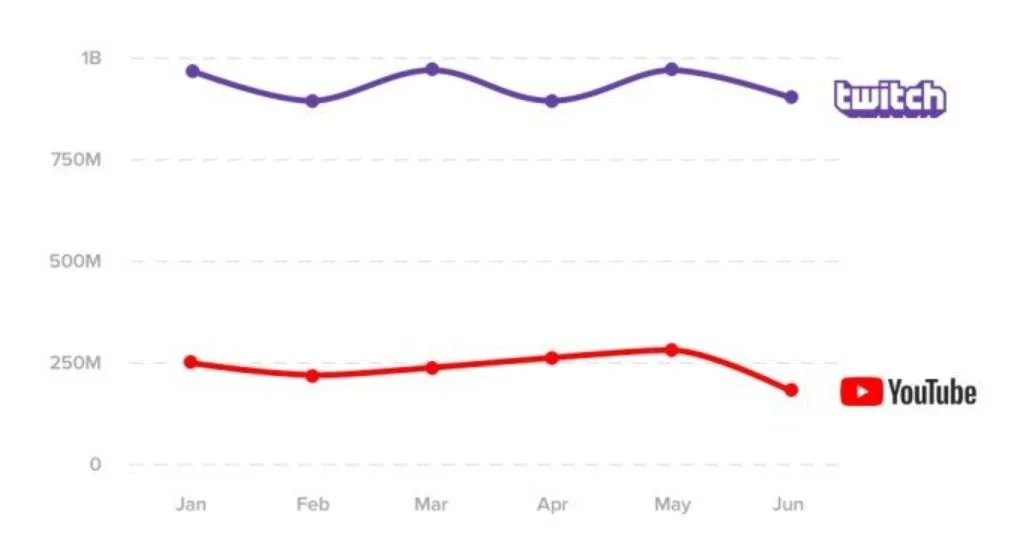
This article will look at three companies, an established ‘big fish’ company, a late entrant to the market, and a ‘blue ocean’ company. Blue Ocean refers to the idea that a new marketplace with untapped potential can exist between two common marketplaces and one can create their own supply and demand. The companies this article will look at are; Twitch.tv, Mixer.tv, and Voxpop Games.

Building Interactivity into Public Art

Building Interactivity into Public Art

Do you think that interactivity can improve an audience’s relationship with public art? One key element that differs public art from art produced for display in museums and galleries is that public art is often site-specific, meaning it is created in response to the place and community in which it resides. Therefore, creating public art needs a certain level of customization to the physical local environment.

A general look on Artificial Intelligence used in Museum Audience Engagement

A general look on Artificial Intelligence used in Museum Audience Engagement

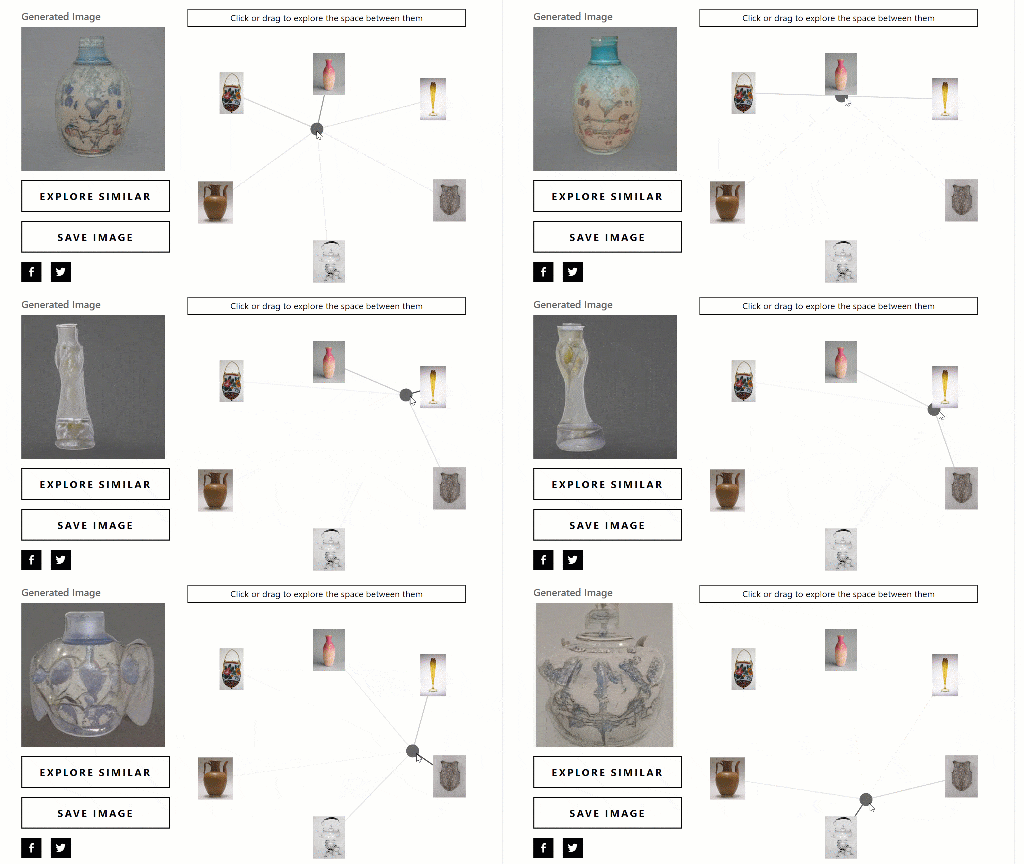
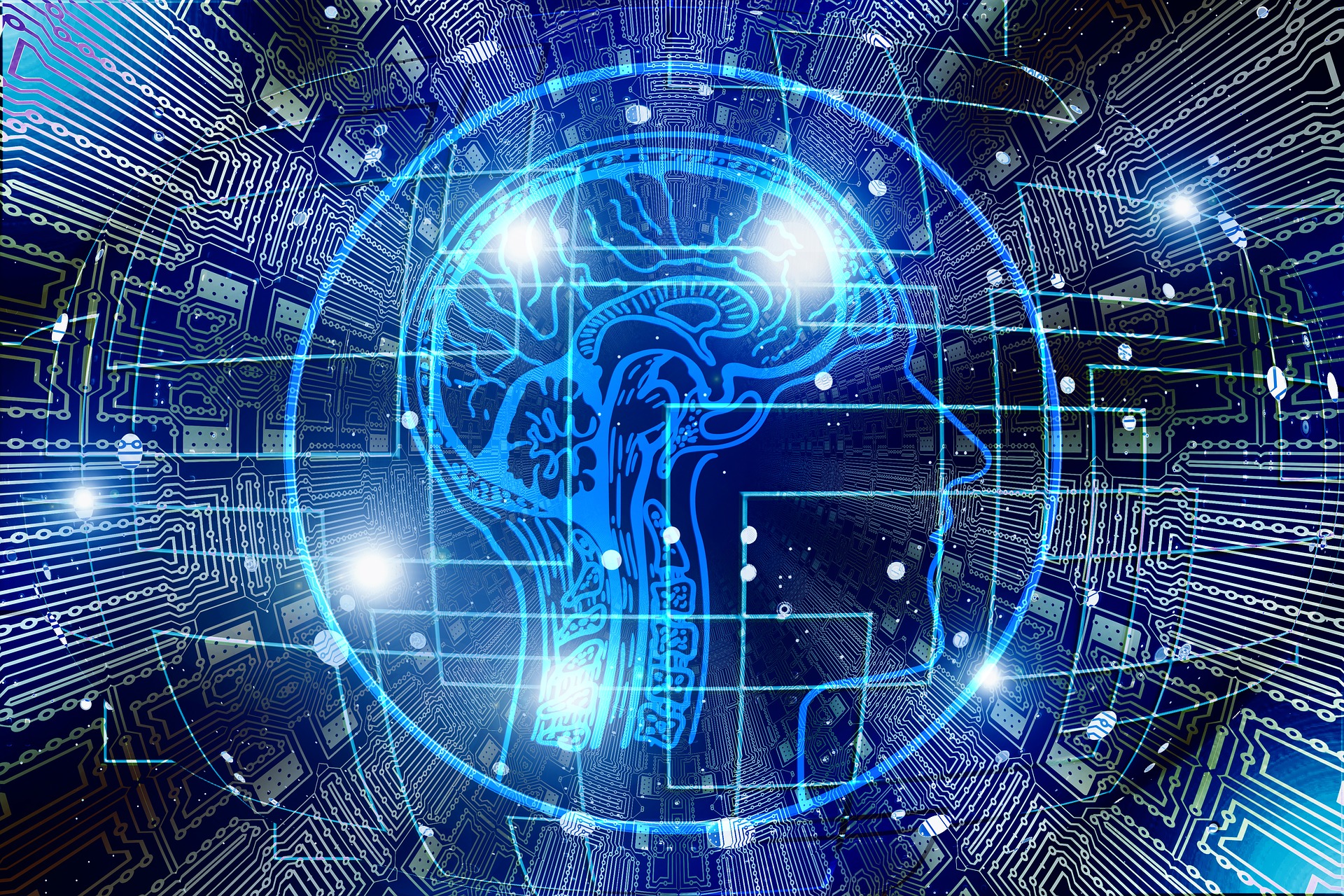
Recently, museums are utilizing Artificial Intelligence Technology to engage audiences and personalize visitor experiences. Before doing any further research, it is important to understand what the AI technologies are that are used for audience engagement. How are they implemented into museums? And are there any challenges or problems?

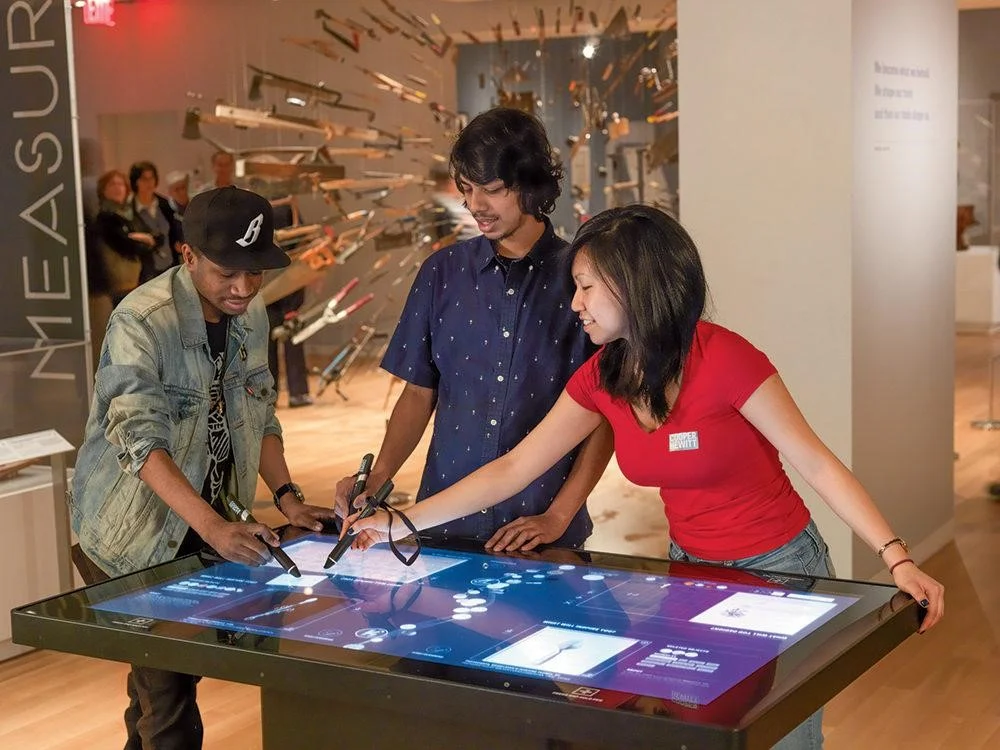
The National Comedy Center: The Most Interactive Museum (To Date)

The National Comedy Center: The Most Interactive Museum (To Date)

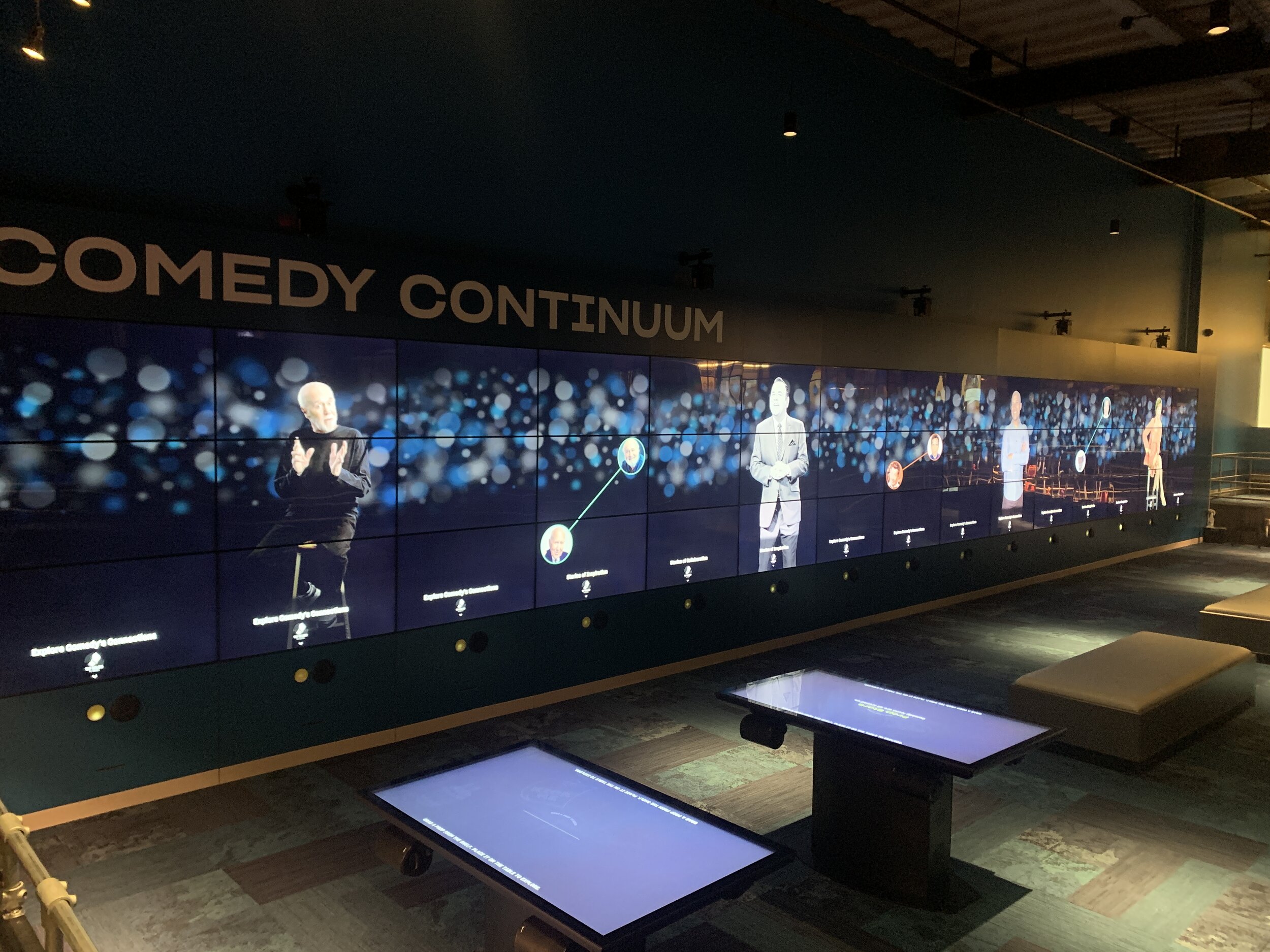
The National Comedy Center is the '“first non-profit institution and national-scale visitors experience dedicated to the art of comedy,” but it does the genre justice appealing to both fans and non-fans (Variety). The museum opened in 2018 and has already been praised as one of the best museum experiences in the country, holding a 5 star ranking on trip advisor.

Image Recognition Technology Use in Museums

Image Recognition Technology Use in Museums

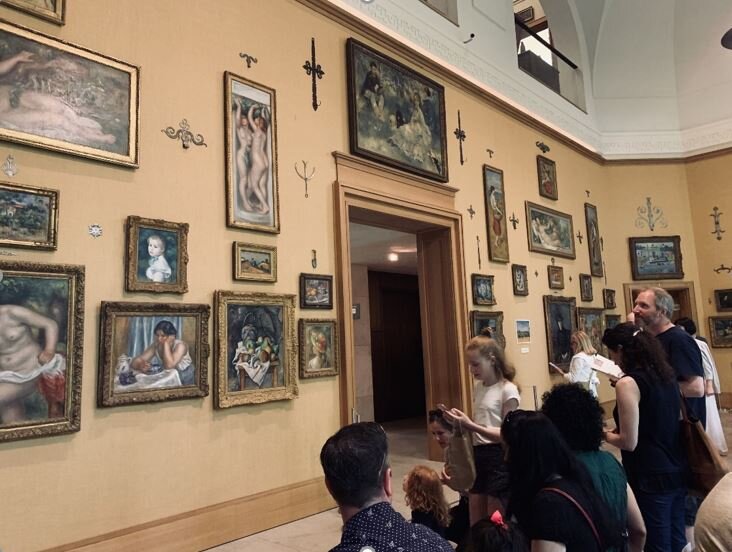
Image recognition, as one of the subsets of computer vision, is the process of identifying objects, places, or people in images or videos. This article discusses different image recognition software being used, and details the author’s experience using the technology at the Barnes Foundation.

VR, Simulcast & Growing Theatre Audiences: Connecting with Remote Theater Audiences through 360-degree Simulcast

VR, Simulcast & Growing Theatre Audiences: Connecting with Remote Theater Audiences through 360-degree Simulcast

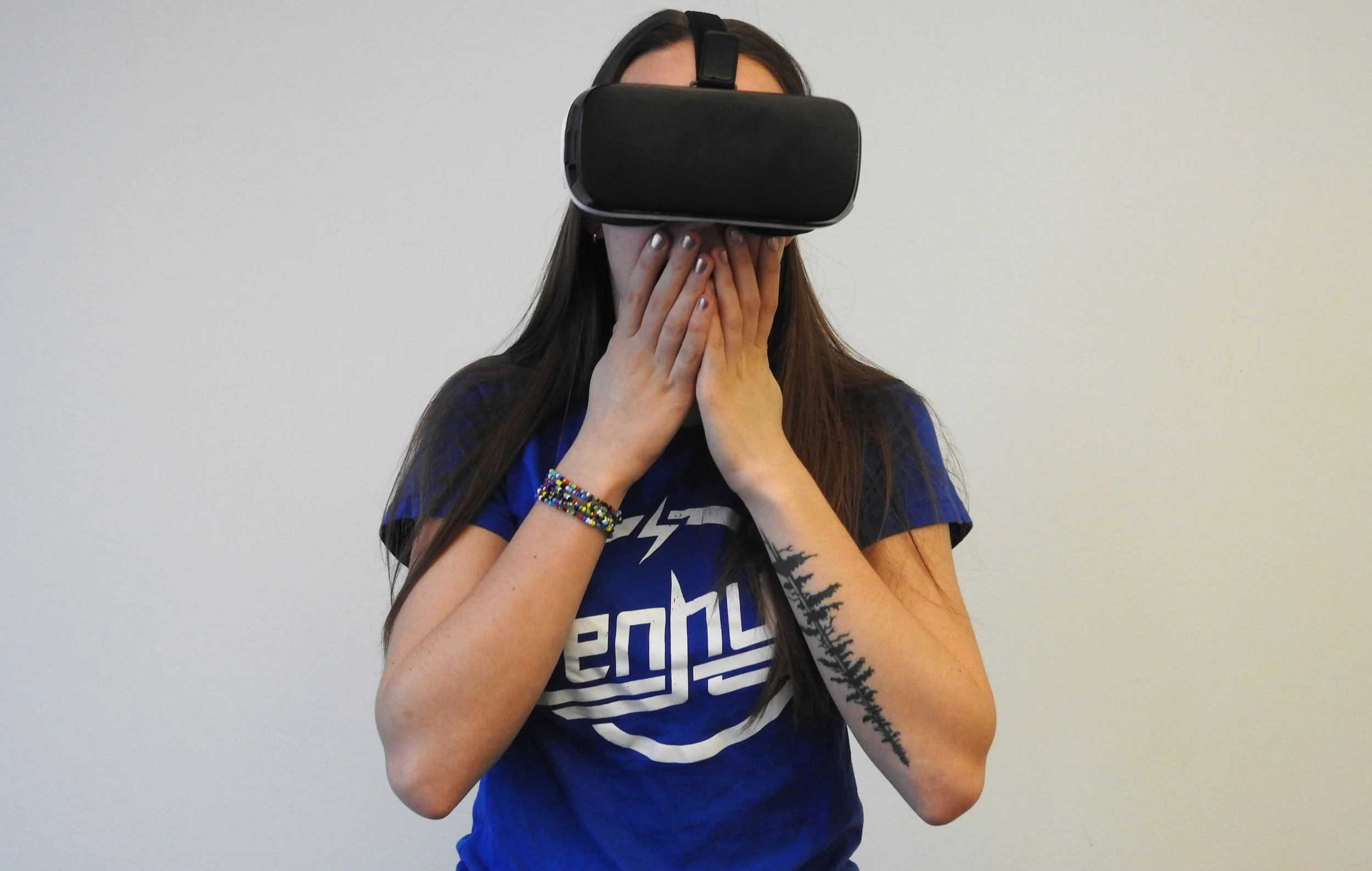
Technologically enhanced theatre experiences can extend beyond the use of cutting edge performance light and sound tech. Today’s technology allows theaters to reach audiences outside of their physical space through livestreaming performances in Virtual Reality (VR) with VR being defined as an artificial environment which is experienced through sensory stimuli (such as sights and sounds) provided by a computer and in which one's actions partially determine what happens in the environment. Furthermore, livestreaming, defined as when a person or organization “transmit[s] or receive live video and audio coverage of (an event) over the Internet” is becoming a routine part of standard social network experience. Livestreaming through VR, while still a relatively new concept, may allow the virtual audience watching the livestream to feel much more present at the performance than ever before and therefore a theater’s potential audience engagement opportunities.

Artifical Intelligence and Audience Engagement for the Performing Arts

Artifical Intelligence and Audience Engagement for the Performing Arts

As time goes on, it’s clear that artificial intelligence will continue to find its place in the arts. Using AI to build connections with audiences, in particular, is an interesting and developing sector of arts and technology. The performing arts are primed for a technology jumpstart and a reassessment of audience engagement tactics. Now, more than ever, the opportunities for the integration of artificial intelligence and audience engagement in the performing arts are ripe for exploration.

Connecting People to Place: How Digital Maps Advance Civic Engagement in the Cultural Sector

Connecting People to Place: How Digital Maps Advance Civic Engagement in the Cultural Sector

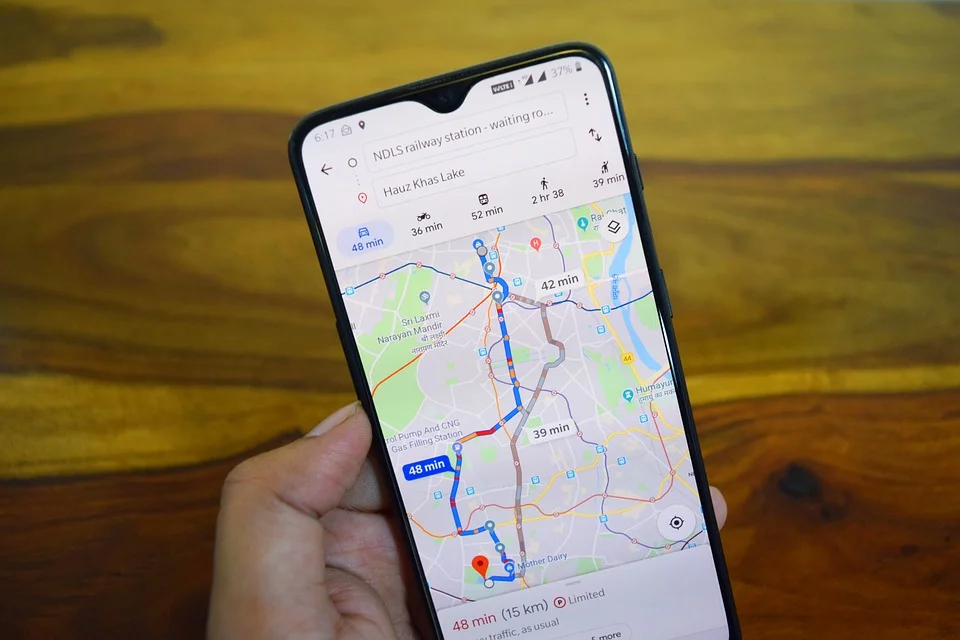
In a time where we can build and access a wealth of geographic information through our mobile devices and online, digital tools are being leveraged to make these kinds of civically engaged connections. Digital maps, in particular, have been built to service archival needs as well as transform the public’s interaction with art and archeological sites.  By examining how organizations have deployed various digital map technologies in their work, we can also see how these tools have practical value and the potential to more broadly advance the cultural fields. 

Summer Road Trip Series: Barnes Foundation Image Recognition App Increasing Visitor Engagement

Summer Road Trip Series:  Barnes Foundation Image Recognition App Increasing Visitor Engagement

A summer long weekend in Philadelphia is inspiring by the many art experiences the city has to offer. Of the museums I visited I was most impressed by both the collection and quality of experience at the Barnes Foundation. The museum has a noteworthy collection of impressionist, post-impressionist, and early modernist artwork, which includes the world’s largest holdings of paintings by Renoir and Cézanne.

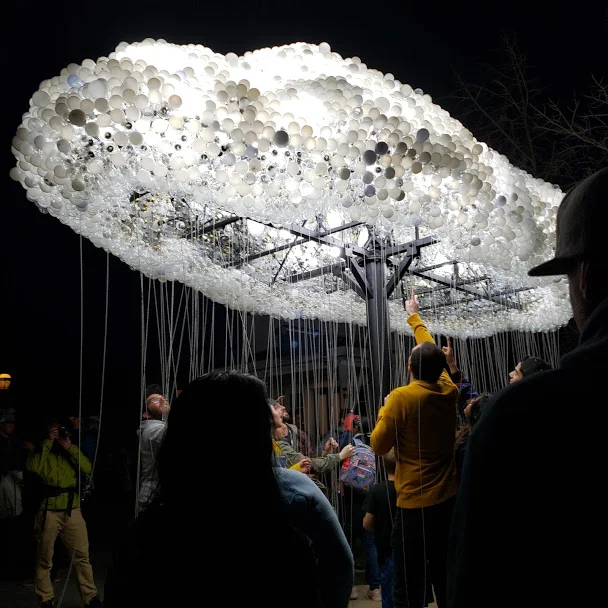
Summer Road Trip Series - BreckCreate's WAVE Festival: Breckenridge, Co

Summer Road Trip Series - BreckCreate's WAVE Festival: Breckenridge, Co

As part of the Summer Road Trip Series, we take a quick stop in Breckenridge, CO at BreckCreate’s WAVE festival. We’ll get up close and personal with various installations and see how some of the audience’s reactions, from social-media-activated artwork to family-friendly displays & performances.

The Future of AI and Audience Engagement in the Arts

The Future of AI and Audience Engagement in the Arts

NY Live Arts hosted the Arts + AI Symposium, Saturday May 11, 2019. The Symposium was part of Live Arts, their annual humanities festival of arts and ideas. The 2019 Festival AI: Are You Brave Enough for The Brave New World? pondered a future with artificial intelligence, a technology that promises to revolutionize human existence. The festival headliner was a performance by discrete figures. Other activities included a hacking camp for teens and panel discussion on the Future of Work.

The Art + AI Symposium offered the sold-out crowd a speed dating style share-out from panel participants. As the manager in the group, I provided a perspective on AI focusing on how institutions will begin connecting the art to the audience using emerging technologies. The following article provides a summary of the frameworks and solutions I presented.

How The Arts Are Harnessing the Power of Artificial Intelligence

How The Arts Are Harnessing the Power of Artificial Intelligence

Artificial intelligence continues to make its way into the main stream and into multiple industry sectors.  The arts are no exception. Over the past few years we have begun to see a wave of organizations use artificial intelligence as a method to both enhance the audience experience and generate new creative expression.

Digital Engagement Strategies for the 21st Century Museum

Digital Engagement Strategies for the 21st Century Museum

Shifting audience interests towards interactive and shareable experiences has led many museums to explore the potential of digital engagement tools. Given the costs and changes typically required for successful digital integration, museum staff must first ask themselves why their institution should consider investing in emerging technologies and what they hope to achieve from such an investment.

Playing with Reality in the Performing Arts: AR, VR, and MR

Playing with Reality in the Performing Arts: AR, VR, and MR

Immersive Experiences (AR, VR, and mixed reality) are emerging in the performing arts world. Let’s take a close look to gain a better understanding of the reasons why performing arts organizations implement these kinds of technology and discover whether it was worth the investment at this time in the technology’s development.