
The Potential Market for AR, VR and the Metaverse

The Potential Market for AR, VR and the Metaverse

Even though VR, AR, and the metaverse are already a growing part of the consumer

marketplace, it is still important to define these relatively new technologies since they are not yet

mainstream. VR technology enables users to immerse themselves in and “interact with a

computer-generated environment, a simulation of the real world or an imaginary world” (Akbari

et al, 2022). In contrast, AR technology incorporates digital elements or objects into the real-

world environment in real-time (Akbari et al, 2022). The VR market is expected to generate a

global revenue of $20.8 billion, and the AR market is projected to grow to $31.3 billion by 2027

(Statista, 2022a). The market projections indicate the potential growth and opportunities in these

immersive technologies.

July News: Arts Leaders Face Big Questions on AI and Privacy

July News: Arts Leaders Face Big Questions on AI and Privacy

How can AI and blockchain play a functional role in arts and cultural organizations? At Christie’s 8th Annual Art + Tech Summit, top arts leaders gathered to address this question and more. While companies race to integrate the latest technology, uses may not align with consumer demand or practical need. With eyes on the creative industry’s next steps, companies must consider ethics of the AI tools they implement. For Disney, this resulted in a “hacktivist” cyber attack, leaking more than 1 TB of company data in protest of AI artwork policies. Meanwhile, individuals must take more responsibility in protecting their own data privacy as Google Chrome once again takes back promise to eliminate third-party cookies. Read more about this month’s news below.

Survey Results: Audiences and Generative AI and the Comic Book Industry

Survey Results: Audiences and Generative AI and the Comic Book Industry

Studies focused on the “artistic” aspects of generative AI reveal negative bias, and a preference for human creations. None of these studies, however, account for the multimodality of comic books: text and image. Is a human-written story a mitigating factor for readers? Is it feasible for writers to become “AI comic book artists" or will consumers drive AI imagery out of the market altogether? Given the multitude of information making it difficult to discern how comic book consumers perceive AI imagery, the following provides first-person research by generating an AI comic and conducting a survey on unsuspecting comic book customers. 

Generative AI Text-to-Image: Artist, Audience and the Comic Book Industry

 Generative AI Text-to-Image: Artist, Audience and the Comic Book Industry

As little as ten years ago, the capabilities of image generators were mere fantasy. Now, images can be made in seconds or minutes and children’s books can be generated in an hour, but how will this impact an industry where the art is at the forefront of consumers' minds? Comics, whether they be digital or print, have been heavily dependent on individual or small groups of artists to weave together stories. The ease of using AI to replicate that work may not be simple.

Part Two: The Globalization of Virtual Production in Film and Television - Past, Present and Future

Part Two: The Globalization of Virtual Production in Film and Television - Past, Present and Future

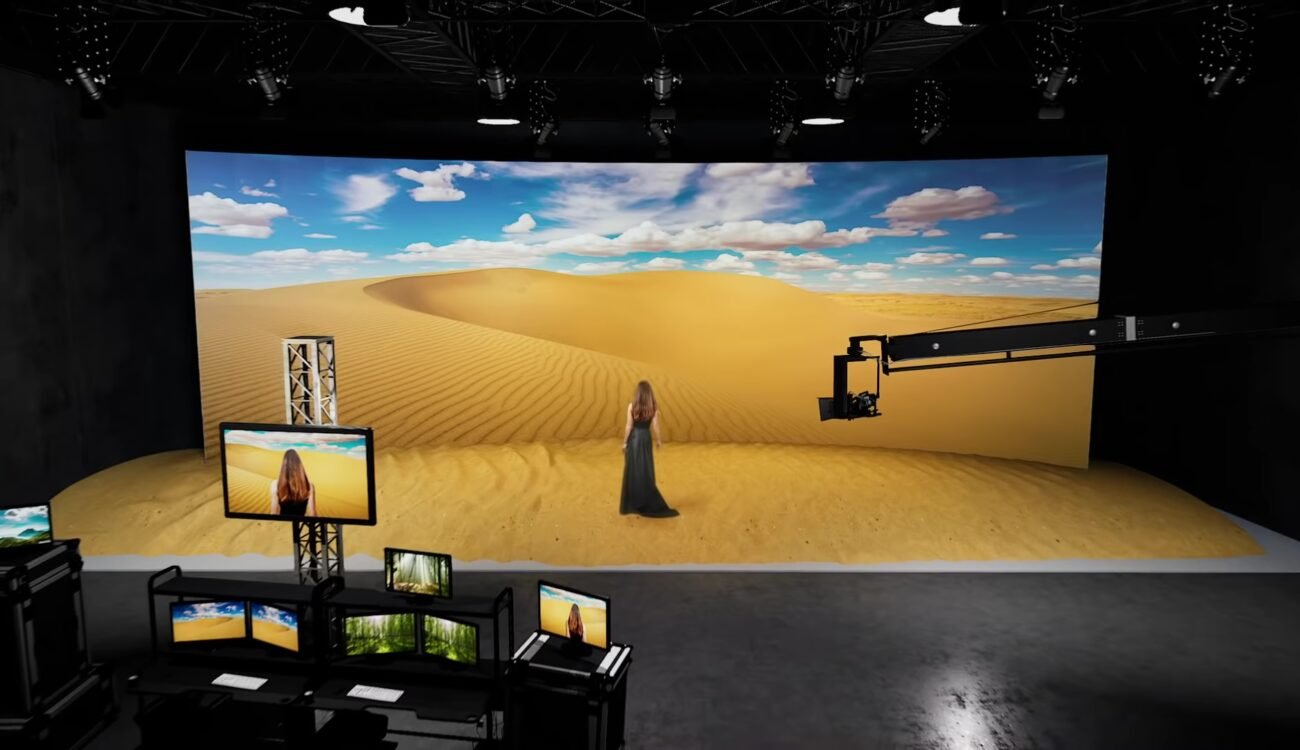
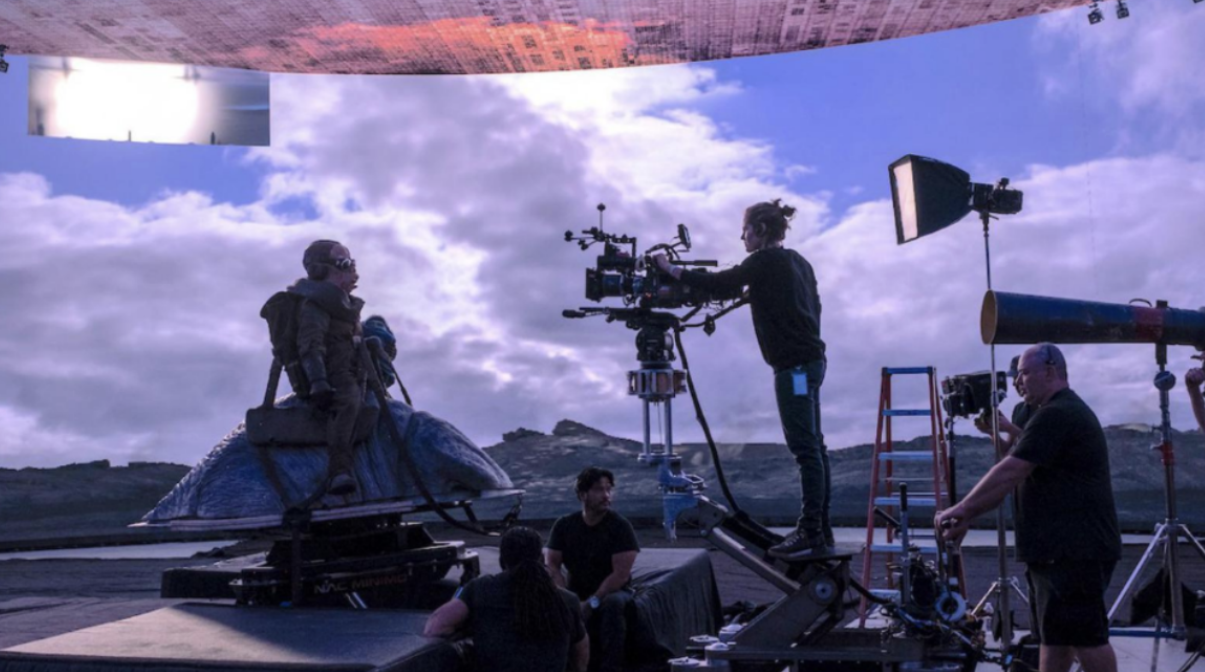
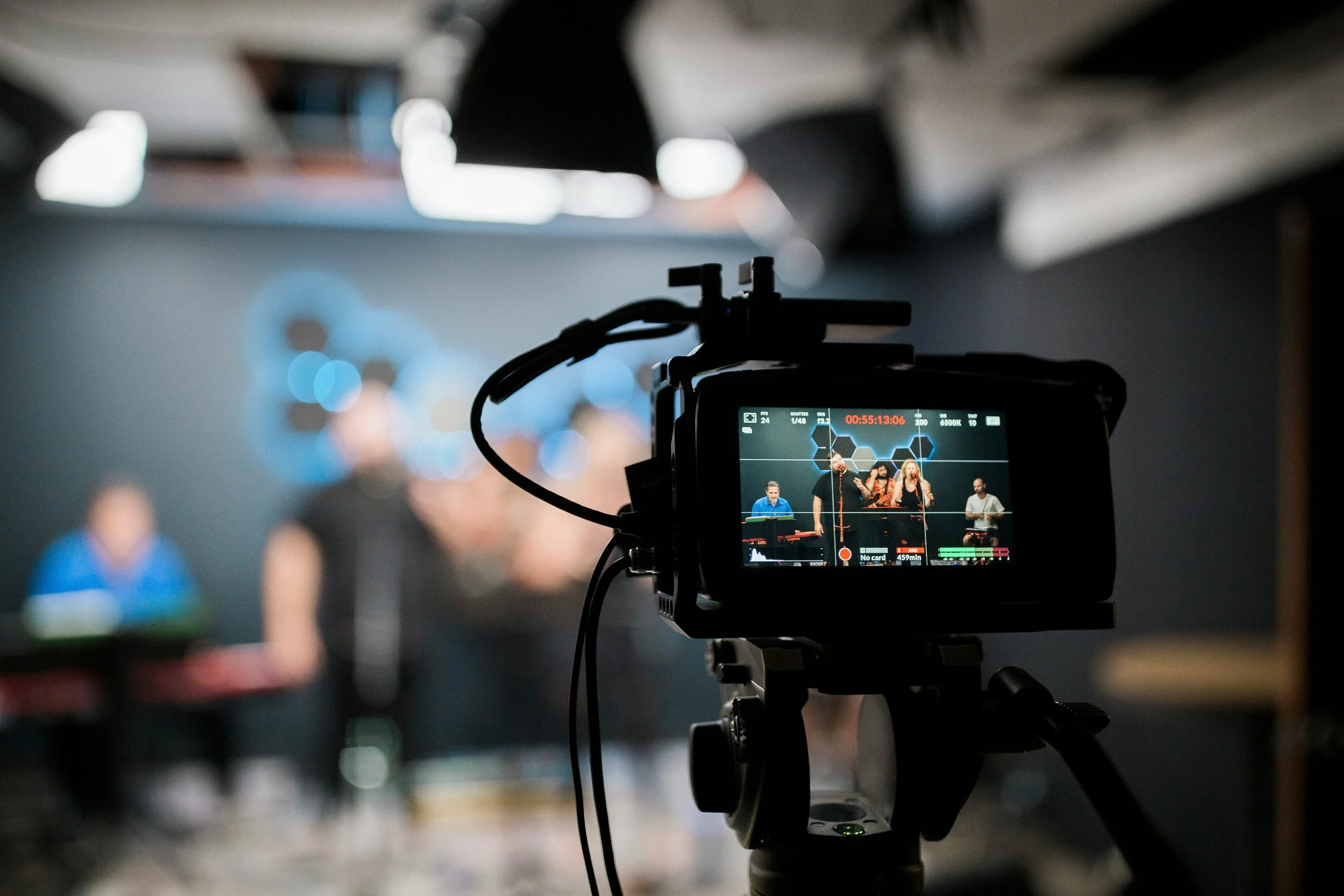
This project delves into the potential expansion in LED volumes, assessing both benefits and challenges. Our findings emphasize the impact of virtual production on labor markets, economic advantages of increased investment in LED screens, and the necessity of integrating virtual production across Sony's various entertainment divisions. Additionally, we highlight the significance of driving technological innovation to solidify Sony's leadership in this evolving landscape. The information revealed in this research, through a conducted survey, will further explore the current state of the virtual production industry and the creative evolution underlying its widespread adoption. For a deeper understanding of virtual production, please see Part I of this research.

June News: Artists Take a Stand on AI

June News: Artists Take a Stand on AI

This month, it’s hard to find a headline that doesn’t mention “AI.” For artists and arts managers, it can now be integrated in every aspect of our work - from creation, to promotion, and general administration. Even your iPhone may soon have AI features integrating messages, calendar, photos, and other personal content. In both music and visual spaces, artists are finding ways to push back on unethical use – while some take legal action, others call for change through the spaces they share their work.

Part One: The Globalization of Virtual Production in Film and Television - Past, Present and Future

Part One: The Globalization of Virtual Production in Film and Television - Past, Present and Future

Virtual production, defined in this project as the use of real-time technologies to combine traditional physical filmmaking with digital assets, has become a rapidly growing practice in the entertainment industry since LED screens were first used in The Mandalorian (2019) (Desowitz, 2020). LED stages have grown exponentially from three stages in 2019 to over 300 stages in 2022 (Giardina, 2022), expanding virtual production to now be a $1.8 billion market (Grand View, 2023). This project investigates the current landscape of LED stages and studios can capitalize on the growing market. 

Three Case Studies Intersecting Sustainability, Public Art, and Urban Planning

Three Case Studies Intersecting Sustainability, Public Art, and Urban Planning

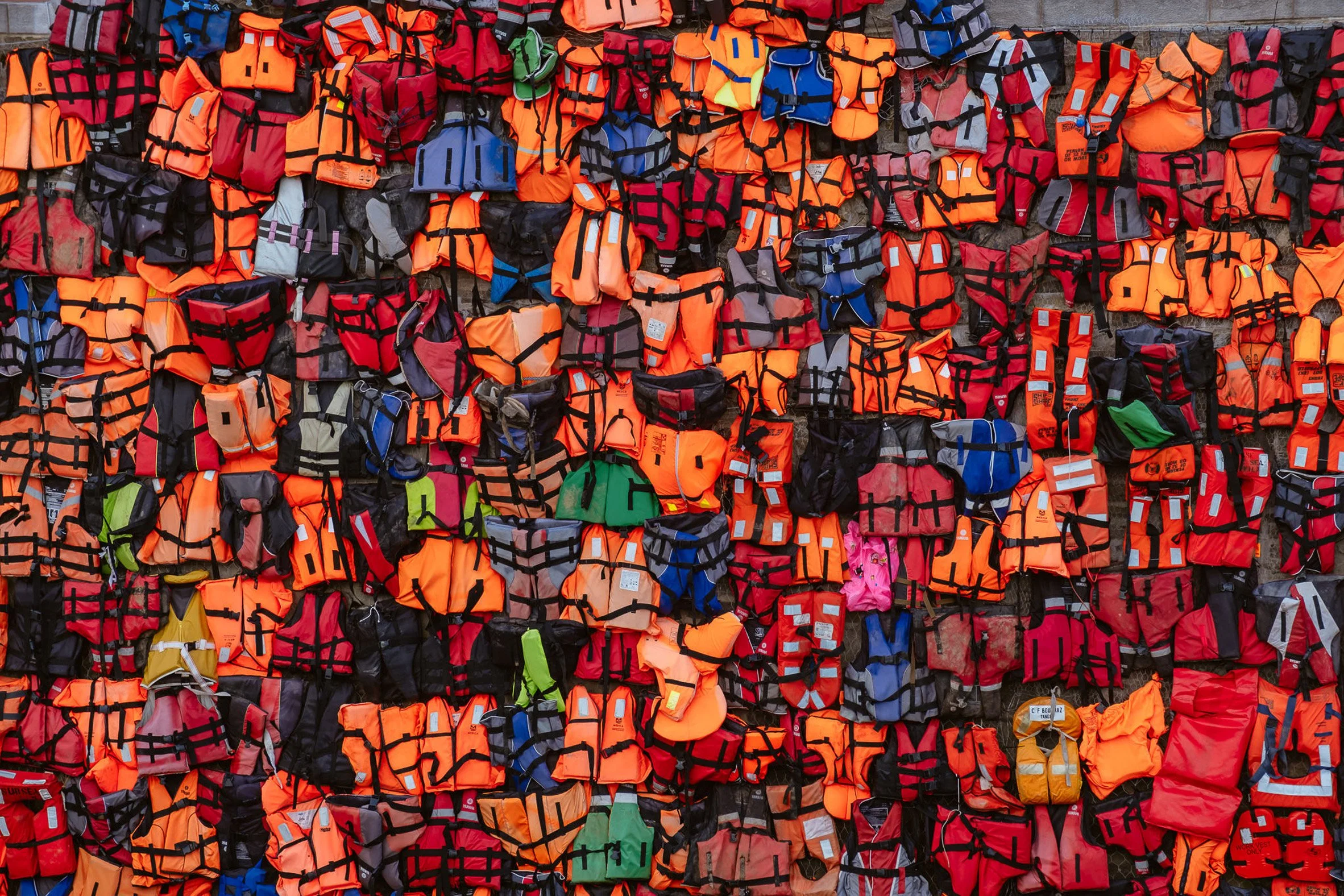
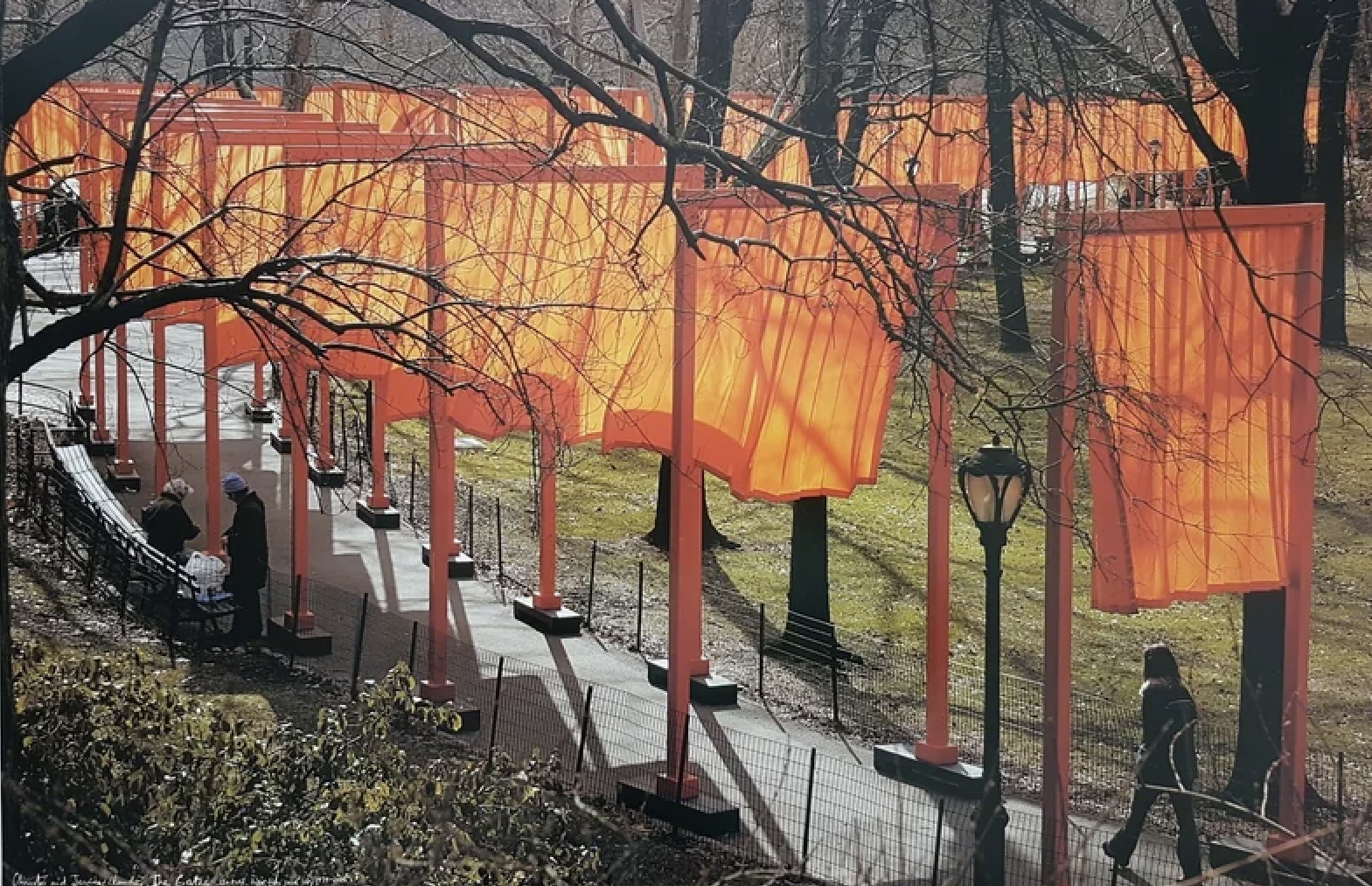
This study looks into the role of public art in the urban design process, seeking to provide insights as to how public art can intentionally be used in the urban design system to achieve the goal of sustainability. The overarching question of this research is what the purpose of public art is. As a strong visual piece inside cities, usually, on a comparatively larger scale, public art has a strong visual impact on the audience. Thus, what kind of information will be delivered to the audience? While the concept of sustainability, or, more specifically, urban sustainability, can be incestigated with various concentrations, it generates the question of what kind of urban planning governments or professional organizations are using to achieve specific sustainable issues. Is there any relationship between the purpose of public art and the method used by urban design for sustainable purposes?

Defining Public Art and How it Can Interact with Sustainability

Defining Public Art and How it Can Interact with Sustainability

When putting the keywords two ‘public art,’ ‘sustainability,’ or ‘urban planning’ into a an internet search, there are plenty of results about articles, research, or press releases. However, when typing all of them together, there are no results relating those three concepts together, yet public art can serve as a key player in urban design for sustainability. This Part One article will dive into the specifics of public art concerning urban design, planning, and sustainability while the Part Two article will dive into specific case studies concerning cities who have implemented sustainable public art plans.

The Impact of Prestige TV on Streaming Television's Storytelling and Execution

The Impact of Prestige TV on Streaming Television's Storytelling and Execution

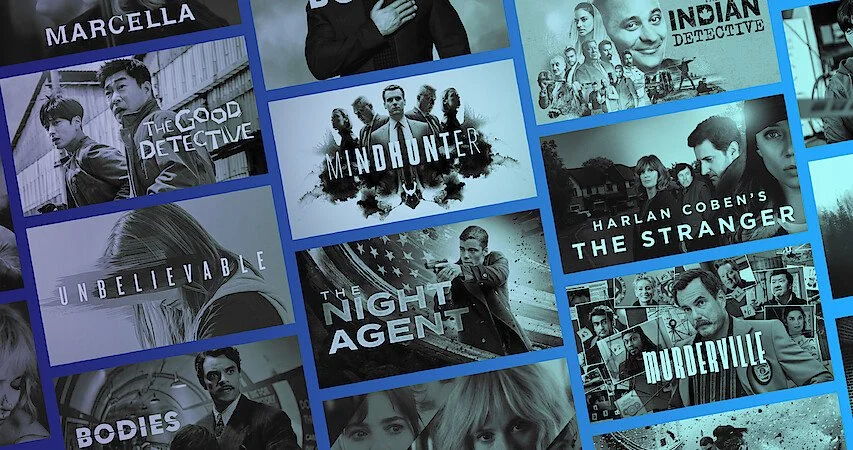
he current era of television feels most like the decade preceding ‘New Hollywood’ in the 1970s, the fall of big budget movie musicals and an industry wide scramble to find out what comes next. Television is in some ways returning to the old model with commercial breaks and digital bundles, but television as a medium and an industry has been forever changed by the birth of prestige television. The lessons that are learned from this time will likely dictate the next fifty years of American television. 

May News: AI, Misinformation, and Cybersecurity

May News: AI, Misinformation, and Cybersecurity

Once again, AI continues to be front of mind this month. While companies expand AI functionality, artists call for protection of their likeness, and consumers call for accurate information. Meanwhile, cyberattacks evolve, and arts enterprises with high profile clients are challenged to respond. Looking at organizational workflow, popular tools like Canva are expanding to become a “one-stop shop” for design needs.

Energy, Innovation, and the Role of Cultural Institutions

Energy, Innovation, and the Role of Cultural Institutions

Investment in cultural facilities can be transformational within communities, and not just through the services they provide, the jobs they create, or the money channeled into the local economy. Cultural facilities can have tangible impacts on a community’s built environment and energy systems. To evaluate this complex relationship, it is useful to use a case study. This article focuses on the city of Pittsburgh, Pennsylvania - specifically, the Oakland neighborhood.

Part Two: Streaming vs. Streamers - A Stand-Off

Part Two: Streaming vs. Streamers - A Stand-Off

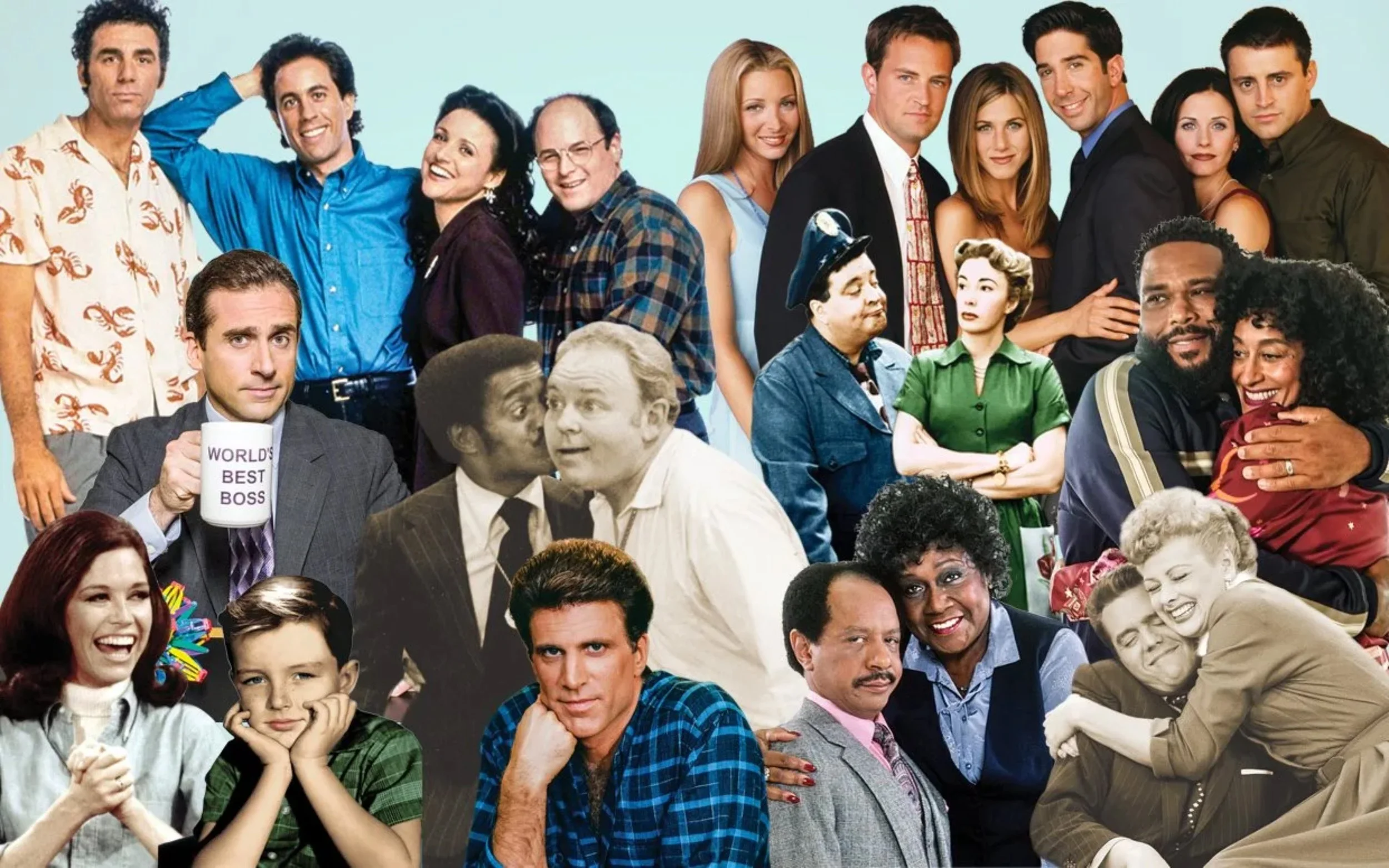
Since streaming became mainstream, major changes in sitcom preferences have come to light. According to analytics, the demand for sitcoms varies by streamer with viewers preferring network sitcoms to those created strictly for streaming. Not only that, but the same study shows that the sitcom was the most in demand sub-genre of television in-demand in 2022. Part One of this research discusses the top ten most streamed shows in the U.S. in 2023.

Part One: Streaming vs. Streamers - A Stand-Off

Part One: Streaming vs. Streamers - A Stand-Off

The creative standstill between viewers and streamers has come to a head. As streaming slowly inches its way to overtaking the conventional ways of watching television, the divide between what viewers want and what is being produced grows. Audiences have made it clear that they prefer the formats of the past overcurrent releases, but streaming companies are refusing to make changes to their current format, especially regarding the sitcom.

DAF Punks Part Two: Beyond Simple Giving, A New Model for DAFs

DAF Punks Part Two: Beyond Simple Giving, A New Model for DAFs

With little success in larger-scale government oversight so far, it begs the question: how is the marketplace for DAFs changing and innovating in the response to these singularizing criticisms? Is the market listening and self-correcting as a way to preempt such legislation? Given the broad variety of DAF sponsor organizations, it is evident that the field, while large, is not a monolith and deserves to be measured at its innovative margins. Newer sponsors have revealed themselves to be particularly aware of the controversies yet remain focused on the opportunities these accounts provide and are demonstrating new approaches to DAF sponsorship aimed at greater payout rates and democratization of their platforms.

DAF Punks Part One: How Tech-Fueled Disruptors are Reshaping the Role of Donor Advised Funds

DAF Punks Part One: How Tech-Fueled Disruptors are Reshaping the Role of Donor Advised Funds

While institutional philanthropy is in a boom-time, foundations have not monopolized such growth. The renewed interest in donor advised funds (DAF) since the pandemic has triggered meteoric growth in the amount of assets stored in DAFs, with recent figures showing over $229 billion stored across 2 million DAF accounts, receiving roughly $86 billion in annual contributions, and granting nearly $52 billion in 2022.

What Are Museum Professionals Saying About Generative AI for Marketing?

What Are Museum Professionals Saying About Generative AI for Marketing?

The use of generative AI (GenAI) tools is becoming increasingly prevalent in marketing, particularly for smaller organizations or nonprofits seeking innovative ways to engage audiences and improve workflow efficiency. This article dives into data collected through a survey that was sent out to museum professionals in Pittsburgh and Cleveland to better understand how and if they are utilizing generative AI tools in their marketing strategies.

April News: Entertainment Industry Divided on AI Tools

April News: Entertainment Industry Divided on AI Tools

This month, music and film are at the forefront as each battles with the future uses for burgeoning tech. While AI-generated film visuals seem to be coming up short, progress toward realistic AI-generated music is starting to send shockwaves. On the consumer side, music streaming tools are being released to allow more listening experience customization. Across the industry, artists are celebrating ways that some these new tools can enhance their work, while speaking out against potential impacts on jobs, compensation, and creative freedom.

How Generative AI is Impacting Digital Marketing

How Generative AI is Impacting Digital Marketing

Generative AI (GenAI) has become increasingly integrated into marketing and communication careers, and even our daily lives, with the rise of various text-to-image, text-to-video, & text-to-text tools. As digital marketers find new and innovative ways to keep up with the trends, and specifically GenZ in a quick-changing popular culture scene, how are they reacting to the rise of GenAI?

Blockchain Technology for Climate Action in the Arts

Blockchain Technology for Climate Action in the Arts

Arts and cultural organizations are becoming increasingly aware of their climate impact, and many are taking action to reduce harm. Tracking, reporting, and offsetting emissions may seem like an overwhelming feat for small or mid-sized organizations, but emerging blockchain technology may help make the process more efficient and reliable.