

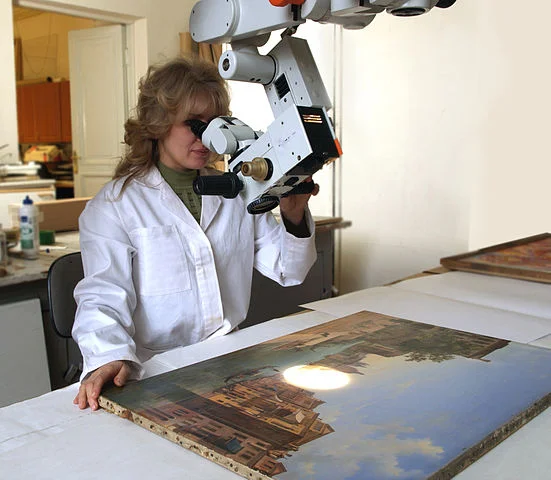
Artworks serve many purposes, including recording the past, demonstrating man’s creativity, and educating future generations. As new technologies emerge, museums have better tools to show undamaged art to the general public, and to make sure that these pieces will be preserved for years to come.
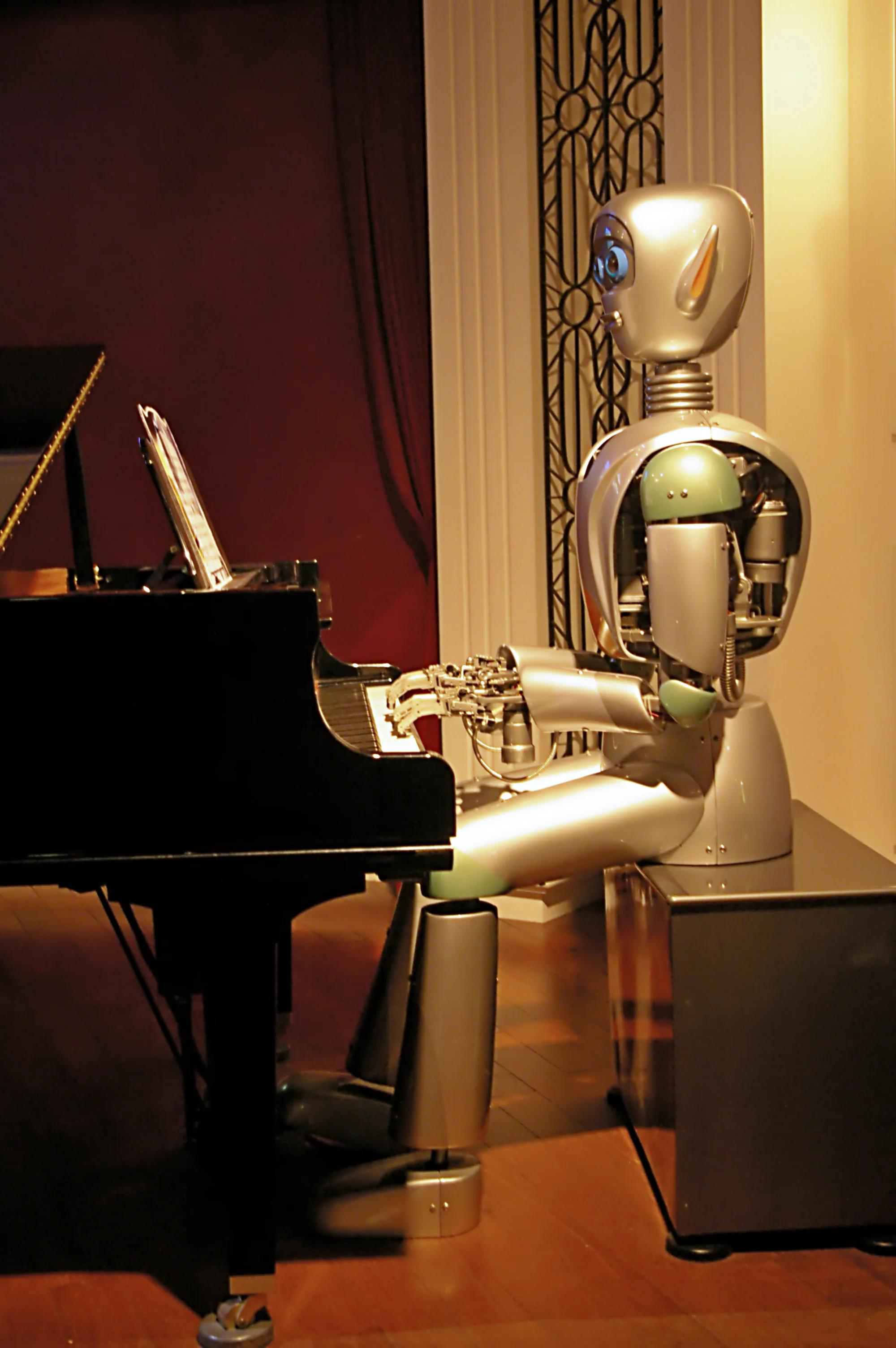
Robotics, the Changing Nature of Work, and the Arts
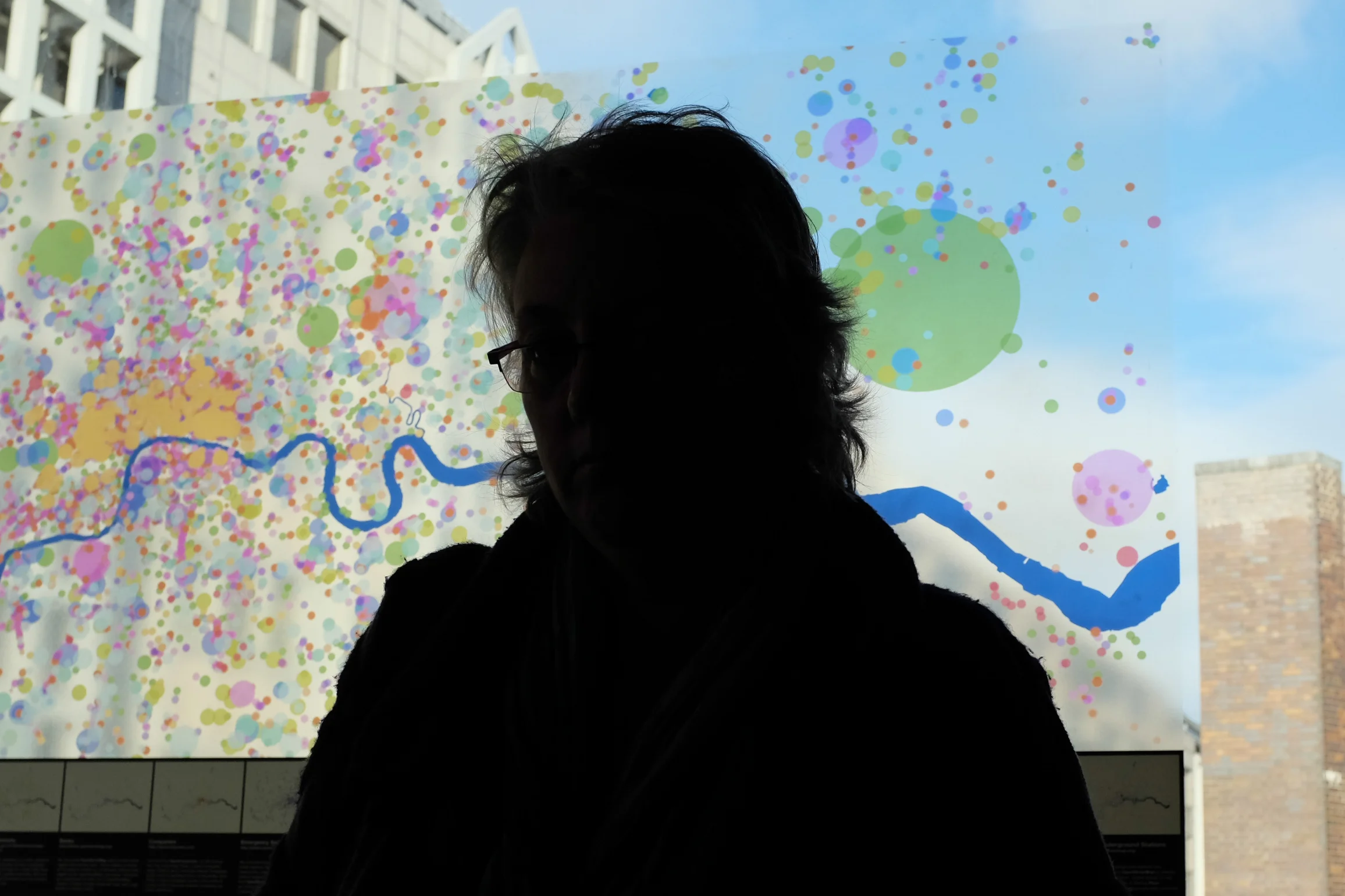
Open Data and the Arts: What's Next?
How can galleries, libraries, archives and museums create long-term value with open data? Can cultural institutions become leaders for social innovation by opening data? Open data advocates argue that yes, they can, but only if they are able to translate that data into useable knowledge. AMT Lab Contributor Sarah Weber investigates.
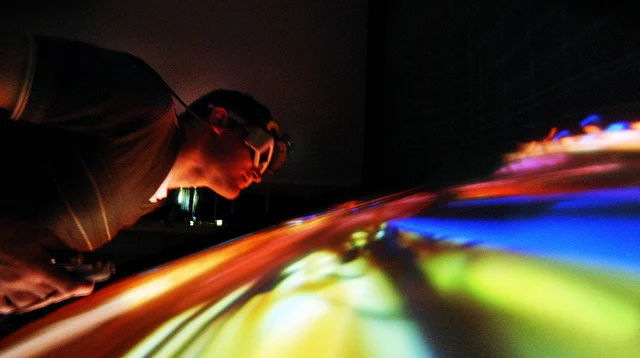
Virtual Reality and Audience Engagement in Museums
Jami Rutherford - How technology plays a key role in Arts Management
Jami Rutherford is a project manager with Cloud for Good, a Salesforce Consulting Partner and Certified B Corporation that helps nonprofits advance their mission via the Salesforce platform. Jami recently sat down with AMT Lab contributor Katie Grennan to discuss how she has seen technology impact the arts industry and what she feels the future holds for the increasing intersection points between the two.
Ticket Scalping Today: Assessing the Challenge
Reselling tickets at prices above face value on the secondary market, otherwise known as ticket scalping, is a common practice in the United States. But how has the internet and advancing technology empowered scalpers at the expense of arts organizations? AMT Lab Contributor Katie Grennan investigates.
Drawing in the 21st Century: A Side-By-Side comparison of Adobe Illustrator Draw and Autodesk SketchBook
Social Listening: Are You Taking Advantage of it?
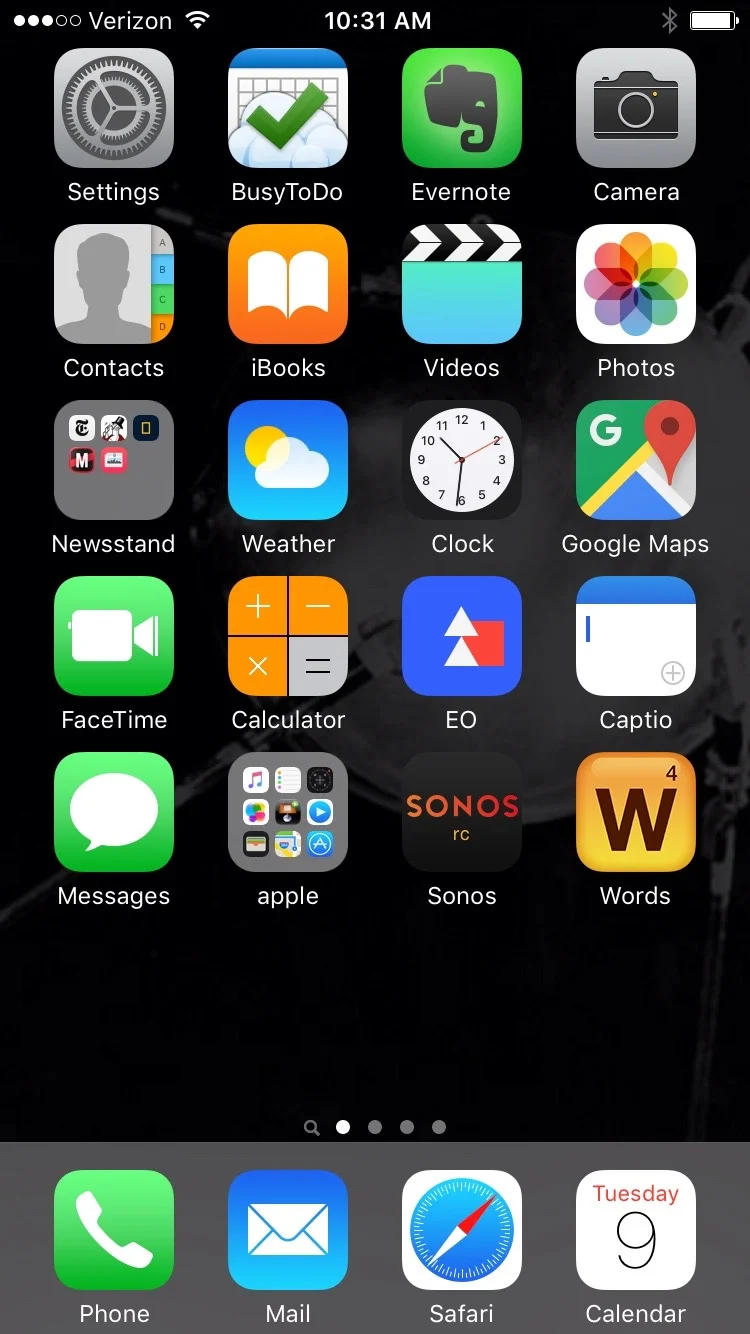
What’s on Your Phone, Drew Davidson?
5 Technologies with the Potential to Enhance Museum Experience
As new technologies emerge in the market, museums are able to enhance visitor experiences through innovative tools, allowing for increased accessibility and interaction with the visitors.
Here are five exciting technologies that are upending traditional notions at many museums across the world, and changing the way museums can present their exhibitions and in-gallery experiences.
Selling Online: An Abridged History of E-Commerce
When you need a book, you no longer jump in a car and drive to a bookstore. Instead, with just a few clicks on the computer, your book will be waiting at your front door in two days or instantly online. E-Commerce has become a natural and regular part of people’s lives, and nonprofits should evaluate this trend when managing their revenue sources.
Learning From Leaders: Data Practices in the Opera Industry
How are marketing departments at large American Opera institutions using their data? This new Whitepaper by AMT-Lab Contributor Kevin O'Hora uses four case studies to paint a picture of how companies are using data acquired by their website. Full of insights for marketing departments across disciplines, this publication includes software recommendations as well as general strategies and best practices applicable to any arts marketer.
Increasing Accessibility Through Virtual Reality: A Look at VR’s Therapeutic Potential
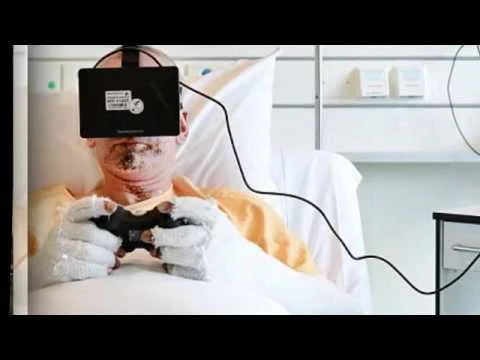
Virtual Reality has helped researchers make significant advancements in treating burn patients, phobias, PTSD, and learning disabilities. As the technology moves into museums, it presents an exciting opportunity for improved accessibility initiatives, potentially allowing visitors with autism and sensory-learning disabilities to enjoy a customizable museum experience in a safe, controlled environment.
News Roundup: Virtual Reality – the beginning of something new
This semester, several AMT-Lab contributors are exploring the potential uses of virtual reality in the arts. Virtual reality technology provides a new perspective for audiences that is easily accessible, requiring equipment sometimes as simple as a smartphone. Because of emerging virtual reality technology, not only do artists have different ways to explore their work, but they also have a new way to engage and interact with their audience. Here is a selection of recent articles that explore how virtual reality technology is transforming the arts.
Our Brains Are In-Love With Visual Data
New Whitepaper: RFID Technology In Museums
How Can We Fix the Music Distribution System?
Despite the development of technologies that allow businesses to operate more efficiently and transparently, it remains difficult for an outsider to see and understand the way in which the music industry pays its artists. The cash flow is becoming more convoluted with an increased diversity of options for consuming music, making it more difficult for artists—even those in the industry—to track how their royalties are calculated. AMT Lab Contributor Colin Baylor explores some potential solutions for this broken system.
How Can MOOC Providers Create an Interactive Learning Experience in the Arts?
In this new publication, AMT Lab Contributor Wanqi Peng shares her research on the current state of arts education in Massive Open Online Courses (MOOCs). Included in the report is an overview of the field, a summary of trends in digital arts courses, and a course study following a pioneer of online arts education. Download the full report here.
New Infographic: Beacons for Performing Arts Managers
Are you curious about beacon technology? Perhaps you're wondering how you should go about choosing a beacon hardware provider. Or maybe you are considering how you would use this technology in your performing arts organization. AMT Lab Contributor Kate Martin has created an infographic to get you started answering these questions.
#TBT: Database Systems in the Arts
Customer Relationship Management systems (CRM) are a vital element at the heart of many arts organizations. Databases can provide invaluable information to marketers, fundraisers, and box office staff alike. This week’s throwback takes a look at some of AMT Lab’s more popular interviews and features concerning CRM systems.